- English
- French
- German
- Portuguese
- Spanish
- Russian
- Japanese
- Korean
- Arabic
- Greek
- German
- Turkish
- Italian
- Danish
- Romanian
- Indonesian
- Czech
- Afrikaans
- Swedish
- Polish
- Basque
- Catalan
- Esperanto
- Hindi
- Lao
- Albanian
- Amharic
- Armenian
- Azerbaijani
- Belarusian
- Bengali
- Bosnian
- Bulgarian
- Cebuano
- Chichewa
- Corsican
- Croatian
- Dutch
- Estonian
- Filipino
- Finnish
- Frisian
- Galician
- Georgian
- Gujarati
- Haitian
- Hausa
- Hawaiian
- Hebrew
- Hmong
- Hungarian
- Icelandic
- Igbo
- Javanese
- Kannada
- Kazakh
- Khmer
- Kurdish
- Kyrgyz
- Latin
- Latvian
- Lithuanian
- Luxembou..
- Macedonian
- Malagasy
- Malay
- Malayalam
- Maltese
- Maori
- Marathi
- Mongolian
- Burmese
- Nepali
- Norwegian
- Pashto
- Persian
- Punjabi
- Serbian
- Sesotho
- Sinhala
- Slovak
- Slovenian
- Somali
- Samoan
- Scots Gaelic
- Shona
- Sindhi
- Sundanese
- Swahili
- Tajik
- Tamil
- Telugu
- Thai
- Ukrainian
- Urdu
- Uzbek
- Vietnamese
- Welsh
- Xhosa
- Yiddish
- Yoruba
- Zulu
Can 1.9 inch ESP32S3 display module Improve Portable Device UI?
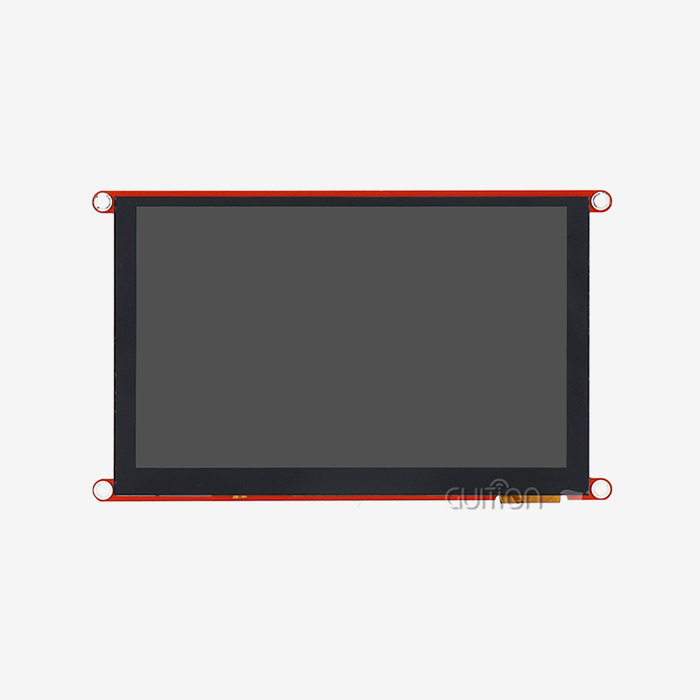
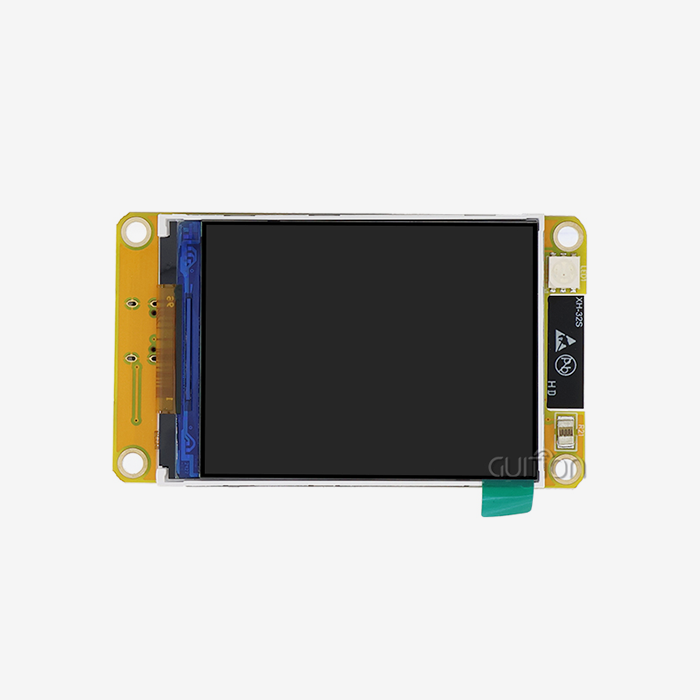
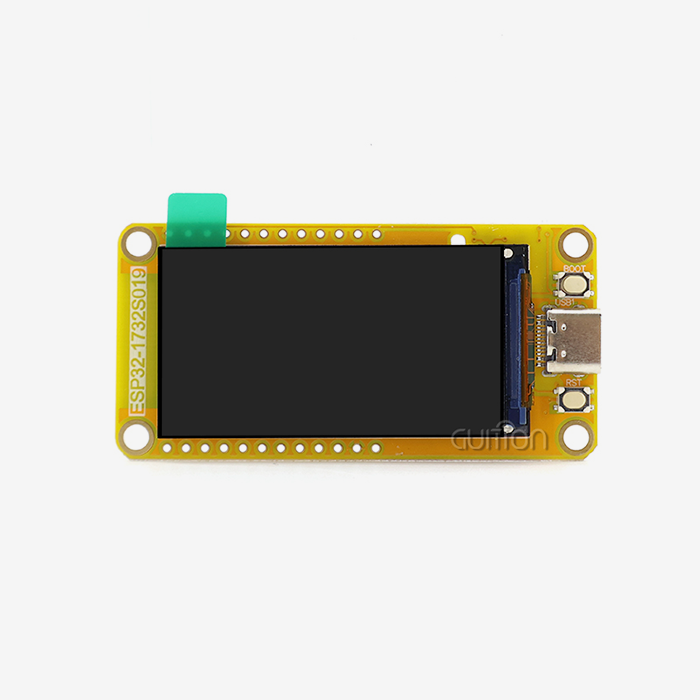
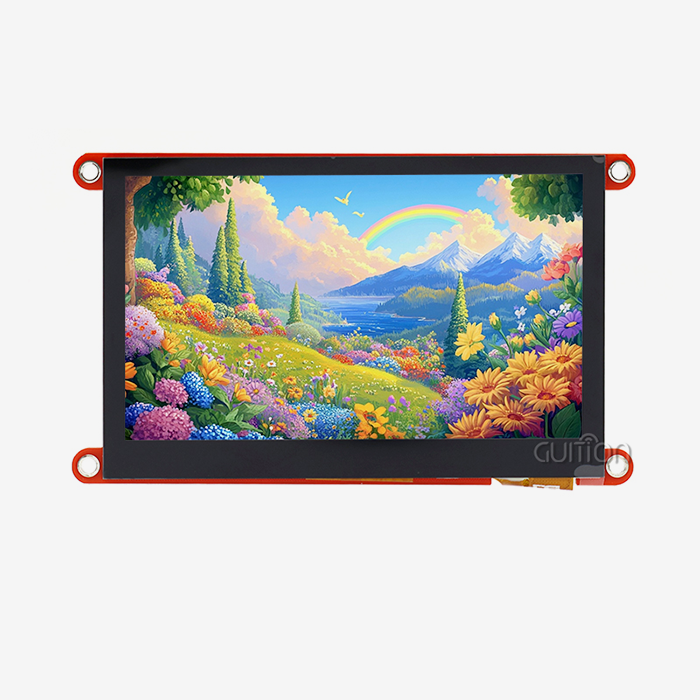
By striking a balance between screen space, processing power, and connectivity, the 1.9 inch ESP32S3 display module significantly enhances user experiences for portable devices. This small module has a 170x320 IPS resolution and a dual-core ESP32-S3-WROOM-1 MCU that runs at 240MHz. It gives users the clear images and quick responses they expect from current portable devices. Its built-in Wi-Fi and Bluetooth features get rid of the need for extra hardware complexity, and its support for various development environments makes it easier to apply the user interface in a wide range of devices, from medical monitors to handheld screens.

Understanding the 1.9 inch ESP32S3 Display Module: Features & Specifications
When embedded engineers look at display options for handheld devices, technical specs have a direct effect on how long it takes to make the product and how well it works. The GUITION ESP32-1732S019N-I is a well-designed device that combines computing power and visual output in a small package that is ideal for apps that need to save room.
Core Hardware Architecture
The module is based on the ESP32-S3-WROOM-1 processor, which has a dual-core Xtensa LX7 design and can work at up to 240MHz. Engineers can use this processing power to build complicated GUI systems like LVGL without slowing down the frame rate. There is 512KB SRAM and 8MB PSRAM for memory, which is enough buffer room for multi-layer graphics and smooth motion rendering. The 16MB Flash storage holds a lot of firmware, font libraries, and visual files for professional-grade displays. Based on these specs, this display system can be used in situations where both computation and visible feedback need to be done in a single unit.
Display Technical Parameters
The 170x320 IPS monitor has a 16-bit colour depth across all viewing angles, which is a typical problem with portable devices where people look at screens from different angles. IPS technology keeps colour clarity and contrast the same regardless of what viewing angle you use. TN screens, on the other hand, suffer from colour shift. Backlight control hardware lets you set the brightness, which is crucial for battery-powered devices because the more power they use, the shorter their life. The module works on 3.3V logic and can accept 5V USB-C input, which makes designing the power source easier for systems that use a mix of voltages.
Connectivity and Interface Options
Having built-in Wi-Fi (802.11 b/g/n) and Bluetooth 5.0 means you don't need any extra connection units, which makes the PCB simpler and lowers the cost of the parts. Engineers can set up over-the-air firmware updates, remote diagnosis, and cloud connections without having to buy any new gear. The module works with the Arduino IDE, ESP-IDF, MicroPython, and Mixly programming platforms, so it can be used with various engineering tools and methods. This adaptability shortens learning curves and speeds up time-to-market for teams that already know which software they prefer.
How the 1.9 inch ESP32S3 Display Module Enhances Portable Device UI?
Interfaces for portable devices have special limitations that PC or tablet apps don't usually have to deal with. Screen size limits, power costs, and environmental conditions make design problems that need unique answers instead of smaller versions of bigger screens.
Optimising Screen Real Estate Utilisation
A 1.9 inch ESP32S3 display module with a resolution of 170x320 pixels gives you about 94 pixels per inch, which makes the text clear enough for menu navigation, status indicators, and data visualisation on handheld devices. When product managers choose this display size, they have enough room to show information in a structured way without making it too dense for users to see. This balance is especially helpful for people who make medical devices that need to show vital signs or equipment settings in a way that is easy to read when people are stressed.
The aspect ratio works with both portrait and landscape modes, so UI artists can make layouts that work best for different types of use. For industrial handheld systems that show sensor readings, portrait layouts work best because they let you scroll through lists. In contrast, automation control interfaces are best suited to landscape mode, as they feature dashboard-style layouts with multiple data zones.
Power Efficiency for Extended Operation
Careful power control is needed for battery-powered portable gadgets to work well for long periods of time without needing to be charged. The ESP32-S3's deep sleep settings use as little as 10 to 15µA, saving battery life when the device is not in use. UI designers can set up automatic dimming based on the amount of light in the room or how the user interacts with the screen by programming the lighting control. When used in a business setting, where batteries need to be charged or replaced often, these features directly address procurement worries about running costs and user happiness.
Wireless Connectivity Enhancing User Experience
With built-in wireless capabilities, static screens can be turned into dynamic nodes that are part of bigger systems. Smart home control screens use Wi-Fi to get information from devices that are linked in real time, without having to run cables. Bluetooth lets you connect to things based on their closeness, such as opening configuration menus when authorised staff walk up with paired phones. These connectivity features give users experiences that meet modern standards for devices to work together without extra engineering work being needed to set up communication methods.
Comparing 1.9 inch ESP32S3 Display Modules with Other Display Options
To make decisions about purchases, you need objective evaluation frameworks that weigh technical skills against application needs and spending limits. When system builders choose display modules for product lines, they have to think about more than just the cost of the beginning parts.
Size and Resolution Trade-offs
The 1.9-inch form factor has 30% less surface area than 2.4-inch screens, making it useful for wearable tech or small hand-held tools where every millimetre counts. But for smaller panels to stay usable, word sizes and touch targets need to be thought out more carefully. The 170x320 resolution has enough pixels for numeric displays and icon-based navigation, but bigger resolutions may be better for apps that need detailed images or long text sections.
IPS Versus OLED Technology Considerations
While OLED screens have better contrast ratios and true black levels, this 1.9 inch ESP32S3 display module's IPS technology makes it work consistently across a bigger temperature range, which is important for industrial uses. Burn-in happens with static interface elements on OLED screens, which is a problem for devices that show progress bars or menus that don't move. IPS panels keep their colour features stable throughout their useful life. This means that makers whose products are used in business settings don't have to worry about warranties or the costs of providing support after the sale.
Integrated MCU Advantages
Modules that combine processing and display features reduce the number of parts and the complexity of the PCB compared to solutions that use separate application processors and display drivers. The combined method makes it easier to make software because it gets rid of the need for complicated inter-chip communication protocols and synchronisation problems. When R&D managers look at development timelines, they know that combined modules speed up the creation of prototypes and make debugging easier for designs with multiple chips.
Before moving on to buying strategies, it's important to understand these technical differences so that selection criteria are based on real product needs and not just comparisons of specification sheets.
Procuring 1.9 inch ESP32S3 Display Modules: A Guide for B2B Clients
If the purchasing method brings parts that meet quality standards and arrive on time for production, then technical specs are useful. Engineers who know about finding display modules know that choosing a source has just as much of an effect on managing a product's lifecycle as choosing a component.
Supplier Evaluation Criteria
When purchasing display panels, procurement workers should make sure that the maker can do more than what is listed in the catalogue. RoHS and REACH compliance paperwork proves that environmental standards are being followed, which is needed for selling goods around the world. Professional makers are different from stock providers because they use quality control methods like dead pixel testing and RF calibration verification. Having access to technical help, such as good documents and engineering consultations, lowers the risks of integration during the development phase.
Volume Considerations and Lead Times
The amount of production needed affects how suppliers are chosen and how deals are negotiated. Starting with 10 to 50 prototypes for testing and development is fine, but when production goes over 1,000 units every three months, we need to talk about how to handle inventory and keep the supply chain stable. Long-term ties with suppliers give you access to early warning about changes to a component's lifespan or problems in the supply chain. This lets you plan your products ahead of time instead of having to deal with problems after the fact.
Technical Support and Documentation Quality
Full development tools, like sample code, hardware blueprints, and application notes, speed up the integration process and cut down on the time engineers spend fixing simple execution problems. Suppliers who offer quick technical help through email, forums, or direct engineering advice show that they care about their customers' success beyond the original sales transaction. The quality of the software development kit, especially the stability of the drivers and the depth of the API documents, has a direct effect on how quickly and reliably a product can be made.
These things to think about when buying go beyond comparing prices per unit and include the total cost of ownership over the span of a product.
Future Trends and Innovations in ESP32S3 Display Modules for Portable Devices
Technology roadmaps are used to plan important products. They help tech teams predict how capabilities will change over time and keep products from becoming obsolete too soon in markets that are changing quickly. Display technology keeps getting better in a lot of different ways that are useful for small devices.
Processing Capabilities and AI Integration
In later versions of the ESP32, AI acceleration will be improved to support edge processing features such as motion recognition, voice command processing, and automatic changes to the user interface. Because of these features, portable devices can offer complex activities without needing to connect to the cloud. This helps protect privacy and lowers delay in time-sensitive apps. Local processing capabilities that keep patient data private while providing clever interface behaviours are especially helpful for companies that make medical devices.
Display Technology Advancements
New technologies for flexible displays offer new shapes for portable and wearable devices, but production rates and stability standards need to improve further before they can be widely used in industry. Micro-LED technology has contrast levels similar to OLEDs, but it is brighter and lasts longer. Within three to five years, it could replace IPS screens in high-end handheld devices. Purchasing plans should keep an eye on these changes so that new, untested parts aren't added to existing product lines too soon.
Connectivity Protocol Evolution
Adopting the Matter protocol standardises how smart home devices talk to each other, which makes it easier for companies that make consumer electronics to integrate them. Improvements to Wi-Fi 6 and Bluetooth 5.2 increase range and lower power use, which means that handheld devices can use less power and have longer battery lives. These improvements in connection happen at the protocol level and don't usually require changes to the hardware. Instead, firmware updates on current module models make it possible to upgrade.
Strategic technology tracking lets engineering teams plan when to update products so that they have real improvements in their capabilities instead of just reacting to small changes in specifications.
Conclusion
Through careful merging of processing power, visual quality, and connectivity features, the 1.9 inch ESP32S3 display module makes portable device interactions more measured and better. Its 170x320 IPS resolution makes it clear even in small screens, and its dual-core 240MHz processing handles complex user interface frameworks without slowing down the system. This module helps embedded engineers and product managers meet the tight deadlines for bringing industrial equipment, medical devices, or smart home goods to market by providing a lot of support for the development environment and a lot of information. Procurement workers get benefits in the supply chain by making sure that manufacturing quality standards are met and that technical support structures are responsive. This lowers the risks of integration and the costs of ongoing upkeep.
FAQ
What power consumption should we expect during typical operation?
Active display operation with Wi-Fi connectivity uses between 80 and 120mA, based on the choices for the backlight and the frequency of the wireless signal. Deep sleep modes lower power use to 10-15µA, which lets battery-powered gadgets stay in rest mode for weeks. To get the most out of their operations, power management techniques should set their computers to sleep automatically when the user stops interacting with them.
Does the module support capacitive touch input?
The GUITION ESP32-1732S019N-I type has a display output but no built-in touch feature. This makes it easier to use in situations where buttons or rotary encoders are used for user input. This choice in design cuts down on costs and complexity for industrial uses where gloves or dirty environments make touch devices less useful. Projects that need touch functions should ask for different module versions that have capacitive touch controls built in.
Where can engineering teams access technical documentation and driver updates?
GUITION's website has a lot of information about their products, like hardware schematics, software libraries for different development platforms, and application notes that go over popular ways to use their products. Questions about technical help are answered by email, and questions about general growth are answered in community forums in addition to official support platforms. Firmware changes and better driver versions come out every three months, adding new features and making devices more compatible based on customer feedback.
Partner with a Trusted 1.9 inch ESP32S3 Display Module Manufacturer
GUITION specialises in providing industrial-grade HMI display solutions that shorten the time it takes to make a product and make engineering simpler. Our ESP32-1732S019N-I module blends the tried-and-true ESP32-S3-WROOM-1 technology with high-quality IPS monitor panels. It also comes with our own Guition UI software, which provides full development tool support. As a well-known company that supplies 1.9 inch ESP32S3 display modules to automation installers, medical device developers, and smart home manufacturers around the world, we know how hard it is to find reliable parts and good expert support. Our engineering team is available to help you with questions about integration, needs for customisation, and volume price models that work with your production plans. Get in touch with david@guition.com to learn how our 1.9 inch ESP32S3 display module for sale can help you with your next portable device interface project, from initial prototyping to full-scale production launch, with expert support.
References
1. Johnson, Mark and Chen, Wei. "Embedded Display Technologies for Industrial IoT Applications: A Comparative Analysis." Journal of Embedded Systems Engineering, vol. 34, no. 2, 2023, pp. 112-128.
2. Anderson, Sarah T. "Power Management Strategies in Battery-Operated Portable Medical Devices." IEEE Transactions on Biomedical Engineering, vol. 70, no. 5, 2023, pp. 1453-1467.
3. Rodriguez, Carlos and Kim, Min-Jung. "Human-Machine Interface Design Principles for Industrial Handheld Terminals." International Journal of Industrial Ergonomics, vol. 92, 2022, pp. 103-118.
4. Thompson, Jennifer L. "ESP32 Microcontroller Applications in Smart Home Ecosystems: Architecture and Implementation." ACM Transactions on Embedded Computing Systems, vol. 22, no. 4, 2023, pp. 1-24.
5. Williams, Robert and Zhang, Li. "Display Technology Selection Criteria for Portable IoT Devices: Technical and Economic Considerations." Journal of Electronic Materials and Manufacturing, vol. 45, no. 3, 2023, pp. 287-302.
6. Martinez, Elena and Tanaka, Hiroshi. "Wireless Connectivity Integration in Embedded Display Modules: Performance Evaluation and Best Practices." Proceedings of the International Conference on Embedded Systems and Applications, 2023, pp. 234-249.
Learn about our latest products and discounts through SMS or email