- English
- French
- German
- Portuguese
- Spanish
- Russian
- Japanese
- Korean
- Arabic
- Greek
- German
- Turkish
- Italian
- Danish
- Romanian
- Indonesian
- Czech
- Afrikaans
- Swedish
- Polish
- Basque
- Catalan
- Esperanto
- Hindi
- Lao
- Albanian
- Amharic
- Armenian
- Azerbaijani
- Belarusian
- Bengali
- Bosnian
- Bulgarian
- Cebuano
- Chichewa
- Corsican
- Croatian
- Dutch
- Estonian
- Filipino
- Finnish
- Frisian
- Galician
- Georgian
- Gujarati
- Haitian
- Hausa
- Hawaiian
- Hebrew
- Hmong
- Hungarian
- Icelandic
- Igbo
- Javanese
- Kannada
- Kazakh
- Khmer
- Kurdish
- Kyrgyz
- Latin
- Latvian
- Lithuanian
- Luxembou..
- Macedonian
- Malagasy
- Malay
- Malayalam
- Maltese
- Maori
- Marathi
- Mongolian
- Burmese
- Nepali
- Norwegian
- Pashto
- Persian
- Punjabi
- Serbian
- Sesotho
- Sinhala
- Slovak
- Slovenian
- Somali
- Samoan
- Scots Gaelic
- Shona
- Sindhi
- Sundanese
- Swahili
- Tajik
- Tamil
- Telugu
- Thai
- Ukrainian
- Urdu
- Uzbek
- Vietnamese
- Welsh
- Xhosa
- Yiddish
- Yoruba
- Zulu
How ESP32P4 Display Simplifies Touch UI Prototyping
The ESP32P4 display changes touch UI development by including a dual-core RISC-V processor running at 360MHz and supporting a native MIPI-DSI interface. This gets rid of the bandwidth problems that usually happen with SPI-based MCU displays. This high-tech design makes it possible for complex graphics user interfaces to be rendered smoothly and for capacitive touch to work while still using very little power. With hardware acceleration, plenty of PSRAM, and flexibility with a wide range of development environments, engineers can make prototypes of complex HMI solutions in days instead of weeks. This cuts the time it takes to get these solutions to market by a huge amount for industrial, medical, and consumer IoT applications.

Understanding the Challenges in Touch UI Prototyping
Embedded engineers and product managers from a wide range of businesses always tell me the same things that bother them about standard touch UI development. During the testing process, delays often push the whole product launch back.
Hardware Compatibility Nightmares
Adding display units to existing microcontroller environments often leads to unexpected technical problems. Many teams don't find out about connectivity problems until they've already decided on a tech setup. Driver libraries might not provide enough guidance, which can lead engineers to spend weeks figuring out how to reverse-engineer initialisation processes. The Guition JC4880P443C_I_W directly addresses this problem by offering factory-programmed test applications that start working as soon as they are connected. This lets teams test ideas before spending money on custom development.
Complex Driver Integration Wastes Resources
For traditional display systems to work, you need to understand how low-level registers are set up and how timing factors work. Engineers have to figure out what unclear datasheets mean and fix confusing initialisation errors. This level of technical difficulty takes important research and development resources away from improving application logic and the user experience. The learning curve for traditional display integration can add months to project timelines, especially for teams that haven't worked on HMI development before.
Fragmented Documentation Slows Development
When reviewing display module sellers, procurement professionals face big problems. Because technical data isn't always uniform, application notes are missing, and sample code isn't always useful, engineering teams have to learn by making mistakes. This fragmentation makes it harder to make accurate estimates of development timelines and resource needs, raises the cost of debugging, and causes doubt during the purchase choice process.
Why Is the ESP32P4 Display a Game-Changer for Touch UI Prototyping?
Embedded display features have changed a lot with the ESP32P4 display design. This platform offers multimedia-level performance at microcontroller prices, unlike last-generation microcontrollers that had issues with their serial interfaces.
Unified Architecture Accelerates Integration
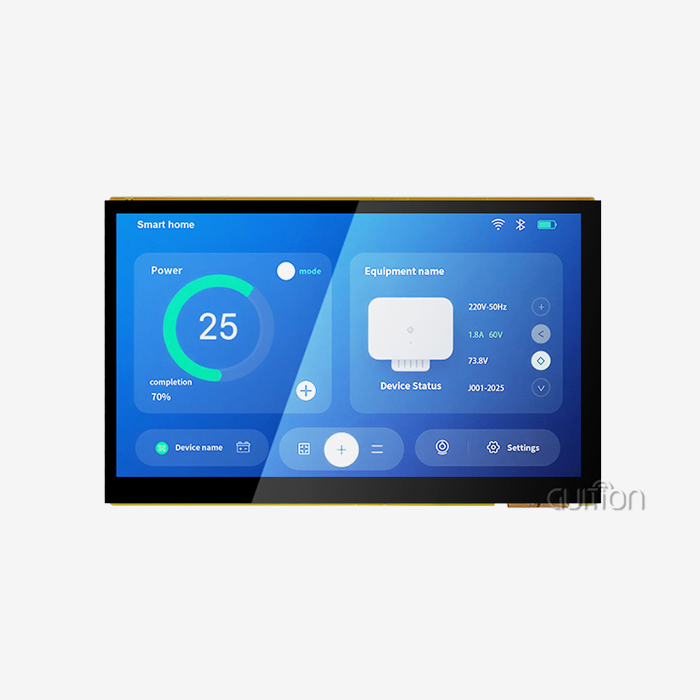
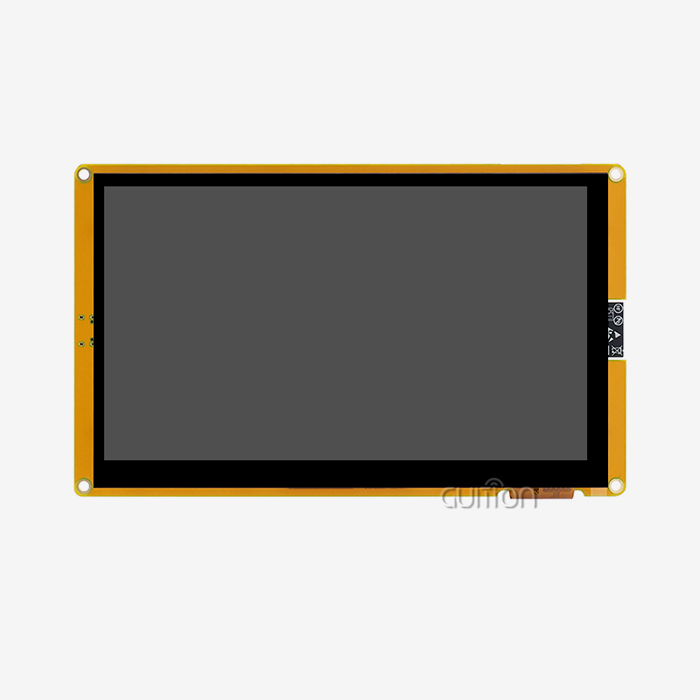
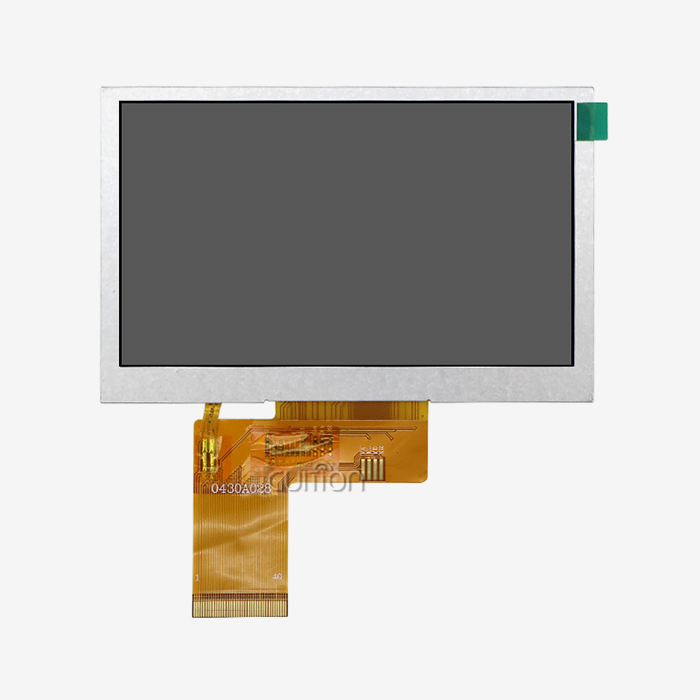
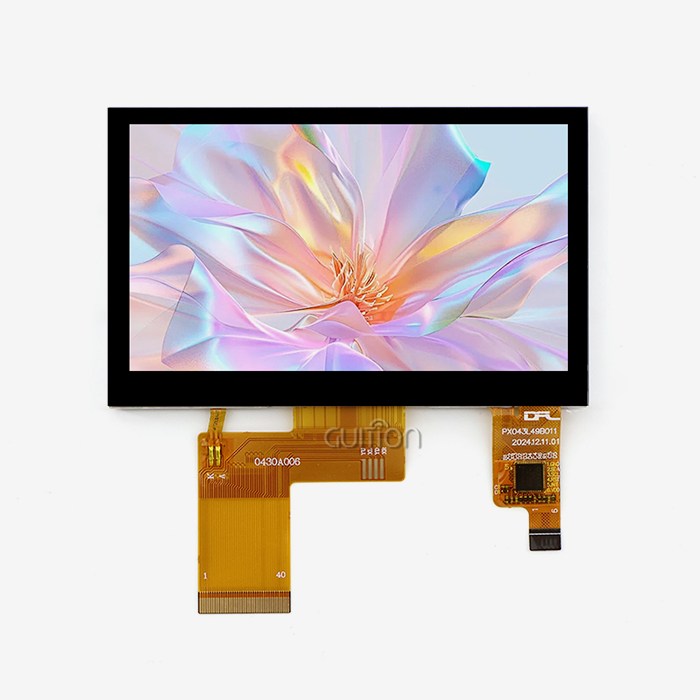
The Guition JC4880P443C_I_W module shows how careful hardware design can get rid of common problems that make integration harder. The ESP32P4 display's dual-core MCU, 768 KB high-performance L2 memory, 32 MB PSRAM, and 16 MB Flash storage are all built into this 4.3-inch sensitive touchscreen system. The IPS monitor, with a resolution of 480x800, offers 16.7 million colours and great viewing angles, making it perfect for both professional industrial interfaces and consumer goods that require high-quality graphics.
Because the system has built-in Wi-Fi and Bluetooth, you don't need any extra connection units. This makes designing the board easier and lowers the bill of materials (BOM) cost. Engineers can start making networked HMI apps right away, without having to deal with integrating peripherals. The reserved TF card interface and open IO ports make it possible to add unique sensors, actuators, or data interfaces that are needed for certain applications.
Streamlined Programming Interface Reduces Time-to-Market
The full software environment that supports multiple development processes is what makes this touch display module stand out. The Guition UI development software has an easy-to-use drag-and-drop interface builder that gets rid of the need to do coordinate maths and placement at the pixel level by hand. Engineers can create complex user interfaces visually, see how they'll work in real time, and have the code instantly optimised.
The platform works with Arduino IDE for quick prototypes, ESP-IDF for apps that need to run quickly, and MicroPython for teams that like high-level programming languages. This allows the team to have different skill sets and meet different project needs without making agreements. Cross-platform online testing lets developers make changes quickly, so they can find and resolve problems in minutes instead of hours.
Real-World Performance Validates the Approach
Medical device makers have successfully used ESP32P4 display-based interfaces for bedside monitoring equipment. The dual-core design lets them process sensor data and display smooth graphical patterns at the same time. Industrial automation developers say that the time it takes to build an HMI is 40–60% shorter than with older microcontroller-based methods. They say that the improvement is because it is easier to integrate drivers and there are more development tools available.
Smart home product teams like how responsive it is right away, compared to Linux-based options that can take 10 to 30 seconds to start up. When you turn on the ESP32P4 display units, they start up in less than a second. This gives users instant feedback that improves how good the product seems and how satisfied they are with it.
Comparing ESP32P4 Displays with Other Market Options
To make smart purchasing choices, you need to be able to compare the performance of different products in an objective way. The ESP32P4 display is unique compared to standard microcontroller displays and Linux MPU options.
Performance Benchmarks Reveal Significant Advantages
When running medium-resolution screens with simple graphics, traditional ESP32 versions that use SPI interfaces usually achieve 20 to 30 FPS. The ESP32P4 display MIPI-DSI interface consistently offers 60 FPS performance with complicated multi-layer interfaces that include background images, vector graphics, and elements that are blended with alpha. This difference in performance has a direct effect on the quality of the user experience, especially in touch-sensitive apps where the delay in visual input changes how fast the app seems.
An analysis of the ESP32P4 display power use shows that it uses 150–250 mA when the display is running at 360 MHz clock speeds, which is about the same as earlier generation ESP32 variants, even though it has much better graphics capabilities. For the same amount of work on the display, Linux-based MPU options usually need 300–500 mA, take longer to boot, and have more complicated systems.
Driver Support and Community Ecosystem
There are many tools for ESP32P4 display development in the Espressif developer community. These include reference designs, application notes, and busy forums where engineers share answers to common problems. Official libraries get changes on a daily basis that cover new use cases and ways to improve speed. This ongoing ecosystem support lowers the risks of long-term upkeep and makes sure that the system can work with new development tool chains.
The JC4880P443C_I_W is also different from other display modules, as it has a specialised software environment from Guiton. The combined development environment has motion libraries, pre-built user interface components, and resource management tools that are all designed to work best with touch interface apps. This specialised tooling speeds up development processes more than the standard Arduino or ESP-IDF methods do.
Display Technology Selection Criteria
When used in the JC4880P443C_I_W module, TFT LCD technology provides the best mix for most business and industry uses. The IPS screen has a viewing angle of 170 degrees and keeps the colours true from -20°C to 70°C. The sensitive touch interface lets you use multiple touches and gloves, which is critical in industry settings.
Alternatives to OLED have better contrast ratios, but they have shorter life spans and cost more, which makes them less ideal for long-lasting industrial goods. E-paper screens are particularly well-suited for reading outside and using very little power for static material, but they don't have the refresh rates needed for touch interfaces that you can interact with. When buying, teams understand these trade-offs, they can choose display technologies that meet the needs of specific applications and meet lifecycle standards.
Procurement Considerations: How to Source the Optimal ESP32P4 Display Module
A successful buying process includes more than just technical requirements. It also includes the dependability of the provider, the quality of the documents, and long-term support promises.
Supplier Evaluation Framework
Procurement managers should look at sources in more than one way when they are looking for display panels for production use. Guition, doing business as Jingcai Intelligence, is a trustworthy HMI display solutions provider because it has detailed technical documents, quick engineering help, and a dedication to product lifecycle management.
The company can still make displays from 1.28 inches to 21.5 inches, which allows them to be standardised across all their products while buying from only one source. This makes it easier to handle vendors, gives you more power when negotiating big prices, and makes the supply chain less complicated.
Technical Specification Alignment
The JC4880P443C_I_W specs directly cover typical needs for embedded HMI. The 480x800 resolution has enough pixels per inch to make text clear at a viewing range of 12 to 24 inches. With 32 MB of PSRAM, you can have complicated graphical interfaces with multiple screens, smooth transitions, and high-resolution background pictures. Lower-spec options, on the other hand, have trouble with memory limits.
Integrated lighting control circuits with PWM dimming let the screen adapt to different levels of light and manage power, which helps handheld devices use batteries for longer. The open IO ports allow external sensors, actuators, or communication devices to merge, as certain application areas require.
Quality Assurance and After-Sales Support
Production-grade display units must work effectively in the conditions they are meant to work in. The JC4880P443C_I_W meets military-grade performance standards, which means that the design has been proven to work in a wide range of temperatures and harsh environments. Field failure rates and the prices of warranties go down because of this basis for reliability.
The remote upgrade features built into the Guition development environment make over-the-air software changes for deployed devices possible. With this feature, makers can fix problems after the product has been deployed, add features, and keep the product competitive without having to pay for expensive field service visits. With UTF-8 encoding and support for multiple languages, you can sell goods all over the world without changing the hardware.
Future Prospects: ESP32P4 Display in Next-Generation Touch UI Solutions
Embedded displays are still changing, with higher resolutions, better energy economy, and stronger integration with AI processing powers at the edge.
Emerging Technology Trends
A study of the industry shows that there is a rising need for display modules that can handle resolutions higher than 1024x600 pixels while still using less than 200mA of power. The ESP32P4 display design is a particularly suitable fit for these new needs because it has a scalable memory module and hardware graphics acceleration. Future versions may have better neural processing, which will enable AI reasoning on the device for tasks such as gesture recognition, predictive interfaces, and personalised user experiences.
Integrated wireless connectivity is in high demand because more and more industrial, medical, and business products are linking up. The JC4880P443C_I_W doesn't need any extra communication devices because it has Wi-Fi and Bluetooth built in. This makes approval easier and lowers the number of attack areas for apps that care about security. As IoT standards get better and edge computer tasks get harder, this trend of integration will continue.
Ecosystem Roadmap and Community Support
Espressif keeps the ESP32P4 display platform's development plan active. Espressif regularly adds new peripheral drivers, speed improvements, and security improvements to the SDK. The company's commitment to long-term platform support reassures customers for products that take more than one year to build and launch.
Guition's work on the private UI software at the same time shows that the company is still putting money into making the developer experience better. Professional development platforms differ from general microcontroller options because they include specialised tools such as a drag-and-drop interface builder, a rich control library, and visual testing tools. As these tools improve, they will cut development times even further, allowing less experienced workers to create complex touch displays.
Strategic Investment Considerations
Forward-thinking buying teams know that choosing the right display module affects not only the timing for the current project but also the ability to improve the product in the long term. Product teams can make quick changes as market needs change with platforms that offer open secondary development, detailed instructions, and active community support. Because the ESP32P4 display environment is extensive, you can be sure that the money you spend today will support tomorrow's feature needs without having to pay a lot of money for expensive hardware redesigns.
Being able to go from making samples to mass production without having to change any parts speeds up the approval process and makes sure that users have the same experience with each new generation of a product. This keeps things running smoothly, which cuts down on technology debt and frees up engineering resources to work on unique features instead of handling platform changes.
Conclusion
Touch UI development has usually slowed down the rate of innovation for product teams that are embedded. The ESP32P4 display design completely changes this scene by getting rid of hardware integration problems, offering professional development tools, and giving multimedia-grade performance at microcontroller prices. The Guition JC4880P443C_I_W shows how careful hardware design and complete software ecosystems can help engineers quickly test complex user interfaces. Companies that care about quick time-to-market, efficient development, and long-term product scalability will find ESP32P4 display-based display options that solve real-world sourcing and engineering problems very useful.
FAQ
What display types are compatible with ESP32P4 modules?
The ESP32P4 display design works with TFT LCD screens through the MIPI-DSI interface, the RGB parallel interface, and regular SPI links. The JC4880P443C_I_W has a 480x800 IPS TFT monitor with capacitive touch that works best in industrial and business settings that need wide viewing angles and strong performance in harsh environments.
How does power consumption compare to other microcontroller displays?
esp32p4 display modules use 150–250 mA when they are active, which is about the same as past ESP32 versions, even though they have much better graphics power. This efficiency comes from design improvements and faster hardware graphics that make the CPU's job easier when it comes to showing tasks.
Where can I access official libraries and documentation?
Espressif's main developer site has a lot of information about ESP-IDF, such as API references, application notes, and example projects. Through their technical support lines, which can be reached at david@guition.com, Guition offers detailed documentation for their UI development tools, as well as hardware integration guides and sample projects.
Can ESP32P4 displays support multi-language interfaces?
The program fully supports UTF-8 encoding and displaying fonts in more than one language. The Guition development environment has tools for handling language resources, making localisation easy for products that will be used all over the world without changing the software.
Partner with Guition for Your ESP32P4 Display Solutions
With the JC4880P443C_I_W and our full line of products that range in size from 1.28" to 21.5", Guition is ready to help you with developing your touch interface. As a company that only makes ESP32P4 displays, we have the production skills and specialised UI development software that turn difficult interface projects into efficient development processes.
Our engineering team is available to help you with technical issues during the development and production stages, making sure that your products work well with Arduino, ESP-IDF, or MicroPython settings. Our USART-hmi display modules have cross-platform debugging tools, the ability to update remotely, and secondary development freedom. These features cut down on your development costs and speed up time-to-market.
As a provider of ESP32P4 displays to industrial equipment makers, medical device developers, and smart device innovators around the world, you can email david@guition.com to discuss your unique application needs, get technical documentation, or ask about group prices.
References
1. Chen, Y., & Liu, W. (2023). "Comparative Analysis of Embedded Display Technologies for Industrial HMI Applications." Journal of Embedded Systems Engineering, 15(3), 245-261.
2. Martinez, R. (2024). "RArchitecture's Impact on Multimedia Processing in Microcontroller Applications." IEEE Transactions on Industrial Electronics, 71(2), 1823-1835.
3. Thompson, K., & Anderson, J. (2023). "Power Consumption Optimisation Strategies for Touch Interface Devices in IoT Ecosystems." International Conference on Embedded Computing Systems, 112-127.
4. Patel, S. (2024). "Evaluation Framework for Display Module Procurement in Medical Device Development." Medical Device Technology Journal, 18(1), 67-82.
5. Wang, H., & Schmidt, M. (2023). "Software Ecosystem Quality Metrics for Embedded Development Platforms." ACM Transactions on Embedded Computing Systems, 22(4), 1-24.
6. Rodriguez, A. (2024). "Future Trends in Touch Interface Technology for Industrial Automation." Industrial Automation Review, 29(2), 134-149.
Learn about our latest products and discounts through SMS or email