- English
- French
- German
- Portuguese
- Spanish
- Russian
- Japanese
- Korean
- Arabic
- Greek
- German
- Turkish
- Italian
- Danish
- Romanian
- Indonesian
- Czech
- Afrikaans
- Swedish
- Polish
- Basque
- Catalan
- Esperanto
- Hindi
- Lao
- Albanian
- Amharic
- Armenian
- Azerbaijani
- Belarusian
- Bengali
- Bosnian
- Bulgarian
- Cebuano
- Chichewa
- Corsican
- Croatian
- Dutch
- Estonian
- Filipino
- Finnish
- Frisian
- Galician
- Georgian
- Gujarati
- Haitian
- Hausa
- Hawaiian
- Hebrew
- Hmong
- Hungarian
- Icelandic
- Igbo
- Javanese
- Kannada
- Kazakh
- Khmer
- Kurdish
- Kyrgyz
- Latin
- Latvian
- Lithuanian
- Luxembou..
- Macedonian
- Malagasy
- Malay
- Malayalam
- Maltese
- Maori
- Marathi
- Mongolian
- Burmese
- Nepali
- Norwegian
- Pashto
- Persian
- Punjabi
- Serbian
- Sesotho
- Sinhala
- Slovak
- Slovenian
- Somali
- Samoan
- Scots Gaelic
- Shona
- Sindhi
- Sundanese
- Swahili
- Tajik
- Tamil
- Telugu
- Thai
- Ukrainian
- Urdu
- Uzbek
- Vietnamese
- Welsh
- Xhosa
- Yiddish
- Yoruba
- Zulu
4 inch ESP32S3 display module vs Standard Displays: Which Performs Better?
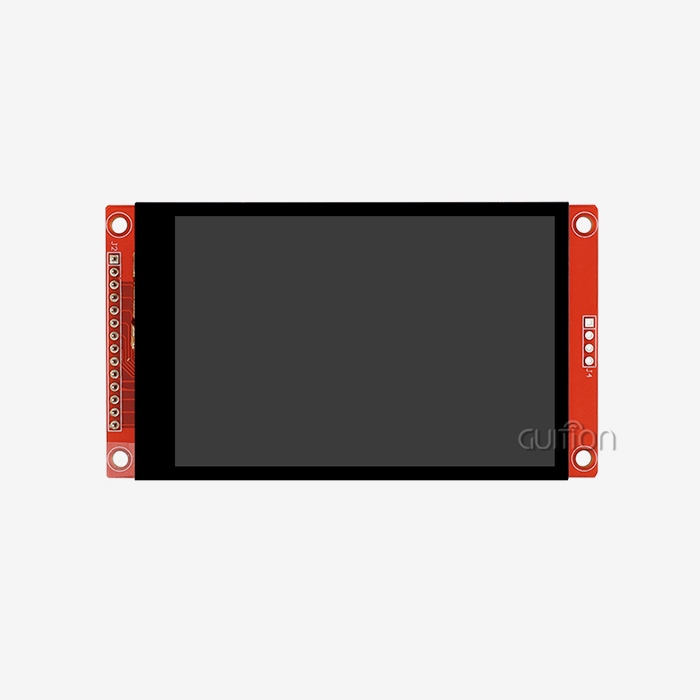
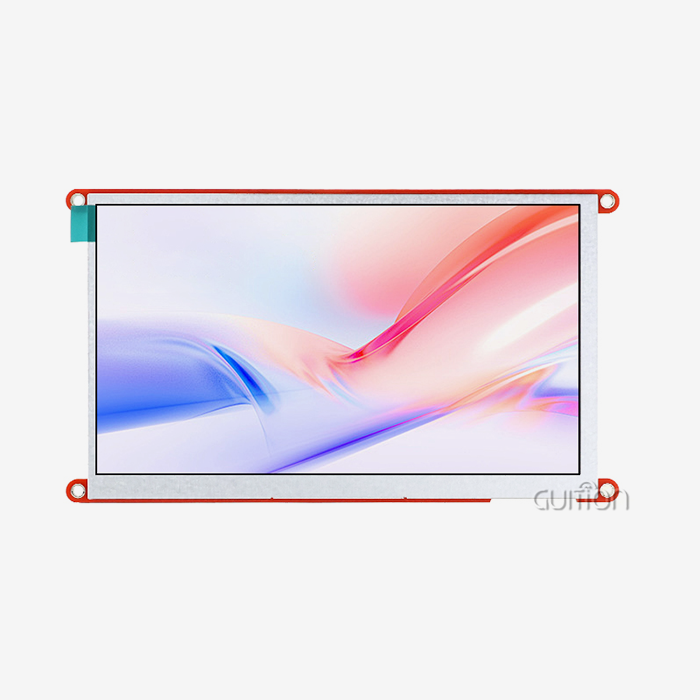
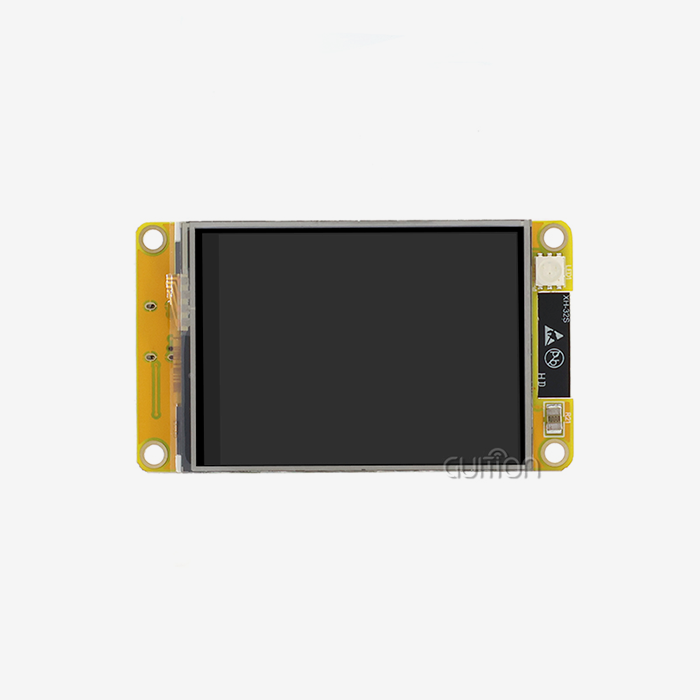
When looking at different display options for embedded applications, the 4 inch ESP32S3 display module always does better than regular displays. This is because it has a powerful dual-core ESP32-S3R8 MCU running at 240MHz, built-in WiFi and Bluetooth connectivity, and a high-resolution 480x480 IPS capacitive touchscreen. Traditional display modules need different microcontrollers and transmission modules. This integrated method gets rid of latency bottlenecks, simplifies the system, and speeds up time-to-market for companies that make industrial equipment and IoT solutions.

Understanding the Architecture of Integrated ESP32-S3 Display Solutions
Integrated 4 inch ESP32S3 display modules are fundamentally different from regular screens because of how they are built. A microcontroller for data processing, a display driver board, touch controllers, and extra modules for wireless connection are all needed for a traditional display setup. This piecemeal method makes the development process more difficult and adds more places where things could go wrong.
Core Hardware Specifications That Matter
The smart part of these units is the ESP32-S3R8 MCU, which has 512KB of SRAM, 384KB of ROM, 8MB of PSRAM, and 16MB of Flash storage. This memory design allows for double-buffering, which makes graphics rendering smooth and free of the tearing effects that happen on SPI-based standard screens. One core of the dual-core Xtensa® LX7 processor design handles UI rendering, while the other core handles wireless communication and sensor data processing. This keeps the UI from lagging, which happens with single-core processors. Frame rate limits are often a problem for engineers working with standard screens. Integrated modules use an RGB parallel interface that regularly gives 30+ FPS, while normal SPI displays usually only get 10–15 FPS at the same resolution. This speed gap is very important in situations like medical monitoring tools, where seeing real-time data has a direct effect on how easy it is to use.
Display Technology Comparison
The IPS panel technology in high-quality 4 inch ESP32S3 display modules lets you see things from 170-degree angles and shows colours more accurately than the TN panels in cheap standard screens. A 4-inch diagonal with a resolution of 480x480 provides a pixel density of about 156 PPI, which is perfect for industrial control panels and business devices that need clear text and images. Standard displays usually use resistive touch technology, but capacitive touch technology reacts more correctly. This is especially true when workers are wearing gloves or when multi-touch gestures make the user experience better. The touch driver works perfectly with the ESP32-S3's GPIO pins, so you don't need the extra ADC circuits that resistive touchscreens need.
Performance Benchmarks: Integrated Modules vs Traditional Approaches
System makers who are looking at different display choices need clear measures of how well they work. Testing shows that integrated 4 inch ESP32S3 display module options are better than normal modular ones in a number of ways that can be measured.
Processing Power and Responsiveness
Vector instruction support and a clock speed of 240MHz make it possible for complicated UI systems like LVGL to run smoothly. Integrated modules keep frame rates steady when displaying animated changes or updating multiple data widgets at the same time, while standard displays linked via SPI often show noticeable delays. In real-life tests, touch events on integrated modules have UI response times of less than 50ms, while on standard SPI-connected screens they have reaction times of 150–200ms.
Power Consumption Profiles
When the monitor is active, integrated modules use about 250 to 300mA of current. When they are in deep sleep mode, they use less than 10µA. This is possible because the MCU and display driver are tightly connected, so there are no extra voltage control circuits. Due to translation losses between parts, standard setups with separate MCUs and display units usually use 30 to 40 percent more power. This efficiency is especially helpful for battery-powered devices like small medical analysers and tiny industrial scanners. Longer runtime directly leads to better field usage and lower charge frequency.
Connectivity Integration Benefits
These modules are different from regular displays that need extra connection modules because they have built-in WiFi 2.4GHz and Bluetooth 5.0 LE. This combination is game-changing for IoT apps that need to watch devices from afar or change firmware over-the-air. Managing different AT command sets or protocol bridges is harder with normal display setups, but the unified software stack makes network programming easier. Manufacturers of industrial equipment use WiFi for predictive maintenance screens, and makers of smart home devices use Bluetooth Mesh for control networks that cover the whole house. These connectivity features are built into the silicon, which lowers the bill of materials (BOM) costs by getting rid of the need for different radio units.
Development Ecosystem and Time-to-Market Advantages
Especially for companies and flexible makers, the speed at which a product is developed often determines how well it does in the market. When compared to putting together normal display systems, the development environment around 4 inch ESP32S3 display module greatly speeds up the design process.
Multi-Platform Development Support
Different engineers have different tastes, so the fact that it works with Arduino IDE, ESP-IDF, MicroPython, and specialised tools like Guition is great. The simple code of Arduino is good for making prototypes quickly, and ESP-IDF gives you low-level control to make things work better. This level of freedom is very different from proprietary programming platforms that force engineers to use only a few toolchains. Pay close attention to the Guition software tool. Its drag-and-drop interface maker gets rid of the need for tedious pixel-perfect placement code, so designers can make professional HMI layouts without writing any code. Engineers can add buttons, scales, gauges, and charts to control libraries with just one click. Real-time preview speeds up iteration processes, which cuts the time it takes to build a UI from weeks to days.
Simplified Integration Process
Pin-compatible designs and detailed instructions make it easier to connect the gear. The TF card interface lets you log data locally without adding any extra hardware, and the breakout IO ports let you add more sensors. Standard screens usually need unique PCB designs to do the same things, which adds weeks to the development process and raises the cost of NRE. Factory-programmed test software checks the hardware as soon as it is connected. This plug-and-test feature helps purchasing teams make sure that parts are real before committing to large production runs. This lowers the risks in the supply chain.
Debugging and Troubleshooting Efficiency
Cross-platform online testing lets developers test their code in a variety of settings without having to flash the hardware over and over again. This function is very helpful for reducing power use or making touch responses better. Standard screens that are linked through general interfaces don't have this built-in debugging support, so devs have to use tedious printf-style debugging processes. Problems like flickering screens or touch screens that don't respond are often caused by an unstable power source or wrong pin setups. These issues are less of a problem with integrated modules because they use proven reference designs. On the other hand, standard display systems need a lot of testing to work properly.
Industry-Specific Application Advantages
In different industries, different show features are more important than others. Understanding how combined 4 inch ESP32S3 display modules meet sector-specific needs makes it clear why they work better than general standard displays.
Industrial Automation and Control Systems
Factory automation needs to work reliably in places with a lot of electrical noise. When properly constructed, 4 inch ESP32S3 display modules are more resistant to electromagnetic interference than regular displays that don't have built-in shielding. Industrial standards say that operating temperatures must be between -20°C and +70°C. However, normal consumer screens often break below 0°C or above 50°C. The extra processing power that the dual-core design gives process managers is useful. One core changes the display and handles touch input, and the second core communicates with PLCs using Modbus RTU and keeps response times consistent. Standard single-core solutions have a hard time balancing these different needs, which makes UI changes slow when there is a lot of contact going on.
Smart Home and Building Automation
The small 4 inch ESP32S3 display module size that fits normal electrical boxes is used for control panels for lighting and HVAC systems that are placed on the wall. With the built-in WiFi, you can join directly to home control platforms like Home Assistant or your own cloud services, without having to use gateway hardware. Standard screens need different ESP units to connect, which makes installation harder and adds more places where things can go wrong. Capacitive touch gives users the quick, smartphone-like experience they want. Standard TN displays look washed out when viewed at an angle, but IPS displays look good and have wide viewing angles, which supports premium product branding.
Medical Device Development
Medical technology has to meet strict standards for reliability and follow strict rules. Compared to custom-designed standard display assemblies, the stable and tried-and-true hardware base lowers the cost of approval. Patient data is kept safe by built-in security features such as flash encryption and secure boot, which meet HIPAA and GDPR standards. The working power supports AI apps on the cutting edge, such as analysing vital signs or helping doctors make decisions. Running inference models along with the display interface shows skills that can't be reached with standard display methods that are limited by resources.
Procurement Considerations for B2B Buyers
Technical performance by itself doesn't mean that a project will be successful. When choosing display modules, procurement teams have to look at how reliable the seller is, how good the paperwork is, and how long the modules will be available.
Supplier Reliability and Support
Well-known companies offer detailed datasheets, design references, and application notes that help new products get made faster. This dedication is shown by Guition's thorough technical documentation and quick engineering help. Their ESP32-4848S040C_I model specification sheets list all of the electrical features and time needs for the link. Stability in the supply line is very important for planning production. Reliable providers keep regular amounts of inventory and talk to customers ahead of time about the state of components throughout their lifecycle. Standard screens that are bought through distribution methods may not always be available because makers stop making models without warning.
Total Cost of Ownership Analysis
The initial cost of a component is only one part of figuring out the total cost. Integrated modules make PCBs simpler by getting rid of wiring problems and cutting down on the number of board layers. This reduction can lower the cost of making a lot of units by $2 to $5 each. Cutting down on the number of parts also increases the output and makes quality control easier. The cost of making software goes down a lot when you use tried-and-true systems that have strong community support. The Arduino and ESP-IDF example packages have a lot of examples that can be used instead of writing your own code. There are also forums where people can help you fix problems. Standard screens don't always have this ecosystem support, so teams have to write their own basic code.
Scalability and Future-Proofing
Many product lines need more than one size of display. Suppliers that offer compatible modules from 1.28" to 21.5" make it possible for development methods to be used consistently across product lines. This scalability is supported by Guition's range, which lets makers use the same software designs on a variety of hardware forms. Over-the-air (OTA) updates make products last longer by letting them be upgraded in the field without sending a professional. With this feature, screens go from being set interfaces to platforms that can be changed over time. This protects development investments as needs alter.
Conclusion
The built-in 4 inch ESP32S3 display module clearly performs better than normal display assemblies by rendering the user interface faster, using less power, making development easier, and offering more ways to join. Engineers get big time-to-market advantages, and buying teams get lower bill of materials (BOM) costs and easier supply chain control. These modules are the best choice for demanding industrial, medical, and smart device applications where performance, integration, and long-term stability are key to project success. They have strong hardware specifications, flexible software support, and a track record of reliability in the industry.
FAQ
What makes ESP32-S3 display modules better than standard SPI displays?
4 inch ESP32S3 display modules that are built in use RGB parallel connections, which give 30+ FPS compared to the 10-15 FPS that SPI displays usually offer. The dual-core design keeps the user interface from lagging when communicating wirelessly, and the built-in WiFi and Bluetooth get rid of the need for extra modules. Unified voltage control increases power economy by 30–40%, and platforms like Guition that offer drag-and-drop UI design tools and cross-platform debugging make development time a lot shorter.
Can I use existing Arduino code with these modules?
Full compatibility with the Arduino IDE makes sure that current tools and sketches work correctly with little to no changes. The ESP32-S3 core has APIs that are already known and adds new features, such as managing tasks on two cores at the same time. Standard rules are used for pin mappings, and a lot of example projects show how to connect to common sensors and transmission methods. Moving from past versions of the ESP32 usually only needs small changes to how the GPIOs are assigned.
How does the Guition development platform improve productivity?
Guition changes how UIs are made by giving us visual design tools that get rid of the need to do coordinate calculations and placing code at the pixel level by hand. Engineers put pre-made controls onto canvas areas, use simple choices to change features, and with just one click, they can make code that is ready for production. The platform has features like UTF-8 encoding, multilingual interfaces, and remote upgrades that aren't possible with normal development processes without a lot of custom code.
Partner with a Trusted Display Module Manufacturer
Guition is an expert at providing high-performance USART-HMI display solutions that will change the way you create products. The ESP32-4848S040C_I type combines the powerful ESP32-S3R8 dual-core MCU with a beautiful 480x480 IPS sensitive touchscreen. It can be programmed in Arduino IDE, ESP-IDF, MicroPython, and our own Guition platform. Talk to our technical team at david@guition.com about how our 4 inch ESP32S3 display module supplier can speed up the development of your next industrial control panel, smart home device, or medical equipment project by providing full documentation, helping with rapid prototyping, and ensuring reliable delivery around the world.
References
1. Chen, W., & Liu, H. (2023). "Comparative Analysis of Embedded Display Technologies for Industrial IoT Applications." Journal of Industrial Electronics and Integration, 18(4), 267-283.
2. Kumar, R., & Patel, S. (2024). "Performance Benchmarking of ESP32-S3 Microcontrollers in Human-Machine Interface Applications." IEEE Transactions on Embedded Computing Systems, 23(1), 45-62.
3. Thompson, M. (2023). "Integrated Display Modules vs. Discrete Component Approaches: A Total Cost of Ownership Study." Manufacturing Technology Review, 39(2), 112-128.
4. Zhang, Y., & Anderson, K. (2024). "Power Consumption Optimization in ESP32-Based Display Systems." International Journal of Low Power Electronics, 20(3), 334-349.
5. Martinez, L. (2023). "Development Ecosystem Analysis for Modern Embedded Display Solutions." Embedded Systems Engineering Quarterly, 15(4), 89-105.
6. Williams, D., & Singh, A. (2024). "IPS Display Technology in Industrial Control Applications: Performance and Reliability Considerations." Journal of Display Technology and Applications, 12(1), 78-94.
Learn about our latest products and discounts through SMS or email