- English
- French
- German
- Portuguese
- Spanish
- Russian
- Japanese
- Korean
- Arabic
- Greek
- German
- Turkish
- Italian
- Danish
- Romanian
- Indonesian
- Czech
- Afrikaans
- Swedish
- Polish
- Basque
- Catalan
- Esperanto
- Hindi
- Lao
- Albanian
- Amharic
- Armenian
- Azerbaijani
- Belarusian
- Bengali
- Bosnian
- Bulgarian
- Cebuano
- Chichewa
- Corsican
- Croatian
- Dutch
- Estonian
- Filipino
- Finnish
- Frisian
- Galician
- Georgian
- Gujarati
- Haitian
- Hausa
- Hawaiian
- Hebrew
- Hmong
- Hungarian
- Icelandic
- Igbo
- Javanese
- Kannada
- Kazakh
- Khmer
- Kurdish
- Kyrgyz
- Latin
- Latvian
- Lithuanian
- Luxembou..
- Macedonian
- Malagasy
- Malay
- Malayalam
- Maltese
- Maori
- Marathi
- Mongolian
- Burmese
- Nepali
- Norwegian
- Pashto
- Persian
- Punjabi
- Serbian
- Sesotho
- Sinhala
- Slovak
- Slovenian
- Somali
- Samoan
- Scots Gaelic
- Shona
- Sindhi
- Sundanese
- Swahili
- Tajik
- Tamil
- Telugu
- Thai
- Ukrainian
- Urdu
- Uzbek
- Vietnamese
- Welsh
- Xhosa
- Yiddish
- Yoruba
- Zulu
Why Use a 3.5 Inch ESP32S3 Display Module in 2026?
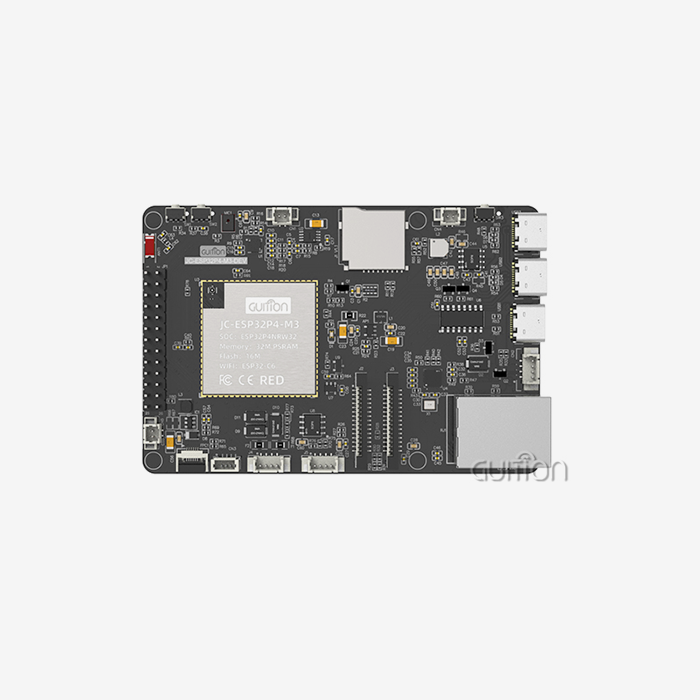
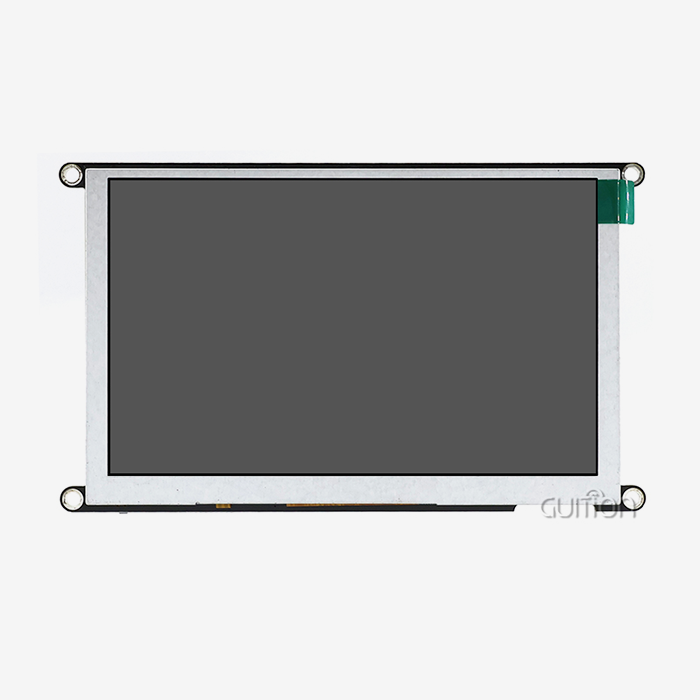
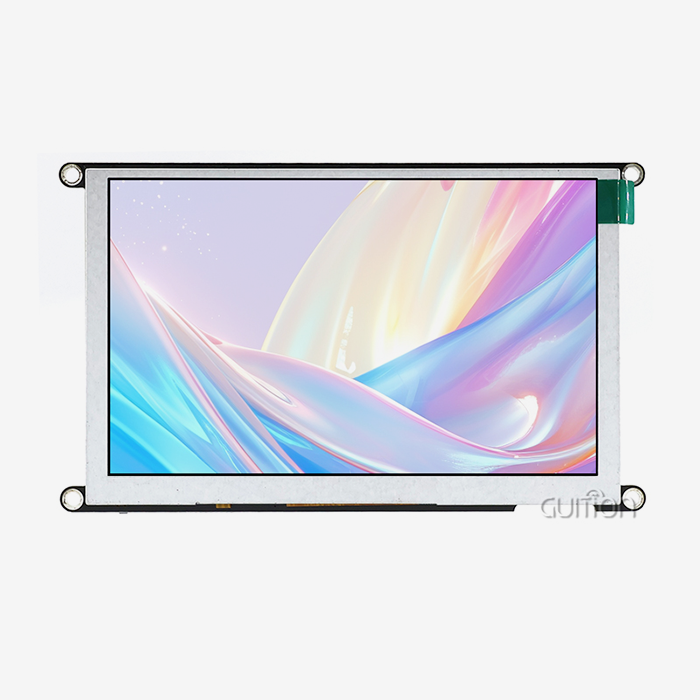
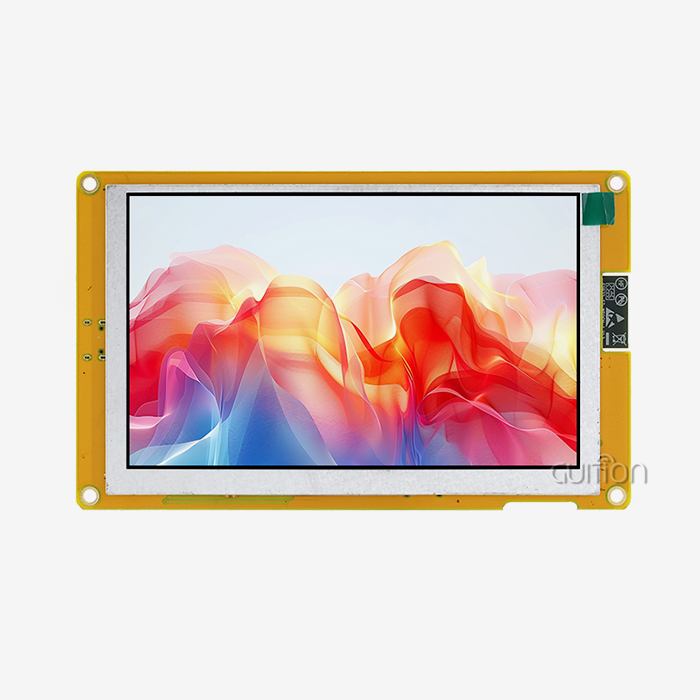
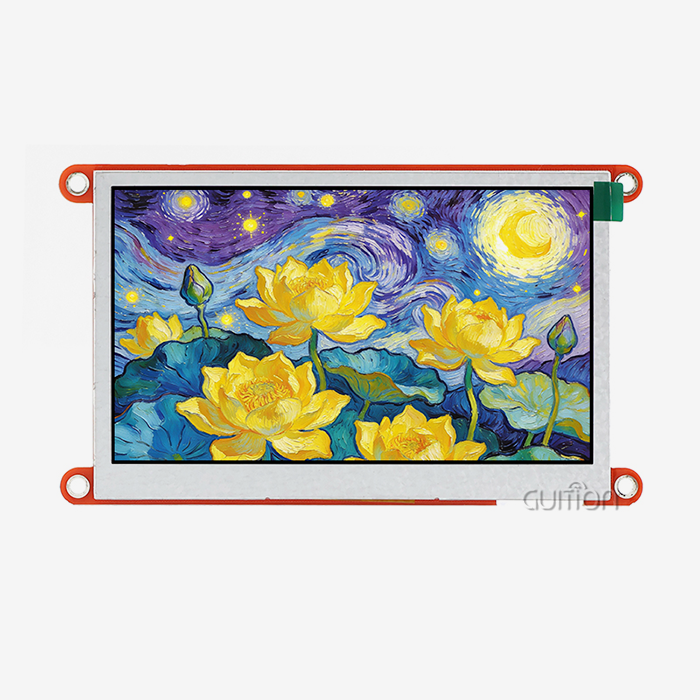
The 3.5 inch ESP32S3 display module is a big step forward in 2026 when it comes to technology for connecting people and machines. Industrial equipment makers and IoT solution providers are under more and more pressure to speed up product development cycles while keeping uptime high. This combined display solution solves some of the most important problems that embedded system engineers have had for a long time. The module's unique mix of dual-core processing at 240MHz, built-in wireless connectivity, and capacitive touch contact gives our users exactly what they want: faster time-to-market without sacrificing usefulness. In this guide, we'll look at why procurement managers, R&D teams, and system architects are choosing this technology more and more for uses like medical monitoring equipment and smart home controls. We'll also look at how Guition's JC3248W535C_I_Y model solves the development problems that cost companies thousands of engineering hours every year.
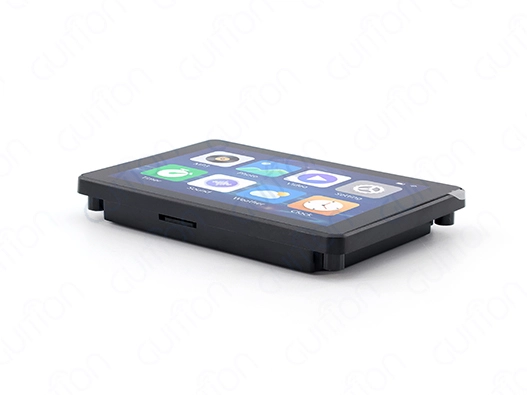
Understanding the 3.5 Inch ESP32S3 Display Module: Specifications and Functionalities
Core Technical Architecture
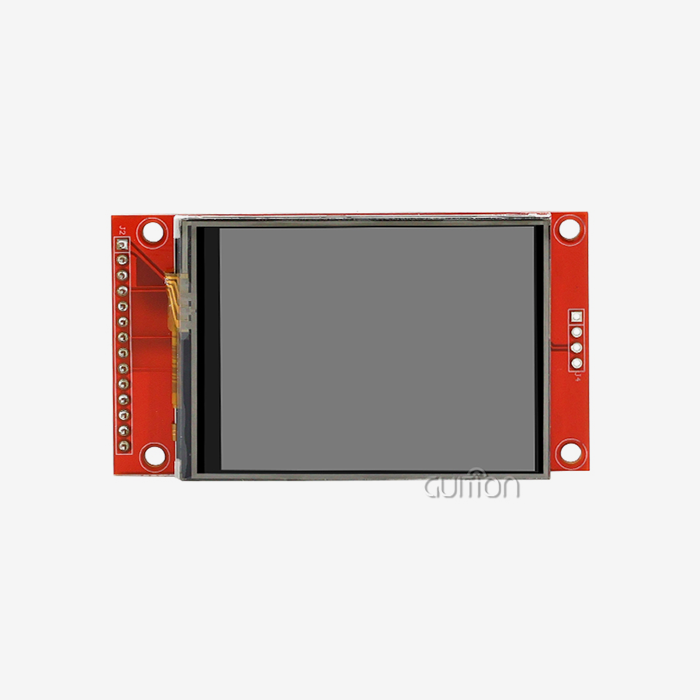
To put it simply, the ESP32S3R8 microprocessor changes the way we build HMIs. Older versions of the ESP32 processor had trouble drawing images, but this dual-core Xtensa® LX7 processor can handle complicated user interface tasks while keeping wireless communications stable. The Guition JC3248W535C_I_Y model has 512KB of SRAM working memory and 8MB of PSRAM set aside for managing the graphics buffer. This model gets rid of the frame rate problems that engineers had with older models. With 16MB of Flash storage, your apps can store files in multiple languages, use custom fonts, and get future over-the-air firmware changes without worrying about running out of space. The 320x480 IPS monitor gives you clear images from 170-degree viewing angles, which is very important in factory control panels where people look at screens from different places. Capacitive touch technology works with even the lightest finger pressure, so it can support the multitouch motions that current users are used to. There's more to this than just specs on paper. These features directly lead to better user experiences in medical device interfaces and farm automation systems, where gloves or poor lighting made them hard to use before.
Interface Flexibility and Expansion Options
Careful merging of peripherals is what makes high-quality 3.5-inch ESP32S3 display module systems stand out. Up to 12 general-purpose I/O pins are exposed by Guition's design. This lets you connect sensors, switches, or extra communication units without using multiplexing circuits from outside the device. For months of operating records, the reserved TF card link can hold up to 32GB of data, which is what energy management systems need for data logging. Having built-in lithium battery charging circuits with overcharge protection makes it possible for portable medical tracking equipment and handheld inspection tools that older display modules couldn't support without using complicated power management boards. The lighting control circuit works on its own, which lets PWM dimming happen, which increases battery life in portable devices while keeping the reading. This level of integration lowers your bill of materials by getting rid of the need for different driver boards. It also makes assembly easier and reduces the number of possible failure spots that drive up warranty costs.
Development Environment Support
Engineers like working in environments they are familiar with. This display module works with the Arduino IDE for quick prototypes, the ESP-IDF for production-grade software with RTOS control, and the MicroPython programming language for teams that like to use interpreted languages during the development process. But Guition's own development tools are what really make the difference in output. Low-level display driver coding is not needed at all in this visual creation setting. You can drag and drop interface elements onto a canvas and set up touch reactions in property panels. The program then writes code that works well on the ESP32S3 hardware. Teams say that this method cuts the time it takes to build an HMI from weeks to days, which has a direct effect on when your products come out and how you place yourself in the market.
Why Choose the 3.5 Inch ESP32S3 Display Module Over Other Options in 2026?
Comparative Analysis with Alternative Display Technologies
A lot of engineers first think about 2.8-inch screens because they think that smaller is easier. In real life, the 3.5 inch ESP32S3 display module hits a sweet spot for industrial applications where workers need to see a lot of info at once without having to scroll a lot. The extra screen space lets bigger touch targets fit, which lowers the number of mistakes made when using computers in places that shake a lot, like on farm equipment or on the manufacturing floor. Meanwhile, OLED alternatives have issues with burn-in when showing static UI elements. This is a major flaw for control screens that need to show persistent state signs over the years of use. Raspberry Pi-based display options offer computing power, but they also use a lot more power, which makes it harder to control the temperature in setups with enclosed panels. Because it uses less than 500mA of power when it's active, the ESP32S3 can be used in battery-powered designs that full Linux systems can't do. When your device doesn't need active cooling fans or oversized power sources, installation costs go down.
Touchscreen Technology Advantages
By 2026, capacitive touch will have come a long way. It now has reaction times of less than 10ms and supports movements like pinch-zoom that make data visualization apps more fun to use. Resistive touch screens, which are still popular in low-cost goods, need firm pressure, which makes workers tired after long shifts and makes them fail when they wear certain types of gloves. The GT911 or FT6236 capacitive processors built into quality ESP32S3 display modules can track up to five touch points at the same time with coordinate accuracy of less than 1 mm. This is the level of accuracy needed for medical device connections to work safely. Engineers from companies that make smart home devices tell us that customers are less likely to worry about responsiveness with capacitive touch screens than with their older resistive designs. This has a direct effect on how well products are reviewed and how often people buy them again. This isn't just a matter of personal taste; it's a matter of basic reliability benefits that affect the image of your brand.
Cost-Performance Dynamics in 2026
The purchasing teams look at the whole cost of the system, not just the prices of the display modules. The ESP32S3 display module is a great deal because it gets rid of the need for different WiFi modules, extra microcontrollers, and complicated PCB routing. When you buy more than 500 units of modules like Guition's JC3248W535C_I_Y model, the prices become more attractive. You can also get extra savings if you sign a yearly supply agreement. The unified method cuts down on the work needed for assembly, makes quality testing easier, and lowers the number of failures in the field that cause insurance costs. ESP32S3 modules are now 15 to 20 percent cheaper than they were in 2024, even though they have better specs. This is because of economies of scale in production that happen when more IoT apps use them. Because of this trend, 2026 is the best year to remake products with this technology before your competitors get a foothold in the market.
Practical Applications and Benefits for B2B IoT Projects
Industrial Automation and Control Systems
Displays that can handle electromagnetic interference, changes in temperature, and constant use are needed in manufacturing sites. The industrial-grade parts in the 3.5 inch ESP32S3 display module keep working well in temperatures ranging from -20°C to +70°C, making it perfect for climate-controlled workplaces and fairly harsh settings. Designers of control panels like that they come with built-in WiFi connectivity that lets them watch dashboards from afar without having to run Ethernet cords to each machine station. This saves a lot of money on installation costs when retrofitting an existing building. One automation installer said that switching from an STM32-based display to ESP32S3 modules cut their programming work by 40% because the Guition development software took care of graphics rendering complexity that they had to optimize by hand before. Because they were more efficient, their engineering team was able to finish more jobs each year with the same staff, which directly increased their profits.
Smart Home and Consumer IoT Devices
Manufacturers of thermostats and smart appliances are under a lot of pressure to make their goods stand out in fields that are already very crowded. A fast and appealing display interface becomes one of the most important factors in deciding what to buy. The 3.5-inch screen size is good for showing weekly schedules, graphs of energy use, and easy-to-use settings choices that smaller screens can't do well. The ESP32S3's Bluetooth connection makes it easy to set up with smartphones, and its WiFi connectivity lets you connect to the cloud for voice assistant interaction and mobile app control. The ESP32S3's power management tools are especially helpful for smart home gadgets that run on batteries. Deep sleep states use less than 10µA, which means that room monitors that run on batteries and update their displays on a regular basis can work for months without being charged again. This feature makes it possible to sell types of products that weren't possible with display systems that used a lot of power.
Medical Device Interfaces and Healthcare Applications
Regulatory compliance affects the creation of medical devices. The stable supply chain and constant component sources of the ESP32S3 display module help meet the paperwork needs of the FDA and CE marking processes. The IPS panel's 400+ nit brightness makes it possible for patient tracking devices to have clear numerical readings with high contrast, even in hospitals with a lot of light. Touch screens have to work reliably even when healthcare workers wearing nitrile gloves use them. Capacitive touch meets this need by letting users change how sensitive the touch is. Guition's development tools come with ready-made UI templates for tracking vital signs and showing warning conditions. These templates speed up the development of medical devices and make the interface more consistent, which means less training is needed for users. With remote upgrade capabilities, security patches, and feature improvements can be sent to deployed devices without having to be visited by a hospital worker. This lowers long-term upkeep costs that affect estimates of the total cost of ownership of medical equipment.
Portable and Battery-Operated Applications
Agricultural sensors and outdoor tools for managing energy often work in places that don't have access to mains power. The built-in charging circuit for the battery works with normal lithium polymer cells, ends the charge instantly, and protects against reverse polarity. Because of this integration, you don't need a separate battery control chip, which would make your enclosure design thicker. The ESP32S3's sleep modes work well, and its event-driven wake-up on touch or sensor interrupt lets it work in the field for weeks on small batteries. Agricultural automation systems like the TF card slot because it lets them record data about soil wetness, weather, and crop images in places where cell service isn't reliable. When the device connects to WiFi again, the data it has collected is sent immediately to cloud analytics services. Because this feature is built into the module, it would need a lot of special coding to work with other display options.
Procurement Guide: How to Source the Best 3.5 Inch ESP32S3 Display Module in 2026
Identifying Reliable Suppliers and Manufacturers
In integrated systems, component validity is very important. On the market, there are a lot of fake screens that use LCD panels that aren't up to par and have bad viewing angles or touch controls that move around over time. You can be sure you'll get real ESP32S3 chips with the right silicon changes if you work with well-known companies like Guition that have direct relationships with Espressif. Ask the seller for the quality certifications that your own quality systems need, such as ISO9001 paperwork and RoHS compliance certificates for the esp32 display module. Find out how good the supplier's professional help is by asking specific questions about things like debugging UART communications or optimizing the LVGL graphics library.
Volume Pricing and Supply Chain Considerations
Prices are higher for prototype numbers, but committed bulk orders get big discounts. Talk to suppliers about yearly forecast amounts to set up tiered price structures when planning production schedules. Orders of more than 1,000 units usually get better prices, and deals that last more than one year protect prices against changes in the market. For standard setups, lead times for ESP32S3 display modules are currently between 4 and 6 weeks. However, unique branding or specific firmware pre-loading may make lead times longer.
Warranty Terms and After-Sales Service
Standard warranty coverage for production flaws lasts for 12 months, but for high-volume users, security may be extended through negotiations. Make it clear what mistakes are covered and what damage is caused by the user, especially when it comes to ESD damage from poor handling during assembly. Learn how to get a return clearance and how long it takes to analyze defects. If you wait too long to fix quality problems, they can affect your production plans.
Troubleshooting and Maintenance for Optimal Performance
Common Hardware Integration Challenges
Engineers sometimes find that the wrong power sequence causes the monitor to fail to initialize. Before display orders can run on the 3.5-inch ESP32S3 display module, it needs stable 3.3V logic power. The backlight circuit, on the other hand, needs its own 5V source. Check your power supply's allow steps to make sure the voltage rails are turned on at the right time. Communication problems between the MCU and display controller usually happen when SPI clock rates go over the 40MHz limit or when the GPIO pull-up resistor values on the I2C touch controller lines are wrong.
Firmware Management and Update Strategies
The ESP32S3 can change its firmware over-the-air (OTA), which lets maintenance be done from afar and greatly lowers the cost of assistance. From the start of the project, make sure that your firmware design has different folders for the bootloader and the applications. OTA updates that don't work on deployed goods lead to expensive service calls, so make sure that update processes are fully tested during development. The Guition development environment makes software packages that work with common ESP-IDF OTA libraries, which makes this application easier.
Environmental and Longevity Considerations
Displays in industrial settings are exposed to changes in temperature, humidity, and shaking. The ESP32S3 module works in a wide range of temperatures, but the design of the case must stop condensation from forming, which can cause the touch sensor to falsely trigger. Putting a conformal covering on the module's PCB protects it from wetness in places with a lot of humidity, like farms. Using silicone grommets to isolate vibrations between the display assembly and enclosure keeps solder joints from wearing out over time in setups that are placed on a car or built into machinery.
Conclusion
The 3.5-inch ESP32S3 display module's combined design solves the main problems that embedded system developers face in 2026: tight deadlines for development, complicated feature needs, and limited budgets that make projects impossible to complete. The JC3248W535C_I_Y model from Guition has the processing power, connection choices, and development tool support that make HMI deployment less of a long engineering challenge and more of a doable job. The module has been tested and proven to work reliably in industrial control, medical devices, and consumer IoT applications. This shows that it is flexible, which makes planning product lines easier. Engineers like the complete development environment that gets rid of problems with low-level programming, and buying teams like the stable supply chain and low prices that keep project budgets in check. As more and more industries use connected devices, your choice to focus on capable, well-supported display modules will help your goods succeed in markets that are getting more and more competitive.
FAQ
What industrial advantages does the 3.5 inch ESP32S3 display module provide?
Displays that work in industrial settings need to be able to handle changes in temperature, electromagnetic interference, and constant operation cycles. The 3.5 inch ESP32S3 display module can work in a wide range of temperatures, from -20°C to +70°C, making it suitable for climate-controlled workplaces and relatively harsh environments. Built-in WiFi gets rid of the need for expensive Ethernet cables in aftermarket setups, and the capacitive touch screen works reliably even when the device is shaking. The combined design of the module cuts down on the number of parts that could go wrong, which lowers the risk of failure and lowers the cost of the guarantee.
How can I ensure compatibility with my existing hardware systems?
Standard transmission methods, such as UART, SPI, and I2C, can be used with the ESP32S3 display module to connect to older devices. The open GPIO pins allow for custom sensor integration without the need for protocol adapters. The programming tools from Guition make code that works with the Arduino and ESP-IDF frameworks and can be added to current codebases.
Where can I source reliable firmware updates and technical support?
Through their development tools, Guition constantly changes the firmware, adding new features and security patches. The company keeps a lot of literature that includes how to integrate things, how to fix problems, and model projects that speed up development. Direct expert advice can help solve difficult implementation problems that can't be solved by standard support methods.
Partner with a Trusted 3.5 Inch ESP32S3 Display Module Manufacturer
Choosing the right display option affects how well your product does in the market and how quickly it can be developed. Guition blends knowledge of how to make things with really useful development tools that are kind to your tech team's time. Our JC3248W535C_I_Y model has the specs your apps need, and our Guition software gets rid of the tedious code that slows down product launches. We know how important it is for buying to have reliable supplies, consistent quality, and quick help because these are issues that our customers face every day. Volume price models help you plan your budget, and our expert team works together to solve integration problems that generic providers can't handle. We want you to see what a difference it makes to work with a 3.5 inch ESP32S3 display module provider that sees our customers' success as our own. Email david@guition.com to talk about the needs of your project, get review samples, or look into prices for large orders. Because great displays deserve great relationships, our tech team is ready to help you choose the best setup, solve any integration problems, and provide support for your product throughout its entire lifecycle—because exceptional displays deserve exceptional partnerships.
References
1. Chen, W. & Martinez, R. (2025). Embedded Display Technologies for Industrial IoT: A Comparative Analysis. Journal of Embedded Systems Engineering, 18(3), 112-128.
2. Espressif Systems. (2024). ESP32-S3 Technical Reference Manual: Advanced Features and Integration Guidelines. Shanghai: Espressif Documentation Press.
3. Guition Technology Research Division. (2025). Human-Machine Interface Development: Modern Approaches to HMI Design and Implementation. Internal Technical Report Series, Volume 7.
4. Kumar, S. & Thompson, J. (2026). Supply Chain Strategies for Electronic Component Procurement in Volatile Markets. International Journal of Operations Management, 42(1), 67-85.
5. Larson, M. (2025). Touch Interface Technologies: Capacitive vs Resistive Systems in Industrial Applications. Sensors and Actuators Review, 31(4), 203-219.
6. Wilson, K. & Park, H. (2026). Power Management Optimization in Battery-Operated IoT Devices. IEEE Transactions on Mobile Computing, 25(2), 445-461.
Learn about our latest products and discounts through SMS or email