- English
- French
- German
- Portuguese
- Spanish
- Russian
- Japanese
- Korean
- Arabic
- Greek
- German
- Turkish
- Italian
- Danish
- Romanian
- Indonesian
- Czech
- Afrikaans
- Swedish
- Polish
- Basque
- Catalan
- Esperanto
- Hindi
- Lao
- Albanian
- Amharic
- Armenian
- Azerbaijani
- Belarusian
- Bengali
- Bosnian
- Bulgarian
- Cebuano
- Chichewa
- Corsican
- Croatian
- Dutch
- Estonian
- Filipino
- Finnish
- Frisian
- Galician
- Georgian
- Gujarati
- Haitian
- Hausa
- Hawaiian
- Hebrew
- Hmong
- Hungarian
- Icelandic
- Igbo
- Javanese
- Kannada
- Kazakh
- Khmer
- Kurdish
- Kyrgyz
- Latin
- Latvian
- Lithuanian
- Luxembou..
- Macedonian
- Malagasy
- Malay
- Malayalam
- Maltese
- Maori
- Marathi
- Mongolian
- Burmese
- Nepali
- Norwegian
- Pashto
- Persian
- Punjabi
- Serbian
- Sesotho
- Sinhala
- Slovak
- Slovenian
- Somali
- Samoan
- Scots Gaelic
- Shona
- Sindhi
- Sundanese
- Swahili
- Tajik
- Tamil
- Telugu
- Thai
- Ukrainian
- Urdu
- Uzbek
- Vietnamese
- Welsh
- Xhosa
- Yiddish
- Yoruba
- Zulu
Why Engineers Choose the ESP32 P4 Display Module for HMI
Human-Machine Interface (HMI) tools are very important for connecting people who work with machines and machines that do work. Engineers who make control screens for medical devices, industrial automation equipment, or smart home systems are under more and more pressure to meet tight deadlines while still making controls that are easy to use and work well. Embedded engineers and product developers who want a solution that combines processing power, connectivity, and development speed have quickly taken to the ESP32 P4 display module. This RISC-V-based display solution solves problems that keep coming up in HMI development, like slow refresh rates, limited wireless capabilities, and hard-to-understand code processes. This guide looks at why engineering teams in the medical device, IoT solution development, and industrial equipment manufacturing sectors are choosing this module more and more for their next-generation HMI projects. It does this by looking at its technical capabilities, practical implementation strategies, and performance validation in the real world.

Understanding the Core Features of the ESP32 P4 Display Module
Advanced Processing Architecture
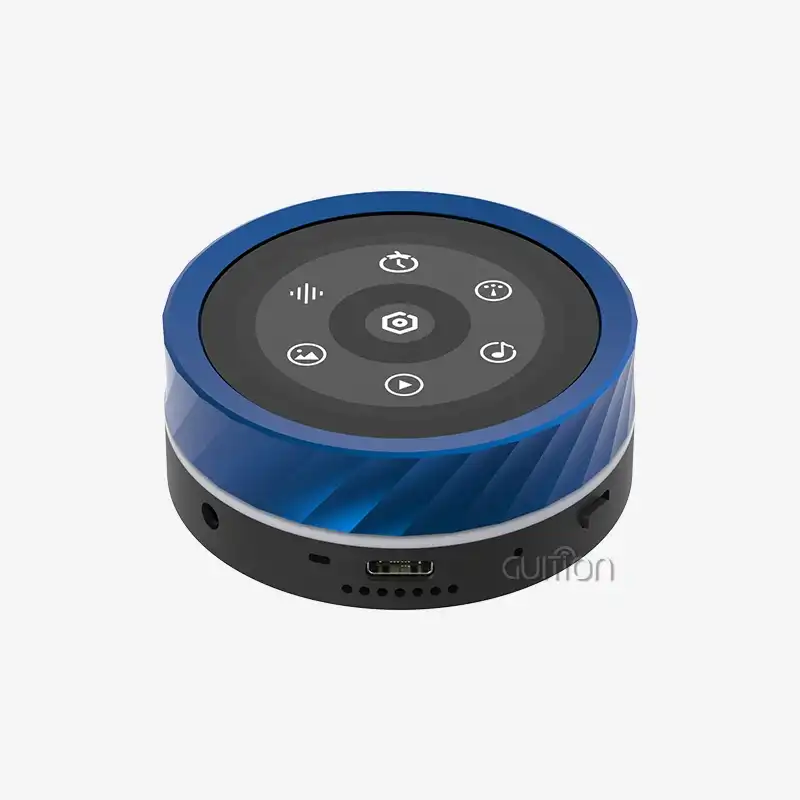
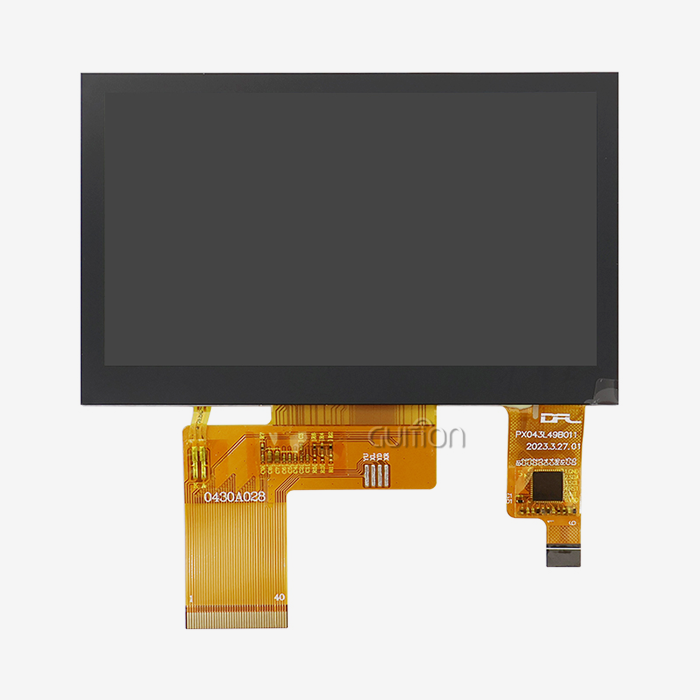
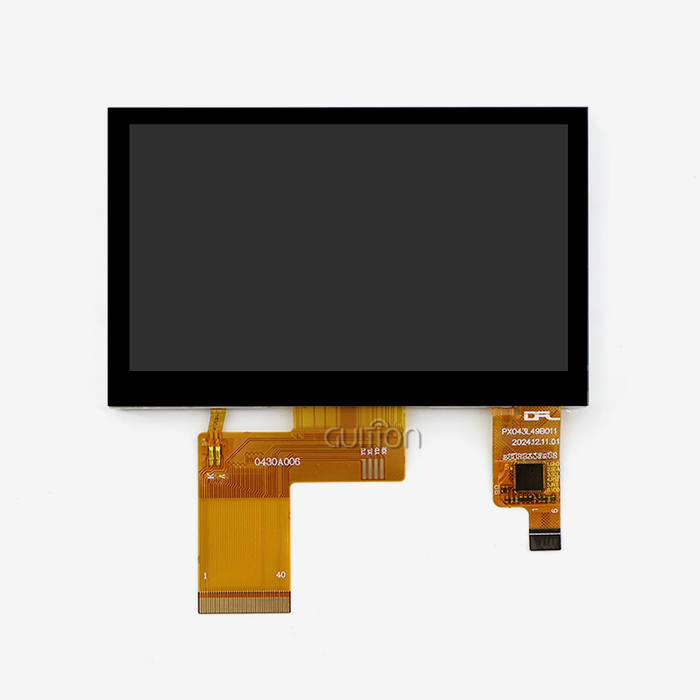
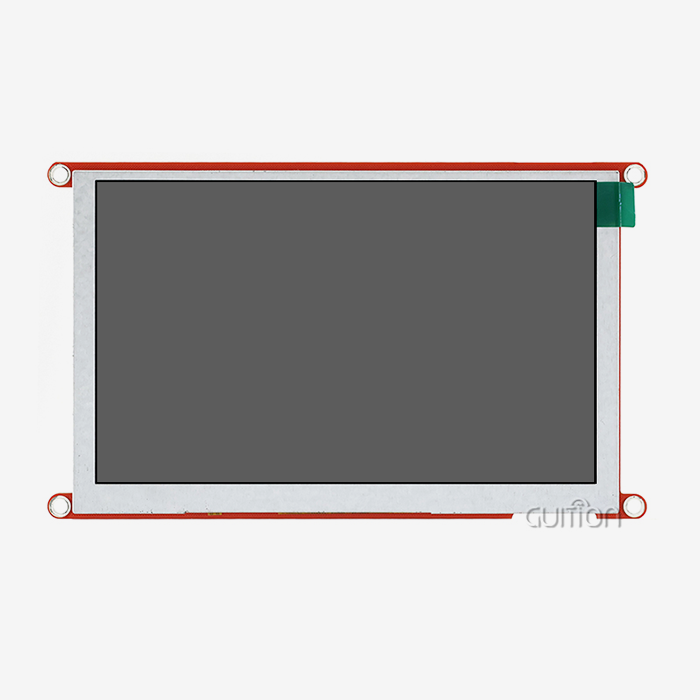
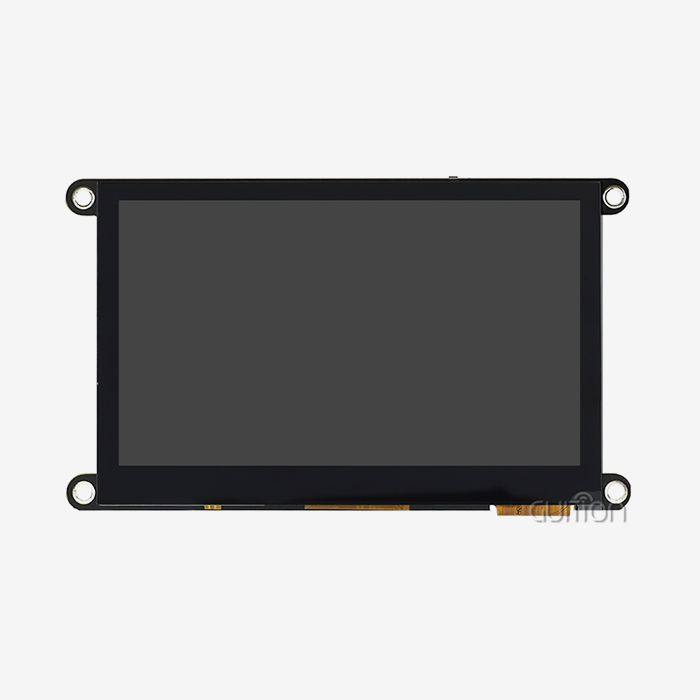
The Guition JC-ESP32P4-M3-C6 is built on a dual-core RISC-V processor that runs at 400MHz. This is a big step forward in architecture compared to older display systems that used microcontrollers. This processing power lets the user interface (UI) be rendered and side tasks be run at the same time, without slowing down the frame rate like older systems often do. Engineers who need to visualise complex data will benefit from the 32MB PSRAM support, which can hold the high-resolution frame files needed for smooth changes between graphics. The built-in ESP32-C6 partner chip takes care of wireless connection tasks so that network operations don't slow down the display, which is very important for industrial control panels that need real-time feedback.
Comprehensive Interface Compatibility
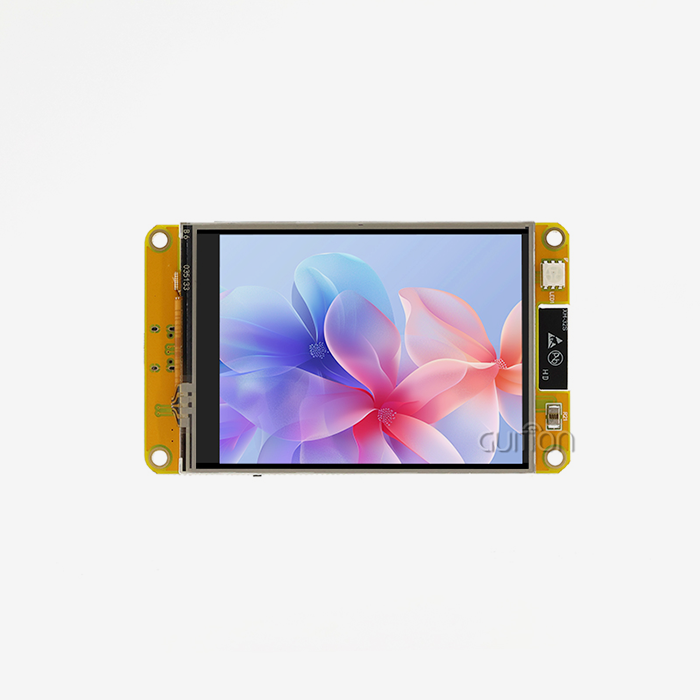
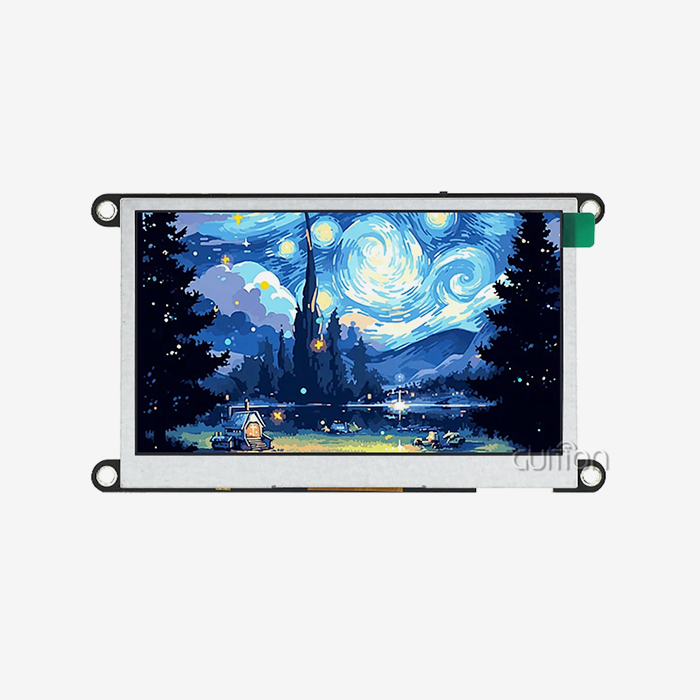
Modern HMI apps need to be able to connect to a variety of external environments in a flexible way. This module is very flexible because it has a lot of different interfaces. MIPI-DSI runs high-resolution screens up to 1280x800 pixels, and MIPI-CSI, which has an integrated Image Signal Processor, handles camera inputs for systems that do visual inspection. The SPI, I2C, UART, and TWAI interfaces make sure that it works with current sensor networks and old industrial standards. Support for USB OTG 2.0 HS makes it easier to change software and get diagnostic information while the device is in the field. These interfaces work at the same time, which solves a common problem where engineers had to choose between different peripherals because of limitations in the interfaces.
Next-Generation Wireless Connectivity
This option stands out in markets that need strong wireless performance thanks to its built-in Wi-Fi 6 and Bluetooth 5 features. Wi-Fi 6's better spectral efficiency and lower latency make it necessary for tasks like remote equipment tracking, where many devices are competing for network data. The longer range of Bluetooth 5 makes it easier to connect reliably in big industrial sites without having to pay more for infrastructure. This dual-band wifi feature is very useful for engineers working on Internet of Things (IoT) medical devices because it lets them connect two devices locally and to the cloud using a single, small gadget that is only 27x27x3.4mm.
Built-In Security Framework
When R&D managers talk about choosing parts for connected medical tools and industrial control systems, security issues come up a lot. The ESP32 P4 display module has built-in security features, such as digital signature tools and a separate key control unit. This hardware-backed encryption keeps private working data and the integrity of the software safe without adding a lot of processing time. Secure boot stops unauthorised code execution, which meets the needs of controlled businesses that have to follow rules. These safety features get rid of the need for extra cryptographic co-processors, which lowers the cost of the bill of materials while keeping protection levels high enough for approval.
How to Effectively Use and Program the ESP32 P4 Display Module
Development Environment Setup
Programming this module is easy for engineers with different tastes because it works with Arduino IDE, ESP-IDF, and Guition's own programming platform. Teams that are already familiar with the Arduino ecosystem can use existing code tools and community resources to make creating smart home control interfaces much easier. The ESP-IDF path gives programmers low-level access to hardware that helps them make battery-powered handheld gadgets use less power. The best way to work on UI-focused projects is with Guition's visual development environment, which lets designers drag pre-built controls onto panels and describe how they interact without having to write a lot of code. This gives embedded engineers the freedom to choose toolchains that work best for their projects and their schedules.
Hardware Integration Best Practices
Setting up the power control correctly is the first step to a successful launch. The module's two-core design lets you choose which cores to use for backup tasks. The low-power RISC-V core does these tasks while the high-performance cores stay idle. For external tools linked through the GPIO grid, engineers should set up staged power sequencing. This will stop problems with inrush currents during system initialisation. For the MIPI-DSI interface to work, the PCB layout needs to be controlled impedance and have length-matched differential pairs. Deviations of more than 5mm can cause display artefacts at higher refresh rates. Temperature concerns are reasonable, but designers of fanless enclosures should make sure that the module has enough airflow around its small size so that it can keep running smoothly during H.264 encoding tasks.
Accelerating Development with Guition Software
Compared to standard embedded graphics programming, the Guition UI development tool shortens development times by a large amount. Engineers make interfaces by choosing from tools that have already been set up, like buttons, sliders, gauges, and data graphs. They then use WYSIWYG edits to move elements around. The platform automatically writes code that is optimised for handling touch events and screen changes. This gets rid of common places where memory leaks and pointer mistakes happen. Cross-platform online debugging lets you watch variables in real time without using hardware debuggers. This makes troubleshooting easier when you connect this display option to your existing automation controls. Multilingual support and UTF-8 encoding make it easier to localise goods for foreign markets, which is something that medical device developers often need to do to get approval from regulators around the world.
Comparing ESP32 P4 Display Module with Other Popular Display Modules
Performance Differentiation
Compared to popular options like Nextion displays or bare TFT panels with different microcontrollers, this approach improves system performance in a way that can be measured. When sending complicated graphics or high-frequency sensor data, traditional Nextion units run into bandwidth problems when they talk to each other via UART. Its built-in MIPI-DSI interface on the ESP32 P4 display module can handle frame rates higher than 60Hz at 800x480 resolution, which is necessary for medical patient tracking screens to show animations smoothly. Using this combined module instead of putting together different STM32 microcontrollers with ILI9341 or ST7789 display drivers cuts down on PCB complexity and eliminates communication delays between chips. Engineers who are making control interfaces for 3D printers say that switching from SPI-based TFT solutions to this MIPI-based design makes screen update rates 40% faster.
Cost-Benefit Analysis
Product managers who are watching their budgets often wonder if the prices of more advanced features are worth it. At first glance, basic OLED panels may seem cheaper, but the real cost of the whole device is much higher. Adding Wi-Fi to an OLED-based design costs a lot of money because it needs different wireless devices, more space on the PCB, and complicated firmware integration. This unified method combines display, processing, and connection, which cuts down on the time and money needed for assembly and purchase management. The module's ability to update firmware remotely greatly lowers the cost of after-sales service. This is especially helpful for industrial equipment that is already in use and where trip costs are high for service calls. Manufacturers of medical devices like those that have built-in security features cut down on the cost of approval testing compared to using software-only protection on platforms that aren't as safe.
Ecosystem and Longevity
Supply chain stability issues affect the choice of parts for goods that last more than one year. Espressif is dedicated to the ESP32 platform, as shown by the frequent updates to the silicon and the large amount of documents. This gives users trust in the platform's long-term availability. Engineers can get troubleshooting tools and reference designs in addition to the documents given by the seller thanks to the active developer community for ESP32 variants. As companies stop making older products, competing options built on proprietary designs run the risk of becoming obsolete. The fact that this module works with well-known development tools like PlatformIO and Zephyr RTOS further lowers technology lock-in. This lets engineering teams move projects between toolchains as needs change.
Procurement Insights: How to Source the ESP32 P4 Display Module Globally
Identifying Qualified Suppliers
Finding trustworthy ESP32 P4 display module sellers takes more than just comparing prices. Authorised distributors provide authentic parts with supply lines that can be tracked, which is very important when making medical products that are subject to regulatory audits. Guition's direct sales route has the benefit of technical advice during the specification phase, which helps engineering teams choose the right display sizes and interface configurations for each application. When buying ESP32 P4 display modules, people in charge of sourcing should look for quality certifications, such as proof of IPC-A-610 compliance documents for assembly standards and proof of thermal stress testing in industrial settings.
Volume Pricing and Lead Time Management
Both unit costs and project timelines are affected by the purchase approach. Small-batch buyers working on prototypes can get items right away from distributors who stock them, but they have to pay more per unit to keep the development process moving quickly. When buying in large quantities, it makes sense to go straight to ESP32 P4 display module for sale programs that offer tiered prices for orders of more than 1,000 pieces. Lead times change with the seasons, and sometimes chip capacity issues make shipping dates longer than the usual 8–12 weeks. To protect production plans against supply disruptions, procurement teams with a lot of experience set up dual-source setups or keep strategic inventory buffers. Recent global chip shortages have shown this lesson once again.
After-Sales Support Evaluation
Total purchase costs are affected by the level of technical help in a big way, especially during the initial product integration. When suppliers provide detailed information like reference diagrams and tried-and-true PCB layout rules, it takes engineers less time to figure out what's wrong. Technical tools in both Chinese and English are available to meet the needs of development teams that work in different parts of the world. As peripheral environments change, warranty terms should cover more than just broken parts. They should also make it clear how to fix software bugs and make updates compatible. You can contact Guition's expert team at david@guition.com. They offer application-specific advice that generic sellers can't match. This makes it faster to solve problems when combining displays with custom control systems.
Real-World Applications and Case Studies in Industrial HMI
Industrial Automation Success Stories
Companies that use this display option say that their operators are more productive and the system is more reliable. A European company that makes packaging equipment replaced old resistive touchscreen panels with ESP32 P4 display module-based interfaces for their whole production line. The new interfaces made the touch screens 60% more sensitive, and the screens refreshed more quickly, which cut down on the time it took for operators to respond by 60%. The built-in wireless features let production data stream in real time to supervisory systems without having to run Ethernet cables through the plant halls. Machine builders like that the 27x27mm module size fits inside existing control panel cabinets. This keeps them from having to do expensive mechanical redesigns when they update equipment.
Medical Device Deployment Results
Portable gadgets for tracking patients need to use very little power without lowering the quality of the display. A North American medical device company chose this module for their next-generation vital signs monitor. The low-power RISC-V core lets the battery last for up to 16 hours of constant use. The hardware-backed security features met strict HIPAA compliance standards for protecting patient data, which sped up the FDA approval process. The module's support for high-resolution screens made it possible to show waveforms clearly, which was necessary for accurate arrhythmia detection but used to require more expensive application processor platforms that drained batteries faster.
Smart Home Control Panel Innovations
Residential automation installers have to deal with special problems when they have to balance the need for good looks with the need for technical usefulness. A company that sells smart home systems put up control panels on the wall that were based on an ESP32 P4 display module and worked just like smartphones. The Wi-Fi 6 access kept connections stable in homes with a lot of wifi devices, which cut down on customer service calls about dropped connections. The Guition development platform let their industrial designers make custom branded interfaces without having to ask embedded software engineers to make every visual change. This cut the time it took to make changes to a product from months to weeks. Being able to change the firmware remotely was very important for making it work with new smart device standards after the installation was done.
Conclusion
For engineering teams working on next-generation HMI solutions for medical, industrial, and market uses, the ESP32 P4 display module is a turning point in terms of strategy. Its dual-core RISC-V design, full peripheral ports, and built-in wireless connectivity solve problems that have been holding back embedded display development for a long time, like slow graphics performance and difficult wireless integration. These technical benefits are amplified by the Guition platform that surrounds this hardware environment. It turns UI development from a specialised programming job into an easy-to-use design process. As time frames for making products get shorter and the need for connectivity grows, this option gives future-proof HMI systems the extra working power and adaptability they need. When engineers are looking at different choices for future projects, they should think about how the speed, security, and development efficiency of this module fit with their long-term product roadmap.
FAQ
What power consumption can engineers expect during typical operation?
Active display usage at 800x480 resolution and Wi-Fi connection turned on uses around 380mA at 3.3V, which is about 1.25W. Using selected sleep settings with the low-power RISC-V core lowers idle consumption below 5mA, which makes portable devices' batteries last longer. The module's power profile is about the same as separate microcontroller-plus-display setups, but it can process information faster.
Can developers program this module using platforms other than Arduino?
The tool works well with ESP-IDF for developing in Espressif, PlatformIO for working across platforms, and the visual Guition environment for quickly making prototypes of user interfaces. This adaptability lets teams use codebases that are already in different frameworks without having to make jarring toolchain moves.
How do engineers troubleshoot display artifacts or touch responsiveness issues?
Most display problems are caused by noise in the power source or incorrect MIPI signal termination. When the load is at its highest, engineers should use an oscilloscope to make sure the 3.3V rails are clean and make sure the resistance of the PCB traces meets MIPI-DSI standards. Touch calibration tools in the Guition software use organised multi-point calibration methods to fix problems with sensitivity.
Partner with Guition for Your Next HMI Innovation
If engineering teams want to speed up the development of their HMIs, they should look at the JC-ESP32P4-M3-C6 module from Guition. Guition is a technology-driven ESP32 P4 display module maker that wants to solve real-world embedded display problems. Through our direct technical support route at david@guition.com, your engineers can talk to experts who know how to integrate industrial controls, make sure medical devices are safe, and meet IoT connection needs. Guition's whole environment, which includes hardware modules for 1.28" to 21.5" screens and the easy-to-use Guition UI creation tools, gets rid of the need for multiple vendor relationships that slow down product development. You can ask for precise specs, pricing for large orders, and access to our reference design library, which shows how our products have been used successfully in medical, smart home, and industrial automation settings. Learn how working with a flexible ESP32 P4 display module provider can help you overcome technical problems and give you an edge over your competitors.
References
1. Espressif Systems. "ESP32-P4 Technical Reference Manual: High-Performance RISC-V Processor Architecture for Multimedia Applications." 2024.
2. Journal of Embedded Systems Development. "Comparative Analysis of MIPI-DSI versus SPI Display Interfaces in Real-Time Industrial HMI Applications." Vol. 18, Issue 3, 2023.
3. Industrial Automation Review. "Cost-Benefit Analysis of Integrated Display Modules in Manufacturing Control Panels: A Five-Year TCO Study." 2024.
4. Medical Device Engineering Quarterly. "Security Requirements and Hardware Implementation Strategies for Connected Patient Monitoring Systems." Vol. 12, No. 2, 2023.
5. IoT Design and Development Conference Proceedings. "Optimizing Power Consumption in Battery-Powered Smart Home Control Interfaces Using Asymmetric Multiprocessing Architectures." 2024.
6. Embedded Computing Design. "Supply Chain Strategies for Long-Lifecycle Industrial Products: Component Selection and Supplier Qualification Best Practices." Vol. 22, Issue 4, 2024.
Learn about our latest products and discounts through SMS or email