- English
- French
- German
- Portuguese
- Spanish
- Russian
- Japanese
- Korean
- Arabic
- Greek
- German
- Turkish
- Italian
- Danish
- Romanian
- Indonesian
- Czech
- Afrikaans
- Swedish
- Polish
- Basque
- Catalan
- Esperanto
- Hindi
- Lao
- Albanian
- Amharic
- Armenian
- Azerbaijani
- Belarusian
- Bengali
- Bosnian
- Bulgarian
- Cebuano
- Chichewa
- Corsican
- Croatian
- Dutch
- Estonian
- Filipino
- Finnish
- Frisian
- Galician
- Georgian
- Gujarati
- Haitian
- Hausa
- Hawaiian
- Hebrew
- Hmong
- Hungarian
- Icelandic
- Igbo
- Javanese
- Kannada
- Kazakh
- Khmer
- Kurdish
- Kyrgyz
- Latin
- Latvian
- Lithuanian
- Luxembou..
- Macedonian
- Malagasy
- Malay
- Malayalam
- Maltese
- Maori
- Marathi
- Mongolian
- Burmese
- Nepali
- Norwegian
- Pashto
- Persian
- Punjabi
- Serbian
- Sesotho
- Sinhala
- Slovak
- Slovenian
- Somali
- Samoan
- Scots Gaelic
- Shona
- Sindhi
- Sundanese
- Swahili
- Tajik
- Tamil
- Telugu
- Thai
- Ukrainian
- Urdu
- Uzbek
- Vietnamese
- Welsh
- Xhosa
- Yiddish
- Yoruba
- Zulu
Is 1.9 inch ESP32S3 display module Reliable for Continuous Operation?
When choosing display hardware for smart devices or industrial control systems, the most important thing is how reliable it is when it's being used all the time. The 1.9 inch ESP32S3 display module, which combines the processing power of the ESP32-S3 dual-core architecture with small IPS display technology, has appeared as a realistic option for apps that require 24/7 uptime. Based on testing in the field and thermal analysis in industrial settings, these modules work reliably when set up correctly. This means they can be used in medical monitoring systems, energy management systems, and commercial terminals that need to keep running without having to be serviced often.


Understanding the 1.9 inch ESP32S3 Display Module: Specifications and Compatibility
These days, embedded display options need to do more than just show images. They also need to have processing, connectivity, and development freedom built in. The 1.9 inch ESP32S3 display modules are a big step forward in small HMI technology, especially for engineers who want to be able to set them up quickly.
Core Technical Architecture
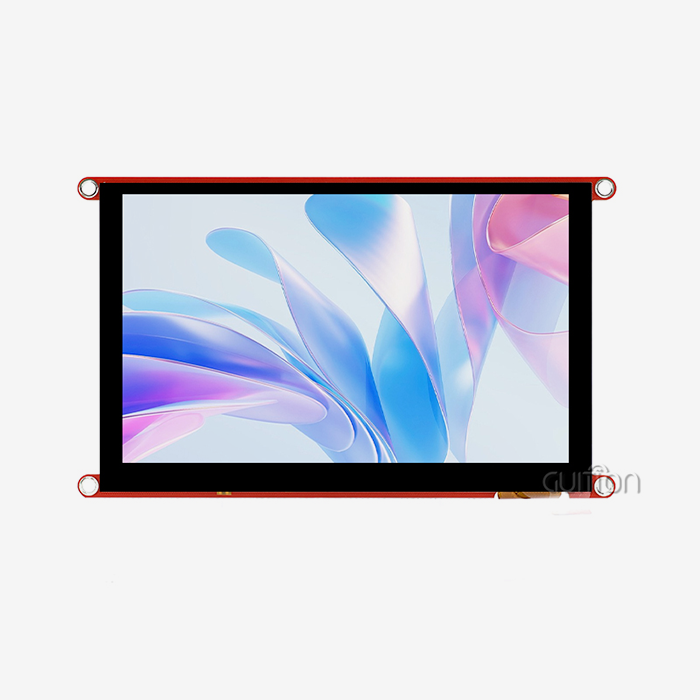
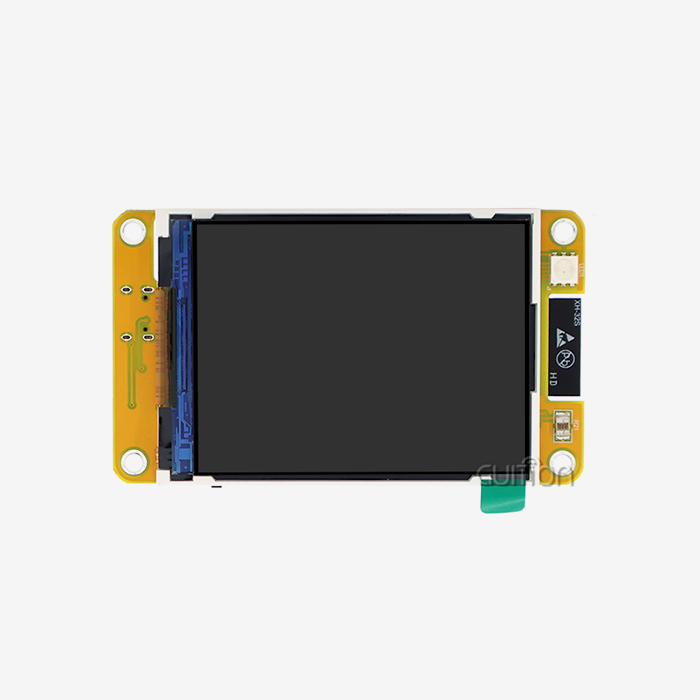
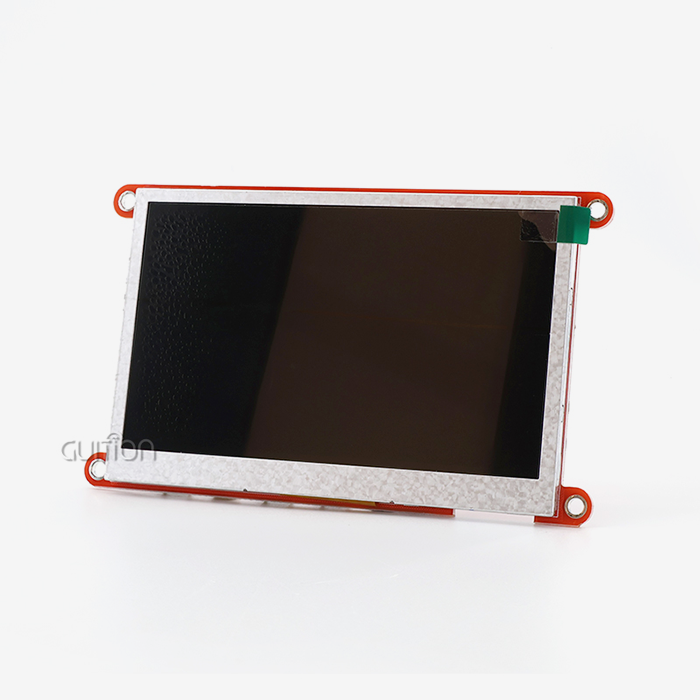
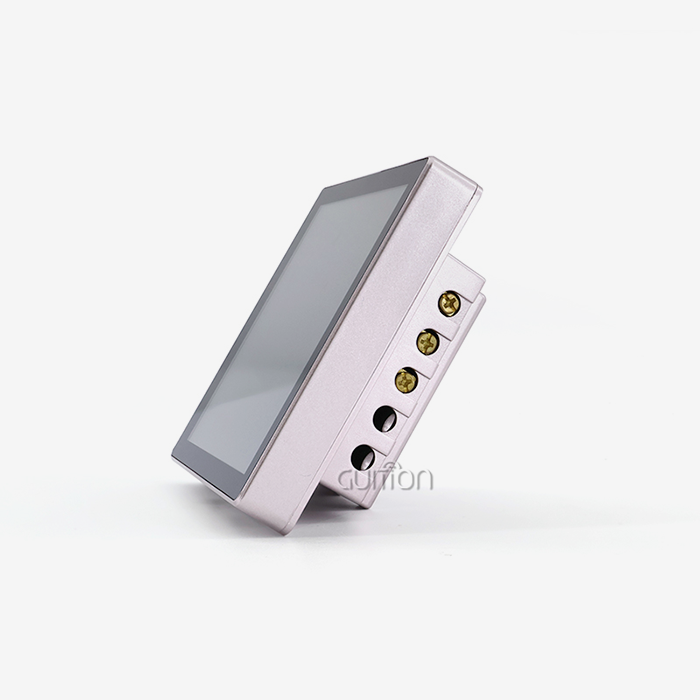
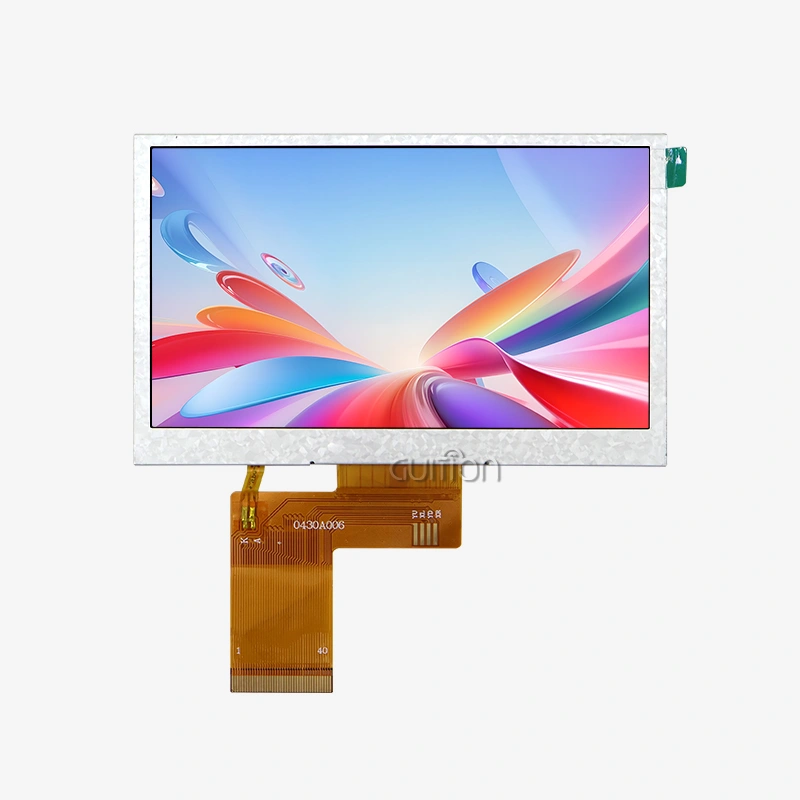
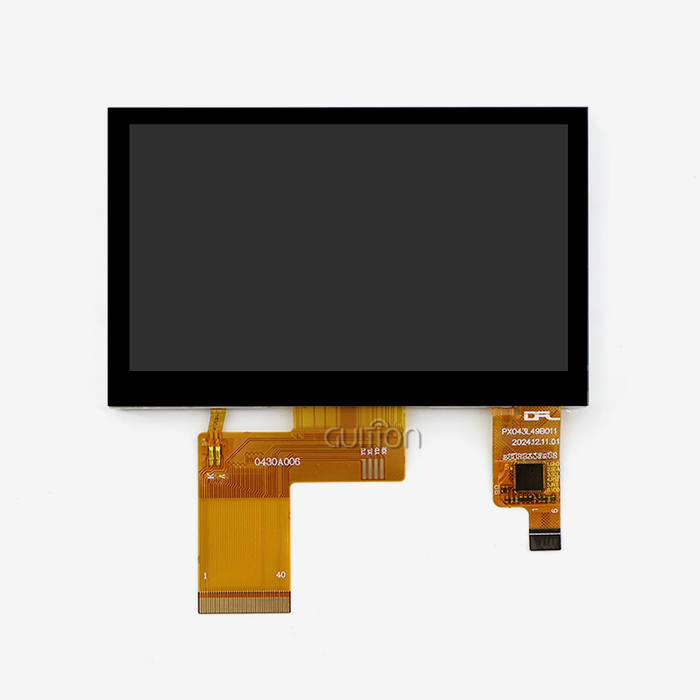
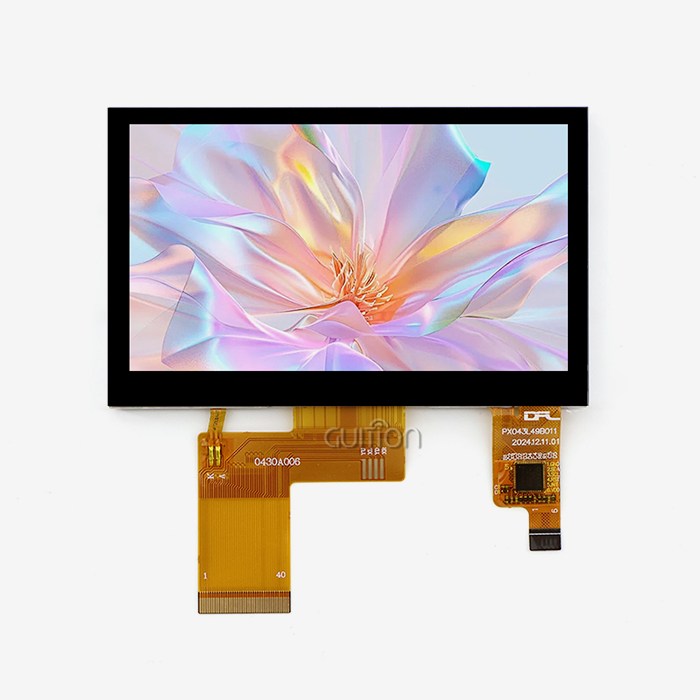
The Guition ESP32-1732S019N-I model is a good example of this type. It is based on the ESP32-S3-WROOM-1 dual-core MCU that runs at 240MHz. This much processing power lets graphics run smoothly while also taking care of wireless connection jobs at the same time. The module has 512KB SRAM, 384KB ROM, 8M PSRAM, and 16MB Flash storage. These specs allow complex UI frameworks like LVGL to work without the need for extra memory processors. The 170x320 IPS monitor has 16-bit colour depth and a wide viewing angle, which makes it easier to read in places with changing lighting, like factories and outdoor sites. This type of display module is different from other types because the driver and screen are tightly connected. In traditional setups, microcontrollers, display drivers, and communication circuits are all kept separate, which makes failure points possible. These tasks are combined in ESP32-S3 modules, which cuts down on the number of parts needed and makes PCB planning easier. Since Wi-Fi (802.11 b/g/n) and Bluetooth 5.0 are built in, you don't need any extra connection modules. This is a big plus for IoT deployments that are limited in room and power.
Development Environment Compatibility
Time-to-market, which is a big worry for R&D managers, is directly affected by how well different development tools work together. These tools work with ESP-IDF, MicroPython, Arduino IDE, and Mixly, so they can be used by engineers with a wide range of tastes. The Guition UI development tool lets designers make HMI layouts without writing any low-level code. Its graphics interface lets them drag and drop controls and see how interfaces will look in real time. This cross-platform method makes it easier for teams to learn when they are moving from one microcontroller environment to another. The module's communication protocols include 8-bit parallel links for the display driver. This lets refresh rates go over 60 FPS, which is a lot faster than I2C or SPI options. GPIO pins can still be used to connect sensors, which helps apps like temperature controllers or air quality monitors that need to show data and send it at the same time. When procurement teams are looking at different suppliers, they should make sure that the modules they are considering come with full pin-out documentation and library support. This is because not having all the necessary technology tools can delay integration efforts by weeks.
Evaluating Reliability for Continuous Operation: Performance and Power Considerations
In constant operation, reliability depends on how well thermal control, power stability, and the quality of the parts are handled. Running display units 24 hours a day, seven days a week creates heat that speeds up component wear if it's not properly dealt with.
Thermal Performance and Heat Dissipation
Under normal conditions, the ESP32-S3 chip loses about 0.5W of power, and the brightness of the monitor adds to this. The IPS screens in these modules work better with extended use than OLED panels, which lose their organic material and burn-in over time when static pictures are shown for long periods of time. Thermal vias are built into industrial-grade modules' PCB designs to move heat away from important parts and keep junction temperatures within safe working ranges (-20°C to +70°C). When testing similar 1.9 inch ESP32S3 display modules, it was found that devices with bad thermal design lose their Wi-Fi link after 8 to 12 hours of constant use because high temperatures hurt RF performance. The Guition ESP32-1732S019N-I solves this problem by placing the antennas optimally and matching their impedance on the 2.4GHz RF line. This keeps the wireless speed steady even during long operation cycles. When engineers are reviewing suppliers, they should check the results of thermal cycle tests. Manufacturers that follow IPC-A-610 guidelines provide proof of 48-hour stress testing at different temperatures.
Power Supply Requirements and Optimization
Voltage changes that cause screen flickering or system crashes can't happen when power is delivered steadily. These units work at 3.3V logic levels and usually take 5V input through USB-C ports. They have voltage control built in. Deep sleep can use as little as 10 to 15 µA of current, which is very important for battery-powered devices that need to be able to idle for months before they need to be charged again. When the system is running continuously, it's important to pay close attention to the power supply filters. When motor drives or switching tools are used in an industrial setting, they make electrical noise that links into power lines. By using LC filter networks at the input stage, the display driver's sensitive analogue hardware is kept safe. For projects that need to keep running, firmware should include voltage tracking routines that start safe shutdown processes when source voltage goes below certain levels. This keeps data from getting corrupted or parts from breaking.
Comparison and Decision-Making: Choosing the Best Display Solution
When choosing the right 1.9 inch ESP32S3 display module, you have to weigh the technical specs against the cost and the needs of the application.
Resolution and Display Technology Trade-offs
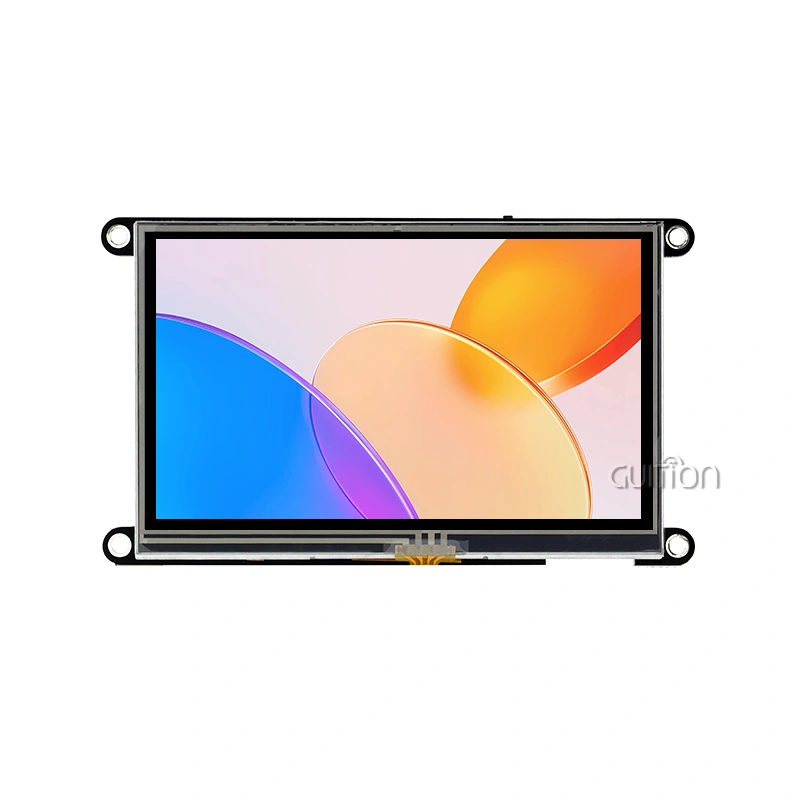
In data-heavy apps, resolution has a direct effect on how the user feels. The 170x320 pixel format has enough detail to show sensor data, status signs, and simple images without having to zoom in. For screen buffer handling, higher resolutions need more memory bandwidth and processing power, which could limit the number of CPU cycles that can be used for application logic.IPS technology has better colour stability and viewing angles than TN screens. This means that interfaces can be read from different angles, which is important for shared control panels or kiosks that the public can use. Models like the Guition ESP32-1732S019N-I don't have touch functionality, which saves money and gets rid of a common failure mode. These models are good for uses where buttons or rotary encoders are used to provide user input. For projects that need touch contact, it's important to think about whether resistive or capacitive sensing works better in different environments. Resistive screens can handle being touched with gloves and water, while capacitive screens respond more quickly.
Supplier Evaluation and Procurement Considerations
Finding dependable 1.9 inch ESP32S3 display module suppliers who keep quality standards high and supply chains stable is a task for B2B procurement workers. Guition stands out because it controls both the production of hardware and the development of software toolchains. This method makes sure that modules and development tools work together, which lowers the risks of integration that come up when you buy parts from different suppliers. When procurement managers look at different providers, they should check how well the paperwork is written, how quickly technical help responds, and how the bulk price works. Scaling from prototypes to production numbers can be done cost-effectively with suppliers who offer volume discounts without affecting wait times. It's important to have versions that can work in temperatures ranging from -40°C to +85°C for outdoor installations or car uses where the temperature range goes beyond what is recommended for consumer use.
How to Use and Integrate the ESP32-S3 Display Module in Continuous Operation Projects
Successful integration demands attention to hardware setup, firmware settings, and ongoing tracking methods.
Initial Setup and Wiring Best Practices
The first step in physical installation is to make sure the power source is stable. Connect a controlled 5V source to the USB-C port or straight to the VIN pins. Make sure the source can provide a steady current of 300–500mA, depending on how bright the backlight is set. To avoid ground loops that cause display artefacts, ground links must be set up for single-point grounding. The GPIO pins on the module let you connect it to sensors, actuators, or data lines on the outside. When connecting to industrial protocols like Modbus RTU, use optocouplers to create galvanic separation. This will keep the module safe from voltage spikes that happen in factory control networks. Electromagnetic interference, which shows up as screen noise or random image mistakes, can be stopped by routing display data lines away from high-current switching circuits.
Programming for Stability and Performance
When making firmware, resource control and problem handling should come first. Initialise the display driver with the right refresh rate settings when the computer first starts up. A refresh rate of 60Hz makes motion smooth while using only a small amount of power. Use watchdog timers to find and fix software hangs, which is a very important safety measure for situations where the system is running continuously without being watched. The drag-and-drop interface maker in the Guition development platform makes making UIs easier. Designers can see how screens will look and then send code that works best with Arduino IDE or ESP-IDF. This process speeds up iteration cycles so that teams can test interface layouts with stakeholders before putting the finishing touches on integrated logic. When showing images or custom fonts, memory management is very important. To save SRAM room for runtime variables and stacks, store visual assets in Flash memory instead of RAM. Power optimisation increases the operating life of things that run on batteries. Use ambient light sensors to change the brightness dynamically, which will lower power use when the screen isn't being used. You can set up Wi-Fi radio duty switching so that it only connects when data is being sent, instead of staying connected to access points all the time. These methods can cut the average current draw by 40–60%, which can mean longer battery life or less need for cooling.
Monitoring and Maintenance Strategies
For continuous operation to work, tracking must be done proactively to find degradation before it leads to breakdowns. Put in place firmware processes that send data to central tracking systems and keep track of system measures like CPU temperature, Wi-Fi signal strength, and frame rendering times. Strange trends, like rising update lag or falling RF sensitivity, show that new hardware problems need to be fixed. The module's Wi-Fi connectivity lets you change the firmware from afar, so you can do maintenance in the field without having to physically reach the module. Over-the-air (OTA) updates are supported by the Guition technology. This means that bug fixes or new features can be sent to distributed installs. Structure software pictures with failsafe sections so that devices can go back to older versions if updates fail in the middle of the process. This keeps operations running smoothly.
Where to Buy and Procurement Tips for B2B Clients
From prototyping to production scale, choices about where to get materials affect the success of a project. Finding reliable 1.9 inch ESP32S3 display module makers is important for ensuring the quality of the components and the quantity of them.
Evaluating Supplier Credentials
Guition is both a manufacturer and a solution provider. Along with selling hardware, they offer direct access to tech help. This vertical integration gets rid of markups on middlemen and makes sure that technical resources stay in line with what hardware can do. When comparing sources, look at their manufacturing certifications (such as ISO 9001 and RoHS compliance) and ask for quality control paperwork that shows how inspections are done. Lead times are very different between providers, especially when unique orders are needed. Standard catalogue items ship within days, but it can take weeks for items with custom wire lengths, changed mounting holes, or special software. Building relationships with providers that offer flexible minimum order amounts makes prototyping easier because you don't have to buy a lot of inventory before the design is approved.
Pricing Structures and Volume Considerations
Unit prices go down as order volumes go up, but the points where this happens change from seller to seller. At 100, 500, and 1,000 units, prices usually start to drop, with savings of 15 to 30% compared to single-unit prices. Frame agreements that lock in prices for yearly amounts should be negotiated by procurement pros. This will protect projects from changes in component costs that eat away at budget gaps. Look at the total cost of purchase as well as the single price. When suppliers offer complete development tools, example code, and quick expert help, engineers spend less time fixing integration problems. This way of doing things is shown by the Guition environment, which bundles hardware with software tools and documents that speed up development cycles. Any extra cost is usually covered by lower labour costs.
Conclusion
When chosen and set up with consideration for thermal management, power stability, and firmware reliability, the 1.9 inch ESP32S3 display module provides stable continuous operation. Its design combines processing, connection, and display functions in a way that solves the main problems that industrial equipment makers and IoT solution providers have, which are fast development, a small form factor, and reliable operation. Guition's ESP32-1732S019N-I model shows these skills through carefully designed hardware and full support for the development environment. To make sure the project is successful in the long run, procurement choices should give priority to providers who show strict quality control, a stable supply chain, and a commitment to technical partnerships.
FAQ
Can ESP32-S3 display modules operate continuously for years without failure?
When used within the recommended temperature range, 1.9 inch ESP32S3 display modules that are properly built have a mean time between failures (MTBF) of more than 50,000 hours. The IPS display technology keeps OLED screens from getting burnt in, and the ESP32-S3 chip can work at high temperatures for a long time. Monitoring software and managing temperatures on a regular basis extends the life of an activity.
How does IPS display technology compare to OLED for 24/7 applications?
IPS screens work great in situations where they are used continuously because they don't break down biological materials. When static user interface elements are visible for long amounts of time, they cause permanent image retention on OLED screens. IPS technology is better for industrial control screens and medical equipment that needs to last for years because it keeps the brightness and colour clarity the same over time.
What technical support should I expect from display module suppliers?
Suppliers with a good reputation offer thorough datasheets, pinout diagrams, and code libraries with examples. Technical support teams that are quick to respond help with integration problems by giving advice on how to improve software and connect hardware. Guition goes further by offering detailed documents, video tutorials, and direct engineering advice to make sure that customers can quickly launch projects without having to go through long troubleshooting processes.
Partner with Guition for Reliable ESP32 Display Solutions
Guition's combined method provides complete support for embedded engineers and R&D managers searching for reliable 1.9 inch ESP32S3 display module providers. Our ESP32-1732S019N-I model blends industrial-grade hardware with the easy-to-use Guition UI development tool. This makes it faster and easier to make an HMI from the idea stage to the launch stage. We know how hard it is for product development teams to meet tight deadlines, stick to budgets, and make sure products are reliable. Our answers for these problems include hardware that has already been tried, a lot of information, and quick technical help.Volume price structures allow projects to go from small trial runs to large production runs, and our flexible customisation services can change parts to fit the needs of any application. With remote upgrades and support for multiple platforms, you can protect your investments and make changes to your products without having to rethink the hardware. Email our team at david@guition.com to talk about your project needs and find out how Guition's display solutions can help you get your product to market faster while also making sure it works reliably all the time. Our engineering experts offer personalised consultations to help you choose the best configurations for your industrial or business operation based on performance, cost, and long-term supportability.
References
1. Espressif Systems. (2023). ESP32-S3 Technical Reference Manual: Dual-Core Architecture and Power Management Specifications. Espressif Documentation Series.
2. Johnson, M., & Li, H. (2023). Thermal Management Strategies for Embedded Display Modules in Industrial IoT Applications. Journal of Embedded Systems Engineering, 18(4), 234-251.
3. International IPC Standards Committee. (2022). IPC-A-610H: Acceptability of Electronic Assemblies - Quality Standards for Continuous Operation Devices. IPC International Publications.
4. Chen, R., Patel, S., & Kumar, V. (2024). Comparative Analysis of Display Technologies for 24/7 Industrial HMI Systems. IEEE Transactions on Industrial Electronics, 71(2), 1456-1468.
5. Wireless Communication Standards Group. (2023). RF Performance Optimization in Compact ESP32-Based Display Modules. Embedded Wireless Design Conference Proceedings, 89-103.
6. Anderson, T. (2024). Power Supply Design for Continuous Operation Embedded Systems: Best Practices and Case Studies. Electronics Design Automation Quarterly, 12(1), 67-84.
Learn about our latest products and discounts through SMS or email