- English
- French
- German
- Portuguese
- Spanish
- Russian
- Japanese
- Korean
- Arabic
- Greek
- German
- Turkish
- Italian
- Danish
- Romanian
- Indonesian
- Czech
- Afrikaans
- Swedish
- Polish
- Basque
- Catalan
- Esperanto
- Hindi
- Lao
- Albanian
- Amharic
- Armenian
- Azerbaijani
- Belarusian
- Bengali
- Bosnian
- Bulgarian
- Cebuano
- Chichewa
- Corsican
- Croatian
- Dutch
- Estonian
- Filipino
- Finnish
- Frisian
- Galician
- Georgian
- Gujarati
- Haitian
- Hausa
- Hawaiian
- Hebrew
- Hmong
- Hungarian
- Icelandic
- Igbo
- Javanese
- Kannada
- Kazakh
- Khmer
- Kurdish
- Kyrgyz
- Latin
- Latvian
- Lithuanian
- Luxembou..
- Macedonian
- Malagasy
- Malay
- Malayalam
- Maltese
- Maori
- Marathi
- Mongolian
- Burmese
- Nepali
- Norwegian
- Pashto
- Persian
- Punjabi
- Serbian
- Sesotho
- Sinhala
- Slovak
- Slovenian
- Somali
- Samoan
- Scots Gaelic
- Shona
- Sindhi
- Sundanese
- Swahili
- Tajik
- Tamil
- Telugu
- Thai
- Ukrainian
- Urdu
- Uzbek
- Vietnamese
- Welsh
- Xhosa
- Yiddish
- Yoruba
- Zulu
Is the Graphic LCD display module Reliable for Continuous Operation Use?
When you're making equipment that works all the time, you have to be sure that every part will work perfectly. Because the Graphic LCD display module is the visual link between your system and its users, it has to be reliable. Modern industrial-grade display modules, especially those made with strong driver ICs and temperature-resistant parts, last a very long time in settings where they are used all the time. The key is to figure out why some parts last for years of continuous use while others break down too soon. Reliable performance that meets strict industry standards is built on good building, good thermal management, and stable electricity.

Understanding Graphic LCD Display Modules and Their Reliability
Display modules have changed a lot over the years, from basic segmented screens to complex graphic systems that can show complicated images. At their heart, these units are made up of liquid crystal cells that are managed by built-in driver circuits that change how light travels by applying precise voltages.
How Display Architecture Impacts Durability
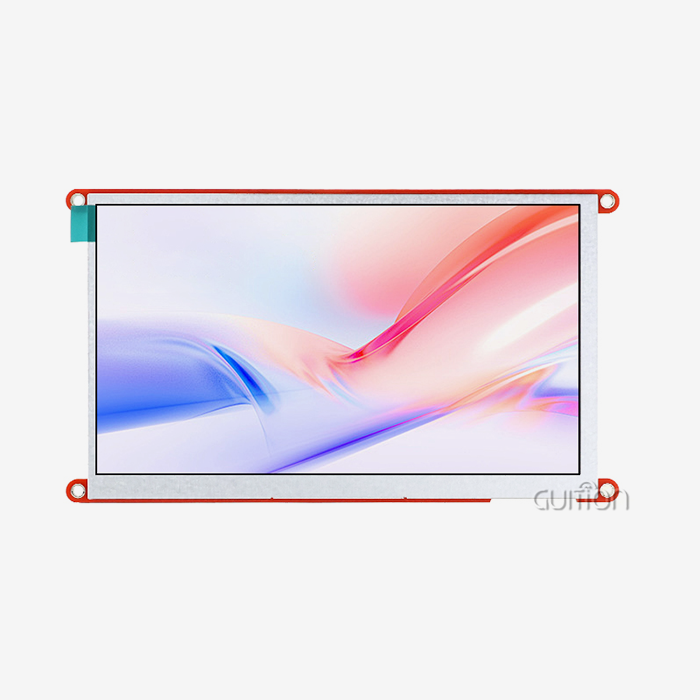
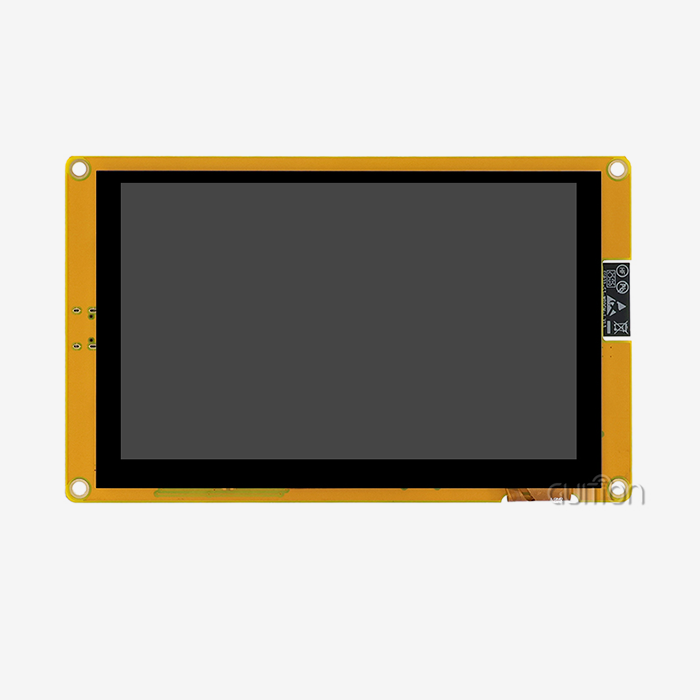
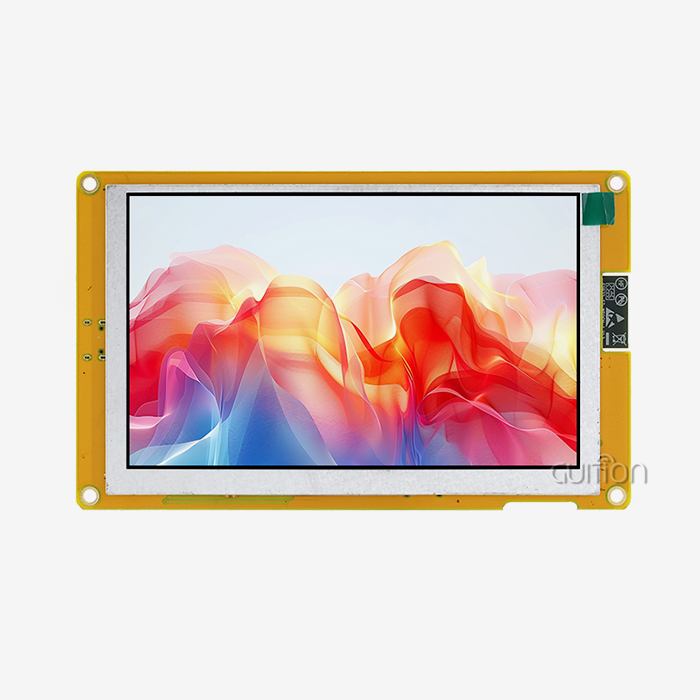
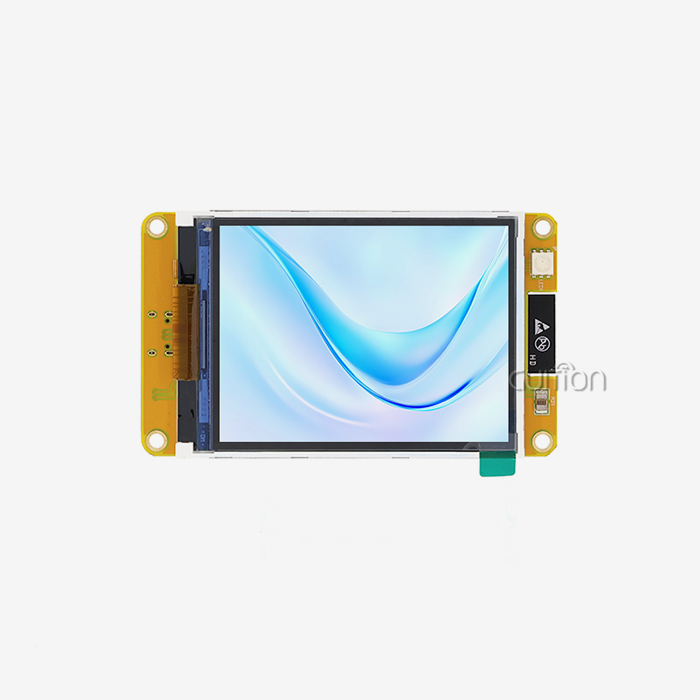
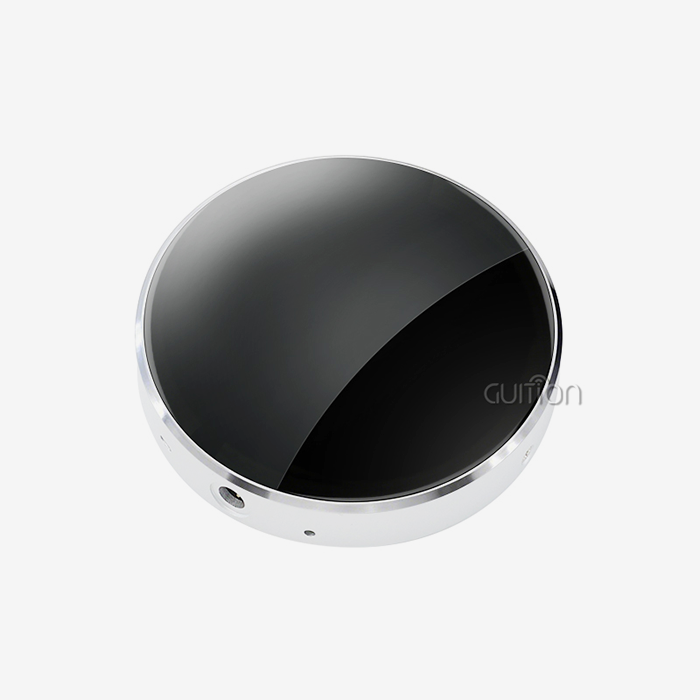
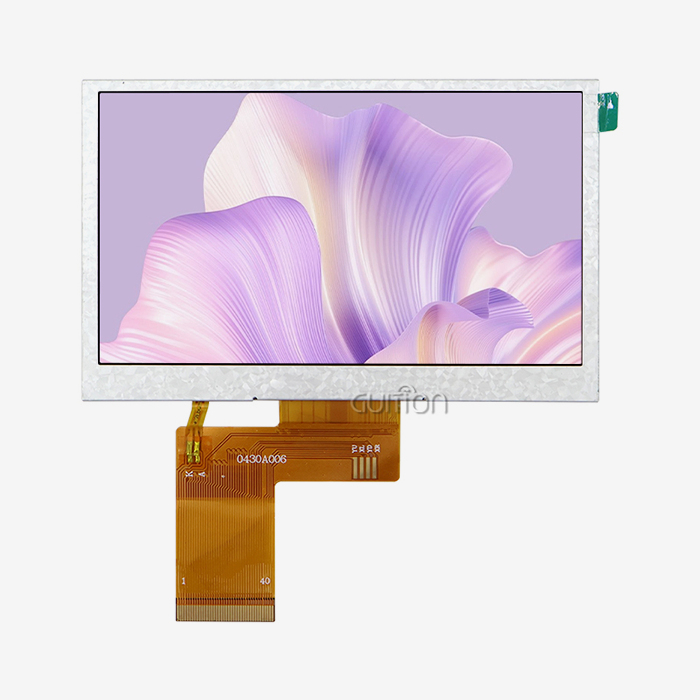
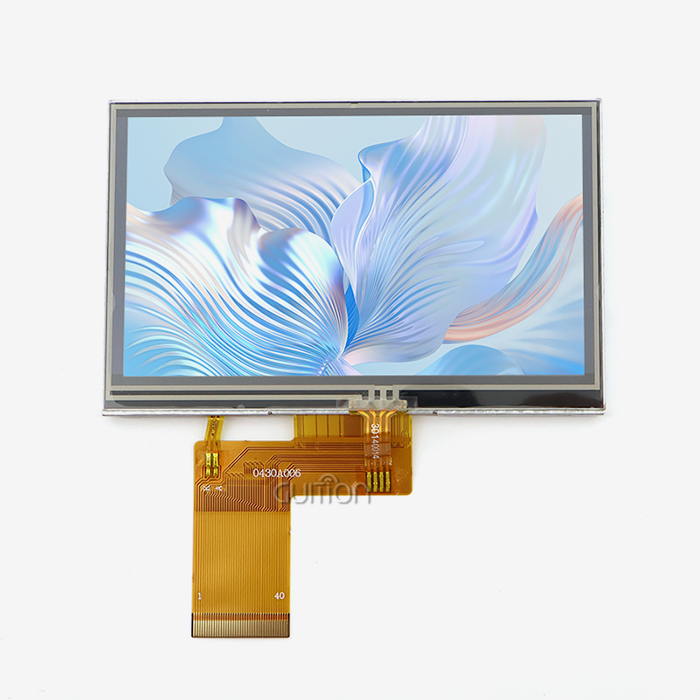
How well a display module works with ongoing use is directly related to how it is built on the inside. The ST7265 driver chip is used in high-tech display products like the Guition JC8048B043N. Its stable pixel control comes from a tried-and-true design that keeps electrical stress to a minimum during extended use. This 4.3-inch module has an RGB interface and a resolution of 800x480. It sends data easily across multiple channels instead of flooding a single one. Temperature resistance is another important factor that affects durability. Displays in industrial settings are subject to temperature cycles that can weaken the viscosity of liquid crystals and harm polarising films. High-quality modules are made with materials and correction circuits that are designed to work the same way in a wide range of temperatures, usually from -20°C to 70°C. This thermal resilience stops the slow reaction and loss of contrast that happens with less-than-stellar goods in tough conditions.
Electrical Parameters That Ensure Stability
A part that goes unnoticed in how long a display lasts is the voltage regulation. Changes in the source voltage make it so that pixels don't always turn on, which speeds up component wear and could damage the driver IC. Industrial-grade display modules have voltage stabilisation circuitry built in that smooths out changes in the power source. This keeps sensitive control logic safe from electrical stress. The RGB interface standard has built-in benefits for ongoing operation. In contrast to serial connections, which send data through a limited number of channels, RGB splits the signal load among separate lines for the red, green, and blue parts. This parallel design lowers the electrical stress on each route and lets refresh rates go up without making interface parts too hot.
Common Issues and Troubleshooting in Continuous Operation
Even screens that were well thought out have problems when they are used for a long time. Knowing about these common problems helps you take steps to avoid them and deal with them effectively when they do happen.
Screen Burn-In and Image Persistence
Displaying static content for long periods of time can age liquid crystal cells in certain areas, leaving behind weak ghost pictures that stay even when the content changes. This is called "burn-in," and it happens when pixels wear down unevenly across the surface of the display. Modern modules fight this in a number of ways. With dynamic content movement, no single group of pixels can stay in the same state for a long time. By changing the states of the pixels, screen savers that turn on when the equipment is not being used offer similar safety. Professional display modules that can handle 16.7M colours actually help lower the risk of burn-in. More colour depth means less voltage difference between states that are next to each other. This lowers the electrical stress that comes with static pictures with a lot of contrast. Because of this, full-color TFT screens are better at keeping images from moving than simpler black-and-white ones.
Contrast Degradation Over Time
As polarising films age and liquid crystal fluid features change, continuous operation slowly changes the contrast ratio. Quality control during production has a big effect on how fast this wear and tear happens. Modules that are put through a lot of ageing tests during production, such as being exposed to high temperatures and running continuously, show expected performance trends that help engineers plan when to do maintenance. Connection stability is something that needs extra attention when fixing. Most of the time, intermittent problems are caused by mechanical stress on ribbon wires or changes in temperature that affect solder joints. The flex wires that connect the LCD glass to the driver board are especially at risk. Connections don't fail too soon when there is enough pressure reduction during installation, and sharp bend radii are avoided.
Controller Overheating and Thermal Management
Driver ICs make heat when they work, and if they are used for a long time without enough cooling, the junction temperatures can rise above what is safe. Thermal shutdown circuits keep the chip from being permanently damaged, but frequent thermal events shorten the chip's life. Effective heat removal is necessary for systems that run all the time.The thermal efficiency is greatly affected by the flow of air around the display module. Even a small amount of air movement lowers surface temperatures by a large amount compared to when air is not moving at all. When making casings for equipment that houses display modules, placing ventilation holes or small fans in key places ensures that the equipment stays cool without introducing dust contamination risks.
Comparing Graphic LCD Modules with Alternative Display Technologies
Graphic LCD display module. To choose the best display technology, you have to weigh a lot of different factors against your unique needs. Each technology has its own pros and cons that make it less or more suitable for ongoing running.
OLED Versus LCD for Always-On Applications
Deep blacks and bright colours make OLED screens look beautiful, but organic materials break down over time, especially when they are used all the time. The glowing chemicals slowly lose their ability to work, which lowers the brightness and could lead to static content burn-in. While OLED modules work great in private settings where they are only used sometimes, LCD technology is more effective in industrial settings where they need to be used all the time. In the LCD building, inorganic materials don't break down as easily as organic chemicals do. If they are made correctly, liquid crystals keep their features fixed over years of use. Because of this basic material advantage, LCD modules, especially those with tried-and-true driver designs like the ST7265, are the best choice for situations where replacing the display would be too expensive or unworkable.
TFT LCD Benefits for Industrial Control
Active matrix addressing is used in TFT (Thin Film Transistor) LCD panels, which means that each pixel has its own set of switching transistors. This design lets you get fast response times and great colour reproduction while still getting the durability benefits of LCD technology. The active matrix method also makes viewing angles better than inactive matrix displays, so workers can see correct information from any angle. The Guition JC8048B043N is a good example of how TFT technology can be used in business. Its 800x480 resolution gives you enough clarity for complicated displays without using too much power. The RGB interface allows for fast graphics changes, which are needed for keeping an eye on changing processes, and the wide temperature range works in harsh industrial settings.
E-Ink and Reflective Technologies
E-Ink screens don't need much power to keep pictures static, which makes them a good choice for battery-powered devices. Slow updating rates, on the other hand, make them less useful for apps that need to be updated often. Reflective LCD technologies are a good compromise because they use natural light to lessen the need for backlights and allow faster refresh rates than E-Ink. Backlit TFT displays are still more useful for most industrial control uses than these niche options.
Procurement Insights: Choosing Reliable Graphic LCD Modules for Industrial Use
Choosing where to get parts has a huge effect on the success of a project, especially when it comes to parts that are so obvious, like display modules. Smart tactics for buying things weigh the short-term costs of what they need against the long-term needs for dependability and support.
Evaluating Supplier Credentials and Support
Suppliers that have been around for a while and have a good track record offer not only parts but also specialised advice that speeds up development. Companies like Guition set themselves apart by offering full support platforms that go beyond selling tools. When dealing with providers who don't provide much documentation, integration time is much longer than when you have access to full datasheets, interface libraries, and application examples. Stability in the supply line is important, especially for goods that last a long time. A lot of industrial equipment stays in use for decades, and it needs new parts and repair long after it was first put to use. Suppliers who promise long-term product supply and past compatibility will protect your investment and make planning upkeep easier. When choosing a Graphic LCD display module provider, find out about their rules on product lifecycle and guarantees on component supply.
Understanding Total Cost of Ownership
The purchase price is only one part of the total cost. Costs of development, such as the time engineers spend integrating and fixing problems, often go over the costs of the parts they're made of. Even though the individual parts might cost more, the overall cost of the project is lower when well-designed interfaces and a wide range of software tools make interaction easier.This value offer is shown by the Guition development platform. Engineers don't have to deal with low-level register settings and time protocols; instead, they use easy-to-use tools to make interfaces that look good. With the included control library and testing tools, development times are cut from weeks to days. This faster time-to-market often supports higher prices because it brings in more money faster and lowers the cost of building.
Customization Options and Flexibility
Standard catalogue items work well for many uses, but sometimes specific needs mean that they need to be customised. Suppliers who offer different screen sizes, custom layouts, or better environmental standards give customers more options than catalog-only sellers. Being able to ask for samples with certain features lets you test them before committing to large amounts for production. When you work with makers who allow secondary development, you can use proven hardware platforms to make your goods stand out by giving them unique user interfaces. This method weighs the benefits of customisation against the costs and risks of fully customised display options.
Best Practices for Ensuring Longevity and Reliability in Continuous Operation
The service life of a SPI LCD Display module can be greatly increased by using the right system design and installation techniques. These rules are meant to be used in a lot of different tools and apps.
Power Supply Design Considerations
Clean, stable power is what makes the display function reliable. Noise that messes up the timing of the display and creates visible artefacts can come from switching power sources. When capacitors and inductors are used properly to filter, high-frequency parts are taken out, and voltage control ICs keep DC levels fixed even when the load changes. Pay attention to inrush current when the power is turned on, especially in systems with a lot of modules or other high-current loads. Stress spikes that speed up component ageing can be avoided with soft-start circuits that gradually raise the voltage. In the same way, controlled shutdown processes stop voltage drops that might damage the memory of the display driver or leave pixels in states that cannot be described.
Thermal Management Strategies
Keeping screens within certain temperature ranges stops them from ageing faster and keeps their performance stable. In addition to making sure there is enough cooling in the room, you should also think about thermal interaction between the display module and the parts that generate heat. Thermal stress can be lowered by mounting screens away from computers or power conversion circuits that are already hot. Thermal shields or heat sinks protect things when they have to be close to each other.The thermal mass of the display module helps protect against sudden changes in temperature, but high temperatures that last for a long time will always shorten its life. When built-in sensors are used to check junction temperatures, adaptable cooling techniques can be used to only turn on extra cooling when it's needed. This strikes a balance between long life and low energy use.
Software and Interface Best Practices
How you drive the display is just as important for stability as how the gear is made. Refresh rates should meet the capabilities of the display without going too far, which would use too much power and make the screen hot. When set up correctly, with pixel clock rates and timing settings that match what the datasheet says, the RGB interface on modules like the Guition JC8048B043N can send data quickly. Adding watchdog circuitry that can find and fix display driver lockups makes the system more resilient. Sometimes, cosmic rays or electrical surges can mess up the state of a sensor, and it needs to be restarted in order to work normally again. Detection and repair that are done automatically stop things that would need to be done by hand otherwise. These methods have been proven to work in 3D printers, power stations, and medical tools. Systems that were carefully planned with power quality, thermal management, and proper coupling in mind usually work nonstop for years with little upkeep. These success stories show that engineering practice directly leads to effectiveness in the field.
Conclusion
Reliability of a Graphic LCD display module in ongoing operation depends on many things that are all linked, such as the choice of components, the design of the system, and how it is used. Strong build and high-quality modules with tried-and-true driver ICs like the ST7265 make them reliable in harsh industrial settings. With the right power source design, good thermal control, and interface application, this built-in reliability can last for years without any problems. Investing in industrial-grade display solutions pays off in lower upkeep costs, fewer breakdowns in the field, and happier customers. When choosing a provider for your next project, give the most weight to those that offer full support, a track record of success, and a promise of long-term product availability.
FAQ
What causes display modules to fail during continuous operation?
Failure too soon is caused by a number of things. Voltage changes caused by poor power source filtering put stress on driver circuits. Bad thermal control lets temperatures get too high, which speeds up the ageing of parts. Intermittent faults are caused by connection problems that happen because of a bad fit or not enough pressure relief. These risks can be successfully reduced by using good production practices and integrating systems correctly.
How do graphic LCD display modules compare in lifespan to OLED alternatives?
When used continuously, LCD technology usually lasts longer than OLED. Over time, the organic chemicals in OLED screens break down, which lowers their brightness and could lead to burn-in after thousands of hours of use. When used correctly, LCD modules with artificial liquid crystals keep working at the same level for tens of thousands of hours. Because LCDs last longer, it is the best choice for business uses that need to work 24 hours a day, seven days a week.
Can standard display modules withstand industrial temperature extremes?
Industrial-grade units are qualified over a wider range of temperatures, usually from -20°C to 70°C for use and from a wider range of temperatures to a higher temperature for storage. These requirements make sure that the product will work reliably in tough conditions. Modules made for consumers that can only handle a smaller range of temperatures may not work well in commercial settings. Before buying something, you should always make sure that the temperature standards match your needs.
Partner with Guition for Industrial-Grade Display Solutions
Guition specialises in providing reliable SPI LCD Display modules that are designed to meet the needs of ongoing operation. Our JC8048B043N model shows how dedicated we are to dependability. It has a strong ST7265 driver, better heat performance, and a flexible RGB interface. In addition to great tools, our own development software makes merging easier, which speeds up time to market and lowers development costs. Email david@guition.com to talk about how our experience as a Graphic LCD display module maker can help your product work better and last longer.
References
1. Society for Information Display, "Display Reliability Testing Standards for Industrial Applications," SID Symposium Digest of Technical Papers, 2022.
2. Johnson, M.R., "Thermal Management Strategies for LCD Modules in Continuous Operation," Journal of Display Technology, Vol. 18, No. 3, 2021.
3. International Electrotechnical Commission, "Environmental Testing for Electronic Displays - Temperature, Humidity, and Vibration Requirements," IEC 60068-2 Series, 2020.
4. Zhang, L. and Chen, W., "Comparative Reliability Analysis of Display Technologies in Industrial Control Systems," IEEE Transactions on Industrial Electronics, Vol. 69, No. 8, 2022.
5. Display Supply Chain Consultants, "Industrial Display Market Analysis and Long-Term Reliability Metrics," Annual Industry Report, 2023.
6. Nakamura, T., "Driver IC Architecture and Its Impact on LCD Module Longevity," Asia Display Conference Proceedings, 2021.
Learn about our latest products and discounts through SMS or email