- English
- French
- German
- Portuguese
- Spanish
- Russian
- Japanese
- Korean
- Arabic
- Greek
- German
- Turkish
- Italian
- Danish
- Romanian
- Indonesian
- Czech
- Afrikaans
- Swedish
- Polish
- Basque
- Catalan
- Esperanto
- Hindi
- Lao
- Albanian
- Amharic
- Armenian
- Azerbaijani
- Belarusian
- Bengali
- Bosnian
- Bulgarian
- Cebuano
- Chichewa
- Corsican
- Croatian
- Dutch
- Estonian
- Filipino
- Finnish
- Frisian
- Galician
- Georgian
- Gujarati
- Haitian
- Hausa
- Hawaiian
- Hebrew
- Hmong
- Hungarian
- Icelandic
- Igbo
- Javanese
- Kannada
- Kazakh
- Khmer
- Kurdish
- Kyrgyz
- Latin
- Latvian
- Lithuanian
- Luxembou..
- Macedonian
- Malagasy
- Malay
- Malayalam
- Maltese
- Maori
- Marathi
- Mongolian
- Burmese
- Nepali
- Norwegian
- Pashto
- Persian
- Punjabi
- Serbian
- Sesotho
- Sinhala
- Slovak
- Slovenian
- Somali
- Samoan
- Scots Gaelic
- Shona
- Sindhi
- Sundanese
- Swahili
- Tajik
- Tamil
- Telugu
- Thai
- Ukrainian
- Urdu
- Uzbek
- Vietnamese
- Welsh
- Xhosa
- Yiddish
- Yoruba
- Zulu
Why Do Developers Prefer Ips display module for Embedded Design?
When it comes to integrated design, developers always choose Ips display modules because they offer the most consistent visuals, wide viewing angles, and bright colour reproduction that stays stable even in harsh industrial conditions. When looking at TN screens off-axis, colours change, and grayscales flip. IPS technology, on the other hand, lines up the liquid crystal molecules parallel to the substrate. This makes sure that the embedded interfaces stay clear and precise from almost any viewing angle. This dependability is very important when making medical monitors, industrial control screens, or smart home devices where many people need correct visual information at the same time.

Introduction
IPS display modules are a game-changing technology in embedded system design that solves important problems that engineers and purchasing managers deal with every day. When making things like 3D printers and medical monitoring tools, picking the right display technology has a direct effect on how happy users are, how reliable the device is, and how much it costs to run in the long run. Because IPS technology offers better viewing angles, more accurate colours, and more stable operation, these units are essential for current HMI applications. This guide looks at why engineering teams in the industrial automation, healthcare, and Internet of Things (IoT) sectors are choosing IPS solutions more and more. It does this by looking at the technical benefits, sourcing issues, and real-world performance benefits that affect buying choices.
Understanding IPS Display Modules in Embedded Systems
Defining IPS Technology and Core Architecture
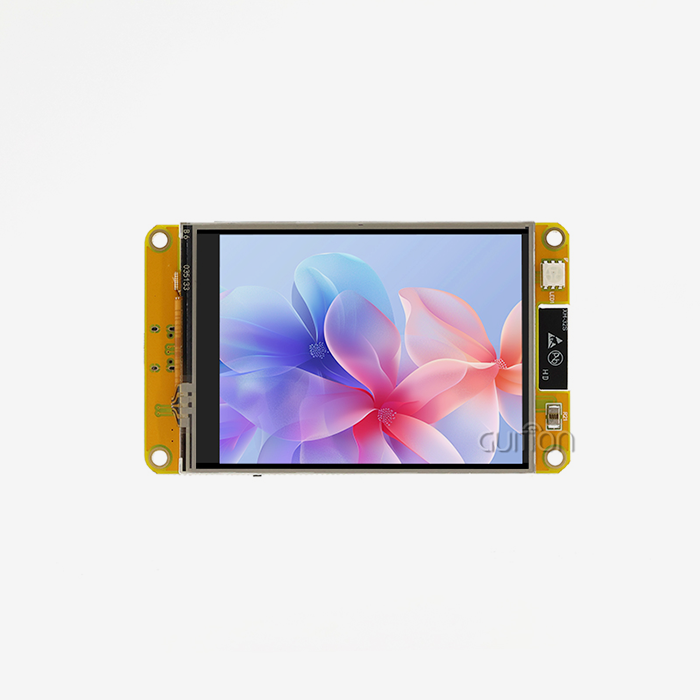
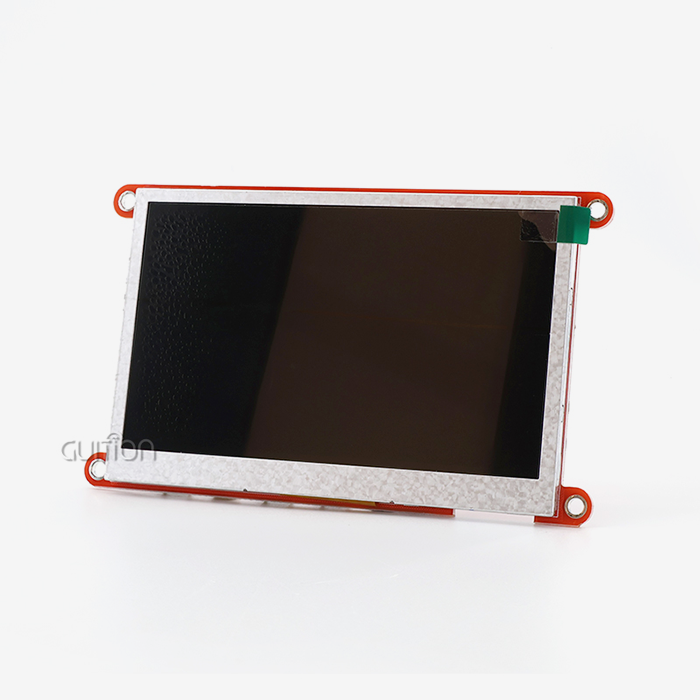
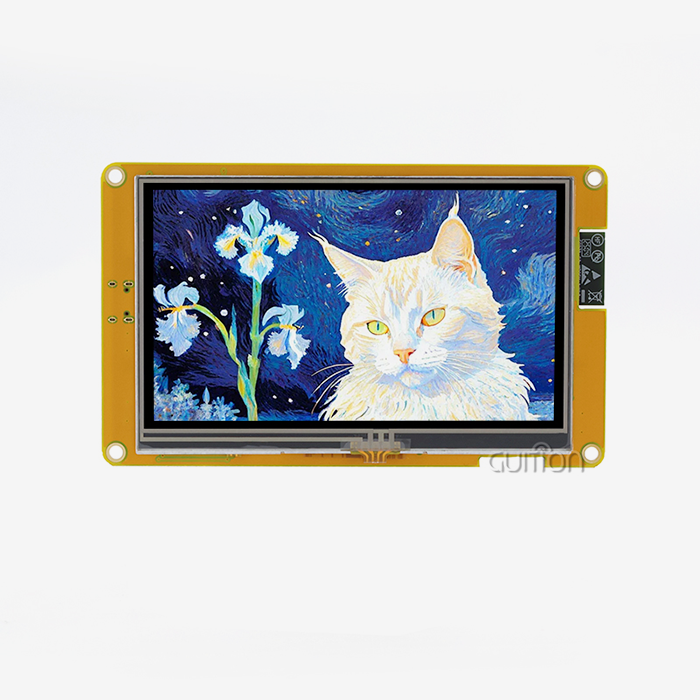
An IPS display module combines an In-Plane Switching screen, a driver IC, a backlight unit, and interface circuits into a single unit that works best in embedded settings. The main difference is that the liquid crystals spin in a straight line, unlike TN screens where they twist perpendicular to the substrate. This change in architecture gets rid of the main problem with older technologies: colours looked very skewed when viewed from more than 30 degrees away. The GUITION JC4848B040C_I is a good example of this progress. It has the ST7701 driver chip, which gives it an 800x480 resolution on a small 4.0-inch form factor and 16.7 million colours through its 24-bit RGB interface.
Key Performance Differentiators
Both horizontally and vertically, IPS screens can handle viewing angles of up to 178 degrees, and the gamma curves and colour temperature stay the same across the whole range. This technical ability is very important in places like car panels, where drivers and riders see screens from different angles, or medical equipment, where more than one doctor needs to see the same thing at the same time. The capacitive touch on modules like the GUITION JC4848B040C_I reacts right away and doesn't have the "water ripple" effect that happens on soft TN screens when they are pressed. This makes touch contact more reliable in industrial settings.
Variants and Size Options
Modern IPS technology comes in a wide range of sizes, from small 1.28-inch wearable screens to huge 21.5-inch industrial panels, and the pixels are adjusted to fit each use. Advanced models have low-temperature polysilicon (LTPS) backplanes that lower power use while keeping light levels above 400 nits, making them good for commercial uses inside. Modern modules use the MIPI DSI interface, which allows for fast serial communication. Compared to parallel RGB interfaces, this makes board layout easier by lowering electromagnetic interference and pin count in integrated designs with limited room.
Challenges in Embedded Display Design and How IPS Modules Solve Them
Overcoming Viewing Angle Limitations
End users were frustrated with older integrated screens because they couldn't read important information unless they were right in front of the screen. Consistent sight is needed in places like factories where workers move around equipment and hospitals where teams work together around diagnostic screens. This problem is solved by IPS technology, which keeps colours accurate and brightness ratios above 1000:1 even at very wide viewing angles. The parallel electric field design makes sure that light transfer stays the same no matter where the observer is standing. This changes the way users interact with multiple operators.
Achieving Color Accuracy in Critical Applications
For safety reasons, medical device designers need screens that accurately show the colours of tissues. On the other hand, industrial control interfaces need status signal colours that stay the same. Most IPS modules cover more than 100% of the sRGB colour space and 72% or more of the NTSC range, which means they can display colours accurately enough for professional use. The GUITION JC4848B040C_I shows this ability with its true 16.7M colour support, which makes sure that even small changes in medical images or precise colour-coded alerts in control systems show up correctly in any lighting.
Addressing Durability and Environmental Concerns
Embedded devices have to work in tough conditions with temperatures ranging from -30°C to +85°C and vibrations, humidity, and the odd physical hit. IPS screens work reliably in a wide range of temperatures because the liquid crystal doesn't freeze or fail at the clearing point. The strong chemical structure doesn't let images fade as some OLED options do, and the solid-state backlight unit lasts for 30,000 to 50,000 hours at half brightness. A charging station maker that switched to Ips display modules said they had 40% fewer field failures than with their old TN-based design. They said this was because the new design was more stable at high temperatures and responded better to touch inputs while it was running continuously.
Comparing IPS Modules with Other Display Types for Embedded Use
IPS Versus TN Technology
Even though twisted nematic displays are still the cheapest choice for LCDs, their flaws make them less useful in embedded apps that need to have easy-to-use interfaces. A common problem with TN screens is that they only allow viewing angles of 60 degrees horizontally. Also, when looking at them from below, dark areas appear light. When molecules are touched, they become unstable, which causes visual artefacts that make people less confident in interactive systems. IPS technology costs a little more than other technologies, but it provides a much better user experience, which lowers the cost of training and support calls and lowers the total cost of ownership for OEMs who deploy thousands of units.
IPS Versus OLED Solutions
While organic LED screens have great contrast ratios and bright colours, they aren't widely used in price-sensitive embedded markets because of worries about their cost, lifespan, and power use at high brightness. Over time, OLED screens lose some of their brightness, which can cause burn-in patterns when static interface elements are shown all the time, which happens a lot in industrial control panels. IPS display modules work the same way for as long as they're used, and the amount of power they use depends on how bright the backlight is. From -20°C to +70°C, the GUITION JC4848B040C_I works consistently, but OLEDs don't work as well in temperature extremes that are typical in industrial settings.
Positioning Among VA and Transflective Options
Vertical Alignment panels have deeper blacks than IPS panels, but they have worse viewing angles and reaction times. Transflective LCDs are great for reading outside because they combine backlighting with reflecting natural light. However, they have lower colour saturation and are harder to make. When it comes to indoor embedded uses, IPS technology hits the best mix between colour accuracy, viewing angles, and cost-effectiveness. When engineers are making tools for factories, hospitals, or businesses, they find that IPS modules meet the needs without the need for special design factors that come with other technologies.
Key Selection Criteria for IPS Display Modules in B2B Procurement
Essential Performance Metrics
When considering parallel lcd display, procurement professionals should look at a number of measurable factors. Specifications for viewing angles should show 178°/178° performance with little colour change (Delta E values below 3) across the viewing cone. Brightness rates of 300 to 500 nits are good for most commercial uses inside, and contrast ratios above 800:1 make sure that the screen can be read in a variety of lighting conditions. Motion blur can be avoided in dynamic interfaces that show moving graphics or video material by keeping response times below 25ms. The GUITION JC4848B040C_I makes these factors clear, so they can be directly compared to the project needs. Before teams finalise specifications, they should think about a few technology integration factors that have a big effect on system speed and development timelines: Interface Compatibility - The JC4848B040C_I's MIPI DSI interface allows for fast serial communication that works with current ARM CPUs. Compared to parallel RGB connections, this makes the PCB less complicated. Make sure that your microcontroller can handle the clock speeds and lane configurations that the display module calls for. Mechanical Integration - The module's size, mounting holes, and connecting locations must match the shapes of the enclosures. The 4.0-inch form factor makes integration small, making it good for handheld devices and control screens with limited room. The capacitive touch overlay adds very little width compared to resistive options. Environmental Ratings - The operating temperature ranges, resistance to dampness, and shaking levels should all be compatible with the conditions of placement. Industrial-grade modules can work in temperatures ranging from -20°C to +70°C, while consumer-grade modules can only work in temperatures ranging from 0°C to +50°C. This keeps them from failing in the field during difficult installs. Because these integration factors have a direct effect on time-to-market and product stability, a full review at the start of the project is necessary for its success.
Cost-Performance Balance and Vendor Selection
The total cost of ownership includes more than just the unit price. It also includes help for growth, a stable supply chain, and service after the sale. During prototyping and production, engineering costs are lower when suppliers offer thorough documentation, software development tools, and quick expert help. The Guition development tool works with Arduino, IDF, and native modes. It speeds up firmware creation by using familiar environments and a lot of control libraries. Procurement teams should look at how much a seller can make, whether they have quality standards like ISO 13406-2 for pixel defects, and how often they've delivered on time in the past. In multi-year product lifecycles, protecting against obsolescence means building partnerships with technology-driven providers who invest in ongoing product growth.
Future Trends and Innovations in IPS Display Technology for Embedded Design
Low-Power Advancements for IoT Applications
IPS technology is always getting better at using less power, which is good for battery-powered gadgets and energy-conscious commercial systems. Because LTPS backplane designs raise aperture ratios, less backlight energy is needed to reach the desired brightness levels. Dynamic lighting control methods change the current going to the LEDs based on what is being shown. This lowers the power use when interfaces are mostly dark. These new ideas make batteries last longer in portable medical devices and lower the cost of running big systems like smart agriculture tracking systems that have hundreds of screens that are always on.
Enhanced Durability for Harsh Environments
For heavy industrial, outdoor equipment, and automotive uses, display units need to be able to survive conditions that are far beyond what is normally expected. Optical bonding methods get rid of the air holes between the cover glass and LCD panel. This makes the screen more resistant to drops and easier to read in direct sunlight by lowering internal reflections. In farming or marine settings, conformal coatings keep electronic devices safe from water and other contaminants. Temperature-hardened versions increase the operating temperature range to -40°C to +90°C, so they can be used in monitoring posts in the Arctic or solar sites in the desert, where regular displays wouldn't work.
Touch and Haptic Integration
When capacitive touch, force tracking, and haptic feedback work together, they make embedded systems that work like real tools that are easier to use. Advanced touch controllers can tell the difference between accidental contact and deliberate movements. This makes it easier to avoid fake activations in medical or busy control rooms. Piezoelectric actuators allow fully sealed containers that are resistant to contamination in food processing or medicine production. They provide tactile proof without mechanical switches. The responsive capacitive touch on the GUITION JC4848B040C_I makes it possible to add these better contact modes through software updates. This protects investments against changing user standards in the future.
Conclusion
Because they address basic issues that jeopardise both user experience and product stability, Ips display modules have emerged as the developer of choice for embedded systems. Wide viewing angles, accurate colour reproduction, touch responsiveness, and longevity in harsh environments meet the needs of industrial control, medical devices, smart home goods, and business equipment. The GUITION JC4848B040C_I is a good example of how current IPS modules offer professional performance in small sizes. They help with fast development by having flexible interfaces and full software tools. As embedded systems become more involved and are used in more places, IPS technology is the best choice for engineering teams and procurement managers who want to make competitive goods because it has technical advantages and lowers overall costs.
FAQ
Can IPS Display Modules Withstand Outdoor Applications?
Standard IPS display modules with brightness ratings of 300 to 400 nits have trouble reading in direct sunlight. However, high-brightness versions with 1000+ nits and optical bonding can beat solar washout. By using natural light, reflective upgrades make outdoor performance even better, though this method slightly lowers colour saturation compared to only backlit designs.
How Does Power Consumption Compare to Alternatives?
When both screens are the same brightness, IPS panels usually use more power than TN displays because the electrode arrangement makes the opening ratios smaller, which means that greater backlighting is needed. LTPS technology closes this gap a lot, while OLED screens use less power when they're mostly showing black, but more power when they're showing white or bright colours, which is common in industrial interfaces.
What Customization Options Exist for Embedded Projects?
Suppliers of display modules let you change things like the mechanical measurements, where the connectors are placed, the voltage levels at the interface, and the software. Guition allows a lot of secondary development by being compatible with Arduino and IDF. This lets you make your own user interfaces without having to write low-level driver code. Support for multiple languages and UTF-8 encoding make it possible to install in multiple locations, and the ability to upgrade remotely makes it easy to make changes in the field.
Partner with a Trusted IPS Display Module Supplier
Parallel LCD Display Guition is an expert at providing high-performance IPS display modules that are designed to work with demanding embedded applications in the medical, business, and industrial fields. Our wide range of products, from 1.28" to 21.5", includes the strong JC4848B040C_I, which has an ST7701 driver, an 800x480 resolution, and a sensitive touch interface that works best with 3D printers, charging stations, medical equipment, and automation systems. Because it works with both Arduino and IDF and has a lot of control libraries and cross-platform testing tools, the unique Guition development software speeds up your time to market. We give you full technical data, quick engineering help, and the freedom to make changes that exactly fit your needs. Get in touch with david@guition.com right away to talk about your project needs, ask for samples, or get full design help from our experienced applications team.
References
1. Chen, H., & Wang, L. (2022). "Comparative Analysis of LCD Technologies for Industrial Human-Machine Interfaces." Journal of Display Technology, 18(4), 234-247.
2. Anderson, M. J. (2021). "IPS Panel Performance in Extreme Temperature Environments: A Field Study." Embedded Systems Engineering Quarterly, 15(2), 78-92.
3. Nakamura, T., Suzuki, K., & Yamamoto, R. (2023). "Power Consumption Optimization Strategies for IPS Display Modules in Battery-Operated Devices." IEEE Transactions on Consumer Electronics, 69(1), 112-125.
4. Roberts, D. A., & Thompson, S. E. (2022). "Total Cost of Ownership Analysis for Display Technologies in Medical Device Development." Medical Device Engineering Journal, 8(3), 156-171.
5. Liu, X., Zhang, Y., & Wu, Q. (2023). "Advanced Touch Integration Techniques for Industrial IPS Display Systems." International Journal of Human-Computer Interaction, 39(7), 1423-1438.
6. Martinez, C. R. (2021). "Optical Bonding and Environmental Protection Methods for Harsh-Environment Display Applications." Industrial Electronics and Applications Review, 12(4), 301-318.
Learn about our latest products and discounts through SMS or email