- English
- French
- German
- Portuguese
- Spanish
- Russian
- Japanese
- Korean
- Arabic
- Greek
- German
- Turkish
- Italian
- Danish
- Romanian
- Indonesian
- Czech
- Afrikaans
- Swedish
- Polish
- Basque
- Catalan
- Esperanto
- Hindi
- Lao
- Albanian
- Amharic
- Armenian
- Azerbaijani
- Belarusian
- Bengali
- Bosnian
- Bulgarian
- Cebuano
- Chichewa
- Corsican
- Croatian
- Dutch
- Estonian
- Filipino
- Finnish
- Frisian
- Galician
- Georgian
- Gujarati
- Haitian
- Hausa
- Hawaiian
- Hebrew
- Hmong
- Hungarian
- Icelandic
- Igbo
- Javanese
- Kannada
- Kazakh
- Khmer
- Kurdish
- Kyrgyz
- Latin
- Latvian
- Lithuanian
- Luxembou..
- Macedonian
- Malagasy
- Malay
- Malayalam
- Maltese
- Maori
- Marathi
- Mongolian
- Burmese
- Nepali
- Norwegian
- Pashto
- Persian
- Punjabi
- Serbian
- Sesotho
- Sinhala
- Slovak
- Slovenian
- Somali
- Samoan
- Scots Gaelic
- Shona
- Sindhi
- Sundanese
- Swahili
- Tajik
- Tamil
- Telugu
- Thai
- Ukrainian
- Urdu
- Uzbek
- Vietnamese
- Welsh
- Xhosa
- Yiddish
- Yoruba
- Zulu
Why Choose an OEM Custom LCD Display Module?
If you are sourcing a display solution for a specialized application, a generic screen pulled from a catalog often creates more problems than it solves. A custom lcd display module gives your engineering team control over size, interface, brightness, touch configuration, and long-term supply — none of which a standard module guarantees. This guide walks through what OEM customization actually means, where it beats off-the-shelf options, how to choose the right module, and how Guition's ESP32-8048S070N can accelerate your next product launch.

Understanding OEM Custom LCD Display Modules
Before you compare goods, it's helpful to know what an OEM Custom lcd display module entails and why the technology choices that go into it are important.
What "OEM Custom" Actually Means
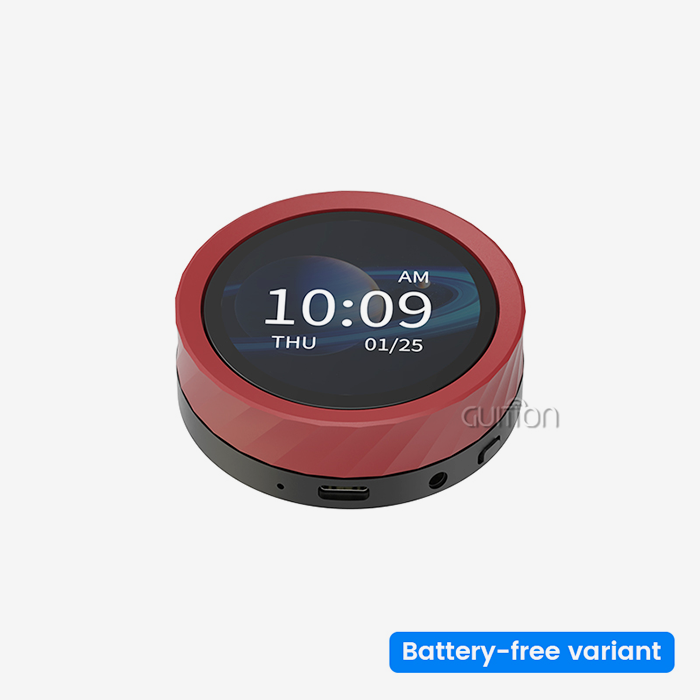
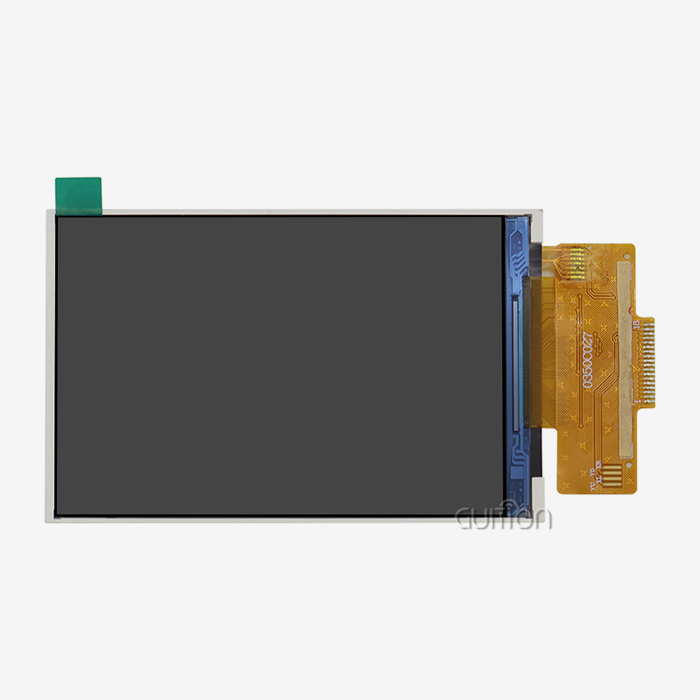
A custom liquid crystal display solution made to meet specific electrical, mechanical, and optical needs is known as an OEM Custom lcd display module. You can usually change the form of the Flexible Printed Circuit (FPC), the communication port (SPI, RGB, MIPI, or LVDS), the backlight brightness in nits, the type of touch panel (CTP or RTP), and even the size of the glass itself by using mask tooling. Real B2B problems are fixed by this level of control: strange form factors, unique connector layouts, and End-of-Life (EOL) supply risk that stops production years later.
LCD Technology Options and Trade-Offs
It's not true that all panel technologies are good for all jobs. While TN panels are cheap, they only let you see things from a few angles. Because they show colors accurately and have wide viewing angles, IPS panels are often used in medical monitoring and industrial HMI. TFT-LCD is still the most popular choice for industrial displays that need to be very bright. OLED has great contrast for low-power gadgets, and E-Ink is best for low-refresh, sunlight-readable signs. Picking the wrong panel technology during the planning phase will cost a lot more to fix than the price difference at the start.
How Customization Changes Performance
Surface treatments like Anti-Glare (AG), Anti-Reflective (AR), and Anti-Fingerprint (AF) coats have a direct effect on how easy it is to read and keep clean. When you choose optical bonding over air bonding, the longevity and outdoor view are different. Most industrial-grade modules can work in temperatures ranging from -30 °C to +85 °C. Brightness can be anywhere from 250 nits for indoor screens to over 1,500 nits for outdoor screens that can be read in direct sunlight. In contrast to a standard module, which has set values you can't change, each of these factors can be adjusted in a Custom lcd display module.
Why OEM Custom LCD Display Modules Outperform Standard Modules
Standard displays are made to work for as many people as possible, which means they aren't best for any one person.
The Limits of Off-the-Shelf Displays
When a product needs a non-standard aspect ratio, a certain connector pitch that fits a small enclosure, or a working temperature that is above the market range, standard modules run out quickly. Consumer-grade glass just can't handle the heat and vibrations that industrial control screens have to deal with. Medical ventilators need low EMI so they don't mess up sensors nearby, which is something a generic display driver IC can't promise. These gaps drive engineers to either use expensive fixes or, even worse, make changes to the hardware at a late stage.
Real Performance Gains From Custom Design
If you choose the right OEM LCD module, you can get rid of connector boards, make the PCB smaller, and simplify the Bill of Materials (BOM). In car navigation, UV-stable polarizers on transflective panels keep the screens from turning yellow after years of being in the sun. Cover glass up to 6 mm thick can meet IK impact standards in industrial automation. This means that it can protect the screen from drops from tools and cleaning equipment. These are not just marketing claims; IK ratings are based on IEC 62262 and directly connect impact energy in joules to protection class.
Supply Chain Reliability as a Competitive Factor
OEM agreements include promises to keep production going. If you lock a display part into a device that ships for five or seven years, you have to have a warranty window. Standard units are taken off the market without warning. So that your production line won't stop because a standard panel has reached end of life, a Custom lcd display module program from a company like Guition includes lifecycle management planning.
How to Choose the Right OEM Custom LCD Display Module for Your Business
Getting the specifications right at the beginning saves a lot of money in repair costs later on.
Defining Your Application Requirements
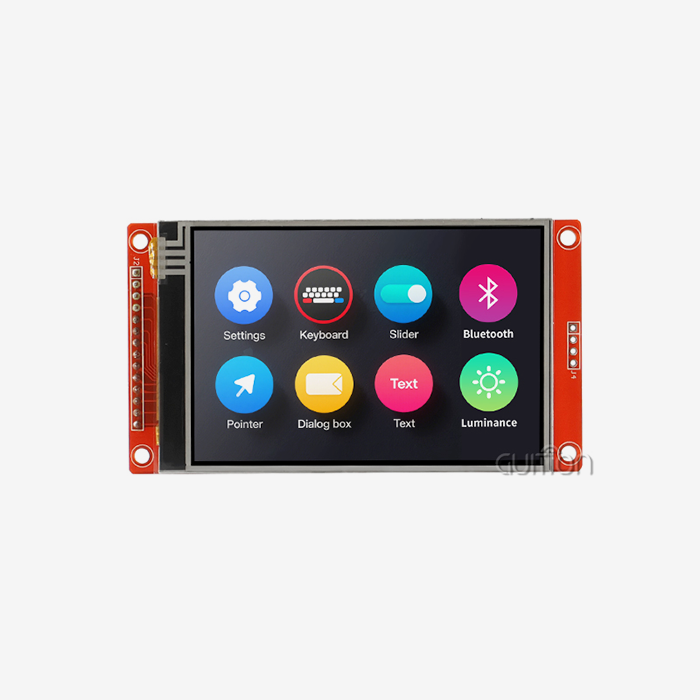
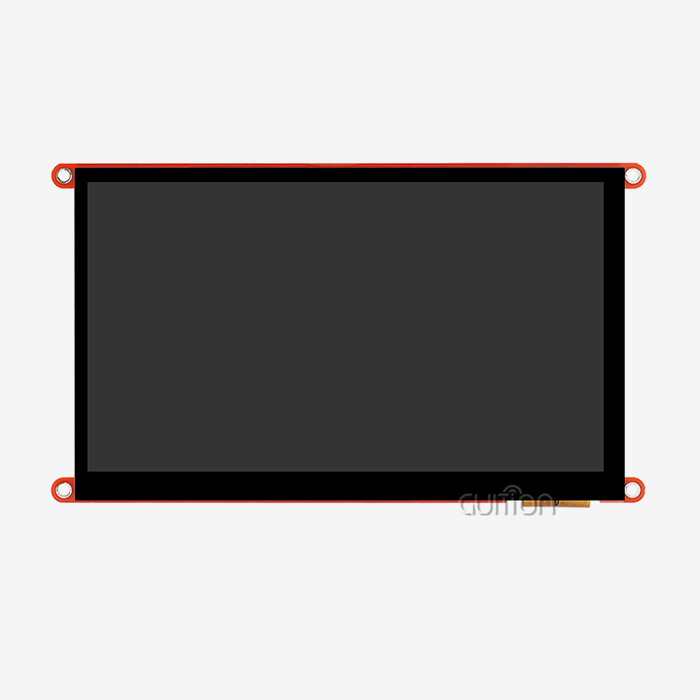
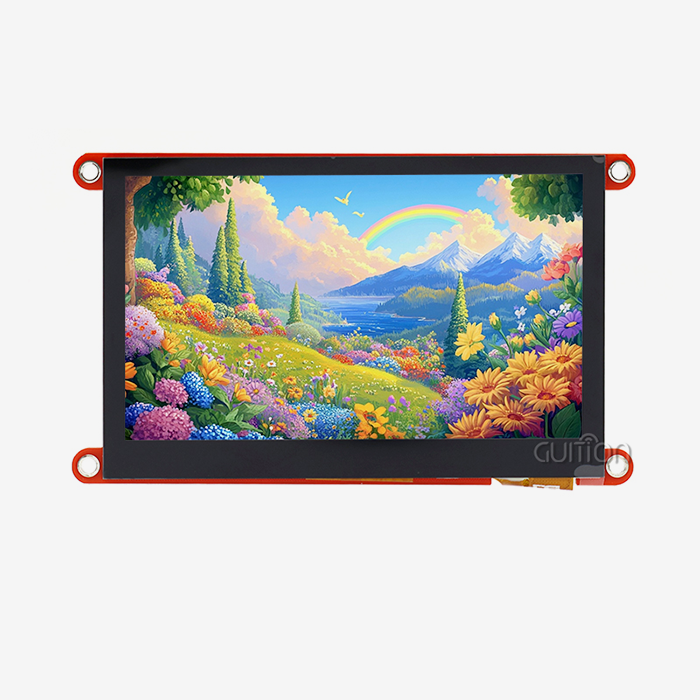
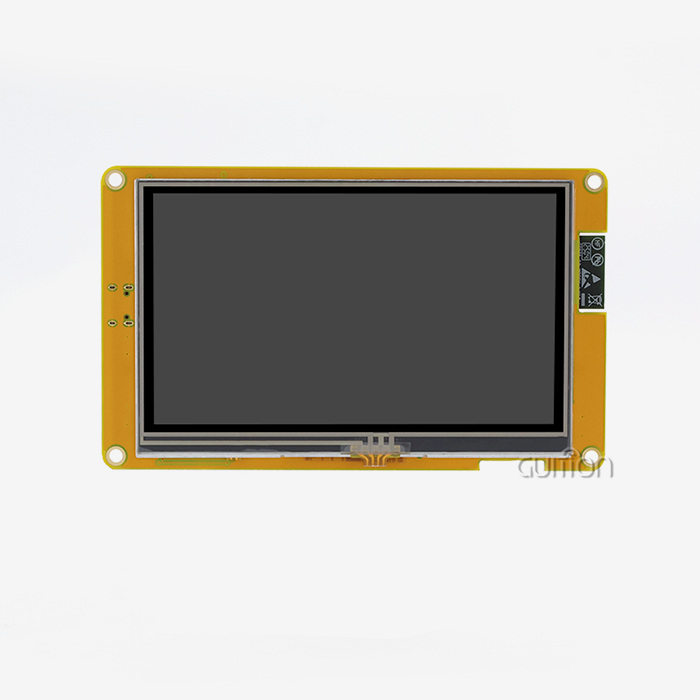
Start with the working environment, including the temperature range, humidity, and chemicals or UV exposure. Then set the size and quality of the device. Guition's product line goes from 1.28" to 21.5", so buying teams don't have to switch sources for a long time. For a 7-inch HMI screen with a resolution of 800x480, the GUITION ESP32-8048S070N is a good choice. It comes with an ESP32-S3-WROOM-1 dual-core MCU that can run at up to 240 MHz, 8 MB of PSRAM, 16 MB of Flash, and Wi-Fi and Bluetooth built in. All of these are on a single module that is ready to be programmed.
Evaluating Supplier Qualifications
A Custom lcd display module seller should have the right certifications (RoHS, REACH, and IATF 16949 for automotive-related uses), show that they can make tools in-house, and give you a lot of technical info. Find out the minimum order quantity, the time it takes to get a sample, and if factory-programmed test software is included. The ESP32-8048S070N from Guition comes with test apps already installed, so your team can check the display as soon as they get it—no setup is needed first.
Matching the Development Environment to Your Team
It's not the other way around; your display module should fit the way you do engineering work. You can use Arduino IDE, ESP-IDF, MicroPython, and Mixly with the ESP32-8048S070N. Guition also has its own UI development tools that lets HMI designers work in a visual drag-and-drop setting without having to know low-level code. Because cross-platform online testing works, it takes less time to find software problems, which directly lowers the cost of the project.
Procurement Insights: Ordering and Managing OEM Custom LCD Modules
Technical fit is only one part of the decision to buy something. The other half is made up of pricing, lead time, and support after the sale.
Cost Drivers in a Custom LCD Module Program
Tooling (one-time), unit cost (volume-dependent), and customization complexity make up the costs of a Custom lcd display module project. The cost of optical bonding goes up, but guarantee claims for damage in the field go down. Backlights with more light use more power and may need changes to how they handle heat. When you buy 500, 1,000, or 5,000 units, volume price tiers usually kick in. When you negotiate a blanket order with planned drops, you can often get better unit prices than when you place separate spot orders throughout the year.
Lead Times, MOQs, and Sample Policies
Depending on the need for tools, the standard production wait time for a Custom lcd display module is four to eight weeks after design approval. Before going into production, Guition sends engineering models, so your team can check the fit and integrate the software while the tooling is being made. This overlapping schedule cuts down on the total time needed for development. The ESP32-8048S070N's TF card slot and spare IO port interfaces let hardware engineers test how peripherals work with the main display PCB without having to make any changes.
After-Sales Support and Remote Maintenance
Good Custom lcd display module sellers can be distinguished from great ones by their support quality. With Guition's OTA (Over-the-Air) remote upgrade feature, goods that have already been launched can get firmware changes without having a technician come to the site. This is enough to cover the cost difference between a custom solution and a generic one in the first service cycle for energy management systems or farm automation setups that are spread out over a large area. Support for multiple languages and UTF-8 encoding also makes it easier to localize products that are sold in more than one region, especially when integrating an esp32 display module for flexible and scalable applications.
Enhancing ROI: Maximizing the Value of OEM Custom LCD Display Modules
Custom lcd display module is an investment that pays off over the lifetime of the product, not just at the bill of materials line.
Integration Best Practices
Before the tooling is cut, accurate dimensional sketches must be compared to the container CAD model to make sure the mechanical assembly is clean. The reserved IO port interfaces and TF card slot for the ESP32-8048S070N are listed in Guition's technical library, which makes PCB planning easier because you don't have to guess. Early on, make sure that the display's backlight current draw doesn't go over your power budget. Backlight circuits often cause thermal problems in small enclosures.
Scalability and Upgrade Planning
Products that ship today need to be able to handle new features that come out tomorrow. Guition's module is based on the ESP32-S3-WROOM-1, which has 512 KB of SRAM, 384 KB of ROM, and 8 MB of PSRAM. This gives program software room to grow. With Wi-Fi and Bluetooth, new cloud-based features or the ability to pair local devices can be added through over-the-air (OTA) updates instead of hardware changes. There is a lot less cost in adding upgrade options to the original design than changing the board after 18 months of production.
Long-Term Supplier Partnership Value
As a Custom lcd display module maker, working with Guition grants you access to lifecycle management, ongoing technical support, and a product plan that keeps up with changes in the market. When R&D managers and system architects build platforms that work with more than one generation of products, having consistent relationships with suppliers cuts down on the hidden cost of re-qualifying every time a part changes.
Conclusion
Choosing an OEM Custom lcd display module over a standard panel has an impact on how quickly a product is developed, how well it works, how long it lasts, and how much it costs to own. With its dual-core processing, wireless connection, multi-platform development support, and 7-inch 800x480 display, the GUITION ESP32-8048S070N is a great example of a well-integrated, development-ready ESP32 Display Module. It also comes with Guition's technical manuals and remote upgrade infrastructure. If your project needs more than a standard screen can provide, you should give a unique option some serious thought.
FAQ
What is an OEM custom LCD display module?
An OEM custom lcd display module is a display solution designed to your exact mechanical, optical, and electrical specifications. Unlike standard modules, it allows you to define size, interface type, brightness, touch configuration, and operating temperature range, giving your product a display that fits the application precisely rather than a compromise.
What display sizes does Guition offer?
Guition's product line covers display sizes from 1.28 inches to 21.5 inches. The ESP32-8048S070N is a 7-inch module at 800×480 resolution, suitable for industrial HMI panels, smart appliances, and commercial terminals.
Does the ESP32-8048S070N support wireless connectivity?
Yes. The module integrates Wi-Fi and Bluetooth through the ESP32-S3-WROOM-1 chip, enabling IoT connectivity, remote monitoring, and OTA firmware updates without additional wireless hardware.
Which development platforms does the module support?
The ESP32-8048S070N supports Arduino IDE, ESP-IDF, MicroPython, and Mixly. Guition also provides its own UI development software for visual HMI design without low-level coding.
How do I request a sample or get a quote?
Reach out directly to Guition's engineering team at david@guition.com or visit the website at https://jingcaizhineng.aixdb.cn/ to submit your application requirements and request a sample.
Partner With Guition for Your Next Custom LCD Display Module Project
Every time Guition works with a Custom lcd display module provider, they bring years of experience in HMI display tech to the table. Our product line includes panels up to 21.5 inches and the small ESP32-8048S070N. It meets all of the needs of businesses and industries that need to show things. To help you get your project going quickly, our team gives you instructions, sample units, and development tools. Our engineers are ready to help you find the right display option. Contact Us today and let us know what you need it for.Send an email to david@guition.com.
References
1. IEEE Transactions on Industrial Electronics — "Display Integration in Industrial Human-Machine Interface Systems," 2021.
2. Journal of the Society for Information Display — "Optical Bonding Technologies for Ruggedized LCD Modules," 2020.
3. IEC 62262:2002 — "Degrees of Protection Provided by Enclosures for Electrical Equipment Against External Mechanical Impacts (IK Code)," International Electrotechnical Commission, 2002.
4. Electronic Design — "Choosing the Right Embedded Display for IoT and Industrial Applications," 2022.
5. Embedded Computing Design — "HMI Development Trends: From Low-Level Drivers to Visual UI Tools," 2023.
6. Supply Chain Management Review — "Managing Component Lifecycle Risk in Industrial Electronics Procurement," 2021.
Learn about our latest products and discounts through SMS or email