- English
- French
- German
- Portuguese
- Spanish
- Russian
- Japanese
- Korean
- Arabic
- Greek
- German
- Turkish
- Italian
- Danish
- Romanian
- Indonesian
- Czech
- Afrikaans
- Swedish
- Polish
- Basque
- Catalan
- Esperanto
- Hindi
- Lao
- Albanian
- Amharic
- Armenian
- Azerbaijani
- Belarusian
- Bengali
- Bosnian
- Bulgarian
- Cebuano
- Chichewa
- Corsican
- Croatian
- Dutch
- Estonian
- Filipino
- Finnish
- Frisian
- Galician
- Georgian
- Gujarati
- Haitian
- Hausa
- Hawaiian
- Hebrew
- Hmong
- Hungarian
- Icelandic
- Igbo
- Javanese
- Kannada
- Kazakh
- Khmer
- Kurdish
- Kyrgyz
- Latin
- Latvian
- Lithuanian
- Luxembou..
- Macedonian
- Malagasy
- Malay
- Malayalam
- Maltese
- Maori
- Marathi
- Mongolian
- Burmese
- Nepali
- Norwegian
- Pashto
- Persian
- Punjabi
- Serbian
- Sesotho
- Sinhala
- Slovak
- Slovenian
- Somali
- Samoan
- Scots Gaelic
- Shona
- Sindhi
- Sundanese
- Swahili
- Tajik
- Tamil
- Telugu
- Thai
- Ukrainian
- Urdu
- Uzbek
- Vietnamese
- Welsh
- Xhosa
- Yiddish
- Yoruba
- Zulu
How Can a Colour LCD Display Module Improve User Interfaces?
A colour LCD display module transforms user interfaces by delivering vibrant, high-resolution visuals that make information instantly readable and actionable. These modules integrate advanced driver ICs like the ILI9488, enabling crisp rendering of complex data with 65K color support and resolutions such as 320x480 pixels. Unlike monochrome alternatives, they provide intuitive feedback through dynamic graphics, reducing operator error and accelerating decision-making. Whether deployed in industrial control panels or medical monitoring systems, these displays bridge the gap between raw data processing and meaningful human interaction, offering engineers a reliable foundation for building responsive, user-centered interfaces.

Understanding Colour LCD Display Modules and Their Role in UI Enhancement
Modern colour LCD display modules represent highly advanced optoelectronic systems that combine Thin Film Transistor (TFT) technology, LED lights, and built-in control circuits. Active matrix technology, on the other hand, gives each pixel its own transistor. This makes it possible to precisely control the voltage and achieve fast refresh rates, which are necessary for smooth animations and real-time data updates.
Core Components Driving Visual Performance
A typical module's architecture is made up of several important layers that work together. The RGB color filters make the full range of colors needed for detailed images, while the liquid crystal panel changes how light gets through. Backlight control circuitry changes the brightness dynamically, so the screen can still be read in a variety of lighting conditions, from server rooms with low light to agricultural equipment that is out in the sun. If there is touch screen control circuitry, it reads input through resistive or capacitive sensing and lets you interact directly with the device without using any other devices.
Why Colour Depth Matters in Industrial Settings
It is directly linked to how easy it is to use a system. Engineers can use color-coded status indicators (green for normal operation, amber for warnings, and red for important alerts) on displays that handle 65K colors. This makes system tracking easier on the brain. In energy management systems where workers have to keep an eye on many factors at once, this visual order is very helpful. Resolutions like 320x480 make sure that alphanumeric letters can be read on even small 3.5-inch screens, which is useful for embedded apps that need to save room.
Comparing Display Technologies for B2B Applications
When engineers are looking at their choices, they often compare TFT LCD panels to OLED and black-and-white options. While OLED has better contrast ratios, TFT LCD technology is more reliable, lasts longer, and costs less per unit for large production runs. For complicated HMI jobs, black-and-white displays don't show enough visual contrast. When it comes to durability, TFT Colour lcd display modules are approved for industrial temperature ranges (-30°C to +85°C), and they are also very cost-effective, which is important for product managers who are watching their profit margins.
Key Features That Improve User Interfaces in Colour LCD Display Modules
Technical specifications have a direct effect on interface quality. Procurement teams can make better decisions that meet project needs when they understand these parameters.
Resolution and Pixel Density Impact
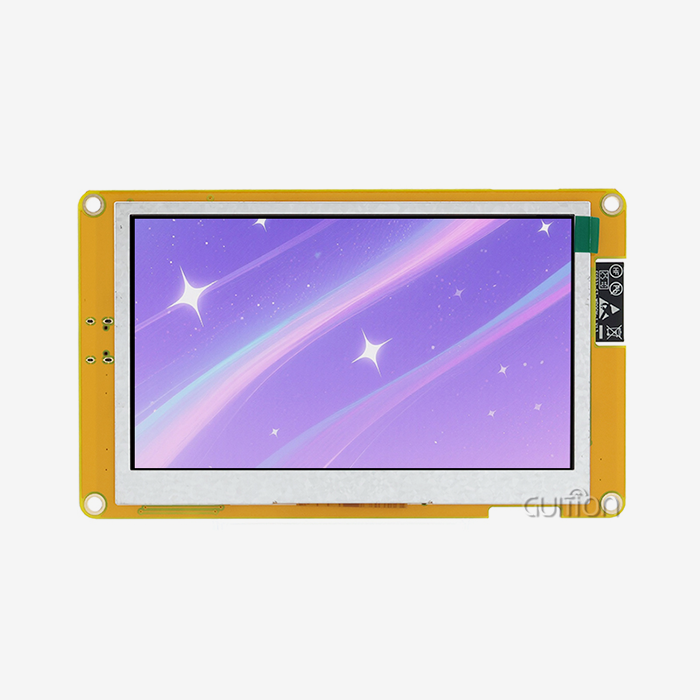
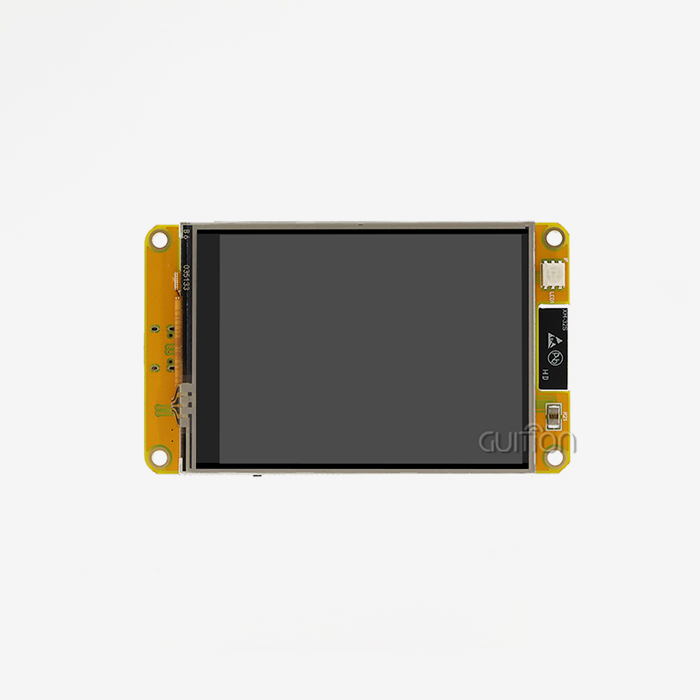
Pixelation is reduced on high-resolution screens, which makes small fonts and complicated diagrams look clear and professional. The GUITION JC3248S035R has a diagonal of 3.5 inches and a resolution of 320x480 pixels, which is 152 pixels per inch. This is enough to show complex waveforms in medical monitoring tools or multi-line menus in smart home control screens. This pixel density makes sure that icons can still be seen without having to be enlarged too much, which frees up screen space for more important information.
SPI Communication: Simplifying Integration
Modules like the JC3248S035R use a 4-wire SPI serial interface that saves microcontroller GPIO pins, which are very useful for small embedded designs. SPI only needs four connections: clock, data in, data out, and chip select. Parallel devices need eight to sixteen data lines. This efficiency shortens the time it takes to make a prototype, so embedded engineers can use the extra pins for sensor arrays or wireless connectivity modules. The ILI9488 driver IC makes development even easier by working with many Arduino libraries and ESP-IDF frameworks. This makes it easier for teams to switch from older display technologies.
Touch Functionality and Interactive Control
These modules have resistive touch screens that work reliably even when gloves are on. This meets the needs of environments like food processing or cleanrooms. Because resistive sensing is analog, it can handle dirt and moisture better than capacitive sensing. It can still respond even when it's exposed to conditions like dust and moisture that are common in agricultural automation. This durability makes the device last longer and cuts down on service calls, which has a direct effect on the total cost of ownership calculations.
Power Efficiency in Always-On Applications
In industrial settings, displays often need to be on all the time. Modules that are designed to use little power make batteries last longer in handheld instruments and keep control boxes cooler. Intelligent backlight dimming changes the brightness based on sensors that sense the amount of light in the room. This saves energy during off-peak hours without affecting vision for users. These kinds of features are in line with efforts to be more environmentally friendly and also help keep costs down.
Choosing the Right Colour LCD Display Module for Your Business Needs
To choose the right module, you have to match the technical specs of the spi display module to the needs of the application while also thinking about the supplier's dependability and long-term support.
Evaluating Size and Form Factor
The size of the display affects both how it works and how the case is made. Small units like the 3.5-inch JC3248S035R work well in places where room is limited, like in handheld diagnostic tools or controllers that are placed on the dashboard. Larger screens up to 21.5 inches are used on industrial control panels that need to show more than one process variable at the same time. During the early stages of development, R&D managers should make prototypes with screens that are typical in size to check the touch targets' measurements and viewing distances.
Interface Compatibility Across Platforms
Cross-platform support speeds up development when teams use a variety of hardware environments. Engineers can use current codebases and known development toolchains when modules are compatible with Arduino, Raspberry Pi, and ESP-IDF environments. This is even more flexible with the Guition UI development software, which lets you design interfaces with drag-and-drop, so you don't have to do any low-level graphics programming. This graphical method cuts the time needed for testing from weeks to days, which is very important for startups that need to get new IoT goods to market quickly.
Assessing Supplier Capabilities
In addition to technical datasheets, you should also look at how well the makers' paperwork is written, how easy it is to get samples, and how quickly they respond to technical support requests. Guition offers complete test programs and integration guides that cover common problems such as setting up SPI timing and controlling backlight PWM. Having access to skilled application engineers is very helpful when trying to fix problems with signal quality or find the best refresh rates for a certain use case.
Scalability and Customization Options
Making a lot of something means that the quality has to stay the same and the supply chain has to be stable. Customized solutions that set finished goods apart in competitive markets come from suppliers who offer customized software, changed pinouts, or extended temperature screening. Obsolescence risks can derail multi-year product roadmaps, especially in the medical and automotive sectors with strict qualification cycles. Long-term availability commitments protect against these risks.
Real-World Applications and Case Studies: Improving UI with Colour LCD Displays
Advanced display technology can be used in the real world to show how it can improve business outcomes in a wide range of fields.
Industrial Automation and Process Control
Colour lcd display modules are used in HMI panels that handle conveyor systems, robotic arms, and quality checking stations in manufacturing sites. Real-time status display helps operators find bottlenecks and fix problems quickly, before they cause more production losses. Because the color-coded processes were so easy to understand, a Midwest auto supplier cut the time it took to train operators by 40% by adding GUITION modules to assembly line controls. The bright screens could be read even in strong LED work lights, so users didn't have to deal with the eye pain that came with older monochrome units.
Medical Device Innovation
Small color screens on portable patient monitors show vital signs in a way that is clear for doctors. By putting waves on top of each other in different colors (blue for SpO2, green for ECG, and yellow for breathing), doctors can check more than one thing at once during emergency situations. A medical device company cut the time it took to get certified by six months by using pre-validated Guition display modules. This way, they didn't have to deal with the legal load of building an interface from scratch.
Smart Home and Consumer Electronics
Manufacturers of thermostats set their products apart by making touchscreens more interactive and fun for users. Graphical menus that show weather forecasts, energy usage trends, and calendars for making plans are easy for homeowners to use. The flexible touch interface of modules like the JC3248S035R lets you interact with them like you would on a smartphone. This meets the needs of customers whose habits are shaped by mobile devices while still meeting the reliability standards for always-installed appliances.
Troubleshooting and Maintaining Colour LCD Display Modules
Regular upkeep and quick problem-solving keep downtime to a minimum and protect investments in display hardware.
Identifying Common Display Issues
Sometimes there are dead pixels because of differences in how the screen was made or mechanical stress during assembly. Acceptable fault levels are set by ISO 13406-2 standards. Class II guidelines allow certain flaws based on pixel count. Signal problems show up as flickering or jumbled images and are usually caused by FPC contacts that are too loose or not enough power source decoupling. By measuring voltage rails while they are under load, problems with the power supply can be found before they cause damage to components.
Installation Best Practices
Using the right mounting methods makes modules last longer. Do not overtighten the fasteners near the display area, as this can put stress on the glass substrate. To keep FPC wires from breaking during thermal cycles, route them with strain relief. When putting modules in places with a lot of humidity, cover the uncovered PCB lines with a conformal coating to protect them from corrosion that weakens signals over time.
When to Engage Supplier Support
If there are complicated problems with the driver IC setup or color calibration, they should be sent to the manufacturer's application experts. Technical support for Guition helps with setting the right SPI clock speeds, RGB color balance, and advanced features like bandwidth-saving partial screen updates. Keeping lines of contact open with providers saves warranty coverage and speeds up the repair of field failures that could otherwise shut down production equipment.
Conclusion
By combining the visual clarity, responsive interaction, and adaptable integration skills necessary for contemporary embedded systems, Colour LCD display modules improve user interactions. The GUITION JC3248S035R is a good example of this change. It has a resolution of 320x480 and a color depth of 65K. It does this through a fast SPI Display Module interface that makes development easier while keeping GPIO resources free. These modules are the building blocks for user-centered design. They can be used to meet the needs for strong visualization in industrial systems or to make controls in consumer goods easier to use. Partnering with tech-savvy suppliers that offer full development tools, quick support, and scalable manufacturing guarantees the success of a project from the pilot stage to large-scale production.
FAQ
What advantages do colour LCD display modules offer over monochrome alternatives in industrial applications?
Colour displays use color-coded alerts to create visual hierarchies, which speed up response times when there is a fault. Operators can instantly tell the difference between warning states without having to read signs, which improves safety in processes that need to be done quickly. It saves panel room and increases information density to be able to overlay multiple data lines in different colors on a single screen.
How does SPI communication simplify integration compared to parallel interfaces?
Parallel buses need eight to sixteen signal lines, but SPI only needs four. This frees up microcontroller pins for sensors, wireless modules, or more I/O. This simple method makes PCB routing easier and lowers the risk of electromagnetic interference. Engineers can focus on application logic instead of low-level time when they use development tools for popular platforms that take care of protocol details.
Can these modules withstand harsh environmental conditions typical in field deployments?
Industrial-grade colour LCD display modules work reliably across a wide range of temperatures and don't shake, which is required by automotive standards. Containment coatings stop water from getting in, and tough housing options protect screens from being hit or exposed to chemicals. Choosing units with the right environmental scores will make sure they work reliably in energy, agriculture, and outdoor settings.
Partner with Guition for Advanced Display Solutions
With its cutting-edge colour LCD display module technology, Guition is prepared to speed up your next HMI project. Our GUITION JC3248S035R combines the reliable ILI9488 driver with easy SPI integration. It also comes with the Guition UI development platform, which makes it easy to build apps without having to know how to code. Our engineering team offers quick technical help, detailed documentation, and a range of customization choices, whether you need prototypes or want to start mass production. Get in touch with david@guition.com right away to talk about your needs and get personalized advice from a reliable Colour LCD display module manufacturer who cares about your accomplishment.
References
1. Society for Information Display (2021). Display Measurement Standards and Color Accuracy in Industrial Applications. Journal of Display Technology, Volume 17, Issue 4.
2. International Electrotechnical Commission (2019). IEC 61747-1: Liquid Crystal Display Devices - Blank Detail Specification for Monochrome and Color Displays. Geneva: IEC Publications.
3. Embedded Systems Engineering (2022). Comparative Analysis of Serial Communication Protocols in Microcontroller Interfaces. Embedded Computing Design, March 2022 Edition.
4. Association for Computing Machinery (2020). Human Factors in Visual Display Terminal Design: Color Perception and Decision-Making Performance. ACM Transactions on Computer-Human Interaction, Volume 27, Number 3.
5. Medical Device Innovation Consortium (2023). Regulatory Considerations for Display Technologies in Diagnostic Equipment. MDIC Technical Report Series, January 2023.
6. Industrial Automation Standards Board (2021). Best Practices for HMI Display Selection in Manufacturing Environments. ISA-101 Human Machine Interfaces for Process Automation Systems.
Learn about our latest products and discounts through SMS or email