- English
- French
- German
- Portuguese
- Spanish
- Russian
- Japanese
- Korean
- Arabic
- Greek
- German
- Turkish
- Italian
- Danish
- Romanian
- Indonesian
- Czech
- Afrikaans
- Swedish
- Polish
- Basque
- Catalan
- Esperanto
- Hindi
- Lao
- Albanian
- Amharic
- Armenian
- Azerbaijani
- Belarusian
- Bengali
- Bosnian
- Bulgarian
- Cebuano
- Chichewa
- Corsican
- Croatian
- Dutch
- Estonian
- Filipino
- Finnish
- Frisian
- Galician
- Georgian
- Gujarati
- Haitian
- Hausa
- Hawaiian
- Hebrew
- Hmong
- Hungarian
- Icelandic
- Igbo
- Javanese
- Kannada
- Kazakh
- Khmer
- Kurdish
- Kyrgyz
- Latin
- Latvian
- Lithuanian
- Luxembou..
- Macedonian
- Malagasy
- Malay
- Malayalam
- Maltese
- Maori
- Marathi
- Mongolian
- Burmese
- Nepali
- Norwegian
- Pashto
- Persian
- Punjabi
- Serbian
- Sesotho
- Sinhala
- Slovak
- Slovenian
- Somali
- Samoan
- Scots Gaelic
- Shona
- Sindhi
- Sundanese
- Swahili
- Tajik
- Tamil
- Telugu
- Thai
- Ukrainian
- Urdu
- Uzbek
- Vietnamese
- Welsh
- Xhosa
- Yiddish
- Yoruba
- Zulu
Where Is Hmi human interface Used in Modern Automation?
Modern automation runs on data, decisions, and speed. At the center of it all sits the HMI human interface — the visual and interactive layer that connects operators to machines, processes, and systems. From factory floors to hospital wards, HMI displays translate raw machine data into readable dashboards, control prompts, and alarm notifications. Whether you're managing a robotic assembly line or monitoring a water treatment facility, the right human-machine interface determines how fast your team responds and how efficiently your system runs.

Understanding HMI Human Interface in Industrial Automation
The hardware and software layer that enables human interaction with automatic systems is known as an Hmi human interface. It takes data from PLCs, RTUs, and sensors and turns it into a format that operators can see and act on right away.
What Does an HMI Actually Do?
A human-machine interface's main jobs are to show real-time process data, take user input, and start control actions. Without it, you can't see the state of the machine. It has all of the controls, trend charts, alarm logs, and gages on one screen for the workers to see.
Types of HMI Systems in Use Today
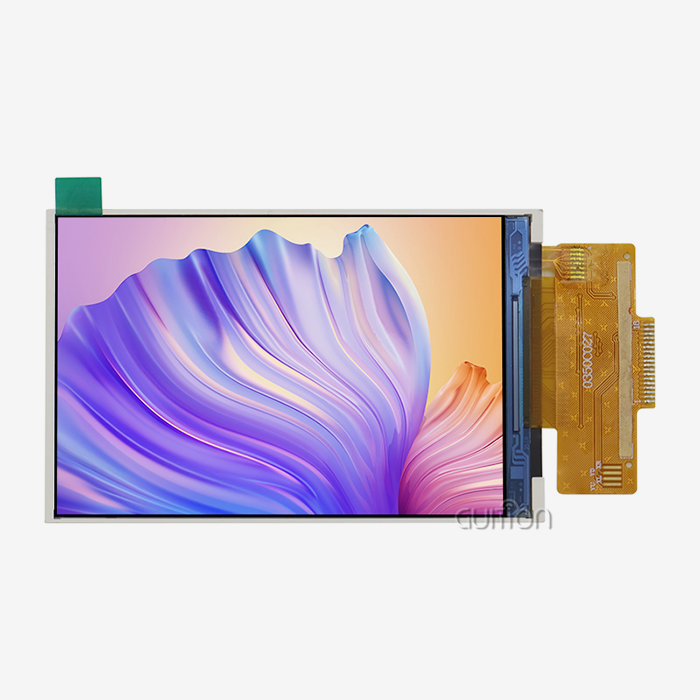
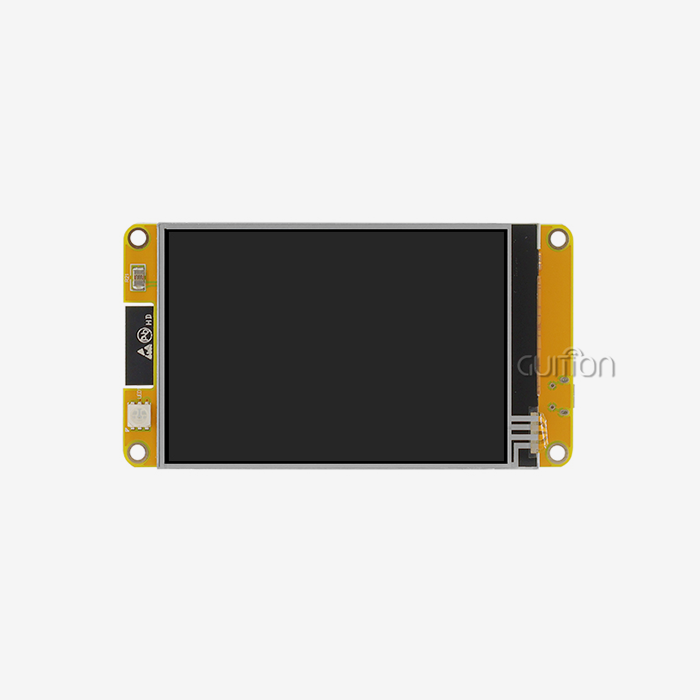
HMI systems include touchscreen panels that are placed on a panel, embedded display modules, and PC-based screens that are tied to SCADA. Wired HMIs provide reliable, low-latency communication, while wireless and Internet of Things (IoT) units let you access them from afar and keep an eye on them from your phone.
Industrial Safety Standards for HMI Devices
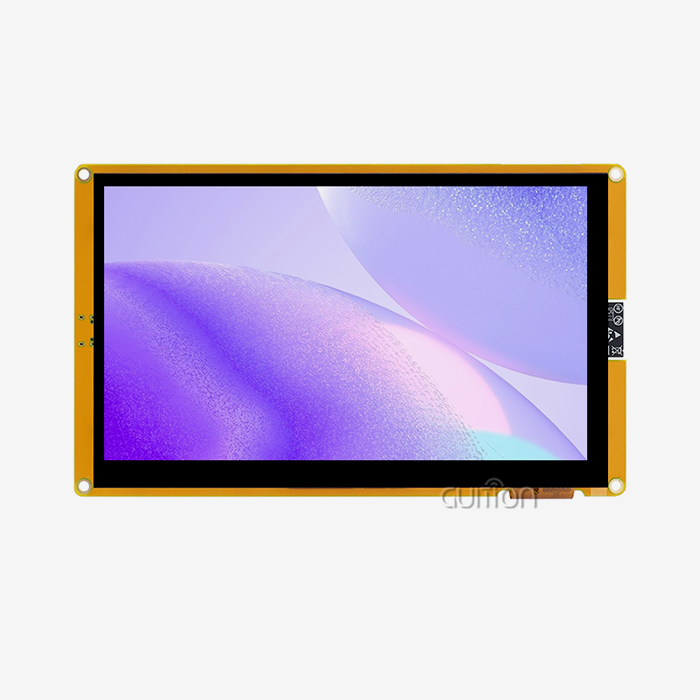
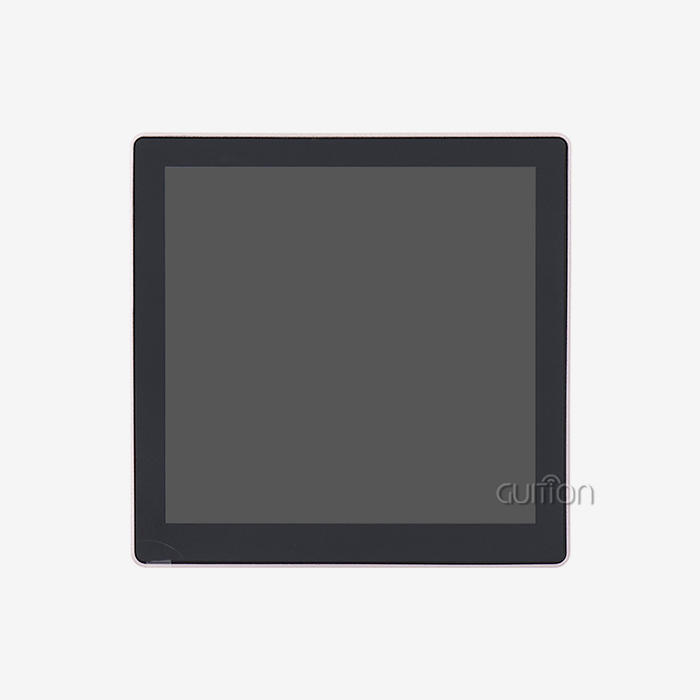
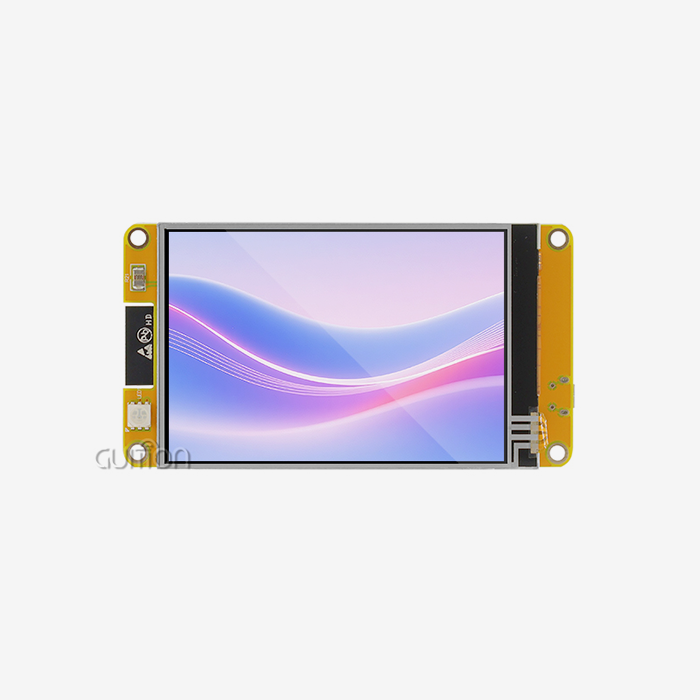
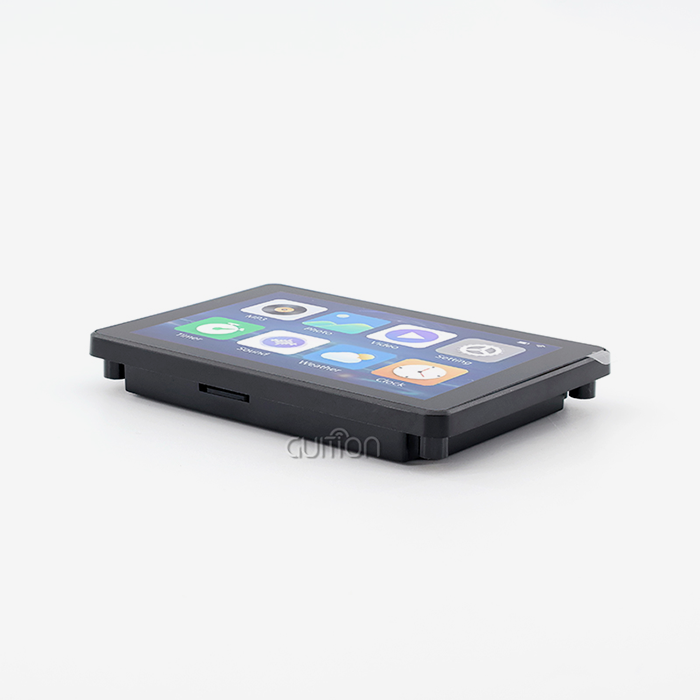
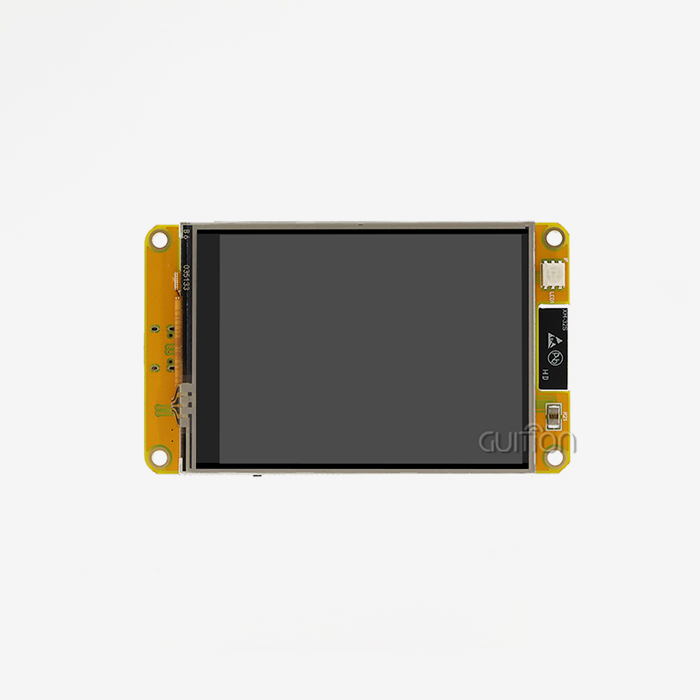
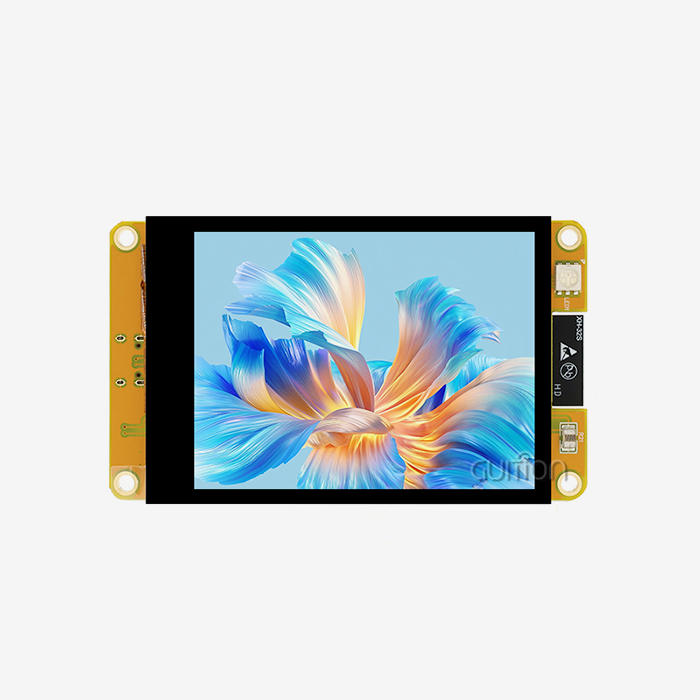
Reliable HMI devices meet IEC 61000 standards for electromagnetic compatibility, IP65 or higher standards for dust and moisture resistance, and IEC 60068 standards for environmental stress. Embedded HMI modules, like the GUITION JC1060Q370N_I, are built right into the product, which makes wiring easier and the system smaller. These certificates show that the display module works regularly in harsh environments like factories, outdoor energy stations, and processing plants, where vibrations, humidity, and temperature changes are common.
Major Applications of HMI in Modern Automation Industries
People who use automated tools almost always see the Hmi human interface. No matter what the situation is, its job is always the same: to give managers clear sight and control.
Manufacturing and Robotic Assembly Lines
HMI screens are put on robotic arms, CNC controls, and assembly stations in smart production. They are used by operators to keep track of OEE (Overall Equipment Effectiveness) and react to problem reports. MarketsandMarkets reported in 2022 that the global HMI market was worth $5.37 billion and is expected to grow to $7.57 billion by 2027. This shows how important these interfaces have become in production settings.
Energy Management and SCADA Integration
With SCADA platforms, HMI systems make it possible for power plants, solar farms, and grid substations to work together. A single screen lets operators keep an eye on voltage levels, energy output, and load distribution. For regulatory compliance, the HMI records flow rates and chemical dosing data in water treatment plants. Records are often sent through IIoT gateways.
Medical Devices and Pharmaceutical Processing
Small HMI display units are built into monitoring tools, infusion pumps, and diagnostic screens by companies that make medical devices. The interface has to meet high standards for cleanliness and dependability. In the pharmaceutical industry, HMIs keep track of batch records, manage temperature profiles, and create audit trails that meet the requirements for electronic records set by FDA 21 CFR Part 11.
Comparing HMI Solutions: How to Choose the Right Interface for Your Automation Needs
When you choose the right human-machine interface, you need to make sure that the display, software support, and connections all work with the needs of your application.
HMI vs. SCADA vs. PLC Interface — What's the Difference?
A PLC runs machine code. Multiple sites can use the same SCADA system to gather and store data. The visible control layer is provided by an Hmi human interface, which sits between the user and the systems. They work together, but they do different things. Many embedded or machine-level applications work just fine with a stand-alone HMI module, so not every application needs a full SCADA setup.
Comparing Major HMI Brands and Embedded Modules
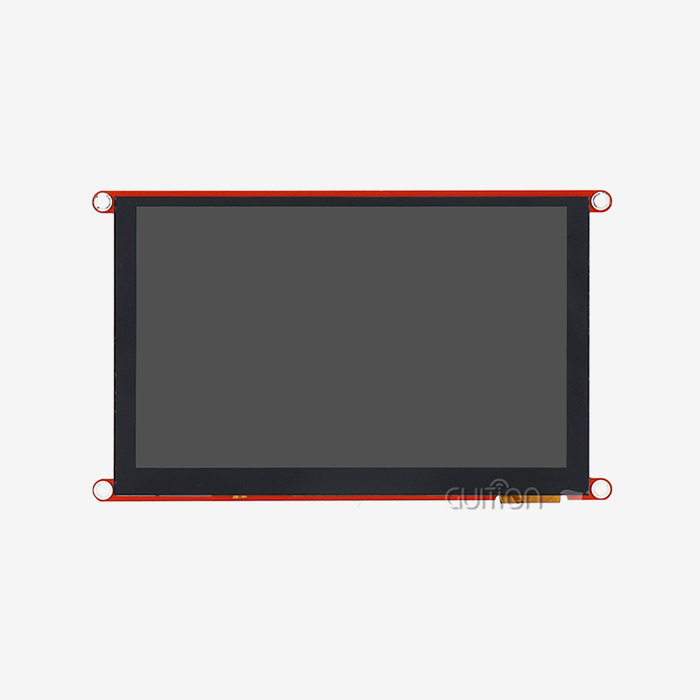
Siemens SIMATIC panels and Rockwell Automation PanelView products are used in big factories and have high license costs because they are deeply integrated with PLCs. Schneider Electric's Magelis line is made for business users in the middle price band. When engineers are making embedded products and need a small, programmable display module that doesn't come with a proprietary PLC, GUITION's JC1060Q370N_I is a good option. It has an Artinchip D121BBV processor that runs at 400MHz and a resolution of 1024x600 pixels. You can develop it with Arduino, IDF, or the Guition GUI tool. Because of the drag-and-drop interface, you don't have to do any deep, low-level code.
Wired vs. Wireless HMI: Which Setup Fits Your Project?
Wired HMI links using RS-485, Modbus RTU, or EtherNet/IP provide reliable, low-latency communication that is perfect for applications that need to be safe. Built-in WiFi and Bluetooth in wireless HMI systems let you set them up remotely, update the firmware over-the-air (OTA), and access them from your phone. This is very helpful for distributed installations or field equipment that is hard to get to.
Procurement Guide: Purchasing and Implementing HMI Human Interfaces
There's more to buying an hmi display module than just comparing screen sizes. Software assistance, long-term supply reliability, and the total cost of growth should all be taken into account when making a purchase choice.
Where to Source HMI Display Modules
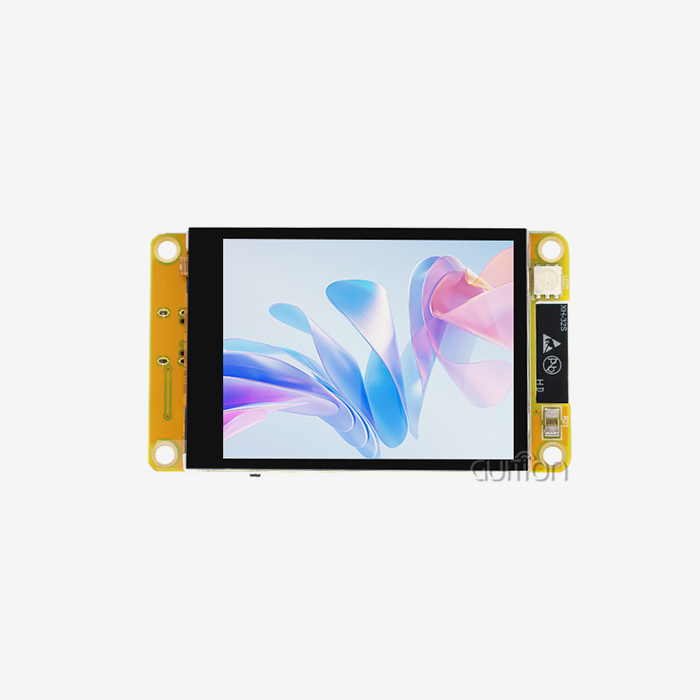
HMI display modules from different providers are listed on industrial distributors, direct maker channels, and business-to-business sites like Alibaba and Global Sources. If an OEM buyer needs to make changes, they can have more control over screen size, firmware, and branding if they work directly with a Hmi human interface manufacturer. GUITION works with screens from 1.28" to 21.5" and supports a range of program formats within the same product line.
Evaluating Cost, Warranty, and Vendor Support
Prices vary based on the type of certification, screen size, processing speed, and connection options. Along with unit cost, you should think about software license (some platforms charge per project), the quality of the instructions, and the time it takes for a professional answer. The GUITION JC1060Q370N_I comes with a test program already installed, so engineers can test the HMI Display Module right away without having to do any extra work. Support for multiple languages in UTF-8 cuts down on the cost of localization for global deployments.
Integration, OTA Updates, and Long-Term Maintenance
A good HMI module should allow project upgrades from afar. After-sales costs are cut by a lot when firmware and user interface updates can be sent over WiFi. This is especially true for equipment that is used in multiple locations. The JC1060Q370N_I allows for remote over-the-air (OTA) updates, cross-platform online debugging, and links to TF cards, serial ports, sensors, and IO ports. This lets system designers keep installed systems running smoothly and add to them without having to go to the site.
Future Trends and Innovations in HMI Human Interface Technology
The next wave of human-machine interfaces is not just static panels, but smart, interconnected screens as well.
AI Integration and Predictive Analytics
Edge AI features that find problems before they happen are being used more and more in modern HMI development. Instead of waiting for an alarm to go off, the interface shows repair teams any changes that aren't standard in motor current, temperature, or flow. This change from reacting to predictive operation cuts down on unexpected downtime and the cost of repairs.
Cloud Connectivity and Remote Monitoring
Cloud-connected HMI systems let operators check on machines from anywhere in the world using their phones. This is especially important for energy infrastructure, automating farming, and business kiosks that are spread out over large areas. Display modules with WiFi and Bluetooth, like the JC1060Q370N_I, are the hardware that these connected architectures are built on.
Cybersecurity in Networked HMI Systems
When HMI devices connect to a network, they become more vulnerable to cyber dangers. Dual-LAN architecture or air-gapped setups are safe ways to split the machine network (OT) from the business network (IT). Write-filter tools stop illegal changes to the OS. Any networked Hmi human interface supplier should have their product documentation address these security requirements, according to procurement teams.
Conclusion
The Hmi human interface has grown from a simple control panel to the main source of knowledge in modern machines. It can be found in business terminals, energy systems, manufacturing lines, medical devices, and agricultural tools. Picking the best HMI Display Module, one that has the right amount of processing power, software accessibility, connectivity, and long-term support, will have a direct impact on how quickly you can make your product and how well it works. The human-machine interface will play a bigger role in how workers and engineers control the machines around them as robotic systems get more linked.
FAQ
What is the main function of an HMI human interface in automation?
An HMI human interface converts raw machine data from PLCs and sensors into readable visual displays. Operators use it to monitor system status, respond to alarms, and input control commands without interacting with hardware wiring directly.
Can an embedded HMI module replace a full industrial panel PC?
For many applications, yes. Embedded modules like the GUITION JC1060Q370N_I provide sufficient processing power (400MHz), display quality (1024×600 IPS), and connectivity (WiFi, Bluetooth, serial ports) to handle machine-level monitoring and control at lower cost and smaller footprint than a full panel PC.
How does multi-language support work in HMI systems?
UTF-8 encoding allows the display to render characters from any language script — including Chinese, Arabic, Cyrillic, and Latin — without requiring separate firmware builds. This makes global product deployment faster and less costly for manufacturers targeting multiple regional markets.
What development tools work with the GUITION JC1060Q370N_I?
The module supports Arduino, IDF, and the Guition online GUI development tool. The drag-and-drop Guition platform lets designers build interfaces visually without writing low-level display code, cutting UI development time significantly.
What is OTA upgrade capability in HMI display modules?
OTA (Over-the-Air) upgrade allows the device firmware and user interface project to update remotely via WiFi, without physically accessing the deployed unit. This is critical for equipment installed in hard-to-reach locations or deployed across multiple sites.
Build Smarter Products With GUITION's HMI Display Module
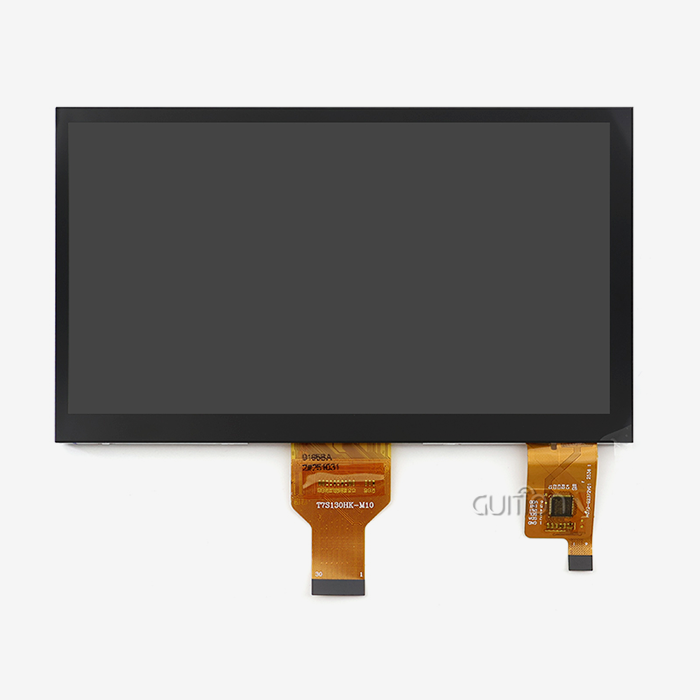
For engineers and product teams that require dependable displays without lengthy development processes, GUITION offers tried-and-true Hmi human interface options. The JC1060Q370N_I is a 7.0-inch, 1024x600 IPS display module that is powered by the 400MHz D121BBV processor. It supports drag-and-drop UI design, cross-platform debugging, over-the-air (OTA) upgrades, and output in more than one language. GUITION has the product line and expert support to match, whether you're looking for an Hmi human interface provider for industrial panels or smart home devices. Email us at david@guition.com to talk about the needs of your project.
References
1. MarketsandMarkets. Human Machine Interface (HMI) Market — Global Forecast to 2027. MarketsandMarkets Research, 2022.
2. International Electrotechnical Commission. IEC 61000 Series: Electromagnetic Compatibility (EMC). IEC, 2021.
3. Wonderware (AVEVA). HMI and SCADA Software: Industrial Automation Reference Guide. AVEVA Group, 2020.
4. National Institute of Standards and Technology. Guide to Industrial Control Systems (ICS) Security — NIST SP 800-82 Rev. 2. NIST, 2015.
5. ARC Advisory Group. Human Machine Interface Technology and Market Analysis. ARC Advisory Group, 2021.
6. Food and Drug Administration. 21 CFR Part 11: Electronic Records; Electronic Signatures. U.S. FDA, 2003.
Learn about our latest products and discounts through SMS or email