- English
- French
- German
- Portuguese
- Spanish
- Russian
- Japanese
- Korean
- Arabic
- Greek
- German
- Turkish
- Italian
- Danish
- Romanian
- Indonesian
- Czech
- Afrikaans
- Swedish
- Polish
- Basque
- Catalan
- Esperanto
- Hindi
- Lao
- Albanian
- Amharic
- Armenian
- Azerbaijani
- Belarusian
- Bengali
- Bosnian
- Bulgarian
- Cebuano
- Chichewa
- Corsican
- Croatian
- Dutch
- Estonian
- Filipino
- Finnish
- Frisian
- Galician
- Georgian
- Gujarati
- Haitian
- Hausa
- Hawaiian
- Hebrew
- Hmong
- Hungarian
- Icelandic
- Igbo
- Javanese
- Kannada
- Kazakh
- Khmer
- Kurdish
- Kyrgyz
- Latin
- Latvian
- Lithuanian
- Luxembou..
- Macedonian
- Malagasy
- Malay
- Malayalam
- Maltese
- Maori
- Marathi
- Mongolian
- Burmese
- Nepali
- Norwegian
- Pashto
- Persian
- Punjabi
- Serbian
- Sesotho
- Sinhala
- Slovak
- Slovenian
- Somali
- Samoan
- Scots Gaelic
- Shona
- Sindhi
- Sundanese
- Swahili
- Tajik
- Tamil
- Telugu
- Thai
- Ukrainian
- Urdu
- Uzbek
- Vietnamese
- Welsh
- Xhosa
- Yiddish
- Yoruba
- Zulu
What Makes a 2.4 inch ESP32 display module Ideal for IoT Projects?
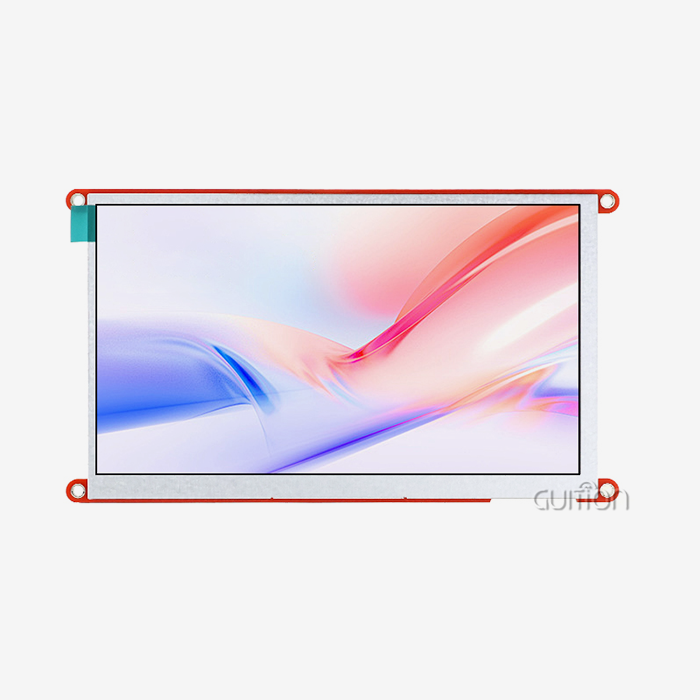
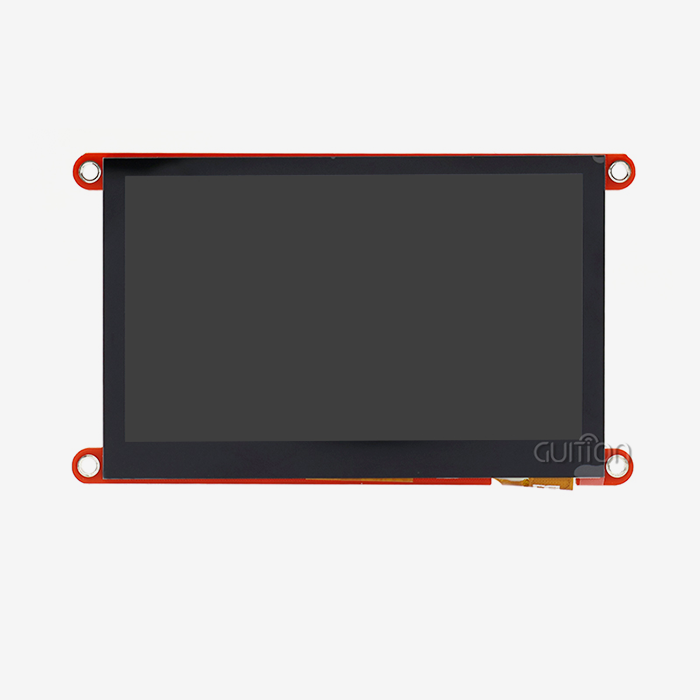
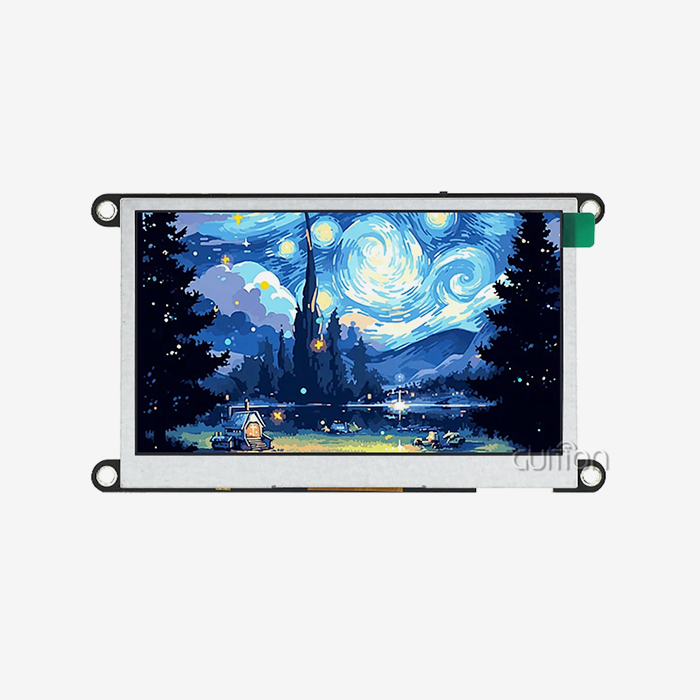
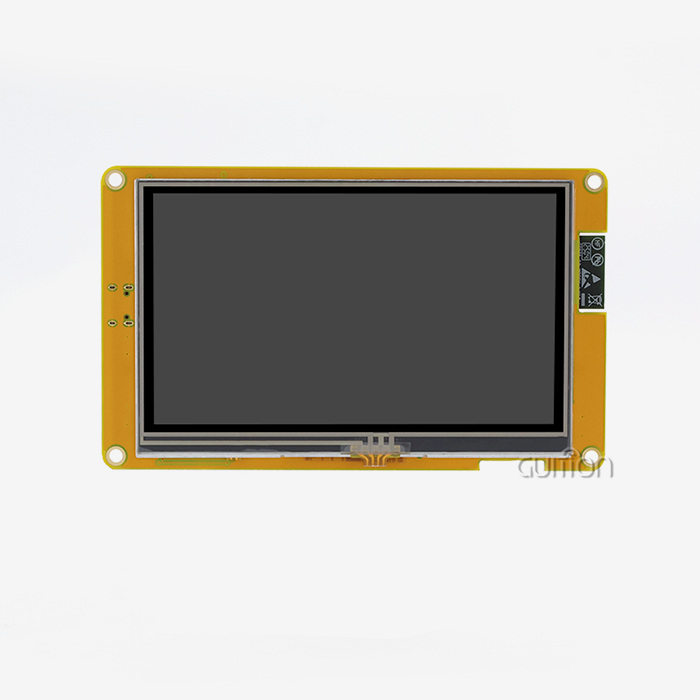
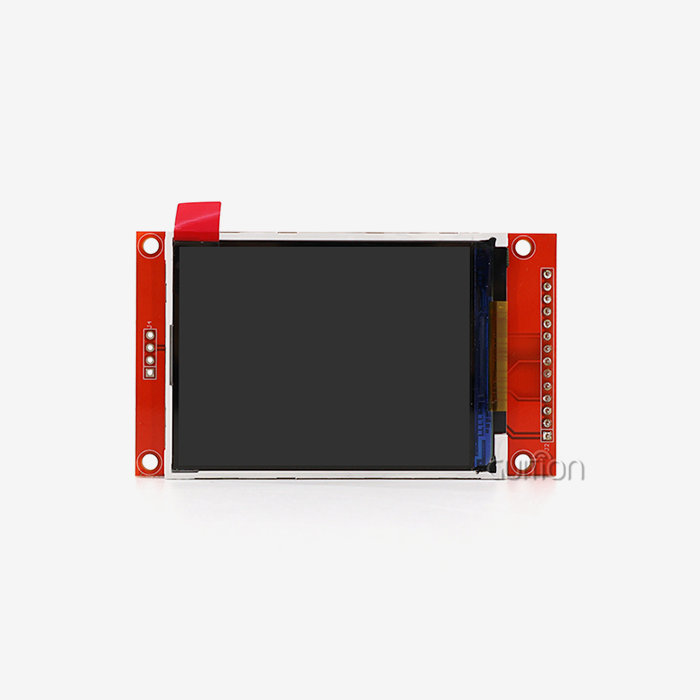
The 2.4 inch esp32 display module is the best combination of processing power and a graphical user interface, solving important problems in the development of IoT devices. These small units have a bright TFT display with 240x320 resolution and 65K color depth, as well as a dual-core ESP32 microprocessor that runs at 240MHz. Because they have WiFi and Bluetooth built in, they are not just screens but also full IoT nodes. This integration greatly simplifies development, gets rid of unnecessary wires, and speeds up the time it takes to market for medical devices, smart home controls, and industrial tracking systems that need to do both computing and visualization in limited areas.

Understanding the Core Features of the 2.4 Inch ESP32 Display Module
Technical Architecture and Hardware Capabilities
Embedded engineers often work on projects that need both local processing and visual feedback right away. This problem is solved by the built-in design of these 2.4-inch ESP32 display modules, which includes an ESP32-WROOM dual-core MCU right next to a TFT LCD panel. The ESP32-2432S024N from Guition is a good example of this method. It has 520KB of SRAM and 4MB of Flash memory, which are enough to run LVGL GUIs and handle wireless transmission at the same time. This screen size of 240x320 pixels is good for Internet of Things (IoT) uses. Larger screens use a lot of power and processing cycles. This format keeps status indicators, control buttons, and real-time sensor data clear while keeping the ESP32's graphics rendering task reasonable. The ILI9341 display driver chip talks to other chips using the SPI protocol. This lets it achieve refresh rates high enough for quick HMI operations without using too much of the microcontroller's bandwidth.
Wireless Connectivity as a Core Advantage
Traditional display options need extra microcontrollers to connect to networks, which adds to the time and effort needed to build them. These devices based on ESP32 get rid of all that complexity. The built-in WiFi supports 802.11 b/g/n protocols on the 2.4GHz band, which lets you connect directly to the cloud, send MQTT data, and make changes to the setup from afar. Bluetooth lets local devices connect to and talk to smartphones or sensors on the outside of the body without the need for extra hardware. These features cover IoT rollout situations that happen in the real world. Imagine a smart thermostat that shows the temperature of the room, gets weather forecasts over WiFi, and talks to nearby temperature sensors over Bluetooth at the same time. Usually, this level of integration would need a lot of different circuit boards and tricky software organization.
Power Management and Peripheral Support
Modern Internet of Things (IoT) gadgets often have to work in places with limited power. These modules can give power in a number of ways, including via USB connections or lithium battery inputs that have charging safety circuits built in. The ESP32's deep sleep settings lower power use to microamperes when it's not being used. This makes handheld devices' batteries last longer. The ability to expand to the peripherals makes the system even more flexible. The TF card port lets you log info and add more storage space than the onboard Flash memory can hold. The module can be used as more than just a monitor because it has reserved GPIO ports that can be used to connect temperature and humidity sensors, RGB LEDs, and audio components. R&D managers like this feature because it lets them prototype different versions of a product using a single piece of gear.
How 2.4 Inch ESP32 Display Modules Solve Common IoT Interface Challenges
Addressing Development Complexity
In the old way of integrating displays, LCD panels, touchscreens, microcontrollers, and WiFi devices had to be bought separately. Each part needs a motor to be made, the voltage levels to be matched, and the protocols to be coordinated. This piecemeal method makes development take longer and makes fixing harder. Product managers at companies are under a lot of pressure to show working prototypes quickly, but with traditional methods, it can take weeks just to set up basic display functions. That schedule gets a lot shorter because these 2.4 inch ESP32 display modules have a unified design. Modules come pre-programmed with test programs, so engineers can check their operation as soon as they open them. Low-level register writing is no longer needed thanks to complete Arduino packages and MicroPython drivers. Technical leaders who don't have a lot of experience with embedded systems can still use high-level tools to get skilled results.
Guition's own programming tools speed up the process even more. Designers use drag-and-drop tools to place buttons, graphs, and progress signs instead of writing down pixel coordinates and color values by hand. The software makes code that works best with both the Arduino IDE and the ESP-IDF environment. This makes it possible to switch between visual design and embedded implementation.
Compact Form Factor for Space-Constrained Applications
More and more, industrial control panels need complex interfaces that can fit into small enclosures. The people who make medical devices need portable tracking tools with a screen that is easy to see and a handle that is comfortable to hold. Smart home product makers are looking for wall-mounted controls that don't get in the way and match the style of the room. A 2.4-inch screen's small size meets these needs without sacrificing usefulness. Because of its size, it can be mounted in DIN-rail cabinets, which are popular in industrial automation. It can also be built into handheld medical devices and put behind decorative home automation panels. Larger displays tend to take over product design, but this size is more of a practical part than a main visual feature. This gives product designers more freedom.
Cost Efficiency and Supply Chain Simplification
When purchasing managers look at the prices of parts, they know that combined modules make the bill of materials simpler. Buying one module instead of five different parts makes working with suppliers easier, lowers the cost of managing inventory, and combines guarantee support. When buying more than one thing at a time, bulk pricing is more cost-effective than buying different types of parts separately. The broad use of ESP32 platforms guarantees the supply of parts for a long time. The ESP32 environment is better than proprietary display drivers because the community is always working on it and manufacturers are committed to it. This steadiness saves product lifecycles and lowers the risks of redesign that come with parts going out of production.
Comparing Display Technologies and Module Variations
TFT versus IPS Panel Technologies
Learn how display technology affects how people think about the quality of a product. Most small 2.4 inch ESP32 display modules use TFT (Thin-Film Transistor) screens, which have fast response times and bright colors that are good for indoor use. The 65K color reproduction on these screens is good enough for industrial systems and consumer electronics. TFT screens, on the other hand, have smaller viewing angles than IPS (In-Plane Switching) screens, which means that color clarity is worse when watched at steep angles. IPS technology keeps colors consistent across a bigger range of viewing angles. This makes it better for situations where multiple people are watching the screen at the same time or where the device orientation changes without warning. On the other hand, it costs more and uses a little more power. When engineers are making dashboard screens for cars, they might choose IPS panels over TFT ones, but fixed-position industrial controls work just fine with TFT ones.
Touch Interface Considerations
When displays can be touched, they change from being inactive to being dynamic control surfaces. Resistive touch technology reacts to pressure and works consistently even when gloves are worn or when liquids are present. This toughness is useful for medical and industrial systems. Capacitive touch reacts to electrical conductivity, which lets you use multiple touches and gives you quicker input, like on smartphones. The ESP32-2432S024N from Guition is designed for non-touch apps that only need real buttons or a remote control. This design choice cuts down on costs and gets rid of the need for complicated touch controller software. This makes it perfect for status screens, monitoring dashboards, and information panels where users interact with them using different input methods.
Resolution and Screen Real Estate Balance
The 240x320 resolution gives you about 76,800 pixels, which is enough to show writing that is easy to read, simple graphs, and applications that use icons. The amount of knowledge and the user experience must be balanced by system developers. Putting too much information on small screens makes it harder to read and makes users angry. Key information structures and easy access are important parts of good interface design. When you compare this quality to smaller 1.8-inch displays, you can see that it makes the screen much easier to use. The text can be read easily without enlargement. These button targets get big enough to touch accurately. On the other hand, upgrading to 3.5-inch screens makes them more comfortable to look at, but they are bigger, use more power, and cost more. Many IoT apps work best with screens that are exactly 2.4 inches wide.
Procurement Strategies for Sourcing Quality ESP32 Display Modules
Evaluating Supplier Reliability and Technical Support
B2B buying is more than just looking at unit prices. When embedded engineers run into problems with integration, they need quick expert help. Suppliers you can trust give you thorough datasheets, schematic diagrams, and standard designs that speed up the creation process. When paperwork is missing or wrong, cost savings turn into project delays. One thing that sets Guition apart is its detailed technical documents and direct engineering help. Our clients get full secondary development tools and easy-to-follow connection guides. This support system cuts down on the hidden costs of fixing problems and speeds up the time it takes to get ready for production.
Quality Assurance and Manufacturing Standards
When used in industrial settings, 2.4 inch ESP32 display modules have to deal with changes in temperature, vibration, and longer working lifetimes. Military-grade standards for production make sure that the products will work reliably in these circumstances. Managers in charge of buying things should check the quality licenses of suppliers and ask for test results that show how stable the products are at different temperatures. Another worry about buying is the authenticity of the parts. Sometimes, fake ICs get into supply lines through illegal sellers, which can cause failures that are hard to predict. Well-known companies keep their supply chains under control and keep records that can be used to find out what happened. When looking at possible sellers, make sure they can show proof that they get parts from approved sources and check that the markings on the products are consistent.
Volume Pricing and Long-Term Availability
Product managers who are putting out business devices need to know that parts will be available for a long time, maybe even years. When you talk to your providers, you should talk about production capacity, inventory promises, and plans for when products will become obsolete. When production goes from a few prototypes to thousands of units per month, volume price models become useful. Our manufacturing skills allow us to handle both small special orders and large production runs. We keep critical component inventory on hand in case there are problems in the supply chain. At the same time, we offer competitive price tiers that are based on order volumes. This adaptability lets both new companies testing out their first ideas and established ones increase production.
Programming and Software Integration for Rapid Development
Development Environment Compatibility
One reason why ESP32 systems are so flexible is that they can be used with a number of different development environments. Arduino IDE is popular with both hobbyists and professionals who like code concepts that are easy to understand. ESP-IDF gives skilled developers full power over the hardware and the ability to optimize it. Using high-level programming, MicroPython lets you make quick prototypes. This gives teams the freedom to choose the tools that best fit their skills instead of having to learn how to use new ones. All of these systems can be used with Guition 2.4 inch ESP32 display modules, which also include our own Guition development tools. This tool is designed to work with HMI apps and includes visual interface designers, control libraries, and the ability to simulate. Engineers can test interfaces on desktop computers before putting them on hardware. This lets them find usage problems early in the development process.
Graphics Library Integration
LVGL, which stands for "Light and Versatile Graphics Library," has become the best open-source graphics system for embedded screens. Its object-oriented design lets you use simple C code to make buttons, sliders, charts, and other custom tools. It's easier to move to different display processors and microcontrollers when there are hardware abstraction layers. Setting up display drivers, touch interfaces, and memory allocation is needed to connect LVGL to ESP32 display units. This process goes faster with pre-configured samples from community repositories and help from the maker. Once set up, developers can use professional-level UI elements without having to write low-level graphics primitives.
Remote Management and OTA Updates
When you set up IoT devices, you have to maintain them for a long time. Firmware bugs found after release usually need physical access to be fixed, which makes operations too expensive when devices are spread out in different areas. Over-the-air update features turn this problem into a program task that can be handled. Over-the-air (OTA) firmware changes can be done through WiFi connections on ESP32 devices. Every so often, devices check faraway sites for new firmware versions, download them, and safely install them while keeping the ability to undo changes if they don't work. This function is very useful for industrial settings where site trips cost a lot of money. Product managers can add features and fix bugs from afar, which increases the value of the product without having to pay for field service.
Real-World Application Examples and Implementation Insights
Smart Home Control Interfaces
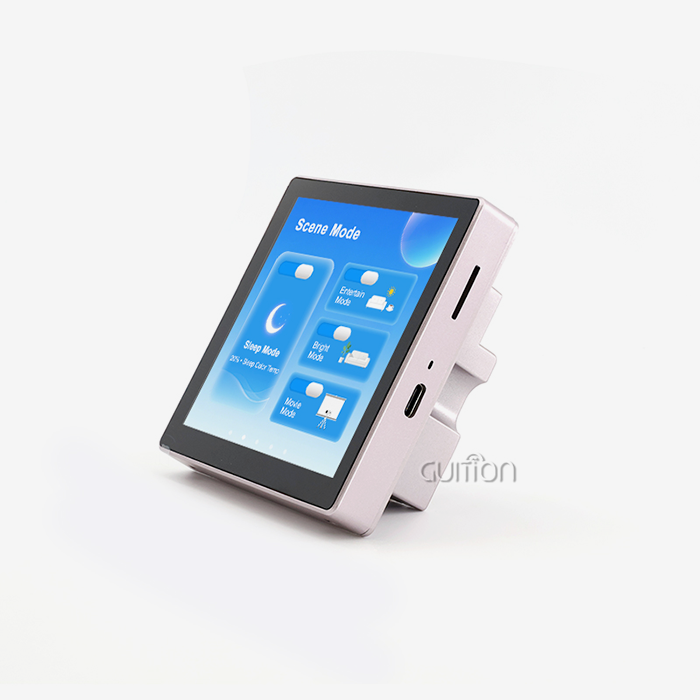
Modern smart houses use centralized ESP32 Display Module controllers to connect and handle things like lights, climate, security, and leisure systems. Interfaces that are mounted on the wall and show state information and accept user orders are the main way that people connect with computers. The look of these controls must match the style of the home while still being easy to use. Exactly this can be done with a 2.4 inch ESP32 display module placed in a normal electrical box. The screen shows the current temperature, lights, and protection level of the room. Connecting to WiFi lets you talk to home control hubs that use MQTT protocols to talk to Home Assistant or similar systems. Users can change settings by pressing buttons around the screen or by speaking words that are processed somewhere else and shown on the screen.
Industrial Machine Monitoring
For factory automation systems to work, the settings of each machine must always be watched. Operators must be able to see and record temperature, vibration, pressure, and cycle numbers so that repair can be planned. Traditional SCADA systems offer full tracking, but they require expensive hardware that isn't right for each machine interface. Monitoring machines at the machine level is cheap and easy with embedded display units. Sensors that are connected send data through I2C or USB ports. The ESP32 takes this data, processes it, shows the most recent results, and sends data to central systems over WiFi. Operators get instant visible feedback about the health of the machine without having to deal with complicated terminals. For predictive repair planning, maintenance teams can view past data from afar.
Medical Device User Interfaces
Medical tracking systems have to meet the needs of regulators, keep users safe, and do their job in the clinical setting. Vital sign data must be shown clearly on display screens, and visual clutter should be avoided at all costs so that important choices can be made faster. Bedside monitors and compact testing tools work well with small form factors. The stable performance and clear visual output of these units make them useful for medical purposes. The 240x320 resolution shows vital signs, trend lines, and warning lights for patients without being too much for doctors to see. Portable gadgets with low power consumption have batteries that last longer. Bluetooth lets wireless devices and medical information systems talk to each other, and it lets patients stay mobile.
Conclusion
The 2.4 inch ESP32 display module has the right amount of processing power, wireless connection, and visual interface features for current IoT development needs. These units greatly shorten the time it takes to get a product to market by combining dual-core MCU design with bright TFT displays and allowing multiple development environments. Their small size makes them good for smart home, industrial automation, and medical gadget uses that need to save room. The ESP32-2432S024N from Guition is a great example of this type of chip because it has full support for peripherals, flexible power management, and a strong design that meets military-grade standards. Embedded engineers and procurement managers can use these modules to make scalable IoT products because they offer solid, low-cost options with technical help and long-term component availability.
FAQ
What advantages do 2.4 inch ESP32 modules offer over separate displays and microcontrollers?
Integration gets rid of the need for complicated wiring between different parts, which speeds up development and lowers the risk of failure. Because display drivers and wireless transmission share optimized libraries, the unified design makes it easier to make software. In small product cases, saving room is important. When you combine your purchases instead of buying different parts separately, you save money using the 2.4 inch ESP32 display module.
How does the 240MHz dual-core processor handle graphics rendering and wireless communication simultaneously?
Different processing cores are set aside for different jobs in the ESP32 design. One core is in charge of updating the screen and the user interface, and the other is in charge of WiFi protocol stacks and Bluetooth connection. This parallel processing keeps connection latency from causing show lag, so users can still have responsive experiences even when the network is busy.
Which development environment best suits beginners versus professional engineers?
The Arduino IDE has the easiest learning curve thanks to its simple grammar and large collection of community examples. Professional engineers who need to handle optimizations like ESP-IDF because it gives them direct access to hardware. Guition software is designed for HMI-focused programming and lets you make visual interfaces without having to do a lot of code. Teams can use a mix of methods, quickly making prototypes with Arduino and then using ESP-IDF to improve key parts.
Can these modules support multilingual user interfaces for global product deployment?
Support for UTF-8 encoding lets you see characters from many languages, such as Chinese, Arabic, and Cyrillic forms. Translator strings are kept in JSON files or Flash memory, and the developers can switch between languages based on the user's choices or the location of the device. This feature is necessary for household gadgets and industrial equipment that is meant to be sold in other countries.
Partner with Guition for Your Next IoT Display Solution
Guition specializes in providing high-performance 2.4 inch ESP32 display modules for industrial makers, smart device developers, and embedded system engineers who need dependable HMI solutions. Our ESP32-2432S024N has a dual-core processor and a bright TFT screen. It works with Arduino, ESP-IDF, and MicroPython development environments. As a supplier of display modules with a lot of experience, we offer full secondary development interfaces, detailed technical documents, and quick engineering help at david@guition.com. Our military-grade production ensures long-term stability in tough environments, and over-the-air (OTA) updates cut down on upkeep costs. Whether you're making prototypes for smart home controllers or large-scale industrial tracking systems, Guition has the low prices, flexible order amounts, and expert support you need to get your product to market faster. Get in touch with us right away to talk about how our display options can help you make better IoT products.
References
1."ESP32 Series Datasheet: Technical Specifications and Application Guidelines," Espressif Systems, 2023.
2. Johnson, M., "Embedded Graphics Programming with LVGL: Design Patterns for Resource-Constrained Displays," Embedded Computing Press, 2022.
3. Chen, W. and Rodriguez, A., "IoT Device Interface Design: Balancing Functionality and User Experience in Connected Systems," International Journal of Human-Computer Interaction, Vol. 38, 2021.
4."Display Technologies for Industrial Applications: TFT, IPS, and OLED Comparative Analysis," Society for Information Display Technical Digest, 2023.
5. Patterson, R., "Wireless Connectivity in Embedded Systems: WiFi and Bluetooth Integration Strategies," IEEE Embedded Systems Letters, Vol. 15, 2022.
6."Procurement Best Practices for Electronic Components: Quality Assurance and Supply Chain Management," Institute for Supply Management, 2023.
Learn about our latest products and discounts through SMS or email