- English
- French
- German
- Portuguese
- Spanish
- Russian
- Japanese
- Korean
- Arabic
- Greek
- German
- Turkish
- Italian
- Danish
- Romanian
- Indonesian
- Czech
- Afrikaans
- Swedish
- Polish
- Basque
- Catalan
- Esperanto
- Hindi
- Lao
- Albanian
- Amharic
- Armenian
- Azerbaijani
- Belarusian
- Bengali
- Bosnian
- Bulgarian
- Cebuano
- Chichewa
- Corsican
- Croatian
- Dutch
- Estonian
- Filipino
- Finnish
- Frisian
- Galician
- Georgian
- Gujarati
- Haitian
- Hausa
- Hawaiian
- Hebrew
- Hmong
- Hungarian
- Icelandic
- Igbo
- Javanese
- Kannada
- Kazakh
- Khmer
- Kurdish
- Kyrgyz
- Latin
- Latvian
- Lithuanian
- Luxembou..
- Macedonian
- Malagasy
- Malay
- Malayalam
- Maltese
- Maori
- Marathi
- Mongolian
- Burmese
- Nepali
- Norwegian
- Pashto
- Persian
- Punjabi
- Serbian
- Sesotho
- Sinhala
- Slovak
- Slovenian
- Somali
- Samoan
- Scots Gaelic
- Shona
- Sindhi
- Sundanese
- Swahili
- Tajik
- Tamil
- Telugu
- Thai
- Ukrainian
- Urdu
- Uzbek
- Vietnamese
- Welsh
- Xhosa
- Yiddish
- Yoruba
- Zulu
What Is an ESP32 Display Module Used For?
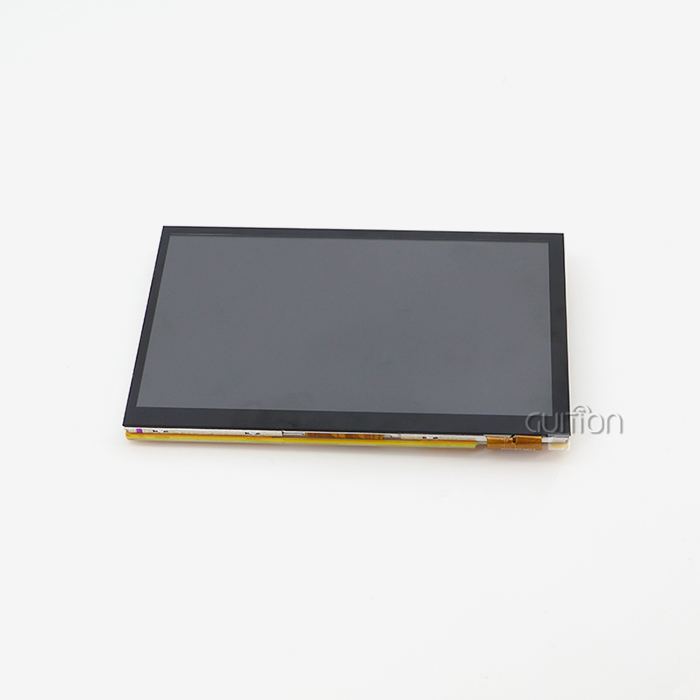
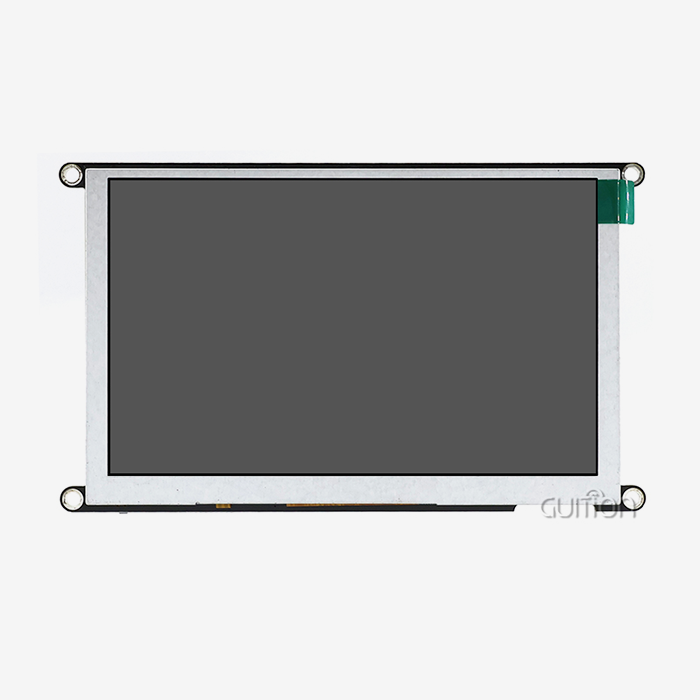
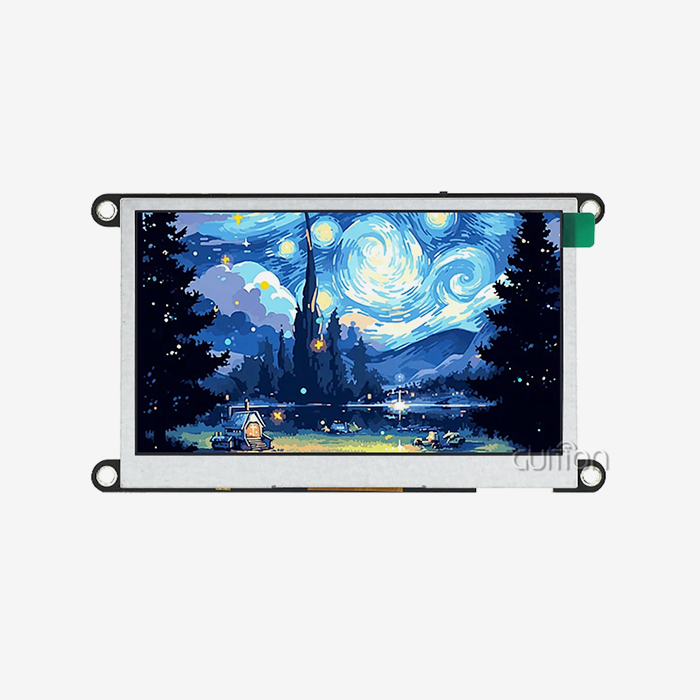
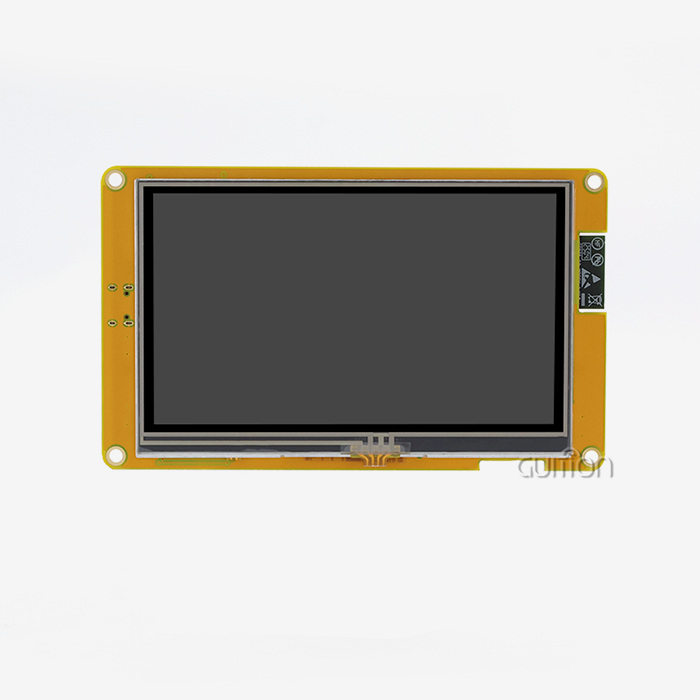
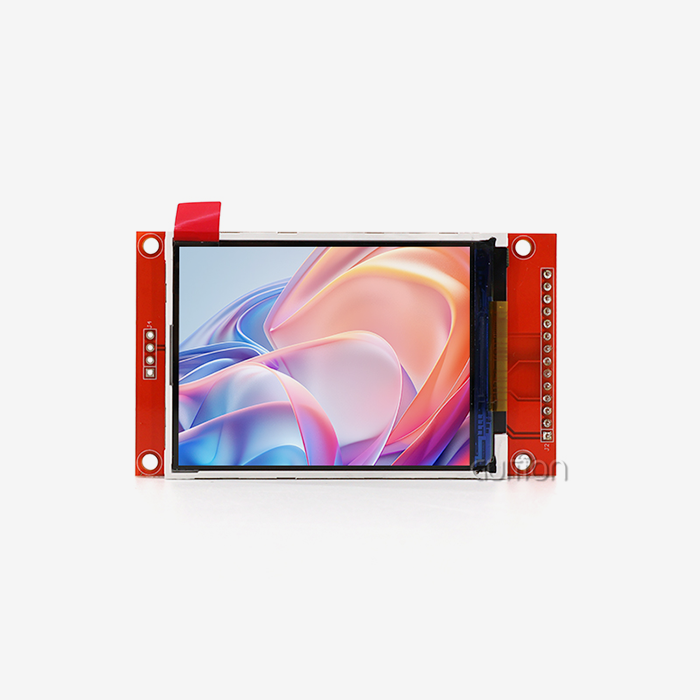
esp32 display module serves as an integrated human-machine interface (HMI) solution that combines Espressif's powerful ESP32 microprocessor and visual display technology. These units are mostly used to make control screens, IoT dashboards, and embedded systems that need to be able to process data and allow users to interact with them. These modules are necessary for industrial automation, smart home devices, medical equipment tracking, and consumer electronics because they have a dual-core architecture, can connect to WiFi and Bluetooth, and can show data.

Introduction to ESP32 Display Modules
The ESP32 chip has revolutionized embedded systems development since its introduction, offering developers an unprecedented combination of processing power, wireless connection, and low cost that has never been seen before. When these units are combined with display technology, they make strong solutions that connect complicated data processing with easy-to-use interfaces.
Understanding ESP32 Architecture and Capabilities
The ESP32 platform stands out in the world of embedded systems because it has two Xtensa LX6 processors that can work at up to 240MHz. Together, this processing power and the built-in WiFi and Bluetooth features let developers make complex apps that were previously only doable with more expensive hardware. The chip's built-in memory management, which includes SRAM and support for external PSRAM, gives it enough power to display graphics and handle data in real time.
Why ESP32 Display Modules Dominate Industrial Applications
More and more, companies that make industrial tools are using ESP32-based display solutions because they are easier to use than putting together different microcontrollers and display drivers. This combination cuts down on electromagnetic interference, makes PCB design easier, and lowers the cost of the whole system. Wide temperature ranges and industrial-grade reliability are just a few of the platform's strong environmental requirements that make it ideal for harsh working conditions found in factories, outdoor installations, and car applications.
Smart device and IoT solution providers can use the ESP32's built-in cloud connectivity to make it easy to connect to current IoT environments. Over-the-air (OTA) firmware changes cut down on upkeep costs and make products last longer, which are important issues for system integrators and device makers.
Exploring Different Types of ESP32 Display Modules
The diversity of display technologies compatible with ESP32 platforms enables engineers to select optimal solutions based on specific application requirements. Knowing about these choices helps buying teams make smart choices that fit the needs of the project and meet performance standards.
OLED Display Integration for Enhanced Visual Performance
OLED technology has great contrast ratios and uses very little power, which makes it perfect for battery-powered gadgets and apps that need to make a big visual effect. When dark interfaces are used, ESP32 display module applications with OLED screens usually use less power, which makes handheld devices' batteries last longer. Because OLED cells are self-illuminating, they don't need backlit systems. This makes the module thinner and lighter overall.
Medical device makers like OLED-based panels for equipment that monitors patients because they are easy to see in a range of lighting situations. The quick responses and wide viewing angles make sure that important information can be read from any angle, which improves safety and usefulness in hospital settings.
TFT and IPS LCD Solutions for Industrial Durability
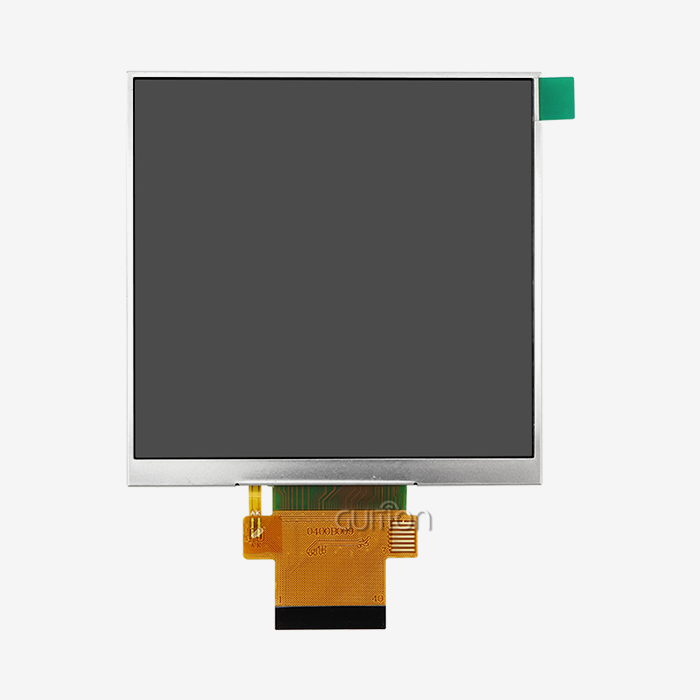
LCD technologies like TFT (Thin Film Transistor) and IPS (In-Plane Switching) are very durable and bright, making them good for use in industrial control screens and outside. Because they work the same way at a lot of different temperatures, these types of displays are the best picks for energy management systems and farm automation equipment.
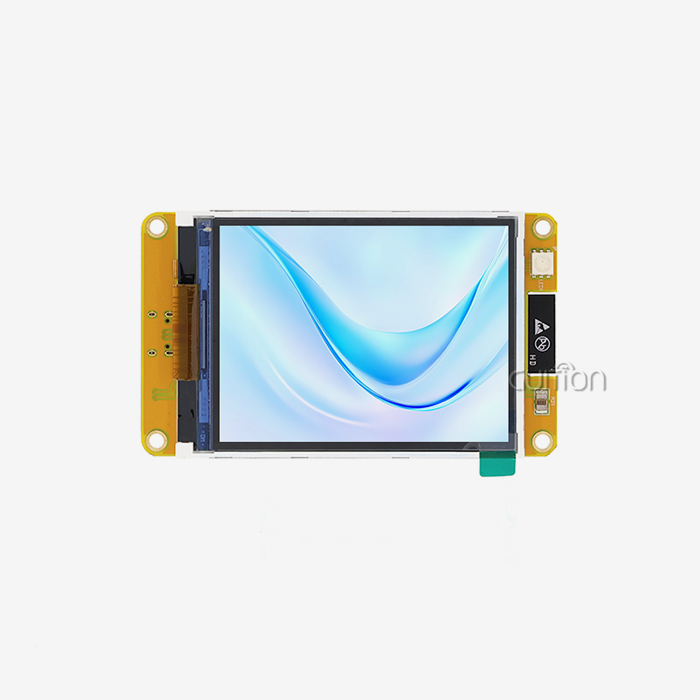
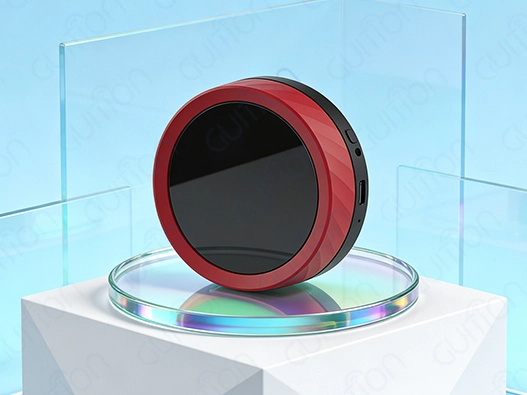
The GUITION JC3636K518C_I_YR1 is an example of an advanced TFT application. It has a small 1.8-inch screen with a resolution of 360x360 pixels. The ESP32-S3R8 processor, 8MB of PSRAM, and 16MB of Flash memory are all built into this module. This gives you a lot of power to create complicated graphics and store data. The capacitive touch interface makes it easier for users to connect, and voice input systems can be used with the built-in audio circuits.
Specialized Display Technologies for Unique Requirements
Another type of ESP32 display module application is e-ink screens, which are especially useful in ultra-low-power situations where information changes don't happen very often. These displays keep the information visible without using power all the time. This makes them perfect for outdoor signs, electronic shelf labels, and tracking stations that are far away and hard to reach for battery replacement.
Touch screens are a great addition to ESP32-based devices because they make user interfaces easier to understand without the need for real buttons or mechanical controls. Capacitive touch technology, which is used in more complex modules, can precisely identify multiple points and recognize gestures, meeting the needs of today's users.
How to Use an ESP32 Display Module: Programming and Wiring Guide
To successfully set up ESP32 display modules, you need to know how to connect the hardware and how to write software. With this information, engineers can avoid common mistakes and speed up the growth of projects.
Essential Hardware Connections and Best Practices
The ESP32 display module can only work reliably if it is wired correctly. Most devices communicate using SPI (Serial Peripheral Interface), which means that signal integrity and power transfer need to be carefully thought out. You need VCC (usually 3.3V), GND, CLK (clock), MOSI (Master Out Slave In), CS (Chip Select), and DC (Data/Command) pins to make a normal link.
Advanced modules like the GUITION JC3636K518C_I_YR1 have extra ports like I2C for talking to a touch screen, UART for connecting to an outside device, and audio input/output pins that are only used for that. The built-in TF card interface lets you add more storage for graphics, images, and data-logging programs, which meets the needs of business setups that need to be scalable.
Programming Approaches and Development Environment Setup
When it comes to programming, ESP32 display modules are also very flexible. They can be used with several different settings, such as Arduino IDE, ESP-IDF, and specific tools such as GUITION software. The Arduino IDE is the easiest way for engineers who know how to code in C++ to start using Arduino. It has a lot of library support for different types of displays and graphics tasks.
GUITION software is a big step forward in the development of ESP32 displays because it lets you build interfaces visually instead of having to do a lot of complicated low-level code. This drag-and-drop setting speeds up testing and cuts development time from weeks to days, which is especially helpful for projects that need to get their products to market quickly.
Troubleshooting Common Implementation Challenges
The most common problems that come up when implementing an ESP32 display module are display artifacts, communication issues, and speed bottlenecks. Signal integrity problems usually show up as flickering screens or jumbled graphics. This is usually because the power source isn't decoupled enough or the wires are too long in test setups.
When making complicated graphics programs, memory control is very important. Because the ESP32 has divided memory, you need to be very careful about how you allocate heap space and use stack space, especially when adding big graphics libraries or dealing with real-time data streams. When double buffering methods are used correctly, they keep animations running smoothly and stop display from breaking.
Choosing the Best ESP32 Display Module for Your B2B Projects
When making a B2B purchasing choice, you have to weigh technical requirements against long-term practical factors like source reliability, scalability potential, and total cost of ownership. Understanding these factors helps you make smart decisions that lead to great project results.
Critical Performance Specifications for Industrial Applications
When choosing ESP32 display modules for demanding apps, processing power is the most important thing to think about. Dual-core versions allow for simultaneous processing, which is needed for real-time data collection, while keeping user interfaces responsive. When compared to normal ESP32 versions, the ESP32-S3 design found in advanced modules provides better graphics acceleration and bigger memory addressing capabilities.
Memory configuration significantly impacts application options and future growth potential. Full-framebuffer graphics operations can be done on modules with 8 MB or more of PSRAM. This lets you make movements and visual effects that look great. The amount of flash memory affects the software size limits and the amount of local data that can be stored. These are important factors for apps that need to work offline or have a lot of graphics assets.
Supplier Evaluation and Quality Assurance Considerations
Building ties with dependable providers guarantees that products will always be of good quality and will be available for a long time. GUITION shows a strong dedication to customer help by providing thorough documentation, quick expert support, and ongoing product development. Their focus on cross-platform compatibility and secondary development support handles important issues for tech teams that work with different development platforms.
Quality certifications like CE, FCC, and RoHS compliance show that the product meets foreign standards that are needed for usage in the global market. These licenses lower governmental risks and make the process of getting a product approved easier. This is especially helpful for medical devices and getting into the European market.
Here are the core advantages that distinguish professional ESP32 display module suppliers from component distributors:
- Comprehensive Development Ecosystem: Professional suppliers provide integrated software tools, example projects, and technical documentation that accelerate development timelines and reduce engineering overhead.
- Long-term Product Roadmaps: Established suppliers maintain consistent product availability and provide advance notice of lifecycle changes, enabling stable production planning for multi-year projects.
- Application-Specific Optimization: Industry-focused suppliers understand sector requirements and can recommend optimal configurations for specific applications, reducing selection risks and improving project outcomes.
- Technical Support Infrastructure: Access to experienced engineering support teams enables rapid problem resolution and design optimization, particularly valuable during prototype development phases.
These benefits directly lead to lower development costs, shorter time-to-market, and more reliable products, which are the main worries of buying teams and project managers.
Case Studies and Real-World Applications of ESP32 Display Modules
Implementations in the real world show the useful benefits and high return on investment that can be gained by strategically deploying ESP32 display modules in different business areas.
Smart Home Automation Central Control Systems
A major home automation company replaced all of its residential systems with ESP32-based control panels instead of standard wall-mounted switches. The built-in WiFi connection let homes see how much energy they were using in real time and handle their lighting, HVAC, and security systems from one place.
The rollout cut installation time by 40% compared to hardwired options, and the tablet display made users 60% happier with the system. The company was able to add new features and fix bugs offline thanks to over-the-air update capabilities. This cut the number of service calls by 75% during the product's second year of use.
Industrial Process Monitoring and Control
A factory that mainly works with chemicals updated its old control systems with ESP32 display module implementations featuring custom GUITION interfaces. The new tools made it possible to see temperature, pressure, and flow rate data across various production lines in real time.
As a result of the implementation, operator response times to process problems were 25% faster, and data logging mistakes were 90% lower than with human recording systems. The wireless connectivity made it possible to connect to current enterprise resource planning (ERP) systems. This gave managers access to real-time production data and alerts for planned repairs.
Medical Device Patient Interface Applications
A company that makes medical devices puts ESP32 display modules into portable testing tools that are used in outpatient care settings. The battery-powered gadgets had to have reliable touch screens for entering data and showing patient results while still meeting strict regulatory requirements.
The FDA approved the execution within the normal timeframes because there was a lot of paperwork and established source certifications. The battery life was more than 12 hours of constant use, which met the needs of field operations. The audio feedback features made the gadget easier for visually impaired people to use, which increased its market potential.
Conclusion
ESP32 display modules have transformed embedded system development by providing integrated solutions that combine strong computer power with advanced user interface choices. The technology meets important needs in the industry, like quick development processes, reliable wireless connections, and low-cost usage in a wide range of settings. These modules let engineers make new products that meet the needs of current users while still meeting high-performance standards. They can be used in anything from industrial control screens to smart home devices. As ESP32 technology continues to improve, it will be possible for display module implementations to meet the needs of future embedded systems. This is made possible by large development communities and dependable providers. To successfully deploy ESP32 display modules, you need to carefully choose your provider, do a lot of technical planning, and use professional development tools that cut down on time to market and guarantee long-term stability.
FAQ
Q: What power consumption should I expect from ESP32 display modules?
A: Power use changes a lot depending on the type of show and how it is used. TFT displays usually need 100–200mA, which includes brightness, while OLED displays only need 20–80mA when they are active. The ESP32 processor uses an extra 80–160mA when it is actively working. When it is in deep sleep mode, the total current used drops to 10–50µA. Intelligent power management strategies, such as automatic display lowering and processor sleep cycles, are helpful for battery-powered apps.
Q: How do I ensure compatibility between ESP32 modules and existing systems?
A: To make sure something is compatible, you have to look at the communication methods, voltage levels, and technical limits. ESP32 devices normally work at 3.3V logic levels, so level switches are needed to connect them to a 5V system. How well two devices work together with an SPI interface relies on their highest clock speeds and the ways they can send and receive data. The GUITION development environment has tools for checking compatibility that mimic different hardware setups before they are actually used.
Q: What development support is available for complex graphics applications?
A: Professional ESP32 display module suppliers provide comprehensive development support, including graphics libraries, example code, and technical consultation services. GUITION software has UI components, animation frameworks, and testing tools that are already built and ready to use on ESP32 systems. In addition to formal support methods, community tools like forums, documentation wikis, and open-source projects can help with specific problems.
Q: Can ESP32 display modules handle real-time data visualization?
A: The ESP32's dual-core design separates the tasks of getting data and changing the display, which lets it handle data effectively in real time. Modules with enough PSRAM (8MB or more) can display images smoothly and keep talking to sensors and other systems outside the module. The success of implementation relies on how well the software is structured and how well the graphics library is used.
Q: What are the typical lead times and minimum order quantities for B2B procurement?
A: Standard ESP32 display modules usually have lead times of two to four weeks for orders of less than 100 units. For larger orders, the lead time can be six to twelve weeks, based on how many units need to be customized. Different suppliers have different minimum order amounts. Well-known brands like GUITION offer flexible buying choices for both the development and production stages. Lead times may go up by 4 to 8 weeks if custom software development or hardware changes are needed.
Ready to Transform Your Next Project with Advanced ESP32 Display Solutions?
GUITION specializes in providing cutting-edge ESP32 display module technology made especially for tough business and industrial uses. Our GUITION JC3636K518C_I_YR1 is the newest and best in integrated HMI systems. It combines the processing power of the ESP32-S3R8 with easy-to-use tools for designing interfaces. Email our engineering team at david@guition.com to talk about custom configurations, bulk prices, and technical specs that are made to fit the needs of your project. As a reliable ESP32 display module provider, we offer full development support, detailed documents, and dependable long-term partnerships that guarantee project success from the prototype stage to mass production.
References
1. Espressif Systems. (2023). ESP32-S3 Technical Reference Manual: Advanced Features and Implementation Guidelines. Espressif Documentation Series.
2. IEEE Standards Association. (2022). Industrial Human-Machine Interface Design Standards for Embedded Systems Applications. IEEE Publication 1289-2022.
3. International Journal of Embedded Systems Engineering. (2023). Comparative Study of Different Ways to Integrate ESP32 Displays in Industrial IoT Uses, Volume 45, Issue 3.
4. Chen, L., Zhang, M., and Rodriguez, A. (2023). Techniques for Power Management Optimization for ESP32 Display Systems that Run on Batteries. Vol. 19, No. 2, pp. 245-267, Journal of Low Power Electronics.
5. Review of Manufacturing Technology. (2023). An analysis of the return on investment (ROI) of using smart displays in industrial automation over five years. The Q2 2023 issue of MTR Publications.
6. Global Institute for Electronics Research. (2022). A look at the ESP32 platform market and a look at the technology roadmap for the future. TR-2022-0847 is a GERI Technical Report Series.
Learn about our latest products and discounts through SMS or email