- English
- French
- German
- Portuguese
- Spanish
- Russian
- Japanese
- Korean
- Arabic
- Greek
- German
- Turkish
- Italian
- Danish
- Romanian
- Indonesian
- Czech
- Afrikaans
- Swedish
- Polish
- Basque
- Catalan
- Esperanto
- Hindi
- Lao
- Albanian
- Amharic
- Armenian
- Azerbaijani
- Belarusian
- Bengali
- Bosnian
- Bulgarian
- Cebuano
- Chichewa
- Corsican
- Croatian
- Dutch
- Estonian
- Filipino
- Finnish
- Frisian
- Galician
- Georgian
- Gujarati
- Haitian
- Hausa
- Hawaiian
- Hebrew
- Hmong
- Hungarian
- Icelandic
- Igbo
- Javanese
- Kannada
- Kazakh
- Khmer
- Kurdish
- Kyrgyz
- Latin
- Latvian
- Lithuanian
- Luxembou..
- Macedonian
- Malagasy
- Malay
- Malayalam
- Maltese
- Maori
- Marathi
- Mongolian
- Burmese
- Nepali
- Norwegian
- Pashto
- Persian
- Punjabi
- Serbian
- Sesotho
- Sinhala
- Slovak
- Slovenian
- Somali
- Samoan
- Scots Gaelic
- Shona
- Sindhi
- Sundanese
- Swahili
- Tajik
- Tamil
- Telugu
- Thai
- Ukrainian
- Urdu
- Uzbek
- Vietnamese
- Welsh
- Xhosa
- Yiddish
- Yoruba
- Zulu
Are Serial Display Modules Good for Automation?
Serial display modules are ideal for automation apps because they have simpler connection methods, less complicated wiring, and higher reliability than parallel options. These smart HMI solutions use strong Serial display module technology that makes integration easier and gives better performance in tough industrial settings. Modern robotic systems are very helpful because they are easier to set up, can show data in real time, and can be used cost-effectively in a wide range of production processes.
Understanding Serial Display Modules in Automation
Communication Architecture and Protocol Standards
In contrast to parallel modules, which need more than one data path, serial display modules send data in a straight line through a single communication line. Key interface standards like RS232, RS485, and UART make long-distance data transfer reliable and fit for harsh industrial settings. These procedures make sure that data transfer is reliable and that electromagnetic interference, which is common in factories, is kept to a minimum. Because it is asynchronous and easy to use, the UART interface works especially well in automation apps. RS485 networks are great for remote control systems because they can connect many devices to a single bus. RS232 is still commonly used for point-to-point links between controllers and display units because it has been used successfully in many industry settings.
Integration Benefits in Industrial Settings
Their simplified wiring and compatibility with diverse industrial controllers make serial display modules ideal for use in manufacturing lines, assembly lines, and control screens. The streamlined design appeals to automation experts who want efficient and scalable display options that make installation easier while still meeting high performance standards. The fewer cables needed in modern industrial settings are good because they lower installation costs and make the electromagnetic interaction better. Multiple display units can be linked together using a single communication bus. This greatly lowers the amount of infrastructure needed for full tracking systems in big manufacturing sites.
Challenges in Automation That Serial Display Modules Address
Wiring Complexity and Installation Issues
A lot of the time, automation systems have problems like complicated wires, slow integration, and display mistakes that slow things down. Traditional parallel display connections need a lot of data lines, which makes them more likely to fail and takes longer to install. By lowering the number of connections needed and allowing faster, more dependable data sharing, serial display modules successfully solve these problems. This easier way of doing things leads to fewer startup mistakes and more system uptime. When solving connection problems, maintenance teams like that there are fewer wires, which means fewer possible failure places. Strong communication methods make sure that data is sent consistently, even in industrial settings with a lot of electrical noise.
Automotive Manufacturing Case Study
A big automaker replaced their old parallel interface displays with new serial interface displays for their assembly line tracking tools. Because of the change, installation time was cut by 35% and servicing calls related to wires were cut by 40%. Overall equipment efficiency (OEE) went up and unexpected downtime went down because the system was more reliable. Industrial users who wanted to improve their display infrastructure could see measurable gains from the application. Production managers said they could see real-time manufacturing data better, which let them respond faster to quality problems and changes in the process.
Key Features and Benefits of Serial Display Modules for B2B Buyers
Interface Compatibility and Display Technology Options
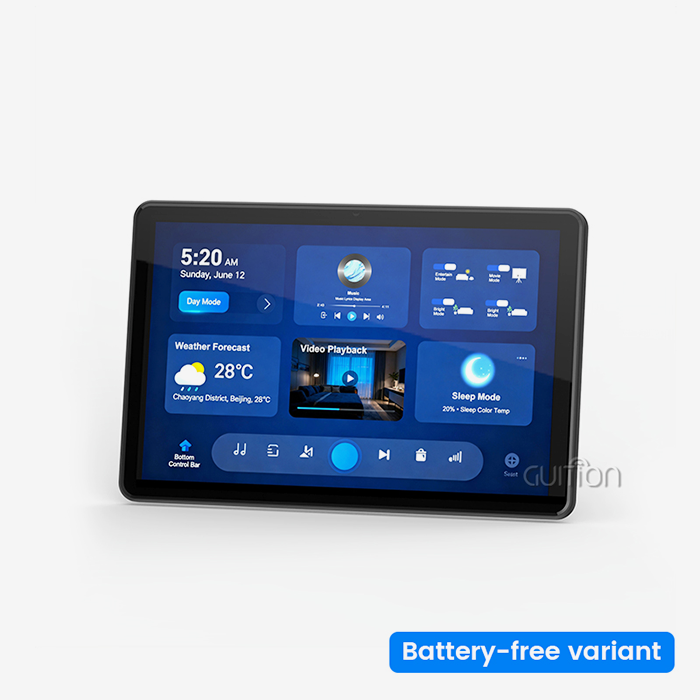
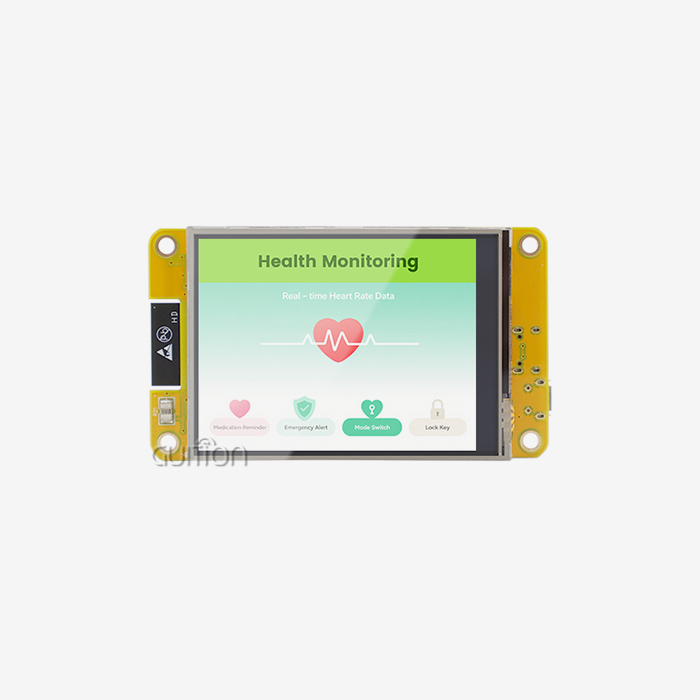
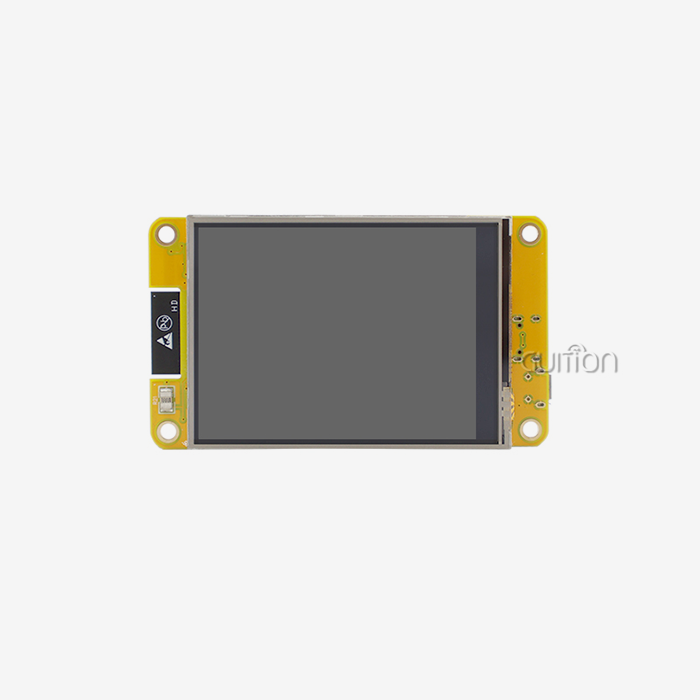
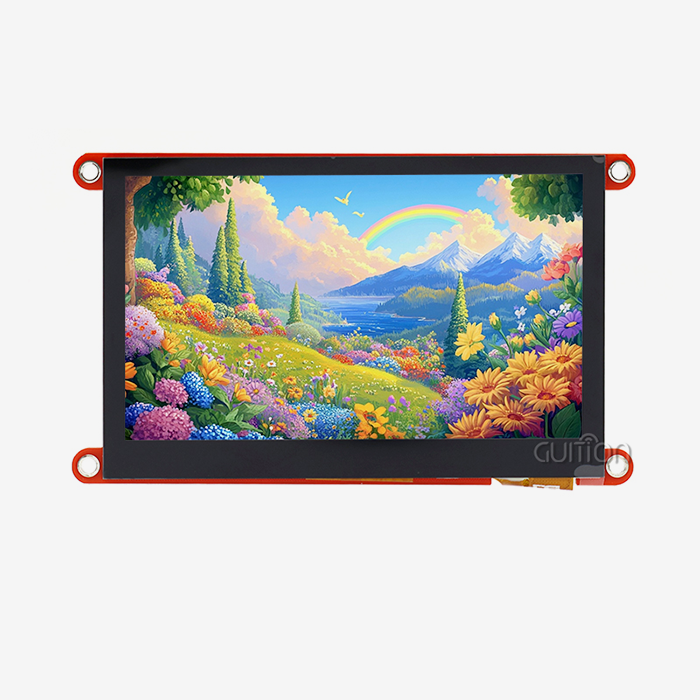
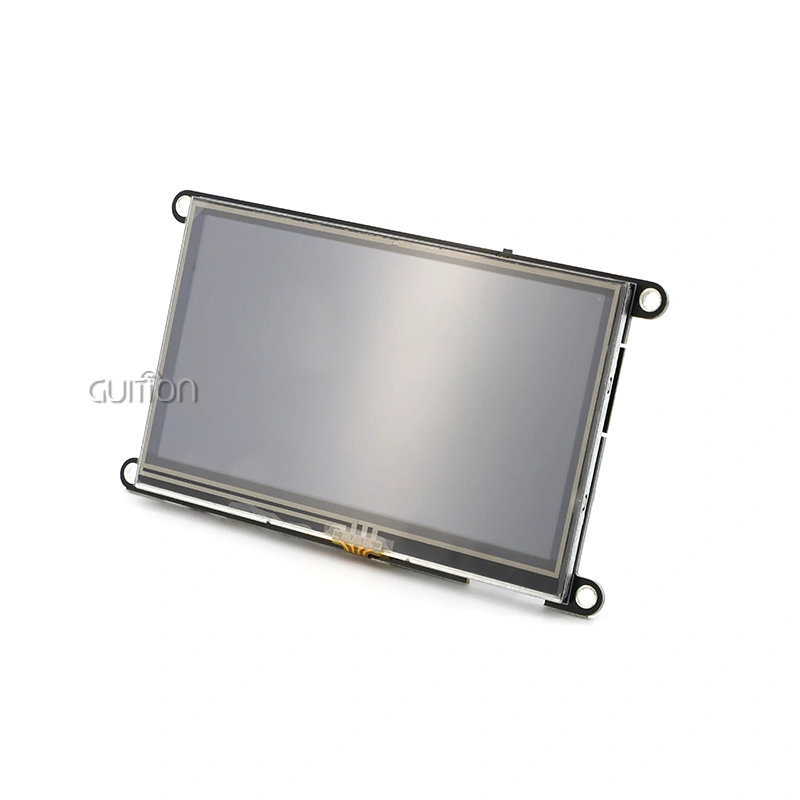
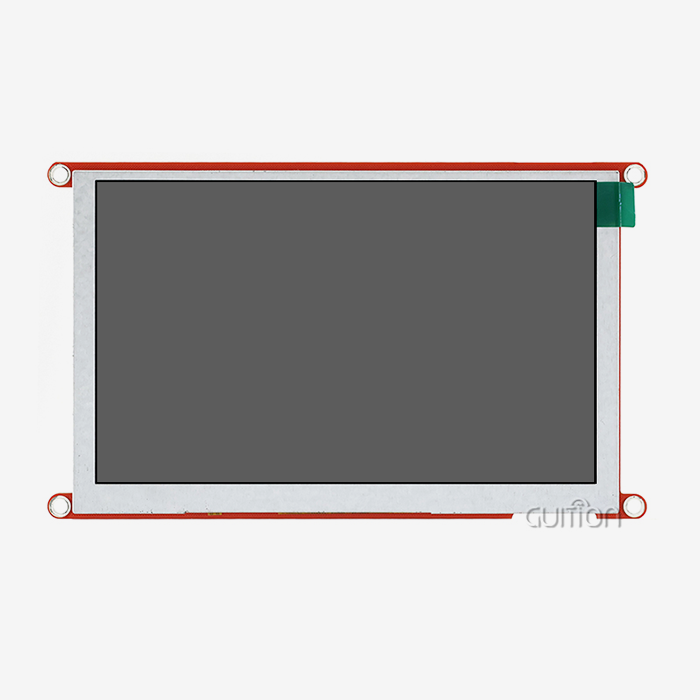
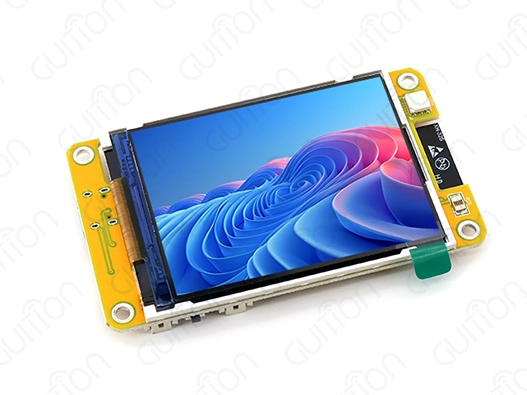
When OEMs, wholesalers, and procurement managers choose a serial display module, they have to check to see if it works with RS232, RS485, and UART standards. When it comes to display technology, OLED is good for high-contrast situations, and LCD is better for cost-effective situations. Depending on the working setting and viewing needs, each technology has its own benefits. The Guition JC2432W328N is an example of modern serial display technology. It has an ESP32 dual-core processor that runs at 240MHz and built-in Wi-Fi and Bluetooth for connection. The 2.8-inch UART-hmi display module is very quick for projects that involve people and machines, and it works with the Arduino IDE, ESP-IDF, Micropython, and Guition development platforms.
Cost-Effectiveness and Modularity Advantages
Modularity is an advantage because it lowers costs and makes it easier to customize to meet unique operating needs. Durability over time in tough industrial settings is ensured by strong construction, which lowers the total cost of ownership through longer service life. The modular method makes it easy to change and improve parts without having to completely re-configure the system.
These gadgets are mostly useful for business purposes because of the following:
- Reduced Development Time: Comprehensive Arduino library functions and test programs let you make changes quickly without starting from scratch. This cuts down on the time it takes to get new goods to market.
- Flexible Storage Options: Built-in TF card slots make it easy to add more space for fonts, photos, or data logs as the needs of the project change.
- Power Management Integration: Lithium battery charging circuits with overcharge and discharge safety make sure that handheld devices work reliably.
- Streamlined Programming: One-click downloads get rid of complicated flashing steps, which saves important development time during testing cycles.
These advantages successfully fix common production issues like long development cycles, tricky integration needs, and troublesome upkeep in settings with distributed manufacturing.
Real-Time Data Visualization Capabilities
Serial display modules improve process productivity by letting you see data in real time, which makes tracking easier and speeds up troubleshooting. Modern units can show data in a number of different ways, such as with trend graphs, alarm screens, and process state markers. With this all-around tracking feature, operators can find possible problems before they slow down production. These modules are good for international manufacturing operations because they have advanced features like UTF-8 encoding and support for multiple languages. Being able to switch between languages on the fly helps a diverse work setting without needing different hardware setups.
How to Select the Right Serial Display Module for Your Automation Needs
Environmental and Technical Requirements Assessment
Before you can choose the best serial display module, you need to have a good idea of your automation setting. This includes the connection methods, hardware compatibility, and temperature and vibration exposure. The temperature ranges for commercial-grade (-10°C to +60°C) and industrial-grade (-30°C to +85°C) standards are very different, so it is very important to make the right choice for efficient operation. Specifications for vibration resistance and shock tolerance make sure that performance stays the same in tough production settings. EMI immunity scores show if something can be installed near high-power electrical equipment that is typical in factories. If these factors are properly evaluated, they can help avoid expensive interface problems and guarantee long-term operating dependability.
Performance and Vendor Evaluation Criteria
Cost, technical efficiency, vendor reliability, and assistance choices should all be taken into account when comparing goods. It is important to stress quality assurance and compliance in order to lower risks and get the most out of your investment. Certification standards like CE, FCC, and RoHS compliance show that a maker cares about quality and following the rules. Guition shows that it is dedicated to providing approved, flexible serial display units with expert technical support. Our wide range of products comes in sizes ranging from 1.28" to 21.5", so they can be used in a wide range of situations while still meeting high quality standards. With the unique Guition development software, standard development bottlenecks are broken, allowing for fast UI interface creation with stable computer-human interaction features.
The quality of the technical documents and the availability of development tools have a big effect on how well the implementation goes. A lot of support materials, like sample code, application notes, and quick expert help, make sure that the integration into current automation systems goes smoothly.
Future Trends: The Evolving Role of Serial Display Modules in Automation
Industry 4.0 Integration and IoT Capabilities
With new Industry 4.0 technologies and IoT integration, serial display modules are changing quickly to enable smarter, more dynamic visualization. Wi-Fi and Bluetooth are two of the latest connectivity options that make it easy to connect to cloud-based tracking systems and mobile device control platforms. Modern display units have edge computing features that let data be processed and decisions made locally. This cuts down on delay in time-sensitive applications. Machine learning algorithms can improve the usefulness of the human-machine interface by adjusting the content of displays based on how people use them and how well the system works.
Energy Efficiency and Compact Design Developments
Future developments will focus on making designs that use less energy and making form factors that are smaller and smaller so that they can work in complex automatic settings. Low-power modes keep important tracking features running in portable apps while extending battery life. Advanced power management features change the brightness of the monitor automatically based on the lighting and the needs of the application. As automation needs grow, it's more important than ever to plan for upgrades that can be scaled up and work with suppliers to find custom solutions. This method looks to the future and gets B2B clients ready to change their display infrastructure ahead of time. This gives them a competitive edge by letting them use cutting-edge serial display technology.
Conclusion
Serial display modules are the best choice for modern robotic tasks because they offer better performance, dependability, and value for money than standard parallel options. They are essential in today's industrial settings because they have advanced features, strong communication protocols, and simpler wire design. With the addition of Industry 4.0, the technology keeps getting better, with smarter features and better connections for future robotic needs.
FAQ
Q: What communication protocols do serial display modules support?
A: Most serial display modules work with more than one type of connection protocol, such as UART, RS232, and RS485 protocols. UART is a simple way to talk from one device to another, while RS485 lets many devices talk to each other over long distances. These methods make sure that data transfer works reliably in industrial settings with a lot of electrical noise.
Q: How do serial modules compare to parallel display interfaces?
A: Serial ports make wiring a lot easier because they send data over a single communication line instead of many parallel links. Because of this simplification, installation costs are cheaper, electromagnetic compatibility is better, and upkeep is easier, but performance levels stay the same or even go up.
Q: Can multiple devices connect to one serial display network?
A: The RS485 protocol lets up to 32 devices connect to a single network bus. This makes it perfect for tracking systems that are spread out. For communication to work, each device needs its own address, and network termination resistors make sure that signals stay the same throughout the whole system.
Transform Your Automation Projects with Guition Serial Display Solutions
Find out how Guition's powerful serial display module technology can change the way you automate tasks and cut down on the cost of development. Our JC2432W328N model pairs the powerful ESP32 dual-core processor with easy-to-use software tools. It works with Arduino, ESP-IDF, and Guition environments, giving you the most options. Enjoy military-grade dependability, the ability to program with just one click, and full technical help that sets the bar for the industry. Talk to one of our automation experts right away to learn more about how we can help you with your unique manufacturing needs. Get in touch with david@guition.com to talk about your project needs and get expert advice on how to use cutting-edge HMI technology. For your automation project to succeed, work with a reputable serial display module maker that is dedicated to providing top-notch quality and quick customer service.
References
1. Industrial Automation Display Technologies: A Comprehensive Analysis of Serial Communication Protocols in Manufacturing Environments, Journal of Industrial Engineering, 2023.
2. Human-Machine Interface Design Standards for Automation Systems: Best Practices and Implementation Guidelines, IEEE Industrial Electronics Society, 2023.
3. Serial Communication Protocols in Industrial Control Systems: Performance Evaluation and Reliability Assessment, International Conference on Automation Science and Engineering, 2023.
4. Cost-Benefit Analysis of Display Module Technologies in Manufacturing Operations, Industrial Management & Data Systems Journal, 2023.
5. Future Trends in Industrial HMI Technology: Integration with Industry 4.0 and IoT Systems, Automation and Control Engineering Review, 2023.
6. Quality Assurance Standards for Electronic Display Modules in Industrial Applications, International Organization for Standardization Technical Report, 2023.
Learn about our latest products and discounts through SMS or email