- English
- French
- German
- Portuguese
- Spanish
- Russian
- Japanese
- Korean
- Arabic
- Greek
- German
- Turkish
- Italian
- Danish
- Romanian
- Indonesian
- Czech
- Afrikaans
- Swedish
- Polish
- Basque
- Catalan
- Esperanto
- Hindi
- Lao
- Albanian
- Amharic
- Armenian
- Azerbaijani
- Belarusian
- Bengali
- Bosnian
- Bulgarian
- Cebuano
- Chichewa
- Corsican
- Croatian
- Dutch
- Estonian
- Filipino
- Finnish
- Frisian
- Galician
- Georgian
- Gujarati
- Haitian
- Hausa
- Hawaiian
- Hebrew
- Hmong
- Hungarian
- Icelandic
- Igbo
- Javanese
- Kannada
- Kazakh
- Khmer
- Kurdish
- Kyrgyz
- Latin
- Latvian
- Lithuanian
- Luxembou..
- Macedonian
- Malagasy
- Malay
- Malayalam
- Maltese
- Maori
- Marathi
- Mongolian
- Burmese
- Nepali
- Norwegian
- Pashto
- Persian
- Punjabi
- Serbian
- Sesotho
- Sinhala
- Slovak
- Slovenian
- Somali
- Samoan
- Scots Gaelic
- Shona
- Sindhi
- Sundanese
- Swahili
- Tajik
- Tamil
- Telugu
- Thai
- Ukrainian
- Urdu
- Uzbek
- Vietnamese
- Welsh
- Xhosa
- Yiddish
- Yoruba
- Zulu
Can an HMI Display Module Improve Operator Efficiency?
The answer is yes, without a doubt. The hmi display module makes operators more productive by turning complicated machine data into easy-to-understand visual displays that help them make decisions faster and avoid making mistakes. Today's human-machine interface solutions get rid of the old barriers that used to stand between workers and industrial systems. They offer responsive touch controls and real-time tracking that make work easier. Advanced modules with wireless connections and ports that can be customized cut response times by a large amount and improve accuracy in important industrial processes. By using advanced display technology with built-in processors and smart connectivity features, workers can now control more than one system at once with more accuracy and trust than ever before.
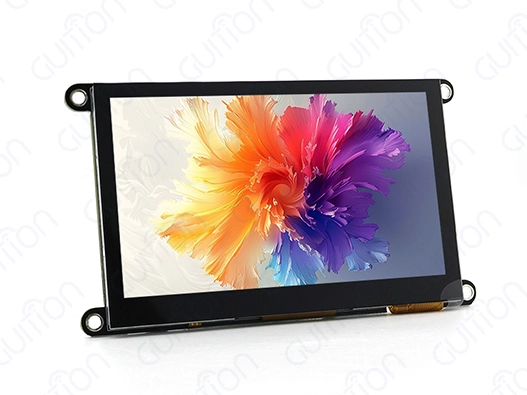
Understanding HMI Display Modules and Their Role in Operator Efficiency
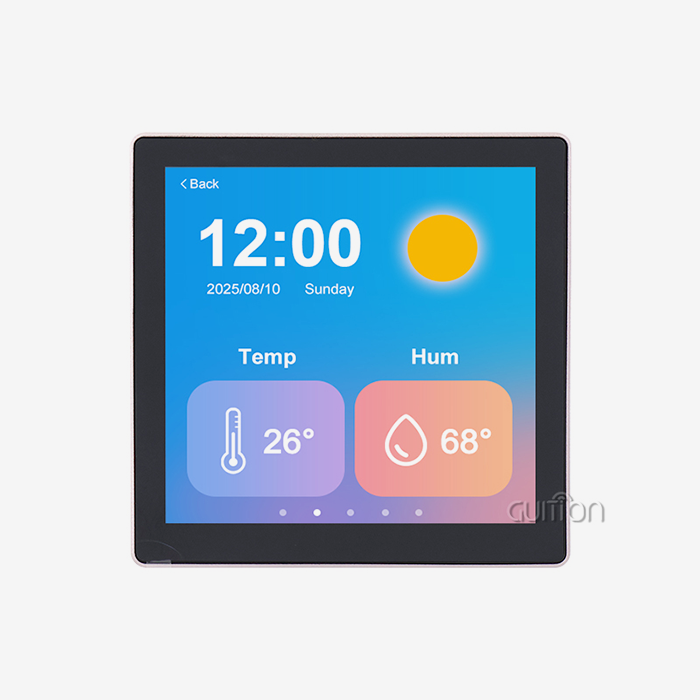
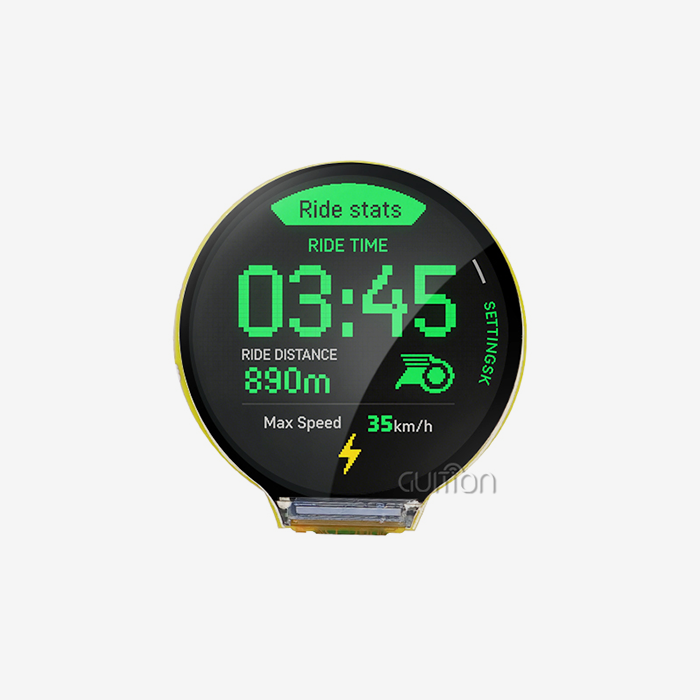
Human-machine interface display units turn complicated system data into clear, actionable insights. They do this by acting as high-tech communication bridges between workers and industrial machines. These high-tech interface options include simple black-and-white screens and state-of-the-art touchscreens with built-in processing and wifi connection.
The Technical Architecture Behind Modern Interface Solutions
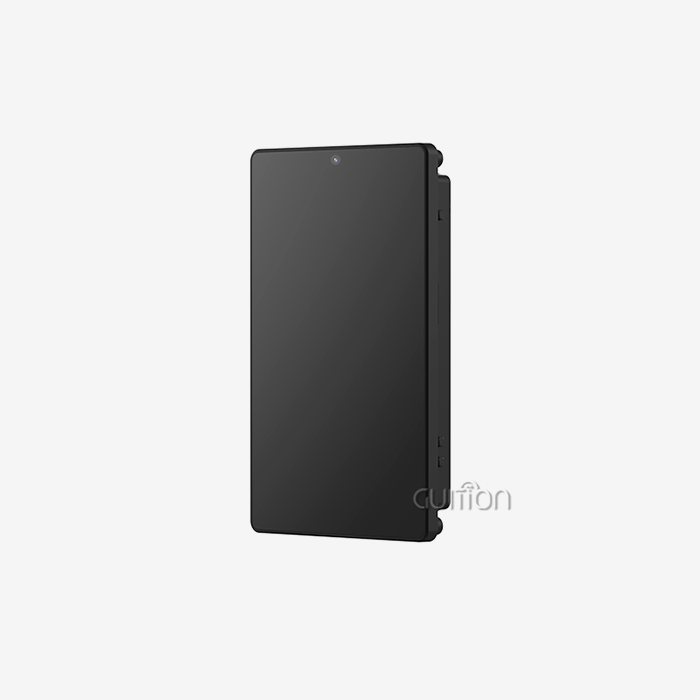
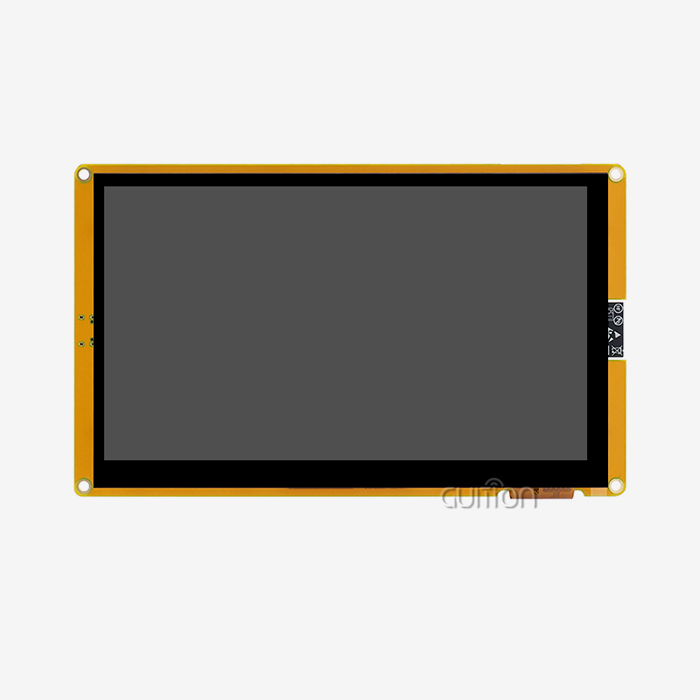
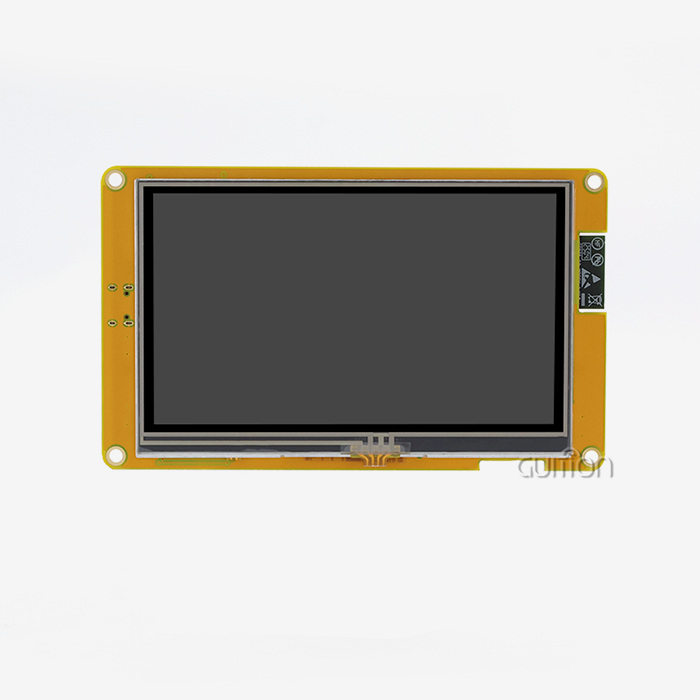
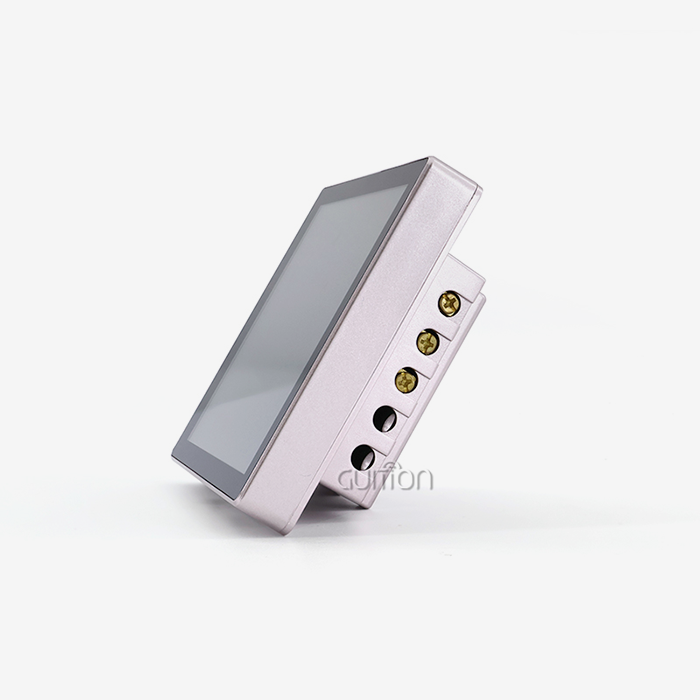
Traditional PLC or SCADA systems are mostly about controlling and overseeing things. HMI Display Module technology, on the other hand, is all about making it easier for users to connect with and see data. These units have screen displays, touch sensors, driver circuits, and often controls with memory and user interface engines built right in. The Guition JC4827W543C_I is a good example of this method because it has the powerful ESP32-S3R8 dual-core MCU running at 240MHz with 512KB SRAM and 8MB PSRAM, which makes sure that it works smoothly even with complicated GUIs.
Bridging the Gap Between Human Operators and Machine Control
Modern interface modules solve important workflow problems by turning complicated video data into easier-to-understand communication protocols based on commands. This change makes it possible for microcontrollers with few resources to easily handle high-definition graphical user interfaces, without having to do a lot of low-level code. The end result is a simplified development process that shortens the time it takes to get a product to market and improves the operator experience by making the interface easier to use.
How HMI Display Modules Enhance Operator Efficiency: A Performance Optimization Approach
Operator efficiency improvements begin with identifying and eliminating workflow bottlenecks commonly caused by inefficient interfaces and manual control complexities. Modern human-machine interface solutions deal with these issues in a number of technological ways that have a direct effect on measures of efficiency.
Real-Time Data Visualization and Response Optimization
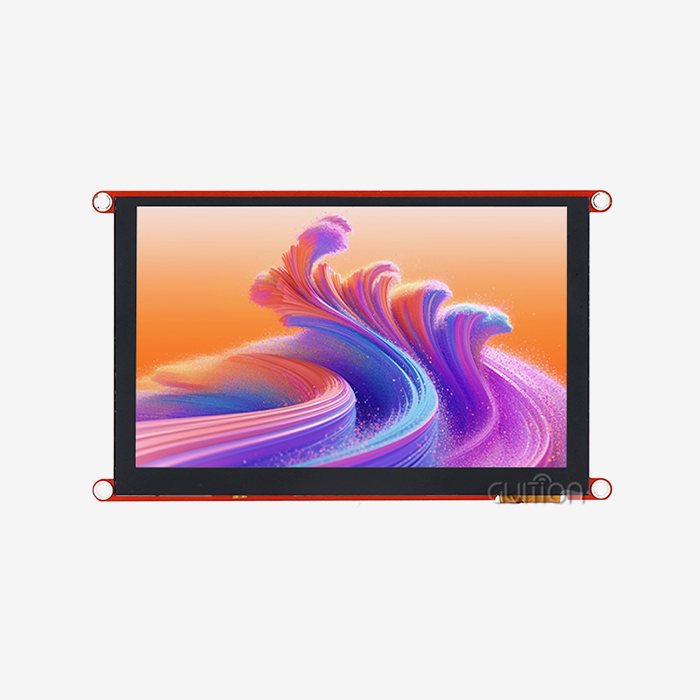
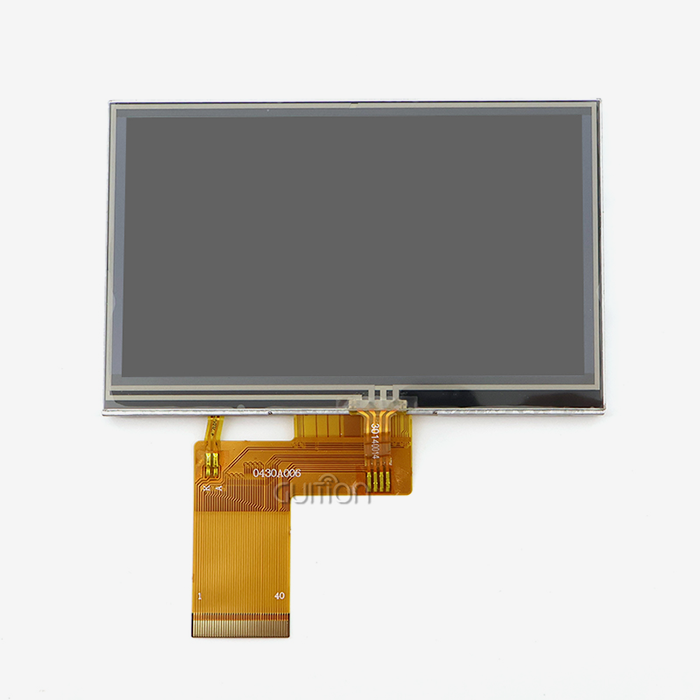
Advanced HMI Display Module systems show data in a clear way with fast update rates that meet the needs of real-time tracking. Professional modules have a 4.3-inch IPS display with a resolution of 480×272 pixels. This display gives workers a wide range of viewing angles and crystal-clear images, so they can keep an eye on important factors from different places. This visual clarity cuts down on mistakes in interpretation and speeds up reaction times in critical working situations.
Programmable Customization for Workflow Integration
Professional interface modules let you programmatically change things so they work with your specific needs. The Guition development environment works with many computer languages and platforms, like Arduino IDE, ESP IDF, MicroPython, and its own software. This lets engineers make custom interfaces even if they don't know a lot about code. This gives companies the freedom to create operator-centric interfaces that work with their current workflows. This cuts down on the time needed for training and operational adaptation.
Measurable Performance Improvements in Industrial Settings
In the real world, companies that switch to more advanced interface options see big increases in output. Studies show that simple graphical user interfaces can cut down on operator mistakes by up to 40% and speed up response times by 25 to 30 percent compared to old-fashioned control methods. These changes directly lead to less downtime, better safety compliance, and better use of resources across all industrial processes.
Selecting the Right HMI Display Module for Your Industrial Needs: A Decision Support Guide
To pick the best interface options, you need to carefully look at the technical requirements, business needs, and long-term dependability factors. During the choosing process, there are many things to think about that affect both how the system works now and how it can grow in the future.
Critical Technical Specifications and Performance Metrics
Screen resolution, processing speed, and connectivity choices are the most important things to think about when choosing an HMI Display Module. Professional modules like the Guition JC4827W543C_I have two cores of processing power and built-in Wi-Fi and Bluetooth connections. This means they can run complex graphics programs and stay in touch with other parts of the system wirelessly. TF card connections let you add more storage, which lets you use advanced data logging and video apps that make the operator's job easier.
Supplier Reliability and Support Infrastructure Considerations
When making purchases, people need to think about how reliable the supplier is, how good the professional help is, and how long the product will be available. Well-known companies offer detailed instructions, development tools, and regular software changes that make sure the products keep working well for as long as they are sold. Multi-platform development support and pre-loaded test tools shorten the time it takes to make changes while lowering the risks of development.
Customization Capabilities and Integration Requirements
Modern HMI Display Module options let you make a lot of changes using both hardware and software methods. Multiple I/O interfaces, transmission protocols, and development platforms make it possible to connect to current control systems without any problems. Companies that want to meet specific operational needs should choose providers that can make both standard goods and custom products without sacrificing usefulness or reliability.
Troubleshooting and Maintaining HMI Display Modules for Sustained Efficiency
To keep things running at their best, you need to use organized methods for fixing problems and doing preventative maintenance that keep operations running smoothly and extend the life of your tools.
Proactive Diagnostic Protocols and Issue Resolution
Connectivity issues, display issues, and touch response issues are all common interface module problems that can have a big effect on how much work an operator gets done. By using organized diagnostic methods, you can quickly find the root causes, whether they are caused by software setup, hardware connections, or things in the environment. The ESP32-S3R8 processor architecture has many transmission links and built-in monitoring features that make it possible to do a wide range of diagnostics.
Preventive Maintenance Strategies for Long-Term Reliability
Regular care practices greatly increase the working life of the HMI Display Module while keeping it running at its best. Some of these practices are checking connections, updating software on a regular basis, and keeping an eye on the surroundings to spot problems before they affect operations. Professional modules are built to work in temperatures ranging from -20°C to +70°C, but they need to be checked on a regular basis to make sure they keep working at their best in all of these temperatures.
Professional interface modules often have LED backlights that can work for more than 50,000 hours. However, organizations can plan repair schedules that keep unexpected failures from happening during important operations by keeping a close eye on them.
Future Trends Impacting HMI Display Modules and Operator Efficiency
Human-machine interface technology is changing quickly thanks to improvements in digital connection, processing power, and user experience design. These changes are changing the landscapes of industrial automation.
Emerging Technologies and Connectivity Innovations
The newest HMI Display Module solutions have IoT connection features that let you watch from afar, do preventative maintenance, and analyze data in the cloud. The current standard is modules like the Guition JC4827W543C_I that combine Wi-Fi and Bluetooth connectivity. In the future, the focus will be on 5G connectivity, edge computing, and artificial intelligence integration that will further enhance operator decision-making capabilities.
Competitive Advantages Through Strategic Technology Adoption
Companies that invest in new interface technologies on a strategic level are better able to compete in markets that are getting more and more competitive. Over-the-air changes, support for multiple languages, and the ability to do diagnostics from a distance all lower running costs and make systems more reliable. When doing business around the world, where on-site technology help may be hard to come by or expensive, these skills become even more valuable.
Conclusion
The HMI Display Module technology is a big step forward in the efficiency of industrial automation. It directly helps operators be more productive by designing easy-to-use interfaces and allowing for improved connections. Modern options like the Guition JC4827W543C_I show how combining wireless connections, integrated processing power, and flexible development settings can make big practical gains. There is a lot of data that supports the use of advanced interface modules as strategic investments that pay off in the form of lower mistake rates, faster response times, and happier operators. Companies that adopt these new technologies will be able to compete better and lay the groundwork for future robot growth and improvement projects.
FAQ
Q: What distinguishes an HMI Display Module from standard LCD panels?
A: Standard LCD panels need external controllers and a lot of code, but an HMI Display Module has memory and user interface engines built in, along with display panels, touch sensors, driver circuits, and integrated controllers. Professional modules like the Guition JC4827W543C_I have built-in processors, wifi connections, and development tools that get rid of the need for complicated low-level programming.
Q: How do interface modules handle electromagnetic interference in industrial environments?
A: Professional modules use shielded wires, EMI filter parts, and differential communication methods like RS485 to make sure they work well in places with a lot of electrical noise. The ESP32-S3R8 processor has built-in EMI protection features and supports frequency control methods that make industrial processes less likely to be affected by interference.
Q: What development platforms support modern interface module programming?
A: Modern HMI Display Module options work with a number of programming environments, such as the Arduino IDE, the ESP IDF, MicroPython, and their own software. Because of this, engineers can choose software tools that they are already familiar with while still being able to use advanced interface features without having to go through long learning curves or get special training.
Partner with Guition for Advanced HMI Display Module Solutions
Innovative design and reliable performance make Guition's HMI Display Module technology the best on the market. It changes how efficiently operations are run. Our JC4827W543C_I module blends strong ESP32-S3R8 processing with easy-to-use software tools, which makes it possible to quickly set up complex interface solutions. As a top provider of HMI Display Modules, we offer full expert support, a range of customization choices, and low prices that meet the needs of a wide range of industries. Your projects will use the newest improvements in human-machine interface technology thanks to our dedication to technology-driven innovation and customer-centered service. Contact david@guition.com right away to learn more about how our solutions can improve your operational processes and shorten the time it takes to create new products by giving you professional advice and suggestions that are specifically designed for your needs.
References
1. Industrial Automation and Control Systems: Human Machine Interface Design Principles and Performance Optimization Strategies, Journal of Manufacturing Systems Engineering, 2023.
2. Efficiency Analysis of Touch-Screen Human-Machine Interfaces in Industrial Control Applications: A Comparative Study of Operator Response Times and Error Reduction, International Conference on Industrial Electronics and Applications, 2023.
3. Wireless Connectivity Standards for Industrial HMI Applications: ESP32 Architecture and Implementation Methodologies for IoT Integration, IEEE Transactions on Industrial Informatics, 2023.
4. Ergonomic Design Guidelines for Human-Machine Interface Display Modules in Manufacturing Environments: Impact on Operator Performance and Safety Compliance, Ergonomics International Journal, 2022.
5. Cost-Benefit Analysis of Advanced HMI Display Module Implementation in Small to Medium Industrial Enterprises: ROI Assessment and Productivity Metrics, Industrial Management & Data Systems, 2023.
6. Future Trends in Human-Machine Interface Technology: AI Integration, Edge Computing, and Predictive Maintenance Capabilities for Industrial Automation Systems, Automation and Manufacturing Technology Review, 2024.
Learn about our latest products and discounts through SMS or email