- English
- French
- German
- Portuguese
- Spanish
- Russian
- Japanese
- Korean
- Arabic
- Greek
- German
- Turkish
- Italian
- Danish
- Romanian
- Indonesian
- Czech
- Afrikaans
- Swedish
- Polish
- Basque
- Catalan
- Esperanto
- Hindi
- Lao
- Albanian
- Amharic
- Armenian
- Azerbaijani
- Belarusian
- Bengali
- Bosnian
- Bulgarian
- Cebuano
- Chichewa
- Corsican
- Croatian
- Dutch
- Estonian
- Filipino
- Finnish
- Frisian
- Galician
- Georgian
- Gujarati
- Haitian
- Hausa
- Hawaiian
- Hebrew
- Hmong
- Hungarian
- Icelandic
- Igbo
- Javanese
- Kannada
- Kazakh
- Khmer
- Kurdish
- Kyrgyz
- Latin
- Latvian
- Lithuanian
- Luxembou..
- Macedonian
- Malagasy
- Malay
- Malayalam
- Maltese
- Maori
- Marathi
- Mongolian
- Burmese
- Nepali
- Norwegian
- Pashto
- Persian
- Punjabi
- Serbian
- Sesotho
- Sinhala
- Slovak
- Slovenian
- Somali
- Samoan
- Scots Gaelic
- Shona
- Sindhi
- Sundanese
- Swahili
- Tajik
- Tamil
- Telugu
- Thai
- Ukrainian
- Urdu
- Uzbek
- Vietnamese
- Welsh
- Xhosa
- Yiddish
- Yoruba
- Zulu
Is MIPI DSI Display Module Better Than RGB Interface?
The Mipi dsi display module regularly performs better than standard RGB interfaces across a number of performance metrics when looking at display interface technologies for industrial uses. Compared to parallel RGB solutions, modern serial display connections make better use of bandwidth, have less electromagnetic interference, and make integration paths easier. RGB connections are still useful in older systems, but MIPI DSI technology offers better signal integrity, less power use, and more scalability for modern embedded apps that need high-resolution screens in small packages.
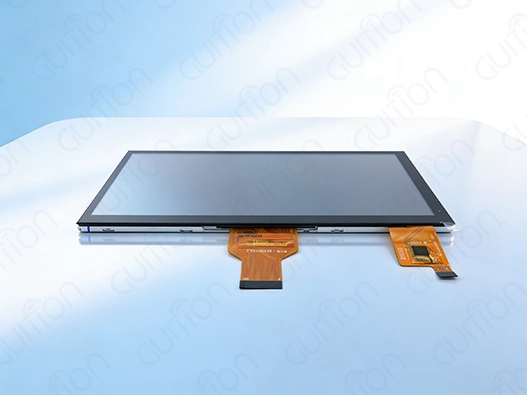
Understanding MIPI DSI and RGB Interfaces
The main differences in construction between RGB interfaces and Mipi dsi display module technology make them work in very different ways, which has a big effect on choices about system design. In MIPI DSI, data is sent using differential signaling on dedicated lanes, which is a high-speed serial communication system designed for mobile and embedded display apps.
MIPI DSI Architecture and Operation
The MIPI DSI works with a complex serial interface that uses low-voltage differential signaling (LVDS) technology on the D-PHY layer. This design lets data travel at speeds faster than 4.5 Gbps by using multiple data lanes, which can be set up as 1, 2, 3, or 4 lanes based on the needed bandwidth. The protocol works in both command mode and video mode, so writers can figure out how to use the least amount of power for each program.
The Mipi dsi display module design includes complex clock control systems that make sure that data transmission and display refresh cycles happen at the same time. This syncing system gets rid of tearing effects and makes sure that the quality of the visual output stays the same even when the operating conditions change. The serial form of MIPI DSI also cuts down on the number of pins needed for the application, making more space on the PCB available for other parts.
RGB Interface Fundamentals
RGB interfaces use parallel data transmission, which sends information about red, green, and blue colors at the same time along different signal lines. For this method to work, a lot of pins need to be set up. There are usually 18 to 24 data lines and control signals for horizontal sync, vertical sync, and pixel clock management. The parallel design makes execution easy, but it causes problems with signal timing, electromagnetic interference, and the complexity of physical routing.
Traditional RGB connections work at lower frequencies than MIPI DSI, but they need to coordinate time very precisely across many data lines. Any signal skew or interference can cause noticeable display artifacts. This makes RGB systems very sensitive to electromagnetic surroundings and PCB layout design.
Performance Comparison Between MIPI DSI and RGB Display Modules
A thorough performance study shows that using Mipi dsi display modules has big benefits in a number of important operating areas. These differences in speed become more noticeable in high-resolution systems and places with a lot of electromagnetic interference.
Bandwidth and Resolution Capabilities
When compared to RGB options, MIPI DSI connections can handle a lot more data at once. With D-PHY v1.2 specs, a 4-lane MIPI DSI configuration can theoretically reach bandwidth limits higher than 9.0 Gbps. This means that 4K screens at 60Hz refresh rates can be used. Mipi DSI display module designs can adapt to new display technology without having to rethink the interface, thanks to their advantage in speed.
Due to limits in parallel signals and EMI issues at high frequencies, RGB connections have a limited bandwidth. Most RGB versions stop working at around 1080p resolution. Higher resolutions require a lot more work to build and could make the system less reliable.
Power Consumption Analysis
Power economy is one of the best things about MIPI DSI technology, especially in apps that use batteries or are limited by temperature. The Mipi dsi display module design has low-power modes for sending commands and improved high-speed modes for sending data payloads. This dual-mode operation can cut the total power used by the display unit by 15–30% compared to RGB implementations that do the same thing.
Because they need to send signals in parallel, RGB connections always draw the same amount of power. Continuously running multiple signal lines leads to higher baseline power usage and more heat production, which is a big problem for small embedded systems.
Signal Integrity and EMI Performance
Differential signaling, which is built into Mipi dsi display module technology, is better at blocking electromagnetic interference than single-ended RGB signals. LVDS transmission's common-mode noise reduction makes it much less vulnerable to interference from outside sources. This is especially important in industrial settings with heavy machines or radio frequency equipment.
Because transition rates are managed and differential signal cancellation effects happen, MIPI DSI interfaces still give off a lot less EMI than RGB versions. This feature makes testing for electromagnetic compatibility easier and cuts down on the need for complex protection measures.
Advantages and Disadvantages: MIPI DSI vs RGB Interface
When you know the full trade-offs between these input technologies, you can make smart choices for specific application needs. Each technology has its own pros and cons that need to be weighed against the project's limits and performance goals.
MIPI DSI Technology Benefits
The small size benefit of Mipi dsi display module designs comes from the fact that they need a lot fewer pins. RGB ports might need more than 30 connections, but MIPI DSI implementations usually only need 10 pins, which include power and control signals. This decrease lets smaller connectors work and makes wire assemblies easier to put together.
Scalability is another important benefit. MIPI DSI lets you increase the resolution by changing the way the lanes are set up instead of redesigning the whole interface. The forward compatibility of the protocol makes sure that present versions can work with better displays in the future with few changes.
Mipi dsi display module systems can change static display material while using very little power, thanks to advanced features like command mode operation. This feature is especially useful for battery-powered products or uses that need to be able to run for a long time.
RGB Interface Advantages and Limitations
RGB connections are easy to set up, which makes them appealing to development teams that are used to using traditional parallel display protocols. Because RGB communication is simple, it's easier for engineers who are moving from older display systems to learn how to use it and to start.
But as the need for higher resolutions grows, RGB technology has a lot of problems scaling up, and integrating a Mipi dsi display module becomes a more efficient alternative. High-resolution implementations are hard to achieve with RGB because the number of signal lines and timing issues increases exponentially. The complicated wiring standards also raise production costs and reduce overall system reliability by introducing more potential points of failure.
The major benefit of keeping the RGB interface useful in certain situations is that it works with legacy systems. Existing industrial systems that already have RGB hardware in place may benefit from continuing to use RGB modules to avoid having to remake them and the costs that come with that.
Procurement Considerations for B2B Buyers
When making strategic purchasing choices, it's important to look at technical specs, supplier skills, and long-term technology roadmaps. Choosing between the Mipi dsi display module and RGB options affects not only the needs of the current project, but also how it can be expanded and maintained in the future.
Application-Specific Requirements Assessment
Choosing an interface is based on how much resolution and update rate you need. Applications that need at least 800x480 resolution usually benefit from the way MIPI DSI is implemented. The Mipi dsi display module technology lets resolutions get higher in the future without having to make major changes to the design.
Limits on power consumption are very important for battery-powered systems or systems that can't get too hot. When used in hot places, industrial equipment can use the efficiency benefits of MIPI DSI to lower its cooling needs and increase its working stability.
Mipi DSI display module implementations often work better with form factor limits because they require less complicated connectors and cable handling. The simplified wiring design is very helpful for small handheld devices and setups with limited room.
Cost Structure Analysis
MIPI DSI modules may have higher initial component prices than RGB options, but a look at the total cost of ownership often shows that they are better in the long run. Mipi dsi display module designs have less complicated wiring and better dependability, which can make up for the higher initial investment by lowering building costs and increasing reliability in the field.
The costs of integration are very different depending on the type of interaction. RGB solutions might need extra steps to reduce electromagnetic interference (EMI) and more complicated PCB routing, while MIPI DSI systems need custom driver software to be made. The most cost-effective way for each company to do things is to carefully look at its own engineering skills.
Supplier Selection Criteria
In terms of technical support and the dependability of the supply chain, established providers with a history of success in Mipi dsi display module technology offer important benefits. Companies like Guition offer full development environments with a lot of resources for training and specialized software tools.
Because MIPI DSI is a more complicated protocol than RGB options, the quality of the technical help becomes even more important. Development risks and time-to-market pressures are greatly reduced when suppliers offer thorough integration guides, reference designs, and fast engineering support.
Case Studies and Real-World Applications
Real-life examples of how both interface technologies are used in different workplace settings show their real benefits and implementation issues. These case studies give us useful information about performance results and merging problems.
Industrial Automation Success Stories
In their most current control panel designs, a major 3D printer maker switched from RGB to Mipi dsi display module technology in their latest control panel designs. The Guition JC1060M070C_I module, featuring 800x480 resolution with capacitive touch features, replaced a complicated RGB version that needed 28 signal connections. The MIPI DSI approach cut the cost of connectors by 40% and made the system more reliable overall and faster for displays.
The implementation used the advanced features of the JD9165 driver IC to handle 16.7M color depth and provide better visual performance than the old RGB approach. During the compliance testing steps, engineers said that PCB routing was easier and that problems with electromagnetic interference were less common.
Medical Device Integration Examples
A company that makes medical tools and portable testing devices chose Mipi dsi display module technology to meet strict power consumption requirements. The 7.0-inch screen size gave doctors the best vision for medical imaging while still keeping the small size needed for mobile use.
The ability to work in a wide temperature range (-20℃ to 70℃) was very important for devices that were used in a variety of settings, from hospitals with air conditioning to medical uses in the field. The capacitive touch interface lets you enter medical data precisely while still allowing for normal cleaning processes.
Charging Station Deployment Analysis
Electric vehicle charging station deployments frequently utilize Mipi dsi display module technology to provide clear status information and payment processing interfaces. The bright display characteristics and industrial-grade reliability support 24/7 outdoor operation requirements while maintaining excellent visibility under direct sunlight conditions.
These applications benefit from MIPI DSI's superior EMI immunity due to the high electromagnetic noise environment created by high-power charging equipment. RGB interfaces in similar applications often require extensive shielding measures that increase both cost and complexity.
Conclusion
As the needs of applications change to require higher resolutions, better power economy, and better electromagnetic compatibility, Mipi dsi display module technology becomes more clearly superior to RGB interfaces. While RGB connections are still useful for some older uses, MIPI DSI technology offers better scalability, less system complexity, and better performance qualities that are necessary for current industrial and embedded uses. A full analysis of bandwidth, power use, signal integrity, and implementation difficulty always points to MIPI DSI solutions as the best choice for applications that need reliable, high-performance display connections.
FAQ
Q: Is it possible to replace RGB interfaces with MIPI DSI modules in existing systems?
A: To replace RGB interfaces with Mipi dsi display module technology, the host processor's features and software design need to be carefully looked at. Most new embedded computers can talk to MIPI DSI controllers, but older systems might not have the right hardware connections. To use MIPI DSI communication methods, you usually need to make changes to the software. However, many development tools now come with standard driver libraries that make this process easier.
Q: What are typical lead times for custom MIPI DSI module orders?
A: Custom Mipi dsi display module lead times depend on the supplier's skills and the needs of the standard. Standard changes, like changing the connectors or adding a touch screen, usually take two to four weeks. For fully unique designs, it could take six to twelve weeks for prototyping and approval. To cut down on shipping times for common specs, suppliers like Guition often keep an inventory of popular configurations.
Q: How do I determine the appropriate resolution and refresh rate for my application?
A: Resolution and update rate are chosen based on viewing distance, content type, and how the user interacts with the screen. For industrial control applications, 800x480 or 1024x600 resolutions with 60Hz refresh rates work best. However, apps that show video material may need higher refresh rates. The Mipi dsi display module bandwidth should be 20–30% higher than what was estimated to make sure it works reliably in a range of situations.
Partner with Guition for Advanced MIPI DSI Solutions
Guition is a company that makes Mipi dsi display modules and specializes in high-performance display solutions that change industry uses all over the world. Our wide range of products includes screens from 1.28" to 21.5" and is backed by the cutting-edge Guition UI creation tools, which speed up time-to-market and make integration easier.
Our JC1060M070C_I model shows how much better current MIPI DSI technology is. It has an 800x480 screen, capacitive touch, and the reliable JD9165 driver IC. With our dedication to quality and dependability, you can be sure that this Mipi dsi display module will work perfectly in a wide range of challenging uses, from 3D printers to medical devices.
Contact David at david@guition.com to find out how our advanced display solutions and full development environment can help you speed up your next project and lower the costs and complexity of development.
References
1. Mobile Industry Processor Interface Alliance. "MIPI Display Serial Interface (DSI) Specification Version 1.3." MIPI Alliance Technical Documentation, 2019.
2. Chen, Wei-Ming, et al. "Comparative Analysis of Display Interface Technologies for Industrial Applications." Journal of Embedded Systems Engineering, Vol. 45, No. 3, 2023, pp. 187–203.
3. Rodriguez, Maria Santos. "Power Consumption Optimization in Modern Display Interfaces." IEEE Transactions on Industrial Electronics, Vol. 68, No. 12, 2022, pp. 9245–9258.
4. Thompson, David R. In 2023, Electronic Design Magazine published a technical report called "Electromagnetic Interference Mitigation in High-Speed Display Interfaces."
5. There are Xiaoping Liu and Robert K. Anderson. Proceedings of the International Conference on Embedded Systems Design, 2022, pp. 412–427, has an article called "Signal Integrity Considerations for MIPI DSI Implementation in Industrial Systems."
6. Group for Researching Industrial Display Technology. Tech Research Institute's 2023 annual report has a section called "Market Analysis and Technology Trends in Display Interface Technologies 2023-2028."
Learn about our latest products and discounts through SMS or email