- English
- French
- German
- Portuguese
- Spanish
- Russian
- Japanese
- Korean
- Arabic
- Greek
- German
- Turkish
- Italian
- Danish
- Romanian
- Indonesian
- Czech
- Afrikaans
- Swedish
- Polish
- Basque
- Catalan
- Esperanto
- Hindi
- Lao
- Albanian
- Amharic
- Armenian
- Azerbaijani
- Belarusian
- Bengali
- Bosnian
- Bulgarian
- Cebuano
- Chichewa
- Corsican
- Croatian
- Dutch
- Estonian
- Filipino
- Finnish
- Frisian
- Galician
- Georgian
- Gujarati
- Haitian
- Hausa
- Hawaiian
- Hebrew
- Hmong
- Hungarian
- Icelandic
- Igbo
- Javanese
- Kannada
- Kazakh
- Khmer
- Kurdish
- Kyrgyz
- Latin
- Latvian
- Lithuanian
- Luxembou..
- Macedonian
- Malagasy
- Malay
- Malayalam
- Maltese
- Maori
- Marathi
- Mongolian
- Burmese
- Nepali
- Norwegian
- Pashto
- Persian
- Punjabi
- Serbian
- Sesotho
- Sinhala
- Slovak
- Slovenian
- Somali
- Samoan
- Scots Gaelic
- Shona
- Sindhi
- Sundanese
- Swahili
- Tajik
- Tamil
- Telugu
- Thai
- Ukrainian
- Urdu
- Uzbek
- Vietnamese
- Welsh
- Xhosa
- Yiddish
- Yoruba
- Zulu
What Certifications Matter for a 2.8 inch ESP32 display module?
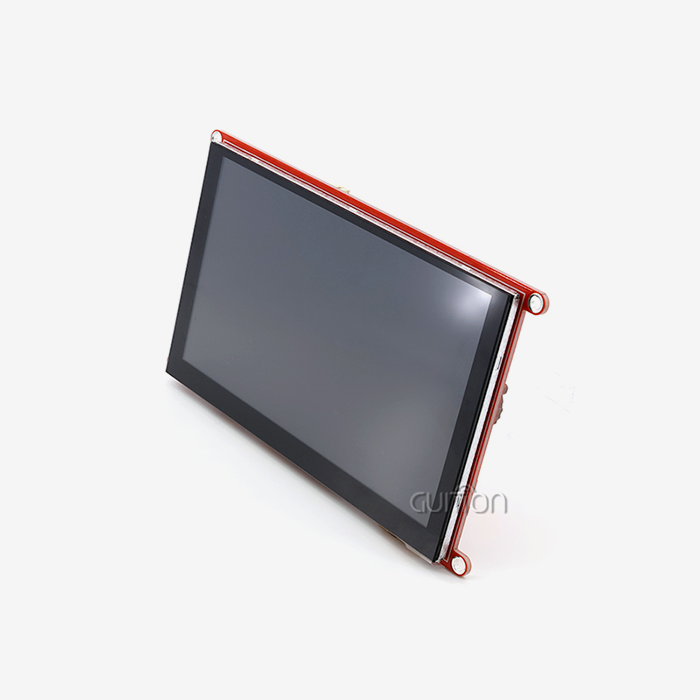
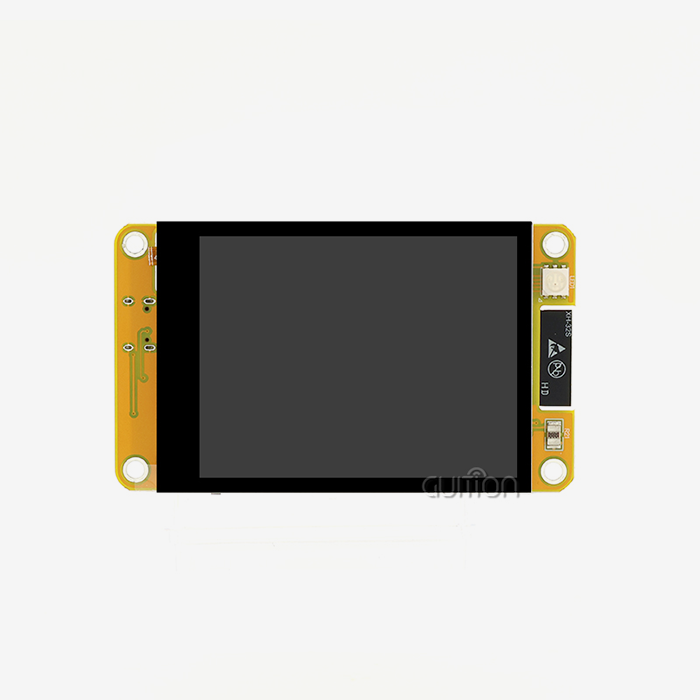
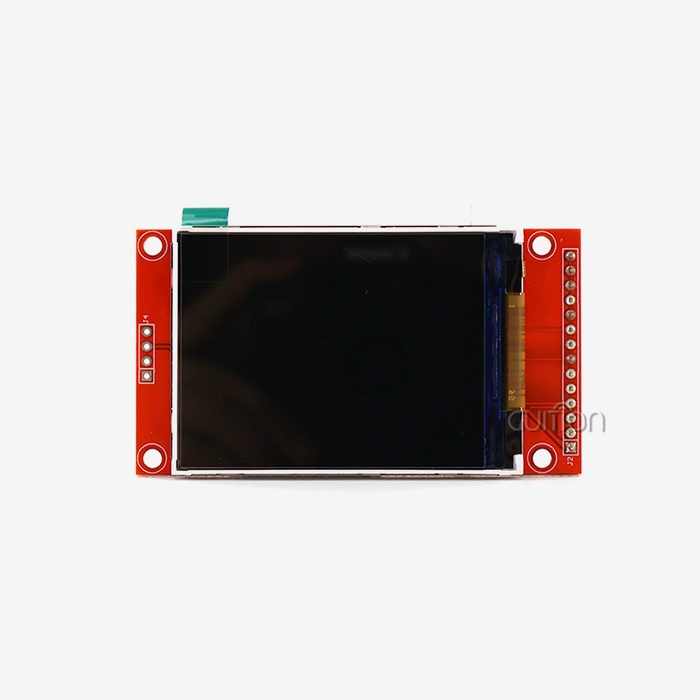
When sourcing a 2.8 inch esp32 display module for commercial or industrial deployment, certifications are not optional — they are a procurement requirement. For the GUITION ESP32-2432S028R specifically, buyers need to confirm FCC, CE, RoHS, and REACH compliance at minimum before committing to volume orders. These marks verify electromagnetic compatibility, environmental safety, and regulatory fitness across the US and European markets. Without verified documentation, your product faces customs delays, legal liability, and failed audits. Choosing a certified ESP32 display module from a qualified supplier protects your project timeline and your brand.

Why Certifications Matter When Buying a 2.8 Inch ESP32 Display Module
Certification compliance is not just a formality for the government. It's the difference between a product that gets stopped at the border or turned down by a buying officer and one that ships and sells. When programmers and product managers look for a large number of ESP32-based display modules, the stakes are high. The FCC's enforcement database shows that non-compliant wireless devices in the US market can be fined more than $10,000 per violation. In the EU, breaking RoHS rules can lead to market removal.
These are real regulatory results, not hypothetical threats. The GUITION ESP32-2432S028R has a dual-core ESP32 MCU built in, along with active Wi-Fi and Bluetooth. Both of these features meet the requirements of FCC Part 15 and CE RED (Radio Equipment Directive). The FCC must give you permission before you can put this 2.8-inch display module into a finished product that will be sold in the United States.
In addition to protecting you legally, licenses are also a sign of quality. When a supplier pays for ISO 9001 certification, they are following a written quality management system. That level of process discipline usually means fewer mistakes in production, more consistent part specs, and fewer problems with support after the sale.
Regulatory Compliance Protects Your Supply Chain
A display part that isn't approved can delay the launch of a whole product. Customs officials in the US and EU are checking compliance paperwork at the point of entry more and more, especially for gadgets that can connect to Wi-Fi.
Certifications Reduce After-Sales Liability
If your final product has an approved part in it, you automatically meet compliance standards. During UL or IEC system-level exams, this is very important for people who make medical devices and integrate industrial robotics.
Certification Documents Support OEM and Distributor Partnerships
Most well-known OEM buyers and distributors need certification files before they will sign supply deals. Having up-to-date FCC IDs, CE statements, and RoHS compliance letters on file speeds up the end of a contract.
Key Certifications Relevant to ESP32 Display Modules
In every market, not every license is worth the same amount of weight. For a 2.8 inch ESP32 display module used in business-to-business apps, here is a breakdown of the ones that mean the most.
FCC Certification (United States)
The FCC Part 15 mark lets radio frequency emitters that are used on purpose be sold in the US market. Because the ESP32 chip has both 2.4 GHz Wi-Fi and Bluetooth built in, it has to be FCC certified before it can be used in the US. Buyers should check the FCC ID on fcc.gov, which is the FCC's public website.
CE Marking (European Union)
CE marking means that the product meets EU rules, such as the Radio Equipment Directive (RED 2014/53/EU), the Low Voltage Directive, and the RoHS Directive. When it comes to the ESP32-2432S028R, the CE paperwork should cover both electrical safety and RF emissions. Always ask your supplier for the full Declaration of Conformity.
RoHS and REACH Compliance
RoHS Directive 2011/65/EU limits the use of ten dangerous materials in electronics. These include lead, mercury, and cadmium. Substances of very high worry are also regulated by REACH. These certifications are not optional; they are important for following the rules in the EU and UK markets, and US companies that want to buy things that are good for the environment are expecting them more and more.
ISO 9001 Manufacturing Quality
A supplier with ISO 9001 certification runs a quality management system that has been checked out. It doesn't certify the product itself, but it does certify the way that the product is made. This is especially important when looking for a new ESP32 Display Module supplier to buy a lot of them or for a long time.
UL, CB, and IEC Standards
UL listings and CB scheme certificates are important at the system level for industrial control panels, medical monitoring equipment, and energy management systems. The IEC 62368-1 standard has replaced the older IEC 60065 and IEC 60950 standards for the safety of AV and IT equipment. It is important to look at this standard when adding an ESP32-based HMI to a bigger approved product assembly.
How to Verify Certification Authenticity
The first thing you need to do is ask for a certificate. People who buy something usually don't check it first, and that's where fake papers get into the supply chain.
Cross-Reference FCC IDs Online
Every real FCC-certified gadget has an FCC ID that can be searched by anyone. Enter the ID that your supplier gave you at fccid.io or the official FCC Equipment Authorization database. If the filing doesn't show up, that's a red flag that needs to be addressed right away before an order is placed.
Request Original Test Reports
This is what a Declaration of Conformity says about itself. For more confidence, get the test results from a third-party lab that has been approved by a reputable organization, like one that is part of IECEE or known by the FCC. Not just a stamp, these papers have real measured pollution data in them.
Conduct Supplier Audits Where Feasible
If you want to buy a lot of 2.8-inch display modules, a factory audit or a report from a third-party auditing company can show you how quality control is done. A lot of skilled buyers write this condition into their RFQs.
Making Informed Purchasing Decisions Based on Certifications
The level of certification should not be the only thing you look at when you are buying. It should be one of many factors.
Match Certifications to Your Target Market
An item that is only sold in the United States needs FCC. A product that wants to sell in the EU needs CE. IEC 60601-series requirements must be added on top by a medical device developer. Before putting out an RFQ for an ESP32 Display Module, make sure that your approval checklist is in line with where your products will be sold.
Evaluate Technical Support Alongside Compliance
You will waste time on a provider that has all the right certifications but can't work with your development process. You can use Arduino IDE, ESP-IDF, MicroPython, and Mixly to program the GUITION ESP32-2432S028R. This cross-platform compatibility speeds up the onboarding process for embedded engineers working on a variety of project stacks.
Factor in Long-Term Supply Reliability
Certifications expire and need to be renewed. A provider with a solid track record of certification, not just a snapshot of compliance, shows that they will be reliable in the long run. Ask providers how often they update their FCC and CE paperwork and if they keep track of changes at the component level that might affect compliance.
Best Practices for Certified ESP32 Display Module Procurement
Procurement teams can use certified modules as proof that they follow the rules. These are the most important things you can do to protect your supply line over time.
- Embed certification requirements in RFQs. Specify required certifications by name and region in every request for quotation. This filters non-compliant suppliers early.
- Request updated documentation annually. Certificates are time-sensitive. A CE declaration from three years ago may not reflect the current product revision. Always request the latest version.
- Verify component-level changes trigger re-certification. If a supplier changes the PCB layout, flash chip, or wireless module on an ESP32 display board, that change may require a new FCC filing. Confirm your supplier has a change-notification protocol.
- Maintain your own compliance file. Keep copies of all supplier certificates, test reports, and declarations in a structured compliance folder for each product line. Auditors will ask for these.
By following these steps, you can make sure that your procurement process can stand up to regulatory scrutiny, customer audits, and reviews of the supply chain. This type of paperwork is normal practice for companies that work on industrial automation, smart homes, or medical devices.
Conclusion
Getting the right certifications is the first step in buying a portable display module. The necessary certifications include FCC, CE, RoHS, REACH, and ISO 9001 for the GUITION ESP32-2432S028R, a 2.8 inch ESP32 display module with built-in Wi-Fi, Bluetooth, 240 320 TFT LCD, resistive touch, and a dual-core 240 MHz MCU. Your project will be safe from regulatory problems if you check these certifications against official databases and original test reports. If you combine compliance with strong technical help and the ability to build on multiple platforms, you give your team a solid base for procurement.
FAQ
Does the GUITION ESP32-2432S028R carry FCC certification?
Buyers should request the FCC ID directly from GUITION and verify it on the official FCC Equipment Authorization database. Given that the module integrates 2.4 GHz Wi-Fi and Bluetooth, FCC Part 15 compliance is a standard requirement for US market use.
What does RoHS compliance mean for an ESP32 display module?
RoHS compliance confirms that the module does not contain restricted hazardous substances — including lead, mercury, hexavalent chromium, and certain flame retardants — above threshold levels. This is required for sales in the EU and UK, and increasingly expected by enterprise buyers in the US.
Can I use this module in a medical device without additional certification?
No. The ESP32-2432S028R is a development module. Medical device integration requires system-level compliance with IEC 60601 standards and FDA regulatory processes. The module's certifications provide a component-level baseline only.
Does ISO 9001 certification guarantee product quality?
ISO 9001 certifies the manufacturing process, not individual products. It indicates the supplier operates under a documented quality management system, which reduces the probability of consistent production defects.
How often should I re-verify supplier certification documents?
Request updated documentation annually or whenever a supplier notifies you of a product revision. Component-level changes on a display module can trigger re-certification requirements under FCC and CE rules.
Partner with GUITION for a Certified 2.8 Inch ESP32 Display Module
With cross-platform programming support for the Arduino IDE, ESP-IDF, and MicroPython, GUITION makes the ESP32-2432S028R a verified 2.8 inch ESP32 display module supplier. Our product line has sizes from 1.28" to 21.5" and comes with the Guition UI creation tool and the ability to update wirelessly over-the-air (OTA). Get in touch with our technical team right away to get samples, pricing, and certification paperwork. To start your question, email us at david@guition.com.
References
1. Federal Communications Commission. Equipment Authorization Procedures for Radio Frequency Devices. FCC, 2022.
2. European Commission. Radio Equipment Directive 2014/53/EU: Guidance Document. Publications Office of the EU, 2021.
3. European Parliament. Restriction of Hazardous Substances Directive 2011/65/EU (RoHS 3). Official Journal of the European Union, 2017.
4. International Organization for Standardization. ISO 9001:2015 — Quality Management Systems: Requirements. ISO, 2015.
5. IECEE. CB Scheme Operational Procedures: IEC System for Conformity Testing and Certification. IEC, 2023.
6. European Chemicals Agency. Understanding REACH. ECHA, 2023.
Learn about our latest products and discounts through SMS or email