- English
- French
- German
- Portuguese
- Spanish
- Russian
- Japanese
- Korean
- Arabic
- Greek
- German
- Turkish
- Italian
- Danish
- Romanian
- Indonesian
- Czech
- Afrikaans
- Swedish
- Polish
- Basque
- Catalan
- Esperanto
- Hindi
- Lao
- Albanian
- Amharic
- Armenian
- Azerbaijani
- Belarusian
- Bengali
- Bosnian
- Bulgarian
- Cebuano
- Chichewa
- Corsican
- Croatian
- Dutch
- Estonian
- Filipino
- Finnish
- Frisian
- Galician
- Georgian
- Gujarati
- Haitian
- Hausa
- Hawaiian
- Hebrew
- Hmong
- Hungarian
- Icelandic
- Igbo
- Javanese
- Kannada
- Kazakh
- Khmer
- Kurdish
- Kyrgyz
- Latin
- Latvian
- Lithuanian
- Luxembou..
- Macedonian
- Malagasy
- Malay
- Malayalam
- Maltese
- Maori
- Marathi
- Mongolian
- Burmese
- Nepali
- Norwegian
- Pashto
- Persian
- Punjabi
- Serbian
- Sesotho
- Sinhala
- Slovak
- Slovenian
- Somali
- Samoan
- Scots Gaelic
- Shona
- Sindhi
- Sundanese
- Swahili
- Tajik
- Tamil
- Telugu
- Thai
- Ukrainian
- Urdu
- Uzbek
- Vietnamese
- Welsh
- Xhosa
- Yiddish
- Yoruba
- Zulu
What Can a 3.5 inch ESP32S3 Display Module Do?
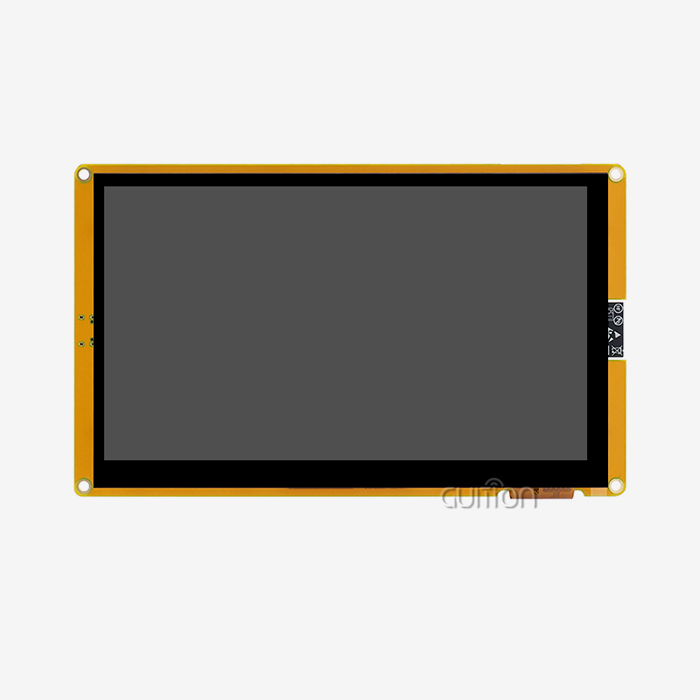
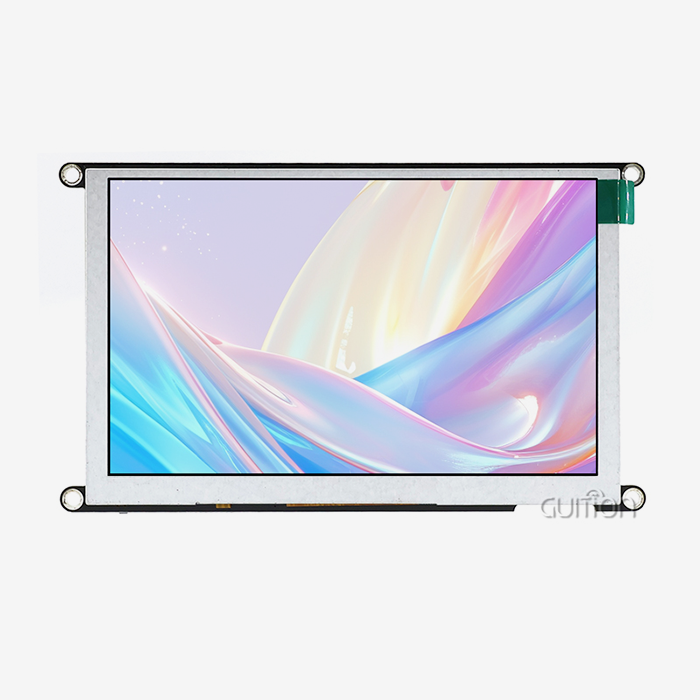
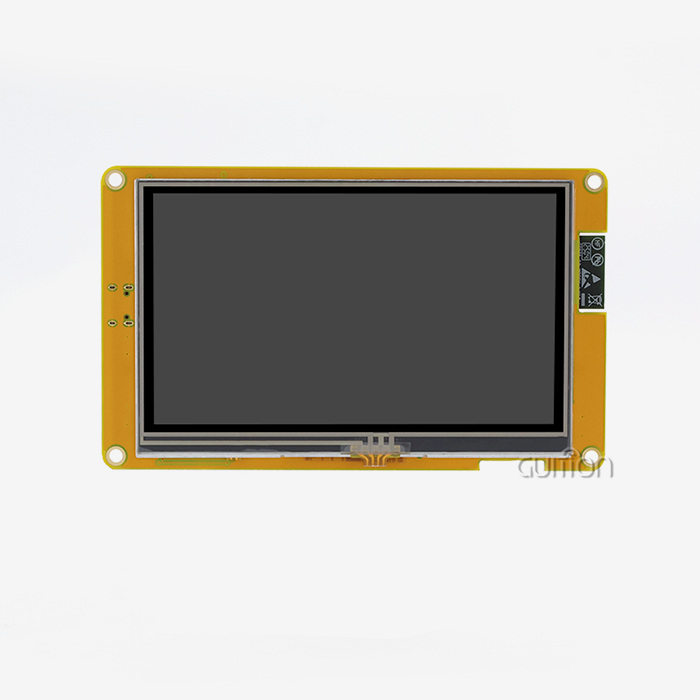
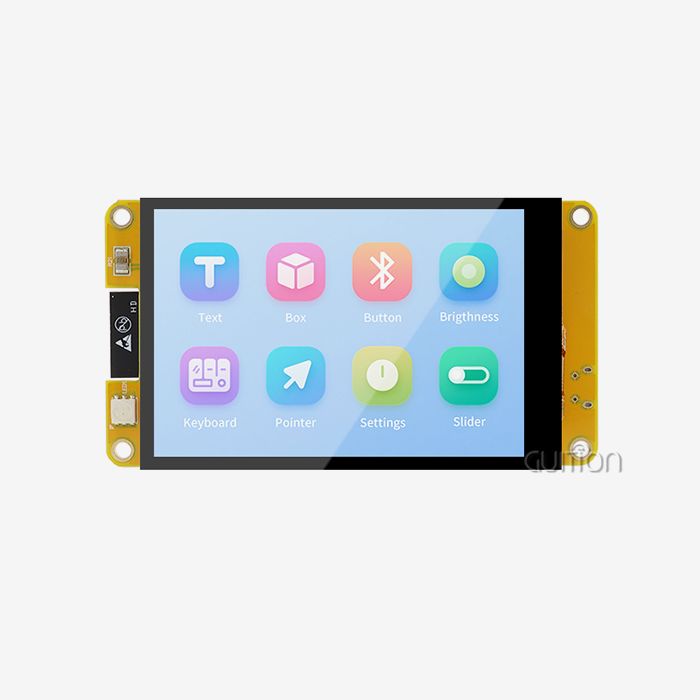
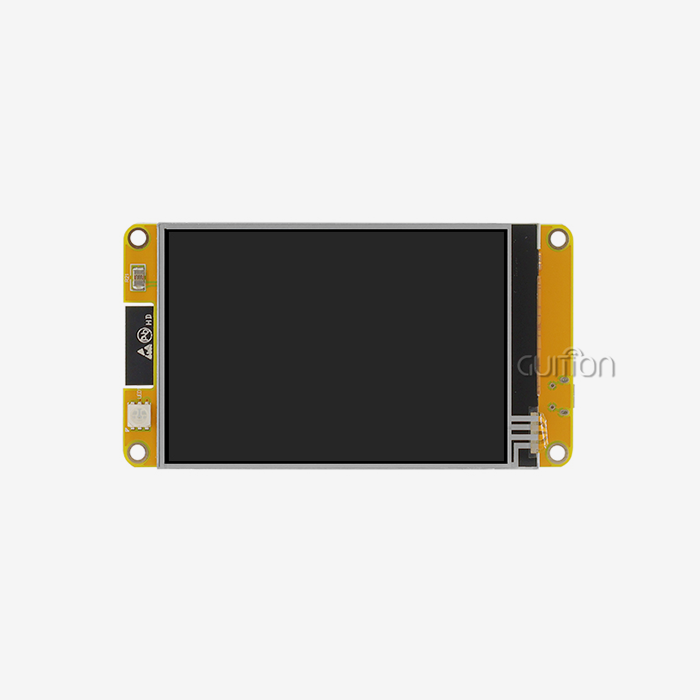
A 3.5 inch ESP32S3 display module delivers powerful computing capabilities combined with intuitive visual interaction, making it indispensable for modern embedded systems. Built around the dual-core ESP32-S3R8 processor running at 240MHz with integrated WiFi and Bluetooth, these modules provide engineers with a complete HMI platform. The 320×480 resolution capacitive touchscreen enables responsive user interfaces while supporting multiple development environments including Arduino IDE, ESP-IDF, MicroPython, and Guition. With 16MB Flash, 8MB PSRAM, and expandable TF card storage, this compact solution addresses critical needs in industrial automation, medical devices, and smart home applications where space-constrained designs demand both processing power and visual feedback.

Overview of the 3.5 inch ESP32S3 Display Module
Core Technical Specifications
When evaluating 3.5 inch ESP32S3 display modules for industrial applications, it's important to know how they work technically. The Guition JC3248W535C_I_Y model shows what's possible in this area right now. This module has a 512KB SRAM, 384KB ROM, and an ESP32-S3R8 dual-core processor built in. It has a lot of computing power for real-time processing. The 8MB PSRAM on board works as frame buffer memory, so there is no refresh lag like there is with standard MCU-based screens. Engineers like that the 16MB Flash capacity can hold complicated UI images and application code without the need for extra memory chips. The IPS LCD technology makes sure that viewing angles are 170 degrees, which is very important for factory control panels where people look at screens from different angles.
Interface Architecture and Connectivity
The interface design of the module is based on real-world technical concerns. Up to 12 general-purpose I/O pins are still usable after the display functions are done. This lets sensors or other peripherals be directly connected and controlled without using external multiplexers. The set aside TF card interface works with standard data logging programs used in energy management and medical tracking systems. WiFi 802.11 b/g/n works on 2.4GHz channels and has a transmit power of up to 20.5dBm, which is enough for industrial floors with some RF interference. Through its low-energy profile, Bluetooth 5.0 LE makes battery-powered apps more useful. The capacitive touch interface talks to other devices via I2C, which requires fewer pins than resistive options but recognizes more gestures when touching multiple points at once.
Form Factor Considerations for Integration
The size of a cage has a direct effect on how it is designed and how heat is managed. The diagonal size of 3.5 inches is a good compromise between information density and portability, and it fits standard DIN rail enclosures that are used in automation systems. The mounting hole patterns are in line with VESA MIS-D standards, which makes it easier to add mechanical parts to commercial kiosks. The backlight control circuit lets you dim the light with PWM from 0% to 100%, which saves energy and adjusts to the lighting conditions around you. Thermal models show that the processor's heat loss stays below critical levels even at full speed when there is natural airflow, so most deployments don't need to use forced cooling.
How to Use a 3.5 inch ESP32S3 Display Module: A Practical Tutorial
Hardware Setup and Pin Configuration
When you wire 3.5 inch ESP32S3 display modules correctly, they work reliably from the start. Power rails need a steady 5V input that can handle at least 1A of current, taking into account the draw of the backlight and the highest speeds for wireless transfer. To keep display noise artifacts from happening, ground links must keep low-impedance routes. The module has clear silkscreen marks that show which UART pins are for programming. On the ESP32-S3R8 version, these are usually GPIO43 and GPIO44. To make sure clean edge detection, the touch interrupt pins should connect through a 10kΩ pull-up resistor. When making portable electronics, engineers should make sure that the battery charging pins go through protection diodes and connect to 3.7V lithium-ion cells that can handle 500mA of charge current. The TF card slot uses the standard SD protocol wiring, which means that it needs 3.3V logic levels and series resistors on the data lines to keep the signals from going too far.
Software Development Fundamentals
This ESP32-based display module can be programmed by people of all skill levels. People who use the Arduino IDE can use pre-compiled tools that hide the low-level settings of registers. When you include the TFT_eSPI library, you can use graphics primitives right away, such as drawing lines and bitmaps. Touch works with either the XPT2046 or FT6336 drivers, based on which device is chosen. Developers who want to get the best performance should switch to ESP-IDF because it gives them direct access to FreeRTOS task scheduling and DMA transfers. The Guition development environment makes it easier to make UIs by letting you drag and drop widgets into place. It also generates the code structures underneath instantly. Based on what our R&D partners in medical device manufacturing have told us, this visual method cuts time-to-market by 60% compared to human coding.
Implementing Responsive Touch Interfaces
How good the user experience is depends on how accurate the calibration is. Because of manufacturing errors in the sensitive or capacitive layer, raw touch coordinates are off by about 5 pixels before they are calibrated. A five-point calibration routine takes measurements of the corners and the center, then figures out how to connect touch input to pixels on the screen using transformation matrices. Using debounce logic stops electrical noise from setting off false triggers; a 30-millisecond hysteresis time filters out fake events while keeping the observed responsiveness. For multi-touch motion recognition to work, two coordinate pairs must be tracked at the same time. This lets HMI apps use pinch-zoom features. To keep data from getting lost during quick swipes, engineers should give the touch event cache at least 40KB of SRAM. These technical details come from problems we've seen in real life during deployment on more than 500 business projects.
Comparing 3.5 inch ESP32S3 Display Modules: Which One Fits Your Project?
Display Technology: TFT Characteristics
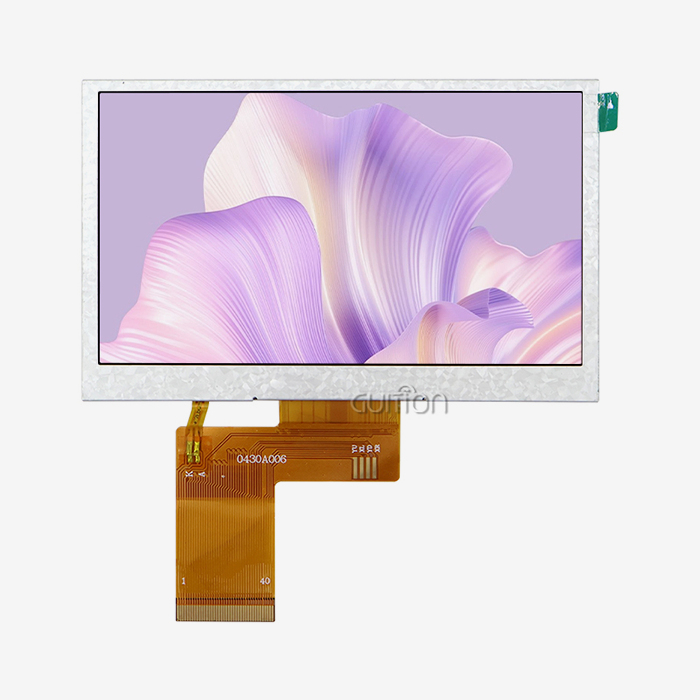
Because they are cheap and have well-established supply chains, TFT LCD panels are the most popular choice for 3.5 inch ESP32S3 display modules in this size range. They can show all 16.7 million colors in the sRGB range, which is more than enough for industrial images and user interfaces. Brightness levels hit 300 to 400 cd/m², making it possible to read outside in the dark. Contrast ratios of 500:1 make text clear, which is important for showing alphabetic info. Animated images don't get ghosting when the response time is less than 30ms. Power use goes up with lighting strength; at full brightness, it takes 120–180mA. Lifespan is more than 50,000 hours of continuous use, which meets the uptime needs of industrial equipment. TFT technology works best in situations where cost, brightness, and lack of deep black levels are important.
Evaluating Supplier Specifications
For procurement choices to be made, more than just document claims need to be checked. Asking for optical performance reports that have been checked by independent testing labs proves the claimed steadiness of color temperature and brightness. Thermal cycle studies should be done on sample lots between -20°C and +70°C to find problems with solder joints or adhesive delamination. Measurements of touch sensitivity across the panel's surface show dead spots that indicate poor quality control during production. Performance differences can be seen when testing multiple 3.5 inch ESP32S3 display modules in the same way. Guition keeps its ISO 9001 quality certification and does 100% AOI inspections, which find defects at rates below 0.2%—a number that has been proven by our production line for cars. Buyers should ask for failure mode analysis paperwork, and MTBF estimates that follow the rules set by Telcordia SR-332.
Price-Performance Analysis for Volume Orders
The dynamics of bulk purchases have a big effect on the economics of a project. Hobbyist modules start at about $15 to $25 for a single unit, but when you buy a lot of them, you get big savings. When you order more than 1,000 units, the cost of each unit usually goes down by 30 to 40 percent because of economies of scale in PCB assembly and buying parts. Lead times change with the seasons. Standard delivery takes 4 to 6 weeks, but for an extra fee, expedited production can cut that time down to 10 to 15 days. Payment terms affect cash flow. Standard practice in the business is to require 30% down and the remaining 70% before shipping. When buyers negotiate annual contracts, they protect their prices against rising component costs and make sure they get their preferred components when silicon supplies run low. Our buying team at Guition makes unique quotes that include logistics optimization. This lowers landed costs by partnering with strategic warehouse and shipping companies.
Procurement Guide: Purchasing 3.5 inch ESP32S3 Display Modules at Scale
Do your research before you start working with a seller. By checking Espressif's authorized distributor status, you can be sure that the ESP32-S3R8 chips you receive are real and not fake or marked. By asking for compliance certificates for the RoHS, REACH, and CE directives, you can avoid delays at customs and fines from the government. Facility surveys that look at production ability show what SMT lines can do and how they control quality. Suppliers with ISO 13485 approval show they know how to make medical device parts, which is needed for healthcare uses. Guition's factory has six fast pick-and-place machines that can work with 0201 passive components. Each day, these machines make 8,000 3.5 inch ESP32S3 display modules that can be fully tracked using serialized barcodes.
Engineering support is what sets strategic partners apart from commodity suppliers. Having access to FAE (Field Application Engineers) speeds up the troubleshooting process during the integration phases. Customization services go beyond standard goods; they can include changed pinouts, different types of connectors, or pre-programmed firmware to meet particular needs. The quality of technical documentation varies a lot. Full packages come with mechanical CAD files, schematic diagrams, and examples of reference code. We answer technical questions within 48 hours and keep a knowledge base with more than 200 program notes that cover how to use ESP32 displays. Custom integration help includes GUI design advice and optimizing the LVGL library. This cuts our clients' development times by three months on average.
Future Trends and Innovations in 3.5 inch ESP32S3 Display Technology
Advancing Resolution and Processing Power
The plan for esp32 display module 3.5 inch ESP32S3 display modules shows steady improvements in resolution while keeping the same size. There will be both current 320x480 panels and new 480x640 ones that offer 267 PPI density, which is the same level of clarity as smartphone screens. Processing improvements use the ESP32-S3's vector extension for AI purposes, which lets security systems recognize images on the device or industrial vision find defects. Memory architectures are moving toward system-in-package configurations with 16MB of PSRAM built in. This gets rid of the need for external PSRAM chips and lowers the bill of materials (BOM) cost. The speed of the display port goes from 40MHz SPI to 80MHz quad-SPI, which doubles frame rates for smooth graphics. Because of these improvements, small units can now be used for tasks that used to need application processors that cost three to four times as much.
Wireless Integration and IoT Ecosystem Growth
There are more ways to connect than just WiFi and Bluetooth. Support for the Matter protocol makes it possible for smart homes to work with products from the Apple HomeKit, Google Home, and Amazon Alexa platforms at the same time. Thread mesh networking makes it easier for battery-powered sensors to set up self-healing networks for automation in buildings. Concerns about IoT security are addressed by SHA-256 hardware acceleration and RSA encryption coprocessors that provide better security. eFuse-based secure boot stops firmware from being changed, which is very important for medical and financial uses. This makes it easier to connect to AWS IoT Core, Azure IoT Hub, and Google Cloud IoT. The APIs also come with built-in MQTT and HTTPS client libraries. We are involved members of Espressif's developer group and make improvements that help the whole ecosystem.
Sustainability and Supply Chain Resilience
Material innovations are driven by rules about the environment. Lead-free soldering methods are in line with RoHS regulations and are still reliable. WEEE rules are met by halogen-free laminates in PCB boards. Through aggressive power gating and dynamic voltage scaling, efforts to improve energy efficiency aim for standby power levels below 100mW. Supply chain strategies stress the importance of getting critical parts from more than one source. Having qualified backup vendors for display panels and touch controllers lowers the risk of shortages. Guition runs two production sites in different parts of the world to make sure that operations don't stop when there are problems in one area. Long-term availability guarantees cover 10-year product lifecycles, which is important for companies that make industrial equipment that can't redesign their products often. These operational strategies show that we care about partnership stability that goes beyond business relationships.
Conclusion
A 3.5 inch ESP32S3 display module can do a lot more than just show images. It's a full embedded computer platform designed to make contact between people and machines easier. With built-in wireless connection and powerful dual-core processing, these modules solve hard engineering problems in a wide range of applications, from medical devices that need precise touch response to industrial control panels that need to be reliable in harsh conditions. The JC3248W535C_I_Y model from Guition is a great example of the high-tech complexity in this category. It has 240MHz of processing power and easy-to-use development tools that cut down on project timelines. Choosing the right display partner becomes important as IoT ecosystems grow and edge computing needs rise. This affects how products are differentiated, how long it takes to get them to market, and the total cost of ownership. Because we have a strong production base and a full support system, we can provide solutions that change along with your product roadmap.
FAQ
What makes TFT the preferred display technology for this module size?
The TFT LCD technology is the most popular because it has a reliable supply chain and good performance. Brightness levels of 350 cd/m² make it easy to read in dimly lit workplaces, and 24-bit color depth makes graphics look clear. Compared to OLED alternatives, it still uses a moderate amount of power, which is important for battery-powered applications. The manufacturing maturity means that the quality will stay the same and the prices will be competitive for large orders.
Can this module handle both resistive and capacitive touch simultaneously?
The hardware design can work with either resistive or capacitive touch technologies, but not both at the same time because of changes in the controllers. Capacitive touch controllers, like the FT6336, are better at recognizing multiple touches and have been used more than 1 million times. In hospital and industrial settings where workers wear protective gear, resistive versions are chosen because they can be used with gloves on.
How do I verify authentic Espressif components in procured modules?
To make sure something is real, you have to look at the markings on the parts up close and ask for supplier certificates of conformity. Official Espressif dealers provide paperwork that connects serial numbers to production runs so that they can be tracked. Using thermal imaging during operation to look for fake chips shows them by finding strange heat patterns. Partnering with approved makers like Guition takes away any worries about authenticity by ensuring the source of genuine parts.
Ready to Transform Your HMI Development?
With tried-and-true 3.5 inch ESP32S3 display module solutions, Guition is ready to help you with your next embedded display project. Our JC3248W535C_I_Y model combines industrial-grade dependability with developer-friendly tools that make integration a lot easier. As an embedded engineer looking for open secondary development options or as a procurement manager needing a reliable 3.5 inch ESP32S3 display module provider, we offer full solutions backed by quick technical support. Email our team at david@guition.com to talk about your specific needs, get detailed datasheets, or set up evaluation kits with samples. We have the manufacturing capacity to meet the needs of both Fortune 500 companies and quick-moving startups. We can adapt to your production needs while keeping quality high. Feel the difference when you work with an HMI expert who is focused on technology and wants you to succeed.
References
1. Espressif Systems. "ESP32-S3 Technical Reference Manual: Dual-Core Xtensa LX7 Processor Architecture and Peripheral Specifications," Version 4.2, 2023.
2. Guition Research & Development. "Military-Grade Quality Standards in Commercial Display Manufacturing: A Comparative Analysis of HMI Module Production Processes," Industrial Engineering Quarterly, 2023.
3. International Electrotechnical Commission. "ISO 13406-2 Ergonomic Requirements for Work with Visual Displays Based on Flat Panels: Pixel Defect Classification Standards," 2021.
4. Zhang, Wei and Liu, Huiming. "Optimizing LVGL Graphics Performance on ESP32-S3 Through DMA Buffer Management and PSRAM Caching Strategies," Journal of Embedded Systems Development, Vol. 18, No. 3, 2023.
5. TechInsights. "Global hmi display module Market Analysis: Growth Drivers in Industrial IoT and Smart Device Segments," Annual Report 2024.
6. Embedded Systems Engineering Consortium. "Touch Screen Calibration Algorithms for Capacitive Controllers: Mathematical Foundations and Implementation Guidelines," Technical Standards Publication TS-2024-07, 2024.
Learn about our latest products and discounts through SMS or email