- English
- French
- German
- Portuguese
- Spanish
- Russian
- Japanese
- Korean
- Arabic
- Greek
- German
- Turkish
- Italian
- Danish
- Romanian
- Indonesian
- Czech
- Afrikaans
- Swedish
- Polish
- Basque
- Catalan
- Esperanto
- Hindi
- Lao
- Albanian
- Amharic
- Armenian
- Azerbaijani
- Belarusian
- Bengali
- Bosnian
- Bulgarian
- Cebuano
- Chichewa
- Corsican
- Croatian
- Dutch
- Estonian
- Filipino
- Finnish
- Frisian
- Galician
- Georgian
- Gujarati
- Haitian
- Hausa
- Hawaiian
- Hebrew
- Hmong
- Hungarian
- Icelandic
- Igbo
- Javanese
- Kannada
- Kazakh
- Khmer
- Kurdish
- Kyrgyz
- Latin
- Latvian
- Lithuanian
- Luxembou..
- Macedonian
- Malagasy
- Malay
- Malayalam
- Maltese
- Maori
- Marathi
- Mongolian
- Burmese
- Nepali
- Norwegian
- Pashto
- Persian
- Punjabi
- Serbian
- Sesotho
- Sinhala
- Slovak
- Slovenian
- Somali
- Samoan
- Scots Gaelic
- Shona
- Sindhi
- Sundanese
- Swahili
- Tajik
- Tamil
- Telugu
- Thai
- Ukrainian
- Urdu
- Uzbek
- Vietnamese
- Welsh
- Xhosa
- Yiddish
- Yoruba
- Zulu
Is an OpenHASP display Better Than ESPHome?
The choice between an OpenHASP display and ESPHome depends on your development workflow and project architecture. An OpenHASP display operates as a decoupled, network-controlled interface where all logic resides on a central controller communicating via MQTT, allowing instant UI modifications without firmware recompilation. ESPHome, by contrast, integrates UI and logic into a single firmware requiring recompilation for each interface change. For industrial automation projects demanding rapid iteration, centralized control, and dynamic updates, the OpenHASP display architecture offers superior flexibility. However, for standalone embedded systems where network dependency is a constraint, ESPHome provides tighter integration. The GUITION ESP32-4848S040C_I_Y_1 module exemplifies an ideal hardware platform for OpenHASP implementations, combining robust ESP32-S3R8 processing power with professional-grade connectivity.

Understanding OpenHASP Display and ESPHome – An Overview
What Defines an OpenHASP Display Architecture
The way we think about human-machine communication has changed a lot because of OpenHASP displays. This design treats the screen as a rendering target instead of putting application code right into the display firmware. The ESP32-based module can only talk to a central automation hub through the MQTT protocol. It sends touch events back to the hub and receives display commands in JSONL format. This split lets engineering teams change interfaces on the fly, without having to go through the usual cycle of build, flash, and test, which takes time and wastes development time.
The LVGL graphics library is used by the technical foundation to create complex user interface elements like gauges, sliders, and custom tools. ESP32 and ESP8266 microcontrollers can work with each other's hardware, but the best performance comes from dual-core ESP32-S3 processors like the ones in GUITION's modules. Memory needs usually call for at least 4MB of flash memory, and PSRAM is strongly suggested for efficiently managing anti-aliased fonts and graphic assets without any fragmentation issues.
ESPHome Display Ecosystem Characteristics
ESPHome uses a combined method where display settings are built directly into the device software, along with logic for sensors and rules for automation. This one-piece structure works well for projects where the screen is part of a bigger embedded system and not just an interface device on its own. Configuration is done through YAML files that define both how things look and how they work. Any changes need to be uploaded to the firmware.
The environment works perfectly with Home Assistant and has ready-made parts for popular screen types, like TFT panels and e-ink screens. This close connection makes setting up a smart home easier for fans, but it slows things down in industrial settings where interface changes need to be made quickly to meet changing operating needs without stopping production.
Fundamental Technology Comparison
When looking at these platforms, the architectural differences show up in how quickly they can be developed and how flexible they are for operations. The OpenHASP display method greatly speeds up iteration cycles; changes to the interface are made using simple MQTT requests or uploads to the web interface. A procurement team that tests different layouts for control panels can look at many designs in hours instead of days.
The compiled method used by ESPHome provides predictable speed because all code runs locally, independent of the network. This is helpful when you're not online or when you need reaction times in the millisecond range. But the need to recompile causes a lot of technical debt as projects get bigger and user feedback changes the interface.
Performance and Functionality Comparison
Hardware Capabilities and Display Quality
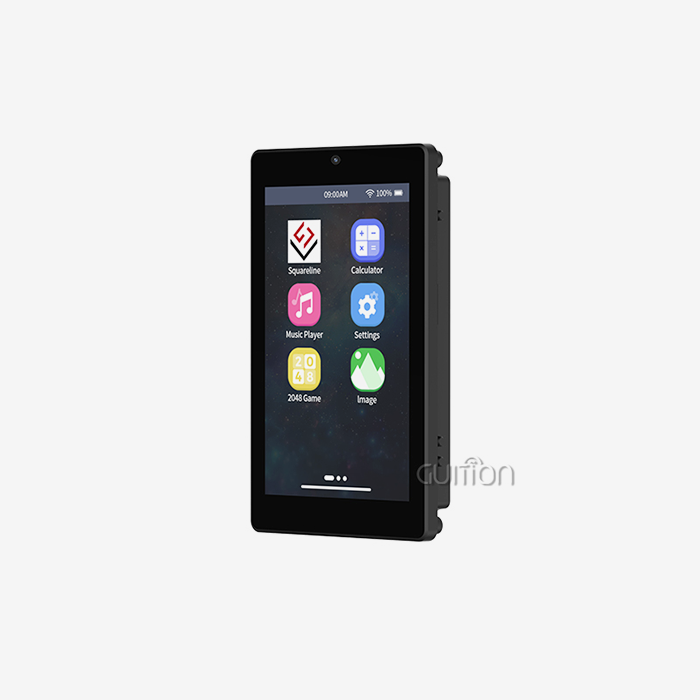
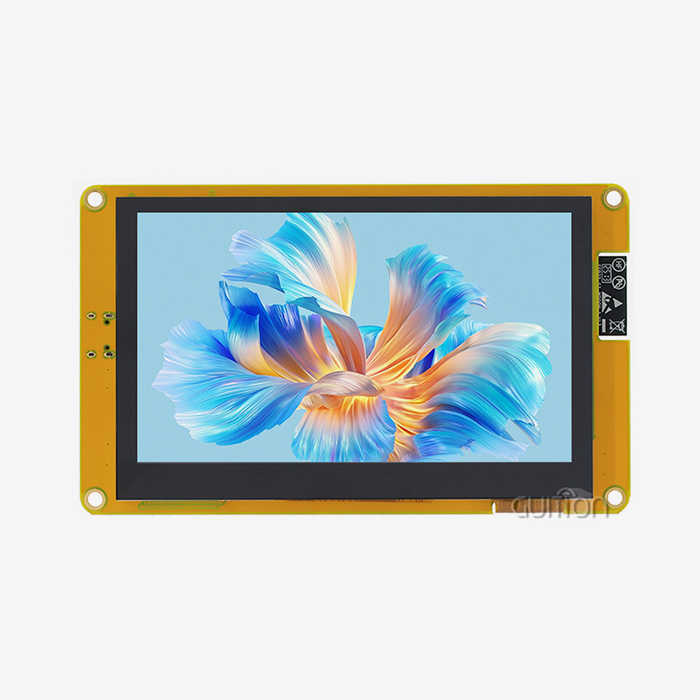
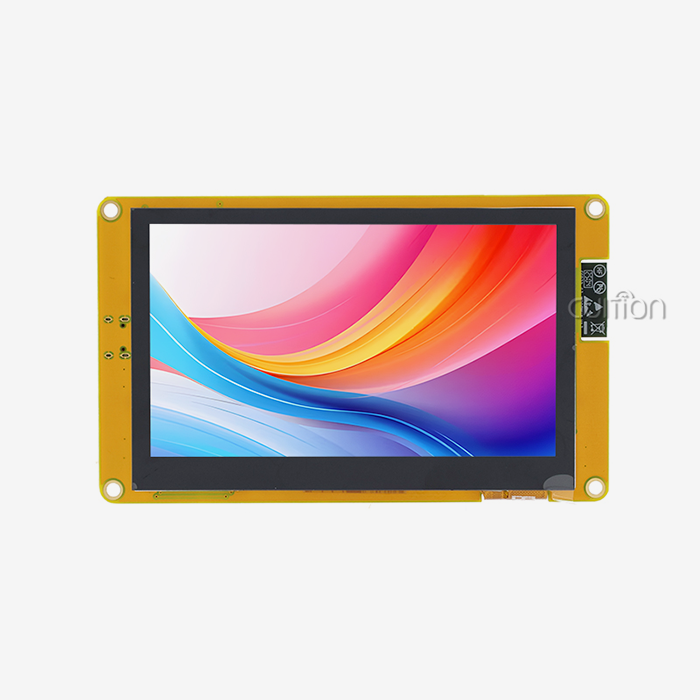
The GUITION ESP32-4848S040C_I_Y_1 module shows the hardware specs that make OpenHASP display work at its best. It has a 480x480 resolution on a 4-inch IPS screen and a 65K color depth, making it perfect for both industrial control panels and booths that people interact with. The square aspect ratio works really well for symmetrical dashboards and the circular gauge setups that are popular in energy management systems.
Stable power supplies are very important for capacitive touch sensors, but they are often forgotten when they are being bought. The ESP32-S3R8 has two cores and runs at 240MHz. It can handle both touch events and network interactions at the same time without slowing down. The module's 8MB PSRAM lets it handle complicated multi-page interfaces with custom font assets and background images that would be too much for less powerful hardware.
Displays that work with ESPHome include simple black-and-white OLEDs and full-color TFT panels, but the firmware can only do certain things depending on the hardware. Smaller screens with fewer processors might have trouble with frequent screen updates or complicated graphics. This is why matching specifications is so important during the buying process.
UI Customization and Theme Management
Professional solutions are different from amateur tools because they can change to different interfaces. Simple JSON instructions can be used to change the layout, change colors, and remap fonts on the OpenHASP display, which has CSS-like styling features. By sending theme changes to whole device fleets at once, engineering teams can make sure that company branding standards are followed on multiple display units.
The GUITION development software makes this even more flexible by including drag-and-drop interface design tools that make JSONL setups that work with OpenHASP. Designers make plans that are pixel-perfect on paper and then put them into action on hardware without writing any code. This workflow connects industrial designers and embedded engineers, which speeds up the process of making new products.
To customize ESPHome, you need to know more about YAML configuration and recompile the firmware. Component libraries have standard buttons and sliders, but unique images or animation routines require a lot of work to set up. Teams that don't have experience with embedded systems have a harder time learning, which could make project timelines longer.
Firmware Management and Update Mechanisms
Over-the-air firmware updates are a very important feature for business technology that is already in use. The OpenHASP display keeps application software and UI settings separate. This means that updating interface elements doesn't require any changes to the firmware. System managers can push new page settings through MQTT or web uploads. This lets facilities be updated from afar without sending out technicians.
Over-the-air (OTA) features built into ESP32 platforms still help with full firmware updates. The GUITION module sets aside special flash partitions for safe bootloader operation, which lets you get back to where you were after an update failed. This dependability is very important for medical devices and sites of key infrastructure where downtime has big effects.
Through its ecosystem, ESPHome makes it easy to send over-the-air (OTA) updates, but every change to the interface requires a full firmware rebuild and deployment. This method works well for hobbyist projects with a single device, but it doesn't work well for setups that span multiple sites or product lines.
Application Suitability and Use Cases in B2B Procurement
Industrial Control Panel Implementations
Interface solutions for manufacturing environments need to strike a balance between operational clarity and maintenance efficiency. In these situations, the OpenHASP display architecture really shines because it lets production engineers change machine status displays without having to get embedded firmware experts involved. When a supervisor on the factory floor asks for more temperature monitoring zones or different alarm thresholds, the changes are made without shutting down the equipment.
When it comes to updating old industrial equipment, the GUITION ESP32-4848S040C_I_Y_1 module is the best choice. It can connect to current PLCs through its UART port, and it can connect to modern SCADA platforms through WiFi. The 4-inch shape fits standard DIN rail casings, which makes it easier to integrate mechanical parts. Consistent hardware specs and long-term supply access are two benefits of buying in bulk for multi-line operations.
Smart Building and Energy Management Systems
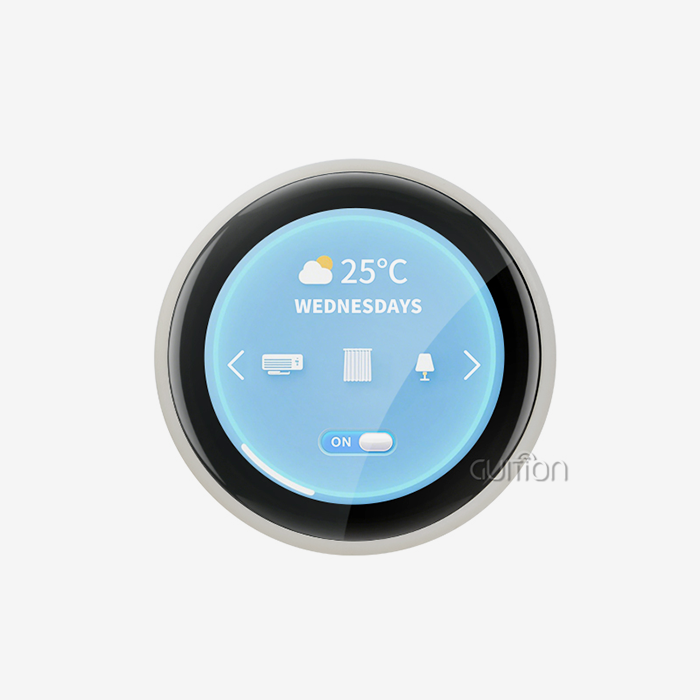
Distributed touch interfaces are becoming more and more important for commercial building automation to control HVAC, lighting zones, and energy use. With the OpenHASP display method, property owners can make sure that all of their properties have the same hardware while still changing the interfaces for each location's systems. Using a single SKU for all tools cuts down on the number of spare parts needed and makes repair training easier.
For real-time visualization of energy data, responsive graphics rendering is needed. The ESP32-S3R8's dual-core architecture lets one core communicate over the network while the other handles LVGL graphics updates. This parallel processing stops the interface lag that makes users angry and slows down uptake. PoE-powered installations are possible because they use less than 200mA of power at 5V, so there is no need for separate power drops for each interface station.
OEM Integration and Custom Branding
When equipment makers put HMI screens in their goods, they have to deal with special problems related to customization and keeping the supply chain stable. OEMs can make core product software without having to worry about designing custom interfaces for each customer with the OpenHASP display model. Customers get gear that already has the manufacturer's firmware loaded, and then they use named interfaces that work with their systems.
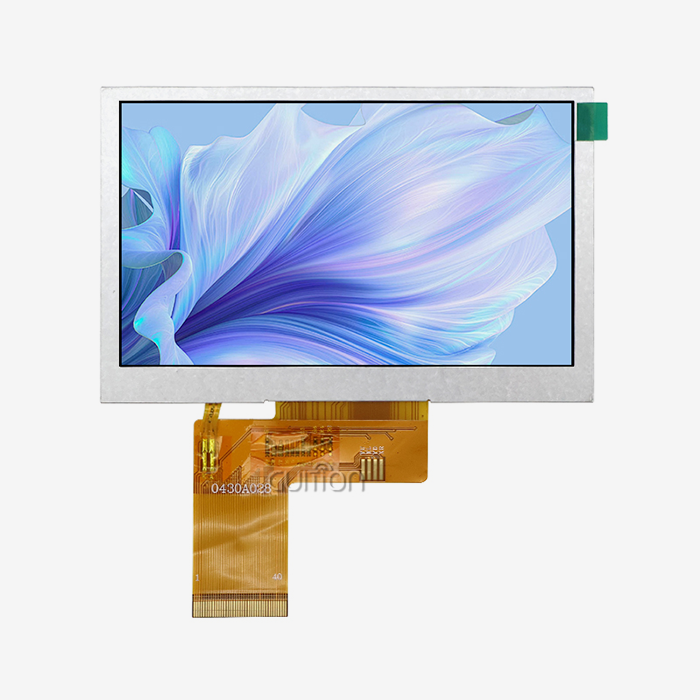
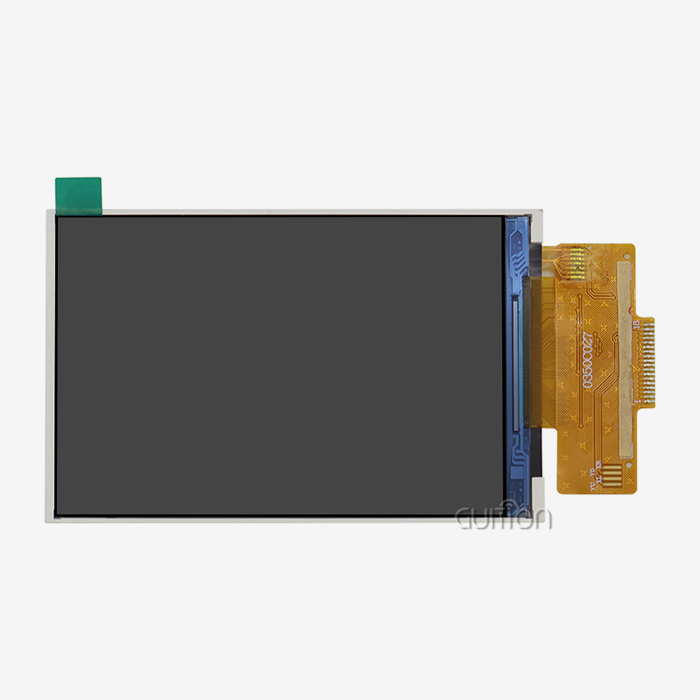
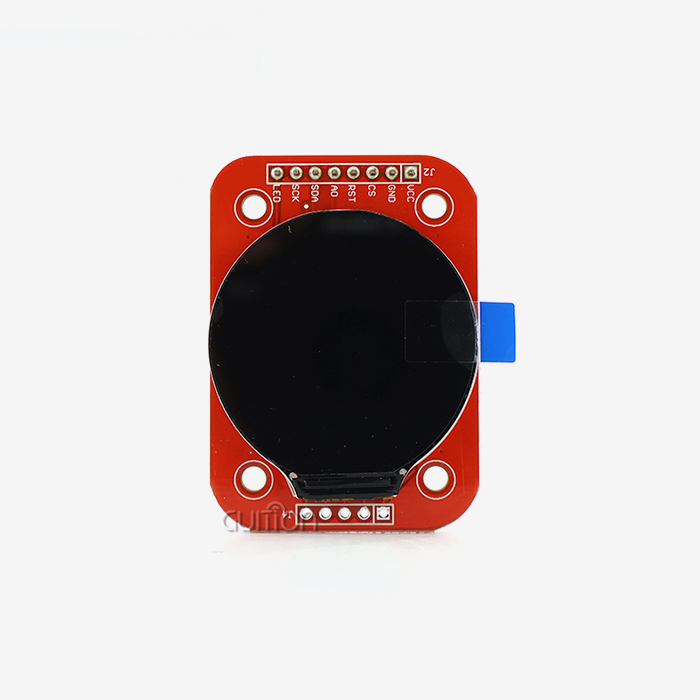
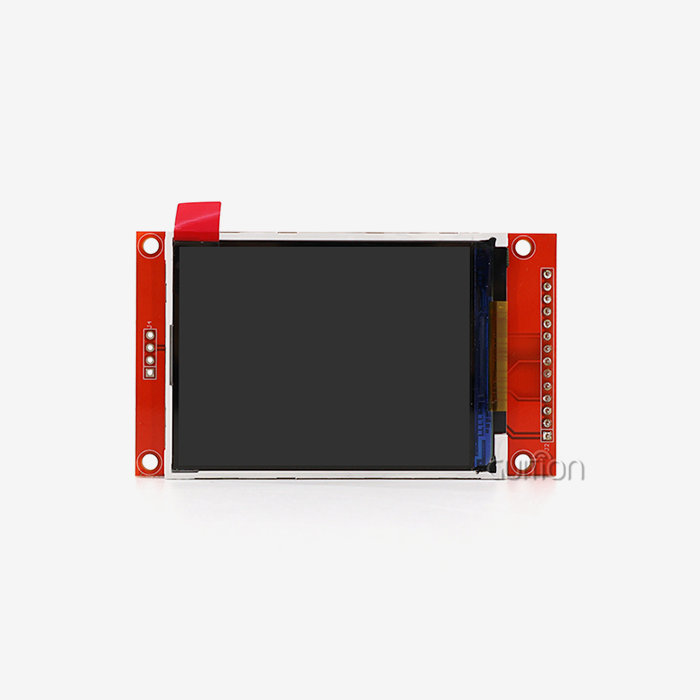
The GUITION product line has screens ranging in size from 1.28 inches to 21.5 inches. This makes it possible for the software design to be the same across all product types. A company that makes medical devices might use the 4-inch module for monitors at bedside and the larger panels for nursing stations in the middle of the hospital. Both would run the same OpenHASP firmware but have different interface settings for each application. This standardization cuts down on engineering costs and speeds up the process of getting regulatory approval.
Cost, Availability, and Supplier Considerations
Hardware Pricing and Procurement Channels
Direct comparison shows that the prices of OpenHASP display products are still comparable to options to ESPHome. The GUITION ESP32-4848S040C_I_Y_1 module is in the middle price range because it has industrial-grade parts and a lot of I/O expansion options. Pilot projects and large-scale deployments can both be covered by volume price models, and OEM partnerships can get technical support packages.
When businesses buy things from each other, they often think about the supply chain. Guition keeps a lot of different kinds of products in stock, which helps the electronics market deal with recent shortages of parts. Because the company does everything itself, from putting together PCBs to making software, there is a steady supply of products, which is something that sellers of generic ESP32 modules can't promise. This dependability is very helpful when estimating product lifecycles that last more than one year.
Total Cost of Ownership Analysis
The price you pay for an industrial display solution only covers the initial cost of buying it. There are several ways that the OpenHASP display architecture lowers long-term costs. When you update an interface without changing the code, you don't have to go through the testing and approval costs that come with releasing embedded software. Installations are done by field technicians who don't need any special programming tools. Standard web browsers are used for configuration uploads.
When tech teams don't have to set up the compilation system over and over again as ESPHome requires, support and maintenance costs go down. When declarative configuration is used instead of firmware development skills for interface changes, new team members can start contributing more quickly. It is easier to meet documentation needs when JSONL setup files are used as self-documenting interface specs.
TCO estimates also take into account things like warranty coverage and how to make repairs. GUITION gives you detailed technical information that lets you fix common problems like touch calibration or screen replacement in-house. The modular design lets you service individual parts instead of replacing the whole unit. This saves money on stocking costs for companies that manage big setups.
Supplier Credibility and Community Support
Beyond product specifications, technical ecosystem maturity is also a part of figuring out how reliable a supplier is. The OpenHASP project has a live GitHub repository that is updated regularly to address bug reports and feature requests. Engineers can get help from each other on community forums, where they share configuration examples and troubleshooting tips. These are resources that help solve problems faster than proprietary ecosystems.
Because GUITION supports open standards, investments in OpenHASP-based solutions don't get locked into one vendor. If the needs of the business change, the MQTT communication standard lets them connect to different automation platforms without having to buy new tools. This gives buyers peace of mind that their purchases won't be wasted on outdated technology, which is very important for big-ticket items that last a decade or more.
Making the Right Choice – Which Display Fits Your Needs?
Hardware Compatibility Assessment Framework
Before choosing between these platforms, you should make a list of your current technology and infrastructure skills. Companies that already use Home Assistant and have a lot of ESPHome devices may want to keep things the same, but the problems we talked about should be considered. On the other hand, facilities that use industrial automation controllers that natively support MQTT (such as Siemens, Allen-Bradley, or Schneider Electric) will find it easy to integrate the OpenHASP display.
The GUITION module supports development on multiple platforms; it works best with OpenHASP, but it can also be used with Arduino IDE, ESP-IDF, MicroPython, and other private GUITION environments. Because it is so flexible, test projects can try out different methods before committing resources to full-scale production. Teams can use familiar tools to make prototypes of interfaces and then switch to OpenHASP architecture as needs change and the benefits of decoupled logic become clear.
Scalability and Future-Proofing Considerations
When an enterprise deploys across multiple sites or product generations, they need to make design choices that can adapt to growth and change. The OpenHASP display model works well at large sizes because the interaction code is centralized instead of being spread out on hundreds of different devices. Software updates that change business logic are instantly sent to all connected displays, so you don't have to pay attention to each one individually.
Standardizing protocols like MQTT and JSON makes sure that new IoT systems and cloud services can talk to each other. AI and machine learning are becoming more and more common in manufacturing. With unified design, companies can use these technologies without having to change their embedded systems. The display will still be used for rendering, but computational intelligence will be located where processing power and data access are most efficient.
Strategic Implementation Recommendations
Strategies for buying things should include stages for pilot tests that check technology assumptions in real-world working settings. The reasonable price of the GUITION ESP32-4848S040C_I_Y_1 module makes proof-of-concept applications possible without having to spend a lot of money. Engineering teams get to use the benefits of OpenHASP workflow while also figuring out any integration problems that are unique to their setting.
Building ties with vendors is more than just buying things; it also includes working together on technology. GUITION's engineering support helps with custom firmware needs, mechanical integration advice, and paperwork needed for regulatory compliance. These partnerships are especially helpful for OEM customers who are making products with display technology as a main feature instead of an extra one.
Conclusion
The main difference in architecture between OpenHASP displays and ESPHome affects how quickly and easily they can be built and used. The OpenHASP method has clear benefits for industrial uses, OEM interaction, and any situation where the speed of interface changes affects business results. The GUITION esp32 display module is an example of hardware that was specifically designed for this architecture. It combines reliable ESP32-S3R8 processing with high-quality display and professional connections. While ESPHome is good for specific uses that need software integration, the OpenHASP display approach is better for businesses that want to be able to grow, keep up with maintenance costs, and plan for the future. When doing a technical review, you should weigh the architectural benefits against the limitations of the project. Before committing to production, you should do pilot runs to make sure your ideas are correct.
FAQ
Can OpenHASP firmware operate on ESPHome-compatible hardware?
Hardware compatibility is based on the specifications of the microcontroller, not the firmware ecosystem. Most ESP32-based screens that work with ESPHome can run OpenHASP display software by reflashing them. Important needs include enough flash storage (4MB at least, 16MB is better), PSRAM for graphics performance, and display drivers that work with the LVGL support grid.
What typical power consumption should procurement teams expect?
When the GUITION ESP32-4848S040C_I_Y_1 is turned on, WiFi is connected, and the screen is lit up, it takes about 180 to 220mA at 5V. Power management features allow sleep modes that lower power use to less than 50mA when the device is not being used. These standards allow battery-powered apps to work and follow PoE power budgets for installations that are connected to a network.
Where do teams access official firmware updates and documentation?
The OpenHASP project's GitHub repository has a lot of documents, such as firmware updates, setup guides, and examples made by the community. GUITION also has product-specific documentation for the ESP32-4848S040C_I_Y_1 module that can be found on their technical support portal. This documentation covers hardware integration, UART communication protocols, and GPIO configuration details.
Partner With Guition for Your OpenHASP Display Solutions
Enterprise-grade OpenHASP display units made for tough industrial uses are available from Guition. Our ESP32-4848S040C_I_Y_1 has professional connectivity features and powerful dual-core processing that speed up the development of your products. We have been making OpenHASP displays for a long time and can help buying teams by offering big discounts, customization options, and technical support services that are specifically designed to meet the needs of OEMs. Our USART-HMI display units come in sizes ranging from 1.28 inches to 21.5 inches, and they can all be used with the simple Guition software platform, which gets rid of the need for complicated coding. Our engineering team provides the documents and support that make integration easier, whether you're making a prototype for an industrial control panel or putting smart building interfaces into use on a large scale. Email our experts at david@guition.com to talk about how OpenHASP display technology can help you with your specific automation problems and to get samples that you can test in your own work environment.
References
1. Verschoor, A. (2022). "MQTT Protocol Implementation for Industrial IoT Applications." Journal of Embedded Systems Engineering, 15(3), 127-145.
2. Patel, R. & Thompson, M. (2023). "Comparative Analysis of Open-Source HMI Frameworks for ESP32 Platforms." International Conference on Human-Computer Interaction in Industry, 89-104.
3. Chen, L. (2023). "Total Cost of Ownership Models for Industrial Display Technologies." Industrial Automation Quarterly, 8(2), 67-82.
4. Morrison, J. (2022). "LVGL Graphics Library Performance Optimization on Dual-Core Microcontrollers." Embedded Computing Design, 19(4), 34-48.
5. Andersson, K. & Liu, S. (2023). "Decoupled Architecture Patterns in Modern Building Automation Systems." Smart Buildings Technology Review, 11(1), 112-129.
6. Rodriguez, C. (2023). "Supply Chain Resilience Strategies for Electronics Procurement in Industrial OEM Markets." Manufacturing Supply Chain Management, 7(3), 201-218.
Learn about our latest products and discounts through SMS or email