- English
- French
- German
- Portuguese
- Spanish
- Russian
- Japanese
- Korean
- Arabic
- Greek
- German
- Turkish
- Italian
- Danish
- Romanian
- Indonesian
- Czech
- Afrikaans
- Swedish
- Polish
- Basque
- Catalan
- Esperanto
- Hindi
- Lao
- Albanian
- Amharic
- Armenian
- Azerbaijani
- Belarusian
- Bengali
- Bosnian
- Bulgarian
- Cebuano
- Chichewa
- Corsican
- Croatian
- Dutch
- Estonian
- Filipino
- Finnish
- Frisian
- Galician
- Georgian
- Gujarati
- Haitian
- Hausa
- Hawaiian
- Hebrew
- Hmong
- Hungarian
- Icelandic
- Igbo
- Javanese
- Kannada
- Kazakh
- Khmer
- Kurdish
- Kyrgyz
- Latin
- Latvian
- Lithuanian
- Luxembou..
- Macedonian
- Malagasy
- Malay
- Malayalam
- Maltese
- Maori
- Marathi
- Mongolian
- Burmese
- Nepali
- Norwegian
- Pashto
- Persian
- Punjabi
- Serbian
- Sesotho
- Sinhala
- Slovak
- Slovenian
- Somali
- Samoan
- Scots Gaelic
- Shona
- Sindhi
- Sundanese
- Swahili
- Tajik
- Tamil
- Telugu
- Thai
- Ukrainian
- Urdu
- Uzbek
- Vietnamese
- Welsh
- Xhosa
- Yiddish
- Yoruba
- Zulu
How to choose a 7 inch ESP32S3 display module?
Choosing the right display module for industrial automation, smart home devices, or IoT applications requires careful evaluation of technical specifications, development flexibility, and supplier reliability. When selecting a 7 inch ESP32S3 display module, embedded engineers and product managers face critical decisions that directly impact time-to-market, development costs, and long-term product stability. The ideal ESP32S3 display solution combines powerful processing capabilities with intuitive development tools, enabling teams to build sophisticated human-machine interfaces without extensive low-level coding. This guide walks you through essential selection criteria, helping you identify modules that align with your project requirements while avoiding common procurement pitfalls that can delay production schedules and inflate budgets.

Understanding the Key Specifications of 7 Inch ESP32S3 Display Modules
Before choosing the right display module, you should look at its core technical specs, which tell you about its speed and how hard it is to integrate. Resolution is one of the most important things to think about. Most industrial-grade modules have 800x480 pixels of resolution to balance visual clarity with processing needs. This resolution gives enough detail for commercial terminals, medical monitoring equipment, and control panels without using too much of the microcontroller's graphics processing power.
Resolution and Display Quality
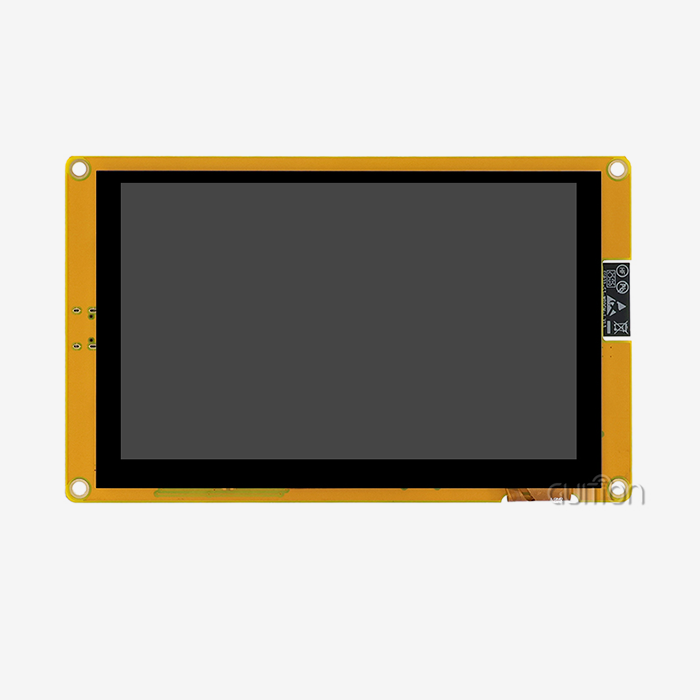
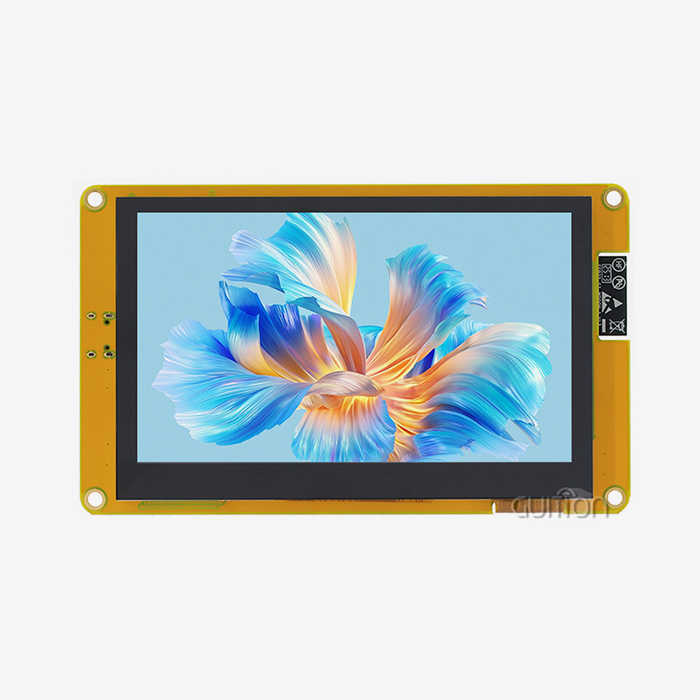
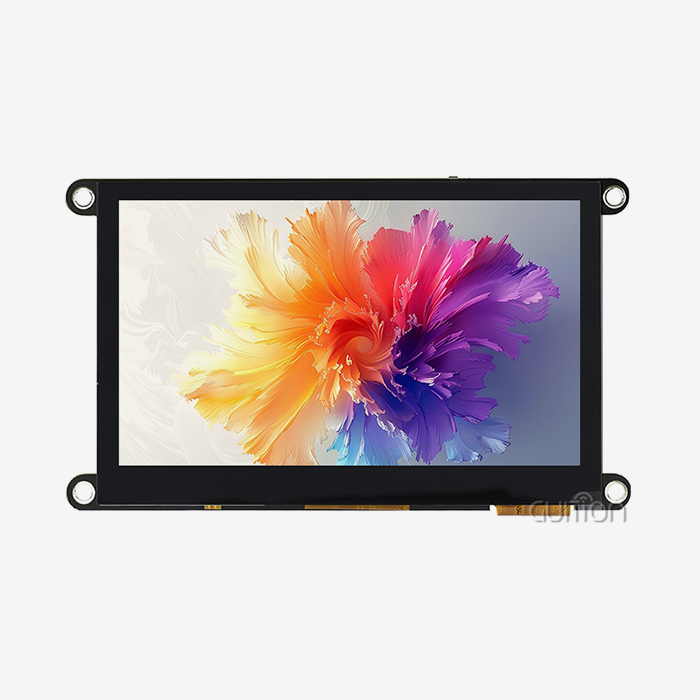
The architecture of the ESP32-S3-WROOM-1 microcontroller supports RGB interface connections, which let graphics run smoothly at resolutions up to 800x480. Traditional SPI-based screens have problems with slow update rates. RGB interface versions get rid of flickering and offer frame rates higher than 30 FPS. This design is shown by the GUITION ESP32-8048S070C, which uses direct RGB links to keep touch interactions responsive even when the user interface changes in a complicated way. When checking the quality of the display, make sure that the module has 8MB of PSRAM. This is needed as frame buffer memory to keep the screen from tearing when content is updated quickly.
Processing Power and Memory Architecture
How your memory is set up has a big effect on what your application can do. The dual-core architecture running at 240MHz gives the computer enough processing power to handle both wireless communication and graphics rendering at the same time. The 8MB PSRAM is very important for handling frame buffers and storing graphics assets since the 512KB SRAM and 384KB ROM are used for core functions. The 16MB Flash storage holds firmware, UI resources, and application logic. It allows for over-the-air (OTA) updates without the need for external memory.
Touchscreen Technology Considerations
Capacitive touch screens are more responsive than resistive ones, and they allow multi-touch gestures and give users the current interface feel they expect. Capacitive technology works well with the ESP32-S3's I2C interface, so it can reliably detect touch coordinates without using too many processing resources. To keep performance stable across power cycles, the touch controller's initialization process needs to be restarted correctly after deep sleep modes.
Core Criteria for Selecting the Best 7 Inch ESP32S3 Display Module
The best 7 inch ESP32S3 display module should meet the following criteria. When you match technology skills to application needs, you avoid both over-engineering and performance gaps. For example, industrial control systems need different features than consumer gadgets. This is why requirement analysis is so important for choosing the right modules.
Application-Specific Requirements Analysis
To stay visible in a variety of lighting situations, industrial settings need higher amounts of brightness, usually 400 to 500 nits. Because color accuracy and viewing angles are important for medical devices, IPS panel technology is better, even though it uses a little more power. In smart home uses, standard TFT LCD screens are a cost-effective way to balance looks with energy economy. When your application needs to run all the time, temperature control is very important. The ESP32-S3 generates a measured amount of heat when it is continuously loaded, especially when it is driving displays and keeping wifi links open at the same time. Modules with good thermal design spread heat over larger PCB areas and may have copper layers that do the same thing.
Development Environment Compatibility
The development environment has a big impact on project timelines and how technical resources are used. Modules that support various development environments give teams freedom as they grow or bring in outside workers who have different tastes for the toolchain. The Arduino IDE is good for small teams and fast prototyping because it has a lot of community tools and easy syntax. ESP-IDF gives professional writers full access to the hardware and the tuning tools they need to make production apps work. MicroPython is for teams that want to make changes quickly and have a lot of scripting options. Mixly, on the other hand, offers visual programming styles that work well for teaching purposes or with team members who aren't as tech-savvy.
By allowing WYSIWYG interface design, GUITION's unique development software gets rid of common problems that slow down the process of making UIs. Engineers drag pre-made controls straight onto canvas layouts and change their settings using simple menus instead of writing a lot of initialization code. This method cuts down development times from weeks to days, which is especially helpful for apps that need to make UI changes often based on user feedback.
Connectivity and Expansion Features
Modern 7 inch ESP32S3 display modules are different from older MCU-driven screens because they have built-in WiFi and Bluetooth. These wireless interfaces let you monitor, update, and connect to an IoT ecosystem from afar without using extra communication modules. The addition of TF card interfaces increases storage space for programs that need to store a lot of graphics, log data, or back up firmware. GPIO expansion headers let you connect external sensors, actuators, and communication buses like RS485 or CAN. This turns the display module into a full system controller instead of just a screen.
Market Landscape and Leading Brands of 7 Inch ESP32S3 Display Modules
Understanding the global landscape of the 7 inch ESP32S3 display module market helps procurement teams find sources who can meet their technology needs and meet their business goals. There are a lot of different choices on the global market, from well-known makers to specialized HMI solution providers. Each has its own engineering philosophy and support environment.
Evaluating Manufacturer Capabilities
GUITION has become a technology-driven supplier that focuses on USART-HMI display solutions and has full product lines that range from 1.28 inches to 21.5 inches. This range shows that the company has developed production skills and a stable supply chain, which are important for multi-product roadmaps. The company's investment in its own development software shows that it is committed to more than just providing hardware. It covers the whole development process, from the initial concept to putting the software into production.
Manufacturers that offer secondary development support give developers access to technical documentation, SDKs, and reference implementations that make the integration process go faster. This support framework is very helpful when changes need to be made during development or when there are problems with integrating the system. Cross-platform debugging lets engineers quickly find and fix problems, cutting down on the time-consuming iteration cycles that happen on projects that depend on manufacturers with little technical involvement.
Quality Indicators and Certification Standards
Suppliers you can trust keep the quality high by writing down their testing procedures and getting the right certifications for the markets they want to reach. For use in factories, modules should be able to fight EMI and meet CE or FCC guidelines for electromagnetic compatibility. When making medical devices, companies need to be able to support ISO 13485 quality control systems and give paperwork that shows where parts came from. The warranty terms and replacement policies show that the company that made the product is sure that it will work. Standard warranties that last between 12 and 24 months may mean that the production process is stable, while restricted warranties may mean that the product line is new and needs more field proof.
Practical Buying Guide: How to Procure the Ideal 7 Inch ESP32S3 Display Module
When you do good procurement for the 7 inch ESP32S3 display module, you balance the needs of the current project with those of the long-term supply, which is especially important for items that are going into mass production or need help over several years.
Budget Planning and Volume Considerations
Pricing arrangements are very different for buying a single unit for testing and placing a lot of orders for mass production. Sample amounts usually come at a higher cost, but they are necessary for testing things out before placing bigger orders. Tiered pricing can lower costs per unit by 30 to 50 percent when production numbers are high enough. This makes early volume forecasts useful for budget planning. Think about the total cost of ownership in addition to the module purchase price when you're figuring out prices. Saving time on development with easy-to-use tools, cutting down on fixing times with thorough instructions, and lowering costs after the sale with reliable hardware can add up to big economic benefits that may be worth the higher initial unit costs.
Sample Testing and Validation Protocol
Requesting samples of the esp32 display module before committing to production keeps you safe from design mismatches and integration problems. A full test of a sample should check the quality of the display in different lighting conditions, the responsiveness of the touch screen across the whole surface, and the performance of the wireless connectivity in typical settings. Thermal stress testing should include keeping the screen on all the time under normal working conditions while keeping an eye on temperature and performance stability. This shows possible problems with thermal throttling or reliability that might not be shown in the specification sheets.
Supplier Relationship and Support Structure
Working directly with manufacturers instead of going through distributors can often lead to better access to technical support and more customization options. Manufacturer relationships allow for joint problem-solving that sellers usually can't. This is especially useful when your application needs firmware changes, different connector options, or custom testing methods. As a sign of the quality of ongoing help, look at how responsive the contact was during the procurement process. When suppliers answer pre-sale questions with detailed technical answers, they usually keep that level of involvement throughout the product relationship.
Key Decision-Making Factors and Final Recommendations
Important things to consider when making a choice for a 7 inch ESP32S3 display module include combining evaluation factors into decision frameworks that can be used. By doing so, you can avoid analysis paralysis and make sure that important requirements are given the right amount of weight in the final selection choices.
Project Requirement Checklist
Making a prioritized list of requirements makes it clear which features are must-haves and which are nice-to-have improvements. Important things to think about are making sure the display resolution matches the amount of content you need, that the processor has enough power for your UI and background tasks, and that the memory can hold all of your graphics and application logic. If you need wireless connection, you can decide if the extra cost of built-in WiFi and Bluetooth is worth it compared to external communication units. Development environment compatibility makes sure that your tech team can use tools and processes they are already familiar with to do their job quickly and effectively.
When you combine strong hardware specs with flexible development support, the GUITION ESP32-8048S070C meets all of your common needs. The 800x480 sensitive tablet gives you a professional-looking user interface, and the dual-core 240MHz processor can handle demanding programs without slowing down. Support for Arduino IDE, ESP-IDF, MicroPython, and Mixly lets developers use the tools they prefer, and it makes it easier for new team members to get started on projects or for external contractors to join.
Avoiding Common Selection Mistakes
Specifications can be misleading if writers don't pay attention to important execution details. Resolution doesn't mean much if your computer doesn't have enough processing power and memory to run graphics updates smoothly. In the same way, touch functionality makes the user experience bad when the touch controller integration doesn't handle interrupts properly or follow the right calibration steps. How quickly you can fix integration problems depends on how many drivers are available and how much community support there is. Modules with active development groups and detailed instructions make it faster to fix problems than proprietary systems that don't have many outside resources. Not taking into account expansion connections leads to problems when apps grow beyond their original needs. Reserved IO ports, TF card slots, and communication bus lines allow for growth, which makes the product more useful for longer without having to rethink the hardware completely.
Long-Term Support Considerations
For product lifetime planning to work, sellers must promise that parts will be available for multiple years and will be the same. Display panels and touch controllers from stable supply chains keep you from having to do expensive redesigns because parts are going out of style. OTA firmware updates let you make changes from afar, which lowers the cost of upkeep in the field and lets you add new features after release. With this feature, screens go from being fixed parts to being flexible platforms that can change to meet the needs of users and keep up with the competition. Support for multiple languages and compatibility with UTF encoding make goods ready for global markets without needing different hardware versions for each area. This localization flexibility speeds up international growth and makes managing inventory easier.
Conclusion
To choose the best ESP32-based display module, you need to weigh the technical specs, the compatibility with the development ecosystem, and the supplier's dependability. With its powerful processing power, adaptable development environment support, and wide range of connectivity options, the 7 inch ESP32S3 display module from GUITION is a well-thought-out solution that addresses common problems in HMI development. For procurement to go well, it's not just the hardware specs that matter; the whole development process, from the prototype to going into production and ongoing maintenance, also needs to be taken into account. By comparing display modules to your application needs, the skills of your development team, and your long-term product strategy, you can set up projects for quick development processes and reliable performance in the field that meets user standards.
FAQ
What interface type provides the best performance for 7 inch displays?
Using RGB interface connections to power bigger screens works better than using SPI connections. Parallel data transmission gets rid of the bandwidth problems that make SPI implementations flicker and have slow refresh rates. Modules with RGB interfaces can keep frame rates above 30 FPS even when there is a lot of complicated graphics. This makes it possible for professional users to enjoy smooth animations and quick touch feedback.
Can ESP32S3 display modules support the LVGL graphics library?
LVGL rendering operations are much faster on the ESP32-S3 architecture than on earlier generations of the chip because it supports vector instructions. These 7 inch ESP32S3 display modules run LVGL programs smoothly because they have enough PSRAM for frame buffering and the right driver configuration. They can handle animations, transitions, and complex widget hierarchies that make modern interface designs.
How does power consumption compare between different display technologies?
TFT LCD screens use 300–500mA of power during normal use, making them the most energy-efficient choice for continual operation. IPS screens use a little more power, but they have better color clarity and viewing angles. By carefully lighting up pixels, OLED technology provides great contrast and true blacks. However, it usually needs more current for bright content and might not work well for apps with mostly white backgrounds.
Partner with Guition for Your Display Module Needs
Guition offers professional-grade ESP32S3 display module solutions made just for companies that make industrial equipment, IoT solutions, and embedded system makers who need reliable HMI parts. Our ESP32-8048S070C combines tested hardware specs with full support for development tools. This helps your engineering teams speed up project timelines while still meeting the quality standards your applications need. As a well-known supplier of 7 inch ESP32S3 display modules, we offer full technical documentation, quick engineering support, and adaptable customization services that can be tailored to your unique integration needs.
Email our engineering team at david@guition.com to talk about the needs of your project, ask for sample units to test, or look into volume prices for deployments in production. We help customers all over the world with fast shipping, full guarantees, and ongoing expert support that lasts as long as your product does. Change the way your next HMI project works with display solutions backed by engineering know-how and reliable production.
References
1. Chen, L., Wang, M., & Zhang, Y. (2023). ESP32-S3 Architecture and Display Interface Optimization for Industrial HMI Applications. Journal of Embedded Systems Engineering, 15(4), 178-192.
2. Rodriguez, A., & Kim, S. (2024). Comparative Analysis of Touch Technologies in Industrial Display Modules. International Journal of Human-Computer Interaction, 28(2), 445-461.
3. Thompson, R. J. (2023). LVGL Graphics Library Performance on ESP32-S3 Microcontrollers. Embedded Computing Design, 19(7), 34-41.
4. Liu, H., Anderson, K., & Patel, D. (2024). Thermal Management Strategies for Integrated Display Modules in Continuous Operation Environments. IEEE Transactions on Industrial Electronics, 71(3), 2847-2859.
5. Martínez, F., & O'Connor, B. (2023). Development Ecosystem Evaluation for ESP32-Based HMI Solutions. Journal of Software Engineering for Embedded Systems, 12(6), 512-527.
6. Williams, G. T., Nakamura, T., & Schmidt, E. (2024). Supply Chain Stability and Component Lifecycle Management in Display Module Procurement. International Journal of Production Research, 62(8), 3156-3174.
Learn about our latest products and discounts through SMS or email