- English
- French
- German
- Portuguese
- Spanish
- Russian
- Japanese
- Korean
- Arabic
- Greek
- German
- Turkish
- Italian
- Danish
- Romanian
- Indonesian
- Czech
- Afrikaans
- Swedish
- Polish
- Basque
- Catalan
- Esperanto
- Hindi
- Lao
- Albanian
- Amharic
- Armenian
- Azerbaijani
- Belarusian
- Bengali
- Bosnian
- Bulgarian
- Cebuano
- Chichewa
- Corsican
- Croatian
- Dutch
- Estonian
- Filipino
- Finnish
- Frisian
- Galician
- Georgian
- Gujarati
- Haitian
- Hausa
- Hawaiian
- Hebrew
- Hmong
- Hungarian
- Icelandic
- Igbo
- Javanese
- Kannada
- Kazakh
- Khmer
- Kurdish
- Kyrgyz
- Latin
- Latvian
- Lithuanian
- Luxembou..
- Macedonian
- Malagasy
- Malay
- Malayalam
- Maltese
- Maori
- Marathi
- Mongolian
- Burmese
- Nepali
- Norwegian
- Pashto
- Persian
- Punjabi
- Serbian
- Sesotho
- Sinhala
- Slovak
- Slovenian
- Somali
- Samoan
- Scots Gaelic
- Shona
- Sindhi
- Sundanese
- Swahili
- Tajik
- Tamil
- Telugu
- Thai
- Ukrainian
- Urdu
- Uzbek
- Vietnamese
- Welsh
- Xhosa
- Yiddish
- Yoruba
- Zulu
What Are the Benefits of IPS Display Modules?
An IPS display module is an advanced step forward in human-machine interface technology. It uses In-Plane Switching liquid crystal orientation to provide better visual performance in harsh industrial settings. Normal TN screens have limited viewing angles and color confusion. The IPS display module, on the other hand, keeps the brightness and colors correct from almost any viewing angle. This makes it an important part of a wide range of devices, from medical tracking equipment to industrial control screens, where clear vision affects both the accuracy of operations and the decisions made by users. IPS display modules have liquid crystals that are lined up parallel to each other. This stops the grayscale inversion and color shift that happened with older technologies. This means that embedded engineers and HMI designers can make interfaces that work reliably in the real world.

Understanding IPS Display Modules: What Sets Them Apart?
Advanced Liquid Crystal Technology
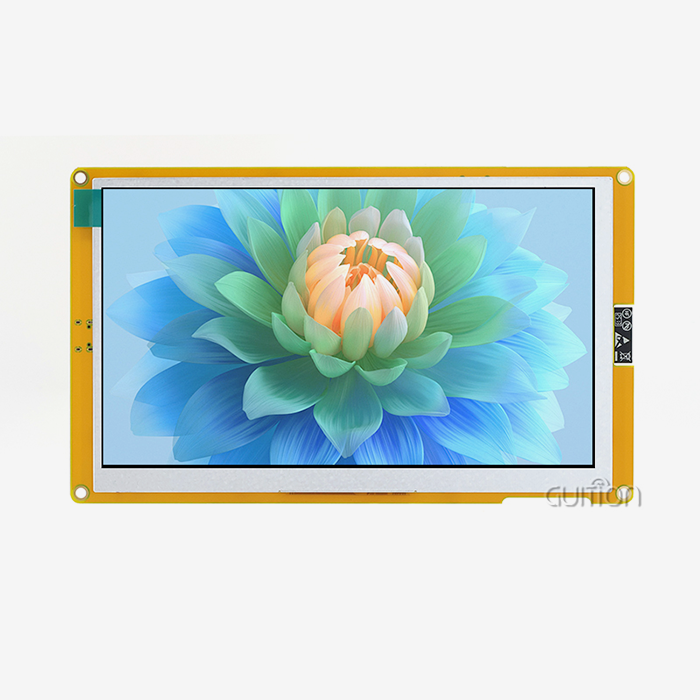
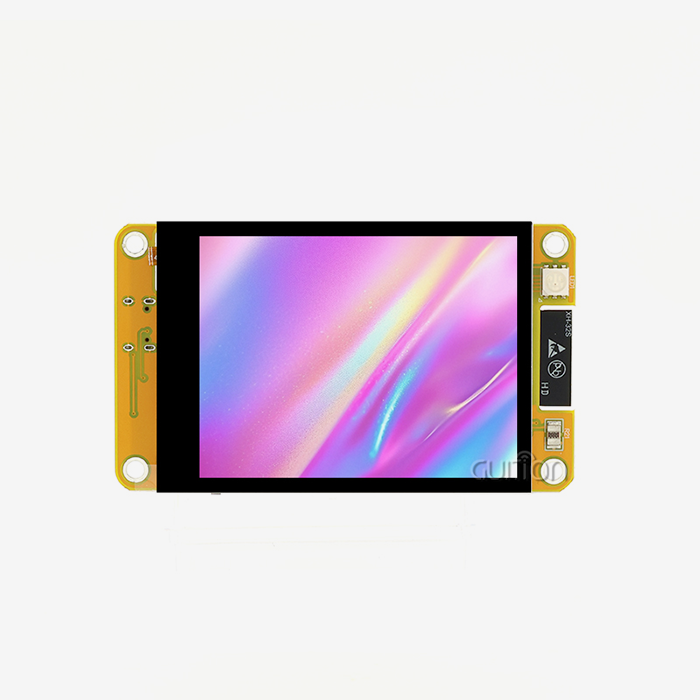
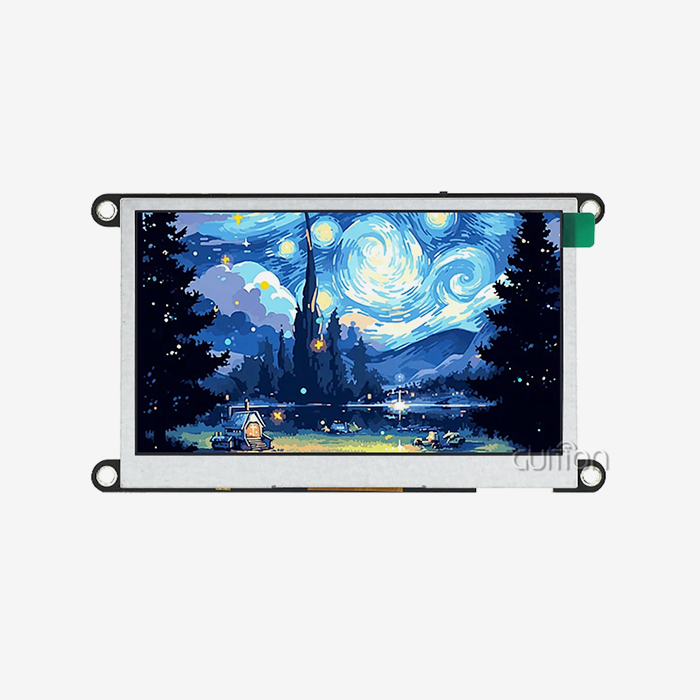
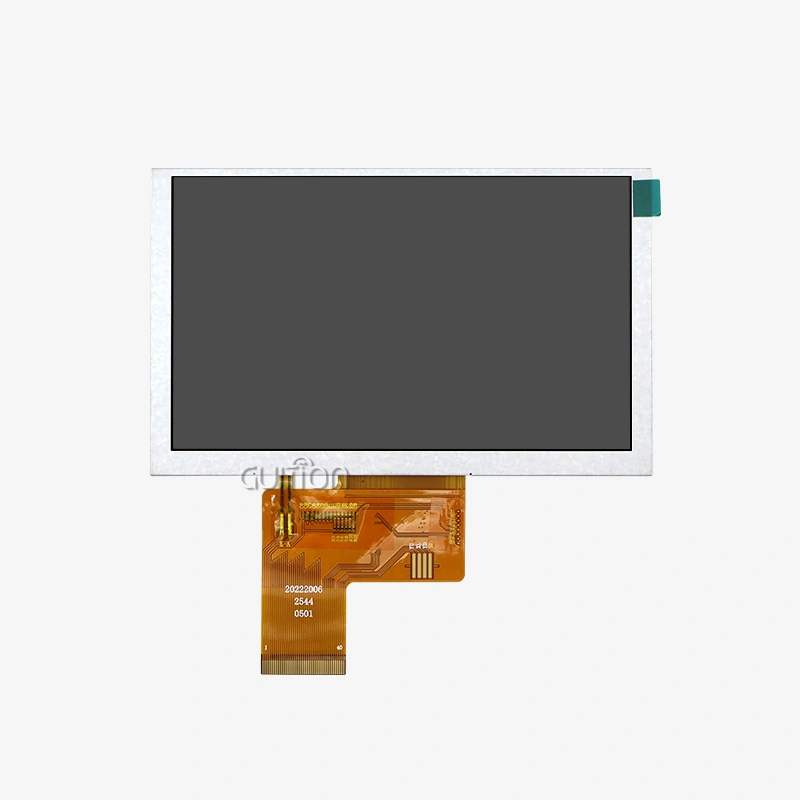
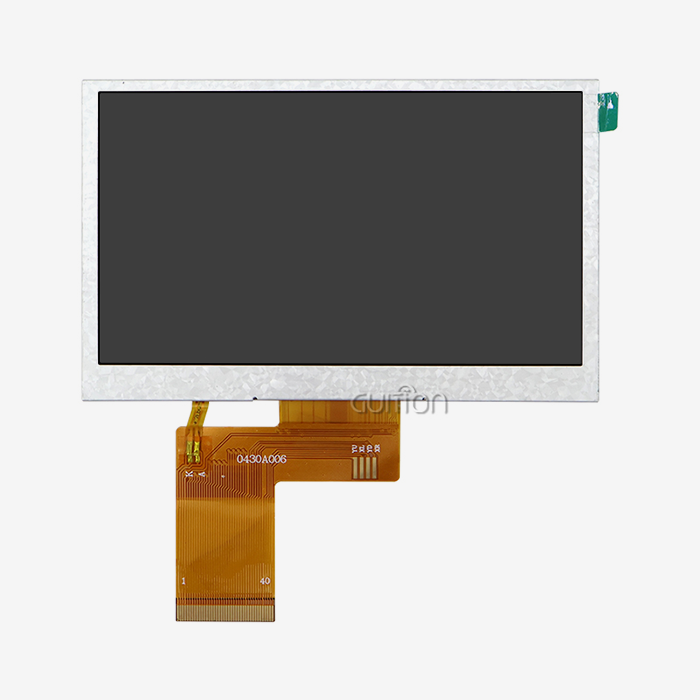
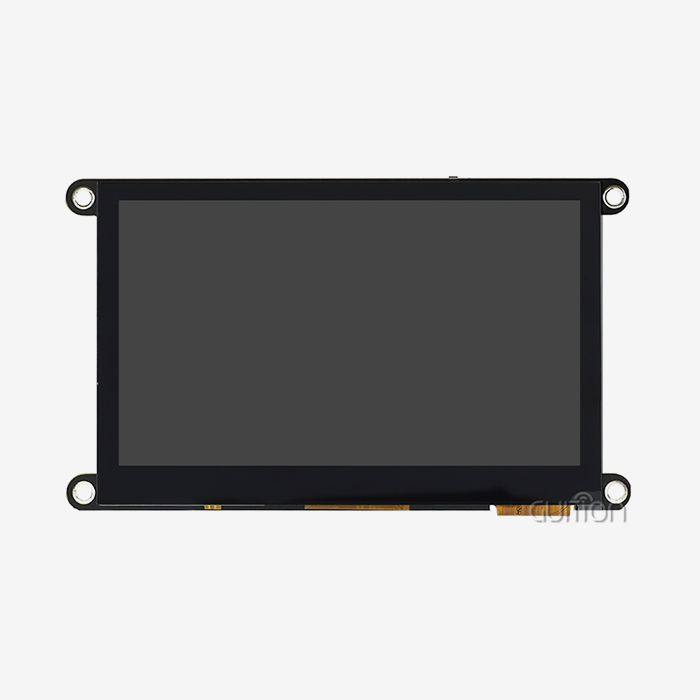
The main thing that makes an IPS display module different is how its liquid crystal molecules are arranged. In traditional Twisted Nematic screens, molecules are rotated perpendicular to the glass base, which makes viewing angles very limited. When electricity is applied, an IPS display module lines these molecules up parallel to the base and makes them rotate in a horizontal plane. This basic difference solves important problems for product managers and system builders who need displays that look good from all angles, which is important for areas where people work together and for public interfaces. This technology is shown by the GUITION JC4848B040C_I, which has an ST7701 driver chip and a 4.0-inch screen with an 800x480 resolution. This small IPS display module can handle 16.7 million colors with 24-bit RGB processing. This means that makers of medical devices can show detailed diagnostic information with colors that look just like real life. The MIPI DSI interface lets you send and receive data quickly, which cuts down on delay in touch-sensitive apps that need to show you results right away.
Superior Optical Characteristics for Industrial Applications
For quality control tools and energy management screens, color accuracy is still very important. Color Rendering Index numbers above 80 are common for IPS display modules. This means that colors look natural and consistent in a range of lighting situations. This level of performance fixes a common problem that automation system integrators face when they have to set up equipment in places with changing lighting, like control rooms that aren't well-lit and factory floors that are. A typical IPS display module has a wide viewing angle of 178 degrees both horizontally and vertically. This means that multiple people can look at the same display at the same time without seeing color shifts or loss of contrast. Smart home device R&D managers like this feature because it lets users check the state of a device from across the room without having to go straight to the interface.
Key Benefits of IPS Display Modules for B2B Procurement
Outstanding Visual Performance for Critical Operations
When expert founders look at different display options for their embedded systems, visual performance is closely linked to how well the product stands out and how happy users are with it. An IPS display module gives you bright, accurate colors that don't change when the temperature does. This is very important for outdoor farming automation systems. The GUITION module works regularly from -20°C to +70°C, which helps makers of industrial equipment deal with temperature problems. Modern IPS technology has a high resolution that lets HMI/UI designers make complex interfaces with detailed images and small text that can still be read. This is especially helpful in business stations and kiosks where space on the screen is limited, but the amount of information that needs to be shown is high. The capacitive touch feature in products, such as the JC4848B040C_I, reacts right away to user input, making exchanges easy and raising the product's perceived quality.
Durability and Reliability Under Harsh Conditions
An IPS display module made for commercial use goes through a lot of research to make sure it can handle constant use, changing temperatures, and mechanical stress. Smart gadget and IoT solution companies are always being pushed to cut down on warranty claims and other costs that come up after the sale. By choosing strong display technology, they cut down on mistakes in the field and make products last longer. The structural integrity of an IPS display module stops the "water ripple" effect that happens when pressure is put on TN screens. This is a very important benefit for apps that use touch a lot. This sturdiness is great for medical beauty devices that need to be cleaned and touched a lot. They will keep their professional look and function throughout their service life.
Energy Efficiency and Total Cost of Ownership
When gadgets run all the time, operational costs add up quickly, so energy economy is a key factor in purchasing decisions. An IPS display module with LED backlighting and smart brightness control uses a lot less power than older screens that use CCFL backlighting. This efficiency helps companies' efforts to be more environmentally friendly and lowers the cost of energy for large-scale systems. The long life of IPS technology—often more than 50,000 hours of constant use—lowers the number of replacements needed and the work costs that come with them. When system builders figure out the total cost of ownership, they know that the extra money they pay for an IPS display module at the start is worth it because it requires less upkeep and lasts longer between product refresh cycles.
How IPS Display Modules Solve Common Display Challenges
Maintaining Consistency Across Viewing Angles
One of the most annoying things about old monitor technology is that the quality drops dramatically when watched off-axis. Operators in the control room who are watching multiple screens at the same time need the picture quality to stay the same, no matter where they are in relation to each screen. This problem is solved by an IPS display module, which keeps the brightness and color accuracy the same across its whole viewing cone. This stability is especially helpful in charging station interfaces where people come at them from different heights and angles. The screen can be read in full sunlight because it is very bright (often over 350 nits) and has anti-glare coatings that cut down on reflections without losing picture clarity.
Addressing Color Accuracy Requirements
For accurate evaluation of patient data, medical tracking equipment needs to be able to reproduce colors very accurately. Small changes in colors could mean that a patient's state has gotten worse. These strict standards can be met by an IPS display module, which has a wider color range and a stable white point. This color accuracy means that embedded engineers who put screens in medical equipment don't have to use complicated calibration processes. Modules like the GUITION JC4848B040C_I can handle 16.7 million colors, which makes it possible to have smooth color patterns that are needed for energy management system data display. Graphs and charts that show real-time patterns of usage stay clear and easy to read, which helps people make decisions faster and improves working efficiency.
Seamless Integration into Custom Solutions
Modern IPS display modules are made in a flexible way that makes it easy to make quick prototypes and make changes. The 4.0-inch form factor is small enough to fit into industrial designs with limited room, and the MIPI DSI interface standard makes it easy to connect to famous microcontroller platforms. Product managers like how the drag-and-drop tools and WYSIWYG image in the GUITION development software speed up the process of making the user interface. This greatly reduces the time it takes to get the product to market. Cross-platform support with the Arduino and ESP-IDF frameworks lets embedded engineers use the programming tools they prefer without having to learn how to use proprietary tools. When teams need to make changes quickly based on user feedback or change current designs for new market groups, this flexibility is very important.
Selecting the Right IPS Display Module: Key Considerations for B2B Buyers
Technical Specifications and Performance Metrics
Resolution needs are very different depending on the purpose. The IPS display module resolution of 800x480 in the JC4848B040C_I works well with many industrial control interfaces. However, medical images or detailed CAD apps may need bigger screens with a resolution of 1920x1080 or higher. Buyers should look at the pixel density in relation to the viewing distance to make sure that the screen is legible without having to pay more than necessary.
Interface compatibility
Interface compatibility should be given a lot of thought during the buying process. The MIPI DSI standard is great for small devices because it has a high bandwidth and low EMI. On the other hand, parallel RGB interfaces may work better for integrating older systems. Integrators of automation and control systems often need adaptable ways to connect to different host processor designs.
Touch technology selection
The choice of touch technology affects both the user experience and the cost of the system. Capacitive touch is quicker and lets you use multiple touches at once, which is important for current user interfaces. Embedded engineers working on consumer goods and smart home brands want touchscreen solutions more and more to meet the needs of users who are used to smartphones and tablets.
Industry-Specific Requirements and Certifications
Medical gadget makers have to follow strict rules that include standards for display parts. For medical uses, an IPS display module should have the right approvals showing that it meets standards for electricity safety and electromagnetic compatibility. To speed up the approval process for new medical goods, supplier paperwork should make it clear what certification status it has.
Supplier Evaluation and Long-Term Partnership
After recent world problems, supply chain security has become an important factor in making decisions. Technical leaders at small businesses and companies really value sellers who keep enough inventory on hand and are open about when parts are available. GUITION's wide range of products, from 1.28" to 21.5", shows that they can make a lot of different things, which lowers the risk of one product becoming obsolete. The level of after-sales help has a direct effect on how quickly a product is developed and how well it does. Responding expert support during integration, detailed documentation, and easy access to engineering tools are what set capable suppliers apart from component providers. Secondary development interfaces and full API documents make it possible to customize things quickly and easily, without having to ask the seller to do it over and over again.
Balancing Cost and Long-Term Value
The initial price is only one part of the total cost of purchase. If a seller of IPS display modules has low unit prices but not much expert help, the project may end up costing more because of longer debugging times and later launches. Smart purchasing plans look at all of a supplier's skills, like how good their development tools are, how many samples they have, and how willing they are to make custom changes. Volume price structures and MOQ options are especially important for businesses that are growing and may not have a lot of initial deployments, but have a lot of room to grow. Building relationships with providers that can handle both small quantities for testing and large amounts for mass production of the parallel lcd display makes the move from development to commercialization go more smoothly.
Future Trends in IPS Display Modules for Industrial Applications
Technological Innovations Reshaping Display Capabilities
Newer IPS display module technologies use quantum dot enhancement films that make color gamuts bigger than what LED lights can do. These improved screens have bigger color spaces that get closer to professional monitor standards. This opens up new uses in industries that depend on color accuracy. IoT solution providers who are making visual inspection systems can use this better color separation to find small flaws that regular screens missed. Flexible and curved IPS screens are another new idea on the cutting edge, though most of the current uses are in consumer goods. As manufacturing processes get better and costs go down, these form factors will be used more and more in industrial settings for better ergonomics and designs that make the best use of space and fit the shape of equipment housings.
Growing Demand in Smart Device Ecosystems
As more gadgets become linked, there is a greater need for displays that are both fast and power-efficient. An IPS display module with adaptive brightness control and sleep mode makes portable industrial tools last longer on a charge without lowering the quality of the image when it's being used. Manufacturers of smart appliances that add WiFi and Bluetooth connections, like the features built into GUITION modules, need screens that don't waste power. Edge computing applications bring processing closer to sensors and motors all the time. This makes room for smart screens that can render locally and show data visually. In the future, IPS display modules might have specialized graphics acceleration or even machine learning inference features to make the host processor's job easier.
Sustainability and Environmental Responsibility
Corporate ESG pledges have a bigger impact on buying choices, and buyers prefer providers that are environmentally responsible throughout the whole manufacturing process. Forward-thinking display makers use materials that don't contain lead, cut down on package waste, and use energy-efficient production methods. The move in the industry toward RoHS compliance and conflict-free material sources is a reflection of larger goals for sustainability. Concerns about the end of a product's life are also a part of responsible buying. A circular economy is supported by an IPS display module that is easy to take apart and reuse the materials. Longer operating lifespans also reduce the damage that frequent repairs do to the environment.
Conclusion
An IPS display module has many benefits that go beyond just good visuals. These benefits include important factors that determine product success in competitive B2B markets. Industrial equipment makers, IoT solution providers, and medical device developers no longer have to deal with problems that can't be solved. Better viewing angles, accurate color reproduction, and strong weather tolerance are now possible. When buying, professionals are looking at display choices; they should look at both technical specs and the supplier's abilities, keeping in mind that the value of a long-term relationship goes beyond the price of the initial parts. The GUITION JC4848B040C_I shows how current IPS technology combines high-resolution screens with capacitive touch that responds and flexible development support. This speeds up the time it takes to market for embedded system apps while ensuring reliable performance in the field.
FAQ
How does an IPS display module compare to OLED for industrial applications?
While OLED technology has better contrast ratios and smaller profiles, an IPS display module lasts longer and keeps its brightness more stable in industrial settings. Over time, the organic materials in OLED screens break down, which could lead to uneven aging and burn-in effects when showing static interface elements that are popular in industrial controls. IPS technology keeps working well for a long time and can reach higher brightness levels, which are important for placements outside or in places with a lot of background light. Because they are cheaper, IPS options are also better for uses that don't need very thin forms.
Can IPS display modules perform reliably under extreme temperatures?
Products like the GUITION JC4848B040C_I can work in temperatures ranging from -20°C to +70°C and are high-quality IPS display modules made for commercial use. When temperatures are low, liquid crystal reaction times slow down. When temperatures are high, they speed up, but as long as they stay within certain levels, visual performance is fine. Applications that are getting close to temperature extremes should look at the supplier's specs and think about thermal management techniques to keep screens within their best working ranges.
What level of integration support should I expect from an IPS display module supplier?
Leading suppliers offer a wide range of development resources, such as software tools, hardware reference designs, and quick expert support. This method is shown by the GUITION development platform, which has cross-platform debugging, a lot of control tools, and the ability to update remotely. The documentation should go over program APIs, electrical connectivity, and mechanical mounting. Suppliers that offer flexible development modes that work with both Arduino and ESP-IDF frameworks make integration easier and speed up the project timeline.
Partner with Guition for Your Next IPS Display Module Integration
GUITION stands ready to transform your product vision into reality with our comprehensive line of IPS display module solutions engineered specifically for demanding industrial applications. Our JC4848B040C_I represents just one example from our extensive portfolio spanning 1.28" to 21.5", each backed by the powerful GUITION UI development tool that dramatically simplifies interface creation through drag-and-drop functionality and real-time debugging. As an IPS display module manufacturer committed to technology-driven innovation, we provide the secondary development flexibility, multi-platform compatibility, and responsive support that embedded engineers and product managers need to meet aggressive launch schedules. Connect with our technical team at david@guition.com to discuss your specific requirements and discover how our USART-hmi display modules with WiFi, Bluetooth, and OTA upgrade capabilities can accelerate your development process while reducing total project costs.
References
1. Society for Information Display. (2022). IPS LCD Technology: Principles and Industrial Applications. Display Technology Handbook Series, Vol. 14.
2. Anderson, J. & Chen, M. (2023). Color Accuracy Requirements in Medical Display Systems. Journal of Medical Device Engineering, 47(3), 156-172.
3. Industrial Display Manufacturers Association. (2023). Environmental Durability Standards for Industrial HMI Displays. Technical Report IDMA-2023-08.
4. Roberts, S. (2021). Total Cost of Ownership Analysis for Industrial Display Technologies. Manufacturing Systems Integration Quarterly, 29(2), 88-105.
5. Global Electronics Council. (2023). Sustainability and Lifecycle Assessment in Display Manufacturing. Environmental Impact Report Series.
6. Zhang, W. & Kumar, R. (2024). Emerging Trends in Human-Machine Interface Display Technologies for IoT Applications. International Journal of Embedded Systems Design, 18(1), 34-58.
Learn about our latest products and discounts through SMS or email