- English
- French
- German
- Portuguese
- Spanish
- Russian
- Japanese
- Korean
- Arabic
- Greek
- German
- Turkish
- Italian
- Danish
- Romanian
- Indonesian
- Czech
- Afrikaans
- Swedish
- Polish
- Basque
- Catalan
- Esperanto
- Hindi
- Lao
- Albanian
- Amharic
- Armenian
- Azerbaijani
- Belarusian
- Bengali
- Bosnian
- Bulgarian
- Cebuano
- Chichewa
- Corsican
- Croatian
- Dutch
- Estonian
- Filipino
- Finnish
- Frisian
- Galician
- Georgian
- Gujarati
- Haitian
- Hausa
- Hawaiian
- Hebrew
- Hmong
- Hungarian
- Icelandic
- Igbo
- Javanese
- Kannada
- Kazakh
- Khmer
- Kurdish
- Kyrgyz
- Latin
- Latvian
- Lithuanian
- Luxembou..
- Macedonian
- Malagasy
- Malay
- Malayalam
- Maltese
- Maori
- Marathi
- Mongolian
- Burmese
- Nepali
- Norwegian
- Pashto
- Persian
- Punjabi
- Serbian
- Sesotho
- Sinhala
- Slovak
- Slovenian
- Somali
- Samoan
- Scots Gaelic
- Shona
- Sindhi
- Sundanese
- Swahili
- Tajik
- Tamil
- Telugu
- Thai
- Ukrainian
- Urdu
- Uzbek
- Vietnamese
- Welsh
- Xhosa
- Yiddish
- Yoruba
- Zulu
How to Select the Best Colour LCD Display Module Supplier?
To find the best colour LCD display module provider, you need to look at their technical skills, the quality of their products, their development tools, and their long-term support. If embedded engineers, product managers, and R&D teams find the right provider, they can turn complicated HMI projects into faster development processes. A reliable provider offers more than just hardware. They also offer full software ecosystems, cross-platform compatibility, and quick expert support. Time-to-market, user experience, and the option to add more features depend on the colour LCD display panel you choose. Knowing what a supplier does well, like interface development software or the ability to do upgrades remotely, helps buyers form relationships that promote new ideas and lower technical work throughout the lifecycle of a product.

Understanding Colour LCD Display Modules Before Supplier Selection
What Defines a High-Performance Display Module
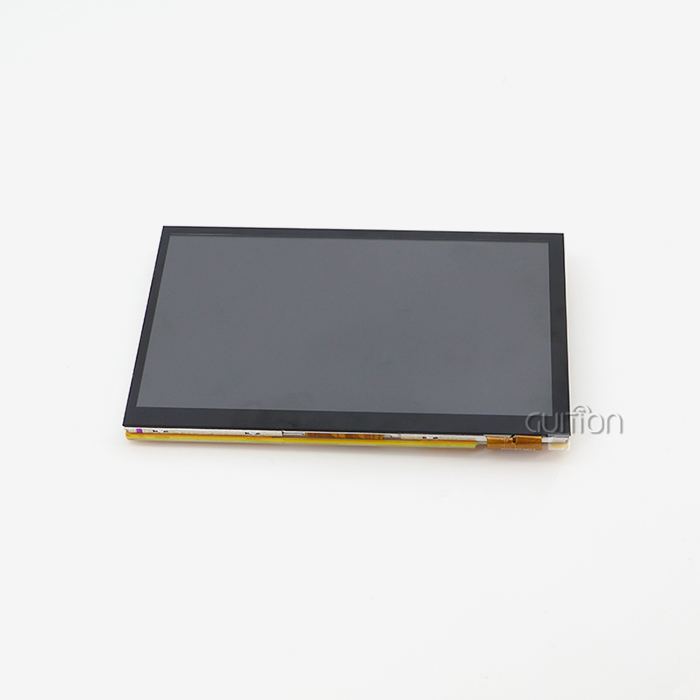
Colour LCD display module solutions let people see what's going on with your integrated device. These complex parts combine a TFT liquid crystal screen, driver ICs, control circuits, LED backlight units, and often touch inputs into a single unit that works. Active matrix technology, on the other hand, handles each pixel through its own transistor, which makes it possible for fast refresh rates and accurate voltage management. With this design, colour LCD display panels can show vivid images with as few as 65K colours and as many as 16.7 million colours in premium versions. The way it works is based on molecules of liquid crystal that can twist or align depending on the voltage that is applied. This changes the way light passes through RGB color filters. LED backlights keep the light on all the time, and driver ICs like the ILI9488 turn serial input into pixel instructions. Modern modules can work with different types of communication protocols, such as SPI, I2C, parallel MCU interfaces, or high-bandwidth MIPI DSI. Each has its own benefits when it comes to pin count, data speed, and system complexity. By knowing these basics, you can better match module specs to application needs before looking at sellers.
Critical Specifications That Impact Your Design
Resolution affects how much information there is and how complicated the interface is. Entry-level modules with 320x480 pixels work well on industrial control screens with a lot of buttons, while 1920x1080 configurations let medical tracking equipment show detailed data. Brightness ratings range from 200 nits for electronics that are kept inside to 1000+ nits for farm automation systems that are left outside in full sunlight. TN technology has narrow visibility compared to IPS screens, which offer 178-degree ultra-wide angles, important for settings with multiple operators.
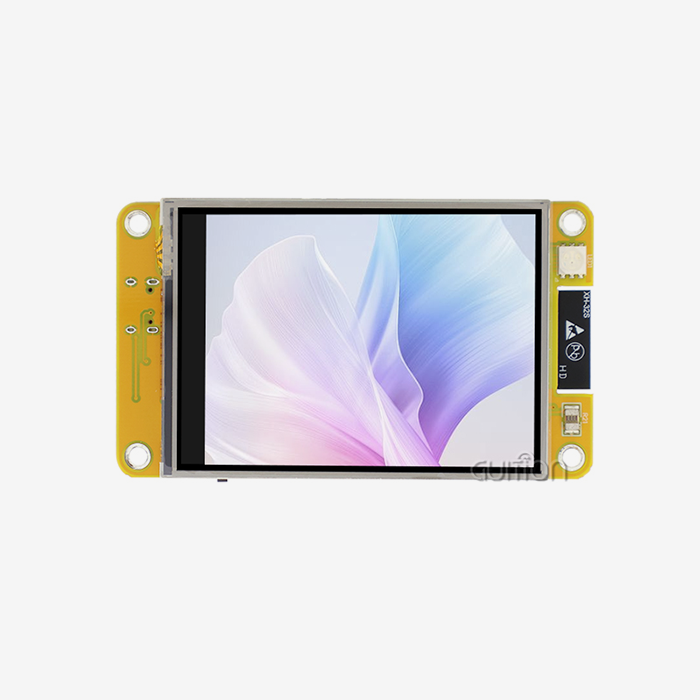
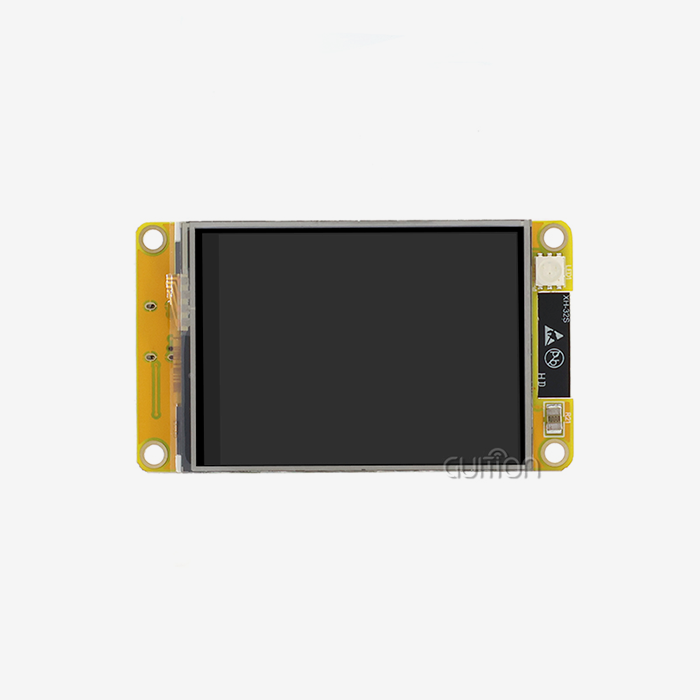
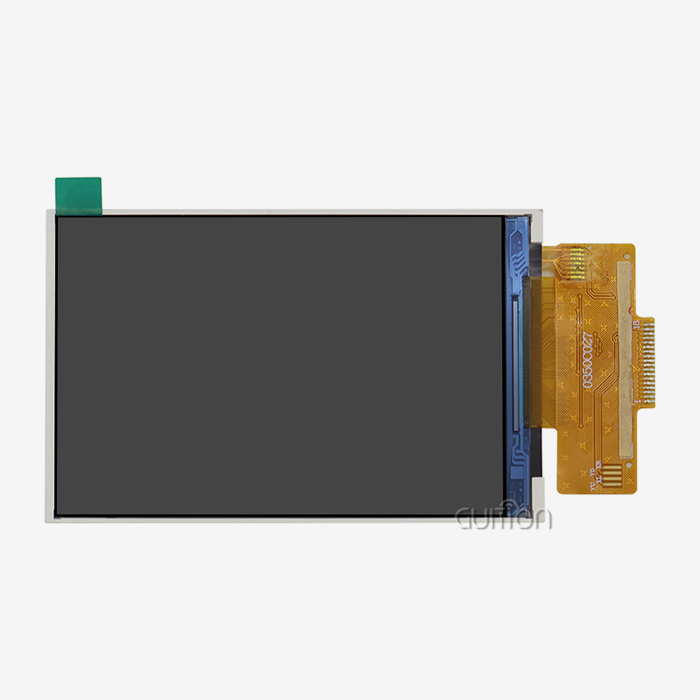
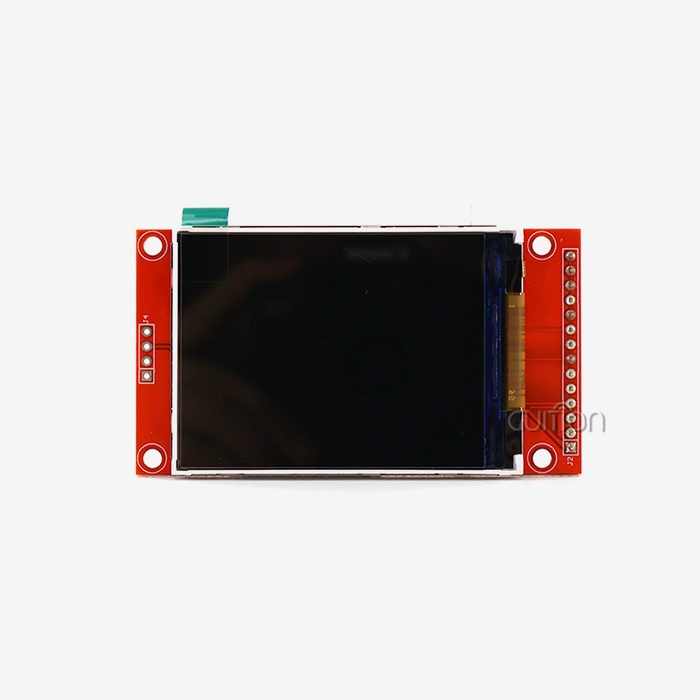
How well development works is greatly affected by the choice of interface. Modules like the GUITION JC3248S035R use the 4-wire SPI transmission method, which doesn't need many GPIO pins but still sends enough data for displays with a modest resolution. This method saves microprocessor resources that can be used for control algorithms, sensor processing, or digital communication. Parallel connections move data faster but need more pins, while serial buses make wiring easier in cases where space is limited. Commercial-grade parts can work in temperatures from 0°C to 50°C, while industrial-grade parts can work in temperatures from -30°C to +85°C and are needed for energy control systems in harsh settings.
When you touch something, you can interact with it. Resistive touch screens let you use them with gloves on, and they're good for plant floors, while capacitive versions let you use multiple touches, which is what smart home devices like. The colour LCD display panel you choose needs to work with the surroundings, the number of times it needs to be updated, and the way users will be interacting with it in your particular application.
Key Criteria for Selecting a Colour LCD Display Module Supplier
Product Portfolio and Technical Ecosystem
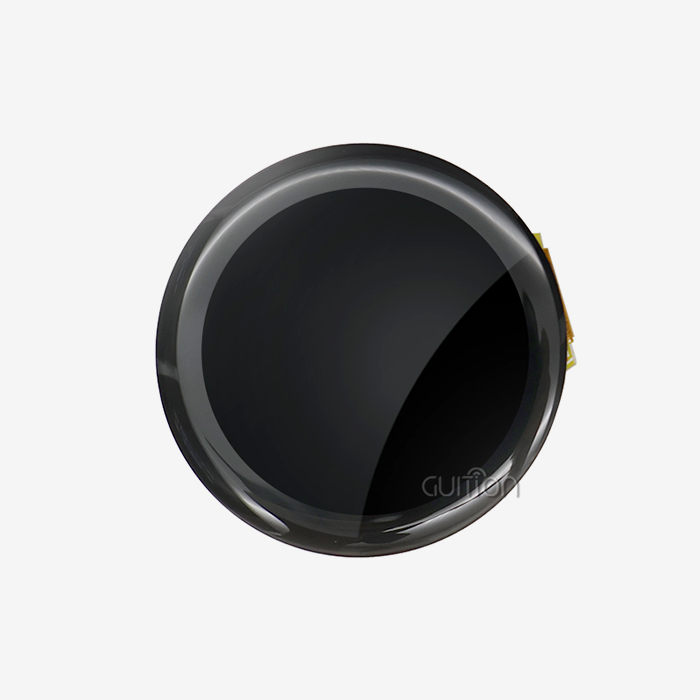
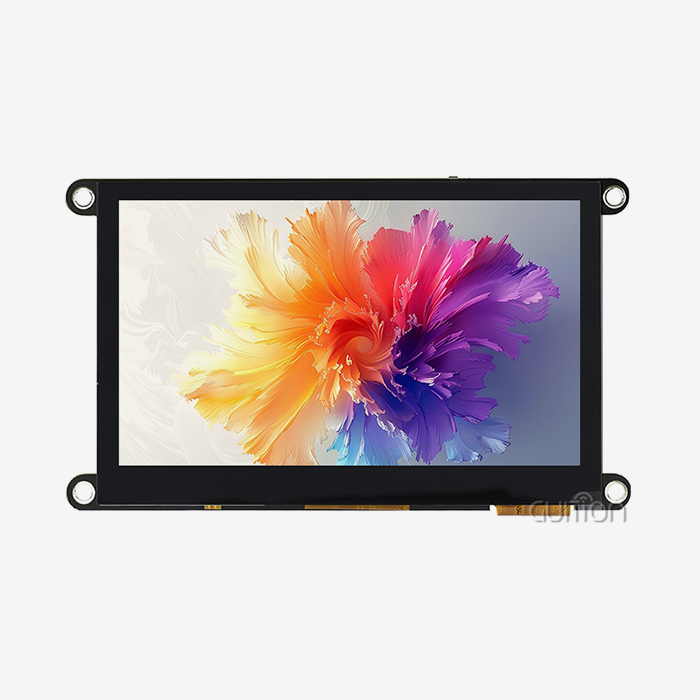
Excellent suppliers offer a wide range of sizes to meet the needs of a wide range of projects. Guition offers colour LCD display module options ranging from 1.28 inches for wearable interfaces to 21.5 inches for business systems, which makes it possible to combine purchases across product lines. This range cuts down on the costs of managing vendors while keeping quality standards and technical help relationships constant. Aside from the different kinds of hardware, check to see if the makers offer integrated development platforms that get rid of the problems that come with low-level programming.
This method is shown by the Guition UI development software, which lets you create interfaces by dragging and dropping elements and add controls with just one click. These kinds of tools cut the time it takes to make an HMI from weeks to days, which directly meets the needs of product managers and technology leaders for a quick time to market. When suppliers put money into their own software platforms, it shows that they care about their customers' success in more ways than just selling them parts. Compatible with Arduino, ESP-IDF, and other well-known systems, it makes sure that your team can use what they already know instead of having to learn a lot of new things.
Cross-platform testing is another feature that sets advanced sellers apart. Online testing tools that can find problems between hardware and software cut down on the number of iterations needed and the cost of development. When considering providers, ask to see demo copies of their development tools and check to see if their documentation is complete. Full datasheets, application notes, and reference designs show that the technical skills are advanced and can help with fixing problems and making changes on your own.
Quality Assurance and Certification Standards
Reliable providers have strict quality management systems that are backed up by ISO 9001 certification. These systems show consistent manufacturing processes and ways to keep getting better. For people who make medical devices, following ISO 13485 rules is essential to make sure that modules meet strict safety and tracking standards. Environmental standards like RoHS and REACH make sure that materials are safe and get rid of harmful chemicals, which makes it harder to distribute products around the world and get regulatory approvals.
When units are added to finished goods, approval times are cut down by product-level standards like CE marking for European markets and FCC compliance for North American deployment. When asked, suppliers should show proof of licensing and keep their compliance up to date as rules change. In addition to paperwork, you should look into the testing methods that the provider uses. Modules should be put through temperature cycling, humidity exposure, vibration testing, and accelerated aging to make sure they work well in real-world stress situations.
For goods that last more than one year, long-term supply dependability is very important. Industrial control screens and medical equipment need parts to be available for five to ten years so that they don't have to be redesigned, which can be expensive. Leading sellers promise that their products will be available for longer and let customers know about end-of-life shifts early enough to allow for last-minute purchases or design changes.

Development Support and After-Sales Service
The level of technical help is what sets strategic partners apart from transactional suppliers. Check how quickly engineering questions are answered, how easy it is to get in touch with application engineers who understand the problems your industry faces, and how easy it is to use customization services when standard modules need to be changed. When you buy from suppliers who offer secondary development tools and thorough documentation, your team can add custom features without having to hire outside experts.
The ability to automatically update user projects gives you a big edge over your competitors. This is because over-the-air software updates can add features or fix problems without having to send a service technician to the field. This feature drastically lowers costs after the sale and keeps the product useful by adding new features. Guition units have WiFi and Bluetooth built in, which lets you maintain installed equipment from afar and keep it up to date for as long as it works.
The warranty terms show how confident the source is in the product's longevity. Standard warranties that cover faults for 12 to 24 months protect buying funds, and sellers who offer longer coverage show that they are very reliable. Make it clear how to file a guarantee claim, how long it takes to get a replacement, and if technical analysis is done on returned units to stop the problem from happening again in future production runs.
Comparing Suppliers: What to Look for To Get the Best Value
Performance Benchmarking Across Technologies
When deciding between different colour LCD display module panels, you should look at performance measures that are specific to the application. TFT modules work better than OLED when showing static information, which is popular in industrial control screens. They also use less power when showing persistent information. OLED technology has better contrast and faster response times, but it also costs more and lasts less long, so it's best for high-end consumer gadgets rather than 24/7 commercial use.
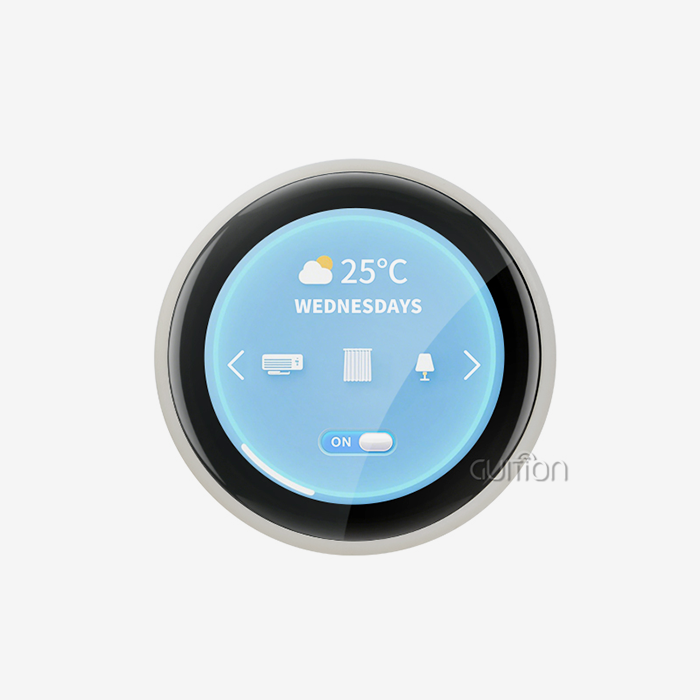
While monochrome screens are cheaper and use less power, they don't offer as much information or keep users interested as color systems do. For smart home and appliance devices, the colour LCD display panel improves the user experience with helpful icons, status markers, and graphical feedback that makes it easier to interact. With its 320x480 resolution and 65K color support, the GUITION JC3248S035R module hits a good mix between visual detail and system resource needs. It can handle complex interfaces without needing powerful processors.
Interface efficiency changes a lot from one provider to the next. Compared to 8-bit parallel buses, the 4-wire SPI version simplifies wiring and cuts down on electromagnetic interference. This is especially helpful in small enclosures where routing room is limited. Because SPI is serial, longer wire runs don't affect the signal, which is good for distributed systems where display units are mounted away from main controls. Check how much power the module uses at different brightness levels. Power-efficient designs let portable medical devices or farming monitors run on batteries.
Supplier Reputation and Customer Validation
Case studies from different businesses show that established sellers have a track record. Look at how it's used in business booths, energy management platforms, and automation control systems to get an idea of how flexible and reliable it is. Customer reviews from embedded engineers and system planners give you an idea of how fast technical support is, how accurate the documentation is, and how consistent the products are across production lots.
The long-term success of a partnership depends on how stable the supplier's finances are. Companies that keep growing and investing in research and development (R&D) are better able to meet the changing needs of projects by releasing new products and improving existing technology. As a technology-driven company that focuses on HMI display solutions, Guition shows its dedication by continuously improving the Guition software platform and adding more module sizes, ranging from 1.28 inches to 21.5 inches.
Ask for reference designs and starting kits that will speed up the development process. When suppliers offer evaluation boxes with sample software already installed, it lets customers try out the products before committing to buy them. These resources show how hard it is to integrate, how easy it is to use software tools, and how full the documentation is. All of these things have a direct effect on development timelines and engineering tasks.
Ecosystem Compatibility and Integration Support
It's not just physical connections that are compatible; software libraries, middleware support, and the ability to use third-party tools are also compatible. Modules that work with popular development environments like Arduino IDE make it easier for teams that already know how to use these platforms to adopt them. On the other hand, skilled coders who need fine-grained control can benefit from native compatibility with professional toolchains like ESP-IDF.
Multiple link protocols can be used with the Guition development environment, which also has a lot of control tools that make custom code less necessary. Adding controls with one click and moving them around with drag-and-drop eliminates the need for tedious layout code. This lets UI designers who don't have embedded knowledge directly contribute to interface development. This opening up of HMI production to more people solves the problem of the need for specialized skills that slow down project timelines.
Support for multiple languages and UTF-8 codes are important for goods that are meant to be sold around the world. Suppliers with built-in translation features make localization easier and require less technical work to distribute goods in North America, Europe, and the Asia-Pacific area. Check to see if modules allow for dynamic language change without having to recompile the firmware. This is a feature that lets setup happen in the field instead of at the factory.
How to Procure Colour LCD Display Modules Efficiently
Evaluating Procurement Channels and Supplier Credibility
Direct manufacturer relationships offer advantages over distributor channels when project volumes justify dedicated support. Manufacturers provide deeper technical consultation, customization options, and preferential pricing for bulk orders. With Guition's direct interaction model, buyers are put in touch with tech teams that know exactly what the application needs and can offer the best colour LCD display module configurations or design changes that will make the system work better.
Check the legitimacy of the provider by validating their business registration, inspecting their facilities, and performing quality system checks for SPI LCD Display. Reliable suppliers are happy to have plant trips or virtual reviews that show how they make things, how they check the quality of their work, and how they get their parts. This openness makes people more confident in the purity of the supply chain and the regularity of the products.
Optimizing Bulk Orders and Customization Requests
When you make a volume promise, you can access price tiers that lower the cost per unit by a large amount. This can help your product's margin or give you a competitive edge. When asking for quotes, be honest about how much you think you will need over the next 12 to 24 months. This will help sellers plan their production and make sure they have enough parts on hand. Just-in-time inventory techniques and flexible shipping plans keep output going while reducing the need for working capital.
Requests for customizations ranging from changing connectors to pre-loading software need clear specs and planning that is done together with the developers. Suppliers should offer engineering change request systems that keep track of changes, figure out how they might affect certifications, and set up rules for validation testing. The normal 3.5-inch size of the GUITION JC3248S035R module works for many uses as is, but custom versions with different backlight intensities or special mounting features can be made to fit specific needs.
Managing Lead Times and Supply Chain Resilience
Logistics problems and a lack of parts show how important it is to plan the supply chain. Ask for written lead time promises and set safety stock levels to account for delays that were not expected. Suppliers that get their parts from a variety of places and make things in multiple regions are more stable than those that only use one source or area.
For high-volume uses, set up vendor-managed inventory programs. This will shift the costs of keeping inventory to the sellers while still ensuring the availability of materials. When suppliers keep stock at your plant or nearby logistics centers, wait times are cut down to hours instead of weeks. This makes it easier to adjust production levels quickly.
Summary and Best Practices for Selecting Your Colour LCD Display Module Supplier
When choosing a supplier, it's important to find a mix between technical skills, quality testing, development help, and pricing. Focus on suppliers that offer a wide range of products that can be used for multiple projects and come with advanced development tools that shorten the time it takes to get a product on the market. Check that the products you're using are reliable in the area they're in, whether they're business tools or harsh industrial settings.
Before committing to production numbers, make sure that the environment works with your development platforms and that you can test the software tools by using them. Set up clear ways to communicate with the technical teams of your suppliers and work out customization options that meet specific needs without putting delivery times at risk. Think about the long-term relationship possibility that goes beyond just supplying parts. Suppliers that invest in their customers' success through training, reference designs, and ongoing innovation create value that builds over product generations.
FAQ
What brightness level do I need for outdoor applications?
For outdoor use, modules with a rating of at least 800 nits are needed, and modules with a rating of 1000 nits or higher are best for strong sunlight. Most indoor workplace settings work well with 300 to 500 nits of light. The GUITION JC3248S035R has reconfigurable backlight control that lets you change the brightness to get the best mix of sight and power use based on the environment.
How does interface type affect system integration complexity?
When compared to parallel buses, SPI connections like the 4-wire version in the GUITION module use fewer pins and make routing on the PCB easier. In industrial settings with a lot of electrical noise, this method works well for microcontrollers that don't have a lot of GPIOs available. It also cuts down on electromagnetic interference. Even though they are more complicated, parallel or MIPI DSI connections may be better for high-resolution apps that need faster data throughput.
Can I customize display modules for proprietary applications?
Reliable providers offer customization services that include changing the connectors, pre-loading software, and making changes to the hardware. Guition allows secondary development with detailed interfaces and documentation, which lets users add features without having to depend on a specific provider. Early on in the planning process, you should talk about customization to see if it's possible, how much it will cost, and how it will affect delivery times.
Partner with Guition for Advanced Display Solutions
Guition's full line of colour LCD display module options, ranging from 1.28 inches to 21.5 inches, can change the way you create HMI. Our GUITION JC3248S035R has 3.5-inch displays with 320x480 resolution, ILI9488 driver support, and efficient 4-wire SPI connection, which are all things that embedded programmers look for in an easy-to-integrate display. Along with great hardware, our own Guition development software offers a drag-and-drop interface, cross-platform testing, and remote update features that make engineering 60% less work.
As a provider of technology-driven colour LCD display modules, we offer full secondary development support, the ability to work with multiple languages, and built-in WiFi and Bluetooth connectivity to make sure that your goods will work in the future. Our technical team is ready to talk with you about your unique needs and suggest the best options. Get in touch with David at david@guition.com right away to get datasheets and test units and find out how Guition can speed up your time from idea to market-ready HMI solutions.
References
1. Smith, J. (2022). Industrial Display Technologies: Selection and Integration Guide. Technical Press International.
2. Anderson, M. & Chen, L. (2023). Embedded Systems Interface Design: Best Practices for HMI Development. Engineering Publications Group.
3. Roberts, K. (2021). LCD Module Procurement Strategies for B2B Buyers. Supply Chain Management Journal, Vol. 15, Issue 3.
4. Williams, D. (2023). Comparative Analysis of TFT and OLED Display Technologies in Industrial Applications. Display Technology Review.
5. Thompson, R. (2022). Quality Assurance in Electronic Component Sourcing. International Standards Organization Press.
6. Martinez, S. & O'Brien, P. (2023). HMI Development Tools: Accelerating Time-to-Market in Embedded Systems. Product Design Quarterly.
Learn about our latest products and discounts through SMS or email