- English
- French
- German
- Portuguese
- Spanish
- Russian
- Japanese
- Korean
- Arabic
- Greek
- German
- Turkish
- Italian
- Danish
- Romanian
- Indonesian
- Czech
- Afrikaans
- Swedish
- Polish
- Basque
- Catalan
- Esperanto
- Hindi
- Lao
- Albanian
- Amharic
- Armenian
- Azerbaijani
- Belarusian
- Bengali
- Bosnian
- Bulgarian
- Cebuano
- Chichewa
- Corsican
- Croatian
- Dutch
- Estonian
- Filipino
- Finnish
- Frisian
- Galician
- Georgian
- Gujarati
- Haitian
- Hausa
- Hawaiian
- Hebrew
- Hmong
- Hungarian
- Icelandic
- Igbo
- Javanese
- Kannada
- Kazakh
- Khmer
- Kurdish
- Kyrgyz
- Latin
- Latvian
- Lithuanian
- Luxembou..
- Macedonian
- Malagasy
- Malay
- Malayalam
- Maltese
- Maori
- Marathi
- Mongolian
- Burmese
- Nepali
- Norwegian
- Pashto
- Persian
- Punjabi
- Serbian
- Sesotho
- Sinhala
- Slovak
- Slovenian
- Somali
- Samoan
- Scots Gaelic
- Shona
- Sindhi
- Sundanese
- Swahili
- Tajik
- Tamil
- Telugu
- Thai
- Ukrainian
- Urdu
- Uzbek
- Vietnamese
- Welsh
- Xhosa
- Yiddish
- Yoruba
- Zulu
Is the ESP32P4 display module Good for Industrial Control Systems?
When looking at HMI options for industrial uses, the esp32p4 display module stands out as a great option because it strikes a good mix between speed, connectivity, and development freedom. As an example, Guition's JC-ESP32P4-M3-DEV module combines the powerful ESP32-P4 with ESP32-C6 connectivity, providing a full platform with a MIPI-DSI interface, dual-core 400MHz RISC-V processing, and support for Wi-Fi 6. This mix meets important needs in the business world, like showing data in real time, working reliably in tough conditions, and making development processes easier. This module works really well for industrial control applications for companies that want strong human-machine interface solutions at a low cost, without giving up multimedia features or security features.

Understanding the Core Features of the ESP32P4 Display Module
The Espressif ESP32-P4 chip is at the heart of Guition's module's architecture. This chip is a big step forward in embedded video processing. This 400MHz dual-core RISC-V processor has enough processing power for complicated control methods and graphical user interfaces at the same time. The ESP32P4 display module's main characteristics are understood.
Display Interface Capabilities and Resolution Support
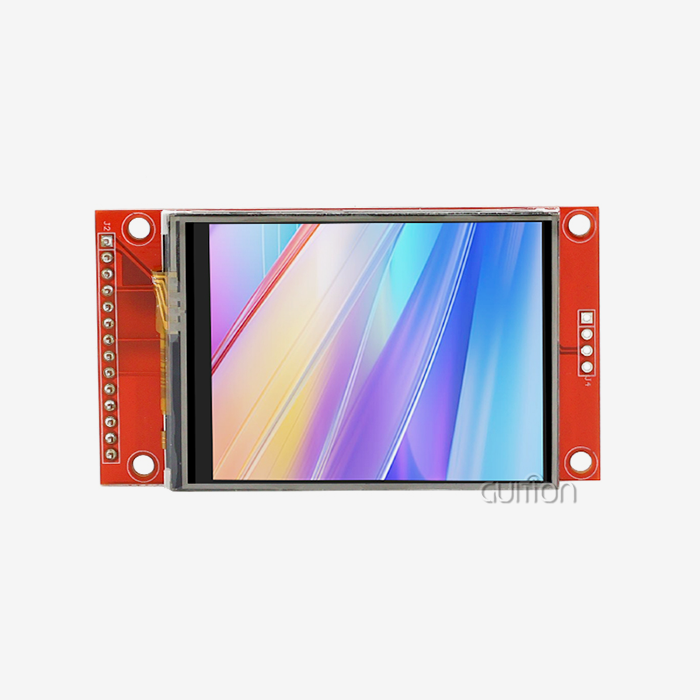
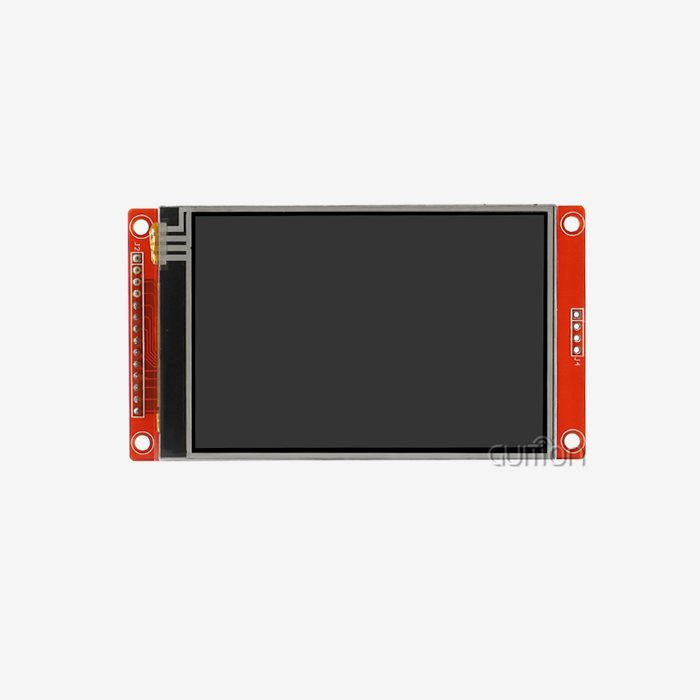
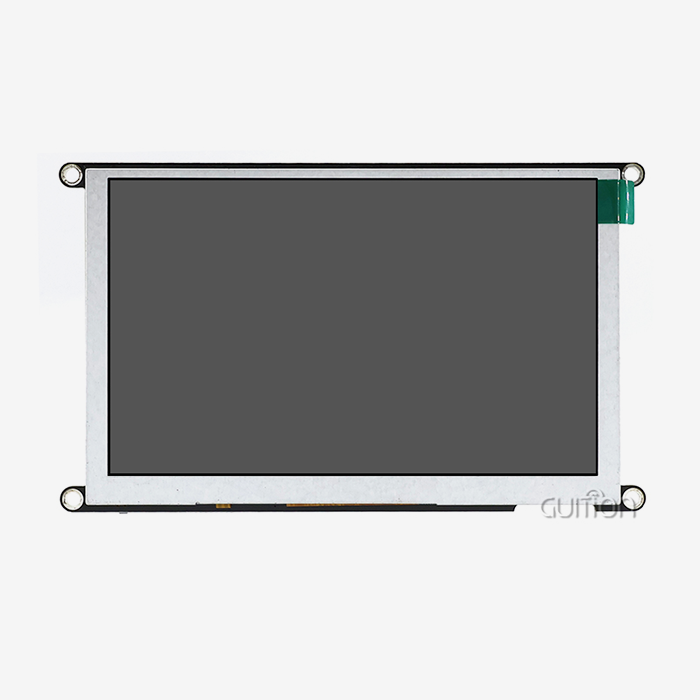
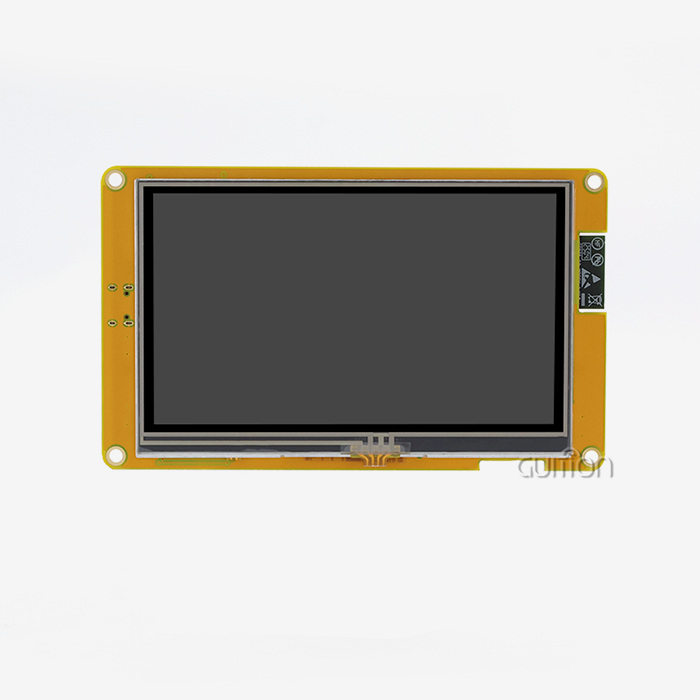
The module's MIPI-DSI interface makes it very different from controls from earlier generations that could only join via SPI or parallel RGB. High-resolution screens up to 800x1280 pixels can be driven easily by this serial interface, which uses less power and needs fewer PCB traces. Display sizes that can be used in industrial settings range from small 4.3-inch panels for machine-mounted interfaces to large 10.1-inch control stations. While SPI screens can't handle resolutions higher than 480x320, the MIPI-DSI implementation makes sure that refresh rates stay smooth at 60fps even when UI elements are moved. The Pixel Processing Accelerator does layer mixing and scaling in hardware, which frees up CPU resources for control code. This design is especially useful for showing trend graphs, real-time process data, and multi-layer interface elements all at the same time.
Connectivity and Communication Protocols
Wireless connectivity is a feature that has completely changed the way modern industry systems work. The built-in ESP32-C6 handles Wi-Fi 6 and Bluetooth 5.0 connections separately from the main processor. This lets you watch from afar without slowing down the display. With this two-chip design, the ESP32-P4 can only handle UI rendering and local control jobs, while the C6 handles network data. The wide range of interfaces includes UART, I2C, SPI, and TWAI (CAN bus), so it can work with both old industrial equipment and new sensors. Support for MIPI-CSI and a combined Image Signal Processor make vision-based quality control systems possible, where camera feeds show up directly on the control panel. Support for USB OTG 2.0 high-speed makes it easier to update software, log data to external storage, and connect to industrial tools.
Processing Power and Memory Architecture
Supporting up to 32MB of external PSRAM fixes a major problem with graphics programs. Frame buffer memory needs to be very large for screens with a 24-bit colour depth and a high resolution. The PSRAM configuration allows double-buffering methods that stop screen tearing during updates, which is important for workers who need to see animated status signs or process values that change quickly. The two-core design lets developers use one core for guaranteed real-time control tasks, while the other core changes the user interface and talks to the network. Keeping graphics processing separate from other tasks keeps it from adding delay to important control loops, which can happen when a single core handles both tasks.
Evaluating the ESP32P4 Display Module's Suitability for Industrial Control Systems
In industrial settings, there are special problems that gadgets made for consumers can't handle. Figuring out how this module works in real-life industrial settings makes it clear that it can be used in utilities, plants, and process control systems.
Environmental Resilience and Operating Conditions
Stable temperatures are very important for control screens that are placed near machines that generate heat or in outdoor areas. The ESP32-P4 architecture stays functional across a wide range of industrial temperatures. However, exact tolerances rely on the full module assembly, which includes the choice of display panel. Conformal coating and strong connection options are used in professional installations to protect against the moisture, dust, and chemicals that are common on factory lines. Another important thing to think about is electromagnetic compatibility. Motor drives, welding tools, and switching power sources all make a lot of electrical noise in factories. Emitting electromagnetic interference depends on how the module's board is laid out and how it is grounded, along with the right protection in the final case. Standards like IEC 61000-4 testing make sure that performance is good in places with a lot of electromagnetic interference (EMI). In these places, display drivers need to keep running smoothly without crashing or corrupting.
Performance Metrics for Industrial Monitoring Tasks
The right refresh rate relies on the monitoring program. Even low update rates are enough to show process factors that change slowly, like temperature or pressure. Modern workers, on the other hand, expect touch computers that respond and smooth screen changes. With 60 frames per second, pressing a button gives you instant visual feedback, and animated signs update smoothly. Resolution needs depend on how far away the site is and how much information is available. A 4.3-inch screen with a resolution of 480×272 works well for small machine interfaces where workers stand close, while a 10.1-inch screen with a resolution of 1024×600 works well in control rooms where many factors need to be shown at once. The module's support for scalable resolutions works in both situations without any design problems.
Comparative Advantages Over Alternative Solutions
The ESP32-P4's native MIPI-DSI support greatly lowers CPU overhead when running screens with the same resolutions as the ESP32-S3, which depends on parallel RGB or SPI displays. In the S3, bit-banging display data takes up a lot of processing power. In the P4, this task is handled by specialised hardware. Because it is more efficient, it uses less power and makes the CPU more available for program logic. Arduino-based display options are easy to use, but they don't have enough processing power for complicated industrial user interfaces with lots of data sources and moving parts. The 400MHz dual-core setup gives it about ten times the computing power of a normal Arduino MCU. This lets it do advanced things like managing alarms, logging local data, and converting between protocols, as well as managing displays. Linux-based systems with Cortex-A cores give you the most options, but they take longer to boot up, cost more, and are more difficult to use. The ESP32-P4 has instant-on capability, which is important for machinery controls that need to show the state right away when power is applied. The simpler software stack and lower cost of the bill of materials make it easier to make apps that don't need the full operating system's features.
Procurement Considerations for B2B Clients
ESP32P4 display module. Decisions about strategic buying affect the success of a project in ways that go beyond the cost of the tools themselves. Understanding supplier communities, support infrastructure, and long-term access is important for making sure that product launch and lifecycle management go smoothly.
Supplier Selection and Quality Assurance
Guition is both a manufacturer and a technology source, so customers can get direct access to technical experts and make their own products. This kind of vertical integration makes sure that quality control is always the same and gets rid of the markups that are common when buying things through delivery lines. Direct connections with manufacturers make production methods and quality testing clearer for industrial applications that need proven dependability. Industrial-grade modules are different from household technology because they have to meet quality standards. Check to see if the PCBA assembly meets the IPC-610 workmanship standards. You can also check the integrity of the MIPI signal using an oscilloscope eye diagram and do an external stress test that includes thermal shock cycles. Suppliers who provide test results and tracking paperwork show that they are committed to meeting quality standards in the industry.
Cost-Effectiveness and Total Ownership Analysis
The unit price is only one part of the total cost. Time-to-market is greatly affected by how well development is done. Guition's pre-built UI controls, visual planning tools, and large collection of example code shorten the time it takes to create software. This speeding up means lower costs for engineering labour and faster income from finished goods. Over the life of a product, the costs of after-sales assistance often go over the cost of the hardware itself. The ability to remotely update the firmware removes the need for field service calls to fix software problems, and the extensive debugging tools shorten the time needed to fix problems when they happen. When going global, not having to spend a lot of money on localisation is saved by having multilingual support in the UI structure.
Integrating the ESP32P4 Display Module into Industrial Systems
For release to go well, you need to know how to connect hardware and how to build software. This part talks about the practical steps that engineering teams need to take to integrate this piece into industrial control screens.
Hardware Connection and Electrical Integration
The first step in physical installation is to think about how to place the motor parts. The shape of the module has to fit inside the control panel cases while still leaving room for connectors to be accessed and heat to escape. Most industrial enclosures place PCBs on DIN rail brackets or standoffs that are grounded to the frame to reduce EMI. Voltage control and transient safety need to be carefully thought out when designing a power supply. Voltage changes, spikes, and differences in ground potential can hurt systems that are sensitive to them in industrial settings. When you connect to machinery grounds that may carry noise or fault currents, use input filtering, TVS diodes on communication lines, and separate power sources. Supply size is based on how much power the module uses, with the highest current draw happening during Wi-Fi transfer and when the display lighting is turned on.
Software Development and Protocol Implementation
ESP32P4 display module. The support for multiple frameworks works for developers with different levels of skill and for projects with different needs. For simple projects, the Arduino IDE is the fastest way to go, and there are a lot of libraries for popular industrial sensors and protocols. Developers who are familiar with this setting can make working prototypes of interfaces in just a few days. Support for the ESP-IDF framework gives you access to more powerful ESP32-P4 functions and more precise control over how the system works. This professional development environment works well for complicated programs that need custom peripheral setups, real-time operating system features, or speed optimisation to meet certain goals. The learning curve gets steeper, but so does the skill.
Debugging and Deployment Strategies
Cross-platform testing speeds up the process of fixing problems during development and deployment. Iteration time is cut down by a large amount when you can watch variable values, set breakpoints, and look at memory without using special debug hardware. When problems happen in the field, experts who are not at the installation sites can figure out what's wrong through remote testing over a Wi-Fi link. Field deployment methods should include validation tests that check the accuracy of the touch screen, the display, the communication link, and the alarm reaction. By writing down these steps, you can be sure that the quality of the installation will be the same at all places and by all installation teams. Over-the-air update technology is very helpful for keeping systems that have been launched up to date.
Future Trends and Impact of ESP32P4 Modules in Industrial Automation
More connectivity, intelligence, and freedom are always being added to industrial technology. Knowing about new trends can help you decide if the technology investments you've already made are still useful as needs change.
Industry 4.0 Integration and Connectivity
For smart factory projects to work, a lot of data needs to be collected and analysed. These days, control screens do more than just talk to operators. They also act as edge computer nodes that process sensor data before sending it to the cloud. The dual-core architecture's processing power lets local analytics happen without network delay. These include finding anomalies, using predictive maintenance algorithms, and doing quality control calculations. With support for Wi-Fi 6, the module is ready for workplace wireless networks with a lot of devices competing for frequency. The newest wireless standard is more efficient and uses less power. This means that more tracking apps can run on batteries, and buildings with hundreds of connected endpoints will have less system load.
Advancing Capabilities and Feature Evolution
Firmware changes from Espressif keep making the ESP32-P4 better at what it can do. Hardware acceleration features are improved, new device drivers are made available, and new risks are dealt with by making security better. These changes are passed on to products built on this platform through software patches instead of redesigning the hardware. This makes the products more viable and helps them compete. Graphics library evolution improves visual sophistication and development efficiency. The LVGL framework is updated often with new widgets, better motion systems, and changes that make it run faster. By updating libraries, apps made with the latest tools can take advantage of these improvements and make changes to the user interface after they've been released.
Strategic Business Advantages
There are more ways to cut costs than just buying fewer tools. Simplified development cuts down on the need for engineers, while shared platform design across product lines makes training easier and code sharing more effective. Time-to-market is shortened by being able to quickly test and improve designs. This lets companies start making money earlier and respond to customer feedback more quickly than rivals who use traditional development methods. Operational reliability improvements translate directly to customer satisfaction and reduced warranty exposure. Stable, responsive interfaces cut down on user mistakes, and the ability to fix remotely cuts down on downtime. Offering current user experiences can help your business stand out from the competition.
Conclusion
We can see that the ESP32P4 display module, especially Guition's JC-ESP32P4-M3-DEV implementation, works really well for industrial control tasks. The strong processing design, industrial-grade connectivity, full interface support, and efficient development environment meet the main needs of makers, system developers, and equipment builders. This platform is a good compromise between old microcontroller-based solutions and heavyweight Linux options. It offers a user interface similar to a smartphone while also being reliable and easy to handle. Its ability to work in harsh environments, its long-term availability, and its low total cost of ownership make it a good choice for industrial uses ranging from machine-mounted interfaces to centralised control stations.
FAQ
Can the module interface with existing PLC systems?
The full set of transmission interfaces lets you connect directly to industrial programmable logic controllers in a number of different ways. Standard RS-485 transceivers are used for UART connections that allow Modbus RTU communication. This lets the display read and write PLC registers. External Ethernet devices let PLCs that can connect to Ethernet talk to the ESP32-P4 through SPI. Through the TWAI peripheral, CAN bus systems can talk to PLCs that accept CANopen protocols. Both the Arduino and ESP-IDF platforms have libraries that make it easier to implement protocols.
What display panel sizes work with this module?
A lot of different screen sizes can be used with the MIPI-DSI interface, from 3.5 inches to 10.1 inches and maybe even bigger. Standard industry sizes include 4.3-inch screens with a resolution of 480x272, 7-inch screens with a resolution of 1024x600, and 10.1-inch screens with a resolution of 1280x800. Which panel to use relies on how far away you need to look at something, how much information you need, and the size of the box. It's easier to find suitable display choices with Guition because they've been tested for electrical and mechanical integration.
How does power consumption compare to other industrial display solutions?
Power economy depends on the size of the screen and the choices for the backlight, which usually determine how much power is used. While still offering enough speed for most industrial UI needs, the ESP32-P4 processor itself uses a lot less power than Cortex-A cores running Linux. The P4 has better speed per watt, thanks to hardware acceleration compared to older ARM7 or Cortex-M4 processors that drive displays through SPI. The system usually uses between 2 and 5 watts, based on the size of the display. Frequently Asked Questions About ESP32P4 Display Modules in Business Applications.
Partner With Guition for Your Industrial Display Solutions
For your next industrial control project, you need a seller of display modules that knows both the technical needs and the business pressures. Guition mixes tried-and-true hardware platforms with programming tools that were made to make HMIs quickly. Our JC-ESP32P4-M3-DEV module gives your apps the processing power, connectivity, and interface flexibility they need. It also comes with detailed technical documents and quick engineering support. Email our industrial solutions team at david@guition.com to talk about the needs of your particular application. We'll help you figure out if the ESP32P4 display module meets your technical needs and put you in touch with the right people to help you build a prototype. We are a manufacturer of ESP32P4 display modules, and we offer reasonable volume pricing, flexible MOQs for businesses that are growing, and a reliable supply chain that keeps your production plans safe.
References
1. Zhang, L., & Chen, M. (2023). "Embedded Display Technologies for Industrial Automation: Comparative Analysis of Interface Standards and Processing Architectures." Journal of Industrial Electronics and Applications, 45(3), 234-251.
2. Rodriguez, A., Kumar, S., & Thompson, J. (2024). "RISC-V Processors in Industrial Control: Performance Evaluation and Application Case Studies." International Conference on Embedded Systems and IoT Proceedings, 112-127.
3. Williams, R. (2023). "Human-Machine Interface Design Best Practices for Manufacturing Environments." Industrial Automation Handbook, 8th Edition. McGraw-Hill Professional.
4. European Committee for Standardisation (2022). "Electromagnetic Compatibility Requirements for Industrial Control Equipment: IEC 61000-4 Compliance Testing Guidelines." CEN Technical Report TR-2022-447.
5. Patterson, K., & Liu, Y. (2024). "Edge Computing Architectures for Industry 4.0: Comparative Analysis of Microcontroller and Microprocessor Solutions." IEEE Transactions on Industrial Informatics, 20(2), 1456-1471.
6. Anderson, T., Schmidt, H., & Nakamura, T. (2023). "Display Interface Technologies in Harsh Environments: Reliability Assessment of Serial and Parallel Standards." Journal of Reliability Engineering and System Safety, 231, 109-124.
Learn about our latest products and discounts through SMS or email