- English
- French
- German
- Portuguese
- Spanish
- Russian
- Japanese
- Korean
- Arabic
- Greek
- German
- Turkish
- Italian
- Danish
- Romanian
- Indonesian
- Czech
- Afrikaans
- Swedish
- Polish
- Basque
- Catalan
- Esperanto
- Hindi
- Lao
- Albanian
- Amharic
- Armenian
- Azerbaijani
- Belarusian
- Bengali
- Bosnian
- Bulgarian
- Cebuano
- Chichewa
- Corsican
- Croatian
- Dutch
- Estonian
- Filipino
- Finnish
- Frisian
- Galician
- Georgian
- Gujarati
- Haitian
- Hausa
- Hawaiian
- Hebrew
- Hmong
- Hungarian
- Icelandic
- Igbo
- Javanese
- Kannada
- Kazakh
- Khmer
- Kurdish
- Kyrgyz
- Latin
- Latvian
- Lithuanian
- Luxembou..
- Macedonian
- Malagasy
- Malay
- Malayalam
- Maltese
- Maori
- Marathi
- Mongolian
- Burmese
- Nepali
- Norwegian
- Pashto
- Persian
- Punjabi
- Serbian
- Sesotho
- Sinhala
- Slovak
- Slovenian
- Somali
- Samoan
- Scots Gaelic
- Shona
- Sindhi
- Sundanese
- Swahili
- Tajik
- Tamil
- Telugu
- Thai
- Ukrainian
- Urdu
- Uzbek
- Vietnamese
- Welsh
- Xhosa
- Yiddish
- Yoruba
- Zulu
What are the Key Benefits of Industrial touch screen HMI Solutions?
Industrial touch screen HMI solutions offer huge benefits that change the way workers work with automatic systems. These specialised interfaces improve production efficiency by showing data in real time, cut down on the time needed to train operators by using easy-to-understand touch-based controls, and can handle tough environments that would damage consumer-grade devices. Industrial touch screen HMI systems connect human operators to complicated machines through responsive displays and programmable interfaces. This helps people make decisions faster, reduces costly downtime, and allows for flexible integration with existing PLCs and industrial networks. These features make them essential for modern manufacturing and automation settings.

Understanding Industrial Touch Screen HMI: Features and Functionality
Industrial touch screen HMI devices are very different from regular touchscreens for phones and tablets. These special control links let workers connect directly to automated machines, so they can watch and give commands across production lines in real time. Either resistive or capacitive touch sense is used in the technology. Each has its own perks that depend on how it is used.
Robust Construction for Demanding Environments
Manufacturing plants have problems that consumer gadgets can't handle. Industrial-grade screens have sealed cases that meet IP65 or higher entry protection standards. This keeps dust and water out. Heavy machinery movements, temperature changes between -20°C and 70°C, and constant operation cycles that last years instead of months don't affect the hardware. This longevity comes from carefully choosing the parts and using thermal control systems that are made to work on plant floors.
Communication Protocol Integration
Multiple interfaces are used by contemporary Industrial touch screen HMI units to interact with programmable logic controllers and supervisory control systems. Ethernet/IP, Modbus RTU, Profinet, and RS-485 interfaces make sure that old devices can still join, and they also support modern IoT connectivity. This protocol's adaptability lets systems be updated gradually without having to change all of their hardware at once.
Programmable Interface Customisation
Unlike fixed-function control screens, these devices can be changed in a lot of ways using their own development settings. Engineers make custom interfaces that fit the needs of each workflow and show the right data and settings for each production process. Because it can be changed, the HMI goes from being a simple screen to a specialised tool that works best in certain situations.
Core Benefits of Industrial Touch Screen HMI Solutions
Using industrial-grade touch screens has strategic benefits that go far beyond just being a display. These systems make operations better in a number of ways that can be measured and have a direct effect on revenue and standing in the market.
Enhanced Operational Efficiency
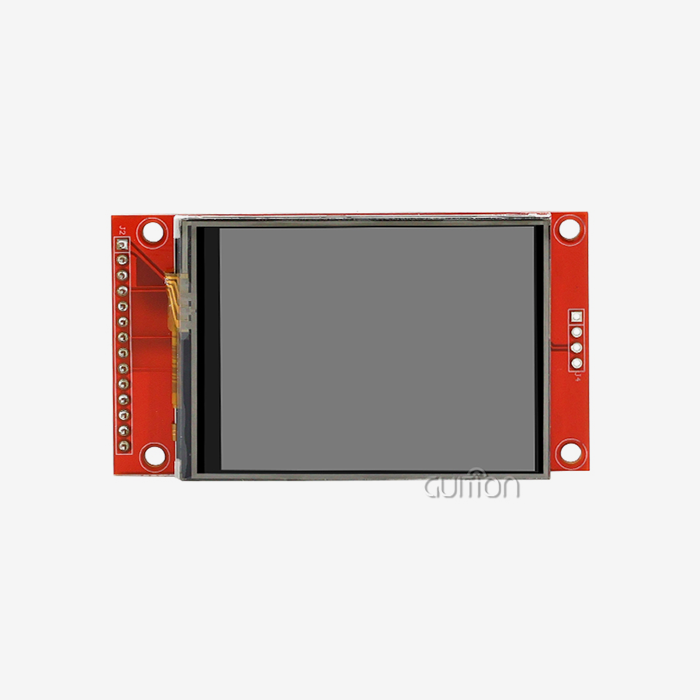
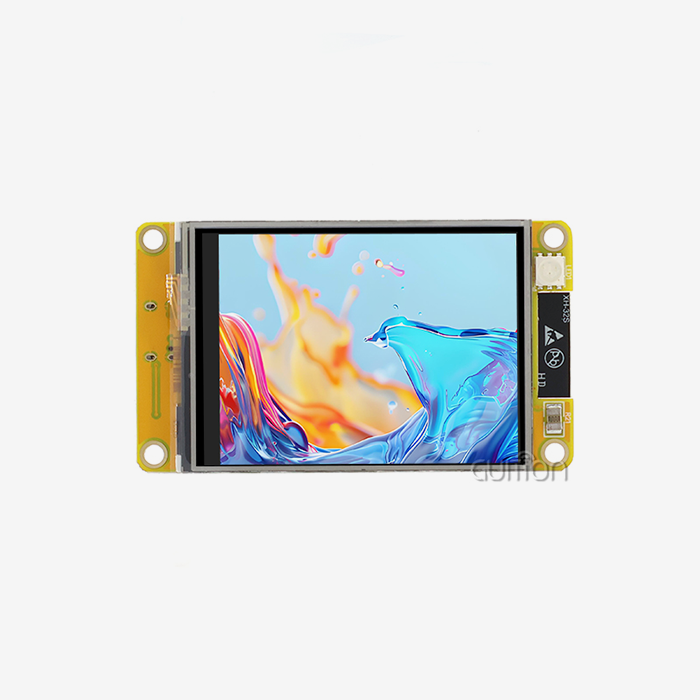
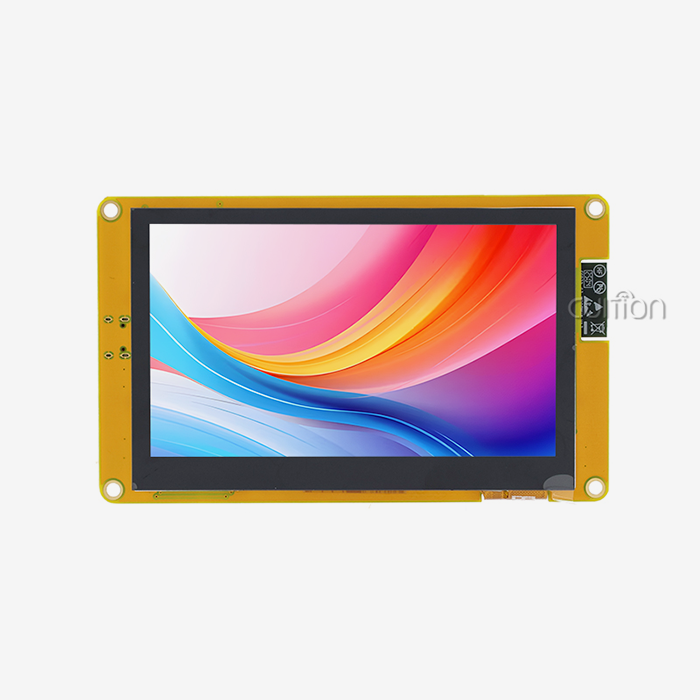
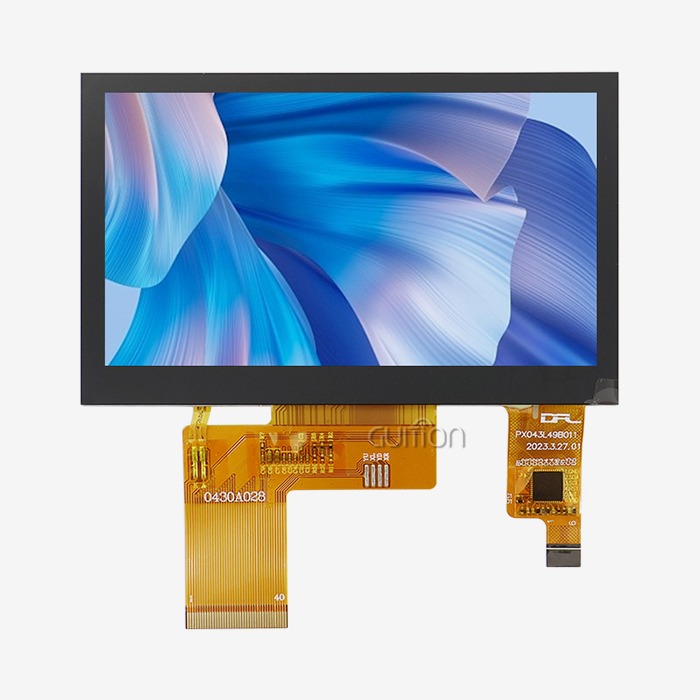
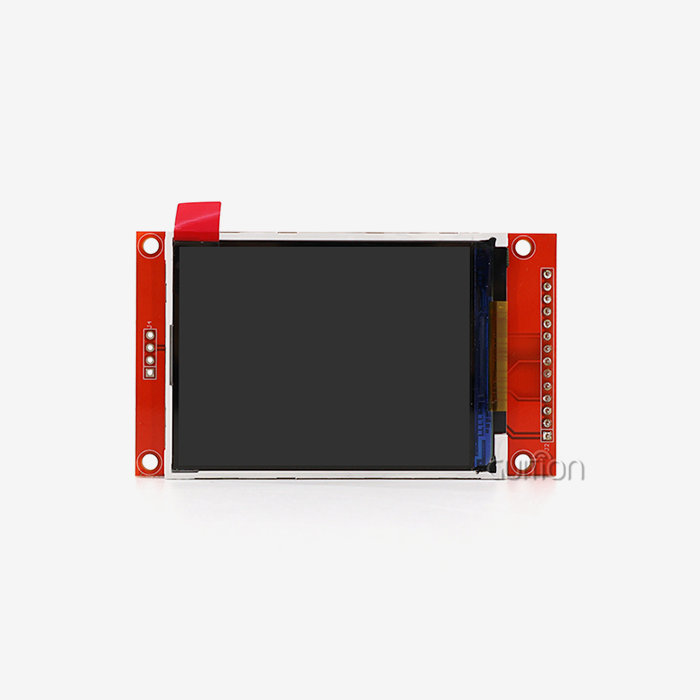
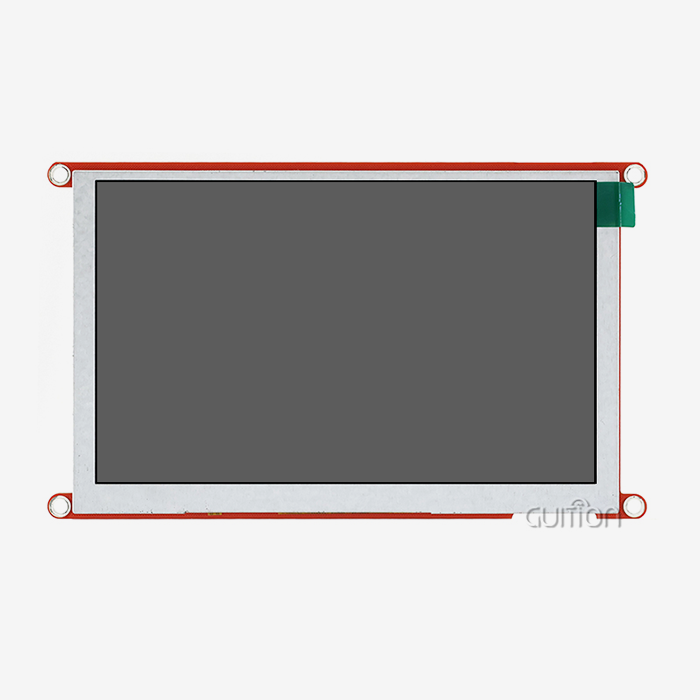
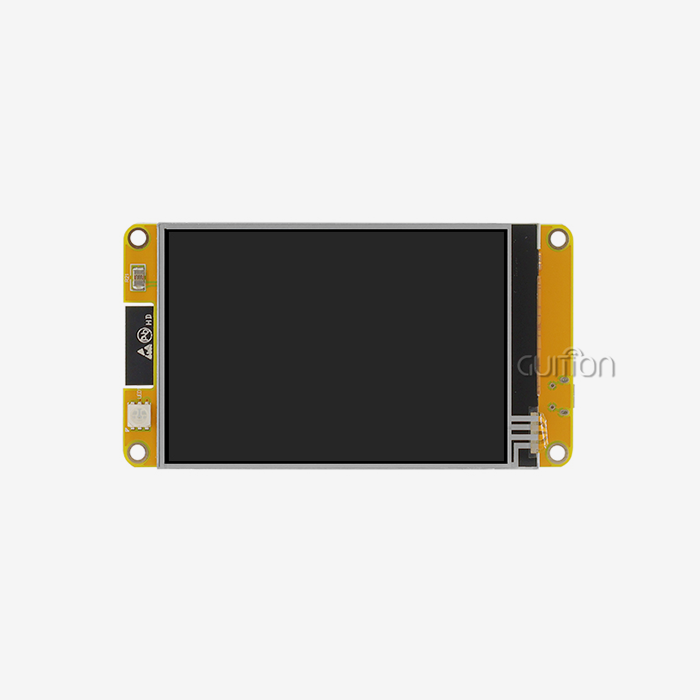
hmi display module. In a production setting, you have to make quick decisions based on correct information. Through graphical dashboards that workers can quickly understand, Industrial touch screen HMI panels show important process data. Status indicators, trend graphs, and alarm alerts that are colour-coded take away the brain load of figuring out what numbers mean. This clear vision lets you react faster to problems in production, which lowers the amount of waste and keeps the quality of the output. This is shown by the Guition JC8048Q350C_I_W module's 800x480 IPS screen, which can display complex images easily thanks to its 400MHz Artinchip D121BBV MCU that speeds up both JPEG and PNG files.
Reduced Training Requirements
When tools are easy to use, like smartphones, new workers can get more done faster. Capacitive touch technology reacts to natural movements, so you don't have to learn how to use complicated buttons and control sequences. GUI software has a drag-and-drop development environment that lets engineers make self-explanatory screens with clear labels and sensible ways to navigate. This way of thinking about design means faster training times and less reliance on experienced workers.
Long-Term Reliability and Cost Savings
Industrial-grade parts are more expensive because they last longer and work better. Consumer touchscreens break after a few thousand uses, but commercial touchscreens can handle millions of touches. Failures caused by pollution are less likely to happen in sealed construction than in dusty factory settings. This durability immediately lowers the costs of repairs and unexpected downtime. Fans are not used to cool gadgets like the Guition JC8048Q350C_I_W. This means that there are no mechanical failure points, so the product will always work well.
Flexible Connectivity Options
Devices and business systems need to be able to easily share data in modern production settings. Built-in WIFI and Bluetooth units let you connect wirelessly without having to set up a lot of cables. This connectivity lets workers view real-time production data from their offices in order to do remote tracking. Being able to instantly send process changes speeds up efforts to improve things all the time by getting rid of the need for people to physically update software.These benefits add up over time, giving companies that value good interface technology big advantages over their competitors. Less money spent on training, fewer maintenance calls, and better output measures show that the investment was worthwhile.
Types of Industrial Touch Screen HMIs and Their Applications
To choose the right interface technology, you need to know how the different versions work in different operating situations. The variety of choices makes sure that the device's powers and the needs of the application are perfectly matched.
Resistive vs. Capacitive Touch Technology
Resistive screens can accurately read pressure from any touch source, even when gloves are on or a stylus is used. This is a major benefit in places where PPE is required. Through optically bonded screens, capacitive technology provides better multi-touch response and visual clarity. The choice depends on the settings and patterns of engagement at work. With IPS display technology, capacitive screens like the ones in the Guition JC8048Q350C_I_W give you great clarity while still keeping the sensitivity you need to use an industrial glove.
Display Size and Resolution Considerations
The usefulness of an interface is directly related to the viewing distance and the amount of information that needs to be displayed. Small 5-inch screens work well for equipment-mounted tasks where workers can see them from a distance, while bigger screens are better for control rooms where they can show detailed process diagrams. The JC8048Q350C_I_W's 800x480 resolution is a good mix of showing details and making the processor work efficiently. This makes text easy to read without adding extra work to the computer.
Industry-Specific Implementations
HMI Display Module: Different industries need specific features that go beyond basic monitor functions. For tracking fast production lines, manufacturing technology needs to be able to update quickly. Energy management systems put a high value on being able to log data and see past trends. For medical gadget uses, casings that can be sterilised and certification compliance are necessary. Modern HMI systems are very flexible, so they can be changed to fit these different needs by changing the software setup instead of redesigning the hardware.
Industrial Touch Screen HMI vs. Other Control Interfaces: Making an Informed Choice
When making decisions about what to buy, it helps to know how touchscreen displays work and vary from other input technologies. Depending on the system design and operational goals, each method has its own benefits.
HMI and PLC Functional Relationships
People often don't understand how human-machine interfaces and programmable logic devices work together. PLCs carry out control logic, which includes reading inputs, running algorithms, and turning on outputs in a set order. As the command and visualisation layer, the Industrial touch screen HMI converts user inputs into control orders and PLC data into graphics that are easy to understand. This separation of issues lets each part be optimised in its own way, while standard communication methods keep the whole system functioning as a whole.
Comparative Market Positioning
Siemens, Allen-Bradley, and Schneider Electric are well-known names that lead the way in industrial automation with their wide range of products and services. These methods work well with environments that only use one vendor, but they usually need their own programming tools and force you to stick with that vendor. New providers, such as Guition, compete by offering open development platforms that work with both private tools and the Arduino and IDF frameworks. This method works well for businesses that value freedom and low costs over full partner support.
Value Engineering Considerations
Because of limited funds, feature sets must be carefully compared to real operating needs. Premium options come with full support networks, more licensing compliance, and higher temperature values. Options in the middle level offer basic features that work well in controlled indoor settings and cost a lot less. The Guition JC8048Q350C_I_W is aimed at this group, offering industrial-grade dependability through military-standard parts at a price that small and medium-sized businesses can afford.
How to Maximise the Benefits: Programming, Troubleshooting, and Procurement Tips
Industrial touch screen HMI investments must be implemented strategically across the development, operation, and upkeep phases if they are to realise their full potential.
Accelerated Development Through Modern Tools
In the past, creating an HMI required knowledge of embedded systems and low-level code, which slowed down development. Visual development environments that allow drag-and-drop interface building on modern platforms like Guition have changed this process in a big way. Engineers put together screens using controls that have already been made, set up data links visually, and test functions with built-in simulation—all without writing any code. This makes it possible for experts in the field to make custom interfaces without having to wait for limited computer tools. The platform allows development modes for Arduino, IDF, and native Guition, so engineering teams with a range of skills can use it.
Proactive Troubleshooting Strategies
To keep downtime to a minimum, interface problems need to be found and fixed in a planned way. Communication timeouts, touch calibration drift, and display artefacts are all problems that happen a lot. Setting standard performance metrics during approval gives you a way to find signs of degradation. Modern systems like the JC8048Q350C_I_W can be upgraded remotely, which lets engineers install diagnostic software without stopping output. This lets them set up tracking code that picks up on intermittent faults.
Strategic Procurement Practices
Choosing the right supplier has a big effect on both long-term happiness and the total cost of ownership. Manufacturers with a good reputation offer detailed technical documents, quick customer service, and clear guarantee terms. Testing sample units in real-world settings shows performance traits that can't be described in specs. When you buy in bulk, you can often get better prices and make sure that all of your setups have the same hardware versions. The factory-programmed test apps on the Guition platform allow review right away after delivery, which speeds up the validation process.
Implementation Best Practices
Standardisation and customisation should be balanced in a rollout for it to work well. Setting up interface design standards makes sure that everything is the same across all setups. This makes it easier for operators to switch between workstations without getting confused. Modular screen designs make it possible to make small changes to the system without affecting the whole system. Multilingual support through UTF-8 encoding gets systems ready for global operation so they don't have to be redesigned, which can be expensive when adding facilities in other countries. The JC8048Q350C_I_W's 5.0-inch form factor makes it suitable for panel-mount uses with a wide range of tools, which makes managing supplies easier.
Conclusion
Industrial touch screen HMI systems are important investments in infrastructure that decide how well a business can run and how competitive it can be. These specialised interfaces offer real benefits that consumer devices can't match through easy-to-understand visualisation, strong construction, and flexible connections. The technology has grown up from simple LCD screens to customisable systems that can be quickly customised with today's development tools. When organisations are looking at their choices, they should put long-term dependability, growth flexibility, and supplier responsiveness ahead of the price of the original buy. Strategic execution that includes choosing the right tools and writing code carefully can unlock huge productivity gains while reducing the costs of training and maintenance that hurt profits.
FAQ
What distinguishes industrial touch screen HMI devices from standard tablets?
Industrial versions are built to meet IP65+ ingress protection standards and can survive high temperatures, vibrations, and repeated operation cycles that kill consumer electronics. They work with PLCs through RS-485 connections and support industrial communication protocols like Modbus and Profinet. They also promise that parts will be available for years, not months.
Can capacitive touchscreens function reliably with safety gloves?
Modern sensitive controls have sensitivity settings that let them work with leather and thin rubber gloves that are often used in manufacturing. When software is tuned, it can pick up changes in the electrical field even through insulation materials. However, gloves that are very thick may need resistive technology instead.
How do remote upgrade capabilities reduce maintenance costs?
Travel costs and production delays that come with on-site service trips can be avoided by deploying software remotely. Engineers fix bugs, add new features, and apply security patches from a central spot, where they can work on problems in many sites at once. This feature is especially useful for sites that are spread out geographically.
Partner with Guition for Advanced Industrial Touch Screen HMI Solutions
Guition is an expert at providing makers and system developers with Industrial touch screen HMI technology that strikes a balance between performance and usability. Our JC8048Q350C_I_W module has a powerful 400MHz Artinchip D121BBV processor and a very clear 5.0-inch 800x480 IPS touch display. This gives your control apps the processing power and visual clarity they need. The drag-and-drop Guition development tool gets rid of traditional programming problems, so you can make interfaces quickly, even if you don't know a lot about code. We offer Arduino, IDF, and native development modes so that your team can use the ones that work best for them. Built-in Bluetooth and WIFI connectivity, the ability to update remotely, and support for multiple languages in UTF-8 make your computers ready for use around the world. As an Industrial touch screen HMI provider, whether you need a single test unit or a lot of them, our team is here to help you with technical questions and make changes. Get in touch with David at david@guition.com to talk about your unique needs and find out how our solutions can speed up the development of your products while keeping their industrial-grade reliability throughout their long and difficult operating lives.
References
1. Chen, M. and Liu, H. (2023). "Human-Machine Interface Design Principles for Industrial Automation Systems," Journal of Manufacturing Systems Engineering, Vol. 45, pp. 234-248.
2. Industrial Automation Handbook Editorial Board (2024). Modern HMI Technologies: Selection and Implementation Guide, Technical Publishing International, Chicago.
3. Roberts, J.K. (2023). "Comparative Analysis of Touch Technologies in Harsh Industrial Environments," International Journal of Advanced Manufacturing Technology, Vol. 118, pp. 1567-1582.
4. Smith, D.W. and Anderson, P.L. (2024). "Cost-Benefit Analysis of Industrial HMI Modernisation Projects," Production Economics Quarterly, Vol. 32, No. 2, pp. 89-107.
5. Zhang, Y. and Patel, R. (2023). "Communication Protocol Integration in Distributed Control Systems," IEEE Transactions on Industrial Informatics, Vol. 19, pp. 4521-4535.
6. Williams, T.R. (2024). Embedded Systems for Industrial Applications: Design Strategies and Case Studies, Engineering Press, Boston.
Learn about our latest products and discounts through SMS or email