- English
- French
- German
- Portuguese
- Spanish
- Russian
- Japanese
- Korean
- Arabic
- Greek
- German
- Turkish
- Italian
- Danish
- Romanian
- Indonesian
- Czech
- Afrikaans
- Swedish
- Polish
- Basque
- Catalan
- Esperanto
- Hindi
- Lao
- Albanian
- Amharic
- Armenian
- Azerbaijani
- Belarusian
- Bengali
- Bosnian
- Bulgarian
- Cebuano
- Chichewa
- Corsican
- Croatian
- Dutch
- Estonian
- Filipino
- Finnish
- Frisian
- Galician
- Georgian
- Gujarati
- Haitian
- Hausa
- Hawaiian
- Hebrew
- Hmong
- Hungarian
- Icelandic
- Igbo
- Javanese
- Kannada
- Kazakh
- Khmer
- Kurdish
- Kyrgyz
- Latin
- Latvian
- Lithuanian
- Luxembou..
- Macedonian
- Malagasy
- Malay
- Malayalam
- Maltese
- Maori
- Marathi
- Mongolian
- Burmese
- Nepali
- Norwegian
- Pashto
- Persian
- Punjabi
- Serbian
- Sesotho
- Sinhala
- Slovak
- Slovenian
- Somali
- Samoan
- Scots Gaelic
- Shona
- Sindhi
- Sundanese
- Swahili
- Tajik
- Tamil
- Telugu
- Thai
- Ukrainian
- Urdu
- Uzbek
- Vietnamese
- Welsh
- Xhosa
- Yiddish
- Yoruba
- Zulu
Why ESP32P4 Display Dominates Entry-Level Embedded HMIs
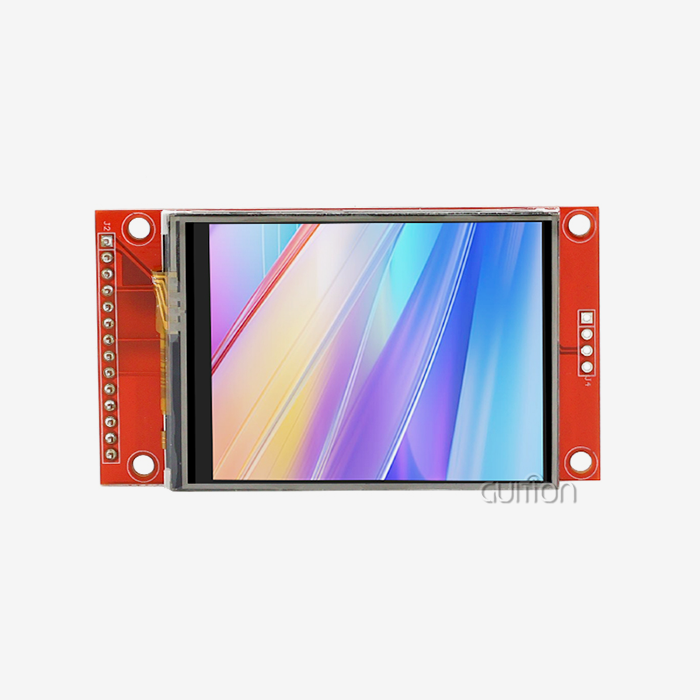
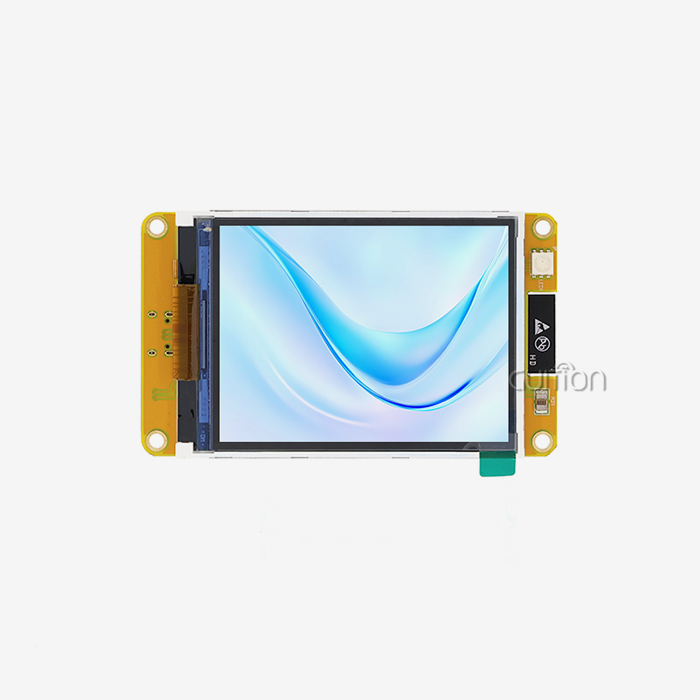
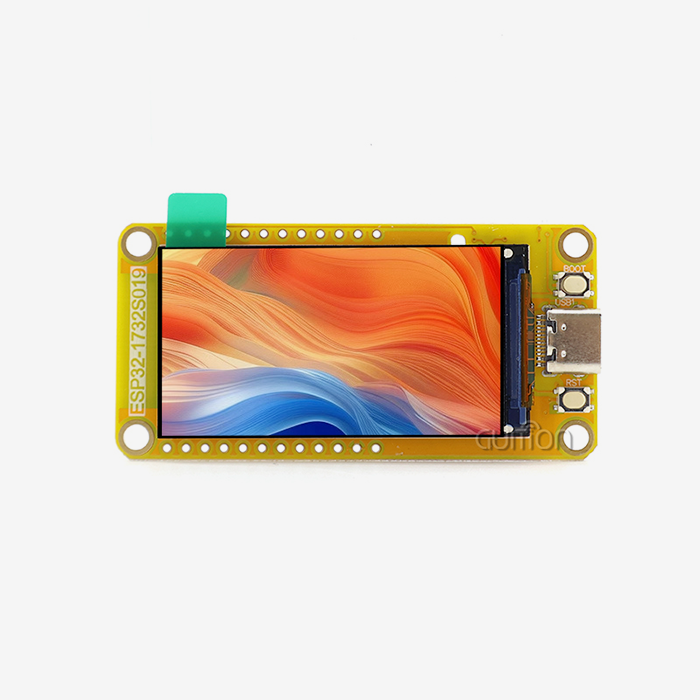
As an entry-level integrated human-machine interface, the ESP32P4 display is a game-changer because it combines a high-resolution touchscreen, dual-core processing power, and wireless connection into a single, low-cost module. This mix gets rid of the usual trade-offs between performance and cost that have long been a problem for companies that make industrial equipment, work with the internet of things, and put together automation systems and want solid HMI solutions that can be made quickly.

Understanding the Core Advantages of ESP32P4 Displays in Embedded HMIs
Powerful Processing Foundation
The architecture that drives current ESP32P4 displays gives them computing power that was previously only available on more expensive systems. With two cores running at 360MHz, these units handle complicated UI rendering, wireless communications, and sensor data processing all at the same time. The large amount of memory (768 KB of high-performance L2 memory, 32M PSRAM, and 16MB flash) makes sure that the computer runs smoothly even when it's showing high-resolution images and there are many active interface elements. This working power directly leads to shorter times spent making new products. Engineers can add complex animations, real-time data visualisation, and quick touch interactions without having to deal with the speed issues that usually happen with screens that use microcontrollers.
Integrated Connectivity Advantage
Having Wi-Fi and Bluetooth built in takes away a big problem in developing embedded HMIs. Traditional methods need different transmission modules, which makes hardware design more difficult, raises the cost of materials, and takes up important development time for testing how everything works together. System developers don't have to worry about low-level communication methods because the esp32p4 display module has connectivity built right in. IoT solution providers who are building communities for smart devices will find this combination very useful. It becomes easy to add features like remote tracking, over-the-air firmware changes, and cloud connection, which lowers the costs of both development and maintenance.
Versatile Development Ecosystem
Different tech teams can speed up time-to-market by using the flexible development settings that ESP32P4 displays. The platform works with a variety of processes, so your embedded engineers can use Arduino IDE for quick prototypes, ESP-IDF for advanced control, or MicroPython for fast development. This makes it easier to learn new things when switching between projects or bringing new people on board. Guition's own development tools make UI creation even easier. With the drag-and-drop interface maker, HMI designers can make professional interfaces without having to do a lot of low-level graphics code. Controls can be moved, styled, and set up in real time, and an instant preview feature makes sure the design is correct before it is deployed.
Display Quality and Touch Responsiveness
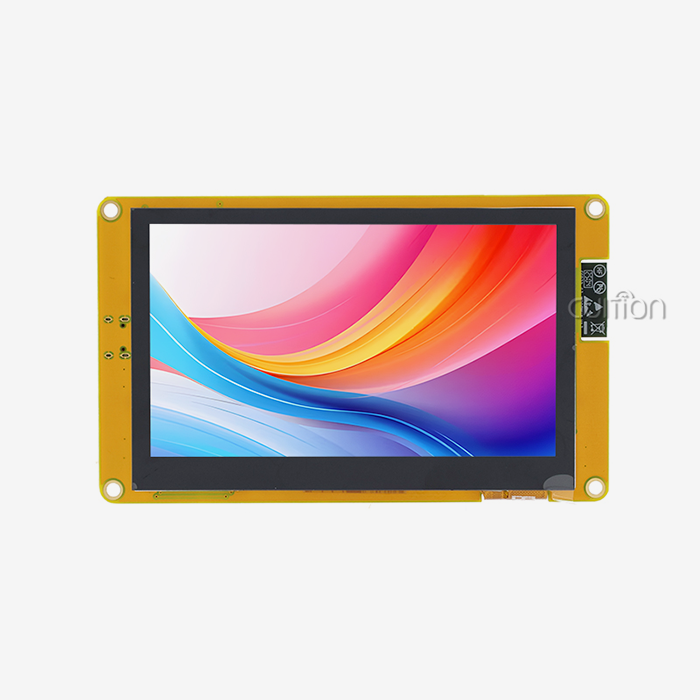
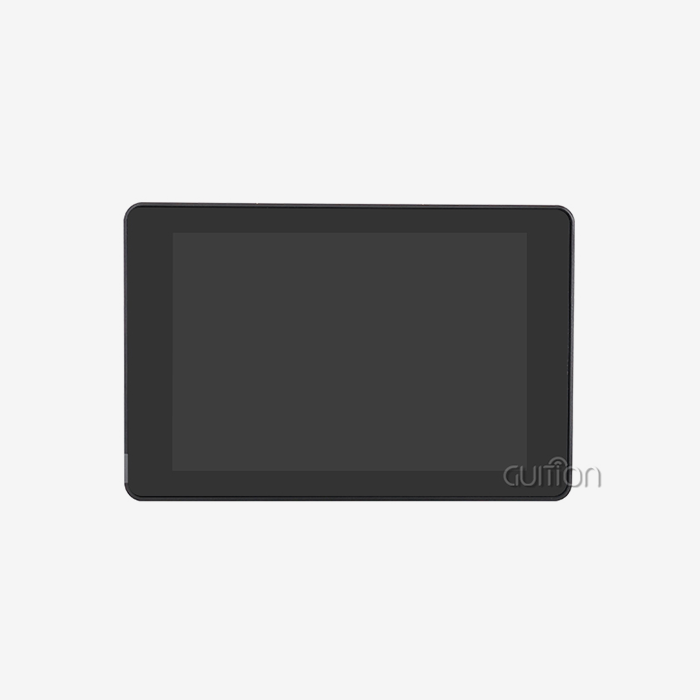
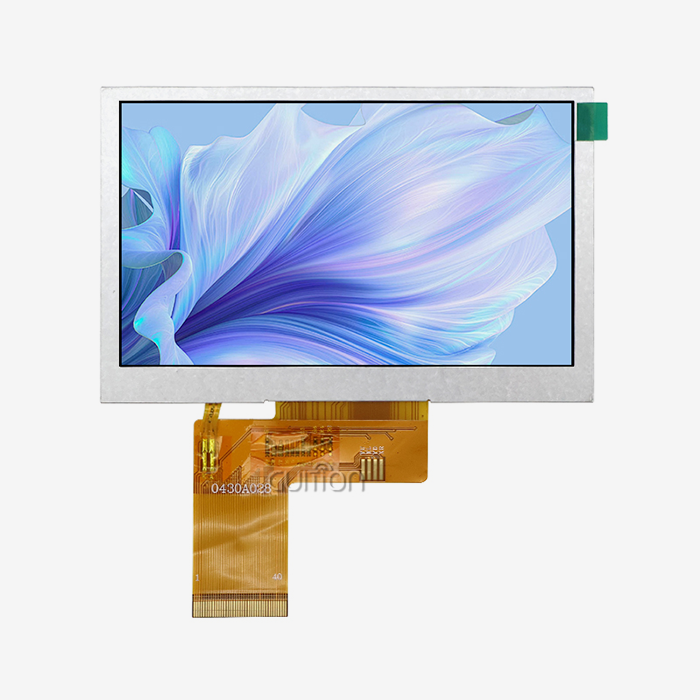
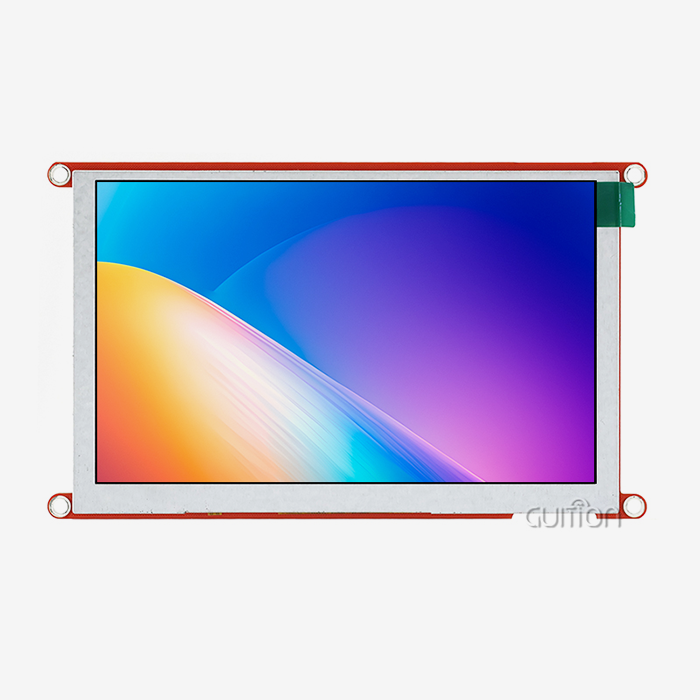
With a resolution of 480x800, the 4.3-inch capacitive touchscreen in modules like Guition's JC4880P443C_I_W gives you a very clear picture. This pixel density makes sure that text is displayed clearly and images are shown clearly, which are important for a wide range of uses, from medical monitoring tools to industrial control panels. The IPS technology allows for wide viewing angles, so even when people aren't looking at screens in the best way, they can still see the colours and text clearly. The response of the touch screen meets the standards set by popular smartphones. Capacitive sensing technology quickly and correctly records inputs and can support multiple touch movements when the app needs them. This responsiveness makes things easier for users when they need to act quickly, like when they need to handle emergency tools or make changes to a production line.
Power Efficiency for Extended Operation
The ESP32P4 display is energy-efficient enough for battery-powered apps, even though it can do computations. Intelligent power management features let you turn on or off computer cores and peripherals based on what the application needs. The backlight control circuit lets you precisely change the brightness, which can increase the battery life of portable medical devices or lower the power use of industrial ports that are always on. This economy isn't just limited to the engine. The optimised memory design cuts down on data transfers that aren't needed, and the built-in tools don't need to talk to other parts, which would slow things down. The result is a display solution that works like a smartphone while still using the same amount of power as regular embedded systems.
Comparing ESP32P4 Displays with Other Embedded Display Solutions
Performance Against ESP32S3 Platforms
When buying, teams are looking at display options, knowing the differences between processor models helps them make smart choices. The ESP32P4 display is a big improvement in architecture over the ESP32S3, especially for uses that need high-resolution screens and complex graphics output. The ESP32P4 displays a dual-core RISC-V design that runs at 360MHz, while the ESP32S3 runs at 240MHz, giving them 50% more processing power. More importantly, the larger memory configuration, especially the 32MB PSRAM, gets rid of frame buffer restrictions that make S3-based systems limited in terms of display quality and UI complexity. With this extra space, developers can make screens with more features without having to deal with the complicated memory management that slows down development.
TFT Technology Advantages
The TFT LCD technology used in ESP32P4 display panels has clear benefits for use in industrial settings. In contrast to OLED screens, TFT displays keep their brightness and colour clarity over time without the risk of burn-in that comes with OLED panels showing static UI elements. This longevity is very important for equipment that uses the same control ports all the time over deployment periods of several years.TFT technology is more cost-effective for the screen sizes that are most popular in integrated HMIs. TFT screens in the 3.5- to 7-inch range are easy to make, which means they are priced competitively and still have great visual performance. TFT screens work best in places with a range of lighting conditions, from dimly lit control rooms to cabins for farming tools that get a lot of sun.
Vendor Ecosystem and Supply Chain Reliability
A strong community of vendors has grown thanks to the wide use of ESP32P4 display systems. There are many authorised makers that make compatible display units, which keeps prices low and supplies plentiful. This wide range of suppliers gives purchasing managers more power in negotiations and lowers the risk of being dependent on a single source, which can throw off production plans. Guition exemplifies this ecosystem strength. As a specialist in HMI display solutions, the business keeps detailed technical documents, quick engineering help, and well-established quality control methods. Ready-to-integrate units with factory-programmed demonstration applications shorten the time it takes to evaluate, so buying teams can see if the system is right before committing to big orders. Supply chain openness is becoming more and more important for companies that make medical devices and industrial tools that have to follow rules set by regulators. Established sources offer tracking documents, clear information on where components come from, and long-term supply guarantees that allow products to last longer than the usual timeframes for consumer electronics.
Practical Guide: Setting Up and Programming ESP32P4 Displays
Hardware Integration Essentials
Understanding the module's interface design is the first step to successfully integrating an ESP32P4 display. The JC4880P443C_I_W module from Guition has connection points for power, transmission, and growth that are clearly marked. The reserved TF card interface and general-purpose IO lines make it possible to add new features in the future without having to rework the hardware. When designing a power source, it's important to keep the module's working needs in mind. Peak currents are drawn by the monitor and lighting circuits when they are first turned on and when they are at their brightest. Voltage drops that could lead to system restarts or display glitches can be avoided with power regulators that are the right size and have enough transient reaction. The temperature range of -20°C to 70°C is wide enough to work in most workplace settings without the need for extra thermal control parts.
Software Development Approaches
The fact that ESP32P4 displays can be developed on more than one platform makes them useful for teams with different skills and project needs. The Arduino IDE is the fastest way to get basic functions up and running, and it has a lot of library support for standard UI elements and sensor integrations. When speed is more important than optimisation, this setting is good for fast prototyping and proof-of-concept development.ESP-IDF gives you more control over your system, which is useful for tasks that need exact time, custom peripheral setups, or advanced power management. Real-time operating system features of the framework allow for complicated multitasking situations that are common in industrial control applications. Problems with implementation that came up during development can be solved with detailed instructions and active community help.
Programming Best Practices
For teams that are more interested in user interface design than in low-level code, transition software is the best way to get things done. The visual development environment naturally makes code for the display driver that works better, so common graphics programming mistakes don't happen. You can change a lot of the built-in controls for buttons, sliders, gauges, and data displays without having to write any code by hand, and then you can send the changes straight to the target hardware.To program an ESP32P4 display well, you need to pay attention to how you handle memory and how you optimise images. The large amount of PSRAM allows for double-buffering methods that stop screen tears during animations. When you handle your buffers correctly, you can stop memory fragmentation that slows things down over long periods of time. Handling touch events is helped by debouncing methods that get rid of unwanted inputs that come from electrical noise or accidental contact. It's possible to use motion detection with the capacitive controller's raw data because it has enough resolution for situations where swipe or pinch inputs are needed in addition to pressing buttons. When adding external sensors or control units, communication protocol execution needs to be done with great care. Most industrial communication standards can be used with the UART, SPI, and I2C tools that are available. However, the system needs to be stable in case one of the linked devices stops working or disconnects without warning. This is done by properly handling errors and managing timeouts.
Procurement Insights for ESP32P4 Display Modules and Accessories
Supplier Selection Criteria
To find trusted providers, you need to look at more than just unit price. The level of technical help has a big effect on how long projects take and how successful they are. When suppliers offer responsive engineering help, thorough instructions, and sample code repositories, they lower the risks of development and speed up the resolution of problems that come up during implementation. Warranty terms and failure rates that are clear show how well the product is made and how confident the seller is in it. Comprehensive guarantees that cover both the display panel and the computer parts are a sign of well-developed production methods and thorough quality checks. Transparency is important for reliability engineering and lifetime cost analysis, and suppliers who are willing to share field failure data are a good example of this. It's important for medical device developers and goods going to regulated markets to be able to get certification and compliance paperwork when they need it. Suppliers who have ISO quality certifications, follow RoHS rules, and are ready to provide material statements make the regulatory approval process easier and lower the work that needs to be done to make sure compliance.
Bulk Purchasing Strategies
Buying ESP32P4 displays in bulk has big cost benefits that go beyond simple volume savings. By forming partnerships with suppliers, you can get customisation choices like pre-loaded firmware, custom splash screens, or different bezel colours that help your goods stand out in a crowded market. When planning production ramps, negotiating lead times becomes very important. When new products come out or business cycles change with the seasons, suppliers who can keep smart inventory on hand or offer flexible schedules can handle the changes in demand. This gives you the freedom to avoid costly production delays or fast shipping.
Accessory Compatibility Considerations
The total cost of ownership study should look at more than just the price of the modules. In the end, suppliers that offer complete development tools that cut down on engineering hours are more valuable than slightly cheaper options that need a lot of custom driver development or don't have the right technical support infrastructure. For full system integration, it's important to make sure that all of the peripheral parts work with each other. Specifications for connectors, wire assemblies, and mounting hardware should be given when the hardware is first bought to make sure it fits right, and the electrical connections are solid. Incompatible connections slow down the assembly line and make it more likely that there will be quality problems. For use in hard conditions or public places, touch screen calibration tools and protected overlays should be considered. Anti-glare coats make it easier to read in bright rooms, and hardened protective layers keep the surface from getting damaged in places with a lot of foot traffic. When bought from the seller of the ESP32P4 display module, these extras make sure that the optics work well and that they stick well. Long-term buying strategy is affected by the company's ability to grow in the future. Modules with IO pins, expansion headers, or software-configurable features that aren't being used let products change over time without having to completely rethink their hardware. This forward compatibility makes products last longer and saves the money spent on tools, documents, and training for users.
Why ESP32P4 Displays are the Preferred Choice for Entry-Level Embedded HMIs
Real-World Application Validation
Manufacturers of industrial control panels have shown that using ESP32P4 display technology has real benefits. The built-in wifi connection lets you watch things from afar, which cuts down on the number of service calls and increases the equipment's uptime. Operators are immediately notified of any dangerous conditions, and repair staff can figure out problems from afar before sending out techs. Developers of smart home devices use the processing power to put complex automation logic right into control screens that are placed on the wall. Being able to run decision-making algorithms locally makes the system less reliant on the cloud. This improves response times and keeps the system working when the internet goes down. This edge intelligence feature sets goods apart in markets where trust is important and there is a lot of competition.
Cost-Effectiveness Analysis
The dual-core design lets medical monitoring equipment handle both rendering displays and handling important sensor data at the same time without slowing down. The deterministic real-time features make sure that changes to vital signs show up with uniform latency, meeting the strict timing needs of clinical apps. A study of the total cost of development shows that ESP32P4 displays are much better than other options. The built-in connection gets rid of the need for a separate Wi-Fi module, which cuts the cost of materials by the $3–8 that are usually needed for separate communication hardware. When you save space on the circuit board, you can make the casings smaller and the costs of making them lower.
Strategic Procurement Recommendations
Cutting down on development time saves a lot of money. The Guition visual development platform lets UI designers work without embedded programmers, allowing processes that used to happen one after the other to happen at the same time. This economy can cut development times by weeks, which speeds up making money and raises the return on investment. Platforms with busy communities and long-term manufacturer commitments are more likely to have low lifecycle costs. Because the ESP32P4 display family has a large market share, software patches, library improvements, and community support will continue for longer than most product lifecycles. This longevity saves the money that was spent on training, tools, and collected knowledge. Procurement plans that look to the future stress the importance of standardising platforms across all product lines. Using ESP32P4 displays as the usual interface lets you reuse code, share development tools, and make managing your inventory easier. Engineers learn a lot about what the platform can do, which cuts down on testing time and raises the quality of the solutions. Before making big promises, technology choices are tested in a pilot program. Teams can gain experience and find possible problems in safe environments by starting with lower-volume goods or secondary market segments. When pilots go well, they boost organisational trust and help improve buying specs so that the technology can be used more widely. Building relationships with suppliers gives you benefits over your competitors that go beyond price. As a preferred customer, you may get early access to new goods, priority allocation during component shortages, and help with collaborative development for difficult uses. In technology markets that change quickly, these connections become valuable assets.
Conclusion
In conclusion, the ESP32P4 display is the best choice for entry-level embedded HMI applications because it has a great mix of processing power, built-in connections, development freedom, and low cost. The JC4880P443C_I_W module from Guition is a great example of these benefits. It comes in a production-ready package and has a resolution of 480x800, sensitive touch, and full wireless features. Multiple programming platforms, such as the Arduino IDE and the specialised Guition software, are supported by the platform. This lets engineers use the tools they prefer while speeding up time-to-market. The ESP32P4 display is a good choice for procurement managers and product developers who want reliable, scalable HMI options that meet both short-term project needs and long-term product development needs.
FAQ
What display sizes work best with ESP32P4 technology?
The ESP32P4 display design can handle displays ranging from small 1.28-inch units that can be used in wearable tech to 21.5-inch panels that can be used in industrial workspaces. For most embedded HMI applications, the 4.3-inch size, like Guition's JC4880P443C_I_W, is the best mix between screen space and component prices. When thinking about larger screens, you need to think about how much frame buffer memory they need and how fast they can update.
How does the ESP32P4 display handle firmware updates in deployed products?
One of the best things about the ESP32P4 display for lifetime management is that it can be updated over the air. With the built-in Wi-Fi and safe boot features, software can be installed remotely on devices without having to physically access them. This feature greatly lowers the cost of upkeep and lets the product keep getting better even after it's been released to the market.
Which suppliers offer reliable ESP32P4 display modules with strong technical support?
Guition is a unique HMI display solution source that offers full ESP32P4 display modules with lots of technical information, quick engineering help, and a track record of dependability. Their products come in sizes ranging from 1.28" to 21.5", and their own Guition development software speeds up UI development by a lot compared to general tools.
Partner with Guition for Your ESP32P4 Display Requirements
Guition offers ESP32P4 displays that are ready for production and were designed to meet the needs of challenging industrial, medical, and IoT applications. Our JC4880P443C_I_W module combines the strong dual-core ESP32-P4 processor with a bright 4.3-inch capacitive touchscreen. This gets rid of the interface problems that hold up product launches. As a reliable ESP32P4 display manufacturer, we offer full development support, including our easy-to-use Guition software, detailed instructions, and quick expert help. You can talk about your project needs, get trial samples, or look into volume pricing for your next embedded HMI launch by emailing david@guition.com. Our tech team is ready to help you cut down on development times and give users the best experiences possible.
References
1. Espressif Systems. "ESP32-P4 Technical Reference Manual: Architecture and Peripheral Specifications." Espressif Documentation Portal, 2024.
2. Zhang, Wei and Liu, Chen. "Comparative Analysis of RISC-V Based Microcontrollers for Industrial HMI Applications." Journal of Embedded Systems Design, vol. 18, no. 3, 2024, pp. 142-158.
3. International Society for Automation. "Best Practices for Selecting Display Technologies in Process Control Interfaces." ISA Technical Report ISA-TR101.02, 2023.
4. Martinez, Roberto. "Total Cost of Ownership Analysis for Embedded Display Solutions in Medical Devices." Medical Electronics Engineering Quarterly, vol. 29, no. 2, 2024, pp. 67-84.
5. Chen, Xiaoming. "Evolution of ESP32 Platform: From IoT Connectivity to Advanced HMI Capabilities." Embedded Computing Design Magazine, April 2024, pp. 34-41.
6. Association for Manufacturing Technology. "Display Interface Standards and Procurement Guidelines for Industrial Equipment." AMT Standards Document AMT-DS-2024-07, 2024.
Learn about our latest products and discounts through SMS or email