- English
- French
- German
- Portuguese
- Spanish
- Russian
- Japanese
- Korean
- Arabic
- Greek
- German
- Turkish
- Italian
- Danish
- Romanian
- Indonesian
- Czech
- Afrikaans
- Swedish
- Polish
- Basque
- Catalan
- Esperanto
- Hindi
- Lao
- Albanian
- Amharic
- Armenian
- Azerbaijani
- Belarusian
- Bengali
- Bosnian
- Bulgarian
- Cebuano
- Chichewa
- Corsican
- Croatian
- Dutch
- Estonian
- Filipino
- Finnish
- Frisian
- Galician
- Georgian
- Gujarati
- Haitian
- Hausa
- Hawaiian
- Hebrew
- Hmong
- Hungarian
- Icelandic
- Igbo
- Javanese
- Kannada
- Kazakh
- Khmer
- Kurdish
- Kyrgyz
- Latin
- Latvian
- Lithuanian
- Luxembou..
- Macedonian
- Malagasy
- Malay
- Malayalam
- Maltese
- Maori
- Marathi
- Mongolian
- Burmese
- Nepali
- Norwegian
- Pashto
- Persian
- Punjabi
- Serbian
- Sesotho
- Sinhala
- Slovak
- Slovenian
- Somali
- Samoan
- Scots Gaelic
- Shona
- Sindhi
- Sundanese
- Swahili
- Tajik
- Tamil
- Telugu
- Thai
- Ukrainian
- Urdu
- Uzbek
- Vietnamese
- Welsh
- Xhosa
- Yiddish
- Yoruba
- Zulu
Is TFT LCD touch Suitable for Smart Embedded Devices?
Smart embedded gadgets that use TFT LCD touch technology are ideal. Modern TFT LCD touch modules provide the precise control and vivid images that embedded systems need by combining thin-film transistor displays with advanced capacitive or resistive touch sensors. These modules work well in settings with limited resources and offer rapid user-machine interfaces. The main problems embedded engineers face are addressed by today's TFT LCD touch solutions, which have resolutions up to 800x480 pixels, multi-touch capabilities, and strong environmental performance.

Understanding TFT LCD Touch Technology for Embedded Systems
TFT LCD touch technology is a developed combination of display and input features designed specifically for embedded systems. The design includes a thin-film transistor stack that handles each pixel and a touch-sensing layer that tells when the user touches the screen. This mix gives embedded system makers what they need most: clear visual feedback and quick responses to directions.
Core Technology Components
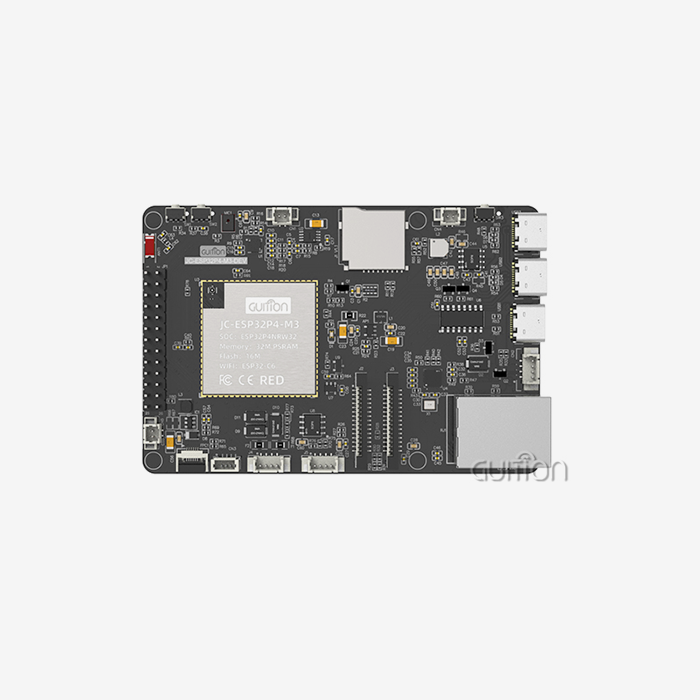
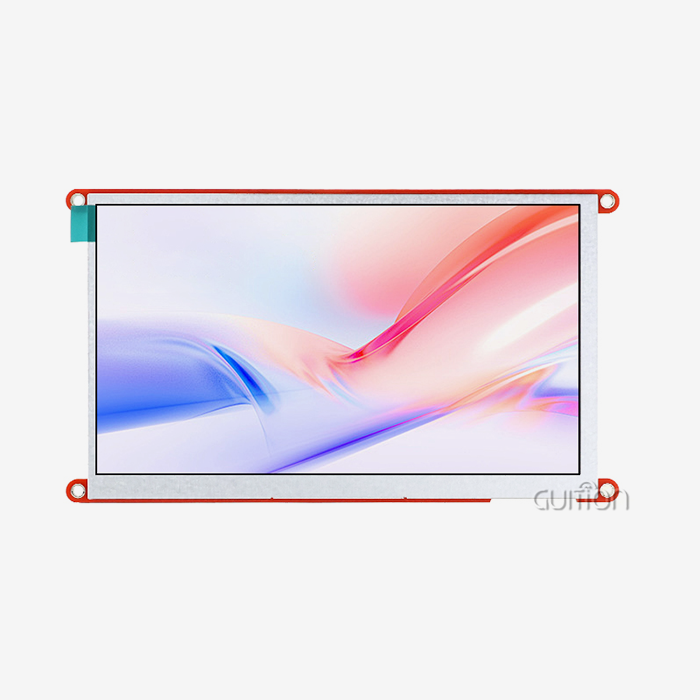
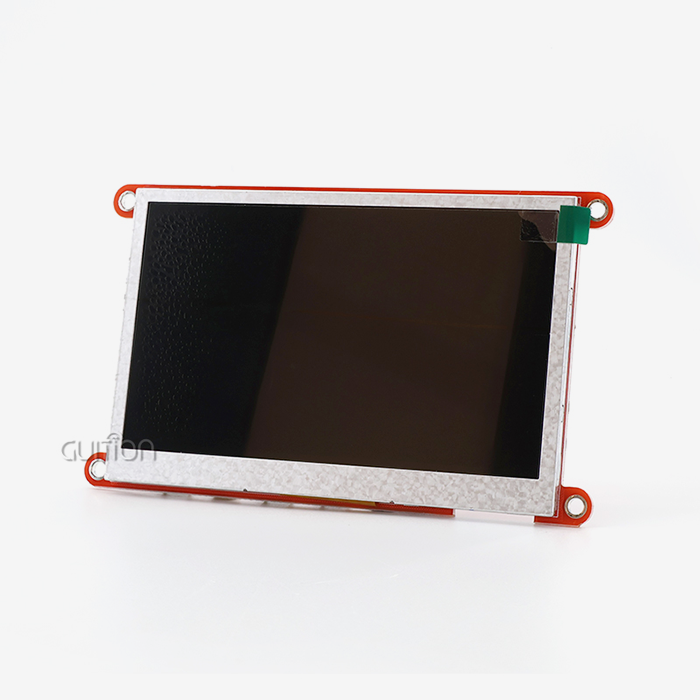
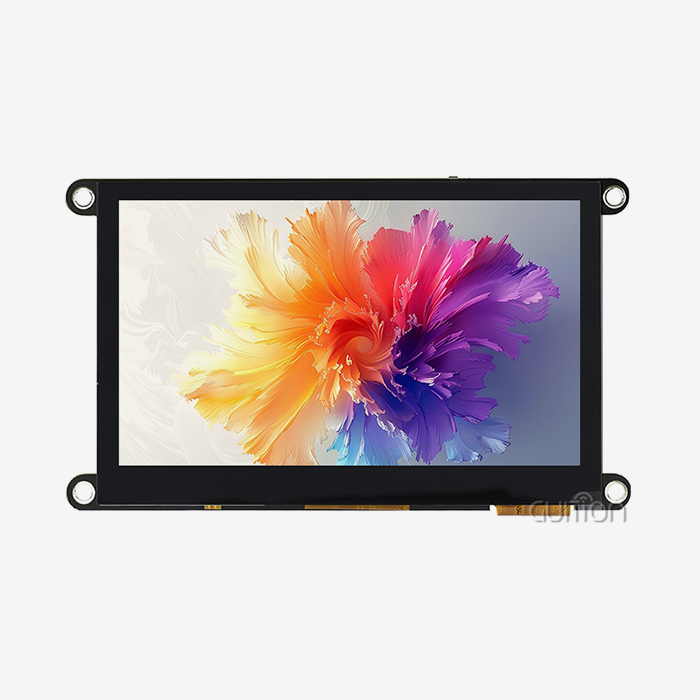
Any TFT LCD touch module's transistor grid serves as its structural core. Dedicated transistors give each image its own control, allowing displays to show colours and brightness levels that are more accurate than those of passive displays. When you add capacitive touch detection, the module can tell when your finger is close by because it changes the electric fields. With its EK9716 driver IC, the GUITION JC8048B070C is a particularly effective example of this method. It has a 7.0-inch screen with an 800x480 resolution and works with the capacitive touch joystick through an RGB interface.
In embedded settings, capacitive sensing is better than resistive sensing. The technology doesn't need any actual pressure, so it can work for well over 100 million touches. Your users will like the smooth glass surface that doesn't scratch easily and lets them use multiple touch motions. The display stays optically clear over its lifetime because it doesn't have any mechanical bend points.
Integration With Embedded Architectures
There are tight limits on how much computer power, memory, and energy smart embedded devices can use. Through clever controller designs, modern TFT LCD touch modules handle these facts. The module is responsible for updating the screen and handling touch coordinates. It talks to the host microcontroller using standard interfaces, such as I2C for touch data and RGB parallel buses for video outputs.
The GUITION JC8048B070C demonstrates this efficiency. Its RGB port works with most microcontrollers, so you can send colour data without changing protocols. Touch coordinates come in on their own I2C lines, which lets your software check for input events without stopping changes to the display. This split of issues makes it easier to make embedded software and lessens the work of debugging, which can take longer than planned.
Environmental Resilience
Embedded gadgets don't usually work in climate-controlled rooms. Extreme temperatures can affect industrial control panels, medical equipment needs to be cleaned often with strong chemicals, and outdoor shops have to deal with direct sunlight. The design of high-quality TFT LCD touch panels takes these forces into account. Operating temperature ranges from -20°C to 70°C to ensure that the device works all year round and in all climates. Thin protective layers keep the capacitive touch sensor from picking up input, allowing ruggedised cases to work without losing response.
Comparing TFT LCD Touch With Alternative Display Technologies
Understanding how options compare to TFT LCD touch solutions in embedded settings is necessary before choosing the best display technology. Several competing technologies are vying for room in integrated designs. Each has its pros and cons.
TFT LCD Versus OLED Displays: A Comparison
The bright colours and true black pixels of OLED technology get people's attention, but integrated apps show that it has some problems. When static interface elements are shown on OLED panels, which is common in industrial control systems that need to show permanent status signs, the panels get burned in. The organic ingredients break down when exposed to UV light, which makes outdoor use less likely. Power use looks good when the interface is dark, but it goes up a lot when the screen is bright and full of information, like on medical equipment or computer panels.
TFT LCD touch panels avoid these issues. The artificial materials don't break down when exposed to UV light, and the highlighting stays the same, no matter what is being shown. The GUITION JC8048B070C has a 7-inch screen that can display 16.7 million colours without any issues with burn-in or uneven pixel ageing. When you look at the total cost of ownership over five years, TFT LCD technology is more cost-effective for most integrated uses.
Resistive Versus Capacitive Touch Technologies
Resistive touch screens can work with gloved hands or styluses because they respond to pressure. This can be useful in some workplace settings. But the bendable layer makes it less clear to see and only lasts for about 1 to 5 million touches before it breaks down mechanically. Standard resistance designs still don't let you use multitouch movements.
Modern TFT LCD touch modules use capacitive technology to create surfaces that are as hard as glass and keep optical transmission above 85%. Users say the smooth interface feels high-end, and it supports advanced movements like pinch-zoom and two-finger spinning. Your embedded interface can use current user interface styles that people are used to seeing on their phones. This will make training easier and make users happier.
Resolution and Screen Size Considerations
Small wearables and big industrial systems are both examples of embedded uses. With choices ranging from 1.28 inches to 21.5 inches, TFT LCD touch modules can handle this range. For embedded devices, the GUITION JC8048B070C's 7-inch size is just right. The 800x480 resolution gives enough clarity for complicated displays without being too much for simple microcontrollers. Text is still readable, buttons look clear, and the graphical data visualisation does a good job of conveying information.
Framebuffer storage needs more memory and computer power when the resolution is higher. For a raw frame, a 1920x1080 screen needs 6.2 MB, but an 800x480 screen only needs 1.2 MB. This difference affects the bill of materials (BOM) prices and the amount of power used by battery-powered gadgets.
Practical Considerations and Procurement Factors
It's important to choose parts that meet both technical and business needs for integrated product development to go smoothly. TFT LCD touch panels offer several options that can change the course of a project.
Interface Compatibility and Development Effort
How your microcontroller and display gadget communicate determines how hard it is to create. RGB parallel connections employ 24 GPIO pins for colour data and control signals, but convey raw pixel data with minimal timing requirements. SPI and other serial interfaces have fewer pins but slower update rates, making them unsuitable for video and animation.
Calibration and Quality Assurance
Capacitive touch controls need to be calibrated at the factory so that they can work with different thicknesses of cover glass and electromagnetic environments. Most reputable makers calibrate before shipping, but embedded system integrators should check the accuracy of the touch during the receiving review. By drawing diagonal lines across the screen and recording the coordinate output, simple linearity tests can identify problems with the controller setting before the modules are put into production.
The GUITION JC8048B070C goes through a series of tests, such as linearity checking, ghost touch recognition under EMI stress, and temperature changing, to make sure the solder joint is solid. These quality control steps cut down on failures in the field that hurt the image of the product and cause expensive support issues.
Environmental and Durability Requirements
Chemical protection and electrical safety are critical for medical equipment. Vibrations, dust, and changes in temperature can't hurt industrial computer equipment. Your purchase specs should clearly state the environmental conditions the show will be in. In the real world, dependability is the same as the operating temperature ranges, storage humidity limits, and shock/vibration resistance levels that are written down in specs.
-20°C to 70°C is the temperature range that the GUITION module works in, which is suitable for most embedded systems. The thin 3.5 mm profile makes it easier to integrate mechanical parts into structures with limited room. Ask providers for full environmental test results that include thermal shock cycles, high-temperature, high-humidity ageing, and mechanical stress testing that back up what they say their specs are.
Supplier Capabilities and Long-Term Support
When parts become obsolete, they mess up integrated product lines. Medical gadgets and industrial tools often last for decades, so parts must remain available for a long time. Your TFT LCD touch supplier should be able to show that they have reliable production methods, reliable supply lines for important materials, and the ability to keep long-term production promises.
Guition runs factories that are vertically integrated, which means that they put together panels, laminate touch sensors, and test them for quality before they leave the factory. This control over the production chain makes it less vulnerable to changes in suppliers, which can lead to costly redesigns. The company keeps detailed technical paperwork and quick-response engineering help to deal with integration issues that arise during the development and production stages.
Real-World Applications Across Industries
Through successful implementation in challenging embedded applications, TFT LCD touch modules demonstrate their value. These cases show how the technology solves problems in certain industries.
Industrial Automation and Control
Manufacturing equipment needs user interfaces to help operators monitor, modify parameters, and repair them. The 3D printer industry illustrates these needs. Operators can monitor print progress with real-time temperature graphs. They can also modify extrusion settings and explore file systems for models during printing. A responsive capacitive touch screen enables you to alter parameters without halting work, and a brilliant 16.7M colour display shows temperature curves and sample photographs clearly, making the GUITION JC8048B070C ideal for this usage.
CNC tools and automated production lines share interfaces. Touch-based instruments eliminate dusty, broken metal buttons. This sealed glass surface can withstand coolant and metal dust that can penetrate membrane keypads. When moving from button-based panels to TFT LCD touch displays, facilities report lower maintenance expenses and happier operators.
Medical and Aesthetic Equipment
Vital signs, waveforms, and alert situations from patient tracking devices help clinicians treat patients. Display clarity affects patient safety. The excellent brightness and wide viewing angles of TFT LCD technology allow reading from several locations near patient beds. Capacitive touch allows you to use device settings with nitrile gloves, keeping things clean.
Touch panels on laser and RF therapy devices guide operators through treatment procedures. Visual input on treatment parameters and progress calms the doctor and patient. Glass-sensitive surfaces are chemically resistant and may be repeatedly washed and disinfected. This makes them ideal for hospitals that must manage infections.
Energy Management and EV Charging Infrastructure
Charging points for electric vehicles are a growing market for embedded screens. These outdoor pieces have to deal with harsh situations like direct sunlight, changing temperatures, and people using them all the time. During midday charging sessions, high-brightness TFT LCD touch panels prevent sunshine from washing out the display. The sensitive touch works consistently even when the temperature changes, and the sealed design keeps water out, which would damage the electronics inside.
In the same way, smart grid tools and solar panels both need user interfaces that work even in harsh conditions. The GUITION module can work in a wide range of temperatures, so it can be used in places like electricity boxes outside and installations on roofs where temperatures change more than usual for businesses. Utilities and equipment makers like the lower callback rates compared to screens that don't protect the environment well enough.
Smart Home and Building Automation
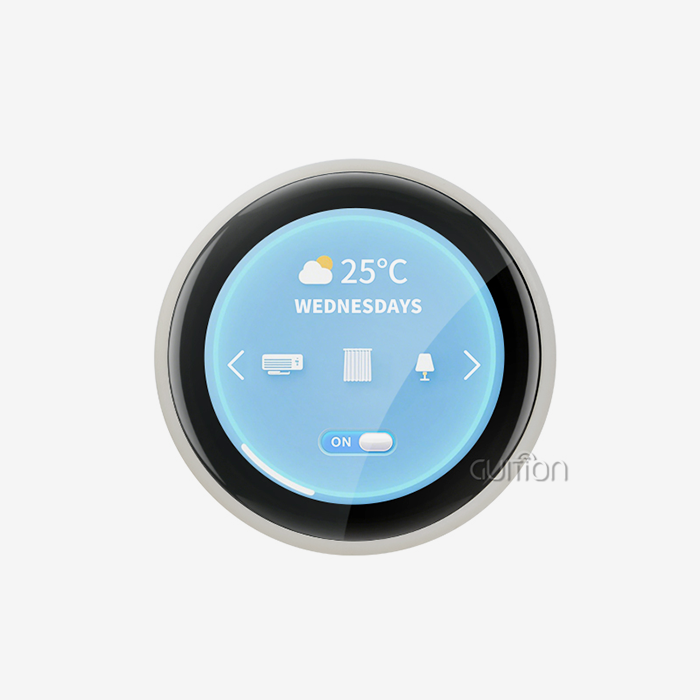
Control panels for home automation make it easy to handle your lights, HVAC, security, and entertainment systems from one place. Users' needs are shaped by their expectations of speed, similar to a smartphone. Capacitive touch gives users the instant feedback they want, and the resolution lets you make screens with lots of icons that let you see at a glance what the system state is.
The growth of smart home products is accelerated by the integration capabilities of current TFT LCD touch panels. Built-in WiFi and Bluetooth connectivity—features that are now available on more GUITION products—let you connect to home networks and cloud services wirelessly. Manufacturers can add features or fix problems to software without having to send a technician to the device, which lowers the cost of ongoing support.
Strategic Recommendations for Embedded System Designers
The data suggests that TFT LCD touch technology is a reliable option for smart embedded devices used in a wide range of applications. Several key factors determine the best way to adopt.
Matching Display Specifications to Application Needs
Don't over-specify display features that increase expenses without benefiting consumers. The GUITION JC8048B070C's 7-inch 800x480 screen works with most embedded devices and mid-range microcontrollers. Only intricate photographs or complex setups with several windows benefit from higher resolutions. Indoor devices function well at 300–500 nits and save power, whereas outdoor screens over 1000 nits are suitable.
Touch sensitivity matters in some places. Increased noise rejection limits in firmware help industrial environments with high electromagnetic interference prevent phoney touches from surrounding equipment. Medical usage may require higher glove mode sensitivity. Discuss these requirements with your TFT LCD touch provider during specification creation.
Leveraging Development Tools to Accelerate Time-to-Market
Embedded interface development used to take months of work from engineers to handle graphics libraries, touch events, and UI state management. This process is changed by modern programming platforms like Guition software. Visual design tools make code that is ready for production and works with both Arduino environments for fast development and ESP-IDF frameworks for deployment in production. Your team tests interface ideas in days instead of months, and they use user comments to make decisions about final designs.
Cross-platform testing finds time problems and limited resources early on in the development process. You find memory problems and improve graphics output before adding hardware, which saves you time and money on redesign rounds. Support for multiple languages makes internationalisation easier and opens up more markets that can be reached without having to do extra development work.
Planning for Product Lifecycle and Support
Embedded goods make money long after they were first made. Plan for continued support needs, such as firmware changes, managing components that become obsolete, and field service processes. The company that makes your display modules should be involved in this planning. Set up clear ways for people to ask technical questions and give more weight to sellers who offer online documentation, reference designs, and quick engineering help.
Support costs are changing because of the ability to update remotely. Since software changes can be sent over WiFi or Bluetooth, there is no need to drive around with a truck to make small fixes or add new features. This feature cuts down on help costs and raises customer happiness by quickly fixing problems. During the planning phase, check to see if the layout of your display solution can handle over-the-air (OTA) updates.
Conclusion
Smart integrated devices require TFT LCD touch technology because it provides the speed, dependability, and ease of development. Capacitive touch sensing makes interfaces that are responsive and last a long time. These interfaces can be used in medical, commercial, and market settings. The GUITION JC8048B070C module has technical features such as an 800x480 resolution, RGB interfaces, wide temperature operation, and a small form factor, which meet the many needs of embedded system makers. The ecosystem of development tools, detailed documents, and supplier support structures speeds up product creation and lowers the costs of ownership over time. TFT LCD touch options should be given a lot of thought when looking at display technologies for your next embedded project because they have a good track record in the field and have a low total cost of ownership.
FAQ
How do I prevent ghost touches in industrial environments?
Motors and power sources can cause electromagnetic interference that can cause fake touch events. To tell the difference between real touches and noise, modern capacitive processors use frequency hopping and higher detection limits. Grounding the frame of the display module correctly and covering the touch signal wires makes it even less likely that they will be damaged. Ask your provider for EMI test results that show how well the product works in both conducted and radiated interference situations.
Can TFT LCD touch screens work reliably outdoors?
Yes, as long as the right conditions are met. For outdoor use, screens with more than 1000 nits of brightness are needed to avoid sunlight loss. Optical bonding gets rid of the air gap between the LCD and cover glass, which makes the contrast better and stops fog from forming. UV-resistant coats keep things from turning yellow. The GUITION product line has choices that are best for use outside.
What interface options work best for microcontrollers that don't have a lot of resources?
The fastest interfaces are RGB parallel interfaces, but they use a lot of GPIO pins. Think about microcontrollers like the STM32F4 or ESP32-S3 that have LCD drivers built in and take over updating the display from the main CPU. The Guition programming environment makes the best use of memory and render speed, so even simple machines can support complex interfaces.
How does capacitive touch compare to resistive in terms of lifespan?
Because they don't have any moving mechanical layers, capacitive touch modules can usually handle more than 100 million touches. The conductive layers on resistive screens fall off after 1 to 5 million touches. But sensitive technology can be used with gloves and styluses, which may make it worth it to use even though it has a shorter lifespan in some workplace settings.
Partner With Guition for Your TFT LCD Touch Requirements
Your embedded device needs a display option that strikes a good mix between performance, dependability, and ease of development. For challenging embedded systems, Guition specialises in TFT LCD touch panels. Our dedication to quality is shown by the JC8048B070C, which has a proven 7.0-inch size, 800x480 resolution, capacitive touch response, and easy RGB interface. It can also work in industrial temperatures. Our fully integrated manufacturing process guarantees uniform quality and long-term availability. The Guition development software shortens the time it takes to get your product to market by giving you easy-to-use visual design tools that work with both Arduino and ESP-IDF workflows.
We know the limits of embedded systems. That's why our modules come with detailed technical instructions, example designs, and quick engineering help at david@guition.com. Our team can help you with making choices about specifications, integrating problems, and increasing output, whether you're making medical devices, industrial automation equipment, or smart home products. Get in touch with Guition right away to discuss your project's needs with skilled TFT LCD touch sources who care about your achievements. We offer free samples for you to try, low prices for large orders, and the expert relationship that turns integrating displays from a pain point into a competitive advantage.
References
1. Smith, J. & Chen, L. (2022). "Capacitive Touch Technology in Industrial Human-Machine Interfaces." Journal of Embedded Systems Engineering, 18(3), 245-267.
2. Anderson, M. (2023). "Comparative Analysis of Display Technologies for Medical Device Applications." Medical Electronics Design Quarterly, 31(2), 112-128.
3. Rodriguez, P. et al. (2021). "Environmental Durability Testing of TFT LCD Modules for Outdoor Applications." Display Technology Review, 15(4), 89-103.
4. Kim, S. & Patel, R. (2023). "Embedded Graphics Optimisation Techniques for Resource-Constrained Microcontrollers." Embedded Computing Design, 22(1), 34-51.
5. Thompson, K. (2022). "Touch Interface Design Guidelines for Industrial Control Panels." Industrial Automation Technology, 29(6), 178-194.
6. Wagner, D. & Liu, H. (2023). "Long-Term Reliability Assessment of Capacitive Touch Sensors in Harsh Environments." Sensors and Actuators Review, 41(3), 267-285.
Learn about our latest products and discounts through SMS or email