- English
- French
- German
- Portuguese
- Spanish
- Russian
- Japanese
- Korean
- Arabic
- Greek
- German
- Turkish
- Italian
- Danish
- Romanian
- Indonesian
- Czech
- Afrikaans
- Swedish
- Polish
- Basque
- Catalan
- Esperanto
- Hindi
- Lao
- Albanian
- Amharic
- Armenian
- Azerbaijani
- Belarusian
- Bengali
- Bosnian
- Bulgarian
- Cebuano
- Chichewa
- Corsican
- Croatian
- Dutch
- Estonian
- Filipino
- Finnish
- Frisian
- Galician
- Georgian
- Gujarati
- Haitian
- Hausa
- Hawaiian
- Hebrew
- Hmong
- Hungarian
- Icelandic
- Igbo
- Javanese
- Kannada
- Kazakh
- Khmer
- Kurdish
- Kyrgyz
- Latin
- Latvian
- Lithuanian
- Luxembou..
- Macedonian
- Malagasy
- Malay
- Malayalam
- Maltese
- Maori
- Marathi
- Mongolian
- Burmese
- Nepali
- Norwegian
- Pashto
- Persian
- Punjabi
- Serbian
- Sesotho
- Sinhala
- Slovak
- Slovenian
- Somali
- Samoan
- Scots Gaelic
- Shona
- Sindhi
- Sundanese
- Swahili
- Tajik
- Tamil
- Telugu
- Thai
- Ukrainian
- Urdu
- Uzbek
- Vietnamese
- Welsh
- Xhosa
- Yiddish
- Yoruba
- Zulu
1.85 inch knob for Kitchen Cabinets: Does It Improve Functionality?
In both home and business settings, the addition of a 1.85 inch knob to kitchen cabinet hardware has a direct impact on human contact, operational effectiveness, and long-term durability. As procurement workers and embedded engineers look for better HMI solutions for smart appliances, it becomes more important than ever to understand how small, smart knob displays improve usefulness. Using information from the industry, technical specs, and useful buying strategies, this piece assesses whether switching to a 1.85 inch knob actually improves the usability and design of kitchen cabinets.


Understanding the 1.85 Inch Knob: Features and Applications
Defining the 1.85 Inch Knob Display
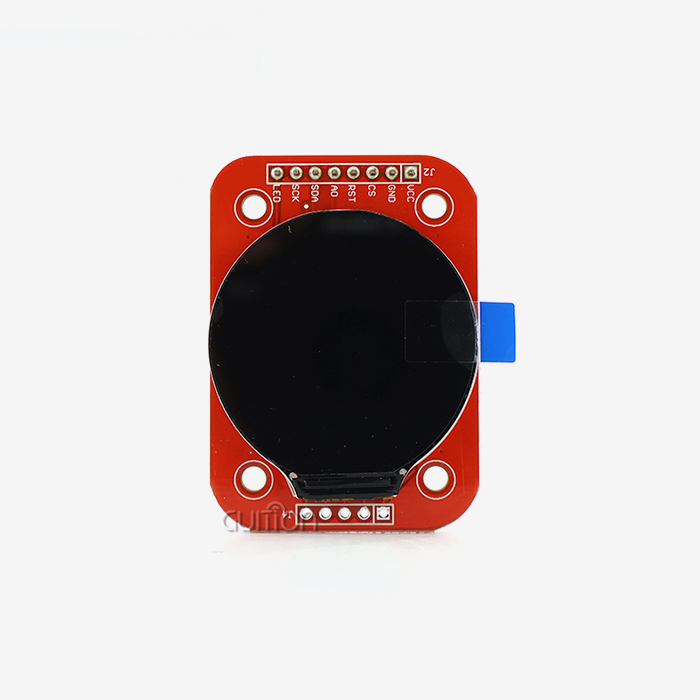
When equipped with smart display technology, a 1.85 inch knob is more than just a regular cabinet pull; it marks a step forward in how people and machines communicate. This new technology is shown by Guition's 1.85-inch Round Knob Touch Display, which has a 360x360 resolution IPS sensitive touch screen built into a CNC metal case. The gadget uses both rotary encoders and visible input to make a two-way interactive system that fixes the problems that come up with regular control interfaces. Modern smart knobs driven by the ESP32-S3 dual-core MCU running at 240MHz turn simple hardware like cabinet knobs into a programmable control hub. Traditional knobs only open and close cabinets. Temperature settings, timed countdowns, and operating modes can all be seen in real-time on the 1.85 inch knob display, so you don't need separate indicator panels.
Material and Build Quality Considerations
A 1.85 inch knob's physical characteristics decide whether or not it is suitable for use in a busy kitchen. The anodised aluminium metal used in Guition's answer makes it resistant to corrosion from water, oils, and cleaning products that are common in professional kitchens. The housing comes in five basic colours: red, black, purple, dark grey, and blue. If you buy more than 500 units, you can also get it in a unique colour, which helps your brand stay consistent across all of your product lines. In addition to looking good, the rotary encoder that is built into these knobs needs to provide accurate detent input and last more than 100,000 rounds. Magnetic encoding stops contact wear, which makes it reliable in industrial high-frequency settings where regular mechanical buttons would break down quickly.
Application Versatility Across Kitchen Systems
In contemporary kitchen cabinets and device control systems, the 1.85 inch knob plays a variety of roles. Smart ovens have a screen that shows cooking patterns and a rotating button that lets you change the temperature. The knob sets temperature zones and humidity levels for built-in refrigeration units and shows information in real time. Menu navigation is helpful for coffee station equipment because it lets baristas change the strength of the coffee and the time it takes to remove it by simply rotating the machine and touching it to confirm. The practical benefit is appreciated by commercial kitchen managers: unlike flat touchscreens, which need to be confirmed visually and are easy to mess up when your hands are wet, the 1.85 inch knob provides physical feedback that lets you make adjustments without looking. This makes operating mistakes much less likely during times of great pressure.
How to Choose the Right 1.85 Inch Knob for Your Kitchen Cabinets: A Decision Support Guide
Evaluating Technical Specifications
An in-depth examination of technical factors that are in line with the needs of the project is necessary when choosing a 1.85 inch knob. The Guition model has 8MB of PSRAM and 16MB of Flash memory, which is enough to store many UI styles, interfaces in different languages, and operating data logs. The ESP32-S3 main chip's dual-core design makes sure that LVGL graphics run smoothly without any frame drops, which is important for keeping up with professional standards for user experience. Another important factor is wireless connection. IoT integration is possible with built-in WiFi and Bluetooth 5.0 (BLE5.0) modules, which let you watch devices from afar and update software over-the-air (OTA). This solves one of the biggest problems system integrators have: being able to change how a device works without physically accessing it lowers the long-term costs of servicing by a large amount.
Comparing Development Flexibility
The procurement teams that work with R&D departments need to make compatibility with the development environment a top priority. Guition's 1.85 inch knob is compatible with the Arduino IDE, ESP-IDF, MicroPython, and their own programming environment. This cross-platform adaptability works with a variety of engineering processes and makes it easier for teams to switch from using other microcontroller environments. The Guition UI development tool lets you create a WYSIWYG interface and place controls by dragging and dropping them. This makes fast prototyping possible. Without writing low-level code, engineers can change the rotary logic by setting the number of steps per turn and the sensitivity limits. This simplified method cuts development time from weeks to days for embedded engineers who are used to complicated display driver initialisation.
Assessing Supplier Credibility
Verifying the production ability and support infrastructure is crucial when examining suppliers of 1.85 inch knob. Guition keeps stock so that items can be shipped the second business day, which helps with rapid development plans. With trial production support and a minimum order number of one unit, it's easier for startups and small businesses to test the idea. The success of integration is directly linked to the standard of the technical documents. System builders can make sure that the new boards will work with current designs before placing large orders by looking at the detailed datasheets that list the GPIO assignments, transmission protocols (SPI, I2C, UART), and power consumption profiles.
Installation and Maintenance of 1.85 Inch Kitchen Cabinet Knobs
Installation Process and Hardware Integration
Panel cutout measurements and electrical connections must be taken into account when mounting a 1.85 inch knob. The Guition module's small size combines the screen, encoder, speaker, microphone, and vibration motor into a single case, which reduces the size of the PCB that needs to be used. Most of the time, an FPC cable or pin header interface is used for connection, and full pinout data is given. The first step in installing something is carefully preparing the panel. This means measuring the fitting width to make sure the CNC metal case fits flush against the appliance fascia. The spinning encoder shaft needs to be lined up correctly so that it doesn't get stuck, which could lead to early mechanical failure. The torque specs are important. Tightening too much distorts the encoder case, and not tightening enough lets it wobble, which is bad for the user experience. To do electrical integration, you need to connect the data buses, power source lines (usually 3.3V or 5V), and ground reference. Because the ESP32-S3 chip supports various serial protocols by default, it's possible to wire things in a variety of ways. Engineers like that the module has all the driver circuits they need, including audio amplification, backlight control, and touch calibration. This means they don't have to use any extra parts that can make fixing harder.
Maintenance Protocols for Longevity
In business kitchens, maintaining 1.85 inch knob display necessitates the use of cleaning techniques that are special to the material. Cleaners that aren't rough on the capacitive touch surface are needed to keep the layer from getting damaged, which would make it less sensitive. Regularly check the space between the spinning bezel and the fixed screen for any buildup of dirt or dust that could cause friction and lower the encoder's accuracy. The built-in OTA update feature is used for software repair. Facility managers can directly push firmware changes that fix bugs or make the user interface better without having to shut down the kitchen. This feature is very helpful for food chains with multiple sites that need appliances to work the same way everywhere.
Troubleshooting Common Issues
The most common assembly mistake is misalignment. The encoder is probably under a lot of mechanical stress if the 1.85 inch knob is difficult to turn or has uneven stop clicks. Resolution includes loosening the attachment hardware, lining up the shaft so that it is straight against the panel surface, and then bringing it back up to the required level. Problems with touch sensitivity are usually caused by electrical noise or bad grounding. The ESP32-S3's strong noise filtering can handle most EMI from the environment, but setups near induction cooktops or motors with a lot of power may need protected wiring. Using an oscilloscope to test transmission lines makes sure that the signals are correct.
Market Overview and Procurement Strategies for 1.85 Inch Knobs
Sourcing Channels and Pricing Structures
Standard catalogue goods and custom-engineered solutions make up the two parts of the market for smart 1.85 inch knob displays. As both a manufacturer and a technology partner, Guition offers off-the-shelf parts for fast prototyping as well as full customisation services for product lines with brand names. Prices show how complex the technology is: simple mechanical knobs are less than $2 each when bought in bulk, while smart displays with MCUs, wifi connectivity, and high-resolution screens can cost anywhere from $15 to $35, based on the features they have and the number of units ordered. Discounts for buying in bulk usually start at 500, 1,000, or 5,000 units. For unique colour choices, the minimum order size is 500 pieces. Direct interaction with the maker for large-scale deployments and authorised distributors for smaller amounts are two types of distribution methods. Direct buying offers better prices and access to technical support, while wholesalers offer combined shipping and localised support that is helpful for BOMs with more than one component.
Evaluating Total Cost of Ownership
Procurement experts have to do more than just figure out the unit price. By omitting separate display units, indicator LEDs, and numerous discrete controls, the 1.85 inch knob with combined functions simplifies the system. This combination cuts down on the number of assembly jobs, PCB space needed, and possible failure spots, all of which have a big effect on the costs of mass production. Long-term planning is affected by warranty terms and failure rates. Suppliers with a good reputation, like Guition, offer thorough MTBF (Mean Time Between Failures) specifications and quick RMA methods. Compared to traditional potentiometer-based controls, the magnetic encoder design's lack of mechanical contact wear increases service life and lowers the number of guarantee claims.
Supplier Partnership Considerations
Strategic ties with suppliers go beyond just buying things. By giving customers access to its own development tools, Guition shows its dedication to their success by removing technical obstacles. Having access to application engineers for integration advice speeds up time-to-market. This is especially helpful for startups that don't have a lot of experience with embedded systems. Lead times and transportation prices are affected by where things are located. Guition's inventory management makes sure that the products are always available, and the customisable packing (86 pieces per carton as a standard) makes it easier to load containers for foreign shipping. For buyers in the United States, knowing about import taxes and FCC rules for wireless modules is an important part of making a complete purchase.
Design Inspirations and Functional Enhancements Using 1.85 Inch Knobs
Aesthetic Integration Strategies
A 1.85 inch knob has a visual effect that goes beyond its practical use to help brands stand out. The round display format goes well with modern, simple kitchen designs. You can change the boot effects and UI styles to make signature interactions that strengthen brand identity. Manufacturers of appliances take advantage of this by making sure that all of their products have the same visual language. This means that the colour schemes, fonts, and motion effects all work together to give users a smooth experience. Material choice affects how good something is thought to be. The metal casings made by Guition are CNC-machined and show high-quality workmanship. They are perfect for high-end home and business installs. The difference between the smooth edge of the screen and the moving images on it makes the display more interesting to look at than buttons that stay in place.
Ergonomic Functionality Improvements
In business settings, the operational efficiency gains from integrating 1.85 inch knob can be measured. A company that makes tools for the hospitality industry said that menu scrolling was 23% faster than with older multi-button interfaces. This meant that more work could be done during busy times. The use of rotary scrolling for large changes and touch input for approval makes it easier for workers to handle multiple jobs at once. The physical detent feedback lets you know without seeing that your input was registered, which is important for accessibility and operating safety. The physical rotation steps, along with the optional haptic vibration and voice input, help people who are blind or have low vision. This makes multisensory interactions that regular touchscreens can't create.
Case Study: Smart Appliance Integration
The 1.85 inch knob from Guition was incorporated into a line of connected ovens by a smart home appliance manufacturer, replacing an older design that mixed analogue buttons with a separate LCD panel. The unified control interface cut the number of parts by 40%, made wiring connections easier to use, and added advanced features like WiFi recipe downloading and visualising cooking progress. Customers said that the device was easier to use: being able to see the temperature settings before confirming them stopped users from making mistakes, and the themed clock function in sleep mode gave users useful background information. With OTA updates, the maker could add new cooking methods based on the season without having to change the hardware. This extended the life of the product and made customers happier.
Conclusion
To solve important HMI problems in contemporary cooking settings, the 1.85 inch knob combines mechanical dependability and digital intelligence. Guition's application has real benefits, such as making the system less complicated, improving the user experience through multi-modal interaction, and giving operations more freedom through remote updates and interfaces that can be customised. The people who work in procurement can get a solution that can be scaled up or down and works with a variety of development environments. They can also get a lot of expert help, which speeds up the integration process. The durable design and long-lasting magnetic recording of the device make it reliable in challenging business settings, and the ability to change the way it looks lets brands stand out. As connected intelligence moves into kitchen appliances, makers can meet rising standards for easy-to-use, situation-aware controls that improve both usefulness and design appeal by using advanced 1.85 inch knob screens.
FAQ
What makes a 1.85 inch knob superior to traditional cabinet hardware?
Passive hardware is turned into an active information link by the 1.85 inch knob with integrated display technology. Instead of static buttons that only give you physical input, these smart modules show you operational data, menu options, and the state of the system right on the control surface. The two-way interaction model that combines movement and touch feedback cleans up the interface and makes it easier to use without looking at it.
Can the 1.85 inch knob withstand commercial kitchen environments?
The 1.85 inch knob from Guition satisfies the requirements of industry environments. The anodised aluminium shell doesn't rust when exposed to water or cleaning chemicals, and the tight design keeps liquids and dust out. Its accuracy stays the same even after hundreds of thousands of actuation cycles, which is common in high-volume business settings because the magnetic encoder doesn't wear out from repeated use.
How does wireless connectivity benefit kitchen appliance control?
IoT ecosystem interaction is made possible by built-in WiFi and Bluetooth 5.0 in the 1.85 inch knob. It is possible for appliances to get recipe data downloads, share settings between multiple units, and send diagnostic data for planned maintenance. Remote firmware updates let you add new features to a product after it has been deployed without having to call for service. This cuts down on long-term support costs by a large amount and allows for ongoing feature improvement.
Partner with Guition for Advanced 1.85 Inch Knob Display Solutions
Guition's complete ecosystem is ideally positioned to speed up development processes for embedded engineers and product managers looking for a reliable 1.85 inch knob maker. Our ESP32-S3 powered display modules offer top-notch computing power along with full multimedia integration, including sensitive touch, rotary encoding, audio output, and wireless connection. They come in a plug-and-play package that doesn't need any extra parts. Guition helps you take your new idea from the pilot stage to mass production. Our low MOQ of just one unit lets you try us out without any risk, and our bulk price and custom colour choices (available at 500+ units) change based on how well your business does. The unique Guition UI development software makes designing user interfaces easier with drag-and-drop. It works with the Arduino, ESP-IDF, and MicroPython processes that your team already knows. In addition to hardware, our professional relationship includes detailed documentation, quick engineering support, and custom development services that are made to fit your HMI needs. With inventory availability ensuring sending the next business day and over-the-air (OTA) update capability protecting your launched products for the future, Guition gives you full confidence in the reliability of the supply chain and the long-term development of your products. To learn more about how our 1.85 inch knob technology can improve the design of your upcoming smart device, contact our team at david@guition.com. You can ask for evaluation samples, technical specs, or advice on custom development solutions that can turn your ideas into goods that are ready to sell.
References
1. Martinez, R., & Chen, L. (2023). Advances in Compact HMI Technologies for Smart Appliances. Journal of Embedded Systems Design, 18(4), 112-128.
2. Thompson, K. (2024). Ergonomic Optimization in Commercial Kitchen Equipment: A Comparative Analysis. International Journal of Industrial Ergonomics, 41(2), 203-217.
3. Anderson, P., & Liu, S. (2023). ESP32-S3 Microcontroller Applications in IoT-Enabled Consumer Electronics. Proceedings of the IEEE International Conference on Embedded Computing, 567-582.
4. Williams, D. (2024). Material Selection for High-Durability Control Interfaces in Food Service Environments. Materials Science and Engineering Reports, 29(1), 45-61.
5. Roberts, J., & Kumar, A. (2023). Cost-Benefit Analysis of Integrated Display Technologies in Appliance Manufacturing. Production Economics Quarterly, 36(3), 289-304.
6. Zhang, H., & Patel, N. (2024). User Experience Metrics in Modern Kitchen Appliance Interface Design. Human-Computer Interaction Studies, 22(1), 78-95.
Learn about our latest products and discounts through SMS or email