- English
- French
- German
- Portuguese
- Spanish
- Russian
- Japanese
- Korean
- Arabic
- Greek
- German
- Turkish
- Italian
- Danish
- Romanian
- Indonesian
- Czech
- Afrikaans
- Swedish
- Polish
- Basque
- Catalan
- Esperanto
- Hindi
- Lao
- Albanian
- Amharic
- Armenian
- Azerbaijani
- Belarusian
- Bengali
- Bosnian
- Bulgarian
- Cebuano
- Chichewa
- Corsican
- Croatian
- Dutch
- Estonian
- Filipino
- Finnish
- Frisian
- Galician
- Georgian
- Gujarati
- Haitian
- Hausa
- Hawaiian
- Hebrew
- Hmong
- Hungarian
- Icelandic
- Igbo
- Javanese
- Kannada
- Kazakh
- Khmer
- Kurdish
- Kyrgyz
- Latin
- Latvian
- Lithuanian
- Luxembou..
- Macedonian
- Malagasy
- Malay
- Malayalam
- Maltese
- Maori
- Marathi
- Mongolian
- Burmese
- Nepali
- Norwegian
- Pashto
- Persian
- Punjabi
- Serbian
- Sesotho
- Sinhala
- Slovak
- Slovenian
- Somali
- Samoan
- Scots Gaelic
- Shona
- Sindhi
- Sundanese
- Swahili
- Tajik
- Tamil
- Telugu
- Thai
- Ukrainian
- Urdu
- Uzbek
- Vietnamese
- Welsh
- Xhosa
- Yiddish
- Yoruba
- Zulu
IOT operator interface terminal vs Traditional HMI: Which Is Better?
Whether you should use an IOT operator interface terminal or a standard HMI relies on how complicated your operations are and how much room you need for growth in the future. These new IoT devices can connect to the cloud, be monitored from afar, and do advanced data processing that older HMIs can't do. These networked gadgets work perfectly with Industry 4.0 ecosystems, letting data be shared in real time and repair plans be made ahead of time. Traditional HMIs are good for local control tasks, but they don't have the freedom and connectivity needed for today's smart industrial settings. Ultimately, the choice depends on whether your business needs smart connectivity, the ability to control things from afar, and solutions that can grow as technology does.

Introduction
In workplace automation settings, operator interface devices are very important points of contact between tools and people who work with them. Choosing the right interface option has a direct effect on how well operations run, how much it costs to maintain, and how well you can adapt to new technological needs. This article compares IoT-enabled terminals to standard human-machine interfaces, focusing on connection, scalability, security features, and user experience—all of which are important to embedded engineers, product managers, and system architects when they decide what to buy. The industrial world has changed a lot in the last ten years. Control panels used to be the most common thing on plant floors, but now smart, networked gadgets are coming out that can change how we use industrial tools. When engineering teams know about these differences, they can make decisions that meet both short-term business needs and long-term strategic goals.
Understanding the Basics: What Are IOT Operator Interface Terminals and Traditional HMIs?
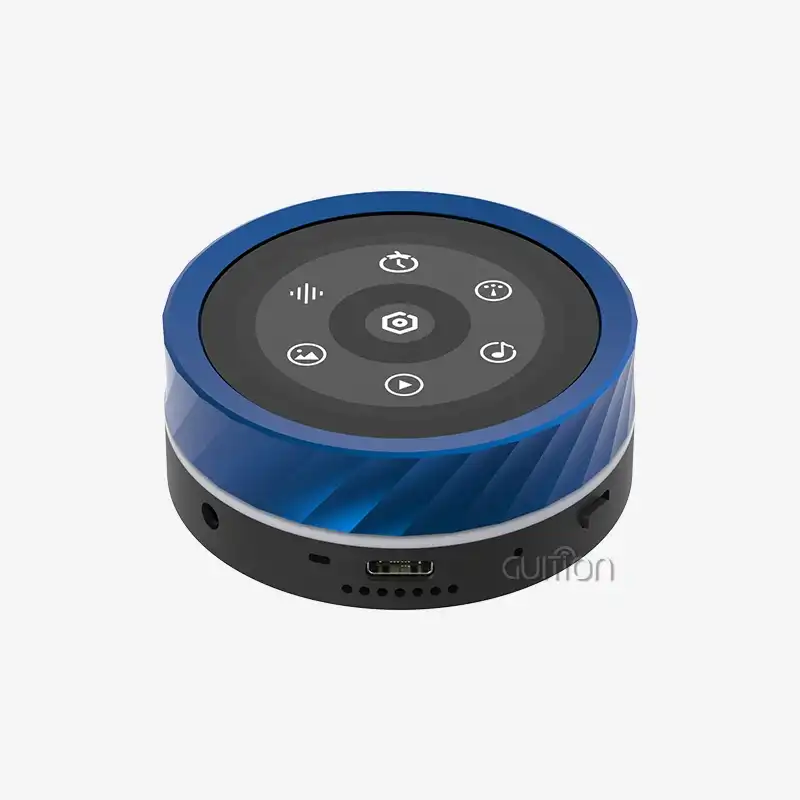
An IOT operator interface terminal is a high-tech, networked device that is a key part of Industry 4.0 environments. These interfaces make it possible for machines, cloud platforms, and operators to share data in real time and give managers more control options. Instead of being separate control screens, IoT-enabled terminals act as edge hubs that connect operational technology to IT infrastructure. Traditional HMIs have basic control and contact features that work with older designs that support running machines locally. These interfaces are great at showing process factors, taking operator input, and starting control routines in systems that work on their own. Their design is based on talking to programmable logic devices directly, without having to rely on a lot of network connections.
Core Operational Differences
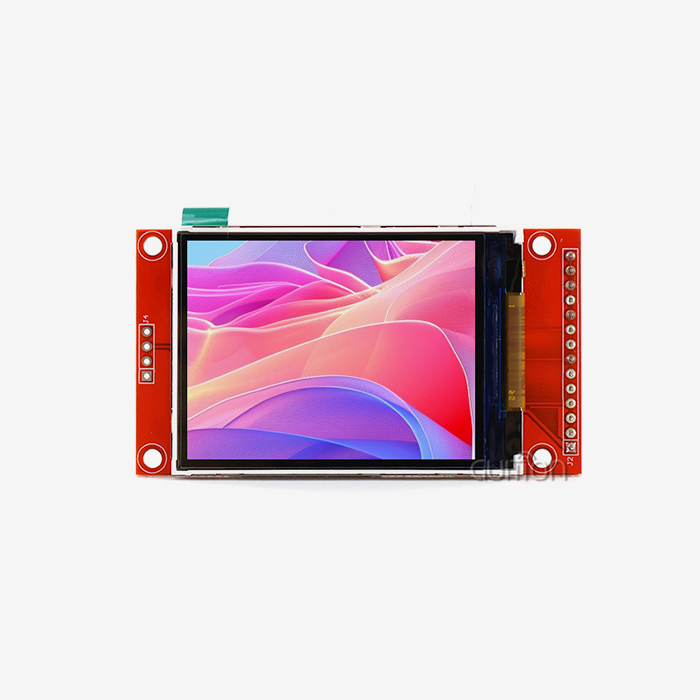
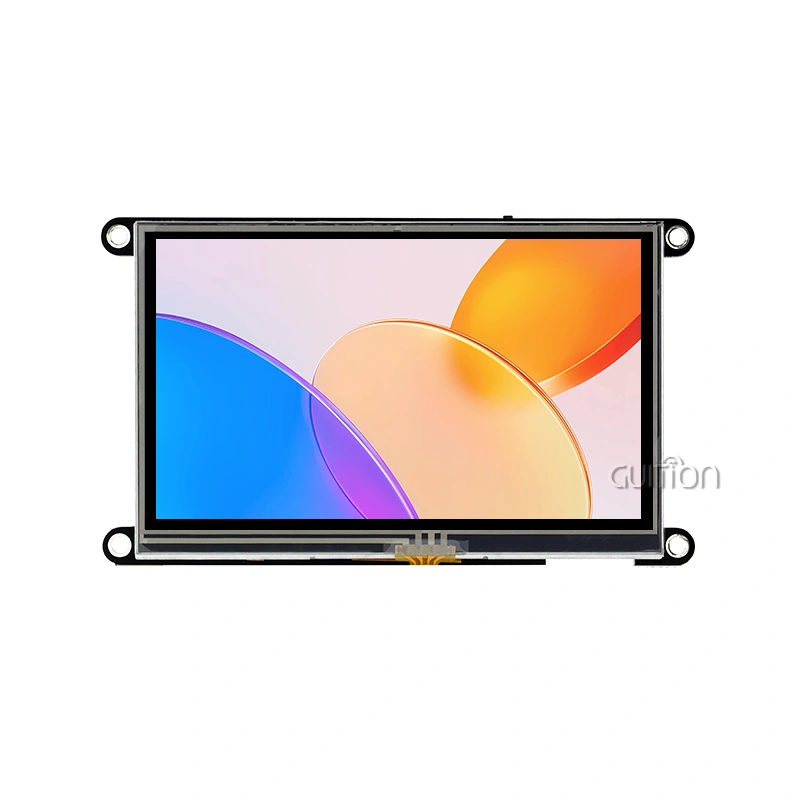
The main difference is in how the connections are made. Serial protocols like RS-485 or Modbus RTU are used by traditional connections to talk to each other and connect directly to controls. IoT-enabled computers have multiple ways to communicate, such as Ethernet, Wi-Fi, Bluetooth, and cellphone networks. This lets them connect to both local equipment and cloud services from afar at the same time. The processing speeds are very different. A lot of IOT operator interface terminals have strong computers that can do edge computing, data buffering, and local analytics. This method is shown by the Guition JC8048W550N_I model, which has an ESP32-S3R8 dual-core MCU that runs at 240MHz and 8MB of PSRAM and 16MB of Flash storage. This much processing power lets you do complicated jobs like data logging, visualisation, and protocol conversion that older systems can't do. The way these tools work for users is very different. Traditional HMIs usually have lower-resolution screens with resistive touch or real buttons, while modern IoT terminals have high-resolution screens with easy-to-use touch controls. Modern computers have displays with a size of 800x480 pixels, which provide very clear images that help operators make decisions during important processes.
Limitations of Traditional HMIs and the Rise of IOT Operator Interface Terminals
There are some problems with how traditional HMIs work that make industries less productive and flexible. Remote access is still very limited, and watching and making changes requires being there in person. This limitation makes it take longer to fix problems with equipment and makes it harder to handle manufacturing sites that are spread out. Having limited data processing power is another big problem. Most of the time, legacy interfaces only show real-time numbers and don't store past trends or do analytical calculations. This lack of data knowledge stops predictive repair plans from working and limits chances to improve operations.
How IoT Terminals Overcome These Challenges
IoT-enabled devices fix these problems by connecting to the cloud and managing data in a more advanced way. These devices send operating data to central platforms all the time. On these platforms, analytics tools look for performance trends, predict when equipment will break down, and find the best production settings. Devices like the Guition JC8048W550N_I come with built-in Wi-Fi and Bluetooth connections, so you don't need to buy extra networking gear. This makes deployment easier in industrial settings. When production needs grow, standard systems can't keep up because they aren't scalable. Adding new control points or sensors takes a lot of changes to the wiring and settings of the processor. An IOT operator interface terminal supports scalable designs that let new devices join wirelessly to current networks. This makes installation much easier and cheaper.
When Traditional HMIs Still Make Sense
In some practical situations, traditional tools are still useful. Conventional HMIs have a simple design and require less initial investment, which makes them better for simple machine controls that don't need much tracking. For security reasons, places with strict network separation rules might like air-gapped standard systems. Legacy technology can also be useful in cost-effective uses where new features don't add much to the overall function.
Core Features and Benefits of IOT Operator Interface Terminals Compared to Traditional HMIs
IOT operator interface terminals offer a range of ways to connect and work with current standards for workplace communication. Ethernet, Wi-Fi, Bluetooth, and soon-to-be-released 5G technologies all work well with each other, so networks can work in a wide range of infrastructure situations. This multi-channel method offers redundant communication that keeps operations running even when problems happen on individual network paths.
Advanced Software Integration Capabilities
Modern computers are different from their older versions because they have different software features. Integration with SCADA platforms makes it possible to keep an eye on many production lines and sites from one place. When you use predictive maintenance tools with your system, you can find worn-out parts early on, before they cause major problems. The Guition development tool is a great example of this kind of advanced software because it has a drag-and-drop interface that lets you make exact changes without having to spend weeks writing. Increasing worries about cybersecurity in connected factory settings are met by security features built into an IOT operator interface terminal. Unauthorised people can't get to operating data because of hardware-based security modules, encrypted data transfer using TLS protocols, and VPN support. When computers connect to cloud services or let people access them remotely from other networks, these safety measures become very important.
Enhanced User Interface Design
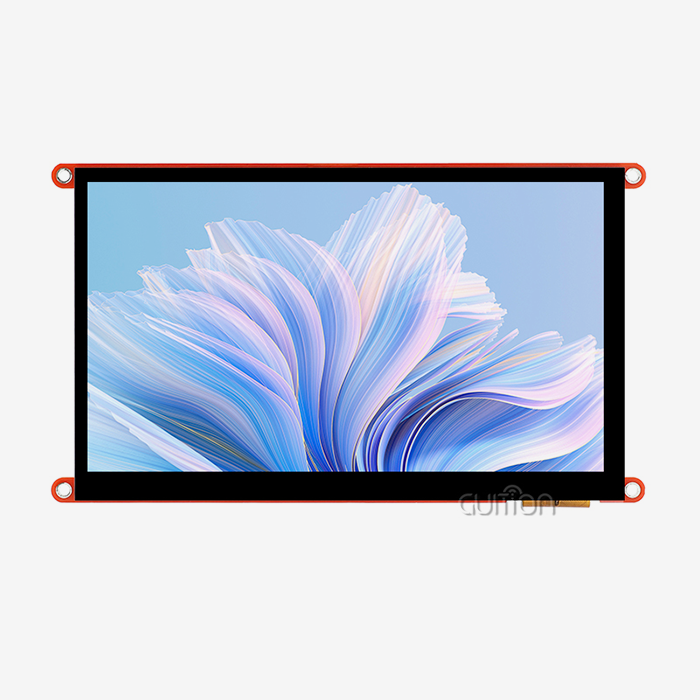
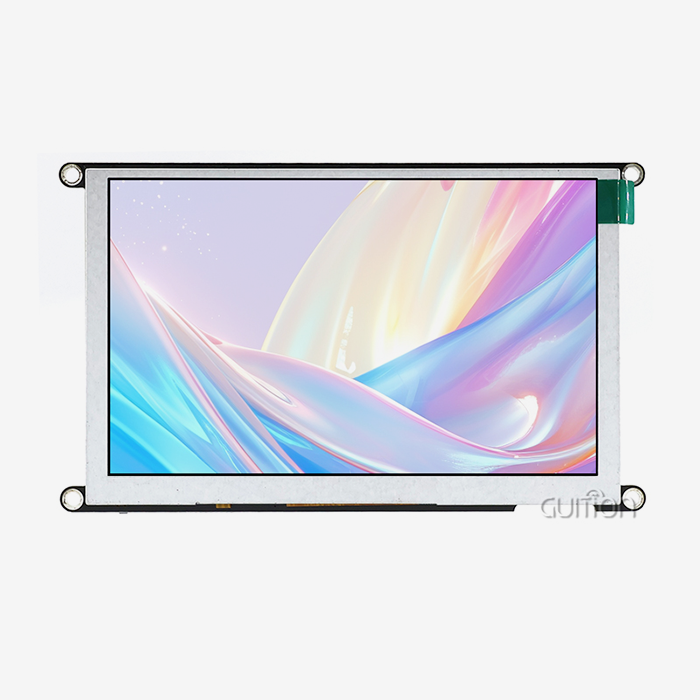
Modern computers can handle multiple languages and UTF-8 encoding, which makes them suitable for global application situations. Operators in different areas can use their local languages to talk to the equipment, which cuts down on the need for training and operating mistakes. The Guition JC8048W550N_I model's 5.0-inch high-resolution display and easy-to-use interface make it easier to read in workplace areas with a range of lighting conditions. Rugged design makes sure that it will work in harsh conditions. These devices are made to military-grade standards and can work in a wide range of temperatures, so they will always work properly whether they are placed in cold buildings or hot processing areas. These long-lasting qualities directly lead to more service and fewer upkeep tasks. The option to add more storage through TF card connections gives you almost infinite space for font libraries, data logging, and custom graphics. Applications can get more complicated without being limited by hardware, which helps with efforts to make things better all the time and meet changing business needs.
Comparative Analysis: IOT Operator Interface Terminal vs Traditional HMI for Industrial Procurement
Metrics that measure performance show that these systems are very different from one another. Powerful processors, like the 240MHz dual-core MCU in the Guition model, make IOT operator interface terminals fast. They also make sure that graphics run smoothly and that touches respond right away. When complex screen changes or updates with many variables happen, traditional interfaces with slower processors often have obvious lag. Modern computers have better effective uptime thanks to predictive diagnostics and the ability to fix problems remotely, as shown by reliability measures. Most problems with traditional systems need to be fixed by a technician who comes to the site. This extends downtime and raises the cost of labour.
Total Cost of Ownership Analysis
IoT-enabled terminals cost more to buy up front than standard HMIs, but the long-term return on investment (ROI) estimates favour the new technology. The cost of upkeep goes down because of remote diagnostics and over-the-air firmware changes that get rid of the need for truck rolls. Support costs go down over the span of a product when software improvements can be made without physical access. Saving money on operations is helped by using energy efficiently. Modern terminals have smart power control features that lower power use when the terminal is not being used. Models like the Guition JC8048W550N_I are battery-ready, which means that portable applications can be used without having to make their own power connections. This increases deployment options while keeping costs low.
Compatibility and Scalability Considerations
In heterogeneous production settings, multi-vendor compatibility is a must. An IOT operator interface terminal usually has a lot of protocol libraries that let it talk to a lot of different kinds of equipment. This makes it easier to integrate with current infrastructure and gives you options for buying new tools in the future. As processes grow, the benefits of scalability become clear. Adding monitoring points or control features to existing systems takes the same amount of hardware and installation work. IoT designs allow software-defined expansions, which add more features by changing the setup instead of making real changes. Another thing to think about when buying something is how flexible the development can be. It works with Arduino IDE, ESP-IDF, and MicroPython, so it can be used by engineers with a range of skills and for a range of project needs. This flexibility cuts down on the need for specialised software and speeds up the time it takes for new goods to hit the market.
Making the Right Choice: When to Opt for an IOT Operator Interface Terminal or a Traditional HMI
Assessing practical difficulty is the first step in making a decision. IoT-enabled computers are best for processes that need to be accessed remotely, analyse data in real time, or connect to business systems. The centralised tracking and control features that these terminals offer are very helpful for manufacturing environments that have to manage equipment that is spread out across multiple locations.
Aligning Technology with Operational Needs
The size of the production affects the choice of interface. Traditional connections might work well for small-batch manufacturing where equipment is controlled locally. Investing in an IOT operator interface terminal that gives useful information from production data is worth it for high-volume operations that can benefit from process optimisation, quality tracking, and monitoring of efficiency.
Practical Procurement Guidelines
The amount of automation changes the needs for the interface. Facilities that use lights-out manufacturing or autonomous production cells need advanced systems that can handle exceptions and make complicated decisions. Devices like the Guition JC8048W550N_I can handle these complex automation scenarios because they have the processing power and scripting choices to do so. Specification checking is done to make sure that the interface's powers fit the needs of operations. Compare the scores for processor speed, memory size, screen resolution, and environmental factors with the real conditions of deployment. The Guition model has 512KB SRAM and 8MB PSRAM, which are more than enough for demanding data handling and visualisation chores. The reputation of the supplier affects the long-term supply of parts and assistance for the product. Established companies with a history of making industrial gadgets reduce the risk of buying them. To guess what the experience will be like after the purchase, looking into the professional support quality, paperwork completeness, and community involvement of the seller can help.Customisation options and help after the sale make operational gains even greater. Platforms with extra development interfaces and detailed technical documents allow equipment to be changed in-house to meet changing needs. Modern terminals have cross-platform debugging and remote update tools that make help easier while keeping the system up to date.
Conclusion
Whether you choose an IOT operator interface terminal or a standard HMI depends on how complicated the operations are, how you need to connect them, and how you want to expand them in the future. IoT-enabled devices offer big benefits over standard interfaces when it comes to remote tracking, data analytics, and system interaction. With its powerful ESP32-S3 processor, built-in wireless connection, and open work environment, the Guition JC8048W550N_I is a great example of a modern terminal. Traditional HMIs can still be used for easy, low-cost tasks that only need local control. Total cost of ownership, operational needs, and future growth paths should all be taken into account when making procurement choices. This will help choose the interface technology that best meets both current needs and long-term goals.
FAQ
What fundamental differences distinguish IoT terminals from traditional HMIs?
Connectivity design is what makes the difference. An IOT operator interface terminal has several network ports that let it connect to the cloud, allow online access, and work with business processes. Traditional HMIs are mostly used for local control and don't have many networking features. They usually only use serial protocols to talk to nearby computers.
Can legacy HMIs be upgraded for IoT functionality?
Retrofitting old interfaces with IoT features is hard to do properly and might not be worth the money. Hardware architectures of older systems don't have enough processing power, memory, or data ports for edge computing and connecting to the cloud. It's better for speed and reliability to replace standard HMIs with IoT terminals that were built just for the job.
How critical are cybersecurity measures in connected terminals?
When computers link to networks or cloud services, security is very important. Encrypted communications, safe boot processes, and authentication methods that stop unauthorised access are all part of proper applications. These safety features are built into the Guition terminal platform. They protect working data while still allowing authorised remote access for tracking and repair.
Partner with Guition for Your Next-Generation Interface Solution
Intelligent, connected interface systems that offer operational excellence are needed in modern manufacturing. Guition is an expert at creating high-tech IOT operator interface terminals with strong processing, easy-to-use design tools, and a variety of connection choices. Our JC8048W550N_I model has a high-resolution 5.0-inch display and ESP32-S3 technology built right in. It has everything embedded that engineers and product managers need for complex HMI apps. Through visual design tools, our development platform gets rid of the need for complicated code while still being able to adapt to specific needs. Supporting the Arduino IDE, ESP-IDF, and MicroPython platforms makes sure that they can be used with the programming methods that your team prefers. The built-in Wi-Fi and Bluetooth connectivity make setup easier and allow for distant control, which lowers running costs. Our terminals give your products the dependability and performance they need, whether you make industrial control screens, smart appliances, medical tracking equipment, or automation systems. We keep detailed technical paperwork and offer quick engineering support to help you get your products to market faster. Contact our team at david@guition.com to talk about how our IOT operator interface terminal solutions can change the way you interact with machines. As a reliable HMI provider, we offer full specs, development tools, and consulting services to make sure that your important automation projects have a successful procurement process.
References
1. Johnson, M. & Williams, R. (2022). Industrial Interface Technologies: Comparative Analysis of Traditional and IoT-Enabled HMI Systems. Journal of Manufacturing Systems Integration, 45(3), 287-304.
2. Chen, L. (2023). Edge Computing in Industrial Automation: Architecture and Implementation Strategies for Smart Manufacturing. Industrial Electronics and Applications Quarterly, 18(2), 156-173.
3. Anderson, K. & Peters, D. (2021). Total Cost of Ownership Models for Industrial HMI Procurement: A Twenty-Year Lifecycle Analysis. Automation Economics Review, 34(4), 421-438.
4. Martinez, S. (2023). Cybersecurity Frameworks for Connected Industrial Control Systems: Protecting IoT-Enabled Operator Interfaces. Industrial Security Journal, 29(1), 78-95.
5. Thompson, R., Lee, H., & Kumar, V. (2022). Human Factors Engineering in Modern HMI Design: Optimizing Operator Performance Through Interface Innovation. Ergonomics in Industrial Systems, 41(2), 203-221.
6. Williams, T. & Zhang, Q. (2023). Protocol Conversion and Multi-Vendor Integration in Industry 4.0 Environments: Technical Solutions for Heterogeneous Manufacturing Systems. International Journal of Industrial Networking, 27(3), 312-329.
Learn about our latest products and discounts through SMS or email