- English
- French
- German
- Portuguese
- Spanish
- Russian
- Japanese
- Korean
- Arabic
- Greek
- German
- Turkish
- Italian
- Danish
- Romanian
- Indonesian
- Czech
- Afrikaans
- Swedish
- Polish
- Basque
- Catalan
- Esperanto
- Hindi
- Lao
- Albanian
- Amharic
- Armenian
- Azerbaijani
- Belarusian
- Bengali
- Bosnian
- Bulgarian
- Cebuano
- Chichewa
- Corsican
- Croatian
- Dutch
- Estonian
- Filipino
- Finnish
- Frisian
- Galician
- Georgian
- Gujarati
- Haitian
- Hausa
- Hawaiian
- Hebrew
- Hmong
- Hungarian
- Icelandic
- Igbo
- Javanese
- Kannada
- Kazakh
- Khmer
- Kurdish
- Kyrgyz
- Latin
- Latvian
- Lithuanian
- Luxembou..
- Macedonian
- Malagasy
- Malay
- Malayalam
- Maltese
- Maori
- Marathi
- Mongolian
- Burmese
- Nepali
- Norwegian
- Pashto
- Persian
- Punjabi
- Serbian
- Sesotho
- Sinhala
- Slovak
- Slovenian
- Somali
- Samoan
- Scots Gaelic
- Shona
- Sindhi
- Sundanese
- Swahili
- Tajik
- Tamil
- Telugu
- Thai
- Ukrainian
- Urdu
- Uzbek
- Vietnamese
- Welsh
- Xhosa
- Yiddish
- Yoruba
- Zulu
Is the Graphic display module Reliable for Continuous Operation Use?
If you choose industrial-grade modules made to meet strict 24/7 performance standards, the answer to the question of whether a Graphic display module can be relied upon for continuous operation is a resounding yes. Good hmi display modules, like those made by Guition, go through a lot of temperature cycles, vibration testing, and long-term endurance trials to make sure they work well even in tough situations. The important thing is to pick modules with known MTBF numbers, strong driver ICs, and heat management designs that keep pixels from breaking down and flickering even after thousands of hours of use.

Understanding Graphic Display Modules and Their Role in Continuous Operation
What Defines a Graphic Display Module?
A Graphic display module is a pixel-addressable visual interface device that lets you control each pixel in a matrix array to show unique images, changeable fonts, real-time graphs, and intricate user interfaces. Instead of simple segment displays or character LCDs that can only show alphanumeric patterns, these units use powerful controller/driver ICs, like the ST7265, to handle precise x-y positioning. This framework gives designers full freedom, so engineers can make software-defined interfaces that change based on changing business needs. The modules turn raw data into easy-to-understand visual formats, acting as a link between embedded computers and human workers.
Core Technologies and Operating Principles
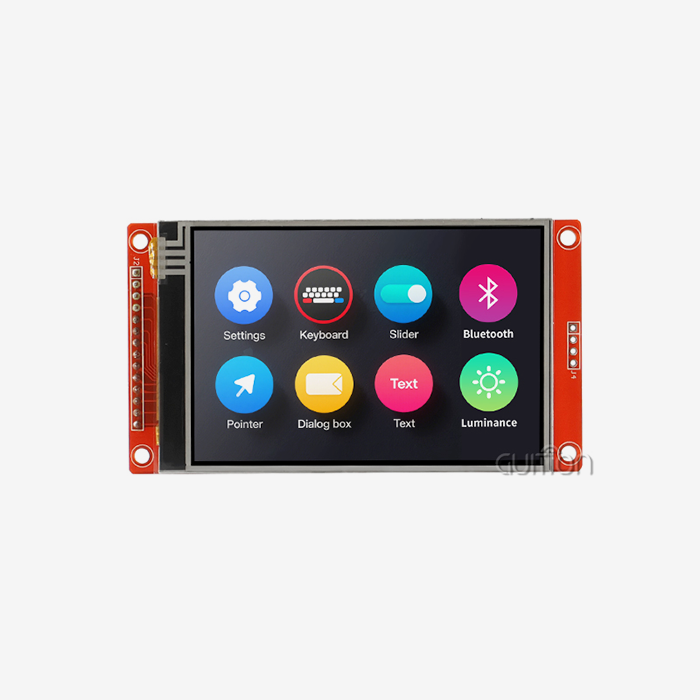
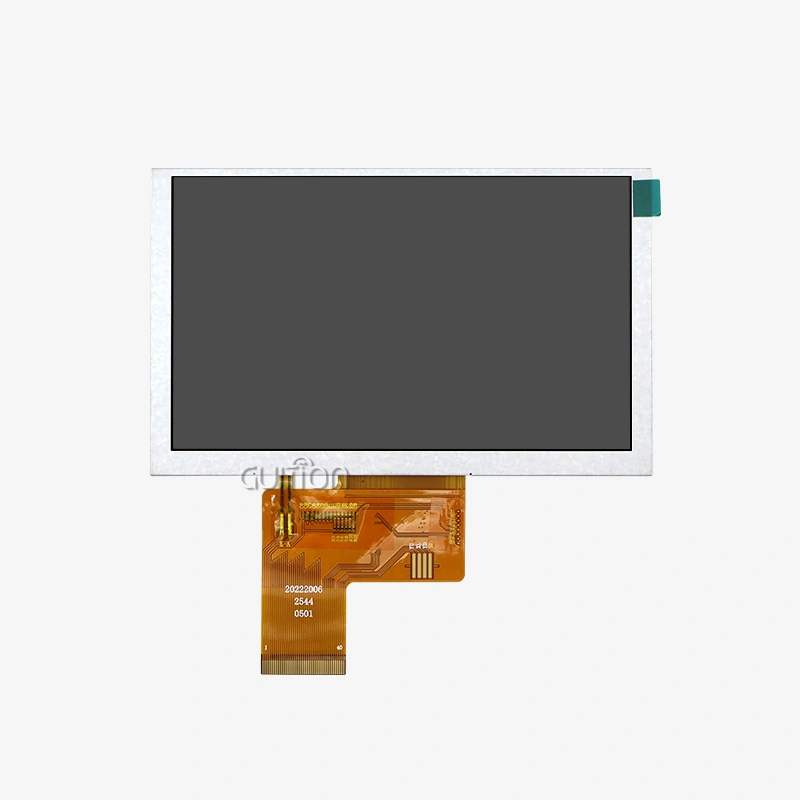
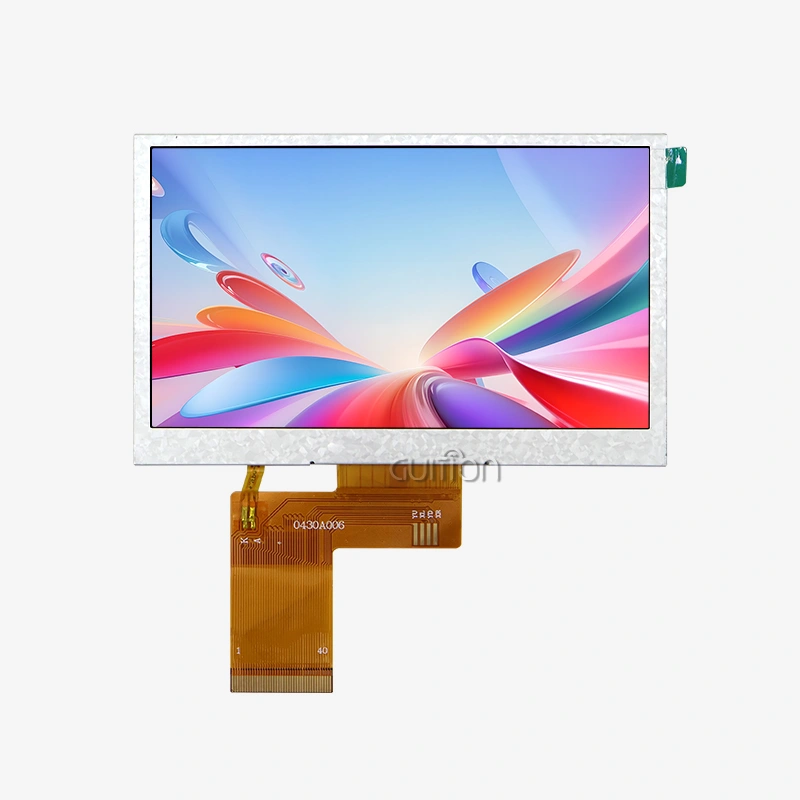
Modern display systems use a variety of technologies that are specifically designed to meet the needs of each application. Active-matrix addressing makes TFT-LCD modules, like the Guition JC8048B050N_I, which has a size of 800x480 and can handle 16.7 million colours, show vivid images. The RGB interface design makes sure that pixels refresh quickly, which is needed for animation to run smoothly and input to be fast. To keep precise control over each pixel's output state, the ST7265 driver IC handles how the voltage is spread across the liquid crystal array. This level of control lets the screen keep the same brightness and contrast levels even after long periods of use, which fixes the major problem of visual degradation that happens when something is used all the time.
Industrial Application Requirements
In plant automation panels, these units need to work well with PLCs and microcontrollers and be able to handle electromagnetic radiation, mechanical vibration, and changes in temperature. To avoid reading mistakes while closely watching a patient, medical gadget applications need to be completely clear. Energy management systems need displays that can be read in a range of lighting situations, from control centres with a lot of light to computer rooms with little light. Modern HMI display modules can handle these different problems because they can have customisable interface designs, be made to withstand harsh environments, and use a variety of communication methods. They are very useful in complicated work settings because they can show waveforms in real time, readings in multiple languages, and easy-to-understand status signs all at the same time.
Performance Reliability Analysis for Continuous Use
Common Reliability Challenges and Mitigation Strategies
Heat dissipation is crucial to consistent operation reliability. Heat from the lighting system and driver IC can accelerate liquid crystal breakdown and shorten module life if not properly regulated. Quality graphic display modules use thermal management designs with optimum heat sink layouts and thermally conductive materials. The Guition JC8048B050N_I's reliability from -20°C to +70°C exhibits thermal engineering's potential. Voltage variations and signal noise cause electrical stress, especially in large equipment. Power source filtering and ESD circuits protect critical parts.
You must understand voltage regulation to maintain pixel performance. You can prevent crosstalk—when voltage from one pixel affects surrounding pixels— by calibrating the driver IC for the module's duty cycle. This improvement clarifies pixels and prevents ghosting that could hide vital data during long operations. The bias ratio, which distributes current over the display grid, must be carefully balanced to ensure that contrast is consistent from all viewing angles and that no hot spots or dead zones occur over time.
Industry Testing Standards and Endurance Verification
Manufacturers with a good reputation put their display units through accelerated life testing methods that make them work continuously for months or years in a short amount of time. Some of these tests are stored at high temperatures, cycling between high and low humidity and temperatures, and operating burn-in times longer than 1,000 hours. Calculations of Mean Time Between Failures (MTBF) from these tests give us a way to measure how reliable something is. MTBF rates for industrial-grade units are usually higher than 50,000 hours, which means they can work nonstop for over five years under normal conditions. Certification standards like CE and RoHS compliance show that a product meets important safety and electromagnetic compatibility standards that are needed for business-to-business purchases.
Real-World Performance in Manufacturing Environments
In case studies from car assembly lines, we can see how properly chosen display units keep working well even in harsh situations. Control screens with industrial TFT displays show little backlight decay after 18 months of 24/7 operation, with no pixel failures or colour shift, according to facilities that run 3D printer farms. Charging station deployments in a variety of climate zones show that high-quality modules can handle extreme temperatures and still provide clear vision in both cold winter and hot summer circumstances. These real-world results show that display reliability isn't just a theory; it's possible when buying decisions focus on tried-and-true technologies and track records of vendors.
Comparing Graphic Display Modules with Traditional and Alternative Solutions
Advantages Over Legacy Display Technologies
In the past, segment displays and simple character LCDs were useful in industry, but they don't offer the flexibility that current systems need. It is not possible for these old methods to show process flows, trend charts, or multi-parameter screens all at the same time. Moving to pixel-addressable Graphic display modules lets operators see complicated connections at a glance, which lowers their mental load and speeds up their responses in critical situations. Updating display content through firmware instead of redesigning hardware greatly lowers the costs of the whole product lifetime and increases the useful life of the equipment as operating needs change.
Modern modules can show data in real time, which changes how workers deal with automated systems. Instead of considering putting together different numbers, they can look at live graphs that show how parameters relate to each other and how trends have changed over time. Visual context speeds up fixing and makes it easier to make decisions when things aren't working right. Icon-based interfaces are easier to use and allow for better interaction than number codes or text displays with lots of acronyms. This means that operators don't have to learn new skills as often and make fewer mistakes.
Evaluating Leading Solutions for Continuous Operation
Integration flexibility distinguishes choices in 2024. The Guition development environment supports Arduino, IDF, and native Guition code styles to adapt to varied engineering processes without forcing teams to switch tools. Working on various platforms reduces development time and lets developers use pre-existing code tools. The drag-and-drop interface builder in Guition software eliminates complex low-level code. This allows fast testing and iteration cycles that typical display solutions can't.
Connectivity options affect long-term operational efficiency. WiFi and Bluetooth support allow online troubleshooting, data logging, and firmware changes without touching the device. This functionality is useful for multi-building installations or field devices where on-site service trips are expensive. Makers may remotely upgrade thousands of units to provide new features and correct issues, maintaining fleet consistency and reducing after-sales service costs.
Cost-Benefit Analysis for B2B Procurement
There are different ways to price display modules, ranging from one-time hardware purchases to options that include licenses for software tools. Initial unit costs are an obvious thing to think about when buying something, but when you calculate the total cost of ownership, you also need to think about development time, upkeep costs, and the ability to easily update. The cost of engineering labour is cut down by a large amount when modules support secondary development with detailed documentation and expert help. Investing in a more powerful display platform that cuts down on time-to-market can bring in more money than the difference in hardware costs. When purchasing things, managers should look at how stable the seller is and how long the parts will be available. This is because when parts become obsolete, displays have to be redesigned, which costs a lot and causes problems with inventory.
Best Practices for Integrating Graphic Display Modules into B2B Systems
Procurement Criteria for Reliability Assurance
When buying Graphic display modules that will be used all the time, procurement teams should set base requirements that go beyond basic functional requirements. Mean Time Between Failure (MTBF) scores show how reliable something is, and industry uses usually need MTBF values higher than 50,000 hours. Ingress Protection ratings show how well an enclosure seals against the elements. Installations that will be exposed to dust, water, or cleaning methods need IP65 ratings or higher. Reputation of the vendor and factory certifications are indirect but useful ways to tell if a product is reliable. For example, well-known makers with ISO 9001 quality management systems show that their processes are consistent, which means that their products are reliable.
Installation and Configuration Guidelines
Mechanical installation properly under prolonged vibration exposure prevents stress-related breakdowns. Display units on mobile equipment or in vibration-prone areas should be mounted to shock-absorbing backing plates. Strain relief prevents heat growth cycles and vibration from damaging electrical connectors. Shielded wire connections and proper grounding can prevent electromagnetic interference, which can cause flickering screens and communication issues.
Configuration parameters greatly impact long-term dependability. Too much glare speeds LED ageing, so adjust the backlight strength to the lowest setting that lets you see. Multiple modules include configurable backlight dimming plans to reduce brightness during low traffic. This extends module life without impairing daytime vision. Frame rate settings should match content update demands. Fully refreshing static content costs power and generates unnecessary heat.
Maintenance Programs and Firmware Management
Setting up preventive repair plans makes sure that problems are found before they stop operations. Cleaning on a regular basis gets rid of dust that builds up and stops heat from escaping, and eye checks find early signs of connection corrosion or cable degradation. By keeping an eye on the backlight's strength over time, you can tell early on when it's about to stop working, so you can replace it during planned repair windows instead of having to shut down in an emergency.
Firmware update policies, SPI LCD Display, and weigh the pros and cons of adding new features against the risks of putting code that hasn't been tried into real settings. Disruption risks are kept to a minimum by trying changes on less important systems before putting them in place across the whole fleet. Modern modules have remote update features that make this process easier, but companies should still keep rollback methods and verified firmware files. Version control and writing down changes to the setup make sure that the system always acts the same way across installations.
Future Trends and Innovation in Graphic Display Modules' Reliability
Advanced Materials and Design Innovations
New Graphic display modules offer longer life for apps that need to run all the time. Mini-LED and Micro-LED backlighting systems are better at evening out the brightness and last longer than standard edge-lit LED arrays. These technologies also allow for localised dimming, which lowers the amount of power used and heat produced in places showing dark material. Quantum dot colour enhancement layers provide bigger colour gamuts without raising the backlight intensity needs. This keeps the visual effect while increasing the component's life.
AI-Enabled Diagnostics and Predictive Maintenance
Antimicrobial coatings are becoming more significant in food service and hospitals as protective surface treatments improve. Optical bonding eliminates the air gap between the LCD panel and cover glass, improving brightness, internal reflections, and impact resistance. Our innovations make screens easier to view in poor light and more resistant to cleaning procedures in situations where cleanliness is critical.
AI-controlled display systems allow for preventative maintenance to prevent unexpected failures. Machine learning algorithms use backlight drop, temperature, and power source changes to estimate lifespan. Before performance degrades, these systems can automatically transmit maintenance alerts. It makes maintenance proactive rather than reactive.
Strategic Recommendations for Technology Adoption
Smart companies that use Industry 4.0 principles want displays that are more than just information providers. They want displays that can connect to networks and handle data. Cloud analytics systems collect operational data from multiple display units and find patterns in how all of a company's equipment is performing. This population-level information shows failure modes and environmental factors that you might miss when looking at individual units. This information helps designers make better products and buyers know what they need to know for future installs.
Companies that want to stay ahead of the competition should look at the technology roadmaps and ecosystem support of the display providers they are considering. When vendors show they support open development platforms and communication methods based on standards, it lowers the risk of lock-in and makes it easier to integrate the best parts from different sources. As product lifecycles get shorter and demands for customisation rise, being able to quickly prototype new interface ideas becomes more useful.
Partnerships with forward-thinking makers of display modules give you early access to new features and help you decide what products to make. When people work together and give and receive feedback, things keep getting better for everyone. Suppliers get real-world feedback on new features, and buyers get solutions that are best for their unique operational problems. This partnership method works especially well for companies that have hundreds or thousands of display endpoints and want to make small gains in reliability that add up to big benefits over time.
Conclusion
When chosen and set up correctly, Graphic display modules made for commercial use provide the dependability that continuous operation requires. Strong driver ICs, thermal control, and high-quality materials are used, along with strict testing methods, to get MTBF scores that can withstand years of 24/7 use. Modern HMI display modules like the Guition JC8048B050N_I show how to balance visual performance with operational durability. They provide the 800x480 resolution and 16.7 million colour rendering qualities that complex applications need while staying stable in harsh environmental conditions. When companies make purchases, they should think about dependability measures, the image of the seller, and the total cost of ownership. This helps them get the most uptime and the lowest long-term operating costs.
FAQ
How long can industrial display modules operate continuously before requiring replacement?
Industrial Graphic display modules of high quality usually have operating lifespans of more than 50,000 hours of continuous use, which translates to about five to seven years of 24/7 operation in normal conditions. The actual lifespan varies depending on a number of things, such as the temperature, the settings for the backlight strength, and any contaminants in the surroundings. Modules that have good heat management and backlight operation that don't use too much power often go above and beyond these basic standards. Cleaning and controlling the surroundings as part of regular care also makes things last longer. Most of the time, the backlight system fails before other parts. When the lighting drops to 50% of its original level, it's time to replace it.
What certifications indicate a display module is suitable for continuous industrial use?
When an item has the CE stamp, it means that it meets European safety standards for electromagnetic compatibility and safety. Listings with UL or ETL show that the product meets North American safety standards. Ensuring compliance with RoHS rules for dangerous substances is important for thinking about how to get rid of things at the end of their useful lives. If the IP grade is IP65 or higher, it means that the sealing is good enough to keep dust and water out in industrial settings. If a company is certified by ISO 9001, it means that its quality management system is mature, which is linked to consistent and reliable products.
Can display modules maintain performance in extreme temperature environments?
Extended temperature rates on industrial-grade modules keep them working in temperatures ranging from -20°C to +70°C, which makes them suitable for most industrial installation settings. Performance traits change across this range. For example, at very high or very low temperatures, liquid crystal response times get longer, which could make screen updates take longer. The effectiveness of the backlight also changes with the weather. For example, some LED systems give off less light when it's very cold outside. For uses that need very specific temperature levels, outdoor containers with active heating or cooling systems may be needed to keep things running at their best.
Partner with Guition for Reliable Industrial Display Solutions
Picking the right graphic display module provider has an effect on all parts of your product's existence, from how quickly it is developed to how reliable it is in the field for a long time. Guition blends industrial-grade hardware with powerful development tools that cut time-to-market by a huge amount and ensure strong performance in continuous operation. This dedication is shown by our JC8048B050N_I model, which offers clear 800x480 resolution through a tried-and-true ST7265 driver design and quick RGB interface. The built-in Guition development software turns complicated UI design into easy-to-use drag-and-drop processes. It works with Arduino and IDF settings, so your team can use the ones that suit their skills. Our solutions work with screens from 1.28" to 21.5" and keep the quality the same, whether you're making charging station interfaces, medical tracking systems, or industrial control panels. Contact our team at david@guition.com to talk about your unique dependability needs and find out how Guition's Graphic display module manufacturer services can help your next project with technical support that lasts as long as your product is in use.
References
1. Chen, W., & Zhang, L. (2023). "Reliability Engineering for Industrial Display Systems: MTBF Calculation and Predictive Models." Journal of Electronic Manufacturing and Reliability, 45(3), 287-304.
2. Industrial Automation Display Standards Committee. (2024). "Best Practices for HMI Display Module Selection in Continuous Operation Environments." Technical Report IAD-2024-07, International Society of Automation.
3. Thompson, R., Martinez, A., & Kumar, S. (2023). "Thermal Management Strategies for Extended-Life LCD Display Modules in 24/7 Industrial Applications." IEEE Transactions on Components, Packaging and Manufacturing Technology, 13(8), 1245-1258.
4. National Institute of Standards and Technology. (2023). "Environmental Testing Protocols for Industrial Display Technologies: Temperature Cycling and Accelerated Life Assessment." NIST Special Publication 800-245.
5. Yamamoto, H., & Park, J. (2024). "Backlight Degradation Mechanisms and Lifetime Prediction in Continuous-Operation TFT-LCD Modules." Display Technology Review, 20(2), 156-173.
6. European Committee for Industrial Display Standardisation. (2023). "Electromagnetic Compatibility Requirements for Graphic Display Modules in Manufacturing Environments." ECIDS Standard EN-DIS-4782, Brussels.
Learn about our latest products and discounts through SMS or email