- English
- French
- German
- Portuguese
- Spanish
- Russian
- Japanese
- Korean
- Arabic
- Greek
- German
- Turkish
- Italian
- Danish
- Romanian
- Indonesian
- Czech
- Afrikaans
- Swedish
- Polish
- Basque
- Catalan
- Esperanto
- Hindi
- Lao
- Albanian
- Amharic
- Armenian
- Azerbaijani
- Belarusian
- Bengali
- Bosnian
- Bulgarian
- Cebuano
- Chichewa
- Corsican
- Croatian
- Dutch
- Estonian
- Filipino
- Finnish
- Frisian
- Galician
- Georgian
- Gujarati
- Haitian
- Hausa
- Hawaiian
- Hebrew
- Hmong
- Hungarian
- Icelandic
- Igbo
- Javanese
- Kannada
- Kazakh
- Khmer
- Kurdish
- Kyrgyz
- Latin
- Latvian
- Lithuanian
- Luxembou..
- Macedonian
- Malagasy
- Malay
- Malayalam
- Maltese
- Maori
- Marathi
- Mongolian
- Burmese
- Nepali
- Norwegian
- Pashto
- Persian
- Punjabi
- Serbian
- Sesotho
- Sinhala
- Slovak
- Slovenian
- Somali
- Samoan
- Scots Gaelic
- Shona
- Sindhi
- Sundanese
- Swahili
- Tajik
- Tamil
- Telugu
- Thai
- Ukrainian
- Urdu
- Uzbek
- Vietnamese
- Welsh
- Xhosa
- Yiddish
- Yoruba
- Zulu
Industrial HMI Panel vs PLC: Which Is Best for Automation?
When designing automation systems, engineers face a recurring question: should they prioritize the industrial HMI panel for operator interaction or rely primarily on the PLC for control logic? The answer depends on your specific operational needs. An industrial HMI panel serves as the visual gateway for monitoring and adjusting processes, while a PLC executes the control commands that drive machinery. Understanding their distinct roles—and how they complement one another—helps procurement teams, embedded engineers, and system integrators make informed decisions that align with project timelines, budgets, and long-term scalability goals.


Industrial HMI Panel vs PLC: Core Differences and Comparative Analysis
Functional Scope and Primary Purpose
The main difference is in what they're trying to do. With the help of graphical widgets like trend charts, bar graphs, and alarm lists, an Industrial HMI panel focuses on visualization and user interaction. To start orders, operators press buttons or move screens. A PLC, on the other hand, only does control logic, which means it handles input data and turns on outputs in a set order. It doesn't really have a built-in way for people to connect with it other than LED state signs. This separation makes the system more modular. You can change the HMI without having to re-program the PLC if you need to add multi-touch motions or a bigger screen to the operator interface. In the same way, changing the PLC to have more I/O ports or faster scan times doesn't mean rewriting the interface.
Performance Metrics and Environmental Resilience
PLCs are designed to work in tough industrial settings. They are often rated for extended temperature ranges (-20°C to 70°C) and can handle vibrations up to the level required by IEC 61131 standards. They have circuit boards that are conformally covered and can't be damaged by water or gasses that are acidic. The front edges of an Industrial HMI panel must be IP65 or IP66 to keep dust and water out, but the technology used for the display takes other factors into account. High-brightness screens (1000+ nits) with optical bonding make it easier to read in direct sunlight, which is important for outdoor installations or buildings with lots of skylights. Response time is different for each app. A PLC scan cycle lasts between 1 and 50 milliseconds, which means that it responds quickly to changes in the input. The refresh rate of an HMI depends on the screen resolution and the transmission technology being used. A well-tuned system changes displays every 100 to 500 milliseconds, which is enough for most monitoring chores. Cross-platform live debugging on Guition's development platform speeds up this optimization by letting engineers find bottlenecks and finetune data-polling times before release.
Connectivity Protocols and System Integration
Interoperability is a must in today's automation ecosystems. Ethernet/IP, Modbus TCP/RTU, PROFINET, and CAN Bus are all common ways for PLCs to let devices talk to each other. To get data from the PLC and send changes to setpoints back, an Industrial HMI panel uses these same methods. More advanced panels have WiFi and Bluetooth units built in, which lets them talk wirelessly to smartphones or SCADA systems that are hosted in the cloud. The GUITION JC8048Q350N_I has WiFi and Bluetooth built in, so engineers can push firmware updates from afar or collect data on production without having to physically access the panel.Choosing a protocol affects choices about what to buy. If a building uses Allen-Bradley PLCs, it might want an HMI that supports EtherNet/IP natively to cut down on gateway hardware. On the other hand, screens that offer Modbus TCP are better for environments with more program providers because it is almost universally compatible. The drag-and-drop interface design in Guition's development tool makes setting up protocols easier, so you don't have to do as much low-level coding.
Cost Structures and Total Cost of Ownership
The purchase price is only a small part of the total costs over the product's lifetime. Small PLCs with 10 I/O points cost a few hundred dollars, while rack-mounted systems with 1000 or more I/O points cost several thousand dollars. Similar price ranges for Industrial HMI panels are determined by factors such as screen size (1.28" to 21.5"), touch technology (resistive vs. capacitive), and processing power. For apps that value display quality and development speed over advanced touch interaction, the GUITION JC8048Q350N_I is a cost-effective starting point. Software licenses, training, and support are all examples of hidden costs. For runtime rights or development seats, some old HMI systems charge a fee every year. Guition's online GUI development tool works in a different way, letting users make beautiful interfaces with simple drag-and-drop actions and no ongoing costs. This method cuts down on the work that engineers have to do and makes it easier for newbies and small businesses to get into the industrial automation market.The amount of energy used is also part of the total cost. A normal 10-inch Industrial HMI panel uses 15 to 30 watts of power, while a medium-fine-tune only uses 5 to 15 watts. Energy-efficient backlights and low-power MCUs, such as the 400MHz Artinchip D121BBV in the GUITION model, help big installations with dozens of screens save money over many years of use.
How to Choose Between an Industrial HMI Panel and a PLC for Your Automation Needs
Mapping User Roles to Functional Requirements
Figure out who uses your system and how they do it first. An Industrial HMI panel is the perfect tool for giving machine operators easy-to-use interfaces with big buttons, alarm acknowledgment screens, and real-time production counters. For troubleshooting, maintenance technicians need diagnostic tools, variable monitoring, and the power to force I/O. Both HMIs a nd PLC programming software have these features built in. Control engineers work on building logic and use PLCs with strong code environments. A small packaging line might work well with just a PLC and a few indicator lights, which would mean less money up front. When the facility grows to include more than one cell, however, it makes sense to put Industrial HMI panels at each workstation to unify tracking and cut down on human error. Guition's platform supports this scalability by providing displays ranging from 1.28 inches for small control boxes to 21.5 inches for supervisory stations. All of these displays can be set up in the same development environment.
Evaluating Scalability and Software Ecosystems
Long-term success depends on how well the community works together. Pick PLCs and HMIs that work with open communication standards instead of ones that only work with certain protocols. This gives you the freedom to mix parts from different suppliers as your needs change. This idea is shown by the GUITION JC8048Q350N_I, which supports Arduino, IDF, and Guition development modes. Engineers don't have to switch hardware platforms to make prototypes on Arduino for quick testing, move to ESP-IDF for production firmware, or use Guition's GUI tool for interface design. How software updates work is just as important. Over-the-air (OTA) firmware updates are helpful for systems that are set up in faraway areas because they avoid the need for expensive site trips. With Guition's remote upgrade feature, you can send bug fixes or better user interfaces to panels that have already been installed over WiFi. This lowers the cost of support and makes products last longer.
Industry-Specific Use Cases
Uptime and ease of use are very important in manufacturing environments. On an assembly line for cars, a 10-inch Industrial HMI panel could be put in each robotic cell to give workers information screens, cycle counters, and emergency stop buttons. The PLC controls motion and precisely coordinates the movements of the robot axes and the conveyor belt. The HMI is like the eyes for the user, and the PLC is like the system's brain.Medical device makers have to follow strict rules set by regulators. Waveforms, alarm limits, and device settings must be clearly displayed on an Industrial HMI panel in a patient monitoring system. According to IEC 62304, the PLC controls the conditioning of sensor signals and sets up safety interlocks. Keeping the user interface and control code separate makes validation testing and documentation easier, which speeds up the FDA clearance process.In solar farms or substations, energy management systems need displays that can work outside, have screens that are bright, and can handle a wide range of temperatures. The GUITION model's IPS display technology makes it easy to see in direct sunlight, and its fanless design keeps dust out, which is a common cause of failure in desert settings. The PLC checks the voltage on the grid, the charge levels of the batteries, and the performance of the inverter. During times of high demand, it starts load-shedding algorithms.
Leading Industrial HMI Panel and PLC Brands: Trusted Solutions for B2B Procurement
There are well-known names in the industrial automation market that are known for being reliable and coming up with new ideas. The biggest names in HMI are Siemens, Schneider Electric, Allen-Bradley (Rockwell Automation), Weintek, and Advantech. Siemens' SIMATIC line works perfectly with its S7 PLCs, creating a single engineering environment. Global OEMs like Weintek's EasyBuilder Pro because it makes developing multilingual interfaces easier. Advantech works on computer efficiency and builds Intel processors into products for SCADA-level use.PLC ecosystems have the same level of concentration. Allen-Bradley's ControlLogix PLCs and PanelView HMIs work well together because they both use EtherNet/IP for tight interaction. Asian markets like Mitsubishi's MELSEC line because it strikes a good mix between price and performance.
Schneider's Modicon PLCs work with both Modbus and Profinet, which makes installations with more than one vendor easier. Guition joins this market with a unique strategy: making development processes easier and lowering the total cost of ownership. We don't compete on installed bases of legacy products; instead, we give engineers the tools they need to quickly build custom solutions. Our Industrial HMI panel options range from small 1.28-inch screens for wearable controls to large 21.5-inch supervisory screens, and they are all backed by the same easy-to-use software platform. This consistency cuts down on training time and speeds up time-to-market, which are very important benefits for product managers and expert leaders at companies. Teams in charge of buying things should judge sellers based on how readily available parts are, how quickly technical help responds, and how broad the ecosystem is.
Authorized wholesalers offer insurance coverage and bulk prices, while OEM partnerships let you make changes, like adding your own logo to the boot screen or setting up your IO in a way that works best for you. Guition's direct interaction model puts buyers in touch with engineering teams, who make sure that requirements are correctly translated into hardware that is provided.
Practical Tips for Procuring and Implementing Industrial HMI Panels and PLCs
Best Practices for Online Procurement
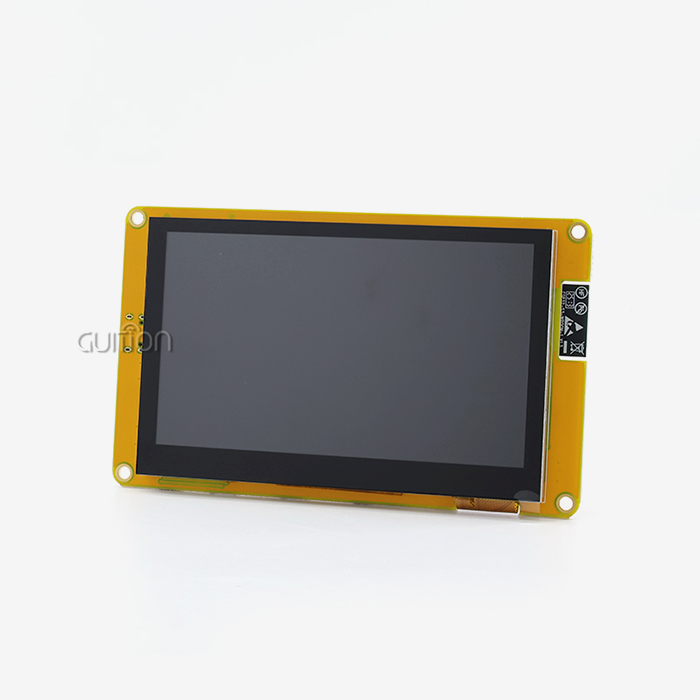
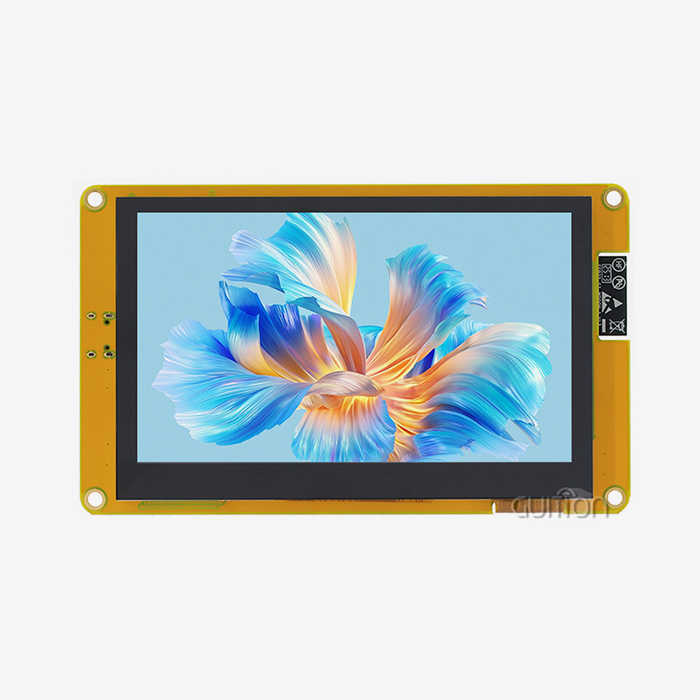
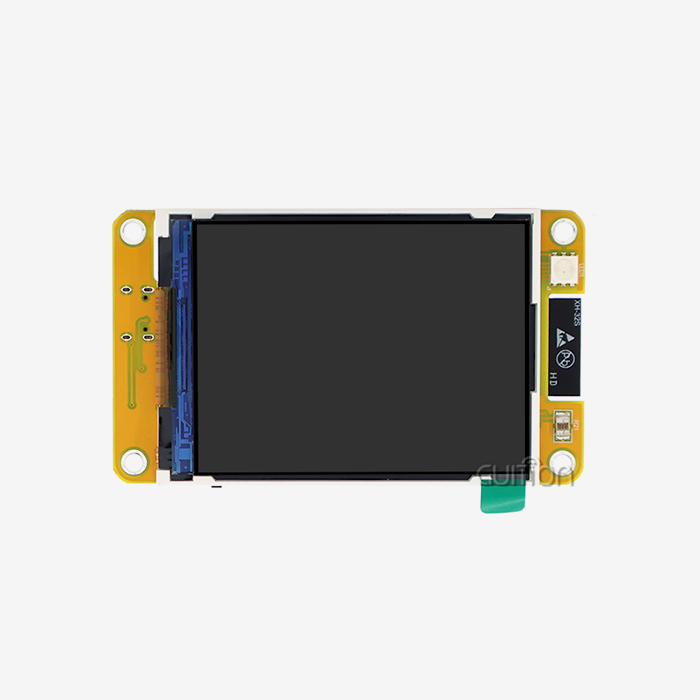
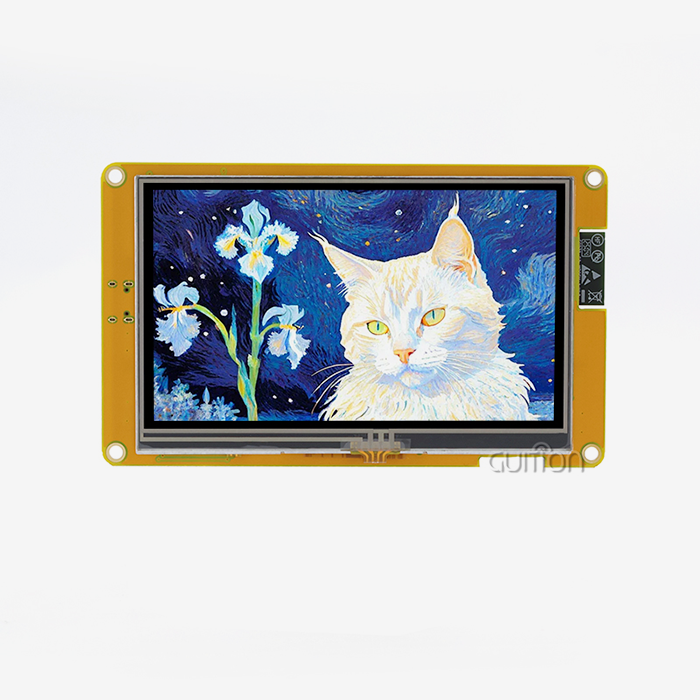
Reliable Industrial HMI panel suppliers are clear about what they do. Make sure that the product listings give you accurate information about the screen resolutions, processor models, temperature ratings, and ways to connect to the internet. The GUITION JC8048Q350N_I makes it clear that it has an 800x480 IPS screen, a 400MHz D121BBV microcontroller, and support for Arduino, IDF, and Guition development modes, so you can make smart comparisons.Ask for full datasheets that show mechanical measurements, mounting choices, and pinout diagrams. Check the warranty terms and lead times, especially for configurations that are made just for you. Bulk orders often get savings and faster production, but make sure you know the minimum order quantity ahead of time. Technical documentation, sample code, and email or forum access to engineering teams should all be part of after-sales support.
Troubleshooting and Maintenance Techniques
Diagnostic tools speed up the process of fixing problems. Most PLCs have web servers or computer tools built in, and they can watch variables in real time. Verify PLC communication using the HMI's protocol test functions when an Industrial HMI panel shows incorrect data. Engineers can use Guition's cross-platform debugging features and hmi display module capabilities to watch serial data streams and find checksum mistakes or baud rate mismatches without using oscilloscopes. Preventive repair makes things last longer. Plan to check wire ties on a regular basis, especially in places with a lot of vibration. To stop ghost touches caused by a buildup of dust, clean touchscreens with isopropyl alcohol and lint-free cloths. For models that don't need to be touched, like the GUITION JC8048Q350N_I, make sure that the IO interfaces don't corrode and use dielectric grease if needed.
Installation Recommendations for Robust Connectivity
The thermal performance is changed by panel mounting. Make sure there is enough space behind the screen for heat to escape, especially in designs without fans. To keep electromagnetic interference from motor drives to a minimum, connect RS-232/485 devices with shielded cables. When installing Industrial HMI panels with WiFi, make sure the signal strength is strong enough by surveying the site and using VPNs to keep data transmission safe. Enclosures that keep out water and dust are necessary outside or in food processing facilities. Stainless steel surrounds with an IP69K rating can handle high-pressure washdowns, but they cost more. Protecting the environment and managing heat should go hand in hand. Sealed shelters can trap heat, which could shorten the life of parts. This trade-off can be lessened by choosing units that can work in a wide range of temperatures, such as the GUITION model's industrial-grade MCU.
Conclusion
There is no right or wrong answer when it comes to choosing between an Industrial HMI panel and a PLC. These technologies work well together in complete automation architectures. PLCs provide the precise and safe control software needed, and Industrial HMI panels give workers the easy-to-use interfaces they need to keep an eye on things and make changes quickly. Costs at the start are balanced with things that need to be thought about over time, like scaling, protocol compatibility, and provider support.With built-in tools like the Guition GUI platform, which lets you create interfaces with drag-and-drop ease, and cross-platform debugging, the GUITION JC8048Q350N_I shows how current HMI technology makes development easier. This method speeds up time-to-market and lowers engineering tasks by supporting WiFi, Bluetooth, and multi-mode development. The integration of HMI Display Module solutions further enhances flexibility for industrial equipment makers, system integrators, and embedded engineers who need to navigate competitive markets.
FAQ
Can an Industrial HMI Panel Replace a PLC?
In control-critical situations, an Industrial HMI panel cannot take the place of a PLC. Even though more advanced panels have built-in processors that can do basic logic, they don't have the deterministic scan cycles, safety certifications, or I/O handling power that PLCs do. PLCs run time-sensitive control algorithms, while HMIs are great at showing information and letting operators interact with it. Most systems use both, with the HMI asking the PLC for information through either Modbus or Ethernet/IP.
What Is the Typical Lead Time for Custom HMI Panels?
Standard Industrial HMI panel types can ship anywhere from days to weeks, based on the availability of the product. Usually, it takes four to eight weeks for custom setups like changed bezels, pre-installed software, or special ports. Ordering in bulk may make lead times longer, but you can often get engineering help and discounts for buying in bulk. Getting suppliers like Guition involved early in the planning process makes sure that everyone is on the same page with the specs and delivery dates.
Which Communication Protocol Should I Choose?
Choose methods based on the system that is already in place. Modes of communication called Modbus TCP/RTU are easy to use and work with a lot of different devices. EtherNet/IP works well with Allen-Bradley systems, while PROFINET works well with Siemens PLCs. CAN Bus is used for uses in both mobile tools and cars. The GUITION platform supports multiple protocols and has live testing tools that make setting up protocols easier. This lowers the risk of integration issues and speeds up the commissioning process.
Partner with a Trusted Industrial HMI Panel Manufacturer for Your Next Automation Project
We at Guition are experts at providing high-performance Industrial HMI panel solutions that are made to fit th e needs of harsh automation environments. Our GUITION JC8048Q350N_I display module has a fast 400MHz Artinchip D121BBV MCU and an 800x480 IPS screen. It gives you great visual clarity and a lot of options for development. Our platform has development modes for Arduino, IDF, and Guition, so you can use the one that works best for your process, whether you're an embedded engineer making a prototype for a new control system or an R&D manager increasing production. The drag-and-drop GUI tool makes designing the interface faster, and the built-in WiFi and Bluetooth make it easy to join and update from afar, which cuts down on rollout time and after-sales costs. We know what it's like for companies that make industrial equipment to have to deal with tight deadlines, limited budgets, and the need for dependable, long-term supply partnerships. Our team offers full technical instructions, quick email help at david@guition.com, and customization services for large orders. Find out how our skills as an Industrial HMI panel provider can make your buying process easier and improve the performance of your products. You can look through our full list of products and get a price right now at https://jingcaizhineng.aixdb.cn/.
References
1. Smith, J., & Anderson, L. (2022). Industrial Automation Systems: Design and Implementation. Technical Press.
2. Patel, R. (2021). "Human-Machine Interfaces in Modern Manufacturing." Journal of Industrial Engineering, 45(3), 112-128.
3. Chen, M., & Williams, D. (2023). PLC Programming and Control Systems: A Practical Guide. Automation Publishing.
4. Rodriguez, S. (2020). "Comparative Analysis of Communication Protocols in Industrial Automation." International Journal of Control Systems, 38(2), 87-104.
5. Thompson, K., & Lee, H. (2022). Embedded Systems for Industrial Applications. Engineering Solutions Press.
6. Martinez, G. (2021). "Environmental Considerations for Industrial Display Technologies." Automation Technology Review, 29(4), 201-215.
Learn about our latest products and discounts through SMS or email