- English
- French
- German
- Portuguese
- Spanish
- Russian
- Japanese
- Korean
- Arabic
- Greek
- German
- Turkish
- Italian
- Danish
- Romanian
- Indonesian
- Czech
- Afrikaans
- Swedish
- Polish
- Basque
- Catalan
- Esperanto
- Hindi
- Lao
- Albanian
- Amharic
- Armenian
- Azerbaijani
- Belarusian
- Bengali
- Bosnian
- Bulgarian
- Cebuano
- Chichewa
- Corsican
- Croatian
- Dutch
- Estonian
- Filipino
- Finnish
- Frisian
- Galician
- Georgian
- Gujarati
- Haitian
- Hausa
- Hawaiian
- Hebrew
- Hmong
- Hungarian
- Icelandic
- Igbo
- Javanese
- Kannada
- Kazakh
- Khmer
- Kurdish
- Kyrgyz
- Latin
- Latvian
- Lithuanian
- Luxembou..
- Macedonian
- Malagasy
- Malay
- Malayalam
- Maltese
- Maori
- Marathi
- Mongolian
- Burmese
- Nepali
- Norwegian
- Pashto
- Persian
- Punjabi
- Serbian
- Sesotho
- Sinhala
- Slovak
- Slovenian
- Somali
- Samoan
- Scots Gaelic
- Shona
- Sindhi
- Sundanese
- Swahili
- Tajik
- Tamil
- Telugu
- Thai
- Ukrainian
- Urdu
- Uzbek
- Vietnamese
- Welsh
- Xhosa
- Yiddish
- Yoruba
- Zulu
Where to Buy Resistive Touch Display Modules from Suppliers
When sourcing resistive touch display modules, identifying trustworthy suppliers is paramount to project success. A resistive touch display module operates through pressure-sensitive layers that detect input via analog resistance changes, making it indispensable for industrial environments where gloves, styluses, or wet conditions prevail. Unlike capacitive screens that falter with moisture or electromagnetic interference, these modules deliver consistent performance across manufacturing floors, medical facilities, and outdoor terminals. Buyers seeking procurement efficiency should prioritize suppliers offering full technical documentation, customization capabilities, and robust after-sales support to safeguard their investment and accelerate time-to-market.

Key Factors to Consider When Choosing Resistive Touch Display Module Suppliers
Supplier Credibility and Certifications
Reliable suppliers keep up with ISO 9001 quality management systems and give RoHS compliance paperwork, which makes sure that products meet safety and environmental standards around the world. These approvals show that the manufacturing process follows set rules that keep mistakes and supply chain problems to a minimum. Check to see if possible suppliers release audit reports and keep their quality control methods open and easy to understand.
Customization Capabilities and MOQ Flexibility
OEM clients who are making their own equipment need suppliers who can change standard specifications. Look for partners that let you change things like interface ports (FPC vs. pin headers), backlight strength (which can be changed with PWM control), or controller software. Flexible minimum order quantities allow for prototype stages without requiring too much inventory commitment. Suppliers who are ready to take on low-volume trial orders show that they are sure of the quality of their Resistive touch display modules and want your project to grow with it.
Lead Times and Supply Chain Transparency
Global shortages of parts have shown how important it is to be able to see what's going on in the supply chain. Preferred suppliers keep extra supplies of important parts like ILI9341 driver ICs and give accurate lead time estimates (usually 2 to 4 weeks for standard configurations and 6 to 8 weeks for customized ones). Ask them about their methods for getting parts and their backup manufacturing capacity to get an idea of how well they can handle delays.
Technical Support and After-Sales Service
Full technical support speeds up integration and lowers the cost of development. Check if suppliers offer detailed datasheets, sample code libraries for popular microcontroller platforms (Arduino, ESP32, and STM32), and helpful engineering teams that can fix SPI communication problems or explain how to do calibration procedures. For at least a year, the warranty should cover problems with the way the product was made, and there should be clear RMA procedures to keep downtime to a minimum.
Top Suppliers and Manufacturers of Resistive Touch Display Modules
Evaluating Leading Manufacturers
There are well-known component makers and specialized HMI solution providers in the global market. Big semiconductor companies sell touch controllers that work on their own and display driver ICs. Integrated system sellers, on the other hand, sell full modules that include touch panels, driver boards, and software tools that have already been tuned. The second group is led by Guition (Shenzhen Jingcai Intelligent Co., Ltd.), which specializes in complete USART-HMI display systems. They have TFT-LCD and Resistive touch display modules that range from 1.28" to 21.5". Their unique Guition UI development software sets them apart by letting users quickly prototype interfaces without needing to know a lot about embedded programming. This is a huge benefit for R&D teams that have to meet tight deadlines.
Specialized Product Portfolio Analysis
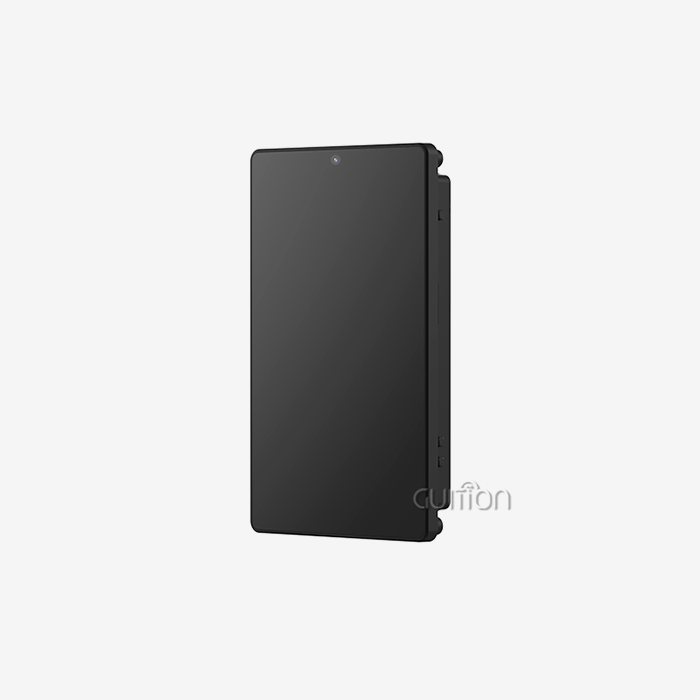
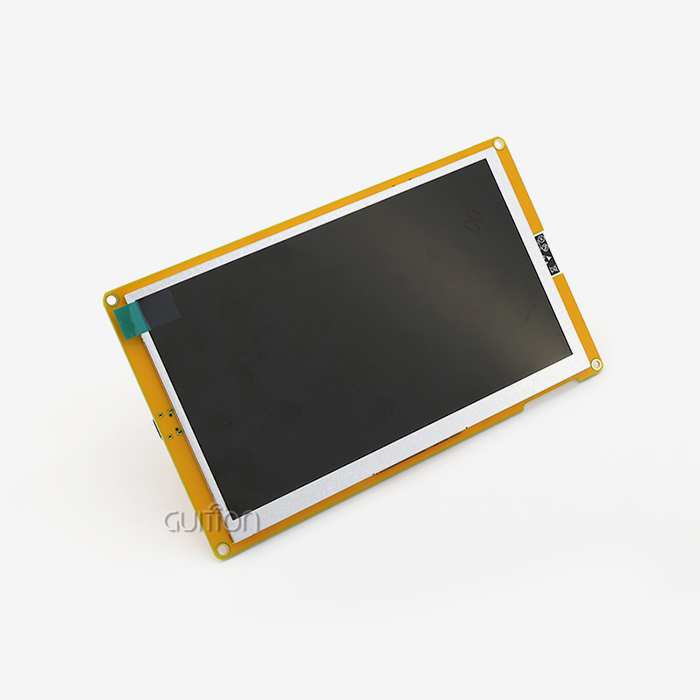
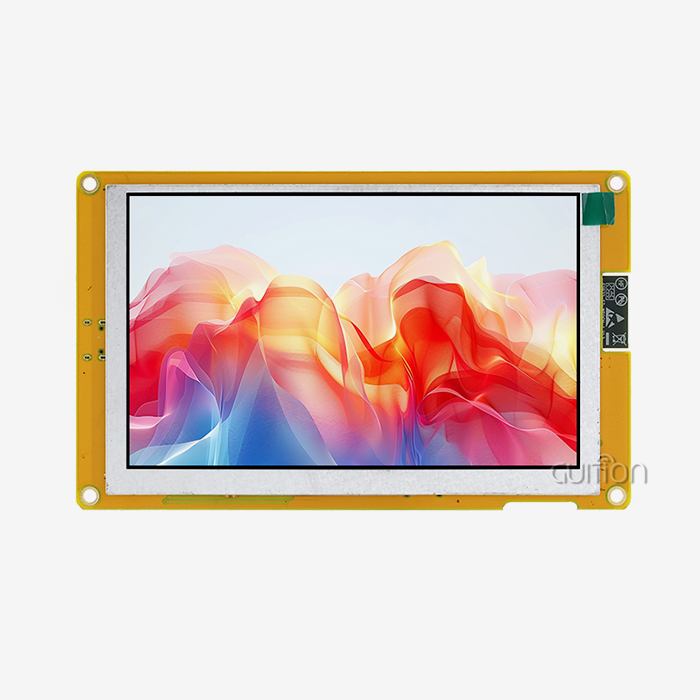
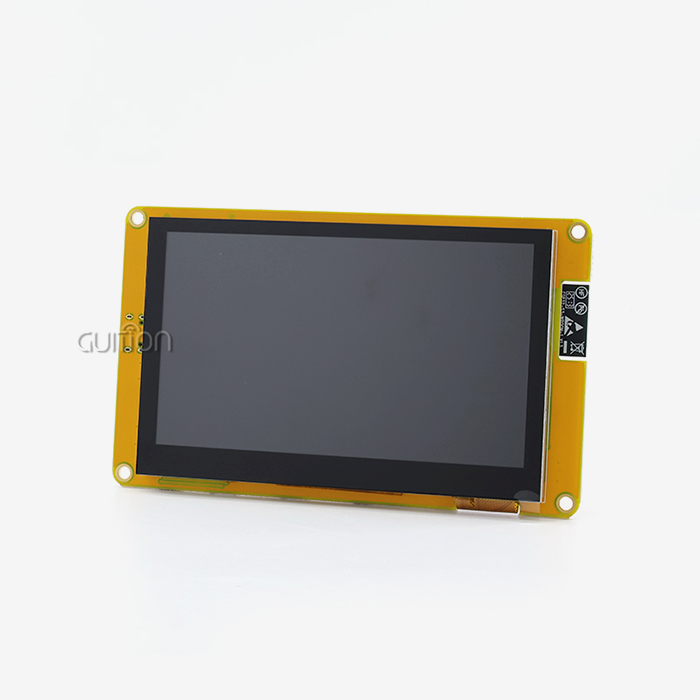
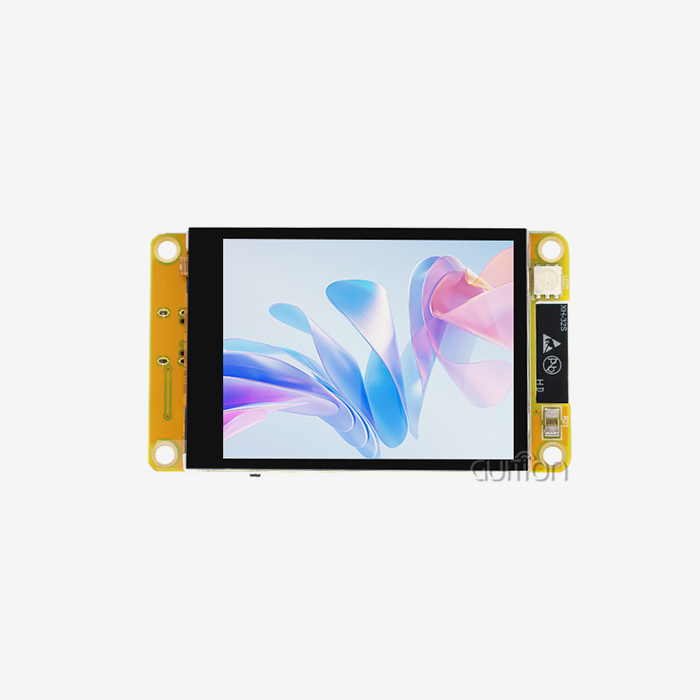
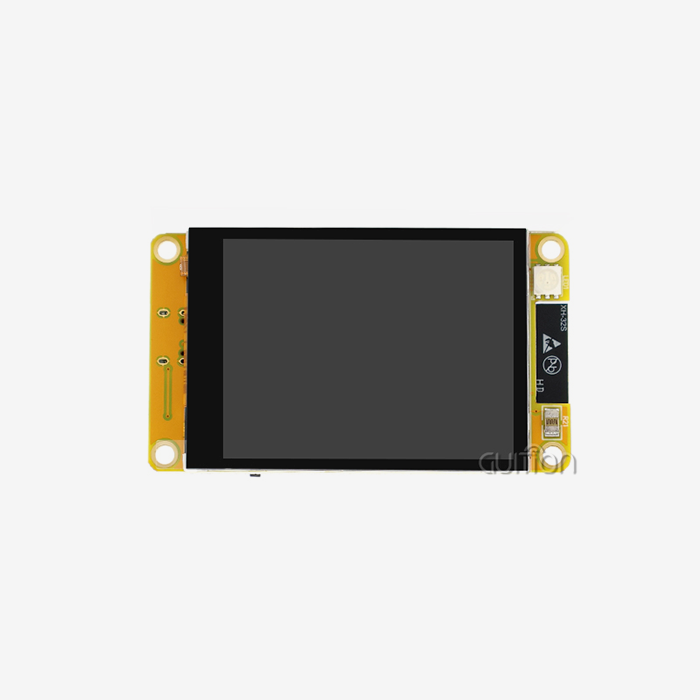
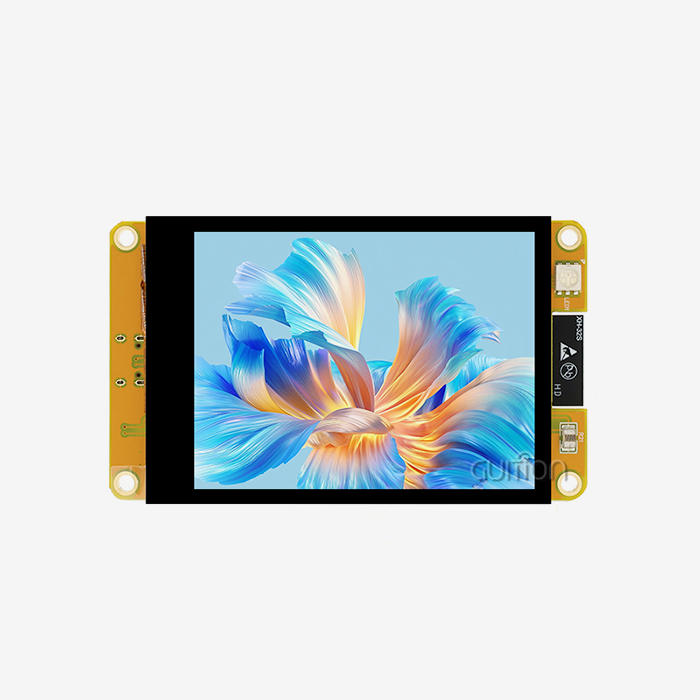
When evaluating manufacturers, compare their technical specs to the ones you need. The Guition JC2432S028R is a well-designed small HMI system. Its 2.8-inch module uses 4-wire resistive touch technology and an ILI9341 driver IC to provide 240x320 QVGA resolution. The SPI serial interface reduces the number of pins that the MCU needs, which frees up GPIO resources that can be used for communication protocols or adding sensors. An SD card slot built in lets you store images and fonts without using an external EEPROM, which lowers the cost of manufacture. The military-grade production standards for this module make sure that it works well in a wide range of temperatures and with the vibrations that are common in transportation and industrial equipment. Adding backlight control circuitry lets PWM dimming work so that battery-powered devices use less power.
Verifying Supplier Authenticity
Protect your investments by using more than one way to make sure the supplier is real. Look over the paperwork for registering your business, ask for customer references from people in the same industry as you, and read case studies that show how successful deployments have been. Market reputation can be seen by attending industry trade shows like Electronica and Embedded World and having well-known distributor deals. Be wary of suppliers who won't give you sample units to test or who don't have clear ways to communicate with you.
Domestic vs. International Sourcing Considerations
North American buyers have to make smart choices about where to find suppliers. You can get your goods faster from domestic distributors (3-5 business days), file warranty claims more easily, and make sure your business hours are the same, but they usually charge 15–30% more. Working directly with Asian makers like Guition can save you money and allow you to work together more closely on technical issues during customization. However, you'll have to deal with longer shipping times (7–10 days for air freight and 4–6 weeks for ocean freight) and different time zones for real-time support. Hybrid methods, which involve qualifying more than one provider from different areas, lower risk while improving cost structures.
Where and How to Buy Resistive Touch Display Modules: Procurement Channels and Strategies
B2B Marketplace Platforms vs. Direct Manufacturer Engagement
Online business-to-business (B2B) platforms bring together many suppliers, letting users compare specs and prices. These marketplaces offer buyer protection and standard quote processes, but they also charge commission fees that add 8–12% to the unit cost. Direct connections with manufacturers cut out the middlemen and make it easier to talk about technical innovation. Get in touch with manufacturers like Guition through specific lines of inquiry (email: david@guition.com) to talk about project-specific needs, get engineering advice, and negotiate volume pricing that fits with projected production levels for your Resistive touch display modules.
Volume Procurement Tactics
When you buy in bulk, you can get big price cuts. Set up tiered pricing plans based on annual consumption commitments instead of order quantities. Talk to your seller about consignment inventory deals where they keep stock at your building. This will lower your carrying costs and make sure that you always have access to parts. Ask for detailed cost breakdowns that separate costs for materials, manufacturing, and tools to find ways to improve things during the lifecycle management of a product.
Custom Order Procedures
Customization processes start with detailed documentation of what needs to be done. This includes mechanical drawings showing where the mounting holes are, details about the electrical interfaces (like voltage levels and communication protocols), and any environmental certifications that are needed. Reliable providers give official quotes within a week and feasibility studies within 48 hours. Usually, making a prototype takes three to four weeks. After that, it needs to be tested to make sure it works properly before investing in production tools. Keep your change control processes clear so you can handle changes to specifications without causing delays or cost overruns.
Troubleshooting and Calibration: Ensuring Optimal Performance Post-Purchase
Common Operational Issues and Solutions
Most of the time, changes in temperature or mechanical stress can cause calibration drift, which leads to a loss of touch accuracy. Calibration matrices are stored in non-volatile memory by modern Resistive touch display modules controllers, but they may need to be recalibrated in extreme conditions. The Guition development environment has cross-platform debugging tools that let you make changes to the calibration of a device without physically accessing it. This is especially helpful for equipment that is installed in places that are hard to get to. Inconsistent sensitivity is usually a sign of a controller setup problem. Make sure that the timing parameters for touch debounce match how your mechanical system works. If the debounce settings are too aggressive, you may miss touches, and if they are not aggressive enough, vibrations will be registered as multiple inputs. Check the manufacturer's datasheets for suggested numbers based on the type of cover (glass vs. PET film, for example).
Step-by-Step Calibration Methodology
For calibration to work, accurate reference points must be placed across the entire display area. As usual, you have to touch targets on the sides and in the middle of the screen while the controller takes raw ADC numbers. This makes a transformation matrix that connects real touch points to pixel addresses. The UI software in a Guition module makes this process easier. It automates calibration tasks and checks accuracy with guided testing protocols. Save calibration data in the controller's EEPROM or the host MCU's flash so that it can be read after power changes.
Preventive Maintenance Practices
Handling and environmental controls that are done right will help modules last as long as possible. In high-vibration situations, mount screens with the right amount of shock damping to keep the ITO layer from delaminating. In harsh settings, use screen protection layers to protect against scratches and chemical contact. Check the integrity of connectors on a regular basis, especially in equipment that goes through thermal cycling, which causes PCB and flex cables to expand and contract at different rates. Because the Guition design supports remote firmware changes, software patches can be used to fix found edge cases without having to call for help in the field.
Conclusion
When looking for Resistive touch display modules, you need to carefully consider the supplier's skills, technical requirements, and the possibility of a long-term partnership. Because the technology has been tested and shown to work well in harsh conditions, it is the best choice for industrial control panels, medical devices, and business platforms where input reliability is more important than looks. To speed up the product development cycle and keep costs low, give priority to suppliers that offer complete development ecosystems, flexible customization, and quick technical support for spi display module integration.
FAQ
What lead times should I expect when ordering resistive touch display modules?
Items from the standard catalog usually ship two to four weeks after an order is confirmed. Lead times are extended to 4 to 6 weeks for customized Resistive touch display modules that need mechanical or software changes. This includes validating the prototype. For jobs that need to be done quickly, expedited production may be an option, but it usually comes with extra costs. Talk about your project's schedule early on so that manufacturing schedules work with your needs for the launch of your product.
Can resistive touch screens be customized for specific size requirements?
Manufacturers like Guition let you change things like the size of the monitor, the material of the touch overlay, the type of connection, and the software on the remote. Changes to mechanical parts need to be made with expensive tools that only start to pay for themselves after a certain number of orders are placed (usually 500 or more units per year). Optical bonding services can lower internal reflection for uses that can be read in direct sunlight, but they cost more and take longer to make.
How do I verify a supplier's legitimacy before placing large orders?
Ask for proof that the business is registered, ISO 9001 certifications for the quality system, and customer references from people in the same industry as you. Order evaluation samples to check the quality of the product and make sure the technical paperwork is full. Check out the production sites in person by taking video tours or having third-party audits done. Clear communication and being willing to make time for factory visits are signs that the supplier trusts the business and that it is operationally mature.
Partnering with a Resistive Touch Display Module Manufacturer for Your HMI Needs
Guition is an expert at making industrial-grade USART-HMI display options that are exactly what you need. Our JC2432S028R SPI Display Module combines the dependability of 4-wire analog touch sensors with current development benefits, such as the ability to work with Arduino and ESP-IDF and to be upgraded from afar. We offer fast prototyping, competitive pricing on large orders, and engineering support throughout the entire lifecycle of your product because we do both research and production in-house. Get in touch with our technical team at david@guition.com to talk about your project needs and get a personalized quote from a reliable Resistive touch display module supplier.
References
1. Bhalla, M. R., & Bhalla, A. V. (2010). Comparative Study of Various Touchscreen Technologies. International Journal of Computer Applications, 6(8), 12-18.
2. Walker, G. (2012). Touch Technologies and Human Interface Design. Society for Information Display.
3. Barrett, G., & Omote, R. (2010). Projected-Capacitive Touch Technology. Information Display, 26(3), 16-21.
4. Colegrove, F., & Davis, J. (2015). HMI Design for Industrial Applications: A Practical Guide. Industrial Press Inc.
5. Zhang, L., & Chen, W. (2018). Reliability Analysis of Resistive Touch Panels in Harsh Environments. IEEE Transactions on Device and Materials Reliability, 18(2), 234-241.
6. International Electrotechnical Commission. (2016). IEC 61000-6-2: Electromagnetic Compatibility - Generic Standards - Immunity for Industrial Environments. IEC Publications.
Learn about our latest products and discounts through SMS or email