- English
- French
- German
- Portuguese
- Spanish
- Russian
- Japanese
- Korean
- Arabic
- Greek
- German
- Turkish
- Italian
- Danish
- Romanian
- Indonesian
- Czech
- Afrikaans
- Swedish
- Polish
- Basque
- Catalan
- Esperanto
- Hindi
- Lao
- Albanian
- Amharic
- Armenian
- Azerbaijani
- Belarusian
- Bengali
- Bosnian
- Bulgarian
- Cebuano
- Chichewa
- Corsican
- Croatian
- Dutch
- Estonian
- Filipino
- Finnish
- Frisian
- Galician
- Georgian
- Gujarati
- Haitian
- Hausa
- Hawaiian
- Hebrew
- Hmong
- Hungarian
- Icelandic
- Igbo
- Javanese
- Kannada
- Kazakh
- Khmer
- Kurdish
- Kyrgyz
- Latin
- Latvian
- Lithuanian
- Luxembou..
- Macedonian
- Malagasy
- Malay
- Malayalam
- Maltese
- Maori
- Marathi
- Mongolian
- Burmese
- Nepali
- Norwegian
- Pashto
- Persian
- Punjabi
- Serbian
- Sesotho
- Sinhala
- Slovak
- Slovenian
- Somali
- Samoan
- Scots Gaelic
- Shona
- Sindhi
- Sundanese
- Swahili
- Tajik
- Tamil
- Telugu
- Thai
- Ukrainian
- Urdu
- Uzbek
- Vietnamese
- Welsh
- Xhosa
- Yiddish
- Yoruba
- Zulu
Is a Knob Display Module Worth Buying?
When evaluating whether a knob display module deserves a place in your product roadmap, the answer is clear: absolutely, provided it aligns with your application requirements and development ecosystem. These integrated human-machine interface components merge rotary input functionality with real-time visual feedback, solving the common challenge of delivering intuitive control within compact form factors. Engineers across industrial automation, smart appliance development, and IoT device manufacturing increasingly rely on these modules to accelerate time-to-market while maintaining exceptional user experience standards.


What Is a Knob Display Module and How Does It Work?
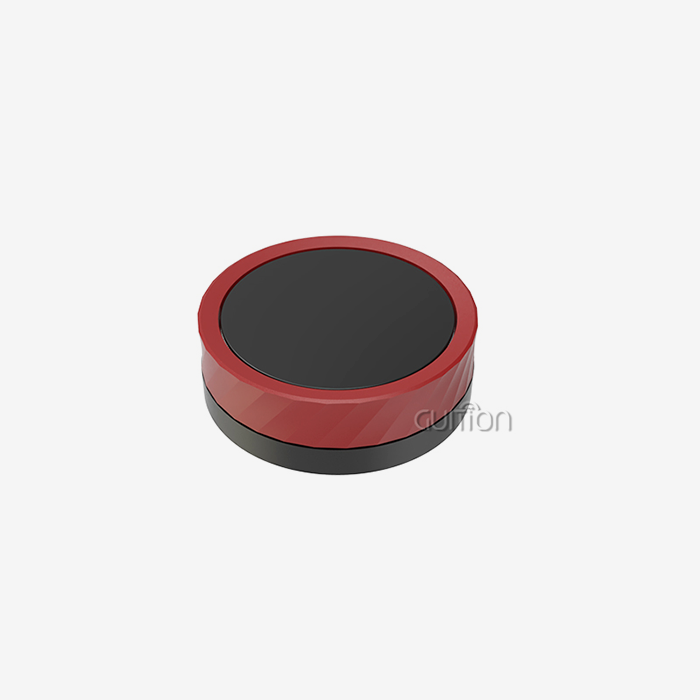
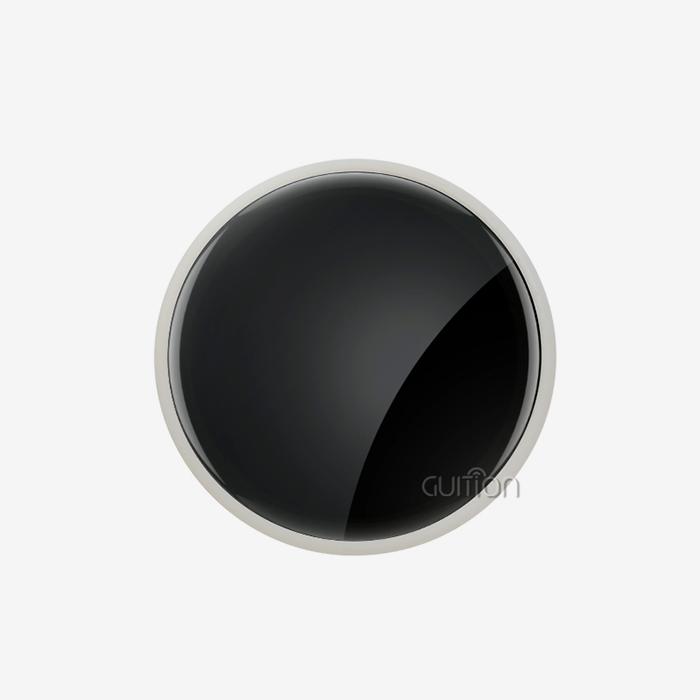
There is a high-tech HMI part called a Knob display module that combines a rotary encoder device with a rotating high-definition display screen, usually using TFT LCD or OLED technology. Unlike most mechanical potentiometers or separate touchscreen interfaces, this integrated solution allows two-way interaction: tactile engagement through pressing and rotating actions, and immediate visual confirmation through the built-in display.
Core Architecture and Technical Foundation
Several important parts working together make up the operational backbone of these units. The rotary encoder turns mechanical rotation into digital pulse signals. To find the direction and speed, it usually uses quadrature output. Depending on the module, display drivers handle displaying pixels at resolutions from 360x360 to higher densities. Different systems use different communication interfaces, but current designs tend to use UART, SPI, or I2C protocols to make microcontroller integration go smoothly.
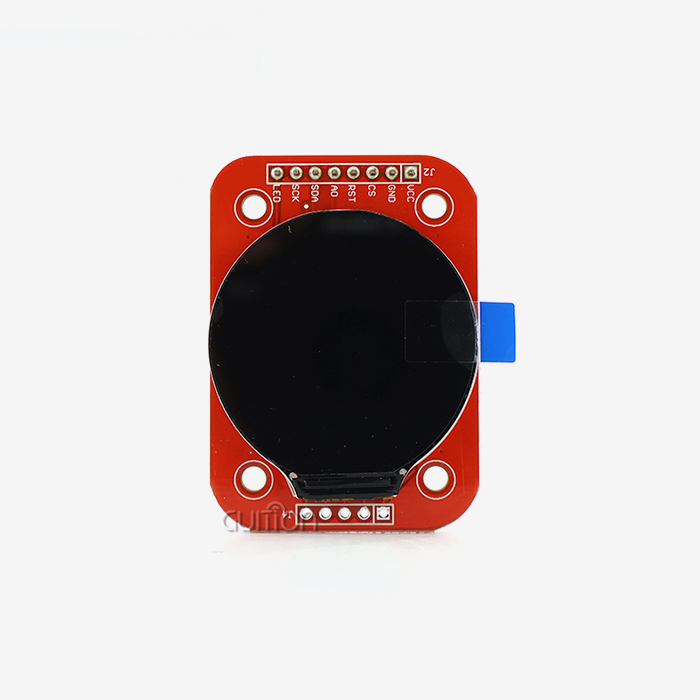
With its ESP32-S3 dual-core processor running at 240MHz, the GUITION JC3636W518C_I_Y is a good example of this architecture. In a 1.8-inch IPS panel with 360×360 resolution, this module combines sensitive touch with the computing power of 512KB SRAM, 384KB ROM, 8M PSRAM, and 16MB flash storage. This part can be used as a simple display, but it also has WiFi and Bluetooth built in, which turn it into a connected IoT gateway that can be used for distant tracking and control.
Differentiating Rotary Display Modules from Traditional Components
Standard rotary encoders only send position data and don't give any visual feedback. This means that separate display elements are needed, which makes the panel more complicated. Potentiometer-based displays have low resolution and break down over time. The Knob display module combines these functions into a single unit that responds consistently to touch. This gets rid of worries about the reliability of the interconnects and makes it easier to seal the enclosure for settings that are rated IP65 or IP67.
Key Benefits of Using Knob Display Modules in Industrial and Consumer Applications
When you use these integrated modules, you'll see measurable benefits in terms of development speed, product differentiation, and operating stability. These benefits will have a direct effect on your bottom line. Better user experience with tactile and visual synergy is achieved when physical movement is combined with instant visual proof. The mental load during operation is lower, and users get immediate response when they change parameters, navigate menus, or choose a mode, all without having to take their attention away from their main tasks. This is very important in industrial control panels where workers have to handle many tasks at once, and it's also important in smart home appliances where easy use sets high-end goods apart from cheaper ones.
Enhanced User Experience Through Tactile-Visual Synergy
The sensitive touch layer on modules like the GUITION JC3636W518C_I_Y adds motion recognition, which lets you swipe your way through menus. This tablet feature works with rotary input instead of removing it. This lets designers make control schemes that work best for different situations within a single interface. The Knob display module synergy reduces cognitive load and improves interaction precision.
Accelerated Development Cycles with Platform Compatibility
In order to meet time-to-market requirements, development must be able to work with a variety of toolchains and prototyping environments. Modern rotary display modules work with many programming languages, like Arduino IDE, ESP-IDF, and MicroPython. This lets engineering teams use codebases and skills they already have. With drag-and-drop UI design tools and rich control libraries, you don't have to do weeks of low-level graphics code.
Cross-platform testing makes it easier to find and fix problems during the integration process. When your team can deploy test firmware, watch it run in real time, and make design changes without having to change the hardware, development costs go down a lot, and product quality goes up. This benefit can be used in production thanks to the remote project upgrade feature, which lets you fix problems in the field without physically accessing the device.
Industrial Durability Meeting Real-World Demands
Harsh working conditions need parts that are made to last longer when exposed to high and low temperatures, humidity, and mechanical stress. Some high-quality rotary display modules are sealed, which keeps dust and water out of sensitive electronics. Automotive-grade versions can survive vibration testing methods and still keep the signal and display clear in full sunlight that is over 1000 nits bright.
The ESP32-S3 processor in advanced modules works effectively in temperatures ranging from -40°C to +85°C, meeting the needs of industrial automation. Flash storage with wear-leveling methods makes sure that configuration data stays the same after thousands of write cycles, which is important for apps that store user preferences or calibration parameters.
How to Choose the Right Knob Display Module? Procurement Criteria and Market Options
To choose the best rotary display solution, you need to carefully consider your application needs and the amount of production you need to do. Environmental sealing, flexible communication protocols, and predictable reaction traits are top priorities for industrial automation projects. When it comes to consumer electronics, designers focus on making things look good, using little power, and keeping costs as low as possible at production levels where pennies per unit add up to a lot. A high-quality Knob display module must be selected based on these specific constraints.
Application-Specific Requirements Analysis
Industrial programs usually connect to PLCs using the Modbus RTU or CANbus protocols, so they need units with strong industrial communication stacks. Modules that offer a lot of support for development environments and a lot of documentation are helpful for rapid prototyping scenarios. This market niche is well served by the GUITION JC3636W518C_I_Y, which works with the Arduino IDE, ESP-IDF, MicroPython, and the company's own programming platform. This freedom keeps you from being locked into one provider and speeds up the proof-of-concept approval process.
Critical Evaluation Criteria for Technical Specifications
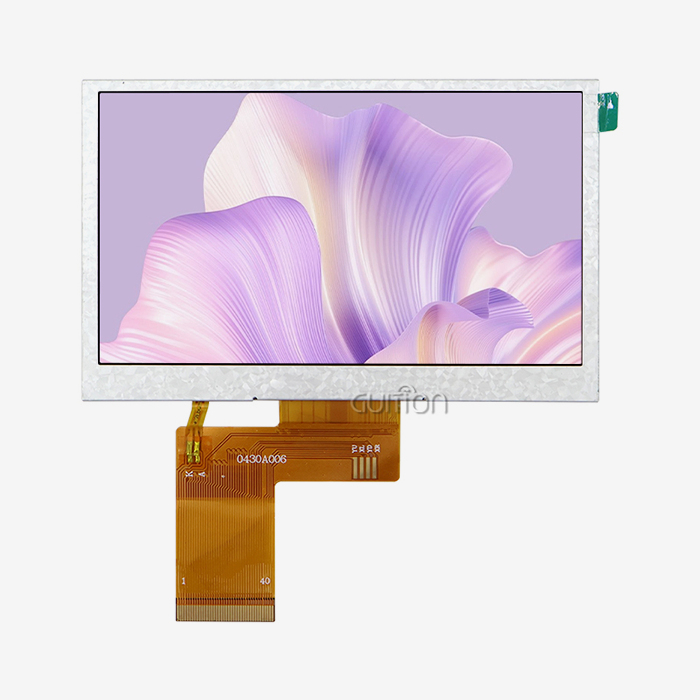
The type of display technology you choose affects how easy it is to read, how much power it uses, and how much it costs. TFT LCD screens are good for indoor workplace uses because they are bright and accurate, and they don't cost too much. OLED versions have better contrast ratios and viewing angles, which is why they are chosen for consumer goods where how something looks affects the choice to buy it. The resolution needs to meet the complexity of the material; 240x240 resolution is fine for simple status displays, but 360x360 or higher is needed for detailed graphics or video playing.
Interface compatibility determines how hard a combination is and which microprocessor to use. UART ports have fewer pins than parallel RGB connections, but they can't handle as fast update rates. SPI and I2C work well together for most tasks, and modules with built-in processors, like the ESP32-S3, make it easier to connect to the internet through WiFi and Bluetooth without needing extra gear. Ratings for the environment are very important for a product's dependability; ensure the working temperature ranges are right for the fitting conditions.
Supplier Landscape and Procurement Strategies
Adafruit and Texas Instruments are two well-known companies that make electronic parts. For first-time users, their standardized modules come with a lot of application notes and community help. Specialized HMI suppliers like Guition offer customization services, their own development software, and the ability to integrate multiple processes, which is useful for OEM production that needs to set its own brand apart.
Pricing methods are very different between providers and order sizes. A lot of the time, prototype numbers come with higher prices and faster delivery. On the other hand, production agreements unlock volume discounts that depend on how well the forecast is made. Due to uncertainty in the supply chain, lead times have become very important. Creating partnerships with manufacturers who offer inventory programs lowers the risks to the production schedule.
Practical Guidance: Installation, Programming, and Troubleshooting Knob Display Modules
A successful rollout includes more than just choosing the right parts. It also includes planning the integration method and the operating support. Reliable function starts with making sure the electrical links are correct for your chosen Knob display module. Power supply stability directly affects display quality and system reliability; make sure that the voltage control gives you clean power within the range that the module specifies, which is usually 3.3V or 5V with little ripple.
Wiring Configuration and Electrical Integration
Most UART-based devices only need four connections: power, ground, TX, and RX. Reset and lighting control pins are also available if needed. It's faster to talk to chips when SPI interfaces add clock and chip select lines. The GUITION module with ESP32-S3 integration makes this even easier by communicating with the display from the inside, only showing the host system high-level control interfaces. Inadequate filtering causes artifacts to show up on high-resolution screens. Putting decoupling capacitors close to the module's power pins stops short-term noise.
Programming Approaches and Code Examples
The Guition development platform makes it easier to make UIs by including graphics design tools that automatically make code that works better. Engineers use drag-and-drop to move controls, dialog boxes to set up event handlers, and real-time simulations to see what the results will be. This process gets rid of the need to do boring pixel-level graphics programming while still letting you use the base APIs to add your own features.
Compatibility with the Arduino IDE for esp32 display module lets you make prototypes quickly using code you already know and a lot of library support. Sample projects that show how to play MP3s, use a photo frame, and use an extra screen speed up the learning process. For computer extra-screen programs, the fact that 18 AIDA64 styles are already loaded gives system tracking solutions quick value.
Common Troubleshooting Scenarios and Resolutions
Display initialization problems are often caused by wrong communication settings or missing timing. Make sure that the baud rate settings are correct for the module, especially when using UART interfaces. The polarity and phase choices for the SPI clock must exactly match what the module expects. Touch responses that aren't always the same are usually a sign of calibration drift or electrical noise interference. Capacitive touch systems get accurate again after running calibration programs again.
Firmware update methods should be carefully written down and tested before they are put into use in the field. Advanced modules' ability to upgrade projects from afar changes the way maintenance is done, but it needs strong validation protocols. Set up rollback mechanisms to keep devices from getting bricked if the network goes down while updates are being sent.
Is It Worth Buying a Knob Display Module? Market Trends and Future Outlook
The market for integrated HMI components is still growing quickly because more and more smart devices are being used, which is driving demand for advanced user interfaces that are also affordable. More and more, a Knob display module is being used in place of old membrane switch interfaces that don't give visual feedback in industrial automation installations for machine control panels. This lowers long-term costs and makes equipment that serves more than one production line more flexible.
Current Adoption Patterns Across Industries
Smart appliance makers use rotary display modules to set premium product levels apart by giving users a better experience. Rotary controls make it easy to use equipment like washing machines, refrigerators, and HVAC thermostats. When old-fashioned control metaphors and new-fashioned connectivity come together, it makes products more competitive in the consumer market. Medical device makers like how sealed touchscreen displays keep things clean and how precise rotating adjustments are for important parameters.
Cost-Benefit Analysis Versus Alternative Interfaces
There are strong economic benefits when you look at the total cost of ownership of these units versus separate encoder-plus-display solutions. Using an integrated approach cuts down on assembly work, panel cutouts, and interconnect cables that are more likely to break. Fewer separate parts mean better reliability numbers and fewer guarantee claims over the span of a product. Physical rotation allows for hands-on feedback and hands-free operation, which increases efficiency in industrial settings.
Emerging Technologies Shaping Future Capabilities
The next step forward in sophistication is the integration of haptic feedback. Programmable detent profiles let software-defined tactile responses match specific control functions. As Bluetooth Low Energy and WiFi Direct get better, more devices will use wireless interfaces, making installation easier for upgrade situations. As the cost of making displays goes down, the quality keeps going up, letting video playing and media-rich graphics fit on small circular screens.
Conclusion
Knob display modules offer great value for engineering teams that have to balance fast development, good user experience, and low production costs. Putting rotary input and high-resolution screens together solves some long-standing problems in HMI design and meets today's needs for connection through WiFi and Bluetooth. Products like the GUITION JC3636W518C_I_Y show how advanced processor integration, multi-platform development support, and thoughtful feature implementation can be used to make tools that shorten the time it takes to get a product to market while also making designs more flexible to meet changing application needs.
FAQ
What distinguishes a knob display module from standard rotary encoders?
Standard rotary encoders send out digital pulses that show the direction and magnitude of spin, but they don't have built-in ways to show input visually. This Knob display module has a full display subsystem with a graphics controller. It shows parameter values, menu places, and system information visually in real time, right in the control element. This combination cuts down on the room needed for the panel, makes wiring easier, and improves the user experience by synchronizing touch and sight.
How easily do these modules integrate into existing industrial control systems?
How hard it is to integrate relies mostly on how well the communication protocols work together and how many development tools are available. Modules with standard UART, SPI, or I2C interfaces can easily connect to PLCs, industrial PCs, and microcontrollers using well-known protocols. The GUITION ESP32-S3 module and other advanced options with WiFi and Bluetooth capabilities make wireless integration possible, which gets rid of the problem of routing cables in retrofit situations.
What considerations guide bulk ordering for OEM production requirements?
When negotiating volume pricing, unit cost cuts should be weighed against the costs of keeping supplies and the risk of becoming obsolete. Talk to your provider about clear lead times and minimum order quantities. Make sure they can scale production to match your ramp forecasts. Look at different ways to customize your product, such as adding custom firmware, a brand to the boot screen, or changing the mechanical housings so that your product stands out while still using standard electronics.
Partner with Guition for Your Next HMI Innovation
Guition offers complete Knob display module solutions designed to meet the needs of challenging B2B uses in industrial automation, smart appliance development, and the production of IoT devices. Email our team at david@guition.com to talk about your unique needs, get full technical specs, and find out how our display units can help your next product generation stand out.
References
1. Johnson, M. and Williams, R. (2023). Human-Machine Interface Design Principles for Industrial Applications. Industrial Automation Press.
2. Zhang, L., Kumar, S., and Patel, A. (2024). "Comparative Analysis of Rotary Input Devices in Embedded Systems," Journal of Embedded Computing and HMI Technologies, Vol. 18, No. 2, pp. 145-162.
3. Anderson, K. (2023). Smart Appliance Development: Integrating Advanced Display Technologies. Consumer Electronics Engineering Publishers.
4. European Industrial Automation Association (2024). HMI Component Selection Guidelines for Manufacturing Equipment, Technical Report EIAA-2024-07.
5. Chen, W. and Nakamura, T. (2023). "ESP32-Based Display Solutions: Performance Benchmarks and Application Scenarios," International Conference on IoT and Embedded Systems Proceedings, pp. 298-315.
6. Roberts, D. (2024). Procurement Strategies for Electronic Components in OEM Manufacturing. Supply Chain Management Institute Press.
Learn about our latest products and discounts through SMS or email