- English
- French
- German
- Portuguese
- Spanish
- Russian
- Japanese
- Korean
- Arabic
- Greek
- German
- Turkish
- Italian
- Danish
- Romanian
- Indonesian
- Czech
- Afrikaans
- Swedish
- Polish
- Basque
- Catalan
- Esperanto
- Hindi
- Lao
- Albanian
- Amharic
- Armenian
- Azerbaijani
- Belarusian
- Bengali
- Bosnian
- Bulgarian
- Cebuano
- Chichewa
- Corsican
- Croatian
- Dutch
- Estonian
- Filipino
- Finnish
- Frisian
- Galician
- Georgian
- Gujarati
- Haitian
- Hausa
- Hawaiian
- Hebrew
- Hmong
- Hungarian
- Icelandic
- Igbo
- Javanese
- Kannada
- Kazakh
- Khmer
- Kurdish
- Kyrgyz
- Latin
- Latvian
- Lithuanian
- Luxembou..
- Macedonian
- Malagasy
- Malay
- Malayalam
- Maltese
- Maori
- Marathi
- Mongolian
- Burmese
- Nepali
- Norwegian
- Pashto
- Persian
- Punjabi
- Serbian
- Sesotho
- Sinhala
- Slovak
- Slovenian
- Somali
- Samoan
- Scots Gaelic
- Shona
- Sindhi
- Sundanese
- Swahili
- Tajik
- Tamil
- Telugu
- Thai
- Ukrainian
- Urdu
- Uzbek
- Vietnamese
- Welsh
- Xhosa
- Yiddish
- Yoruba
- Zulu
How to Improve UI Design on CYD Display Module?
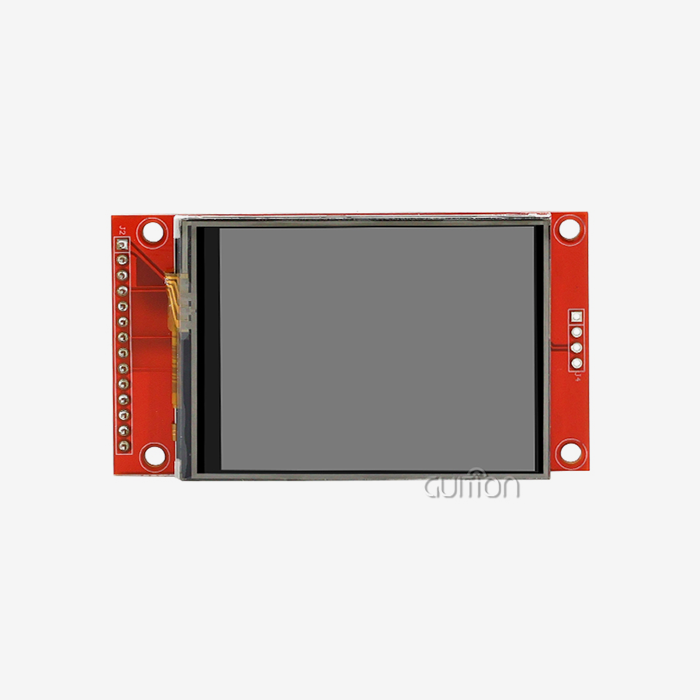
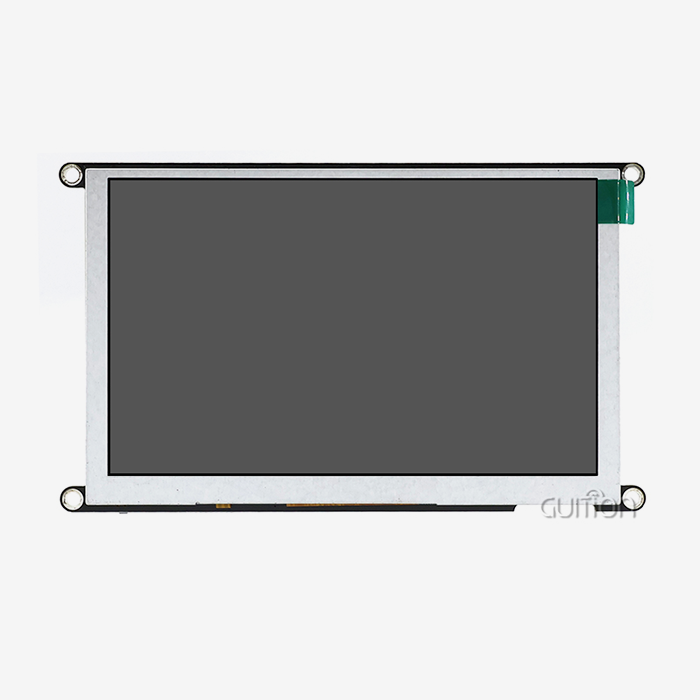
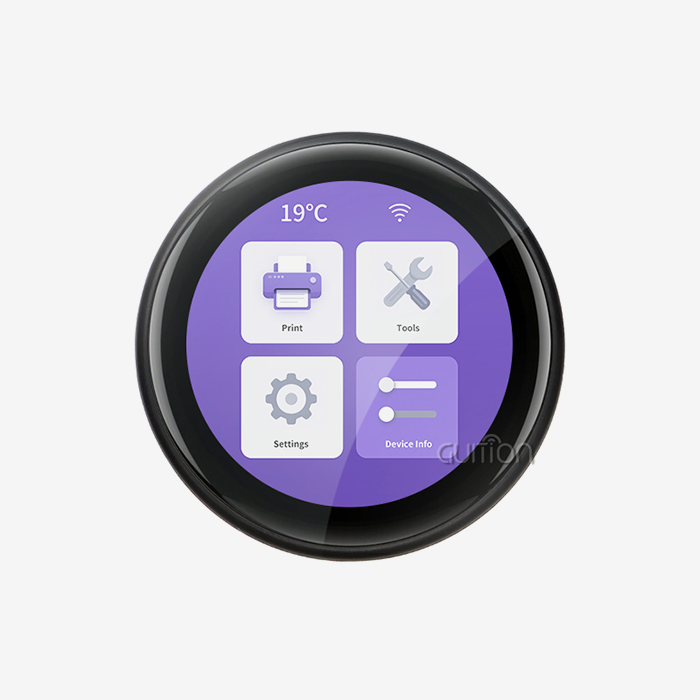
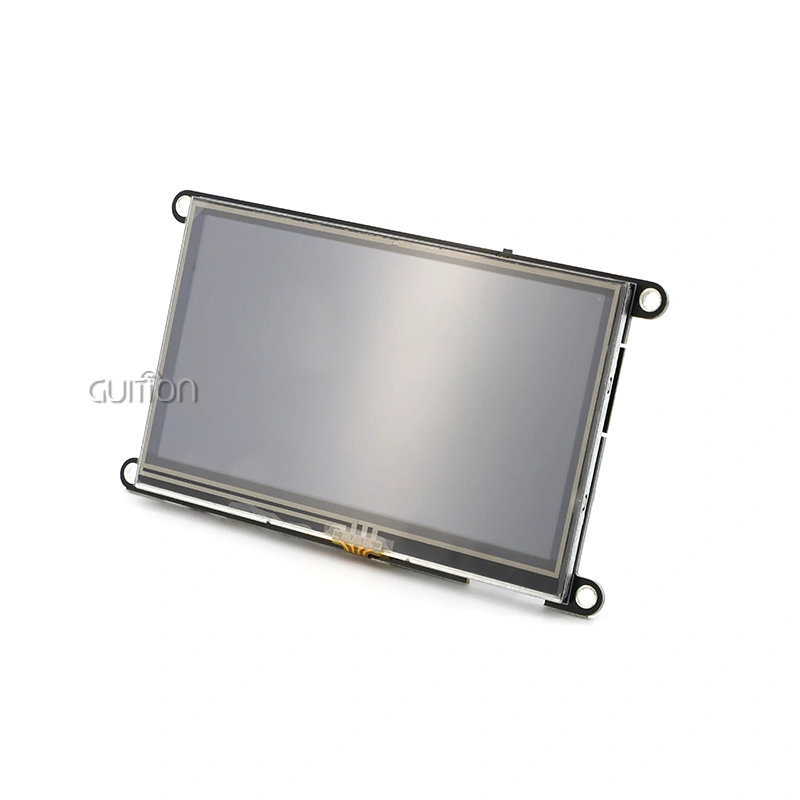
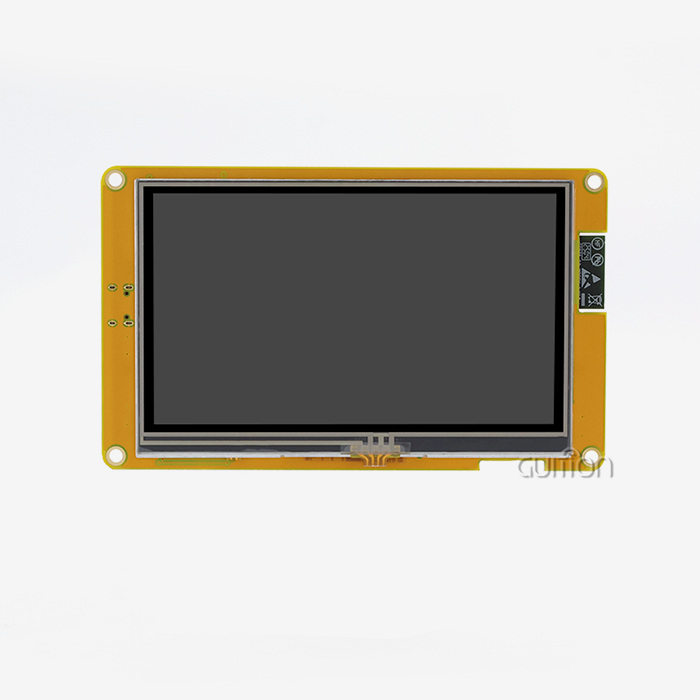
To enhance the UI design of the CYD display module, we require a systematic approach that integrates hardware capabilities with user experience concepts. CYD display modules, such as the GUITION ESP32-8048S043C_I, combine ESP32-S3R8 dual-core computing with an 800x480 capacitive touchscreen, enabling intuitive, responsive interfaces. This module's WiFi and Bluetooth connectivity, extensive memory resources, and multi-platform development support across Arduino IDE, ESP IDF, MicroPython, and Mixly enable scalable, user-centered interfaces that reduce operational complexity and speed time-to-market.

Understanding the Challenges in UI Design for CYD Display Modules
Creating effective interfaces for industrial HMI applications presents distinct obstacles that go beyond basic graphic design. Engineers and product managers consistently encounter usability barriers that directly impact productivity and user satisfaction.
Navigation Inefficiencies in Industrial Environments
Industrial operators need rapid access to essential controls without several menu layers. Operational delays build up during shifts when CYD display modules require excessive touch interactions to reach crucial functionality. The GUITION module's 4.3-inch size requires careful spatial planning to use every pixel. Operators using gloves or working under time pressure may have errors with touch targets below 44x44 pixels.
Hardware Constraints Affecting Design Flexibility
Engineers working with embedded displays face memory limitations that restrict graphical complexity. The ESP32-S3R8 controller provides 512KB SRAM and 8MB PSRAM, which supports rich visual elements when properly optimized. Inefficient asset management quickly exhausts available resources, causing laggy animations or unresponsive touch feedback. Balancing visual appeal against performance requirements remains a persistent challenge, particularly when implementing real-time data visualization or multi-language support.
Lack of Alignment with Operator Workflows
Many interface designs are based on desktop applications rather than industrial procedures. Manufacturing, energy management, and medical monitoring operators follow sequences that interfaces should match. Screen layouts that deviate from operational patterns increase learning curves and mistake rates. UI designers must work with end-users to map process sequences before creating the interface architecture.
Core Principles for Effective UI Design on CYD Display Modules
Building exceptional user interfaces on ESP32-based display solutions requires adherence to fundamental design principles that prioritize clarity, efficiency, and adaptability.
User-Centric Design Approach
Every interface decision should stem from documented user needs rather than aesthetic preferences. The GUITION development tools enable rapid prototyping, allowing designers to test multiple layout concepts with actual operators before finalizing implementations. Recording how users interact with prototypes reveals unexpected pain points that desktop reviews miss entirely. This iterative validation process shortens development cycles by catching usability issues early when changes require minimal effort.
Accessibility and Readability Standards
Displays in industrial settings face direct sunshine and dim warehouse illumination. The module's 16-bit RGB color capability offers 65K colors, but designers should use high-contrast palettes for visibility in different lighting. Font sizes below 14 points are hard to read at normal viewing distances, especially for operators over 40. Status indicators should employ color and shape or text labels to help colorblind users identify key conditions.
Modular and Scalable Component Architecture
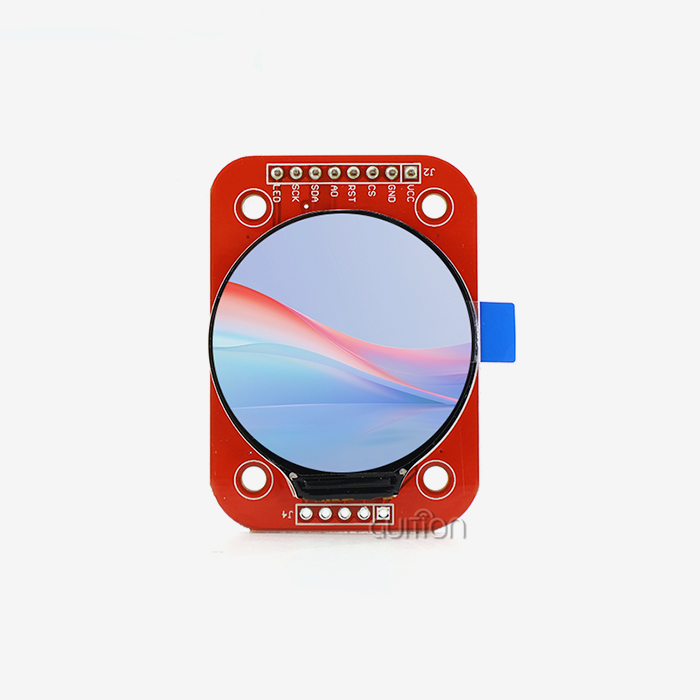
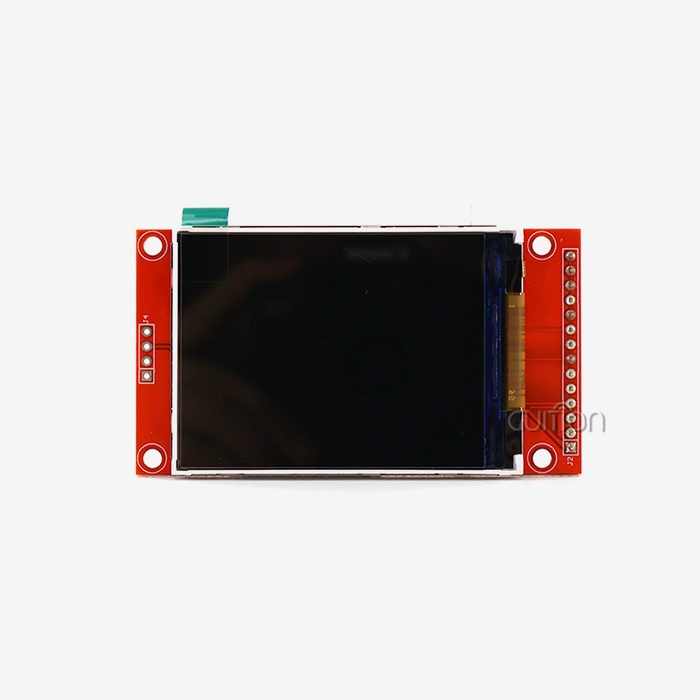
Reusable interfaces adapt better to changing needs. Quition development software uses drag-and-drop tools to speed up layout construction and organize code. Teams can update functionality across several screens using component libraries that include visual presentation and behavioral logic. This architectural approach is required for enabling 1.28" to 21.5" screen sizes in product lines.
Visual Consistency Aligned with Brand Identity
Industrial equipment reflects corporate identity through consistent visual language across product portfolios. Establishing design systems that define color schemes, typography hierarchies, and iconography ensures immediate brand recognition. The TF card interface on the module allows storing custom fonts and graphics that match specific brand guidelines. Consistency extends beyond aesthetics to interaction patterns—buttons should behave identically across different screens to build user confidence through predictability.
Step-by-Step Approach to Enhance CYD Display Module UI
Systematic improvement of display interfaces follows a structured methodology that minimizes risk while maximizing user impact. Breaking the enhancement process into distinct phases helps teams maintain focus and measure progress objectively.
Conducting Comprehensive User Research
Understanding actual usage contexts prevents wasted development effort on features users don't need. Site visits to observe operators interacting with existing interfaces reveal friction points that surveys miss. Recording task completion times establishes quantitative baselines for measuring improvement. Interviewing maintenance technicians uncovers reliability concerns that affect long-term satisfaction. This research phase typically requires two to three weeks but pays dividends by ensuring subsequent design work addresses genuine requirements.
Developing Wireframes and Prototypes
Low-fidelity wireframes outline screen flow and information hierarchy to translate research into visual layouts. These skeletal designs should cover critical functions without aesthetics, letting stakeholders focus on structure. The CYD display module's Arduino IDE compatibility allows rapid hardware prototyping and realistic performance feedback before desktop simulation programs. Before implementation, prototypes should incorporate representative data volumes to reveal performance bottlenecks.
Implementing with Hardware Integration
Moving from prototype to production code requires attention to the ESP32-S3R8's dual-core architecture. Assigning UI rendering to one core while reserving the second for communication tasks maintains responsive touch feedback even during network operations. The integrated WiFi and Bluetooth capabilities support remote diagnostics and OTA updates, features that should be planned into the interface from initial implementation. Proper utilization of the 16MB Flash storage allows caching frequently accessed graphics, reducing load times and improving perceived responsiveness.
Performance Testing and Validation
Real-world testing uncovers flaws that controlled environments miss. Operating extremes are cycled to ensure display performance meets standards across industrial temperatures. Long-term touch engagement exposes calibration drift or touch controller limitations. Filling maximum predicted data quantities ensures the interface maintains frame speeds without visible artifacts. End-users should execute representative tasks while observers identify hesitations or errors.
Continuous Improvement Through Analytics
Used interfaces in production contexts provide useful data for refinement. Users' most-used screens highlight workflow patterns that design revisions could optimize. Monitoring mistake rates across functions reveals places that need clarification or confirmation dialogs. The GUITION module's remote upgrade functionality lets fielded devices receive interface improvements without site visits, lowering maintenance costs and speeding feedback improvement.
How Do CYD Display Module Features Support UI Optimization?
The technical capabilities of modern ESP32-based display systems directly enable advanced interface features that differentiate products in competitive markets.
Hardware Flexibility and Performance
The ESP32-S3R8 dual-core processor running at 240MHz delivers computational headroom for smooth animations and complex graphics. This processing power supports multiple simultaneous tasks without sacrificing interface responsiveness. Capacitive touch technology provides more natural interaction compared to resistive alternatives, registering light touches without the pressure requirements that cause operator fatigue. The 800×480 resolution offers sufficient pixel density for detailed graphics and legible text without overwhelming memory constraints.
Software Development Ecosystem
Arduino IDE, ESP IDF, MicroPython, and Mixly provide varied engineering skill sets and project requirements. Teams accustomed to Arduino's simple environment can prototype quickly, while advanced optimizers use lower-level ESP IDF. Pre-built controls and WYSIWYG editing speed up interface construction in Guition. One-click programming simplifies toolchain setup, which takes days.
Connectivity and Remote Management
Internal WiFi 802.11 b/g/n and Bluetooth v4.2 eliminate external modules and wires. Network connectivity allows cloud data logging, remote dashboards, and fleet management. Remote upgrades provide interface enhancements, bug corrections, and feature additions to deployed equipment without physical contact. Equipment at remote locations or in conditions with high downtime costs benefits from this capacity.
Storage and Expansion Options
The TF card interface provides virtually unlimited storage for graphics assets, fonts, data logs, and configuration files. This expandability proves essential for applications requiring multi-language support or extensive visual libraries. The 384KB ROM and 8MB PSRAM offer generous space for application code and runtime variables. Reserved IO ports enable integration with external sensors, actuators, or communication interfaces, allowing the display to serve as a comprehensive control hub.
Conclusion
Improving CYD display module UI design turns functional interfaces into competitive advantages that differentiate industrial, medical, and consumer products. The GUITION ESP32-8048S043C_I module's dual-core processing, high-resolution capacitive touch, and integrated connection enable great user experiences. Successful implementations use user-centric design, rigorous research, and the module's flexible Arduino, ESP IDF, and MicroPython development ecosystem. Powerful hardware, complete development tools like Guition software, and remote updates enable scalable solutions that adapt to changing needs and reduce maintenance expenses.
FAQ
What makes the CYD display module suitable for industrial UI applications?
The module combines ESP32-S3R8 dual-core processing with 800×480 resolution capacitive touch, delivering responsive interfaces even in demanding environments. Built to military-grade standards, it maintains reliable operation across industrial temperature ranges. Integrated WiFi and Bluetooth enable remote monitoring and OTA updates, reducing maintenance costs significantly.
How does the Guition development environment simplify UI creation?
Guition software provides a drag-and-drop interface design with pre-built controls that eliminate low-level coding requirements. WYSIWYG editing shows exactly how interfaces will appear on hardware, accelerating design iterations. One-click programming streamlines deployment, while cross-platform debugging reduces troubleshooting time compared to traditional development workflows.
Can I implement multi-language interfaces on this display module?
Absolutely. The 16MB Flash storage and TF card interface accommodate extensive font libraries and text assets for UTF-8-encoded multi-language support. The Guition platform includes built-in multi-language management tools that simplify translation workflows and runtime language switching without requiring separate firmware builds for different regions.
Partner with Guition for Advanced Display Solutions
Guition stands ready to collaborate with embedded engineers, system integrators, and product managers seeking reliable CYD display module suppliers who are familiar with the complexities of industrial HMI development. Our ESP32-8048S043C_I display module combines proven hardware reliability with development flexibility that shortens your time-to-market while maintaining the quality your customers demand. We provide comprehensive technical documentation, responsive engineering support, and the Guition development platform that transforms UI design from a bottleneck into a competitive advantage. Reach out to our team at david@guition.com to discuss how our expertise in manufacturing display modules can address your specific application requirements. Whether you're building smart home devices, medical equipment, or industrial control systems, our solutions scale from prototype to production with the consistency and support your projects deserve.
References
1. Anderson, M. (2022). Embedded Systems Interface Design: Principles for Industrial Applications. Technical Publishing House.
2. Chen, L., & Rodriguez, P. (2023). ESP32 Development for IoT: Advanced Techniques and Best Practices. Embedded Systems Press.
3. International Society of Automation. (2021). Human-Machine Interface Design Standards for Industrial Control Systems. ISA Standards Committee.
4. Kumar, R. (2023). Touch Interface Optimization for Embedded Displays. Journal of Embedded Computing, 15(3), 45-62.
5. Martinez, S. (2022). Visual Design Guidelines for Industrial HMI Applications. Industrial Design Quarterly, 28(2), 112-128.
6. Williams, T., & Zhang, H. (2023). Scalable UI Architecture for Resource-Constrained Devices. Proceedings of the Embedded Systems Conference, 234-249.
Learn about our latest products and discounts through SMS or email