- English
- French
- German
- Portuguese
- Spanish
- Russian
- Japanese
- Korean
- Arabic
- Greek
- German
- Turkish
- Italian
- Danish
- Romanian
- Indonesian
- Czech
- Afrikaans
- Swedish
- Polish
- Basque
- Catalan
- Esperanto
- Hindi
- Lao
- Albanian
- Amharic
- Armenian
- Azerbaijani
- Belarusian
- Bengali
- Bosnian
- Bulgarian
- Cebuano
- Chichewa
- Corsican
- Croatian
- Dutch
- Estonian
- Filipino
- Finnish
- Frisian
- Galician
- Georgian
- Gujarati
- Haitian
- Hausa
- Hawaiian
- Hebrew
- Hmong
- Hungarian
- Icelandic
- Igbo
- Javanese
- Kannada
- Kazakh
- Khmer
- Kurdish
- Kyrgyz
- Latin
- Latvian
- Lithuanian
- Luxembou..
- Macedonian
- Malagasy
- Malay
- Malayalam
- Maltese
- Maori
- Marathi
- Mongolian
- Burmese
- Nepali
- Norwegian
- Pashto
- Persian
- Punjabi
- Serbian
- Sesotho
- Sinhala
- Slovak
- Slovenian
- Somali
- Samoan
- Scots Gaelic
- Shona
- Sindhi
- Sundanese
- Swahili
- Tajik
- Tamil
- Telugu
- Thai
- Ukrainian
- Urdu
- Uzbek
- Vietnamese
- Welsh
- Xhosa
- Yiddish
- Yoruba
- Zulu
What Makes an IoT LCD Essential for Smart Device Development?
An IoT LCD acts as a vital link in the chain of communication between linked devices and their users, turning raw sensor data into insights that can be used. Unlike regular displays, these specialty units work well with microcontroller environments and use very little power, which is important for applications that need to run on batteries. The IoT LCD solves some of the biggest problems in smart device design. It gets rid of the "black box" issue that comes with headless sensors, lets you see real-time data locally without having to connect to the cloud, and supports multiple protocols for connectivity through UART, SPI, and MIPI interfaces.

Understanding IoT LCD Technology for Smart Devices
Modern gadgets that are connected to the internet need display options that combine performance with practical issues like managing heat and power. The technology behind these specialized screens is very different from that used in everyday gadgets.
Key Components and Architecture
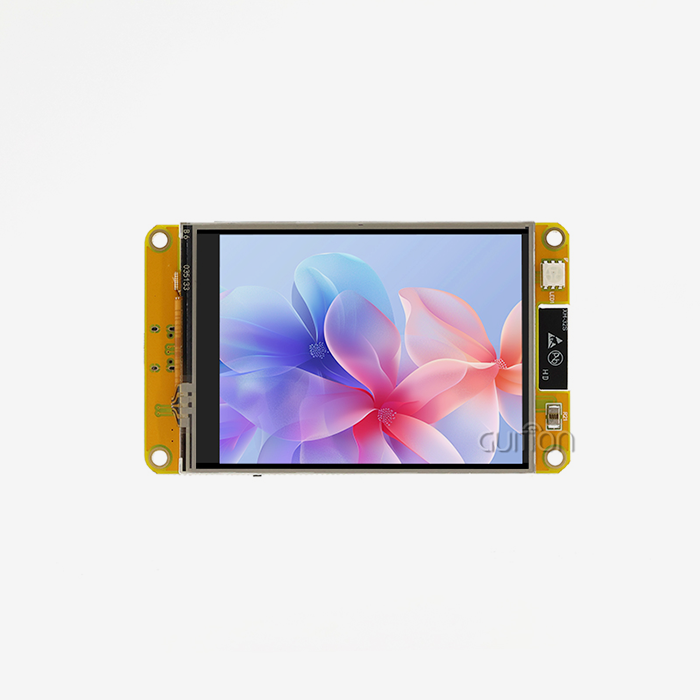
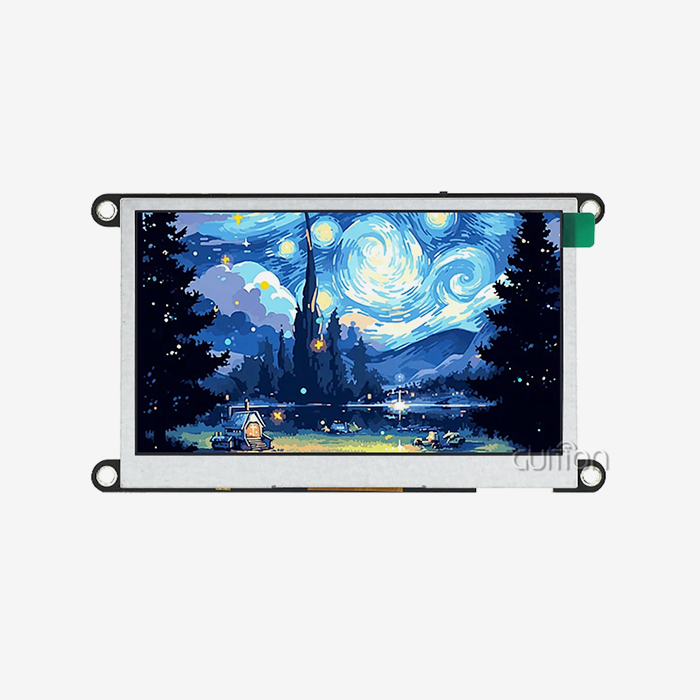
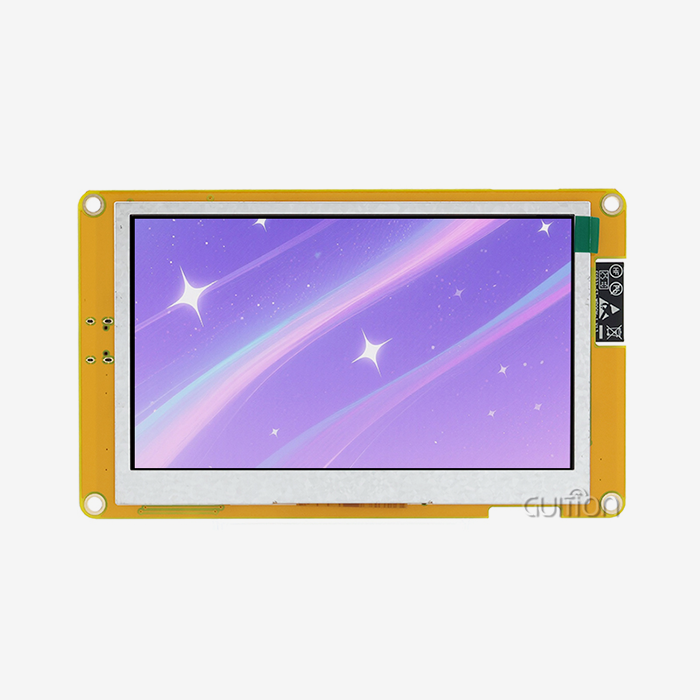
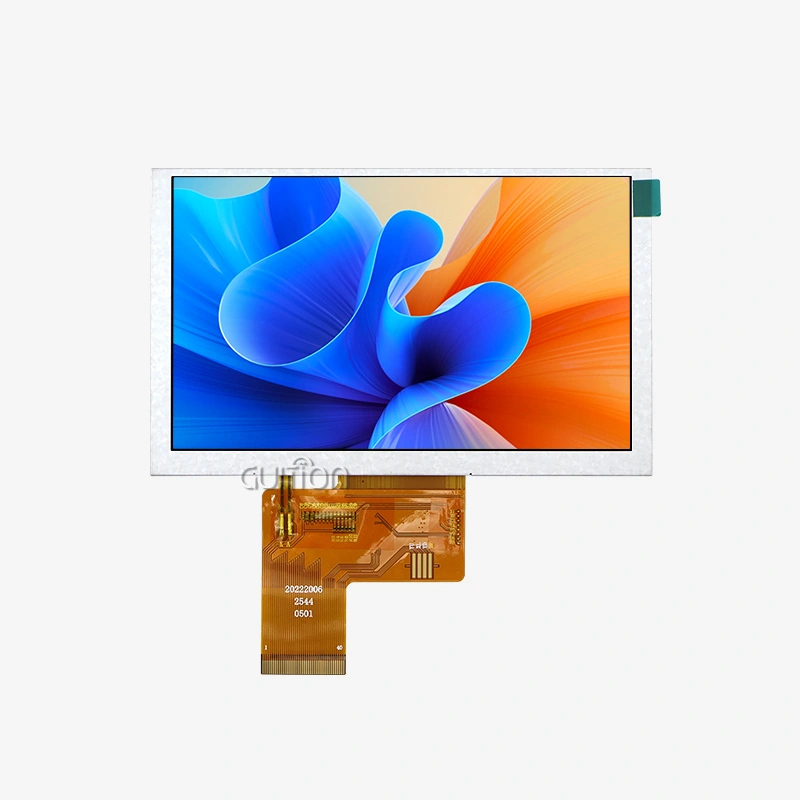
Several combined parts that work together make up an IoT LCD module. The backlight control circuit adjusts the brightness based on the environment or set plans, while the display driver IC handles pixel addressing and update cycles. Interface controllers take orders from host microcontrollers and turn them into signals that can be used on a monitor. The Guition JC4827Q343N_I is a good example of this combination. It has an Artinchip D121BAV single-core MCU that runs at 400MHz and controls a 4.3-inch IPS screen with a resolution of 480×272 and a 16-bit RGB color depth. This design gets rid of the extra work that needs to be done by external processors, so engineers can take rendering jobs off of the main system driver.
Resolution and Power Considerations
Display quality has a direct effect on both how clear the image is and how much power it uses. In industrial settings, screens can be anything from small 1.28-inch signs to huge 21.5-inch control panels. The 480x272 resolution is just right for many IoT uses—it's good enough for detailed images and writing with multiple lines, but not too much for serial interfaces to handle. When a gadget runs on batteries, power economy is very important; the backlight uses about 80% of the total display power. Advanced modules have PWM dimmers and automatic sleep modes that lower the current draw from milliamps to microamps when the module is not in use.
Development Platforms and Connectivity Protocols
Smart device makers can get their products to market faster when they can work with a variety of hardware platforms. Multiple development paths are supported by the IoT LCD modules. For example, Arduino environments are good for quick prototypes, ESP-IDF frameworks are good for more advanced WiFi integration, and visual development tools like Guition get rid of all the problems associated with low-level code. Communication methods decide how flexible an interface is. For example, SPI is good for simple graphics updates that don't require a lot of pin usage, MIPI DSI is good for high-bandwidth video streaming for processor-based systems, and UART interfaces work with both old and new controls. Built-in WiFi and Bluetooth units let you connect to devices other than the host, so you can sync with the cloud and use your phone without any extra gear.
IoT LCD technology is a crucial component in the development of smart products that are responsive and easy to use in both industrial and consumer markets thanks to these fundamental qualities.
Core Benefits of IoT LCD Displays in Smart Device Development
By adding display technology to connected devices, human contact goes from being vague to being natural. This directly addresses problems that embedded engineers and product managers face during the development process.
Enhanced User Experience Through Visual Feedback
Compared to LED indicators or mobile app-only displays, real-time visible input makes devices a lot easier to use. Users can get instant proof of system state, changes to setup, and alert conditions without having to open any additional programs. Touch-enabled and non-touch implementations are each best for different tasks. For example, touchscreens work best for menu-driven interfaces on home control panels, while non-touch displays are cheaper and don't need to be calibrated for read-only tracking tasks. The Guition JC4827Q343N_I's non-touch design works well in places where durability and clear vision are important, like industrial sensors and medical tracking gear with real buttons that work with the screen.
Energy Efficiency Compared to Alternative Technologies
Because batteries don't last forever, monitor technologies must be carefully chosen. Standard LCD panels use a lot less power than OLED panels when they are showing mostly white or static content, like on industrial HMI screens that show process data and control diagrams. Professional IoT modules use IPS technology, which keeps colors accurate across a wide range of viewing angles while drawing the same amount of current no matter what is being shown. This is different from OLED cells, which use power in proportion to color and brightness. This difference in efficiency means that batteries will last longer or a smaller power supply will be needed for continuous-operation situations like building control heaters.
Rapid Development Through Integrated Tools
Time-to-market pressure is growing in all areas of smart devices. This problem is solved by the Guition online development platform's drag-and-drop interface design, which gets rid of the need for weeks of hand GUI code. With WYSIWYG design, engineers can quickly place controls with a mouse click, change properties through simple dialogs, and see instant previews of the results. This makes iteration processes much faster. The platform creates optimized code that works with both Arduino and IDF environments. This allows for extra development in case special features are needed. Factory-burned test programs allow instant approval after delivery, which cuts down on the time needed for debugging and makes sure that the system is ready for integration.
These benefits—easy interaction, low power use, and faster development—directly lower the technical workload, shorten the time it takes to launch products, and lower the costs of providing help after the sale for companies that make smart devices.
Comparing IoT LCDs with Other Display Technologies: Making the Right Choice
To choose the right display technology, you have to compare performance features to the needs of the product and the working conditions.
Performance Metrics Across Technologies
There are a lot of different display methods available in the IoT world, and each one has its own benefits. Traditional TFT LCDs are easy to read in direct sunlight and don't cost much for basic displays. OLED screens have better contrast ratios and faster response times, but they can get burned in when they show things that stay on the screen for a long time, like status bars. E-ink screens work great for very low-power tasks where update rates below 1Hz are enough, like outdoor signs and labels on shelves. The IPS LCD technology is in the middle. It has wide viewing angles (usually 170° horizontal and vertical), accurate color reproduction, and no burn-in effects. It also uses relatively little power, so it can be used in both battery-powered and wall-powered devices.
Integration Considerations for Development Platforms
How hard it is to create and how flexible an environment is depend on how well hardware works with each other. The Arduino framework makes prototyping easier with a lot of library support and community tools. This makes it perfect for small-scale launches and builds to show that the idea works. ESP32-based software uses powerful dual-core processors with built-in WiFi, which lets more demanding graphics apps and wireless communication tasks run at the same time. The Guition development environment hides all information about the hardware, so product managers and user interface designers can work directly on making interfaces without needing to know embedded code. This multi-modal method works for teams with different levels of technical knowledge and keeps the route flexible as projects move from prototype to production.
Supplier Selection and Long-Term Reliability
Buying choices for hmi display module involve more than just the original requirements; they also include the security of the supply chain and the quality of the expert support. Industrial IoT projects need promises that parts will be available for five to seven years. Modules made for consumers usually don't have these kinds of Long-Term Availability agreements. Suppliers with a good reputation give detailed information like electrical specs, mechanical models, timing plans for the interface, and reference designs that make the integration process go faster. When dealing with problems like environmental stress testing, EMI compliance, and field operation, after-sales help is very important. Guition's product line includes sizes from 1.28 inches to 21.5 inches, and all of them have the same interface standards. This means that designs can be used across product groups, and buying from a single source makes managing vendors and checking quality easier.
When you match display technology to an application's needs, you should think about things like the climate, how often updates happen, your power budget, and the tools you have for development. This will ensure the best performance and long-term success of the deployment.
Procurement Considerations for IoT LCD Displays in B2B Markets
When businesses buy something, they have to weigh the technical requirements against their budget, supply times, and the quality of their relationships with suppliers.
Evaluating Price-Performance Balance
Cost structures are very different between providers and display systems. Entry-level modules focus on low unit costs by having standard form factors and fewer features. They are good for high-volume market uses that need to keep their margins tight. Industrial-grade options cost more because they can work in higher temperatures (-20°C to 70°C vs. 0°C to 50°C), are more resistant to shock, and are sure to be available at certain times. It's not just the purchase price that affects the total cost of ownership; licensing for development tools, hours spent by integration engineers, and failure rates in the field also have a big effect on project economics. The free online development tools on the Guition platform get rid of ongoing software costs and speed up development plans, which lowers total project costs even though module prices are competitive.
Lead Times and Supply Chain Management
Global shortages of parts have made people pay more attention to managing stockpiles and making sure suppliers can be trusted. Standard modules from the shelf usually ship within days or weeks. Custom setups with specific connector types, wire lengths, or software versions may take eight to twelve weeks from order to delivery. IoT LCD makers enter into framework agreements with strategic buyers that detail volume promises, price protection periods, and consignment inventory arrangements that protect against changes in demand. Dual-source methods reduce the risks of using a single seller, but they aren't always realistic because of the need to standardize interfaces. To keep design flexibility across vendors, choose modules with industry-standard connectors and communication protocols.
Custom Versus Standard Module Selection
Custom display options that aren't in the catalog are sometimes needed because of the unique needs of an application. Custom development is the best way to save money when you need to make more than a few thousand units a year and standard products can't meet important needs like odd aspect ratios, special seals for harsh environments, or built-in sensor arrays. Standard modules are ready to use right away, and there are lower minimum order amounts, which is good for smaller operations. The Guition JC4827Q343N_I is a standard option that can be used in a variety of situations. Its 4.3-inch size, WiFi/Bluetooth connectivity, and 400MHz processing speed make it suitable for smart home controls, medical tracking devices, and industrial HMI applications, all without the need for extra customization. Before committing to large orders, procurement teams should ask for test kits early on in the planning process to make sure that the displays work well in real-world situations.
A thorough purchase plan that includes technical validation, source qualification, and lifespan cost analysis keeps redesigns from being too expensive and makes sure that parts are always available for products throughout their lives.
Future Trends and Innovations in IoT LCD Displays
Display technology keeps changing quickly because people want better speed, less power use, and more ways to connect with the screen.
Emerging Display Technologies
In comparison to traditional edge-lit designs, the next version of IoT LCD panels will have microLED backlighting, which will improve contrast ratios and allow for targeted dimming. Quantum dot color filters offer wider color gamuts that get closer to professional monitor standards. This is good for medical imaging and industrial vision tasks that need accurate color reproduction. Flexible substrate technologies let curved and conformal screens fit perfectly into industrial designs for products, going beyond straight shapes that limit what can be done in terms of style. Moving to higher refresh rates (90Hz and above) will make graphics and video playing smoother, which will improve the user experience in smart home products that are aimed at consumers.
Integration with Advanced Connectivity
Display and information systems are coming together faster. In future modules, more advanced wireless features will be built in. For example, WiFi 6E support lets you stream complicated graphics from cloud services faster, and Bluetooth 5.2 LE Audio makes voice contact through built-in speakers easier. Edge computing integration lets displays run machine learning reasoning locally, which lets them recognize gestures and change content based on the user's surroundings without having to wait for the cloud to respond. Concerns about IoT device flaws are growing. Security features like hardware-based encryption and secure boot capabilities help address these concerns. These features are especially important in medical and industrial control applications where illegal access can put people's safety at risk.
Strategic Preparation for Technology Adoption
Even though it usually takes 18 to 24 months for new technologies to hit the market, device makers should start planning for these improvements right away. By teaming up with tech-focused companies like Guition, you can get early access to new features through test programs and co-development projects. By creating modular product architectures that separate display subsystems from core functionality, you can make small improvements without having to completely rethink the product. Standardizing connectors and adding software abstraction layers make it easier to change displays as they get better. Setting aside money in the budget to test prototypes and teach staff how to use new development tools will help engineering teams make the most of the next generation of modules as soon as they are ready for production.
Smart device developers can make competitive goods in markets that are changing quickly by keeping up with the latest technological trends and keeping their design methods open to change.
Conclusion
In order to bridge the gap between complicated data streams and simple human comprehension, the IoT LCD has become an essential part of current smart gadget development. These special screens solve important problems that regular screens can't, like the need for fast development cycles, low power consumption, and easy integration of connections. This growth is shown by the Guition JC4827Q343N_I, which has a 400MHz processing speed, wireless connection, and easy-to-use software tools all in a small, industrial-grade package. As monitor technologies improve to offer higher resolutions, better energy efficiency, and greater system integration, choosing the right supplier partner becomes more important for the long-term success of the product and to set it apart from competitors.
FAQ
What distinguishes an IoT LCD from regular display screens?
With UART, SPI, or MIPI ports rather than the more common HDMI or DisplayPort links found in consumer monitors, IoT LCD modules are designed especially for embedded system integration with low-power microcontrollers. They have controls built in that handle rendering jobs on their own, which lowers the load on the host system. Environmental requirements make the operating ranges cover industry conditions, and Long-Term Availability guarantees make sure that parts will be available for many years into the future of a product.
Can I use an IoT LCD with Arduino and Raspberry Pi platforms?
Multiple development environments are supported by modern IoT LCD panels. Most of the time, SPI or UART serial connections with specific libraries make setup and graphics commands easier for Arduino-compatible devices. For apps that need more bandwidth, Raspberry Pi integration uses MIPI DSI or GPIO-based parallel connections. The Guition development tool makes code that works in both settings. This lets you create a visual interface that can be used on a variety of hardware systems without having to do any hand porting.
What factors most influence IoT LCD pricing in bulk purchases?
Volume discounts have a big effect on unit prices; when you buy more than 1,000 units, you can usually get deeper discounts. Cost is directly related to display size and quality; bigger screens with better pixel densities cost more. Adding options like touchscreens, wireless modules, and higher temperature levels raises the price. Customization needs, like special connections, firmware updates, or unique mechanical packaging, raise the price per unit, but they may be cost-effective for large operations that need different specs.
Ready to Accelerate Your Smart Device Development with Guition?
When making a smart gadget, you need display options that meet your technology needs and project deadlines. With a wide range of clever display units from 1.28 inches to 21.5 inches, Guition is ready to help you with your next IoT project. Our engineering team will give you personalized advice based on your needs, whether you're making medical tracking equipment, industrial control panels, or smart home automation systems. Email our experts at david@guition.com to talk about the details of your project and ask for review samples. For big purchases, are you looking for a reliable IoT LCD manufacturer? You can get our technical whitepaper, which has thorough case studies, best practices for integration, and comparison performance data that will help you make decisions more quickly and get your product to market sooner.
References
1. Chen, L., & Rodriguez, M. (2023). Human-Machine Interface Design Principles for Industrial IoT Applications. Journal of Embedded Systems Engineering, 18(4), 234-251.
2. Thompson, R. K. (2022). Display Technologies for Battery-Powered Smart Devices: Comparative Analysis of Power Consumption. International Conference on Low-Power Electronics and Design Proceedings, 112-127.
3. Patel, S., & Wong, K. Y. (2024). Supply Chain Management Strategies for Electronic Component Procurement in IoT Device Manufacturing. IEEE Transactions on Industrial Informatics, 20(2), 1456-1469.
4. Anderson, J. M. (2023). Development Environment Selection Impact on Time-to-Market in Embedded System Projects. ACM Computing Surveys, 55(3), Article 67.
5. Liu, H., Zhang, Q., & Kumar, V. (2023). Evolution of Display Interface Standards for Embedded Applications: From Parallel RGB to MIPI DSI. Display Technology Review, 19(1), 88-104.
6. Williams, E. T. (2022). Long-Term Reliability Testing Protocols for Industrial-Grade Display Modules in Harsh Environments. Reliability Engineering & System Safety, 228, 108-121.
Learn about our latest products and discounts through SMS or email