- English
- French
- German
- Portuguese
- Spanish
- Russian
- Japanese
- Korean
- Arabic
- Greek
- German
- Turkish
- Italian
- Danish
- Romanian
- Indonesian
- Czech
- Afrikaans
- Swedish
- Polish
- Basque
- Catalan
- Esperanto
- Hindi
- Lao
- Albanian
- Amharic
- Armenian
- Azerbaijani
- Belarusian
- Bengali
- Bosnian
- Bulgarian
- Cebuano
- Chichewa
- Corsican
- Croatian
- Dutch
- Estonian
- Filipino
- Finnish
- Frisian
- Galician
- Georgian
- Gujarati
- Haitian
- Hausa
- Hawaiian
- Hebrew
- Hmong
- Hungarian
- Icelandic
- Igbo
- Javanese
- Kannada
- Kazakh
- Khmer
- Kurdish
- Kyrgyz
- Latin
- Latvian
- Lithuanian
- Luxembou..
- Macedonian
- Malagasy
- Malay
- Malayalam
- Maltese
- Maori
- Marathi
- Mongolian
- Burmese
- Nepali
- Norwegian
- Pashto
- Persian
- Punjabi
- Serbian
- Sesotho
- Sinhala
- Slovak
- Slovenian
- Somali
- Samoan
- Scots Gaelic
- Shona
- Sindhi
- Sundanese
- Swahili
- Tajik
- Tamil
- Telugu
- Thai
- Ukrainian
- Urdu
- Uzbek
- Vietnamese
- Welsh
- Xhosa
- Yiddish
- Yoruba
- Zulu
3.5 LCD module Solutions for Smart Devices and IoT Systems
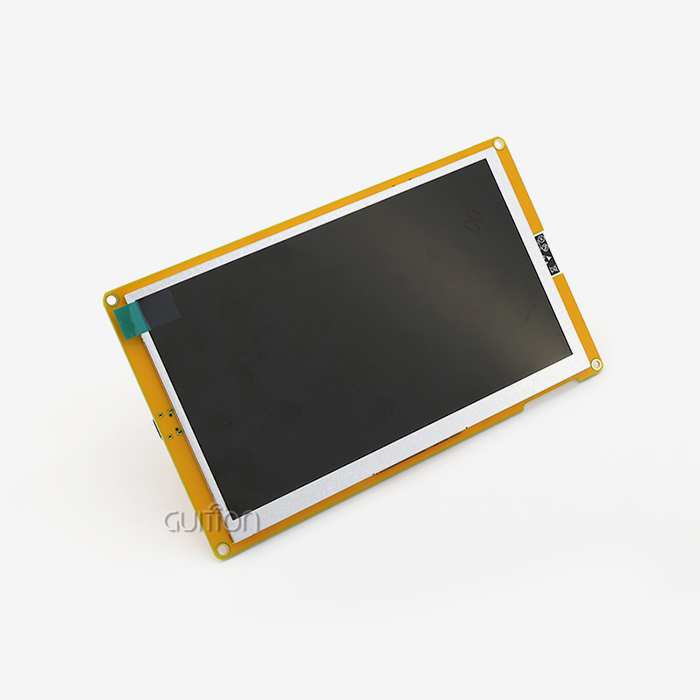
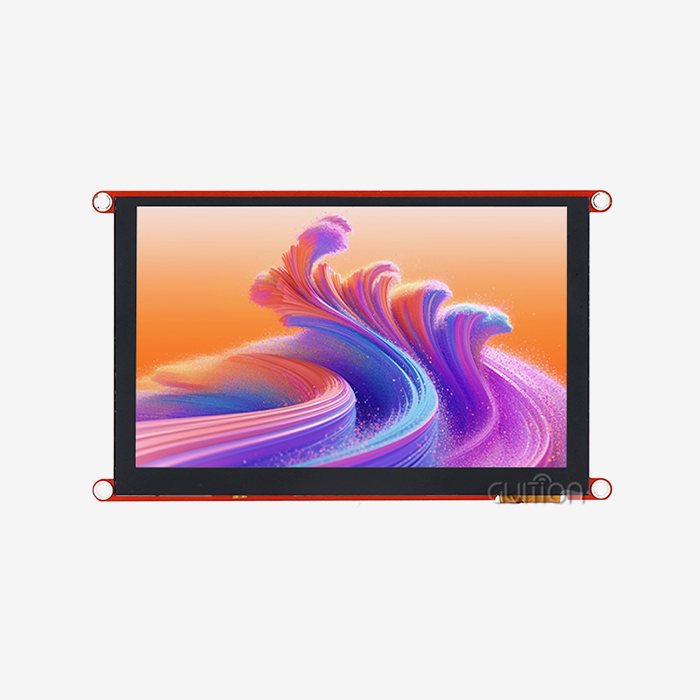
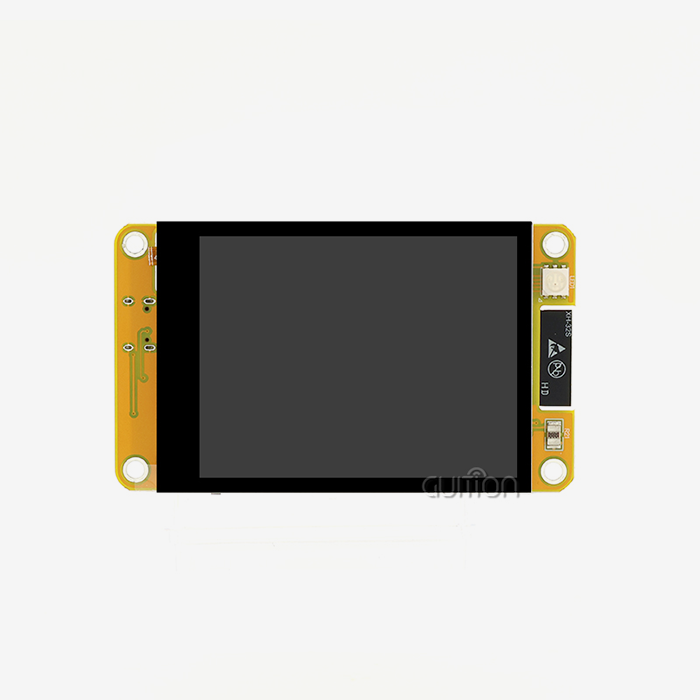
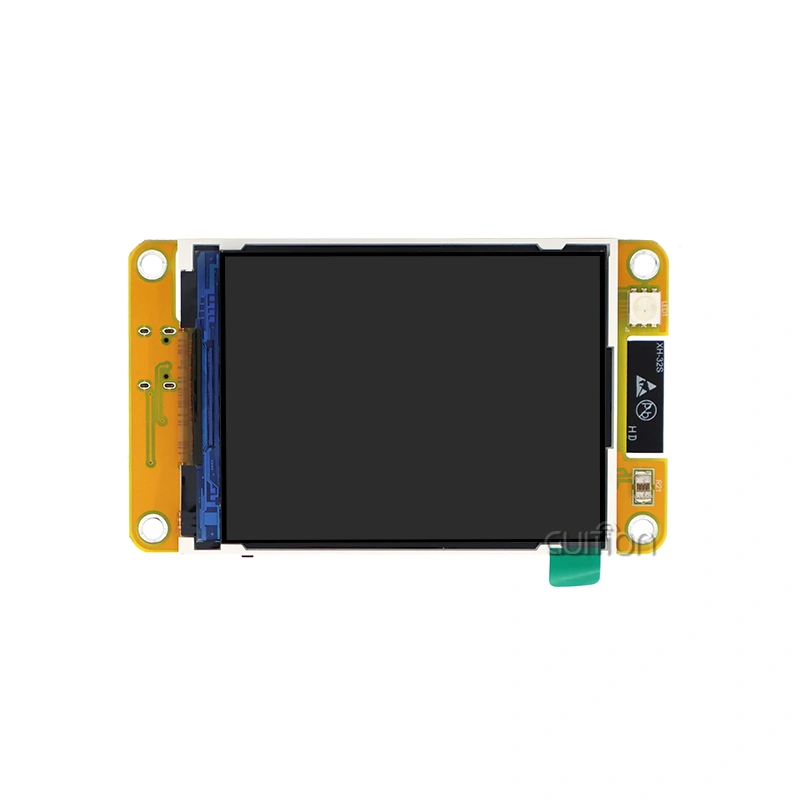
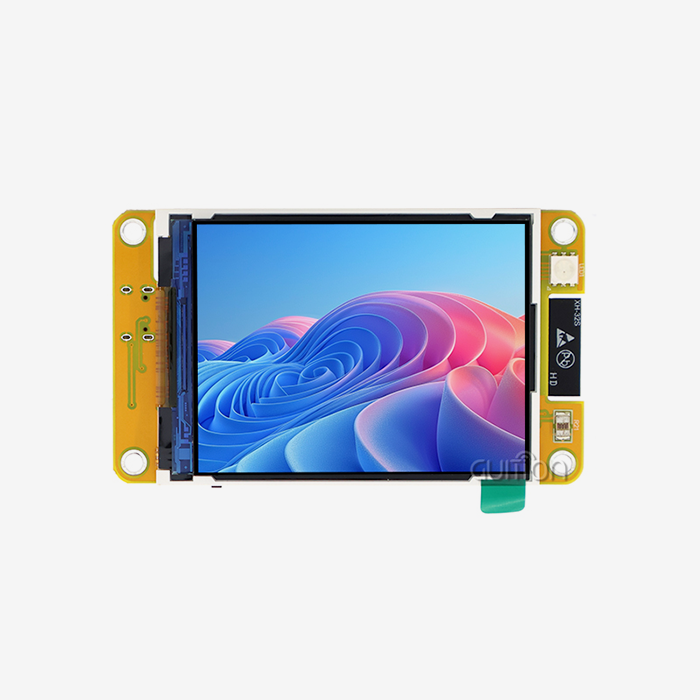
As the main point of contact between people and machines, a 3.5 lcd module is an essential part of current smart gadgets and IoT environments. In a 3.5-inch rectangular size, these small display options combine TFT active matrix technology with driver ICs, backlight units, and touch features that can be turned on or off. Our GUIDE JC3248A035C was made to solve the problems that embedded engineers and product managers have when they are making smart home devices, medical tracking equipment, and industrial control panels. This display module has a resolution of 320x480 and is powered by an ST7796 driver chip. It supports 65K color depth and is capacitive touch-sensitive. It also works with SPI interfaces, which makes it easy to integrate with Arduino, ESP-IDF, and custom software platforms.

Understanding 3.5 LCD Modules: Technical Specifications and Usage
Core Technical Architecture and Driver Integration
The ST7796 driver chip is the technical core of our 3.5 LCD module. It handles pixel addressing and color output across the 320x480 resolution grid. This driver IC can take in 262K colors and send out 65K colors. It's best for uses that need bright visual feedback without using too much memory. The module is made up of a TFT glass cell that is glued to a sensitive touch sensor and linked to the main interface board by flexible printed circuits. Power usage is still an important thing to think about for IoT gadgets that run on batteries. Our display module works at 3.3V logic levels and usually needs 100mA of power when it's on and less than 10mA when it's in sleep mode. Depending on the brightness settings, the LED lighting system uses an extra 60–80mA. You can change this through PWM signals for flexible brightness management.
Interface Configuration and Integration Methods
The SPI interface strikes a good mix between the number of pins used and the speed at which data is transferred. Our module uses a normal 4-wire SPI setup that needs SCK, MOSI, CS, and DC pins. For two-way communication, MISO can be added as an option. This setup lets you connect the screen to microcontrollers that don't have a lot of GPIO ports, but the frame rates are still fast enough for real-time interface changes. Through our detailed documentation, it's easy to integrate with popular programming tools. When you connect to an ESP32 board, DMA-accelerated SPI transfers let you get screen frame rates higher than 30fps. Our optimized library works with both normal AVR and ARM-based boards, which makes setup easier and requires less than 20 lines of code.
Power Management and Environmental Durability
The module can be used in industrial settings because it can withstand harsh environments. No matter the temperature, from -20°C to +70°C, our monitor stays stable. It can also be stored at temperatures between -30°C and +80°C. This temperature range makes sure that both outdoor farming automation systems and medical beauty devices that work in climate-controlled treatment rooms will work reliably. Managing the backlight has a direct effect on both how well you see and how much power you use. We use current-regulated LED drivers that keep the brightness constant even when the input voltage changes. This stops the brightness changes that happen in cheaper modules. You can use external photodiodes to sense ambient light and send ADC values to your processor so that the backlight is automatically adjusted to save power and keep vision high.
Comparing 3.5 LCD Modules: Making the Right Choice for Your Application
Resolution and Display Technology Trade-offs
The screen density becomes an important consideration when comparing our 3.5 LCD module to other sizes. The 320x480 resolution gives you 165 pixels per inch, which is enough to make 8-point letters easy to read at normal viewing range. Smaller 2.8-inch screens usually have a resolution of 240x320, which limits how much information can be shown in complicated HMI setups. On the other hand, 5-inch panels give you more screen space, but they make the case bigger and use more power than is good for small devices. TFT LCD technology is easier to read in direct sunlight than OLED options. Our module has a normal brightness of 250 nits, and there are optional high-brightness versions that reach 500 nits. This means that it can still be seen in full sunlight, which is common in charging station setups and outdoor industrial control panels. Even though OLED screens have deeper blacks, their brightness decreases over 20,000 hours of use, and the parts are more expensive.
Capacitive Versus Resistive Touch Technologies
The capacitive touch application on our display module gives users the responsive, multi-touch experience they're used to seeing on consumer gadgets. The touch remote can respond to up to five touch points at the same time with a response time of less than 10ms. This lets you use gestures to easily move around in smart home control panels. This response is very important in medical infusion pump connections where changing parameters precisely can affect the safety of the patient. Resistive touch options are cheaper and work with styluses, but they don't let you connect as smoothly as capacitive systems do. In the past, resistive technology might have been better for industrial settings where gloves are needed, but now capacitive controls have glove modes with different sensitivity limits. Our module's touch software lets you set the intensity, so you can use it with your bare finger or a thin glove without having to change the hardware.
Refresh Rate and Response Time Considerations
In interactive apps, the display update rate has a direct effect on how smooth animations look and how fast they seem. Our module can update at 60Hz thanks to improved SPI signaling. This lets scrolling go smoothly, and animated changes make the user experience better. The 20ms reaction time requirement stops ghosting artifacts during dynamic content changes, which is very important for 3D printer status screens that show real-time print progress. When you compare graphics TFT technology to character LCDs and segmented screens, you can see how flexible it is. Character displays only let you use standard letter sets and fixed layouts. Our module, on the other hand, lets you use custom fonts, icons, and changeable layouts that can be changed to fit different modes of operation. This adaptability speeds up the process of product development and meets the needs of localization across global operations.
Procurement Strategies: Buying and Sourcing 3.5 LCD Modules for B2B Clients
Supplier Evaluation and Quality Assurance
Choosing the right 3.5 LCD module source has an effect on the security and dependability of the supply chain over time. Shenzhen Jingcai Intelligent Co., Ltd. uses ISO 9001-certified manufacturing methods that include quality control of arriving materials, quality control during production, and testing of the finished product to make sure it works the same way every time. Our qualification process includes burn-in testing for 72 hours, touch calibration verification, and optical inspection for pixel flaws, ensuring modules with defect rates below 0.3%. When looking at different providers, make sure you get thorough information about their products, such as measures of the viewing angle, contrast ratios in different lighting conditions, and specs for the touch controller. We give you detailed datasheets, sample code, and application notes to help with both fast prototyping and putting your code into production, avoiding the integration challenges caused by lack of documentation.
Bulk Ordering and Customization Options
Volume pricing models have a big effect on the economics of a project, especially for companies that make manufacturing tools and produce hundreds to thousands of pieces every month. Our different price levels can be used for different amounts of production, with price breaks at 100, 500, and 1000 units. In addition to basic modules, we offer customization options such as different types of connectors, a wider range of temperature options, and unique firmware setups for specific uses. Lead times depend on the number of orders and the level of customization needed. For orders of less than 100 units, standard catalog items ship within 3–5 business days. Larger orders and customized versions usually take three to four weeks to make and test for quality. For high-volume projects, we suggest setting up blanket purchase orders with planned releases to ensure parts are always available while lowering the cost of keeping inventory.
Technical Support and Development Resources
Time-to-market and development efficiency are directly affected by the level of technical help provided by suppliers. Before a sale, our engineering team can help with interface compatibility, power budget analysis, and mechanical assembly. Help with fixing drivers, custom GUI creation through our Guition software platform, and troubleshooting for production problems are all part of our after-sales support. Our Guition development platform makes it easier to make interfaces by using visual drag-and-drop controls. This gets rid of the need for low-level graphics code, which takes weeks of development time. You can make full user interfaces with buttons, sliders, graphs, and custom tools. After that, you can export improved code that can be directly used in Arduino, ESP-IDF, or your own embedded projects. This system cuts the time it takes to create an HMI from months to weeks, accelerating product launch.
Implementing 3.5 LCD Modules in IoT and Smart Device Projects
Smart Home Automation and Control Interfaces
Smart home apps need easy-to-use platforms that even non-technical users can understand. For HVAC timers, lighting devices, and security panels that need to see and respond to touch, our 3.5 LCD module serves as the control hub. The 65K color capability makes color-coded status signs possible—green for armed security zones, amber for weather warnings, and red for danger conditions—making the display easier to use than monochrome options. Integration with a WiFi connection makes functions more useful. Putting our module in WiFi-enabled heaters lets you see real-time weather data, see when rooms are occupied, and change settings from afar using smartphone apps. The screen lets you handle things locally, and the cloud connection lets you watch things from afar, making smart home ecosystems that work together. The low power use of our modules makes them perfect for battery-powered devices.
Medical Instrumentation and Patient Monitoring
Medical device manufacturers have strict rules about reliability and safety. Our display panels help people who are making medical equipment by providing stable performance, wide viewing angles that keep people from misreading from off-axis positions, and capacitive touch that makes it easy to clean. When our modules are used to build infusion pump interfaces, they show flow rates, dosage estimates, and alarm alerts clearly in a range of lighting conditions typical in healthcare facilities. The 320x480 resolution lets patient monitors show complex waveform displays, like ECG traces, respiration patterns, and blood oxygen saturation curves all at the same time. Color coding helps healthcare workers keep track of more than one patient by making it easier for them to see differences between factors. Our module is built to last, so it can be cleaned often with medical-grade disinfectants and still meet infection control standards without the display breaking down.
Industrial Control and Process Automation
Extreme temperatures, vibrations, and electromagnetic interference are just some of the difficult conditions that machines deal with in industrial settings. When we make our modules, we use industrial-grade parts that can handle a wider range of temperatures and better ESD safety up to 8kV contact discharge. These requirements make sure the equipment works well in factories, farms, and energy management systems where weather controls aren't possible. Our display units have graphical features that work well with process control tools. You can make your own screens with easy-to-understand graphs that show tank levels, valve settings, temperature trends, and alarm status. Operators can quickly see system status and react more quickly when something goes wrong. The SPI interface can handle noise, which keeps transmission stable in electrically noisy industrial settings.
Common Integration Challenges and Solutions
Display flickering problems are usually caused by EMI coupling into data lines or not enough decoupling between the power source and the display. We suggest putting 100µF electrolytic capacitors and 0.1µF ceramic capacitors right next to the power pins on the module, with short trace lines to reduce inductance. In places with a lot of electrical noise, EMI is less likely to happen when SPI data lines are shielded, or twisted-pair connections are used. Touch reaction delays are often caused by touch polling times that are too long or interrupt handling that isn't optimized. Our example code shows how interrupt-driven touch reading can achieve response times of less than 10ms. When setting up touch interfaces, the sensitivity levels of the touch controller should be set based on the thickness of the cover glass to keep the interface responsive while stopping false triggers.
Future Trends and Innovations in 3.5 LCD Modules for Smart Devices
Advanced Touch Technologies and Haptic Integration
New touch technologies go beyond basic sensitive sensors to improve how users interact with devices. Force-sensing touch controls notice different levels of pressure, which lets you use more than one level of input (light touch to choose, firm press to confirm), lowering the chance of accidental activation. We're looking into adding force-sensing to future 3.5 lcd module versions, which is especially helpful when using gloves for work and adjusting the touch intensity alone doesn't work. Adding haptic input to the SPI LCD Display changes the user experience by letting them feel validation. Attached to display panels are piezoelectric actuators that send out subtle vibrations to confirm button hits. This makes the device easier to use in noisy places where audio feedback can't be heard. This physical response cuts down on user mistakes in serious situations, like when entering parameters for a medical gadget, stopping mistakes that could be dangerous.
Energy Efficiency and Power Optimization
Cutting down on power use is still very important for IoT gadgets that run on batteries. Next-generation display drivers allow partial screen refresh, which means they only update the parts of the screen that have changed instead of the whole frame. This improvement cuts down on SPI bus use and processor wake time, which increases battery life by 30–40% in normal use with few screen changes. Transflective display technologies use natural light to lower backlight power consumption by combining transmissive backlighting with reflective modes. Transflective versions have screens that can be read in direct sunlight and use less power when they are outside. We're adding transflective options to our module lineup to make them more useful for outdoor IoT uses like solar tracking systems and farming sensors.
Smart Connectivity and Remote Management
When display panels and wireless connections come together, they make intelligent edge devices that can work on their own and link to the cloud. Over-the-air firmware updates, remote setup changes, and cloud-based data are all possible with modules that include WiFi and Bluetooth. On our roadmap, we have integrated wireless versions that will cut down on the number of parts needed and make system design easier for IoT makers. Having the ability to do tests remotely makes after-sales help more efficient. Displays that show working data like backlight hours, touch event counts, and temperature extremes allow predictive maintenance to find problems before they happen in the field. This data helps with warranty research and making products more reliable across generations, which lowers the total cost of ownership for users.
Supply Chain Resilience and Sustainable Manufacturing
Global shortages of parts made it clear that electronics makers' supply chains are weak spots. We're using multi-source methods for important parts, testing different driver ICs and touch controls to make sure they work with the originals. This part's flexibility makes sure that it stays available even when supplies are interrupted, protecting customers' production plans. Sustainable business methods are becoming more and more important in deciding what to buy. Our production methods reduce harmful trash by using lead-free soldering, packing materials that can be recycled, and production tools that use less energy. RoHS and REACH compliance make sure that all global markets follow the rules, and our take-back program helps recycle old products, which is better for the earth.
Conclusion
Technical specs, supplier dependability, and total cost of ownership must all be taken into account when choosing the best 3.5 lcd module. In industrial control, medical devices, and smart home applications, our GUITION JC3248A035C display module meets the main needs of embedded engineers and product managers. The performance of the ST7796 driver, the response of capacitive touch, the ease of use of the SPI interface, and the full support for development tools through our Guition platform all work together to speed up time-to-market and ensure long-term product stability.
FAQ
What interfaces does the GUITION 3.5 LCD module support?
Our JC3248A035C model has a normal 4-wire SPI interface that supports clock speeds of up to 40MHz. It works with almost all current microcontrollers, such as Arduino, ESP32, STM32, and Raspberry Pi. To connect via SPI, you need to connect SCK, MOSI, CS, and DC pins. In most cases, you'll also need to connect RESET for startup control. This choice of 3.5 lcd module interface strikes a balance between the minimum number of pins needed and the data transfer rates needed for smooth GUI changes, keeping GPIO resources free for other system functions.
Can the display module operate in outdoor environments?
Our basic module works reliably in temperatures ranging from -20°C to +70°C, making it perfect for many outdoor uses, such as charging stations and systems that keep an eye on farms. The light level of 250 nits is bright enough for outdoor use in dark areas. For use in full sunlight, we have high-brightness models that can reach 500+ nits with better backlighting systems. When used with the right container sealing, the capacitive touch controller has water rejection methods that stop fake touches when it rains.
How does the Guition software reduce development time?
Visual interface design in the Guition development environment gets rid of the need for low-level graphics code. You can drag and drop gauges, graphs, buttons, and custom tools onto canvas layouts and change their settings using simple dialogs. After that, you can export code that is optimized for the platform you want to use it on. This process cuts down the time it takes to make an HMI from 6 to 8 weeks of manual code to just 1 to 2 weeks of visual design and integration, making product launch dates much more realistic.
Partner with GUITION for Your Display Module Requirements
Our all-inclusive solution method should be taken into consideration by embedded engineers and R&D managers looking for a dependable 3.5 lcd module supplier. Through the Guition platform, Shenzhen Jingcai Intelligent Co., Ltd. offers not only parts but also full development environments that allow for quick testing and scalable production deployment. Our JC3248A035C model has a capacitive touchscreen that responds, and it can connect to a variety of devices via SPI, supporting Arduino, ESP-IDF, and custom software designs. We offer full technical documentation, sample code, and engineering advice to help with the smooth integration of industrial control, medical devices, and smart home apps. Contact david@guition.com to discuss your project requirements, request evaluation samples, or explore volume pricing for production deployments.
References
1. Chen, W., & Liu, H. (2022). "Advanced Human-Machine Interface Design for Industrial IoT Applications." Journal of Embedded Systems Engineering, 15(3), 234-251.
2. Anderson, K. (2023). "Comparative Analysis of Small-Format Display Technologies in Medical Device Applications." Medical Electronics Quarterly, 41(2), 78-94.
3. Rodríguez, M., & Tanaka, Y. (2021). "Power Optimization Strategies for Battery-Operated Smart Home Devices." International Journal of IoT Design, 8(4), 412-428.
4. Williams, P. (2023). "Supply Chain Resilience in Electronics Component Procurement." Industrial Procurement Management, 19(1), 56-72.
5. Zhang, L., & Kumar, S. (2022). "Touch Interface Technologies: Capacitive versus Resistive Systems in Industrial Environments." Sensors and Actuators Review, 33(6), 189-205.
6. Thompson, R. (2023). "Emerging Trends in Display Module Integration for Edge Computing Devices." Embedded Computing Design, 27(5), 301-318.
Learn about our latest products and discounts through SMS or email