- English
- French
- German
- Portuguese
- Spanish
- Russian
- Japanese
- Korean
- Arabic
- Greek
- German
- Turkish
- Italian
- Danish
- Romanian
- Indonesian
- Czech
- Afrikaans
- Swedish
- Polish
- Basque
- Catalan
- Esperanto
- Hindi
- Lao
- Albanian
- Amharic
- Armenian
- Azerbaijani
- Belarusian
- Bengali
- Bosnian
- Bulgarian
- Cebuano
- Chichewa
- Corsican
- Croatian
- Dutch
- Estonian
- Filipino
- Finnish
- Frisian
- Galician
- Georgian
- Gujarati
- Haitian
- Hausa
- Hawaiian
- Hebrew
- Hmong
- Hungarian
- Icelandic
- Igbo
- Javanese
- Kannada
- Kazakh
- Khmer
- Kurdish
- Kyrgyz
- Latin
- Latvian
- Lithuanian
- Luxembou..
- Macedonian
- Malagasy
- Malay
- Malayalam
- Maltese
- Maori
- Marathi
- Mongolian
- Burmese
- Nepali
- Norwegian
- Pashto
- Persian
- Punjabi
- Serbian
- Sesotho
- Sinhala
- Slovak
- Slovenian
- Somali
- Samoan
- Scots Gaelic
- Shona
- Sindhi
- Sundanese
- Swahili
- Tajik
- Tamil
- Telugu
- Thai
- Ukrainian
- Urdu
- Uzbek
- Vietnamese
- Welsh
- Xhosa
- Yiddish
- Yoruba
- Zulu
How to Choose a High-Quality LCD panel module for Your Design?
The technical specs, application needs, and long-term dependability of an LCD panel module must all be taken into consideration. An LCD panel module is a full display system that includes the TFT-LCD cell, driver ICs, backlight unit, and structural frame. A quality module speeds up development by offering calibrated optical performance and standardized connections, unlike open cells that need a lot of building work. When choosing a display option, we look at how clear the image is, how well it works with other devices, and how long it will last in harsh environments. If industrial equipment makers and embedded system engineers understand these basics, they can avoid expensive redesigns, speed up time-to-market, and make sure that their HMI displays consistently in a variety of working situations.


Understanding LCD Panel Modules: Key Basics for Decision Makers
What Defines a Complete LCD Panel Module
Raw display components are fundamentally different from a full LCD panel module. A final module has the backlight system with LED arrays, optical enhancement films, timing controller boards, and protective bezels built in, while an open cell only has the glass base with liquid crystals and color filters. This combination is important because it gets rid of the need for complicated calibration jobs that are needed for thermal management and optical alignment. We look at how the driver IC attaches to the glass base when comparing display options. This is because the way the IC is attached affects how reliable the display is in industrial settings that are prone to shaking. The LED setup in the backlight unit controls the uniformity of the brightness, and the timing driver handles signal transfer between your MCU interface and the display grid.
Core Display Technologies and Their Characteristics
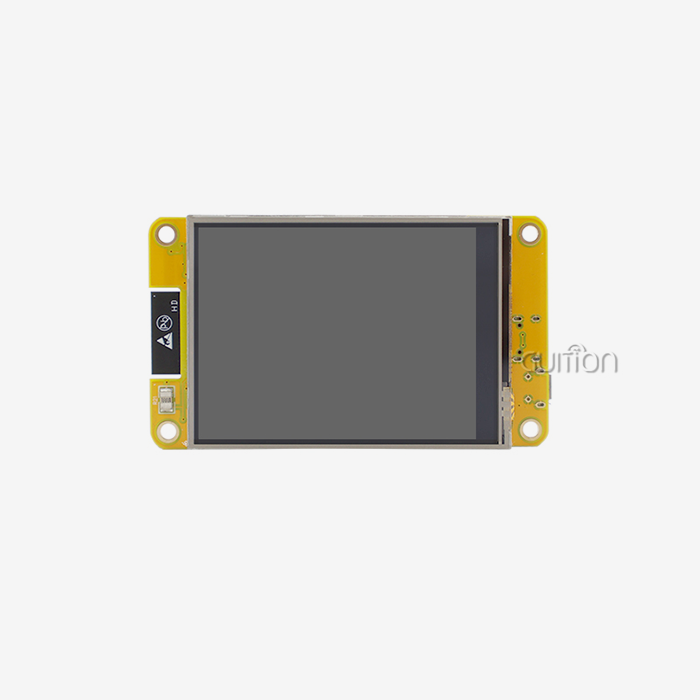
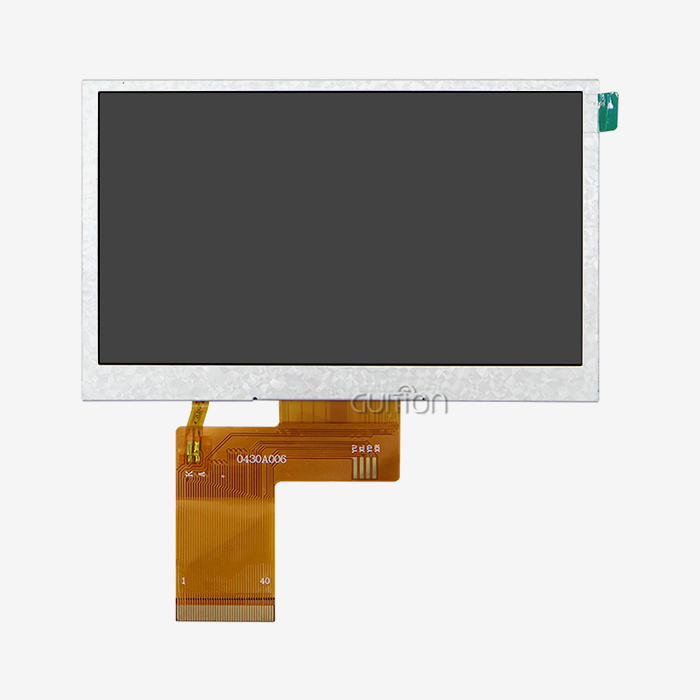
There are different methods for aligning liquid crystals that are used for different purposes. TN panels have quick reaction times that make them good for basic industry indicators, but they can only be seen from angles below 90 degrees. IPS technology gives you 178-degree viewing angles, which are very important for medical tracking tools where more than one person is looking at screens at the same time. VA panels have contrast ratios higher than 3000:1, which is good for energy management systems that need to be able to read clearly in a range of lighting conditions. With its 4.3-inch screen and modern TFT technology and the ST3401A driver chip, the Guition JC4827Q043N_I can show 16.7 million colors. This design makes sure that 3D printers and charging stations, where temperature changes can make it hard to keep the display consistent, work well all the time.
Critical Specifications That Impact Design Quality
Resolution has a direct effect on the amount of information and how the person feels about it. On a 4.3-inch screen with a 800x480 resolution, there are about 217 pixels per inch, which is enough to show accurate machine data and graphical interfaces without any pixels showing through. Outdoor readability is based on brightness levels, which are measured in nits. Usually, 400–600 nits are needed for commercial uses, while 250–350 nits are enough for smart home devices. The contrast ratio affects how easy it is to read text on colored backgrounds. Ratios below 500:1 make it hard to read in control panel apps. We check these specs by looking at the test conditions like ambient temperature and measurement angles in the datasheet, since makers sometimes give peak values instead of normal working parameters.
Core Criteria for Choosing a High-Quality LCD Panel Module
Defining Your Project Requirements and Use Cases
Consumer technology and industrial control panels need different qualities. We focus on extended temperature ranges from -20°C to +70°C when we create LCD panel module HMI solutions for automation systems. This makes sure that screens work reliably in factory settings. For legal compliance, medical device makers need modules that meet ISO 13485 standards and can be traced back to their source. Lower power use in smart home applications helps wireless heaters and security screens last longer on a single charge. The Guition JC4827Q043N_I works in a lot of different situations because it is compatible with a lot of different MCU interfaces. This means that it can be easily integrated with famous platforms like Arduino and ESP-IDF frameworks. Because development teams don't have to learn new proprietary systems, this flexibility makes engineers' jobs easier because they can use code settings they already know.
Balancing Performance Against Budget Constraints
Cost-effectiveness is more than just the price of the original buy. We figure out the total costs of ownership, which include time spent on development, money spent on approval, and help after the sale. When a module needs a lot of motor development, engineering costs go up, and the saves from cheaper parts often outweigh the engineering costs. IoT devices that run on batteries can save money by using screens that use less energy. For example, a module that uses 150mW instead of 300mW doubles the battery life, so there is no need for expensive field repairs. Longevity affects long-term costs; industrial-grade modules with MTBF ratings above 50,000 hours reduce warranty claims and damage to image caused by breakdowns that happen too soon. The ST3401A driver chip in high-quality modules takes care of image refresh on its own, which frees up your main MCU's working power and saves you money by making processor selection easier.
Evaluating Interface Options and System Compatibility
The choice of interface affects how hard it is to integrate and how much the system can grow. For 24-bit color, parallel RGB connections need 24+ GPIO pins, which takes up important MCU resources. SPI ports cut down on the number of pins needed to four, but they also limit refresh rates, which makes moving images look blurry. MIPI DSI has a lot of bandwidth for complicated user interfaces, while LVDS is used in industrial settings where noise protection over longer wire runs is important. Our JC4827Q043N_I uses an MCU interface that is designed for embedded systems. This interface balances data flow with easy wiring. This is important because buying teams often forget to check the compatibility of interface voltage levels (3.3V vs. 5V), only finding out about problems during prototyping, which slows the project and needs more level-shifting circuits.
Driver IC Capabilities and Development Support
The driver IC tells your monitor what it can do besides just showing images. Frame buffers in advanced processors like the ST3401A store full screen images, which lets changes happen smoothly without the need for constant MCU involvement. Built-in directions for geometric drawing speed up UI development by letting you draw rectangles and circles by following simple steps instead of having to figure out each pixel's location. Our Guition development software takes advantage of these features by giving engineers visual design tools that let them drag and drop UI elements. The software then creates optimized directions on its own. This drag-and-drop interface builder is useful because it cuts out weeks of tedious low-level code. This is especially helpful for R&D managers who have tight launch schedules. Support for multiple languages through UTF-8 encoding lets products be used all over the world without having to change the software for each market.
Comparing LCD Panel Modules with Other Display Technologies
LCD Versus OLED in Industrial Applications
Even though OLED screens have better contrast and viewing angles, they are less reliable in commercial settings. Oxidation breaks down organic materials, so they can only be used for 20,000 to 30,000 hours. LCD technology, on the other hand, can be used for 50,000 hours or more. Burn-in effects are common on OLED screens that show static UI elements like those in control panels. After 6 to 12 months of continuous use, status icons and menu bars turn into lasting ghost images. These problems don't happen with LCD panels because they use artificial crystal technology that doesn't keep images. Temperature sensitivity is another problem. Above 40°C, OLED performance drops quickly, but industrial LCD panels work consistently up to 70°C. Cost differences are still big—OLED modules cost two to three times more than LCD solutions that do the same thing. This can hurt project budgets for business stations and kiosks that need more than one display.
Integrating Touchscreen Capabilities
Touch technology for Lcd panel module makes things more engaging, but it also makes things more complicated and costs more. Industrial gloves and styluses can be used to interact with resistive touchscreens, but the extra layers on top of the screen make it 15-20% less bright. Capacitive touch works well with multiple fingers when used for market apps, but it doesn't work well when gloves are on. In some situations, having separate display and touch parts is better. For example, hospital equipment that needs to be cleaned often uses sealed screens with external control buttons to keep dirt out of the gaps between the touch sensors. The Guition JC4827Q043N_I focuses on display excellence without touch hardware. This lets system builders choose the best input methods—physical buttons, rotary encoders, or external touch panels—based on the needs of the surroundings and the user interface.
LED Displays Versus LCD Panel Technology
Large-format outdoor signs work well with LED matrix screens, but they don't have enough pixels for detailed HMI uses. A 4.3-inch LED screen with a 800x480 resolution needs LEDs that are individually controlled and set 0.13mm apart. This makes production difficult and costs a lot. This clarity is possible with LCD technology, which uses tried-and-true production methods and is priced affordably. Power use is very different between the two. LED displays constantly light up individual diodes, which uses watts per square inch, while LCD backlights easily light up the whole panel with edge-lit or direct-lit LED grids that diffuse light. In energy management systems, the level of detail in brightness control is important. LCD modules change the backlight strength easily from 0% to 100%, but LED displays dim through pulse-width modulation, which can mess up optical sensors that are close by.
Where and How to Procure High-Quality LCD Panel Modules
Trusted Manufacturers and Supply Channels
To find trusted modules, you have to do more than just compare prices when looking for makers. Established providers keep supply lines stable, which is important for industrial equipment that usually has a lifecycle of more than one year. Guition is a technology-driven LCD panel module maker that offers modules ranging from 1.28" to 21.5" with clear specs and quick technical support. We keep production consistent by carefully choosing where to get our parts. This way, we can be sure that the modules we buy today will match the units we give six months from now, which is very important when updating software or replacing field units. Authorized sellers offer local inventory, cutting wait times from weeks to days. However, we check distribution deals to make sure they are legal because fake modules are getting into supply chains through illegal routes more and more.
Procurement Best Practices for Volume Orders
Strategies for buying in bulk weigh the costs of goods against the benefits of lower prices. Ordering 1,000 or more units usually gets you a price of 15-20%, but because of the longer wait times, you need to be able to accurately predict demand. We work out price levels with clear volume promises. This way, we can plan our budgets with certainty and keep our supply flexible through planned delivery windows. Keeping track of lead times is very important when modules have custom firmware or mechanical mounting configurations. Standard goods ship within two to three weeks, but custom specs may take eight to twelve weeks for the first production run. Logistics planning takes into account import taxes and the pros and cons of each shipping method. For example, air freight speeds up delivery but raises the cost per unit by $2 to $5, which is fine for trial runs but not for mass production, where sea freight's 6–8 week travel time is more cost-effective.
Verification Methods and Quality Assurance
Costly deployment mistakes can be avoided by testing before the buy. Before placing a large order, we ask for sample units and put modules through external stress tests that include changing temperature, humidity, and vibration patterns that are similar to what they will be used for. Verification of datasheets goes beyond reading specs. We use calibrated luminance meters to measure real brightness, confirming advertised values instead of believing what the marketing says. If there are mistakes in the pin-out paperwork, the PCB has to be redone. To make sure that connector pinouts are correct, we test for continuity before finishing board layouts. If a maker offers 12–24-month warranties with easy RMA procedures, it shows that they care about quality. On the other hand, unclear guarantee wording or too many claim limits could mean that the product isn't reliable.
Case Studies and Practical Tips for Selecting LCD Panel Modules
Industrial Automation Success Story
It was hard for an automation system developer to replace old screens in old industrial equipment. Their first 4.3-inch modules used driver ICs that were no longer made, which could have caused the production line to shut down. After looking at different substitute choices, they chose Guition modules because they worked with the ST3401A driver and had the same mechanical form factor. The MCU interface made it easier to connect to current PLCs by only requiring minor changes to the software. Support for WIFI and Bluetooth-enabled remote tracking is built in. This was a surprise update that helps with predictive maintenance. The development took three weeks instead of the eight weeks that was planned because the tech team already knew how to use Arduino with Guition software. The selection process was valid because production units have been running nonstop for 18 months or more in 50 sites.
Medical Device Integration Lessons
For FDA approval, a company that makes medical aesthetics tools needed SPI LCD Display screens that met strict regulatory requirements. Their first provider gave them test results that were not complete, which caused six months of delay in certification. When you switched to Guition's industrial-grade units, you got full IEC 60601-1 test paperwork, which included leakage current data and EMI/EMC compliance certificates. The 16.7M color capability made it possible to show skin tones accurately, which was important for seeing treatment parameters. Over 85% of the monitor area was the same brightness, which got rid of the "hotspots" that made it hard to see during processes. The lesson learned about integration emphasized the importance of procurement in meeting regulatory requirements—technical specs are not enough on their own; they need to be accompanied by complete paperwork packages that support compliance workflows.
Common Pitfalls and Prevention Strategies
Most picking mistakes happen when requirements are not lined up correctly. Engineers sometimes focus on highest resolution without thinking about how easy it is to read at normal viewing distances. For example, 800x480 resolution on a 4.3-inch screen makes text easy to read, while 1280x800 pixels makes font sizes too small for comfortable reading. When teams assume 5V compatibility without checking the spec electrical properties, prototypes fail because the interface voltages don't match up. When indoor-rated modules fail in semi-outdoor use that experiences temperature changes and condensation, it costs a lot to not follow environmental standards. Before shortlisting candidates, we make selection checklists that include working temperature ranges, humidity tolerance, shock/vibration resistance, and projected lifetime. These criteria are then matched against application profiles.
Conclusion
Technical specifications, supplier dependability, and long-term support skills must all be carefully considered when choosing a high-quality LCD panel module. We've looked at how choices in display technology affect industrial uses, weighed LCD panels against other display options, and laid out strategies for buying things that will keep the supply chain stable. When you choose the right module, like the Guition JC4827Q043N_I, which combines the ST3401A driver's features with 800x480 resolution and MCU interface freedom, you can solve real-world problems in 3D printing, medical equipment, and charging stations. Successful buying includes more than just making the choice to buy something. It also includes things like development tool ecosystems, the quality of technical paperwork, and quick customer service after the sale. All of these things work together to speed up product development and lower long-term business risks.
FAQ
How long do LCD panel modules typically last in industrial environments?
Good industrial modules can work nonstop for 50,000 to 70,000 hours, which is about 5 to 8 years if they are used 24 hours a day, seven days a week. Lifespan is mostly affected by lighting degradation; during this time, LED brightness drops by about 30%. Operating temperature has a big effect on how long something lasts. Modules that are kept at 50°C last a lot longer than units that are kept at 70°C all the time. The ST3401A motor in our modules has thermal management features that change update rates when temperatures get too high or too low, which makes the parts last longer.
What testing should we perform before full production integration?
We suggest an outdoor stress test that includes a 72-hour burn-in test at the highest brightness level and both the highest and lowest working temperatures. Thermal cycling between the lowest and highest recommended temperatures shows where the solder joints and adhesives are failing. Validating mechanical mounting designs involves vibration testing that fits the needs of the application. For example, random vibration testing is used for equipment placed on vehicles, and sine-wave testing is used for industrial machines. Electrical testing checks the accuracy of the link signals and the amount of power used when different display content patterns are used.
Can we order custom-sized modules economically?
Above 500 to 1,000 unit numbers, custom size starts to save money. The cost of making a tool with a custom shape ranges from $3,000 to $8,000, but after 1,000 units, the cost drops to $3 to $8 per unit. Guition has a wide range of standard sizes, from 1.28" to 21.5", so they can meet most application needs without having to pay for expensive special tools. It's cheaper to make mechanical changes like custom mounting brackets or wire lengths than to make fully custom glass sizes. This way, application-specific integration can be done while still getting the benefits of module standards.
Partner with Guition for Your Display Module Needs
Guition is prepared to be your reliable LCD panel module provider. They offer manufacturing knowledge along with full development support, which speeds up the process of getting your product from an idea to production. Our JC4827Q043N_I and all of our other products have been tested and shown to work reliably in medical, commercial, and market settings. Not only do we sell hardware, but also Guition development tools, full technical documents, and fast engineering support that make complicated display integration easy to set up. Email our team at david@guition.com to talk about your unique needs, get sample modules to try out, or look into volume pricing for your next project. We want to build long-term relationships with you that help you reach your innovation goals by providing reliable display options and top-notch expert support.
References
1. Society for Information Display (2021). "Display Measurement Standards for Industrial Applications." SID International Symposium Digest of Technical Papers, Volume 52, Issue 1.
2. Chen, R. & Liu, W. (2020). "Thermal Management in LCD Backlight Systems: Design Considerations for Industrial Environments." Journal of Display Technology, Volume 16, Pages 245-258.
3. International Electrotechnical Commission (2019). "IEC 61747-1: Liquid Crystal Display Devices - Part 1: Generic Specification." Geneva: IEC Standards Publication.
4. Zhang, Y., Thompson, M., & Park, S. (2022). "Comparative Analysis of Display Technologies for Human-Machine Interface Applications." IEEE Transactions on Industrial Electronics, Volume 69, Issue 8, Pages 8234-8243.
5. Electronics Industries Alliance (2020). "EIA-364: Standard Test Procedures for Connectors - Environmental and Durability Testing for Display Modules." Arlington: EIA Engineering Publications.
6. Morrison, K. & Patel, A. (2021). "Supply Chain Management for Electronic Display Components: Risk Mitigation Strategies for OEM Manufacturers." International Journal of Production Research, Volume 59, Issue 12, Pages 3567-3582.
Learn about our latest products and discounts through SMS or email