- English
- French
- German
- Portuguese
- Spanish
- Russian
- Japanese
- Korean
- Arabic
- Greek
- German
- Turkish
- Italian
- Danish
- Romanian
- Indonesian
- Czech
- Afrikaans
- Swedish
- Polish
- Basque
- Catalan
- Esperanto
- Hindi
- Lao
- Albanian
- Amharic
- Armenian
- Azerbaijani
- Belarusian
- Bengali
- Bosnian
- Bulgarian
- Cebuano
- Chichewa
- Corsican
- Croatian
- Dutch
- Estonian
- Filipino
- Finnish
- Frisian
- Galician
- Georgian
- Gujarati
- Haitian
- Hausa
- Hawaiian
- Hebrew
- Hmong
- Hungarian
- Icelandic
- Igbo
- Javanese
- Kannada
- Kazakh
- Khmer
- Kurdish
- Kyrgyz
- Latin
- Latvian
- Lithuanian
- Luxembou..
- Macedonian
- Malagasy
- Malay
- Malayalam
- Maltese
- Maori
- Marathi
- Mongolian
- Burmese
- Nepali
- Norwegian
- Pashto
- Persian
- Punjabi
- Serbian
- Sesotho
- Sinhala
- Slovak
- Slovenian
- Somali
- Samoan
- Scots Gaelic
- Shona
- Sindhi
- Sundanese
- Swahili
- Tajik
- Tamil
- Telugu
- Thai
- Ukrainian
- Urdu
- Uzbek
- Vietnamese
- Welsh
- Xhosa
- Yiddish
- Yoruba
- Zulu
How Does MIPI DSI Display Module Improve Performance?
A MIPI DSI display module dramatically enhances performance through its high-speed differential signaling architecture, which reduces electromagnetic interference while maintaining exceptional signal integrity. Unlike traditional parallel interfaces that need a lot of I/O pins, MIPI DSI uses low-voltage differential signals on the D-PHY physical layer to send data at speeds faster than 4.5 Gbps while using very little power. This high-tech protocol makes it possible for host processors and display driver ICs to talk to each other without any problems. Its higher bandwidth means better picture quality, faster refresh rates, and more stable operation in harsh industrial settings.
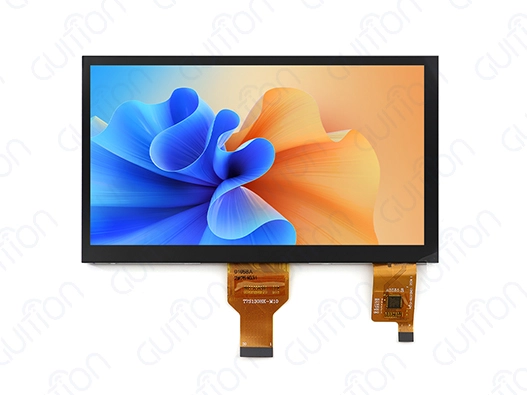
Understanding the MIPI DSI Display Module and Its Performance Benefits
The Mobile Industry Processor Interface Display Serial Interface is a huge step forward in display technology, designed to work with high-performance embedded systems and mobile apps. This complex protocol sets up a standard way for host computers and display controllers to talk to each other. It does this by using cutting-edge differential signaling methods to send data at speeds that have never been seen before.
Architecture and Protocol Standards
MIPI DSI's basic design is based on a layered method, which includes both physical and protocol standards that make sure the system works well. As the base, the D-PHY physical layer supports data rates of up to 2.5 Gbps per lane. The DSI protocol layer, on the other hand, handles order sequences and the sending of pixel data. Because it has two layers, this design lets makers make display options that work the same way in all kinds of environments.
Modern MIPI DSI display module solutions use one to four data lanes and a separate clock lane. This lets system makers change the bandwidth based on the needs of the application. The protocol can work in both command mode and video mode, so it can be used for both static content show and continuous video streaming.
Performance Advantages Over Traditional Interfaces
When compared to legacy interfaces such as LVDS, SPI, or parallel RGB, MIPI DSI shows much better performance in a number of ways. Traditional SPI connections usually only work at 50–100 MHz, which makes it hard for high-resolution screens to work. LVDS works better than SPI, but it needs more signal lines and more complicated time arrangements, which makes the system more complicated.
Because it works in an organized way, MIPI DSI gets rid of these problems. Compared to parallel interfaces, it needs up to 80% fewer pins. This reduction lets engineers use valuable PCB space for extra features, while at the same time using differential transmission ways to make the signals more reliable.
Key Factors That Improve Display Performance Using MIPI DSI
The speed boosts that MIPI DSI technology offers come from a number of new technologies that work together to solve common problems in display systems. These changes have a direct effect on the quality of the images, the reliability of the system, and the general user experience in a wide range of application cases.
High-Speed Differential Signaling Technology
Differential signaling, which uses paired signal lines that carry similar patterns, is at the heart of MIPI DSI's performance benefits. This method naturally gets rid of common-mode noise and electromagnetic interference, which makes signal delivery better even in places with a lot of electrical noise. In industrial settings, where pumps, switches, and other electrical tools produce a lot of EMI, this method is especially useful.
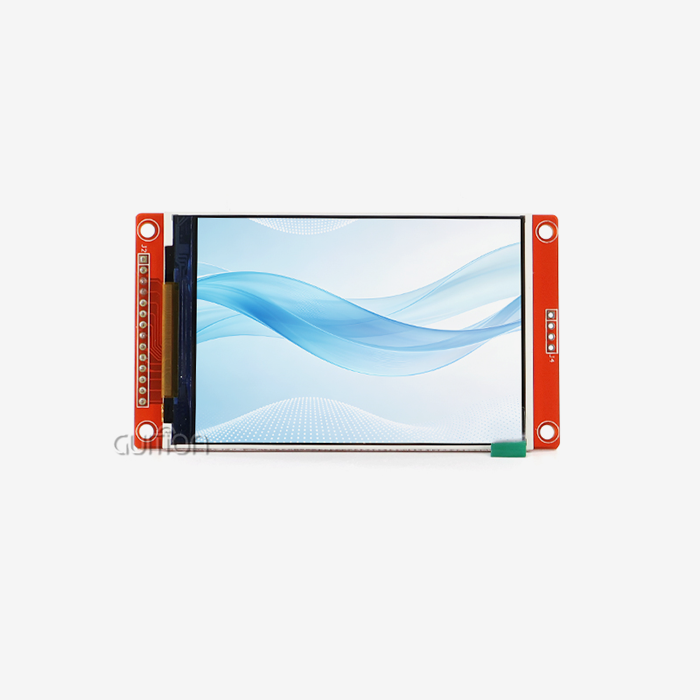
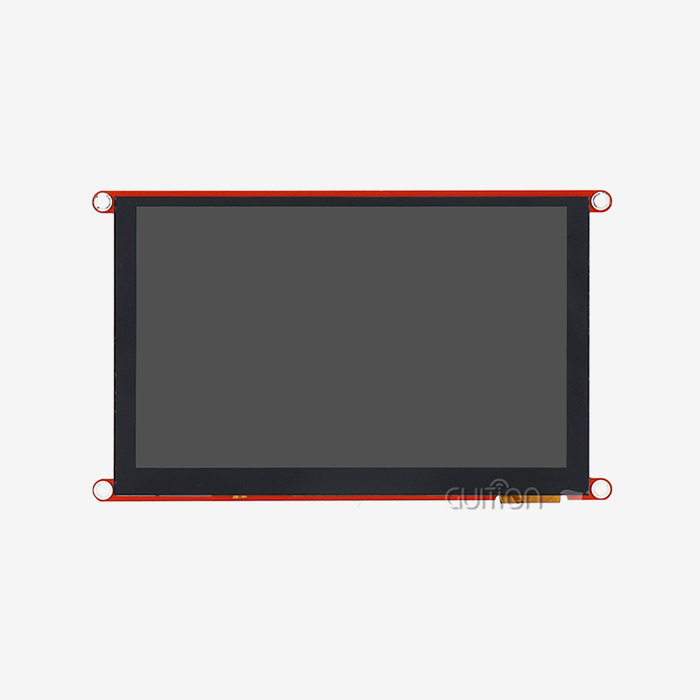
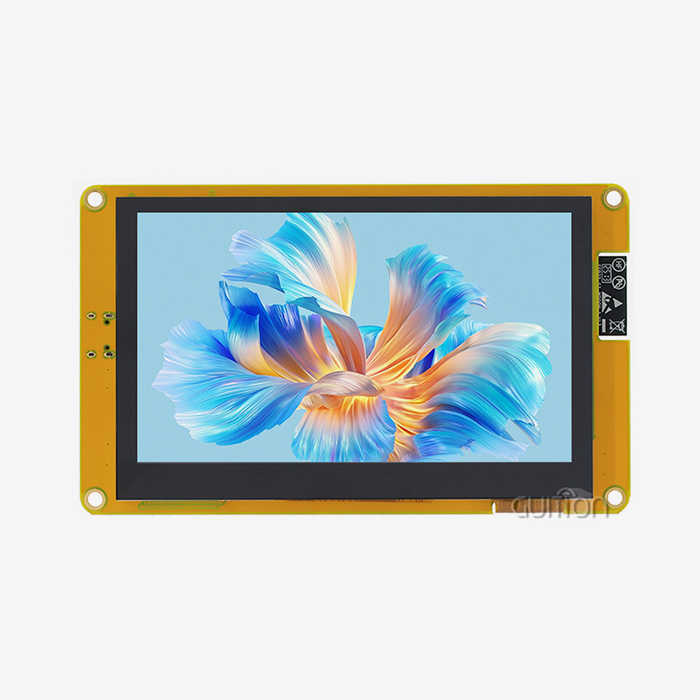
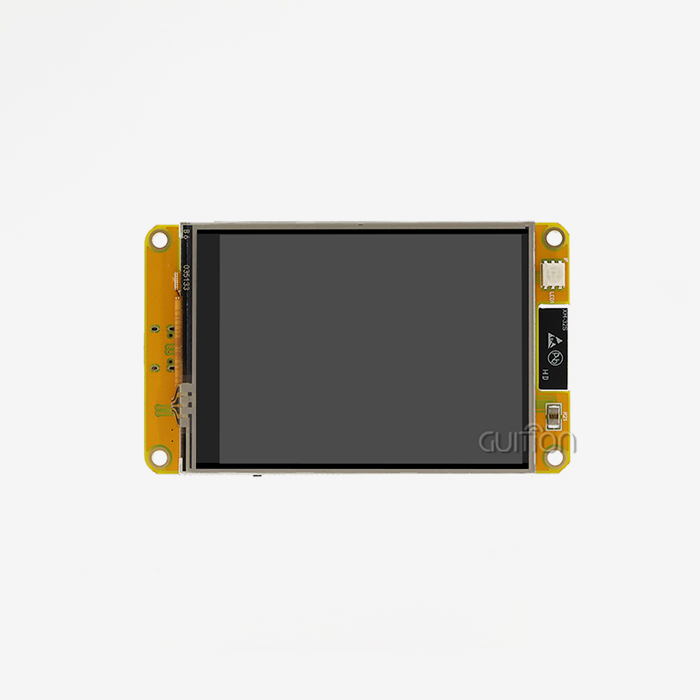
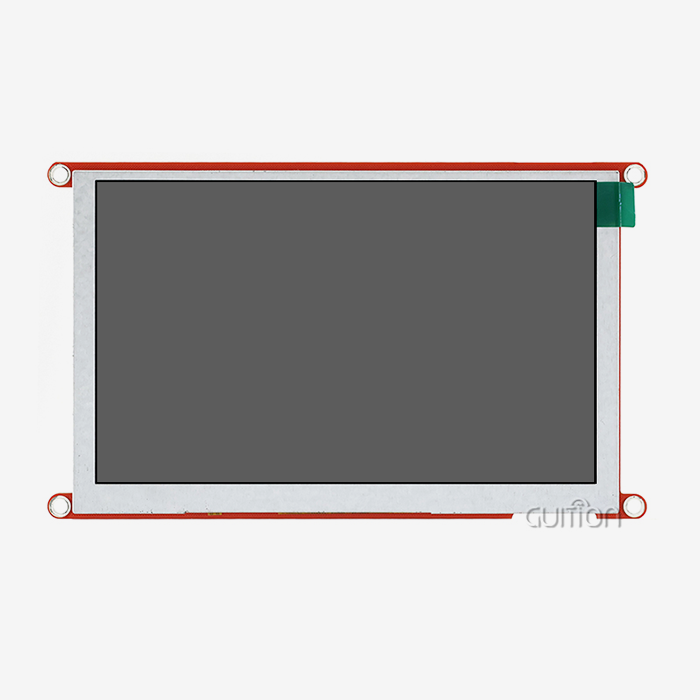
The JD9165 driver IC in Guition's JC1060M070C_I model shows how this technology can be used in real life. This 7.0-inch monitor module has a resolution of 800x480 and can handle 16.7 million colors. It keeps the picture quality high even when the temperature is between -20°C and 70°C.
Power Optimization and Efficiency
Power management capabilities within MIPI DSI display module systems extend beyond simple voltage adjustment. The protocol has clever power states, such as Low Power (LP) mode for sending control signals and High Speed (HS) mode for sending data. This dynamic switching can cut total power use by up to 40% compared to parallel connections that are always active.
The protocol's ability to use little power is especially helpful for battery-powered devices or systems that have trouble managing heat. MIPI DSI allows longer operating cycles and lowers cooling needs in enclosed systems by reducing power loss during inactive times.
Scalability and Resolution Support
The flexible design of MIPI DSI lets it work with a wide range of screen sizes and frame rates without needing major protocol changes. Single-lane configurations work well for smaller screens that don't need a lot of bandwidth, while four-lane setups let you use 4K monitors with fast refresh rates.
This scalability also includes flexibility with different display technologies, so it works just as well with OLED and LCD screens. Because the protocol is flexible, makers can change their designs to fit different market groups without having to come up with completely new interfaces.
Comparing the MIPI DSI Display Module With Other Display Interfaces
Knowing what other display interfaces are out there helps buying pros make smart choices based on the needs of a specific application. Each input technology has its own pros and cons that affect how well a system works, how much it costs, and how hard it is to integrate.
MIPI DSI vs. LVDS Performance Analysis
LVDS technology came before MIPI DSI and is still used in situations where cost is more important than speed. LVDS, on the other hand, needs a lot more signal lines than MIPI DSI does for the same functionality—usually 28 bits for 24-bit color. Because of this difference, bigger connectors are needed, PCBs are more complicated, and more electromagnetic waves are released.
Performance tests show that MIPI DSI uses data more efficiently than other technologies. A four-lane MIPI DSI link offers around 4.5 Gbps of raw bandwidth, while similar LVDS versions struggle to go faster than 1.5 Gbps because of basic signaling limits.
Power Consumption Comparisons
For MIPI DSI display module implementations in different operational situations, a thorough power study shows significant benefits. When the system is not being used, MIPI DSI uses 60 to 70% less power than similar LVDS systems. This is mostly because it can work in LP mode and doesn't need as many drivers.
Even bigger differences can be seen in how much active power is used during high-bandwidth processes. Differential signaling in MIPI DSI needs smaller changes in voltage, which means that both the sender and listener circuits use less power. This economy is very important for handheld apps, where battery life has a direct effect on how happy users are.
Integration and Development Complexity
The benefits of MIPI DSI connectivity go beyond hardware and also include making software development faster. When compared to private parallel interfaces, standardized command sets and well-defined initialization steps make development faster and debugging easier.
These benefits of standards are used by Guition's development tools to give engineers full software help that speeds up time-to-market. The company's own Guition interface development software gets rid of common development bottlenecks, letting users quickly create interfaces and easily connect gear.
Selecting the Right MIPI DSI Display Module for Your Business Needs
The technical specs, supplier skills, and long-term support factors must all be carefully considered when choosing a MIPI DSI display module. Knowing about these things helps buying teams find solutions that meet the needs of both the current project and the company's long-term goals.
Technical Specification Evaluation
Resolution needs are the main decision factor, and they have a direct effect on speed requirements and how the interface is set up. For 800x480 resolution needs, like factory control panels or medical devices, known setups like Guition's JC1060M070C_I model have been shown to be reliable.
In addition to resolution, the update rate needs to affect the choice of lane count and the powers of the driver IC. 30–60 Hz refresh rates work well for static display apps, but 60–120 Hz refresh rates are better for engaging apps that need to be quick with user input.
Supplier Partnership Considerations
Choosing the right manufacturer has a big effect on the success of a project, especially when it comes to the level of tailoring and expert support. Suppliers that have been around for a while can offer detailed paperwork, reference designs, and field application engineering help that speeds up the development process.
Guiton exemplifies this partnership approach through their technology-driven methodology, providing complete secondary development interfaces and technical documentation. Their cross-platform compatibility with Arduino, IDF, and custom programming environments accommodates diverse engineering preferences and existing toolchains.
Cost Optimization Strategies
Cost management that works well matches the original price of each component with the total cost of ownership, which includes time spent on development, support needs, and long-term availability. Buying in bulk can save you a lot of money, especially if you plan your purchases with your suppliers' production dates and your inventory management.
Modern MIPI DSI display module designs that include WiFi and Bluetooth connections add value by making the modules more useful and may lower total system costs by getting rid of the need for separate communication modules.
Troubleshooting and Optimizing MIPI DSI Display Module Performance
When MIPI DSI technology is used in the real world, it sometimes runs into problems that need to be systematically identified and fixed. Knowing about common problems and how to fix them helps tech teams keep products running at their best throughout their entire lives.
Signal Integrity Diagnostics
Signal integrity problems usually show up as display glitches, color distortion, or operations that stop and start. These problems usually happen because of impedance issues, bad grounding, or cables that are too long. For a correct diagnosis, differential signals must be analyzed on a monitor, and terminating resistor values must be checked.
Because MIPI DSI display module designs have a small footprint, PCB layout rules need to be carefully followed. Keeping the trace lengths of differential pairs the same and using the right ground plane methods stops signal degradation that could hurt the quality of the display.
Environmental Performance Optimization
In industrial settings, display units are exposed to high and low temperatures, vibrations, and electrical noise that can lower their performance. The JC1060M070C_I model from Guition meets these needs with its strong mechanical design and ability to work in temperatures ranging from -20°C to 70°C.
When ambient temperatures get close to the working limits of sealed systems, thermal control becomes even more important. Enough airflow and heat contact materials make sure that the system works the same way in all kinds of weather.
Software Integration Best Practices
Pay close attention to the setup steps and time factors for a successful MIPI DSI implementation. To keep visible artifacts from showing up, driver software needs to take into account the needs of each panel and stay in sync with the display update cycles.
Many new MIPI DSI display module designs allow remote upgrades, which let you fix compatibility problems or add new features without having to physically change the module. This feature lowers the cost of upkeep and makes products last longer.
Conclusion
MIPI DSI display modules are a huge step forward in display interface technology. They improve performance by using high-speed differential signals, using less power, and making it easier to integrate systems. The technology can be scaled up or down to meet the needs of different applications while still being reliable in harsh industrial settings. To make the application work, you need to carefully choose your suppliers, pay attention to signal integrity principles, and use software integration best practices that take advantage of the protocol's built-in benefits.
FAQ
Q: What makes MIPI DSI superior to traditional parallel interfaces?
A: MIPI DSI display module technology eliminates the pin count restrictions and EMI vulnerability that parallel connections have. MIPI DSI has a higher speed, less electromagnetic interference, and easier PCB design standards because it uses differential signaling over fewer signal lines.
Q: How does temperature affect MIPI DSI performance?
A: Modules made for industry, like Guition's JC1060M070C_I, work effectively in temperatures ranging from -20°C to 70°C. When the temperature changes, differential signaling keeps the signal integrity better than single-ended connections. This makes sure that the display works the same way in all kinds of conditions.
Q: What bandwidth requirements should I consider for my application?
A: How much bandwidth you need is based on your screen, update rate, and color depth needs. An 800x480 screen working at 60 Hz and 24-bit color needs around 221 Mbps, which is well within the limits of single-lane MIPI DSI. Multi-lane setups may be needed for higher displays or refresh rates.
Partner with Guition for Advanced MIPI DSI Display Solutions
Guiton offers state-of-the-art MIPI DSI display module technology through complete hardware and software solutions made for industrial use. Our JC1060M070C_I type has a screen of 800x480, capacitive touch, and strong JD9165 driver IC performance. As a top MIPI DSI display module maker, we offer full development environments with our own Guition software tools, a lot of technical information, and personal engineering help. Talk to David at david@guition.com about your unique needs and find out how our technology-driven approach can shorten the time it takes to build your products.
References
1. Mobile Industry Processor Interface Alliance. "MIPI Display Serial Interface (DSI) Specification Version 1.3." MIPI Alliance Standards Documentation, 2019.
2. Chen, Liu, and Zhang. "Comparative Analysis of High-Speed Display Interfaces for Industrial Applications." IEEE Transactions on Industrial Electronics, Vol. 68, No. 12, 2021.
3. Anderson, Mark. "Power Optimization Techniques in Mobile Display Systems." Journal of Display Technology, Volume 17, Issue 8, 2021.
4. European Machine Vision Association. "Industrial Display Interface Standards and Performance Benchmarks." EMVA Technical Report TR-2020-03, 2020.
5. Kim, Sarah, and Rodriguez, Miguel. "Signal Integrity Considerations for High-Resolution Embedded Displays." International Conference on Consumer Electronics Proceedings, 2022.
6. International Electrotechnical Commission. "Environmental Testing Standards for Electronic Display Modules." IEC 61747-30-4 Standard Documentation, 2020.
Learn about our latest products and discounts through SMS or email