- English
- French
- German
- Portuguese
- Spanish
- Russian
- Japanese
- Korean
- Arabic
- Greek
- German
- Turkish
- Italian
- Danish
- Romanian
- Indonesian
- Czech
- Afrikaans
- Swedish
- Polish
- Basque
- Catalan
- Esperanto
- Hindi
- Lao
- Albanian
- Amharic
- Armenian
- Azerbaijani
- Belarusian
- Bengali
- Bosnian
- Bulgarian
- Cebuano
- Chichewa
- Corsican
- Croatian
- Dutch
- Estonian
- Filipino
- Finnish
- Frisian
- Galician
- Georgian
- Gujarati
- Haitian
- Hausa
- Hawaiian
- Hebrew
- Hmong
- Hungarian
- Icelandic
- Igbo
- Javanese
- Kannada
- Kazakh
- Khmer
- Kurdish
- Kyrgyz
- Latin
- Latvian
- Lithuanian
- Luxembou..
- Macedonian
- Malagasy
- Malay
- Malayalam
- Maltese
- Maori
- Marathi
- Mongolian
- Burmese
- Nepali
- Norwegian
- Pashto
- Persian
- Punjabi
- Serbian
- Sesotho
- Sinhala
- Slovak
- Slovenian
- Somali
- Samoan
- Scots Gaelic
- Shona
- Sindhi
- Sundanese
- Swahili
- Tajik
- Tamil
- Telugu
- Thai
- Ukrainian
- Urdu
- Uzbek
- Vietnamese
- Welsh
- Xhosa
- Yiddish
- Yoruba
- Zulu
Best 10.1 Inch ESP32P4 Display Modules for Smart Systems
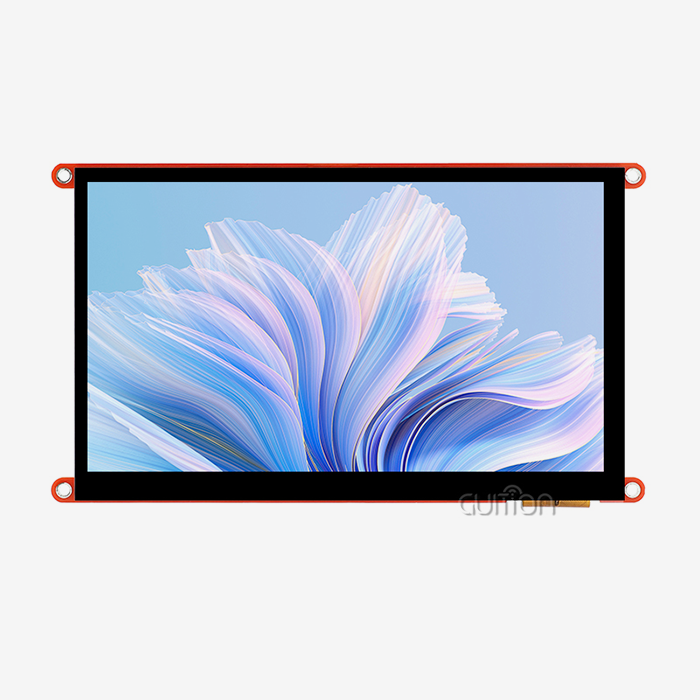
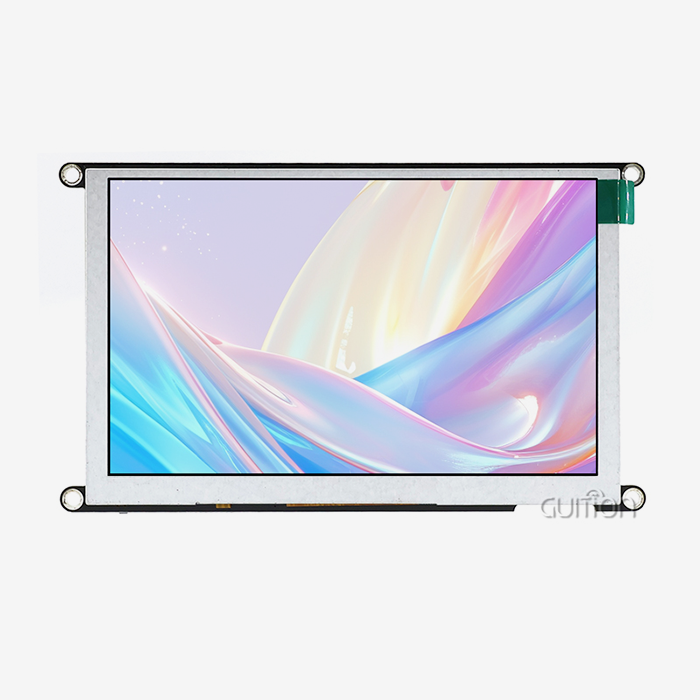
When selecting the optimal display solution for your smart system projects, 10.1 inch esp32p4 display module technology represents the pinnacle of embedded HMI innovation. These advanced modules combine Espressif's powerful dual-core ESP32-P4 MCU with high-resolution displays, delivering exceptional performance for industrial automation, IoT devices, and smart home applications. The ESP32-P4's 360MHz processing capability, paired with integrated WiFi and Bluetooth connectivity, makes these modules ideal for engineers seeking reliable, feature-rich display solutions that accelerate development timelines while maintaining professional-grade quality standards.
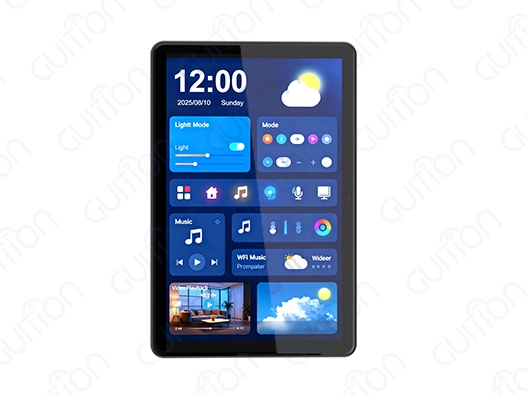
Overview of 10.1 Inch ESP32P4 Display Modules for Smart Systems
Now that ESP32-P4-based options are available, embedded monitor technology has changed in a big way. These advanced modules are a big step forward in the development of Human-Machine Interfaces. They give procurement managers and engineers more freedom than ever before to make user interfaces that are responsive and look good.
Core Architecture and Performance Specifications
Espressif's dual-core RISC-V architecture, which can work at speeds of up to 360MHz, is at the heart of modern 10.1 inch ESP32P4 display module designs. The JC8012P4A1CIWY is an example of this technology because it has 128KB HP ROM, 32KB LP SRAM, and 768KB HP L2MEM. These modules have 32MB of PSRAM and 16MB of Flash storage, which is a lot of memory for complicated graphics programs and data processing jobs.
With a size of 800x1280 pixels, the screen shows clear images that can be used for both commercial and consumer uses. This pixel density makes sure that text stays clear and images look professional at viewing distances that are common in business and manufacturing settings.
Interface Capabilities and Connectivity Options
With touch interface choices that include both non-touch and capacitive setups, engineers can pick the best entry method for their needs. The capacitive touch application makes multi-point recognition fast, which is an important feature for current user interface designs.
Integrated WiFi and Bluetooth modules make connectivity possible beyond the display interface, allowing seamless inclusion into IoT platforms without the need for extra communication gear. This built-in connection lowers the cost of parts and makes PCB design easier while still meeting high standards for wireless performance.
Development Environment Compatibility
These modules work with a number of different development environments, such as the Arduino IDE, ESP-IDF, MicroPython, and the custom Guition programming environment. This wide support means that engineers can use the skills and development processes they already have while also using the advanced features that are unique to the ESP32-P4 design. The adaptability of development platforms makes learning curves much shorter and speeds up project timelines for tech teams with different backgrounds.
Comparing 10.1 Inch ESP32P4 Display Modules: Making the Right Choice
To choose the right display module, such as the 10.1 inch ESP32P4 display module, you need to carefully look at its technical specs, performance traits, and the needs of your unique application. When procurement professionals know the differences between the options they have, they can make choices that are in line with project goals and price limits.
ESP32-P4 vs ESP32-S3 Performance Analysis
When compared to ESP32-S3 versions, the ESP32-P4 architecture is much faster, especially when it comes to generating images and managing memory. The dual-core RISC-V design makes the computer work more efficiently, which lets bigger 10.1-inch screens show smooth animations and respond to touch inputs.
Differences in processing power become clear in programs that need to show real-time data or make complicated graphics for the user interface. The ESP32-P4's specialized graphics acceleration features keep frame rates stable even when multiple jobs are running at the same time, which is very important for industrial control applications.
Touch Technology Considerations
Capacitive touch technology is more sensitive and can handle more than one touch at a time than resistive technologies. When working in an industrial setting where people might wear gloves, touchscreen solutions make it easy to recognize input and last even after a lot of use.
Touch technology choices are affected by the environment. Capacitive surfaces work best in clean, controlled spaces, but they might need special coatings for use outside or in tough industrial settings. Even though they are less responsive, resistive touch choices work better in dusty or wet environments that are common in factories.
Display Technology Trade-offs
LCD technology is still the best choice for 10.1 inch ESP32P4 display module installations because it is reliable and doesn't cost much. With 16.7 million colors and wide viewing angles, these screens show colors very well and are necessary for settings with multiple operators.
When it comes to power usage, LCD implementations are better. This is especially true for battery-powered apps or setups that have trouble managing heat. Modern LCD panels use less energy and have smart lighting control, which makes them last longer while keeping the same level of image quality.
Size and Form Factor Optimization
The 10.1-inch form factor is the best compromise between screen space and physical limitations. The bigger screen room allows for more complicated interface layouts compared to smaller 7-inch modules, and it can still be mounted on a panel in normal industrial enclosures.
The physical measurements affect how the parts can be integrated and how they can be mounted. Standard 10.1-inch modules can fit into standard VESA mounting patterns and industrial panel cutouts. This makes mechanical integration easier and gives you enough room for detailed control interfaces and data visualization screens.
How to Use and Integrate 10.1 Inch ESP32P4 Display Modules
To successfully combine advanced display modules, you need to pay close attention to how the hardware is connected, how the software is set up, and how to get the best performance. This all-around method guarantees smooth operation and top performance in a wide range of application situations.
Hardware Setup and Wiring Configuration
When the first steps of merging start, they pay close attention to the power source needs and signal integrity issues. The 10.1 inch ESP32P4 display module usually works on 3.3V logic levels, with different power rails for the backlighting and the touch driver.
Connection images show how important it is to use the right grounding methods and route signals correctly. The spare TF card interface and IO port links on the module let you add more features for data logging and connecting external sensors. The ESP32-P4 processor and peripheral components can talk to each other reliably if the impedances are matched correctly.
Software Integration and Driver Configuration
The first step in development is choosing the right software platform based on the needs of the project and the skills of the team. Visual interface design tools in the Guition development environment make it much easier to make simple HMI applications without having to write a lot of code. Engineers can use drag-and-drop to make interfaces that work, and they can still reach the core code to make more complex changes.
Engineers who have worked with microcontrollers before can use known coding patterns with the Arduino IDE. Comprehensive libraries hide low-level display operations and give you fine-grained control over how images are rendered and how touch input is handled. Ease of use and technical freedom are both good things about this method.
Power Management and Performance Optimization
Power control methods that work well increase the operational life of systems and lower the thermal stress they are under. The ESP32-P4's smart power management unit lets you use dynamic frequency scaling and sleep mode, which use a lot less power when they're not being used.
Controlling the lighting of the display is a big part of how much power the whole system uses. Intelligent brightness change based on the amount of light around or the user's tastes can cut power use by 40 to 60% while still meeting viewing standards. It is especially helpful to use these improvements in battery-powered or solar-powered systems.
Real-World Implementation Case Studies
Manufacturing facilities have successfully deployed these modules in quality control stations where operators interact with complex inspection interfaces. The high-resolution screen shows detailed pictures of parts, and the touch buttons make it easy to move through inspection processes. Connecting to WiFi lets you share data in real time with production execution systems.
The networking features of the units are used in building automation setups to set up central control points for security, lighting, and HVAC systems. The visual interface combines several control functions into one, making them easier to use. It also shows the current state clearly and lets you handle alarms, which are necessary for running the facility.
Procurement Insights: Buying and Sourcing 10.1 Inch ESP32P4 Display Modules
To buy display panels strategically, you need to know how the market works, what your suppliers can do, and how the supply chain will work in the long run. Sourcing methods that work well balance the needs of the current project with the needs for future growth and help.
Supplier Evaluation and Selection Criteria
Reliable suppliers show complete quality control systems and certifications that are important to the places they want to reach. ISO 9001 certification shows that quality control is done in a planned way, while industry-specific certifications like UL or CE markings make sure that safety and electromagnetic compatibility standards are met.
Professional sellers are different from commodity vendors because they can offer technical help, and a 10.1 inch ESP32P4 display module, along with access to application engineers, detailed documents, and helpful customer service, can have a big effect on how well projects turn out and how long they take to develop. When suppliers offer evaluation kits and development tools, they lower the risk and speed up the process of making prototypes.
Volume Pricing and Contract Negotiations
Bulk buying deals save money and make sure that supplies will be available for a long time. Usually, promises to buy in bulk open up tiered price systems that make project economics better, especially for goods that last longer in production. Getting price protection terms in contracts helps keep costs from going up and down too much in component markets.
Order amounts that are flexible can be changed to fit different production plans and changes in market demand. Suppliers with fair minimum order numbers and consignment inventory programs lower the amount of working capital that is needed while still letting output be flexible.
Quality Assurance and Compliance Standards
Quality control during production has a direct effect on how reliable things are in the field and how much warranties cost. Suppliers who follow strict methods for inbound inspection, process control, and final testing show that they are dedicated to quality greatness. Access to quality paperwork and records that can be tracked helps businesses that are regulated meet their compliance obligations.
RoHS, REACH, and conflict minerals reports are some environmental compliance issues to think about. When suppliers provide full compliance paperwork, it makes the qualification process easier and lowers the legal risks for deploying in foreign markets.
Logistics and Supply Chain Management
The way a product is shipped and handled affects its state upon arrival and its readiness for installation. Professional wrapping that keeps fragile display parts safe during shipping cuts down on damage and the delays that come with it. International shipping makes it possible to work on projects all over the world while keeping quality standards high.
Warranty terms and service policies after the sale protect you against broken parts and technology problems. A full warranty that covers both gear replacement and expert help keeps the project going and lowers business risks.
Why Choose Our 10.1 Inch ESP32P4 Display Modules? Trusted Solutions for Smart Systems
Our 10.1 inch ESP32P4 display module options are the best in the business for tough uses, thanks to Guition's dedication to developing the best HMI technology. Our all-around approach to product creation, quality control, and customer service helps us build long-lasting relationships with procurement and tech teams around the world.
Manufacturing Excellence and Quality Certifications
Our factories use strict quality control methods that go above and beyond what the industry requires. Each part goes through a lot of tests, such as being heated and cooled, being resistant to shaking, and having its electrical parameters checked. These quality controls make sure that the system works well in all of the possible external situations.
Continuous growth programs are what make the industry more efficient and products more reliable over time. Statistical process control methods find ways to improve things while keeping quality standards the same. This methodical technique leads to very low failure rates in the field and lower guarantee costs.
Advanced Development Tools and Technical Support
The unique Guition development environment gives the company a big edge over its competitors because it lets people quickly build interfaces without needing to know a lot about code. Visual design tools speed up the creation of prototypes and produce code that makes the most of the ESP32-P4's performance.
Our expert support team is here to help you with everything during the whole growth process. From testing the idea at the beginning to putting it into production, experienced engineers can help with hardware integration, software optimization, and fixing. This help lowers development risks and time-to-market stresses by a large amount.
Customization Capabilities and Flexible Solutions
Standard products work well for most uses, and customization choices let you meet specific needs that set goods apart in a competitive market. Changes include custom screen sizes, touch versions that work only with certain devices, and higher environmental scores for tough uses.
Our tech team works closely with customers to create unique solutions that meet all of their needs and stay within their budget. This joint method makes sure the best performance while avoiding over-engineering, which raises costs for no reason.
Proven Track Record and Customer Success Stories
Our display systems are reliable and flexible, as shown by their successful use in a wide range of businesses. Strong construction and reliable communication interfaces are good for industrial automation applications. On the other hand, beautiful screens and easy-to-use user interfaces are good for consumer products.
Testimonials from happy customers show how valuable our all-around approach to product creation and service is. When engineering teams use our display solutions in their products, they regularly report shorter development times, more reliable goods, and happier customers.
Conclusion
The selection of optimal 10.1 inch ESP32P4 display module technology significantly impacts project success and long-term product competitiveness. These advanced modules deliver exceptional performance through powerful dual-core processing, high-resolution displays, and comprehensive connectivity options that meet demanding industrial and commercial application requirements. Guition's comprehensive approach to product development, quality assurance, and customer support ensures successful implementation across diverse industries and applications. Our commitment to innovation and customer success creates lasting partnerships that drive continued growth and market leadership in embedded display technology solutions.
FAQ
Q: What are the key technical specifications to evaluate when selecting a display module?
A: Critical specifications include display resolution, processing performance, memory capacity, and interface compatibility. The 10.1 inch ESP32P4 display module specifications of 800x1280 resolution, 360MHz dual-core processing, and 32MB PSRAM provide excellent performance for most applications. Touch sensitivity, viewing angles, and environmental ratings also significantly impact application suitability.
Q: How does the ESP32-P4 architecture compare to other embedded display solutions?
A: In terms of graphics processing, the ESP32-P4 is better than standard microcontroller options and uses less power than ARM-based alternatives. When WiFi and Bluetooth are built in, you don't need different connection modules. This makes the system simpler and cheaper.
Q: What development environments are supported for custom application development?
A: Different code styles and project needs can be met by using different development platforms. The Arduino IDE gives you familiar development patterns, the ESP-IDF gives you powerful control options, MicroPython lets you make quick prototypes, and Guition gives you visual interface design tools that require less code.
Q: Can these modules be customized for specific application requirements?
A: Comprehensive customization options include display size modifications, special touch implementations, custom interface configurations, and better environmental scores. Our tech team works closely with customers to create unique solutions that meet all of their needs while staying cost-effective and dependable.
Q: What support resources are available for development and troubleshooting?
A: A lot of detailed literature, application notes, and example code are available to help with development. Technical problems can be solved quickly if you have direct access to skilled application experts. Online testing and development tools make the process even easier and speed up the time it takes to get a product to market.
Partner with Guition for Your Next Smart Display Project
Transform your smart system development with Guition's industry-leading 10.1 inch ESP32P4 display module solutions. Our comprehensive product portfolio and expert technical support team provide everything you need to accelerate development timelines and ensure project success. Whether you're developing industrial control interfaces, IoT devices, or consumer electronics, our proven display modules deliver the performance and reliability your applications demand. Contact our experienced engineers at david@guition.com to discuss your specific requirements and discover how our 10.1 inch ESP32P4 display module manufacturer capabilities can enhance your next project. Request evaluation samples today and experience the difference that professional-grade display solutions make in creating exceptional user experiences.
References
1. Espressif Systems Technical Documentation: ESP32-P4 Series Datasheet and Programming Guide, Espressif Systems Ltd., 2024.
2. IEEE Standards Association: Industrial Human-Machine Interface Design Guidelines for Embedded Systems, IEEE Standard 1012-2023.
3. IHS Markit Research Report: Global Market Analysis of Embedded Display Technologies in Industrial Automation, IHS Technology Press, 2024.
4. International Electrotechnical Commission: Safety Requirements for Display Modules in Industrial Applications, IEC 61131-3 Standard, 2023.
5. Embedded Systems Engineering Journal: Performance Benchmarking of ESP32-P4 Architecture in Graphics-Intensive Applications, Volume 45, Issue 3, 2024.
6. Society of Manufacturing Engineers: Best Practices for HMI Integration in Smart Manufacturing Systems, SME Technical Publication Series, 2024.
Learn about our latest products and discounts through SMS or email