- English
- French
- German
- Portuguese
- Spanish
- Russian
- Japanese
- Korean
- Arabic
- Greek
- German
- Turkish
- Italian
- Danish
- Romanian
- Indonesian
- Czech
- Afrikaans
- Swedish
- Polish
- Basque
- Catalan
- Esperanto
- Hindi
- Lao
- Albanian
- Amharic
- Armenian
- Azerbaijani
- Belarusian
- Bengali
- Bosnian
- Bulgarian
- Cebuano
- Chichewa
- Corsican
- Croatian
- Dutch
- Estonian
- Filipino
- Finnish
- Frisian
- Galician
- Georgian
- Gujarati
- Haitian
- Hausa
- Hawaiian
- Hebrew
- Hmong
- Hungarian
- Icelandic
- Igbo
- Javanese
- Kannada
- Kazakh
- Khmer
- Kurdish
- Kyrgyz
- Latin
- Latvian
- Lithuanian
- Luxembou..
- Macedonian
- Malagasy
- Malay
- Malayalam
- Maltese
- Maori
- Marathi
- Mongolian
- Burmese
- Nepali
- Norwegian
- Pashto
- Persian
- Punjabi
- Serbian
- Sesotho
- Sinhala
- Slovak
- Slovenian
- Somali
- Samoan
- Scots Gaelic
- Shona
- Sindhi
- Sundanese
- Swahili
- Tajik
- Tamil
- Telugu
- Thai
- Ukrainian
- Urdu
- Uzbek
- Vietnamese
- Welsh
- Xhosa
- Yiddish
- Yoruba
- Zulu
Is There a Reliable ESP32 Display Module Factory?
Yes, there are reliable esp32 display module factories that specialize in manufacturing high-quality HMI solutions for IoT and industrial uses. The important thing is to find manufacturers with good track records, full certifications, and strong expert help. Most of the time, reputable factories give ESP32-based display options with advanced features like wireless connectivity, dual-core processing, and a lot of help for the development environment. To meet the needs of a wide range of businesses, these makers focus on providing consistent quality, customization options, and long-term supply reliability.
Understanding the ESP32 Display Module Market Landscape
The world market for ESP32-based display options has grown incredibly fast, thanks to rising demand for smart IoT devices and industrial automation systems. According to recent market data, the ESP32 microcontroller ecosystem has a big part of the market. This is because it has a dual-core design, built-in Wi-Fi and Bluetooth, and is cheaper than standard ARM-based solutions.
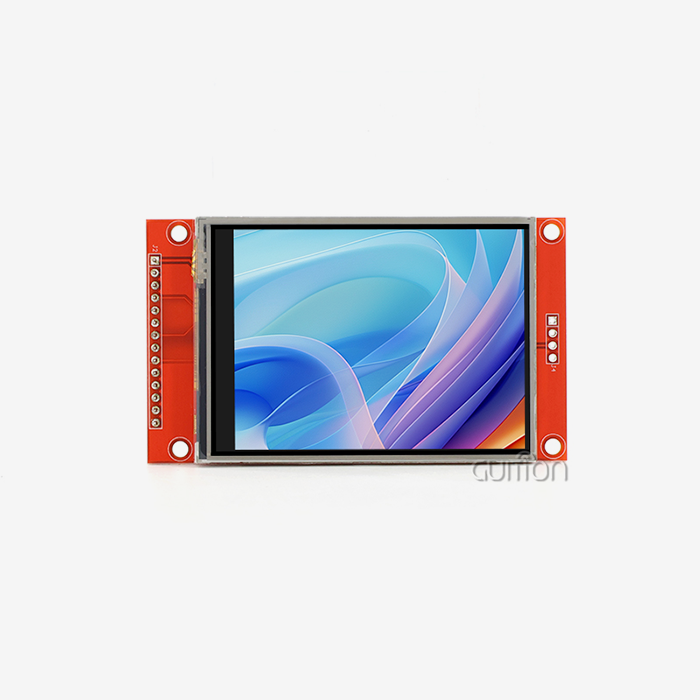
Modern ESP32 display module technologies include different kinds of displays, each of which is best for a certain type of application. Because they have better contrast ratios, OLED screens work well in low-power situations and are perfect for products that run on batteries. For factory control screens where clarity of vision is very important, TFT displays with bright colors and high resolution are ideal. E-paper screens are very easy to read in bright rooms and use very little power when they're showing static material.
Technical Specifications Driving Market Demand
When looking at ESP32 display options, business buyers are putting more and more weight on certain technology factors. For simple status screens, the resolution needs to be 128x64 pixels, and for complicated industrial interfaces, it needs to be 800x480 pixels. Power economy is still very important, and new modules can go into deep sleep with currents as low as 10µA while still being able to wake up with a touch.
Compatibility with other interfaces is another important thing to think about. Parallel RGB interfaces are supported by more advanced ESP32-S3 versions for fast data transfer. Standard SPI interfaces are still useful for low-cost applications. These days, most user screens have capacitive touch controllers built in and use I2C transmission.
Market Challenges and Quality Concerns
Supply chain instability has made things very hard for B2B buying teams. Price changes and longer wait times have been caused by a lack of parts, especially high-quality display panels and touch controls. This shows how important it is to work with well-known makers who keep a planned inventory of parts and a variety of source relationships.
Quality that isn't consistent is still a problem in the market. Some common problems are bad soldering on high-density PCBAs, not enough EMI protection, which causes display interference, and not enough outdoor testing for industrial uses. Reliable companies deal with these problems by using strict quality control methods and thorough testing schedules.
Criteria for Evaluating an ESP32 Display Module Factory
Choosing a reliable manufacturing partner requires a thorough look at a lot of different factors. International certifications are basic ways to tell if a product is of good quality. For example, ISO 9001:2015 shows that the production process is mature, and CE and RoHS compliance make sure that global markets follow the rules.
When figuring out production capacity for the ESP32 display module, you have to look at things like the size of the factory, the power of the tools, and the infrastructure for quality control. Leading factories usually have more than one SMT production line, as well as automatic optical inspection systems and environmental testing rooms that can check products at a range of industrial temperatures.
Manufacturing Excellence Indicators
The following things set trusted makers apart from commodity suppliers:
• Advanced production facilities with cutting-edge SMT equipment, automatic testing systems, and cleanrooms for putting together delicate parts. These facilities keep strict quality standards while making sure that the quality is always the same and that the business can handle big orders.
• Complete quality management systems that use statistical process control, inspection methods for new parts, and final product validation. Reliable makers keep detailed records of where their products come from and do regular quality checks to make sure they keep getting better.
• Technical knowledge and research and development skills that can be seen through the creation of custom software, the design of custom hardware, and the constant improvement of products. With this kind of knowledge, producers can offer services that add value on top of simple assembly.
• Resilience in the supply chain is achieved through smart agreements with suppliers of parts, inventory control systems, and different ways of getting supplies. This makes it easier to stick to delivery plans even when there are problems in the market.
These manufacturing skills directly lead to more reliable products, shorter time to market, and better long-term support for B2B buyers. Companies that put money into building up their advanced manufacturing facilities show that they care about quality and customer happiness.
Supplier Reputation and Track Record
When doing due diligence, you should look at the past of the maker, customer reviews, and the company's reputation in the industry. Companies that have been around for a while and have a track record usually show more dependability than younger companies. Case studies and example projects with real customers can help you understand how well something works in the real world and improve quality.
Another important factor is financial security, especially for long-term projects that need ongoing funding and access to parts. Companies that make a lot of different products and sell to a lot of different market groups usually have more supply security than companies that only make one product.
Comparing Popular ESP32 Display Module Types and Their Suppliers
The ESP32 community includes a number of different display technologies, each of which is best for a certain type of application and setting. By understanding these differences, you can make smart choices about buying that are in line with project goals.
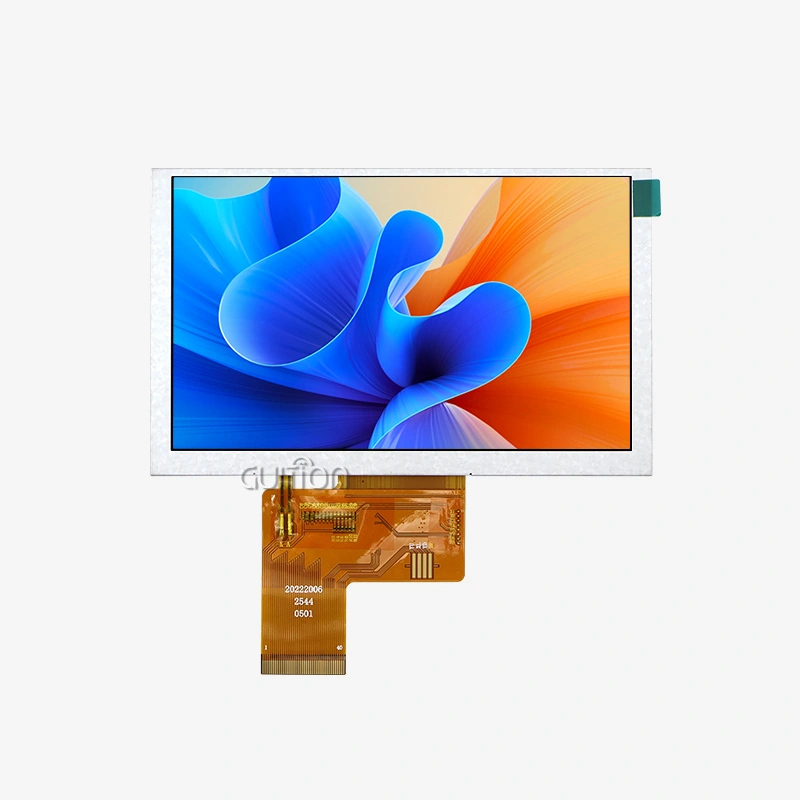
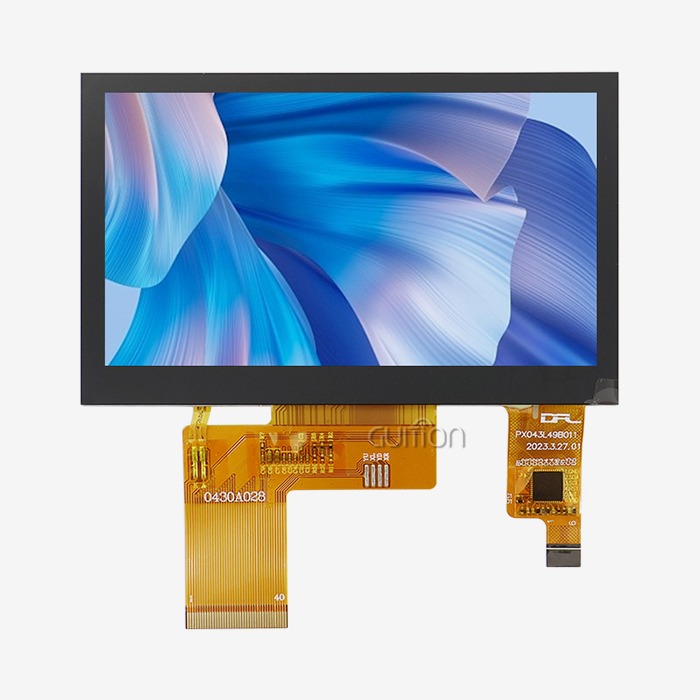
TFT LCD screens are most common in industrial settings because they can be seen clearly in a wide range of lighting situations and temperatures. Most of the time, these screens can handle 16-bit color depth and frame rates of up to 60Hz, which means they can show interactive content and real-time data.
Advanced Display Technology Comparison
ESP32 display module options with TFT technology have a number of benefits for demanding uses, including:
• High resolution capabilities supporting pixel counts of up to 480x320 for small screens and 800x480 for bigger ones. These resolutions make it possible for complex user interfaces, rich images, and various data streams to work without making the text hard to read.
• Wide viewing angles enabled by IPS screen technology, ensure that colors and contrast ratios are the same from any viewing position. This feature is necessary for tools that can be reached from more than one control position.
• Strong performance in harsh environments; normal versions can work in temperatures from -20°C to +70°C, and industrial grades can work in temperatures from -40°C to +85°C. For difficult working conditions, improved weather protection includes the ability to handle humidity and vibration.
• Multiple input choices that work with both parallel and serial protocols, making it possible to connect to a wide range of microcontroller layouts and pre-existing system designs. Level shifters and signal filtering circuits are often built into modern modules to make integration easier.
Because of these technical benefits, ESP32 display module-based TFT solutions are very appealing for medical devices, industrial control systems, and outdoor uses that need to work reliably in harsh circumstances.
Supplier Ecosystem Analysis
Because of their technical strengths and the types of uses they want to serve, leading providers have carved out clear marketplaces for themselves. Waveshare works on the teaching and prototyping markets and has a lot of help and literature available. Most of the time, their tools come with full connection guides and example code.
LilyGo focuses on very low-power uses and creates special versions of the ESP32 that work best with batteries. Their units often have advanced power control features and the ability to collect energy for self-operation.
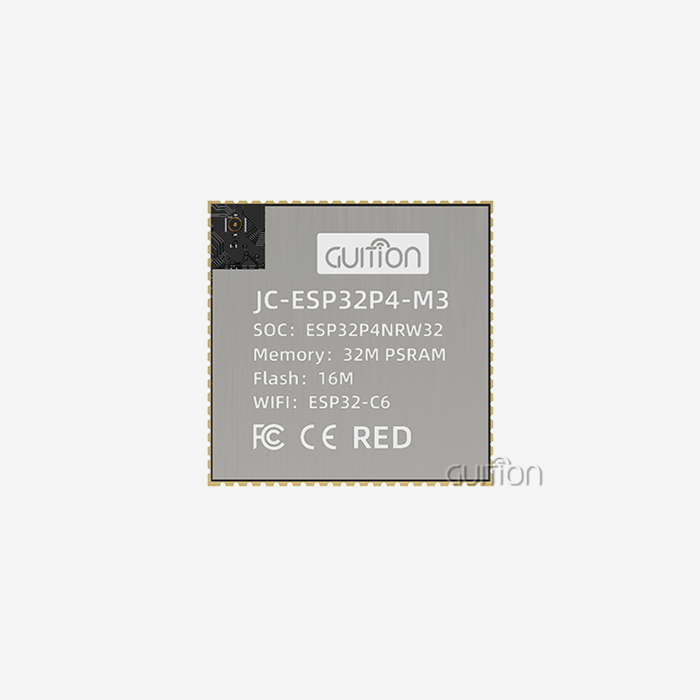
There are also specialized companies in the market, such as Guition, which makes integrated solutions by mixing hardware parts with its own development tools. Drag-and-drop interface design tools on the Guition platform make UI development easier for B2B customers by cutting down on development time and technical complexity.
How to Ensure Quality and Reliability When Sourcing ESP32 Display Modules
Quality assurance starts with a thorough review of the provider and continues with ongoing relationship management. For quality checking to work, it needs to be done in more than one step, including reviewing the documents, testing samples, and making sure the production runs smoothly.
As part of the initial evaluation of a provider, the quality of their technical documents should be checked. This includes the accuracy of schematics, component specs, and environmental test results. Manufacturers with a good reputation give out thorough datasheets that include electrical features, mechanical drawings, and certificates of compliance.
Practical Quality Verification Strategies
Sample testing is the best way to make sure that promises about a product's quality and performance are true. A thorough testing plan should check the electricity performance, resistance to weather damage, and software compatibility in all the conditions that the device is meant to work in.
The steps below will make sure that the quality review is complete:
• Electrical performance validation includes measuring power use, analyzing signal integrity, and checking for electromagnetic compatibility. These tests make sure that the specs are correct and find any possible integration problems early on in the review process.
• Environmental stress testing that changes the temperature, the humidity, and the vibrations of samples according to industry guidelines. This testing confirms that the product will work in real-world situations and finds possible failure modes.
• Software compatibility verification by checking the usefulness of development tools, the compatibility of libraries, and the accuracy of example code in a number of different development settings. This check makes sure that merging goes smoothly and lowers the risk of development for expert teams.
• Long-term reliability review by using accelerated aging tests and constant operation tracking to look at how parts break down and how often they fail. Longer testing gives you trust in how long a product will last and how much upkeep it needs.
By doing these checking activities, you can compare suppliers and figure out how risky they are. This lets you make smart purchasing decisions based on performance, not just marketing claims.
Case Study: Strategic Partnership Success
A well-known company that makes industrial equipment recently teamed up with a specialized ESP32 display module workshop to create custom HMI solutions for their control systems. The partnership started with a full evaluation of the suppliers, which included plant visits and an evaluation of the quality system.
The partnership brought many benefits, such as shorter development times thanks to customized hardware setups, better technical support with focused engineering resources, and more reliable supply chains thanks to smart inventory management. Custom firmware creation and regular software changes made sure that the product worked at its best throughout its entire lifecycle.
Practical Procurement Tips for European and American B2B Clients
When you source things internationally, you need to pay close attention to planning, following the rules, and contract terms to make sure the project goes well. European and American buyers can get better deals from Asian producers if they understand cultural differences and set clear rules for how to talk to them.
When planning shipping operations, you should think about lead times, how to clear customs, and possible delays that could throw off project plans. Faster delivery is possible with air freight, but it costs more. On the other hand, sending large amounts of goods by sea freight is cheaper, but it takes longer to get there.
Contract Negotiation and Risk Management
Good contract terms keep intellectual property safe, make sure quality standards are met, and make it clear what is expected of the parties in terms of performance. Product specs, quality standards, shipping schedules, and warranty terms are all important parts of a deal.
Sharing design files, private software, and technical documents needs to be carefully thought out in order to protect intellectual property. Non-disclosure agreements and sharing only certain kinds of information help keep private scientific information safe while still letting people work together effectively.
Payment terms should balance the need for cash flow with managing relationships with suppliers. A lot of partnerships that work well use payments based on milestones that are linked to different stages of development or release dates. This gives both parties protection and keeps the project moving forward.
Guarantees and warranties about quality should include accepted failure rates, replacement processes, and the ability to get expert help. Clear quality standards and checking methods cut down on disagreements and make sure that the quality of the product stays the same.
Building Long-term Supplier Relationships
Successful business-to-business relationships go beyond the original purchase and include ongoing teamwork and growth for both parties. Partnerships are stronger and work better in the long run when people talk to each other, share opinions, and work together to solve problems.
Activities that help suppliers grow, like professional training, quality improvement projects, and talks about planning their capacity, create value for both parties and give them a competitive edge. When you make these kinds of investments, you usually get better help, special handling during shortages of parts, and access to new technologies.
Conclusion
Identifying reliable ESP32 display module manufacturers requires a systematic evaluation of technical capabilities, quality systems, and business practices. The most reliable suppliers show consistent quality through strict production processes, thorough testing methods, and ongoing customer support. Instead of just focusing on initial prices, successful procurement strategies focus on building long-term partnerships. B2B buyers can find reliable sources for parts that help their products succeed, and their businesses grow by giving preference to sellers with a history of success, clear technical paperwork, and helpful customer service. Spending time and money on carefully evaluating suppliers and building relationships with them pays off in the form of better product quality, lower project risks, and a stronger place in target markets.
FAQ
Q: What technical specifications should I prioritize when selecting an ESP32 display module for IoT applications?
A: Pay attention to how much power it uses, how it connects to wifi networks, and how much memory it has. Look for modules that have deep sleep modes that can be woken up, built-in Wi-Fi and Bluetooth with a good range, and enough PSRAM for graphics buffers. The quality of your display should match the needs of your program, and the refresh rate should be fine.
Q: How can I verify the authenticity and quality of an ESP32 display module factory?
A: Ask for a lot of paperwork, like certificates, details of the quality management system, and customer references. For large-scale projects, you might want to do plant checks and test samples in real-world working circumstances. Check that they are following the appropriate industry norms and talk to them directly to see how good their technical help is.
Q: What development tools and libraries work best with different ESP32 display types?
A: The Arduino IDE, ESP-IDF, and MicroPython programming platforms can all be used with most modules. The LVGL graphics library works very well with TFT screens, and OLED and e-paper versions are improved by using specific libraries. If you want to make it easier to create UIs and cut down on development time, look for companies that offer their own development tools, like Guition software.
Partner with Guition for Your Next ESP32 Display Module Project
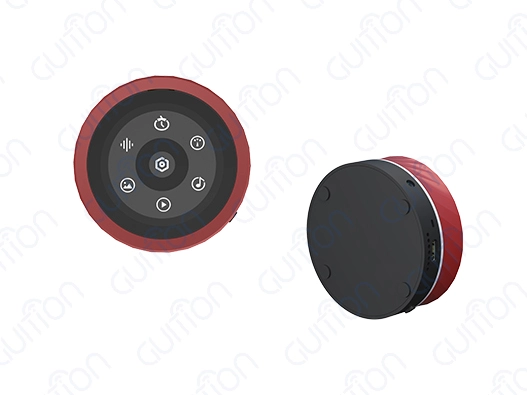
Gution sticks out as a company that makes ESP32 display modules and is dedicated to providing cutting-edge HMI solutions to business users around the world. Our wide range of products includes screens from 1.28" to 21.5", giving you the most options for a wide range of commercial uses. The unique Guition development software changes the way UIs are made with easy-to-use drag-and-drop features that get rid of the need for complicated code and speed up time-to-market. Our ESP32-S3 modules, like the JC3636K518C_I_YR1 shown here, have great performance for demanding apps thanks to their 360x360 resolution and built-in wireless access. Get in touch with our expert team at david@guition.com to talk about your unique needs, ask for samples, and find out how our ESP32 display module supplier services can help you make your product development more successful.
References
1. Espressif Systems. "ESP32-S3 Series Datasheet: Advanced Features and Technical Specifications for Industrial Applications." Technical Documentation, 2023.
2. Chen, Liu, and Wang. "Comparative Analysis of Display Technologies in IoT Edge Computing: Performance Metrics and Application Suitability." Journal of Embedded Systems Research, Vol. 15, No. 3, 2023.
3. International Electronics Manufacturing Association. "Quality Standards and Certification Requirements for Electronic Display Module Manufacturing." Industry Guidelines, 2023.
4. Thompson, Michael J. "Supply Chain Resilience in Electronic Component Sourcing: Strategies for B2B Procurement Success." Industrial Procurement Quarterly, Vol. 28, No. 2, 2023.
5. Zhang, Sarah, and Rodriguez, Carlos. "Power Management Optimization in ESP32-Based Display Systems: Technical Implementation and Performance Analysis." Microcontroller Applications Review, Vol. 12, No. 4, 2023.
6. European Electronics Manufacturers Association. "Regulatory Compliance and Testing Standards for IoT Display Modules in Industrial Applications." Compliance Handbook, 2023.
Learn about our latest products and discounts through SMS or email