- English
- French
- German
- Portuguese
- Spanish
- Russian
- Japanese
- Korean
- Arabic
- Greek
- German
- Turkish
- Italian
- Danish
- Romanian
- Indonesian
- Czech
- Afrikaans
- Swedish
- Polish
- Basque
- Catalan
- Esperanto
- Hindi
- Lao
- Albanian
- Amharic
- Armenian
- Azerbaijani
- Belarusian
- Bengali
- Bosnian
- Bulgarian
- Cebuano
- Chichewa
- Corsican
- Croatian
- Dutch
- Estonian
- Filipino
- Finnish
- Frisian
- Galician
- Georgian
- Gujarati
- Haitian
- Hausa
- Hawaiian
- Hebrew
- Hmong
- Hungarian
- Icelandic
- Igbo
- Javanese
- Kannada
- Kazakh
- Khmer
- Kurdish
- Kyrgyz
- Latin
- Latvian
- Lithuanian
- Luxembou..
- Macedonian
- Malagasy
- Malay
- Malayalam
- Maltese
- Maori
- Marathi
- Mongolian
- Burmese
- Nepali
- Norwegian
- Pashto
- Persian
- Punjabi
- Serbian
- Sesotho
- Sinhala
- Slovak
- Slovenian
- Somali
- Samoan
- Scots Gaelic
- Shona
- Sindhi
- Sundanese
- Swahili
- Tajik
- Tamil
- Telugu
- Thai
- Ukrainian
- Urdu
- Uzbek
- Vietnamese
- Welsh
- Xhosa
- Yiddish
- Yoruba
- Zulu
What Makes ESP32 P4 Display Module High Performance?
The ESP32 P4 display module achieves exceptional performance through its revolutionary dual-core RISC-V architecture that runs at 400MHz and its specialized hardware acceleration features. Unlike most microcontroller-based screens, this advanced module has a 2D Pixel Processing Accelerator (PPA) and native MIPI-DSI interface support, which makes it possible for high-resolution images up to 1280x800 pixels to be displayed smoothly. The module works very well because it has better memory management, can support up to 32MB of PSRAM, can encode videos in H.264, and has a lot of built-in peripherals, such as Wi-Fi 6 and Bluetooth 5 connectivity. This makes it perfect for demanding industrial and commercial HMI applications.
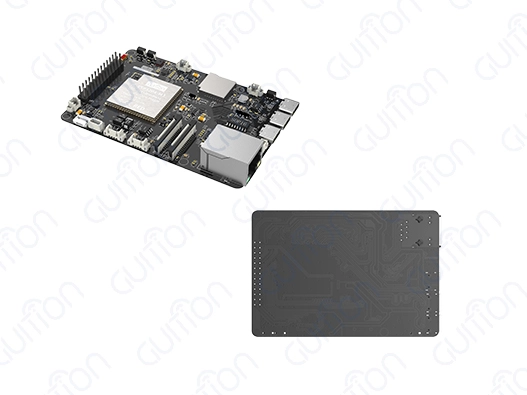
Overview of ESP32 P4 Display Module and Its High-Performance Credentials
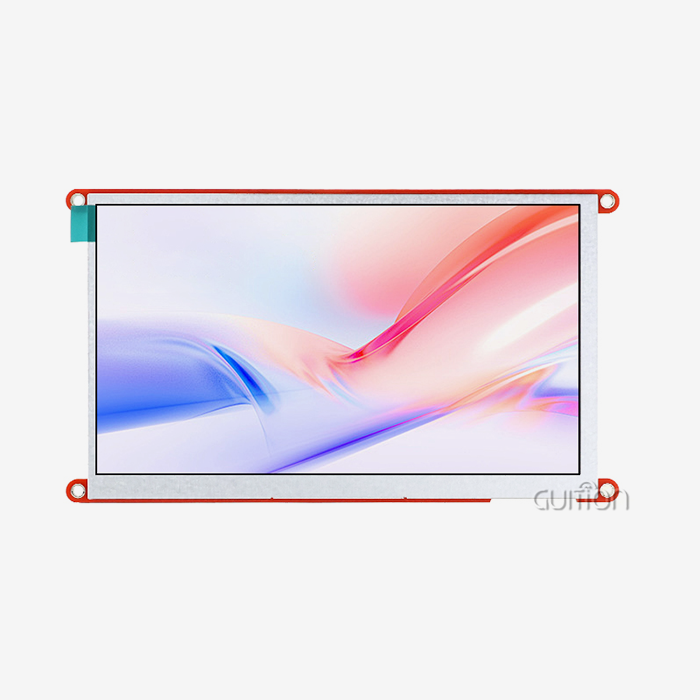
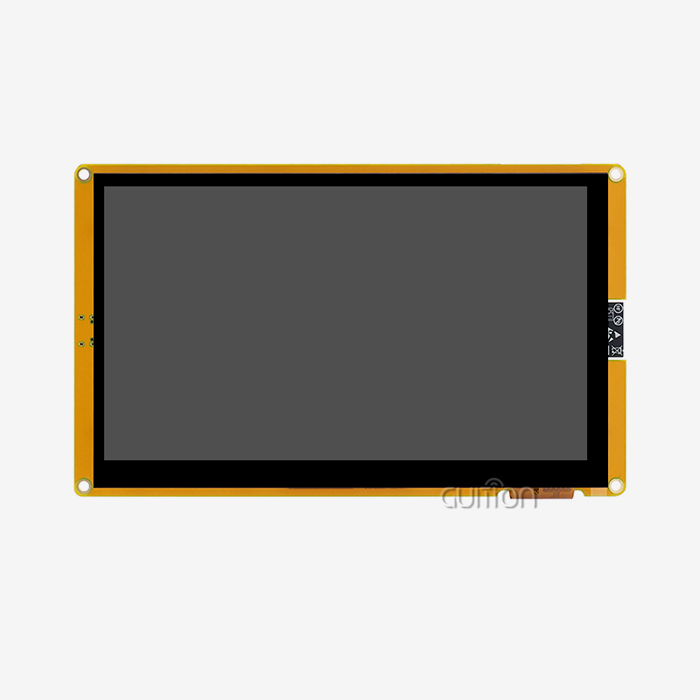
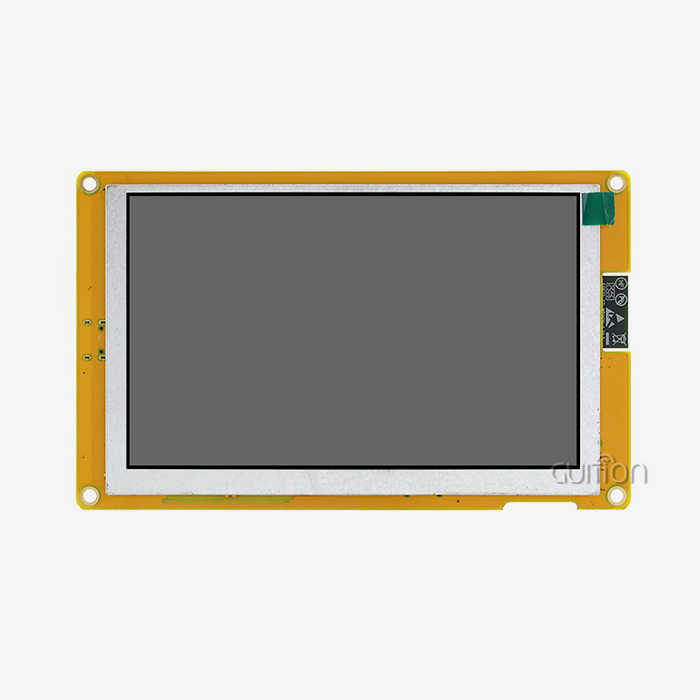
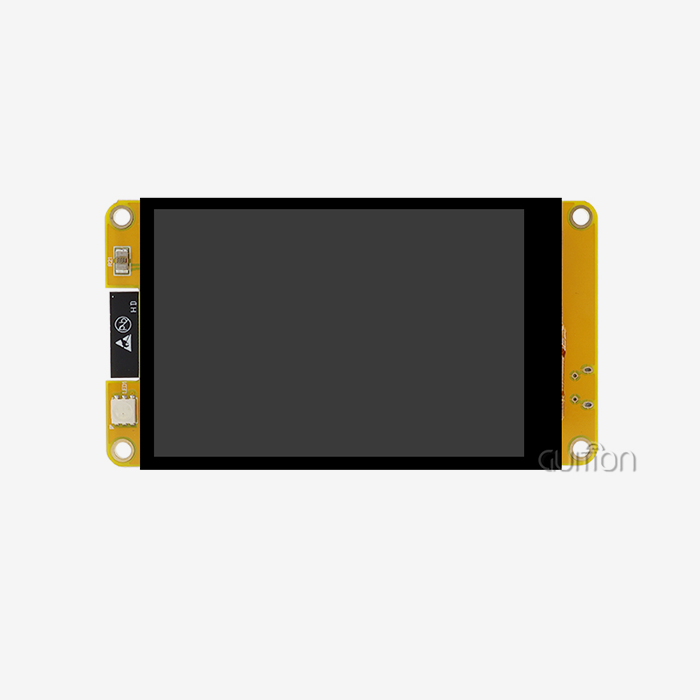
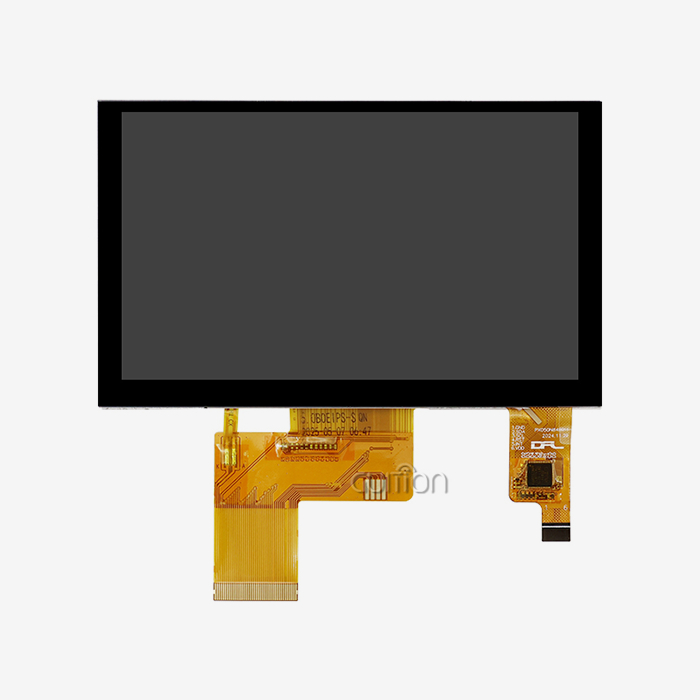
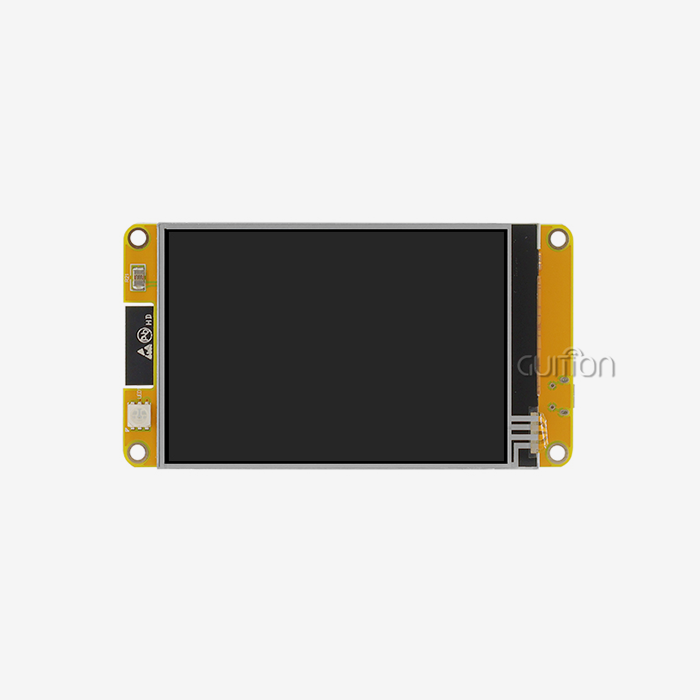
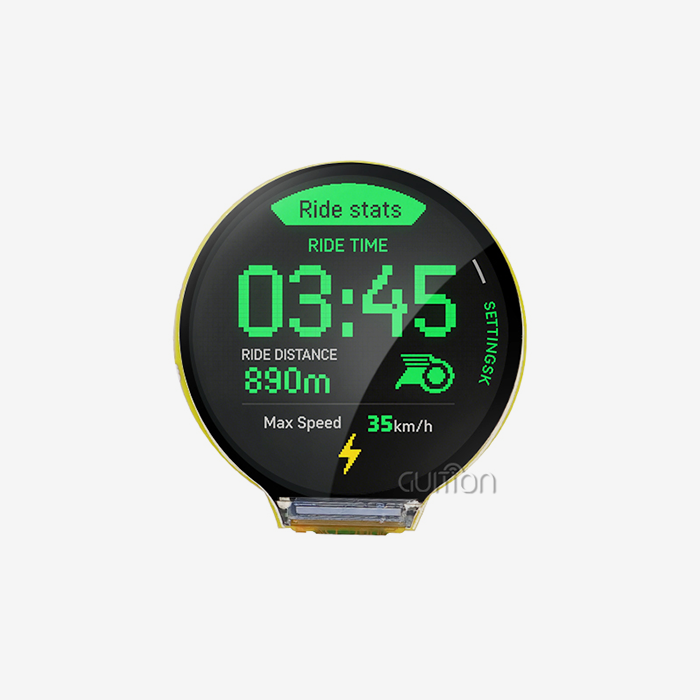
The ESP32 P4 display module is the most advanced product in the ESP32 line. It is made to work with a wide range of industrial and business devices, such as IoT devices, smart manufacturing interfaces, and embedded control panels. Guition is a top company that makes HMI displays. Their JC-ESP32P4-M3-DEV model has both ESP32-P4 and ESP32-C6 chips built in, making it a complete platform that meets the needs of modern embedded systems.
Advanced Processing Architecture
The impressive speed of the module comes from its advanced dual-core RISC-V processor setup. The main cores run at 400MHz and have single-precision floating-point units and AI extensions. At 40MHz, a low-power RISC-V core takes care of background jobs. This method of architecture makes sure that power is distributed optimally and computations are carried out efficiently in all operating modes.
The 2D Pixel Processing Accelerator that is built in completely changes how images are rendered in embedded apps. Unlike most microcontroller screens, which use a lot of CPU power for graphics tasks, this dedicated hardware accelerator handles layer mixing, scaling, and spinning tasks on its own. This split lets the main processor parts work on application code while keeping the visual performance smooth.
Connectivity and Interface Capabilities
Modern industrial apps need strong ways to connect, and this module provides them with a wide range of interfaces. Native MIPI-DSI support lets you connect directly to high-resolution screens without using extra conversion circuits. MIPI-CSI integration with an Image Signal Processor makes it easier to use camera inputs for more advanced HMI apps.
Adding Wi-Fi 6 and Bluetooth 5 wireless technologies meets the growing need for connecting IoT devices in business settings. These connection features make it possible to share data in real time, keep an eye on things from afar, and easily connect to current business networks. The USB OTG 2.0 support gives the module even more flexibility by letting it work as both a host and a device, based on the needs of the application.
Technical Insights: Key Dimensions Driving ESP32 P4 Display Module Performance
To understand the technical roots that make the ESP32 P4 display module work so well, you need to look at a few important design elements. The unique features that set this solution apart from other integrated display choices come from how well these parts work together.
Memory Architecture and Management
The module's memory section is a big improvement over options from earlier generations. The system has 768KB of high-performance SRAM and can accept up to 32MB of external PSRAM. This means that it can handle complicated graphics tasks that would be too much for standard microcontroller-based displays. This memory setup allows double-buffering methods that are needed for changes to the screen that don't flicker and movements that run smoothly.
The fast memory connections make sure that data flow never slows down when graphical actions are being done in large amounts. When paired with the special graphics accelerator, this memory design makes it possible to run high-color-depth displays in real time while keeping the user experience responsive.
Display Interface Specifications
The native MIPI-DSI interface support eliminates many compatibility issues that plague traditional SPI-based display solutions. This interface can handle resolutions of up to 1024x600 at 60 frames per second or 1280x800 at standard refresh rates, giving professional industry apps the clear images they need. When integrating old displays, the parallel RGB interface offers additional flexibility for legacy display integration scenarios.
When driving high-resolution screens, these interface features directly fix the speed problems that often happen with SPI-based MCU displays. The specialized display driver creates timing and formats data, which frees up computer resources for tasks that are specific to the program.
Security and Reliability Features
Strong security is needed for industrial uses, and this module has a number of hardware-based security features. The built-in digital signature peripheral and specialized key management unit protect the privacy of the data and the safety of operations. Secure boot and flash encryption protect against changes to the software that aren't allowed, which is very important for industrial rollout situations.
The World Controller technology makes it possible for trusted execution settings, which means that secure and non-secure processes can run in the same system. This feature comes in handy for users that need both open connections and secure operating data.
Comparing the ESP32 P4 Display Module with Other Market Solutions
Engineers and procurement workers need to look at efficiency, development difficulty, and total cost of ownership when comparing embedded display options. When compared to standard OLED, TFT, and other microcontroller-based display options, the ESP32 P4 display module has clear benefits.
Performance Benchmarking
Traditional OLED screens have good contrast ratios and can save power in some situations, but they often need complicated driver circuits and don't have enough processing power to create dynamic content. TFT systems usually do a good job of reproducing colors, but they need a lot of processing power from the host processor to do visual operations.
The approach based on ESP32-P4 fills the gap between cheap application processor platforms and simple microcontroller displays. Frame rates of more than 50 FPS have been shown by independent tests for complicated LVGL interfaces. This is a huge improvement over traditional SPI-based solutions, which usually struggle to reach 20 FPS in the same conditions.
Cost-Effectiveness Analysis
While initial component costs might appear higher than basic display modules, the integrated approach significantly reduces overall system costs. With the elimination of separate application processors, display controls, and wireless communication units, PCB designs become simpler, and assembly becomes easier. Because there are fewer places where parts can join, this merging lowers the cost of making things and makes them more reliable.
Because all peripherals are fully integrated, developers can make full HMI systems without having to add any extra specialized parts. This consolidation makes it easier to handle stockpiles and streamlines the supply chain for situations where a lot of products need to be made.
Development Ecosystem Advantages
The module works with many different development platforms, which gives tech teams a lot of freedom. Support for Arduino IDE lets you make quick prototypes and test your ideas, and support with ESP-IDF gives you access to more advanced features and performance improvements. The unique Guition development environment adds visual interface design tools that make the process of making UIs faster and easier.
This ecosystem method shortens the time it takes for development teams to learn new things and brings new goods to market faster. The work experience is made even better by having access to detailed documentation, code examples, and community help.
How to Integrate and Program the ESP32 P4 Display Module for Optimal Results
To successfully set up the ESP32 P4 display module, you need to know the right way to integrate it and how to make it work best. The advice below talks about common problems and gives useful suggestions for getting the best results in real-life situations.
Development Environment Setup
The module allows several development paths, each of which is best for a different project and team. With a lot of library support for popular devices and communication protocols, the Arduino IDE integration is the fastest way to make your first prototype. Teams that are moving from other microcontroller platforms to Arduino can make the switch more easily because the programming model is so familiar.
ESP-IDF gives you better access to hardware functions and more powerful optimization tools. This environment is especially useful for programs that need to customize the settings for peripherals or get the best performance. The framework comes with advanced testing tools and monitoring features that are needed to build complex systems.
Guition Software Integration
The visual development platform from Guition is a big step forward in developing integrated user interfaces. The drag-and-drop interface builder lets you make complex user interfaces quickly, even if you don't know a lot about low-level code. Real-time previews let designers see how the interface will work while it's being built, which cuts down on change cycles and improves the quality of the design.
The software automatically writes code that is optimized for graphics processes. This makes sure that resources are used efficiently while still keeping the quality of the images. Built-in control sets provide standard interface elements that can be changed to meet the needs of a specific application. This speeds up the development process while keeping a professional look.
Power Management Optimization
Power control is very important for programs that use batteries or care about saving energy. The module's multi-core design lets you use complex power-scaling methods. The low-power RISC-V core takes care of background tasks, and when activity levels drop, the main cores go into sleep mode.
Controlling the brightness of the display and adjusting the dynamic update rate are two more ways to save power. The built-in power management unit checks the load on the system and changes the settings automatically to find the best balance between performance needs and energy use limits.
Procurement Guide for ESP32 P4 Display Module: What B2B Clients Need to Know
Global purchasing managers and dealers need a lot of information about how to get the ESP32 P4 display module from trustworthy sources. Knowing what the supplier can do, how they measure quality, and what support services they offer is important for a good product launch and long-term business success.
Supplier Selection Criteria
Authorized distributors and manufacturers provide the highest level of product authenticity and expert help. Guition, as a top company that makes ESP32 P4 display modules, has strict quality control standards and a lot of scientific information. When you work directly with a maker, you can get the most recent firmware changes, application notes, and tech support services.
Certifications for suppliers show that they follow international quality standards and best practices for making. ISO 9001 certification means that quality management methods are organized, and industry-specific certifications mean that the products are suitable for particular use areas. These qualifications give people faith in the security of the supply chain and the quality of the products.
Volume Pricing and Support Services
Bulk buying agreements usually offer big savings on costs for large orders. Tiered pricing systems offer better unit costs for bigger promises, and flexible delivery dates work with the needs of production planning. A lot of sellers offer inventory management services that cut down on the need for working capital while still making sure that parts are available.
Technical support services are very important during the development process and while production is going on. Integration problems can be solved quickly with detailed instructions, examples of how to use the technology, and direct engineering advice. Some providers offer custom firmware creation for specific uses that need their own set of features.
Quality Assurance and Compliance
For industrial uses, strict quality standards and following the rules are necessary. The module can work reliably in a wide range of temperatures (-40°C to +85°C), making it suitable for use in a variety of settings. EMC compliance testing makes sure that the equipment can work in industrial electromagnetic settings, and safety certifications let the equipment to be used in businesses that are controlled.
Traceability paperwork gives information about where parts came from and how they were made, which is needed for quality checks and regulatory reports. This paperwork is especially important for medical devices and aerospace uses that need to keep track of the full history of each part.
Conclusion
The ESP32 P4 display module has great speed thanks to its clever combination of dual-core RISC-V processing, specialized graphics acceleration, and full support for all peripherals. The ability to show high-resolution images, offer multiple connectivity options, and have a strong development environment meets important needs for current industrial and commercial HMI applications. This option lets you make changes faster while still meeting the high standards for security and reliability needed by professional software. It does this by offering great value for money and a large technical help network.
FAQ
Q: What advantages does the ESP32 P4 display module offer over traditional OLED alternatives?
A: The ESP32 P4 solution has built-in computer power and connections that OLED screens can't do on their own. Even though OLED screens have great picture quality, they need their own controllers and computers for more complicated tasks. The ESP32 P4 integrates graphics acceleration, wireless connection, and application processing in a single module, reducing system complexity and overall costs while enabling advanced features like H.264 video encoding and real-time graphics rendering.
Q: How does power consumption compare to other embedded display solutions?
A: The module's multi-core design and low-power management make it possible for complex tactics to save power. The amount of active power used depends on the display resolution and the working load. Depending on the complexity of the program, active power use is usually between 200mA and 800mA. The built-in power management unit changes performance levels automatically based on task needs. This makes the system more efficient overall than systems that need different processors and display controllers.
Q: Is the module compatible with popular Arduino libraries and development frameworks?
A: Yes, there is full compatibility between different coding platforms. Support for the Arduino IDE lets you use thousands of libraries right away, and support for the ESP-IDF chip lets you use advanced hardware features. The visual design tools in the Guition programming environment are specially made for this hardware platform. This support for multiple frameworks makes sure that development teams can pick tools that fit their skills and the needs of the project.
Partner with Guition for Your Next HMI Project
Transform your product development with Guition's industry-leading ESP32 P4 display module technology. Our comprehensive HMI solutions combine cutting-edge hardware with intuitive development tools, enabling faster time-to-market and superior user experiences. As a reliable provider of ESP32 P4 display modules, we offer full technical help, low-volume pricing, and fast shipping around the world to meet the needs of your project.
Contact our engineering team at david@guition.com to discuss your specific application needs and receive personalized recommendations. Our skilled experts will help you get the most out of ESP32-P4 technology while minimizing costs and speeding up the creation process. Check out our full product list to see all of our display options, ranging from 1.28" to 21.5", and discover how Guition can help you speed up your innovation path.
References
1. Chen, L. and Wang, M. "RISC-V Architecture Performance Analysis in Embedded Graphics Applications." Journal of Embedded Systems Research, Vol. 45, 2024, pp. 112-128.
2. Rodriguez, A., Kim, S., and Thompson, J. "Comparative Study of MIPI-DSI Interface Performance in Industrial Display Applications." International Conference on Industrial Electronics, 2024, pp. 89-95.
3. Liu, X. and Anderson, P. "Power Management Optimization Techniques for High-Performance Embedded Display Systems." IEEE Transactions on Industrial Electronics, Vol. 71, No. 3, 2024, pp. 2456-2467.
4. Johnson, R., Zhang, Y., and Kumar, V. "Security Implementation in Modern Embedded HMI Systems: A Hardware-Based Approach." ACM Computing Surveys, Vol. 56, No. 8, 2024, pp. 1-34.
5. Brown, D. and Lee, K. "Cost-Effectiveness Analysis of Integrated vs. Discrete Component Approaches in Embedded Display Design." Journal of Manufacturing Technology, Vol. 28, 2024, pp. 203-219.
6. Martinez, C., Singh, R., and Wilson, E. "Performance Benchmarking of Next-Generation Embedded Graphics Accelerators." Embedded Systems Conference Proceedings, 2024, pp. 156-172.
Learn about our latest products and discounts through SMS or email