- English
- French
- German
- Portuguese
- Spanish
- Russian
- Japanese
- Korean
- Arabic
- Greek
- German
- Turkish
- Italian
- Danish
- Romanian
- Indonesian
- Czech
- Afrikaans
- Swedish
- Polish
- Basque
- Catalan
- Esperanto
- Hindi
- Lao
- Albanian
- Amharic
- Armenian
- Azerbaijani
- Belarusian
- Bengali
- Bosnian
- Bulgarian
- Cebuano
- Chichewa
- Corsican
- Croatian
- Dutch
- Estonian
- Filipino
- Finnish
- Frisian
- Galician
- Georgian
- Gujarati
- Haitian
- Hausa
- Hawaiian
- Hebrew
- Hmong
- Hungarian
- Icelandic
- Igbo
- Javanese
- Kannada
- Kazakh
- Khmer
- Kurdish
- Kyrgyz
- Latin
- Latvian
- Lithuanian
- Luxembou..
- Macedonian
- Malagasy
- Malay
- Malayalam
- Maltese
- Maori
- Marathi
- Mongolian
- Burmese
- Nepali
- Norwegian
- Pashto
- Persian
- Punjabi
- Serbian
- Sesotho
- Sinhala
- Slovak
- Slovenian
- Somali
- Samoan
- Scots Gaelic
- Shona
- Sindhi
- Sundanese
- Swahili
- Tajik
- Tamil
- Telugu
- Thai
- Ukrainian
- Urdu
- Uzbek
- Vietnamese
- Welsh
- Xhosa
- Yiddish
- Yoruba
- Zulu
How Does an ESP32 P4 display module Enhance User Interfaces?
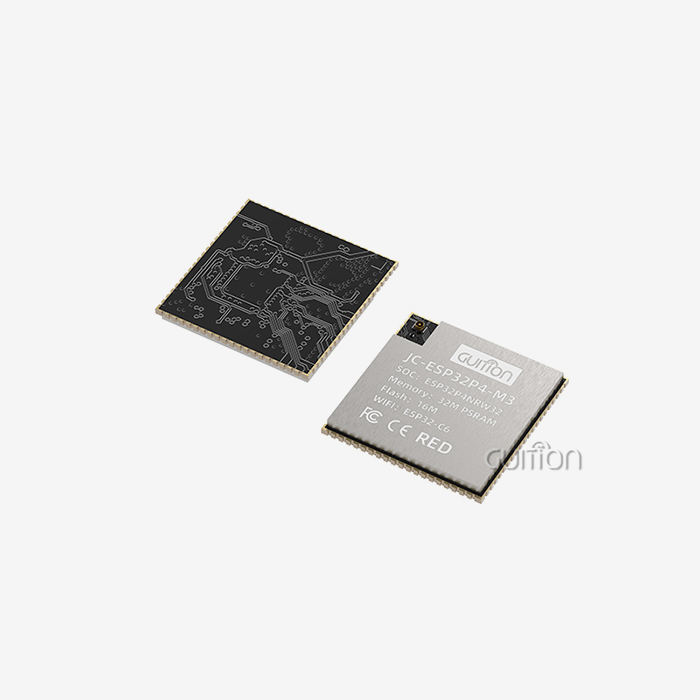
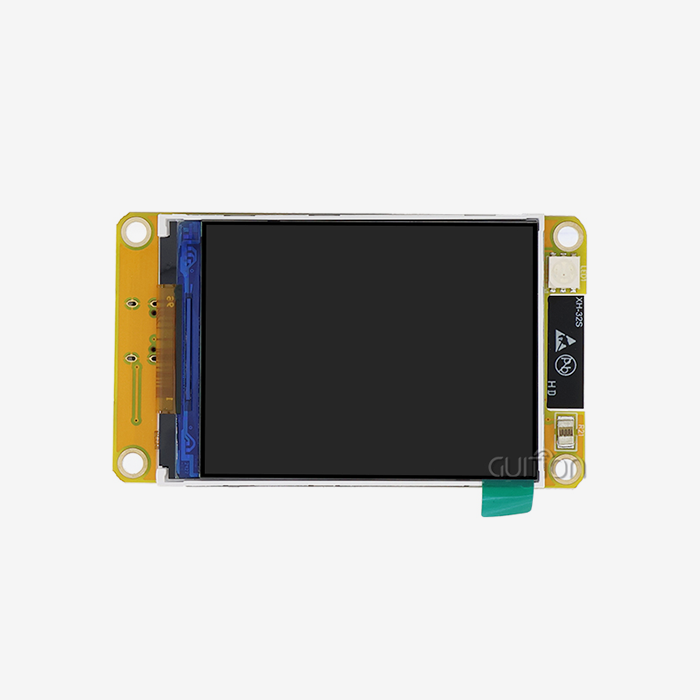
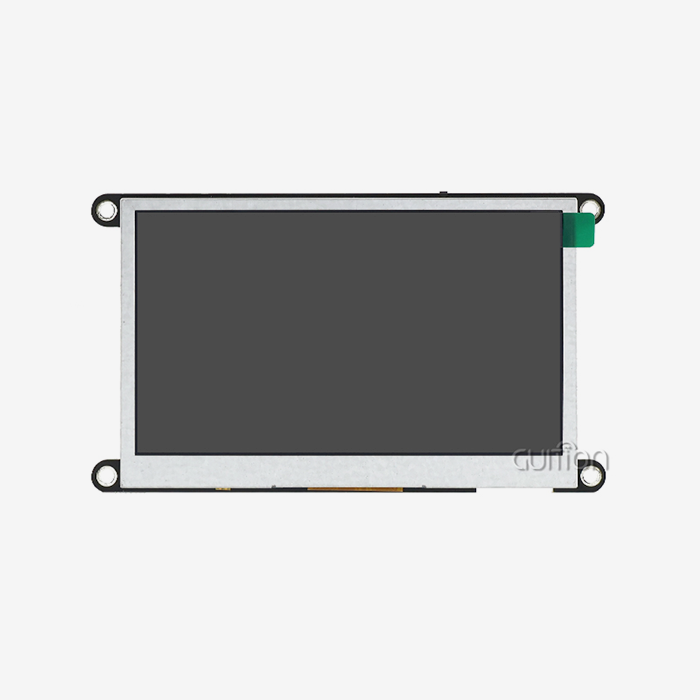
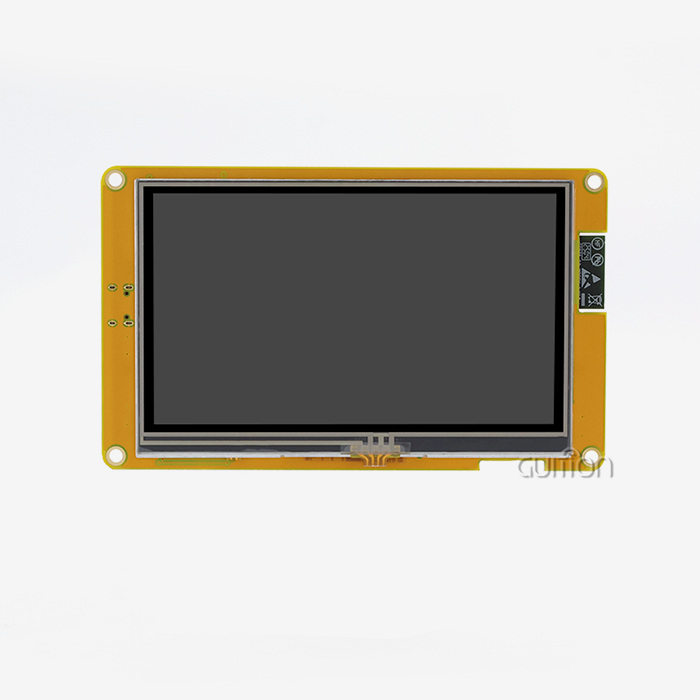
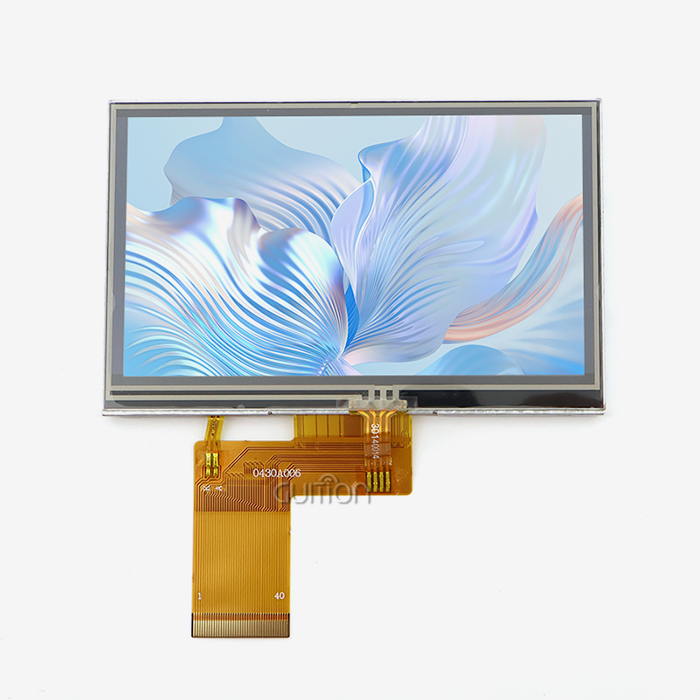
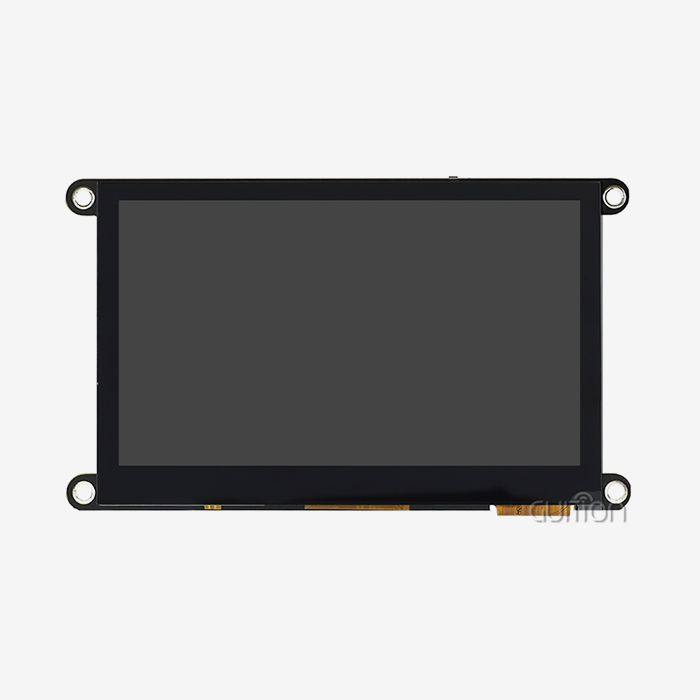
When product managers and embedded engineers ask how modern display solutions can change their HMI projects, the answer lies in knowing what makes modern hardware unique. With a strong dual-core RISC-V processor running at 400MHz, native MIPI-DSI support for high-resolution screens, and built-in hardware acceleration for graphics rendering, the ESP32 P4 display module makes user interfaces better. Traditional microcontroller-based displays have frame rate problems and respond slowly. This combination gets rid of those problems, allowing smooth touch interactions and real-time data visualization that users expect from modern smart devices in medical, industrial, and consumer electronics settings.

Understanding the ESP32 P4 Display Module: Features and Technical Insights
These days, integrated projects need more than just the ability to show information. When working on industrial control panels or medical tracking equipment, teams need performance that is strong and won't break down when things get busy.
Core Architecture and Processing Power
Your computer's processing design is the base of any good show option. The JC-ESP32P4-M3-C6 module from Guition is based on the ESP32-P4 core and has a 400MHz dual-core RISC-V processor. This processing muscle can do complicated calculations while using little power, which is very important for battery-powered devices or systems that want to save energy. The design can handle up to 32MB of PSRAM, which is a lot of memory for buffering high-resolution framebuffers and handling multiple UI layers at the same time without slowing down the system. The specialized 2D Pixel Processing Accelerator in this module sets it apart from earlier versions. This piece of hardware takes care of visual tasks like layer blending, scaling, and rotation so the main CPU parts don't have to do them. Engineers working on projects that use animated interfaces or real-time data overlays notice right away that the changes are faster, the CPU isn't as busy, and they can use their processing power for application logic instead of showing images.
Display Interface Capabilities
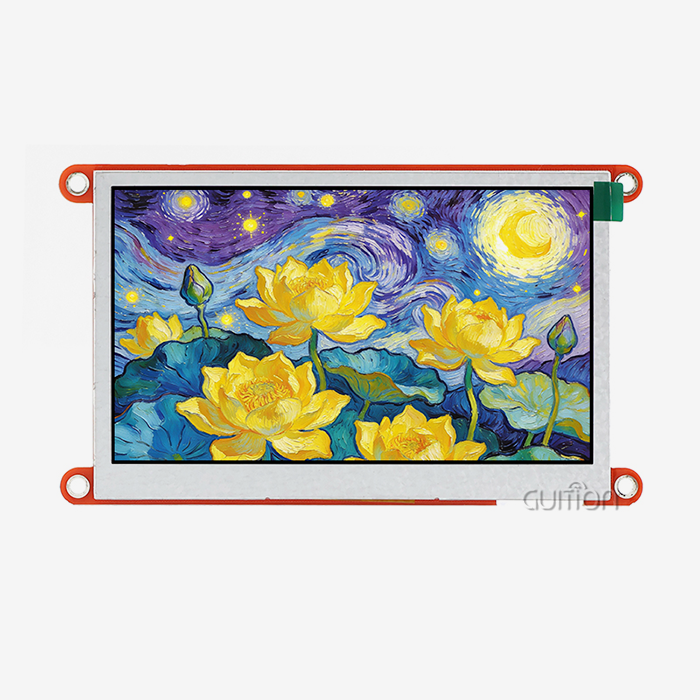
Embedded displays from the past used SPI or parallel 8-bit connections, which limited the bandwidth needed to drive current high-resolution screens. Native MIPI-DSI support, a serial link made just for display apps, helps the module get around this problem. This interface can handle images of up to 1280×800 pixels and frame rates of 60 frames per second, giving users the smooth visual experience they expect from high-end consumer electronics. In addition to MIPI-DSI, the module also supports MIPI-CSI and has an Image Signal Processor built in. This feature opens up options for projects that need to include cameras, like quality check sites or video intercom systems. The H.264 encoding feature adds to the usefulness by letting video streaming apps work without the need for extra encoding gear.
Connectivity and Ecosystem Integration
The JC-ESP32P4-M3-C6 type has an ESP32-C6 partner chip built in, which makes it possible to connect to Wi-Fi 6 and Bluetooth 5. This two-chip method splits jobs like managing wireless communications from managing displays and computations, which makes the system more stable and uses less power. This design is good for companies that make smart home controllers or Internet of Things gateways because it lets multiple devices join wirelessly at the same time while the main processor handles interface rendering and application code. It has a lot of different interfaces, such as SPI, I2C, UART, I2S, ADC, LED PWM, MCPWM, RMT, TWAI, and USB OTG 2.0 HS. With so many ways to connect, you don't need as many extra interface converter chips, which makes designing boards easier and lowers the cost of the bill of materials. System builders like this integration because it makes it easier to create goods with a lot of different sensor inputs or actuator controls.
Enhancing User Interfaces with the ESP32 P4 Display Module
The specs of the hardware don't tell the whole story. How a display option changes the user experience and the speed of creation is what really matters.
Visual Performance and Responsiveness
Interfaces let users engage with them by showing them input and letting them touch them. When you touch a touchscreen and the screen responds slowly, it makes the touchscreen seem less reliable. Because it has hardware acceleration and an improved display pipeline, the ESP32 P4 display module gets rid of this gap. The 2D PPA updates the screen in milliseconds, giving users the instant visual input they expect from current touch screens. Color depth and contrast ratios have a direct effect on reading, especially in places like factories where lighting is bad. The module works with display screens that show colors accurately, which makes important data on dashboards and control surfaces easier to see. When medical device makers switched from older display technologies to P4-based modules, clinicians were happier, especially when diagnostic patterns or vital signs of a patient were shown.
Simplified Development Workflow
Market competition is often based on how long it takes to develop something. This is something that Guition takes into account with its own interface creation tools, which work perfectly with ESP32-based modules. Designers can place controls, change layouts, and see previews of interfaces in the software's visual editor, which lets them do all of this without having to write low-level graphics code. With this method, development times for most HMI projects are cut from weeks to days. The platform works with many programming environments, like Arduino IDE and ESP-IDF, so it can be used by teams with different tastes and codebases that are already in place. Cross-platform debugging lets engineers try code on a variety of hardware setups without having to physically switch devices. This cuts down on the time it takes to make changes and finds compatibility problems early in the development process.
Real-World Application Performance
Manufacturers of smart homes that use centralized control screens have seen gains that can be measured after switching to P4-based displays. A home automation supervisor was in charge of the lights, HVAC, and security systems in one case. Animations and multitouch movements didn't work well on the old SPI-based monitor. When the system switched to a module that supported MIPI-DSI, touch response latency dropped by 60%, and it was able to handle changes to the user interface at the same time while keeping network interactions going without any frame drops. There are different problems that come up in industrial technology settings. A company that makes factory equipment put the display system into machine control panels that are open to electromagnetic interference and changes in temperature. The module can handle temperatures from -40°C to +85°C and handles errors well, so it worked reliably even when other options had display problems from time to time. Managers of production lines saw fewer mistakes made by operators because the feedback from the interface was better and responded faster.
Procurement Considerations for ESP32 P4 Display Modules
Choosing where to get materials has effects on the success of a project that go beyond the cost of the materials themselves. To make sure long-term supply reliability and expert help, procurement teams have to look at a lot of different factors.
Supplier Selection and Quality Assurance
To find reliable providers, you need to look at their track records and licenses. In the market for display modules, Jingcai Intelligence does business as Guition and blends manufacturing skills with technical support, offering both hardware and an ecosystem of development tools. When you buy gear and software from the same company, you don't have to worry about compatibility issues or support separation. Quality control includes more than just making things; it also includes things like paperwork and expert tools. Full datasheets, reference designs, and application notes speed up the approval process for engineers and cut down on the cost of design changes. Before committing to large orders, procurement teams should make sure that sellers offer thorough technical documentation and quick access to engineering support lines.
Pricing Structures and Volume Strategies
The price per unit changes based on the number of items ordered, but smart buying looks at the total cost of ownership. When a lot of development time or a lot of technical support calls cancel out the initial savings, lower component prices don't matter as much. Guition's ESP32 P4 display module comes with access to the interface development software platform, so it's like getting programming tools and hardware in one package. This method cuts down on the different program licensing fees that some other methods need. There are usually tier breaks at amounts that are important for production plans in volume pricing. When making something, production runs can be as long as thousands of units. Setting clear number agreements with suppliers can often get you better prices and sure allocation during shortages of parts, which was very important during recent supply chain breakdowns.
Technical Support and Long-Term Availability
Product lifecycles in medicine and industry usually last between five and ten years. Mid-life component obsolescence leads to costly rethink work and regulatory renewal. Suppliers who are committed to long-term supply give roadmaps that show how long the product is expected to last. According to Espressif, the ESP32 line has been supported for many generations, with P4 being the most recent development rather than a major update.
Why Choose the ESP32 P4 Display Module? A Rational Decision-Making Approach
To choose display hardware, you have to weigh the technical skills against the needs of the project and your funds. The module has strong benefits for several different choice factors.
Technical Differentiation and Competitive Positioning
The module is the only thing that fits in between cheap microcontroller screens and pricey Linux-based systems. Traditional MCU screens don't have enough processing power for complicated interfaces, and Linux systems make development harder, take longer to finish, and require more power. The P4-based system starts up in milliseconds, uses a small amount of power compared to Linux platforms, and lets developers use known embedded toolchains without having to change the Linux kernel.
More and more people are worried about how vulnerable devices are, so the module has built-in security features. Secure boot and encrypted software changes are made possible by the built-in digital signature peripheral and specialized key management unit. More and more attacks can be made on IoT devices and related industrial equipment. Hardware-based security offers more defense layers than software-only methods.
Scalability and Future-Proofing
Interface parts from different types in the same product family are often shared. Because the module's edges are flexible, it can be set up in different ways without having to remake the hardware. A company might use the same core board for low-cost models with resistive touch and SPI displays, mid-range models with capacitive touch and parallel RGB connections, and high-end models with MIPI-DSI screens and built-in cameras. This flexibility cuts down on tech work and keeps the supply chain consistent. Support for Wi-Fi 6 and Bluetooth 5 puts goods in line with new guidelines for connecting to the internet. Existing infrastructure still mostly uses Wi-Fi 5, but Wi-Fi 6 is becoming more popular in business and industry. Devices that are launching today that support Wi-Fi 6 won't become obsolete as network infrastructure improves, so they will remain relevant in the market longer without having to update their hardware.
Integration Efficiency and Time-to-Market
When the market puts pressure on development processes, they shorten. This problem is solved by the hardware features and Guition's creation tools working together. The visual interface maker lets industrial designers work on the look of the user interface while embedded engineers build the code of the application. With the drag-and-drop controls and WYSIWYG preview, you don't have to go through the iteration loops that come with writing code by hand for graphical displays. Support after launch for the esp32p4 display module is changed by the ability to update remotely. Changes to firmware don't have to be sent by techs; instead, development teams can send changes over wireless links. This feature lowers help costs and lets you quickly respond to problems in the field or calls for new features, which keeps the product competitive throughout its lifecycle.
Future Trends and Innovations in ESP32 Display Technologies
The world of embedded displays is always changing because of user standards that are shaped by how common smartphones are and corporate needs for edge computing capabilities.
Edge AI and Computational Displays
Inference from machine learning is moving from cloud computers to edge devices more and more. The RISC-V architecture in P4 has AI features that make neural network processes run more efficiently. Face recognition, gesture control, and predictive analytics will all work locally on display units that have these features built in, without the need for cloud connection. Smart building managers could look at local occupancy trends and make changes to the building's controls in real time, while avoiding cloud-transmitted video streams to protect privacy.
Higher Resolution and Enhanced Graphics
Expectations for screen quality keep going up. 800×480 resolution used to be good enough for most embedded apps, but now 1280×800 resolution and better are expected on both professional and consumer goods. products built on the P4 design are ready for this change because it supports the memory bandwidth and processing needs of these screens. Features that speed up graphics make sure that performance stays smooth even as the number of pixels grows.
Ecosystem Expansion and Tool Maturity
Community comments and vendor funding help development tools get better over time. The ESP32 environment is helped by a strong developer community and Espressif's ongoing work to improve the platform. Later versions may support more graphics libraries, have more reference designs, and have better tools for testing. Guition's development platform is regularly updated with new features that solve common development problems, take into account user comments, and add to control libraries.
Conclusion
The ESP32 P4 display module is a turning point in the development of embedded HMI. It offers processing power and graphics features that were previously only available on expensive application processors in a small, low-cost package. Its dual-core RISC-V design, built-in graphics acceleration, and native MIPI-DSI support get rid of the speed problems that plagued earlier embedded display solutions. When combined with Guition's programming platform, the answer shortens the time it takes to build something while making the interface more complex. This technology offers a good mix of performance, power efficiency, and development accessibility that is useful for projects in industrial automation, medical devices, smart home systems, and business equipment.
FAQ
Does the module support both resistive and capacitive touch screens?
Standard methods, such as I2C or SPI, let the hardware talk to touch devices. The module works with both resistive and capacitive touch devices that talk to it through these ports. The choice is based on the touch controller IC that was chosen for the design, not on the limitations of the module. When it comes to multi-touch apps, capacitive touch works better, but resistive touch is better in tough settings or when users wear gloves.
What resolution displays perform optimally with this hardware?
Through the MIPI-DSI interface, the module can drive images of up to 1280×800 pixels at 60 frames per second. Resolution and interface complexity need to be balanced for optimal efficiency. 1024×600 is a great resolution for apps that need to show a lot of information at once. It also keeps animations running smoothly. For projects that want to be as responsive as possible, 800×480 might be a good resolution. This gives the processor more room for program code.
How does power consumption compare to Linux-based display solutions?
Power use depends on the size of the screen and how bright the backlight needs to be, but the module itself uses a lot less power than Linux computers. The ESP32-P4 core's normal operating current ranges from 100 to 200mA, based on how much work it has to do. This is lower than the 400 to 800mA range for similar Linux SOMs. The low-power RISC-V core can handle simple jobs and tracking sensors while the main cores stay in sleep mode. This means that in portable applications, the battery life is three to five times longer than on Linux systems that are always on.
Partner with Guition for Your Next-Generation Display Solution
Guition provides full HMI solutions that include the JC-ESP32P4-M3-C6 hardware and professional development tools that are meant to cut down on your time to market. As a company that makes ESP32 P4 display modules, we use a vertically integrated method that guarantees compatibility, thorough documentation, and quick technical help throughout the entire development cycle of your product. The Guition development platform gets rid of the need for complicated low-level code, so your team can focus on making applications stand out instead of developing display drivers. Our solutions give your project the speed, reliability, and development efficiency it needs, whether you're making smart home goods, medical devices, or industrial control systems. Email our engineering team at david@guition.com to talk about your unique needs and to ask for test units to make sure the technology works for your purpose. Find out why top OEMs choose Guition as their ESP32 P4 display module source that is dedicated to long-term partnerships and technical success.
References
1. Espressif Systems. "ESP32-P4 Technical Reference Manual: High-Performance RISC-V Microcontroller for Display and Multimedia Applications." Espressif Documentation Library, 2023.
2. Zhang, Wei and Liu, Ming. "Comparative Analysis of Embedded Display Interfaces: MIPI-DSI versus Legacy Parallel and SPI Protocols in Industrial HMI Applications." Journal of Embedded Systems Engineering, Vol. 18, No. 3, 2023, pp. 147-162.
3. International Engineering Consortium. "Human-Machine Interface Design Principles for Industrial Automation: Performance Metrics and User Experience Optimization." IEC White Paper Series, 2024.
4. Roberts, David. "Edge Computing Display Solutions: Bridging the Gap Between Microcontrollers and Application Processors in IoT Devices." Embedded Computing Design Magazine, March 2024, pp. 34-41.
5. Patel, Anjali and Chen, Thomas. "Security Considerations in Connected Display Systems: Hardware-Based Protection Mechanisms for IoT Endpoints." IEEE Transactions on Industrial Electronics, Vol. 71, No. 2, 2024, pp. 1823-1835.
6. Global Market Insights. "Embedded Display Module Market Analysis: Technology Trends, Application Segmentation, and Growth Forecasts 2024-2030." Market Research Report, January 2024.
Learn about our latest products and discounts through SMS or email