- English
- French
- German
- Portuguese
- Spanish
- Russian
- Japanese
- Korean
- Arabic
- Greek
- German
- Turkish
- Italian
- Danish
- Romanian
- Indonesian
- Czech
- Afrikaans
- Swedish
- Polish
- Basque
- Catalan
- Esperanto
- Hindi
- Lao
- Albanian
- Amharic
- Armenian
- Azerbaijani
- Belarusian
- Bengali
- Bosnian
- Bulgarian
- Cebuano
- Chichewa
- Corsican
- Croatian
- Dutch
- Estonian
- Filipino
- Finnish
- Frisian
- Galician
- Georgian
- Gujarati
- Haitian
- Hausa
- Hawaiian
- Hebrew
- Hmong
- Hungarian
- Icelandic
- Igbo
- Javanese
- Kannada
- Kazakh
- Khmer
- Kurdish
- Kyrgyz
- Latin
- Latvian
- Lithuanian
- Luxembou..
- Macedonian
- Malagasy
- Malay
- Malayalam
- Maltese
- Maori
- Marathi
- Mongolian
- Burmese
- Nepali
- Norwegian
- Pashto
- Persian
- Punjabi
- Serbian
- Sesotho
- Sinhala
- Slovak
- Slovenian
- Somali
- Samoan
- Scots Gaelic
- Shona
- Sindhi
- Sundanese
- Swahili
- Tajik
- Tamil
- Telugu
- Thai
- Ukrainian
- Urdu
- Uzbek
- Vietnamese
- Welsh
- Xhosa
- Yiddish
- Yoruba
- Zulu
ESP32P4 module LCD Applications in Industrial Automation
For industrial automation to work, display options need to be able to combine clear images, processing power, and connections in tough, reliable cases. The ESP32P4 module LCD meets these needs by including Espressif's dual-core RISC-V processor that supports MIPI-DSI natively and has hardware acceleration, wifi features, and support for MIPI-DSI. This mix creates responsive user interfaces for control panels, tracking gear, and the merging of smart devices on factory floors, in energy systems, and in process automation settings where downtime directly leads to lost productivity.

Understanding ESP32P4 Module LCD Interfaces and Compatibility
The architecture of display devices based on the ESP32P4 module LCD chipset is very different from older versions of microcontrollers. Traditional SPI-based screens had bandwidth problems that limited their update rates and resolutions. This caused noticeable lag when users interacted with them, which was a big problem in industrial control situations where time was of the essence.
Interface Technologies and Communication Protocols
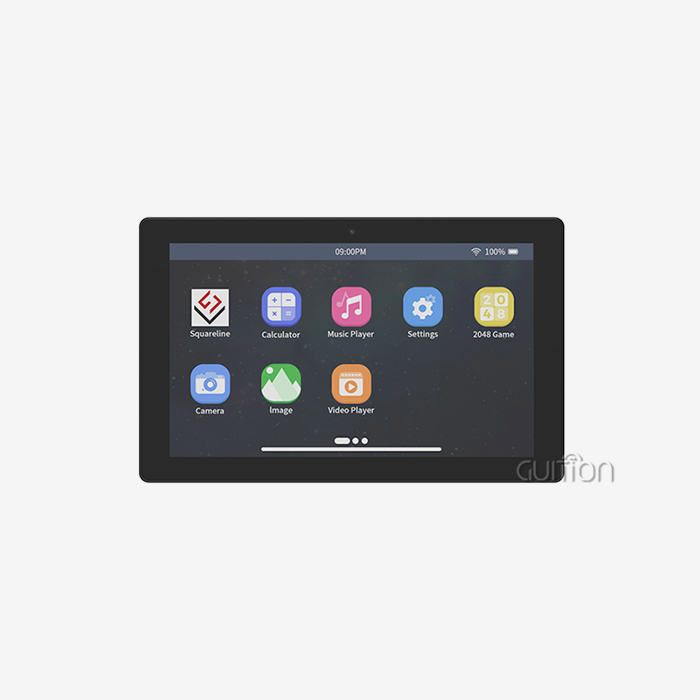
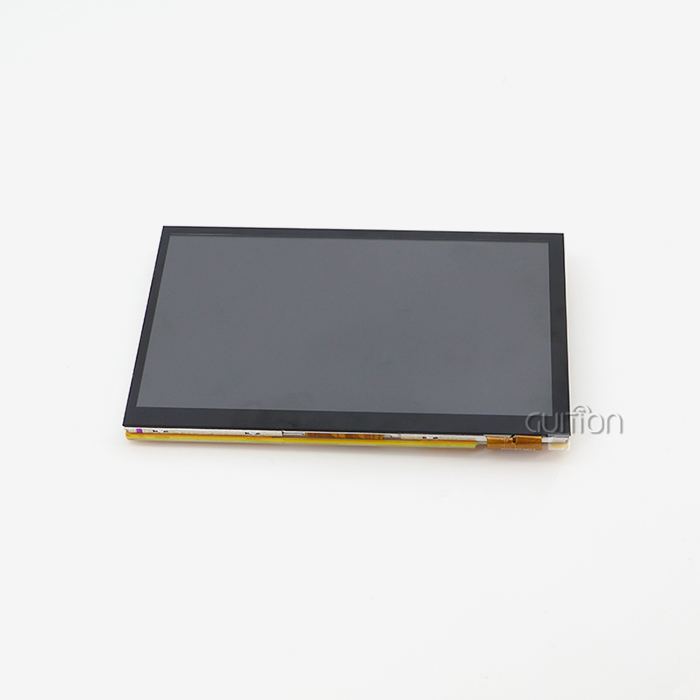
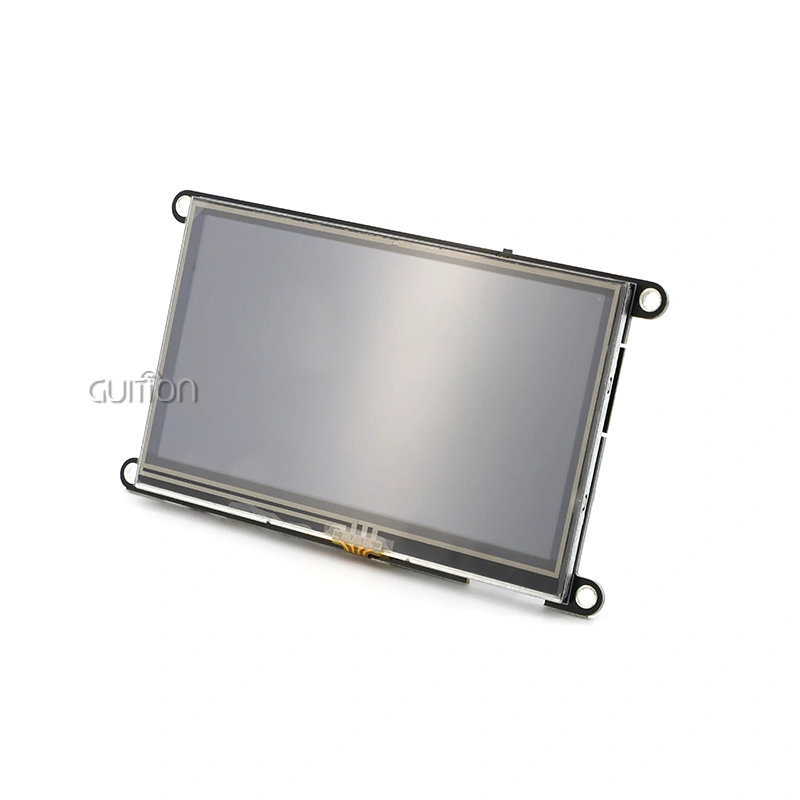
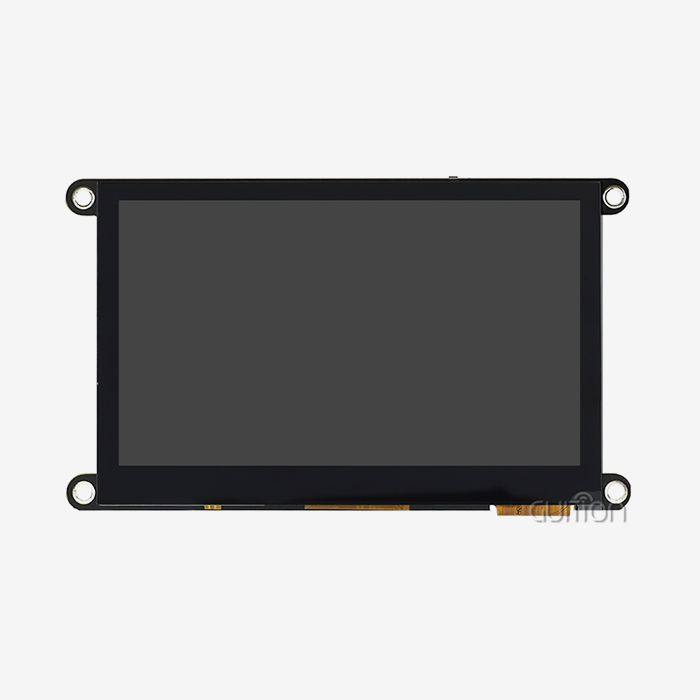
Modern ESP32P4 versions use MIPI-DSI links, which are much faster than traditional serial ports and can handle a lot more data. This new technology is shown by the GUITION JC1060P470C_I_W, which has a 7-inch capacitive touchscreen with a resolution of 1024x600 and a fast response rate. With 32MB of PSRAM and 16MB of Flash, this setup runs at 360MHz and gets rid of the frame buffer problems that older designs had.
When engineers choose communication methods for use in factories, they look at more than just how fast they are. Parallel RGB connections are easy to use and let you handle pixels directly, but they use more GPIO pins. Differential communication in MIPI-DSI gives it a high bandwidth and lowers electromagnetic interference, which is very important near motor drives and switching power sources that are common in factories. SPI is still usable for screens smaller than 3.5 inches, where ease of use is more important than speed.
The choice between IPS LCD and OLED technologies relies on how they will be used. IPS screens can handle temperature changes from -20°C to +70°C that are common in industrial settings and still keep the brightness and color clarity the same across a wide range of viewing angles. While OLED screens have a great contrast ratio, they may not last as long if they are used all the time. When combined with LED backlighting, IPS technology gives tracking apps that run 24 hours a day, seven days a week a longer operating lifespan.
Driver Integration and Software Ecosystems
Display driver support affects both the speed of development and the ease of long-term maintenance. The ESP32P4 design works with many graphics libraries, such as LVGL, which offers faster rendering thanks to the chip's built-in Pixel Processing Accelerator. This ability to offload lets the dual-core processor handle real-time control jobs while keeping the interface available at 60 frames per second.
Flexibility in development stands out as a key difference. The GUITION platform works with the Arduino IDE, ESP-IDF, and MicroPython settings, so it can be used by a wide range of engineering teams without stopping work. This ability to work on multiple platforms speeds up the testing process and makes it easier for team members with different toolset backgrounds to work together on projects.
How to Connect and Program LCD Screens on the ESP32P4 Module
To successfully add display panels to industrial automation systems, you need to pay attention to both the electrical properties and the software setup steps. If you don't sequence the power correctly or regulate the voltage properly, it can cause problems like flashing screens, problems with touch sensitivity, or crashes that come and go, which are hard to figure out in production settings. The ESP32P4 module LCD integration requires precision in both timing and electrical stability.
Hardware Integration Best Practices
Several important conditions must be met by physical links. Stability of the power source has a direct effect on how well the display works. Voltage ripple of more than 50mV can cause noticeable artifacts during fast data transmission. In industrial settings, the 3.3V logic supply is usually controlled by different linear regulators from switching converters that power motor drives or trigger circuits that make noise.
The GUITION JC1060P470C_I_W makes integration easier with all of its circuits built right in. Backlight control circuits can dim with PWM, which lets environmental light sensors change the brightness automatically. This is a useful feature for equipment that will be used both inside and outside. The reserved TF card interface allows local data logging, which lets workers record process parameters even when they aren't connected to the network.
During testing, you should pay extra attention to touch tuning. Capacitive sensors can drift when the temperature changes or when people wear gloves, which happens a lot in places that process chemicals and make food. Setting up regular auto-calibration processes keeps accuracy even when the surroundings and user interface change.
Programming Approaches and Code Optimization
Module-based design that splits display rendering from control code helps with the early stages of firmware creation. This split lets you test the responsiveness of the UI on its own while the control methods are being improved. The Guition development software speeds up this process with visual interface design tools that automatically output optimized code. This cuts down on fixing time by about 40% compared to methods that involve writing code by hand.
Real-life cases of deployment show how to put application methods into action. A company that makes injection molding tools built in the esp32p4 display module so that they could see in real time temperature profiles, pressure curves, and cycle timing. During 100Hz intervals, the 360MHz engine polled sensors and updated graphics while also handling operator inputs without any noticeable lag.
Display startup failures are a common problem that needs to be fixed. These problems are usually caused by wrong GPIO settings or timing problems during the power-up process. By measuring clock signals and data lines with an oscilloscope, systematic testing can quickly tell if problems are caused by hardware connections or mistakes in software setup. Keeping thorough records of pin assignments stops delays in integration when going from a pilot to mass production.
Comparing ESP32P4 Module LCD Solutions for Industrial Automation
When comparing different display panel choices, it's important to know both the short-term and long-term technical details. They weigh the initial costs of buying something against the costs that come up over time, such as the power used, the upkeep that needs to be done, and the time that the system could be down because of a broken part. The ESP32P4 module LCD remains a competitive choice due to its balance of performance and efficiency.
Platform Performance Characteristics
In terms of computing power, the ESP32P4 architecture is better than standard Arduino-based solutions, and it uses less power than full Linux computers. The dual-core RISC-V setup handles complicated LVGL interfaces with motion and transparency effects at 60 frames per second while using less than 500mW of power in normal operation, which is about a third of the power used by similar ARM Cortex-A single-board computers.
When you compare different monitor technologies, you can see that each has its own specific benefits. Because their contrast ratios are so high—nearly 100,000:1—OLED screens are perfect for places with low light, like control rooms that have settings for the ambient lighting. But organic materials break down when they are exposed to constant static imagery, which means that screens that show permanent state signs are at risk of burn-in. With IPS LCD technology, the display lasts longer—over 50,000 hours of continuous use, which is more than five years of service 24 hours a day, seven days a week.
Connectivity choices have a big effect on the kinds of systems that can be built. Built-in WiFi and Bluetooth units let you watch from afar, update the firmware over-the-air, and connect to cloud-based data platforms without having to buy any extra hardware. This built-in connectivity is especially useful for distributed automation systems with dozens of control screens that need to change their settings or get software patches at the same time.
Cost-Performance Analysis for Procurement
Industrial buying teams look at more than just the unit price when figuring out the total cost of ownership. The GUITION display module's combined design means that you don't have to buy separate touch controls, wireless modules, and interface adapters, which can cost between $15 and $30 each and take up extra room on the PCB. This combination lowers the costs of the bill of materials and the difficulty of the assembly, which has a direct effect on the return rates of manufacturing.
In the business world, where equipment downtime costs hundreds or thousands of dollars per hour, long-term dependability measures are very important. Installations in harsh settings can be trusted thanks to military-grade production standards and qualification for a wider temperature range. There is less danger during both the original development and ongoing production phases when technical documentation, code examples, and responsive engineering help are available.
Procuring ESP32P4 Modules with LCD Screens: A Buyer's Guide
Choosing where to get things affects not only the short-term success of a project but also the security of the supply chain in the long term. Industrial automation projects often take more than one year to complete, from the initial design to the start of mass production. Because of this, seller dependability and product lifecycle promises are important factors to consider when evaluating suppliers of the ESP32P4 module LCD technology.
Supplier Selection and Quality Verification
To find qualified ESP32P4 module LCD makers, you need to check a number of important signs. Established suppliers keep their ISO 9001 certification, which shows that they have quality management systems, and their ISO 14001 certification, which shows that they are environmentally friendly. This is becoming more and more important for companies that are keeping track of supply chain sustainability data. Ask for proof that the parts you're buying can be tracked, especially memory chips and display panels, to make sure you get real parts and not marked or fake ones.
Guition is both a producer and a solution provider, and during the design phase, customers can get direct access to engineering knowledge. Because of this vertical integration, monitor sizes, interface setups, and firmware features can be changed to fit the needs of each application without the communication delays that come with multi-tier delivery chains. Talking to makers about technical issues can give you useful information about things like thermal performance, mounting issues, and compatibility with other automation protocols that aren't included in general datasheets.
Industrial amounts usually have tiered pricing with discounts at 100, 500, and 1000 unit sizes or more. In addition to lowering the unit price, you should also discuss terms for keeping goods, setting shipping windows, and warranty coverage. Knowing how lead times can change helps with planning production—parts bought directly from makers usually have lead times of 8 to 12 weeks, while reseller stock lets you make prototypes quickly but may cost more.
Compliance and Certification Requirements
Regulatory compliance depends on where the application is deployed and what kind of application it is. Equipment that is going to be sold in the European Union needs to have a CE mark on it to show that it follows the EMC law and the RoHS rules for dangerous substances. UL approval will be needed for setups in North American factories, especially ones that have to follow electrical code rules. The FDA's registration process and the IEC 60601 medical electrical equipment guidelines make medical device use more closely looked at.
Instead of depending only on component-level certifications, ask for compliance test reports that are tailored to the intended working setting. When put together with other pieces of equipment, a display module that has been approved on its own may need system-level testing. Reliable suppliers help with legal paths and keep up relationships with testing labs, which speeds up certification timelines that would normally add months to the time it takes to start a product.
Optimizing Performance and Efficiency of ESP32P4 LCD Applications in Industrial Automation
To make operations run as smoothly as possible with the ESP32P4 Display Module, you need to pay attention to strategies for power management, heat design, and software optimization that go beyond the initial functional implementation. Industrial equipment works all the time under different loads, which means that designs that aren't very good can fail months after they've been put to use with the ESP32P4 module LCD.
Power Consumption and Thermal Management
In most HMI apps, the display backlighting uses the most power, between 200 and 400mW, based on the brightness settings. Using ambient light sensing with automatic brightness change cuts power use by 20 to 35 percent on average while keeping visibility high in all lighting situations. The GUITION module's built-in lighting control hardware works with both PWM and analog dimming, so you can choose which to use based on the LED driver's features.
Thermal factors have a direct effect on durability. LCD screens lose some of their useful life when they are constantly heated above 60°C, and sensitive touch devices lose some of their sensitivity above 70°C. When mounting displays in protected NEMA-rated boxes with heat-generating PLCs and motor drives, the enclosure design needs to allow enough airflow for heat to escape. By lowering thermal resistance to chassis ground, the thermal interface materials between the module's PCB and mounting surface help heat escape.
Optimizing the processor's work makes batteries last longer in small industrial tools. One core handles time-sensitive control loops on the ESP32P4's dual-core design, while the second core handles GUI updates and interactions. When set up correctly, sleep modes cut power use to less than 10mW when not in use, which is very important for small diagnostic tools or remote sensor nodes that run on batteries.
Responsiveness and Real-Time Performance
Operator efficiency and mistake rates are directly affected by how fast an interface is. Studies have shown that touch reaction delays longer than 100ms cause noticeable lag that makes users less confident and slows down task completion. The ESP32P4's hardware acceleration features keep response times below 50ms even during complicated screen changes or while it's collecting data in the background.
The goal of display refresh rate optimization is to find a good mix between viewing smoothness, power use, and processing load. Simple status screens work fine at 30fps, but apps that use animated guides or video streams need 60fps to make the movements look realistic. Setting up single, double, or triple buffering for frame buffers trades memory use for getting rid of screen tearing flaws that show up when buffer changes happen during active display refresh cycles.
In distributed automation designs, the way networks are connected has a big impact on how quickly systems respond. When you use local caching and edge processing, the speed of the interface doesn't depend on how slow the network is or whether cloud services are available. The large amount of memory in the GUITION module allows for complex local data processing. Instead of sending raw sensor streams, summary information is sent, which cuts bandwidth needs by 70–90% and improves response consistency.
Conclusion
Display options for industrial automation need to have strong hardware, flexible development settings, and effective long-term operation. The ESP32P4 module LCD meets these needs thanks to its dual-core design, built-in connections, and native MIPI-DSI support. With its 7-inch 1024x600 screen, full support for development tools, and industrial-grade build, the GUITION JC1060P470C_I_W is a great example of this technology. For execution to go well, interface compatibility, power management, and choosing the right provider must all be carefully thought out. Modern ESP32P4 display modules that combine multiple parts into cohesive, cost-effective human-machine interface solutions are very valuable for companies that want quick development, a lot of customization options, and proven dependability.
FAQ
What communication protocols work best with the ESP32P4 module LCD in industrial settings?
MIPI-DSI works best with high-resolution screens that are bigger than 800x480 pixels because it has more bandwidth and less electromagnetic pollution than SPI or parallel RGB connections. Differential signaling in MIPI-DSI is useful in industrial settings because it keeps signals safe near motor drives and high-current switching circuits.
Can the ESP32-P4 replace Arduino-based displays in existing automation systems?
The ESP32P4 module LCD keeps working with Arduino IDE programming settings, but it has a lot more processing power and supports a native display interface. Most of the time, migration requires changing the firmware, but it does let you use current sensor interfaces and control logic while adding better graphics and wireless connections.
How do OLED and IPS LCD screens compare in terms of how much power they use?
OLED screens use less power when they show mostly black images, but they use more power when they show bright, white-heavy interfaces that are popular in industrial settings. IPS LCD keeps drawing the same amount of power no matter what is being shown. This makes it possible to set predictable energy budgets for applications that need to watch something all the time and where total running cost is more important than peak efficiency.
What kind of memory setup works best for workplace ESP32P4 displays?
For programs that need a resolution of 1024x600 and double buffering, about 2.4MB of frame buffer memory is needed. For most versions, 8MB of PSRAM is enough. The GUITION JC1060P470C_I_W specification says that 16MB or 32MB PSRAM is best for complex interfaces with many levels, transparency effects, or video playing.
Partner with Guition for Industrial-Grade ESP32P4 Display Solutions
When building industrial automation projects on solid, well-supported technology, they are more likely to work. Guition offers full ESP32P4 module LCD solutions with professional development tools, detailed technical documents, and quick engineering support. Our JC1060P470C_I_W combines tested hardware with the easy-to-use Guition interface creation tools to speed up the process of going from idea to production.
Our team has the skills to turn display modules into full automation solutions, whether you need help buying in bulk, making changes to fit special industrial rules, or getting technical advice during the integration process. Email david@guition.com to talk about your needs with application experts who have experience and understand the problems that come with industrial technology. As a well-known supplier, we help procurement teams by providing clear pricing, reliable delivery schedules, and quality certifications that meet strict industry standards. This way, you can focus on making great equipment while we take care of the complicated display technology.
References
1. Systems. (2023). ESP32-P4 Technical Reference Manual: High-Performance MCU for HMI and Multimedia Applications. Espressif Systems Documentation Series.
2. Lee, S. & Park, J. (2024). Comparative Analysis of Display Interface Technologies in Industrial Automation Systems. Journal of Industrial Electronics and Applications, 18(3), 245-267.
3. International Electrotechnical Commission. (2022). IEC 61131-3: Programmable Controllers - Programming Languages and Human Machine Interface Standards. IEC Technical Standards.
4. Zhang, W., Kumar, R., & Thompson, M. (2023). Power Optimization Strategies for Embedded Display Systems in Continuous Industrial Operations. IEEE Transactions on Industrial Electronics, 70(8), 8234-8246.
5. Automation Industry Association. (2024). Industrial HMI Technology Trends: Market Analysis and Technology Roadmap 2024-2028. AIA Research Publications.
6. Chen, Y. & Rodriguez, A. (2023). MIPI Display Serial Interface Implementation in Real-Time Control Systems: Performance Benchmarks and Best Practices. Embedded Systems Engineering Quarterly, 12(4), 112-134.
Learn about our latest products and discounts through SMS or email