- English
- French
- German
- Portuguese
- Spanish
- Russian
- Japanese
- Korean
- Arabic
- Greek
- German
- Turkish
- Italian
- Danish
- Romanian
- Indonesian
- Czech
- Afrikaans
- Swedish
- Polish
- Basque
- Catalan
- Esperanto
- Hindi
- Lao
- Albanian
- Amharic
- Armenian
- Azerbaijani
- Belarusian
- Bengali
- Bosnian
- Bulgarian
- Cebuano
- Chichewa
- Corsican
- Croatian
- Dutch
- Estonian
- Filipino
- Finnish
- Frisian
- Galician
- Georgian
- Gujarati
- Haitian
- Hausa
- Hawaiian
- Hebrew
- Hmong
- Hungarian
- Icelandic
- Igbo
- Javanese
- Kannada
- Kazakh
- Khmer
- Kurdish
- Kyrgyz
- Latin
- Latvian
- Lithuanian
- Luxembou..
- Macedonian
- Malagasy
- Malay
- Malayalam
- Maltese
- Maori
- Marathi
- Mongolian
- Burmese
- Nepali
- Norwegian
- Pashto
- Persian
- Punjabi
- Serbian
- Sesotho
- Sinhala
- Slovak
- Slovenian
- Somali
- Samoan
- Scots Gaelic
- Shona
- Sindhi
- Sundanese
- Swahili
- Tajik
- Tamil
- Telugu
- Thai
- Ukrainian
- Urdu
- Uzbek
- Vietnamese
- Welsh
- Xhosa
- Yiddish
- Yoruba
- Zulu
Liquid crystal display module Applications in Smart Home Systems
Liquid crystal display modules are now an important part of smart home technologies because they let people see how gadgets that are tied to each other work. These built-in modules include LCD screens, driver electronics, backlights, and control circuitry to create full display solutions that make it easy to use home automation systems. Modern display units offer great clarity, fast touch functionality, and energy-efficient operation in a wide range of smart home settings. As the market for smart homes grows quickly, it needs display options that balance speed, dependability, and cost-effectiveness. Display technology shapes the user experience, whether it's using touchscreens to control cooking tools or panels mounted on the wall to control the climate system. This detailed guide looks at how these important parts work together in smart home ecosystems and gives sourcing workers useful information for picking the best display options.


Understanding Liquid Crystal Display Modules and Their Technology
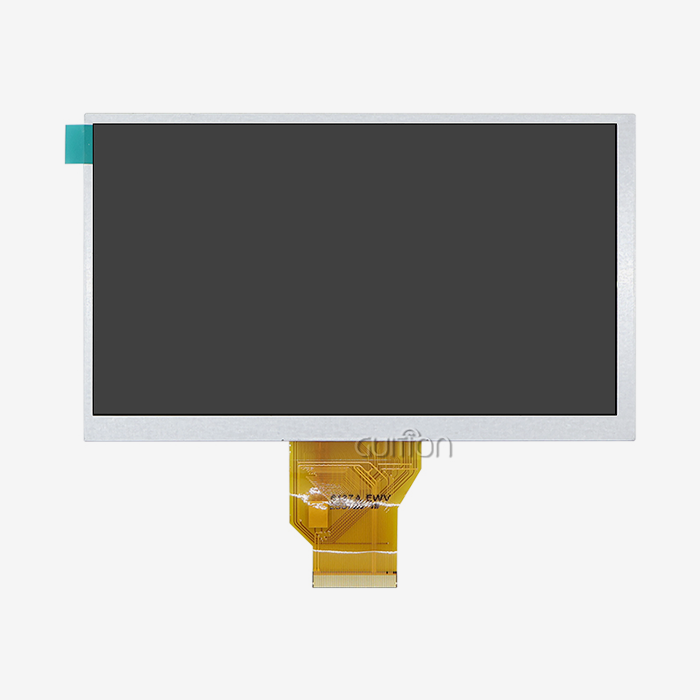
The structure of a liquid crystal display module includes more than just the screen that you can see. It also includes several important parts that work together. At its core is the liquid crystal cell, where molecules line up in reaction to electrical signals to change how light passes through. On both sides of the crystal layer are polarizing screens that control the direction of the light. The lighting unit provides the necessary illumination. Driver integrated circuits take digital data from host systems and turn it into exact analog voltages that tell pixels what to do.
Display Technology Categories for Smart Home Applications
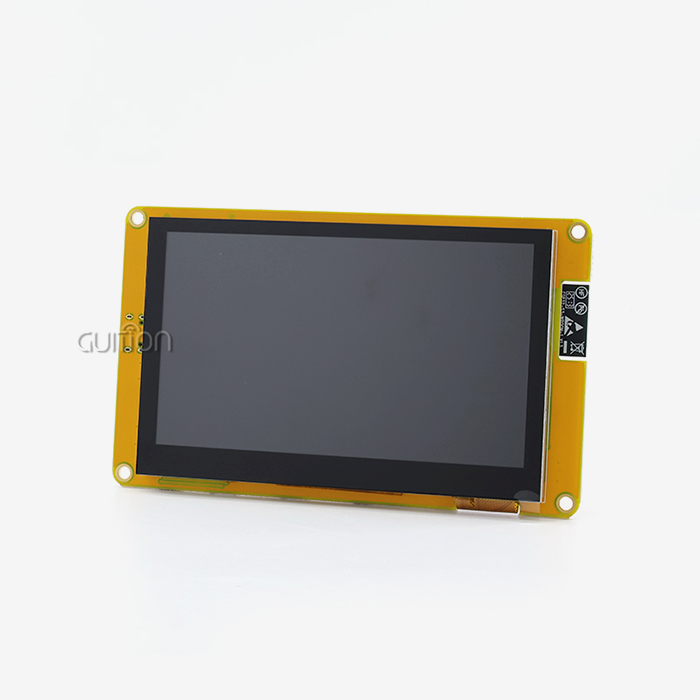
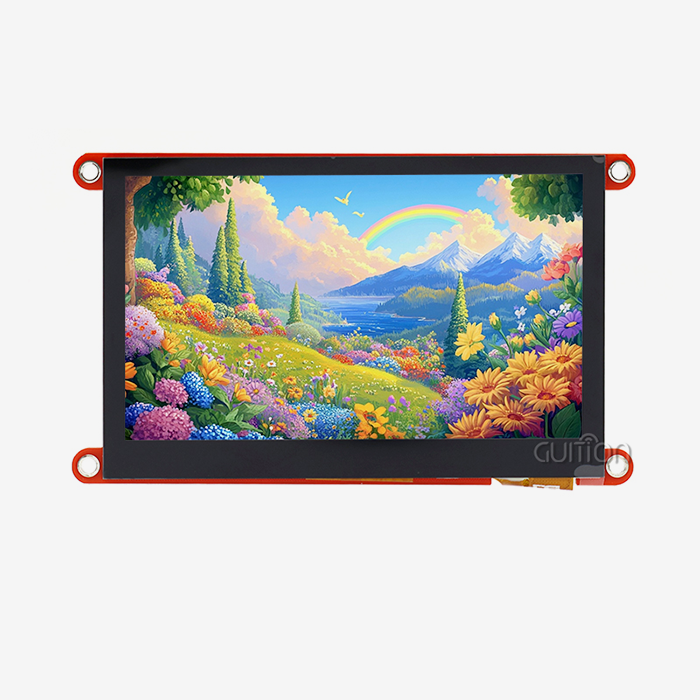
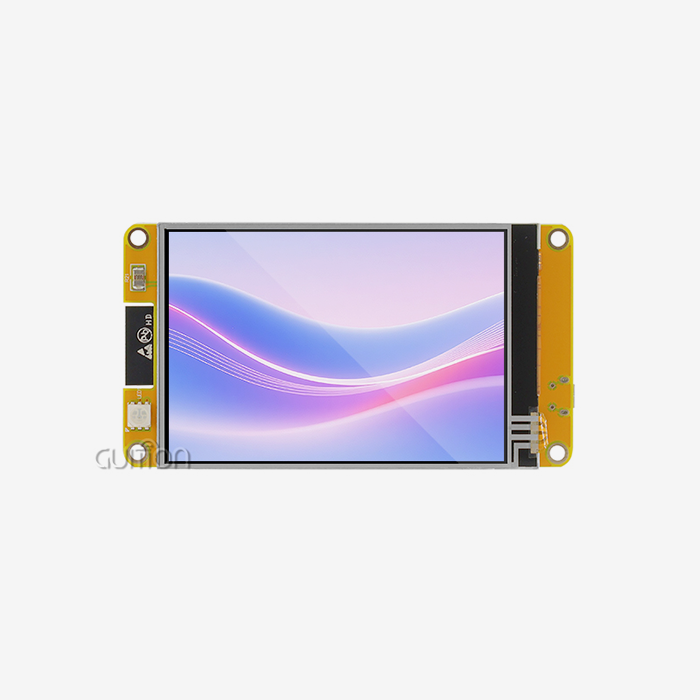
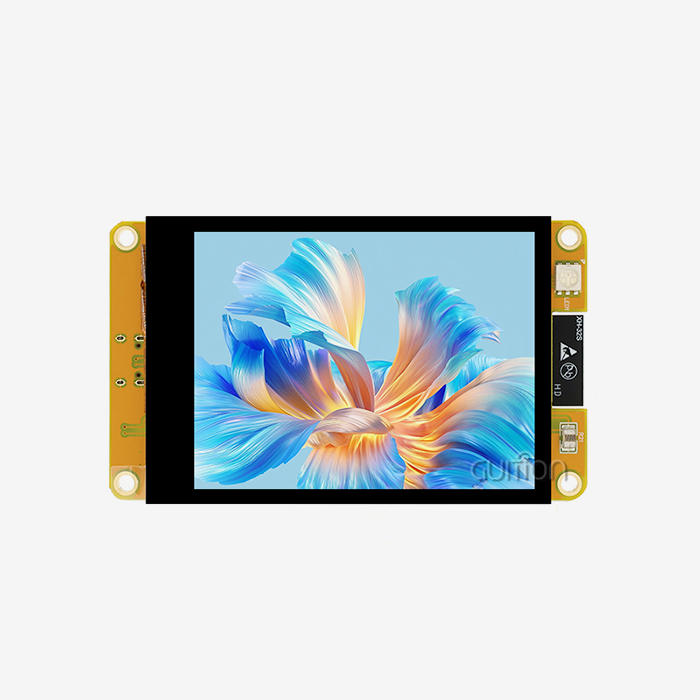
Color TFT screens are the most common type of monitor used in smart homes because they can show bright graphics. With a 5.0-inch IPS screen that offers 800x480 resolution and 16.7M color depth, the GUITION JC8048B050C_I is a great example of this type of screen. Product designers can use this level of visual accuracy to make interesting user interfaces that show information clearly and respond quickly to touch input. Monochrome segment and graphic displays are still useful for tasks that need simple number displays or progress signs. These options use less power and work reliably in a wide range of temperatures, so they can be used for monitors outside or battery-powered devices in smart home networks.
Advantages Over Competing Technologies
Display units that use liquid crystal technology have a lot of great benefits that make them so popular. Energy efficiency is very important. LCD technology needs much less power than self-emitting options. This means that batteries in portable devices last longer and always-on control screens cost less to run. Readability in ambient light makes sure that the interface can be seen in a range of lighting situations, from dark beds to kitchens with lots of sunlight. When making choices about buying, cost plays a big role. Even though OLED screens have better viewing angles and contrast ratios, they are not useful for many smart home uses because they are more expensive to make. LCD technology is great for mid-range goods that are meant to appeal to a wide range of consumers because it strikes the perfect mix between image quality and price.
Core Applications of LCD Modules in Smart Home Systems
Liquid crystal display modules make it easier for regular people to use complicated control systems in smart homes. The visual interface takes in abstract data streams and turns them into information that can be understood. It also accepts simple touch orders that control devices that are linked.
Home Automation Control Panels
Smart home systems that are all connected use central control panels as command centers. These gadgets combine the settings for your home's lighting, climate, security, and leisure systems into a single user interface. In this case, the display requirements focus on screen size that allows for comfortable watching from across rooms, touch sensitivity that consistently records commands, and interface designs that organize complicated functions in a way that makes sense. Modules like the JC8048B050C_I support an RGB interface that makes it easy to quickly update the screen, which is needed for showing real-time state information. Capacitive touch technology makes sure that interactions are quick; movements are registered correctly even when users are wearing light gloves or coming at the screen from different angles.
Smart Kitchen Appliances
More and more modern kitchen appliances have display screens that show users how to cook, show recipes, and change operating parameters. Touchscreen refrigerators let family members handle shopping lists, see what's inside without opening the doors, and set different temperatures on their own. Instead of knobs and switches, cooking ranges with display-enabled control screens have programmable interfaces that store cooking settings and give step-by-step directions. Because of the conditions in the kitchen, strong shock options are needed. Display units that can handle changes in temperature, humidity, and potential contact with liquids are needed in harsh environments. Operating temperature ranges from -20°C to +70°C make sure that the device works in a variety of installation settings.
Smart Lighting and Environmental Control Systems
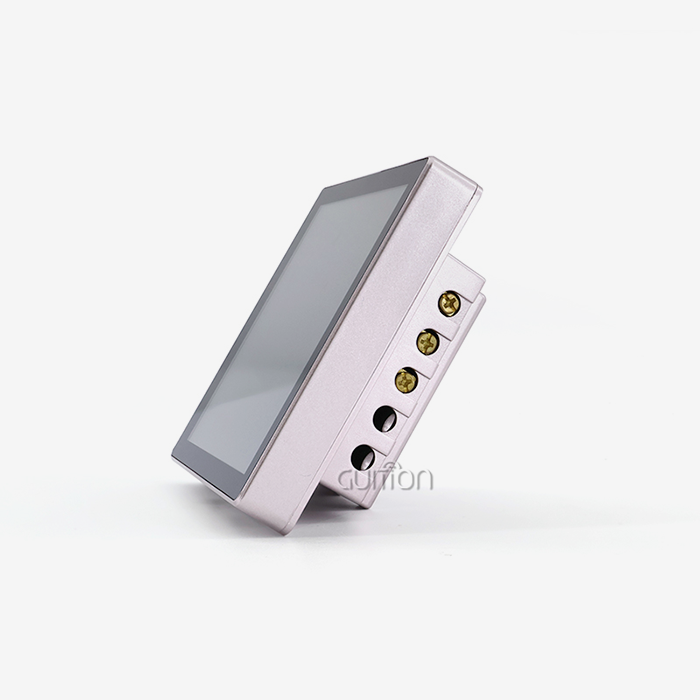
Wall-mounted lighting devices have changed over time from simple dimmers to complex systems that can control lighting levels, color temperature, and automatic schedules. Through virtual user interfaces, display modules let users see what the current settings are, see what lighting scenes will look like before they are activated, and set up time-based automation rules. LCD technology also makes it easier to read and more accurate for thermostat screens. At a glance, large, easy-to-read numbers show what the current temperature is, and touch screens let you change set points and scheduling settings. Energy monitoring tools show real-time info on how much energy is being used, so users can change how they use energy to save money on their electricity bills.
Case Study: Smart Home Hub Integration
A well-known company that makes smart home products just recently added the GUITION display gadget to their newest control hub. The 800x480 resolution gave the screen enough space to fit multiple device settings on a single interface without making the screen look crowded. Capacitive touch responded the way users expected it to after using a smartphone. The execution cut development time by a large amount. The drag-and-drop interface maker in the Guition software cut out weeks of writing UI code by hand. Over-the-air updates were possible thanks to built-in Wi-Fi. This let the maker improve performance after the product was shipped without the customer having to do anything. The project showed real cost savings compared to earlier solutions while also raising customer satisfaction scores for ease of use of the interface.
Selecting the Right LCD Module for Smart Home Procurement
When choosing liquid crystal display modules for smart home uses, procurement workers have to think about a lot of things. Systematic review across technical, commercial, and support factors makes sure that the best components are chosen in a way that meets the needs of the product and the goals of the business.
Defining Technical Requirements
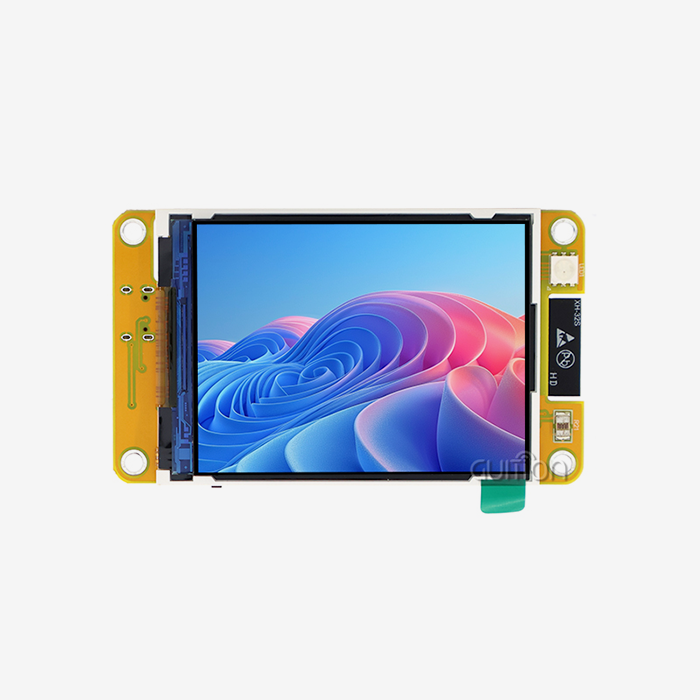
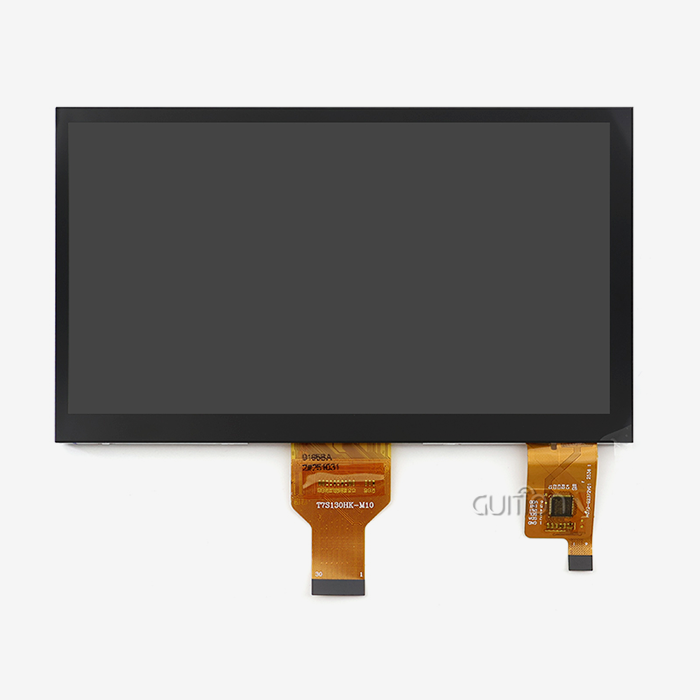
Picking the right screen size means weighing the need for sight against the room available for mounting and the total size of the product. The JC8048B050C_I is a 5.0-inch display that works with countertop devices and screens that are placed on the wall. Smaller 3.5-inch modules work with handheld controls. Resolution affects how flexible interface design can be. Higher pixel counts allow for more complicated layouts and detailed images, while lower resolutions are fine for simple status displays. Touch ability adds another level of choice. Capacitive touch is more expensive than resistive touch, but it responds like a smartphone and allows multi-touch motions. When physical buttons are enough to run a program, non-touch displays save money on parts.
Pay close attention to interface compatibility. While RGB connections make it easy to connect to most microcontrollers, they require more pins. Serial connections, like SPI, make wiring easier, especially in systems with limited area. It works with popular programming tools like Arduino and ESP-IDF frameworks thanks to the ST7265 driver IC that is built into the JC8048B050C_I.
Comparative Technology Analysis
TFT LCD panels are the most common type used in smart homes because they offer a good balance between price and function. Even though OLED screens have deeper blacks and wider viewing angles, they are only used in high-end goods because they are expensive and can burn in. E-Ink technology is useful for specific tasks that need very little power and reading similar to paper, but it doesn't have the color accuracy and update rates needed for interactive displays. Specifications for brightness are worth a close look. Indoor control panels usually need 250 to 400 nits of brightness, while devices placed near windows need 500 or more nits of brightness to keep their screens visible in direct sunlight. The GUITION module's IPS screen technology gives you a wide viewing angle, which is important for wall-mounted gadgets that you can see from different angles.
Supplier Evaluation Criteria
The selection of a supplier goes beyond the specifications of the parts they offer to include their help skills and the reliability of the business. Quality of documentation has a direct effect on how quickly and easily something is built. Full datasheets, integration guides, and software examples speed up prototyping and lower engineering risks. Quick responses from technical help are very important when trying to fix problems with integration or improve show performance. Recent shortages of parts in the technology industry around the world make supply chain security even more important. Production interruptions are kept to a minimum when suppliers show regular inventory availability and clear wait times. Long-term promises that a product will be available guard against having to rethink something when a part is no longer supported.
Customization and Volume Advantages
A lot of companies that make display modules offer customization services that are made to fit the needs of specific applications. It is best for fitting into product casings when the mechanical measurements, connector orientations, and interface configurations are all customized. Optical bonding services that attach touchscreens directly to LCD panels make them last longer and look better while also making them thinner overall. When there are supply limits, buying in bulk can unlock better pricing and priority allocation. By forming partnerships with capable display module providers, you can work together on product development, with suppliers contributing their display knowledge during the design stages.
Future Trends of LCD Modules in Smart Home Systems
Liquid crystal display modules keep moving forward in a lot of different directions at the same time. This is because smartphones have changed people's standards and the market needs cost-effective innovations.
Energy Efficiency Improvements
Next-generation lighting methods for parallel lcd display use less electricity without lowering the brightness. LED optimization methods make lights work better, which means that batteries last longer in portable controls and costs go down in always-powered devices. Dynamic backlight control algorithms change the brightness based on sensors that measure the surrounding light and the material being shown. This uses even less energy.
Enhanced Touch Technologies
Capacitive touch detection is getting smarter and better at recognizing multiple touches and gestures. Touch can be detected by more advanced controls through thicker cover glass, which lets stronger mechanical designs be made. Adding haptic feedback makes touch orders feel more solid, which boosts user trust in how the interface works.
IoT Integration Capabilities
More and more, display modules include connectivity functions that used to be handled by different host computers. System design is easier to understand and lessens the number of parts needed when WIFI and Bluetooth units are built in, like those found in Guition development systems. With remote firmware update capabilities, makers can add new features and security fixes to products at any time, without the customers having to do anything.
Procurement Strategy Recommendations
Strategic buying choices are based on technology roadmaps. When choosing show partners, procurement teams should look at how suppliers are advancing innovation and the communities of development tools. Modules that work with multiple development systems, like Arduino, ESP-IDF, and custom frameworks, give you options as your product needs change. Cross-platform debugging speeds up development, which cuts down on the time it takes to get new goods and feature changes to market. Long-term competitive advantages come from keeping ties with suppliers who consistently invest in development tools. This method is shown by the Guition software platform, which has a drag-and-drop interface, a lot of control tools, and support for multiple languages. These features make UI development easier for engineering teams with different levels of skill.
Conclusion
Liquid crystal display modules are important parts of smart home control systems that let people interact with them. Their placement in control panels, tools, and tracking gear affects how users feel and helps products stand out in crowded markets. Professionals in procurement have to weigh technical requirements like resolution, touch capabilities, and interface compatibility against business factors such as cost, customization options, and source dependability. The GUITION JC8048B050C_I is a modern display solution that combines 800x480 resolution, capacitive touch response, and support for the development environment that makes product development go faster. Manufacturers can make new smart home goods that meet changing customer needs by working with strategic suppliers and keeping an eye on new technologies.
FAQ
What factors determine the best screen size for control panels for smart homes?
The size of the screen you choose relies on how far away you want to see it, how much information you need, and how much mounting room you have. Wall-mounted panels usually have 5- to 7-inch screens that are easy to see from across rooms, while small controls might have 3.5- to 4.3-inch screens that are both portable and easy to use. Modules with a resolution of 800x480, like the JC8048B050C_I, have enough pixels per inch for complex interactions on 5-inch screens.
When it comes to smart homes, how do LCD modules and OLED modules compare?
LCD technology is more cost-effective and lasts longer, making it a good choice for always-on control panels. OLED has better contrast ratios and wider viewing angles, but it costs a lot more than other screens, which might not fit with a mid-market product. For most smart home uses, LCD panels are the best choice because they balance visual clarity with the cost of production.
Can display parts be changed to fit the needs of a certain product?
Manufacturers let you change a lot of things, like the technical measurements, where the connectors go, and how the interface is set up. Touch-enabled apps last longer when optical connection services are used. Drag-and-drop design tools on the Guition development platform let you change the interface, so you can make product-specific user experiences without having to do a lot of internal code.
Partner with a Trusted Display Module Supplier
Display options for smart home goods need to be able to combine technical ability with development efficiency. Guition offers a wide range of liquid crystal display modules and easy-to-use development tools that turn interface design from a coding problem into a chance to be creative. Our JC8048B050C_I module gives your goods the graphic clarity, touch responsiveness, and connectivity they need. The Guition platform speeds up development with drag-and-drop design, cross-platform debugging, and support for multiple languages. Email our engineering team at david@guition.com to talk about your unique needs and ask for technical documents. As a well-known company that makes smart home products for brands around the world, we offer consistent quality, dependable supply lines, and technical support that turns buying displays from a problem into a competitive advantage.
References
1. Chen, W., & Roberts, K. (2022). Human-Machine Interface Design for Smart Home Systems. Technology Press International.
2. Harrison, D. T. (2023). Display Technologies in IoT Applications: A Procurement Guide. Industrial Electronics Publishing.
3. Martinez, L., & Singh, R. (2021). LCD Module Integration in Consumer Electronics. Applied Display Research Institute.
4. Peterson, J. A. (2023). Smart Home Interface Design: Best Practices and Case Studies. Connected Systems Publications.
5. Thompson, H. M., & Wu, X. (2022). Touchscreen Technologies for Home Automation. Journal of Electronic Interfaces, 18(4), 287-304.
6. Williams, S. F. (2023). Supply Chain Strategies for Electronic Component Procurement. Manufacturing Excellence Press.
Learn about our latest products and discounts through SMS or email