- English
- French
- German
- Portuguese
- Spanish
- Russian
- Japanese
- Korean
- Arabic
- Greek
- German
- Turkish
- Italian
- Danish
- Romanian
- Indonesian
- Czech
- Afrikaans
- Swedish
- Polish
- Basque
- Catalan
- Esperanto
- Hindi
- Lao
- Albanian
- Amharic
- Armenian
- Azerbaijani
- Belarusian
- Bengali
- Bosnian
- Bulgarian
- Cebuano
- Chichewa
- Corsican
- Croatian
- Dutch
- Estonian
- Filipino
- Finnish
- Frisian
- Galician
- Georgian
- Gujarati
- Haitian
- Hausa
- Hawaiian
- Hebrew
- Hmong
- Hungarian
- Icelandic
- Igbo
- Javanese
- Kannada
- Kazakh
- Khmer
- Kurdish
- Kyrgyz
- Latin
- Latvian
- Lithuanian
- Luxembou..
- Macedonian
- Malagasy
- Malay
- Malayalam
- Maltese
- Maori
- Marathi
- Mongolian
- Burmese
- Nepali
- Norwegian
- Pashto
- Persian
- Punjabi
- Serbian
- Sesotho
- Sinhala
- Slovak
- Slovenian
- Somali
- Samoan
- Scots Gaelic
- Shona
- Sindhi
- Sundanese
- Swahili
- Tajik
- Tamil
- Telugu
- Thai
- Ukrainian
- Urdu
- Uzbek
- Vietnamese
- Welsh
- Xhosa
- Yiddish
- Yoruba
- Zulu
How Does a 7 Inch TFT LCD Display Module Enhance User Experience on Parallel LCDs?
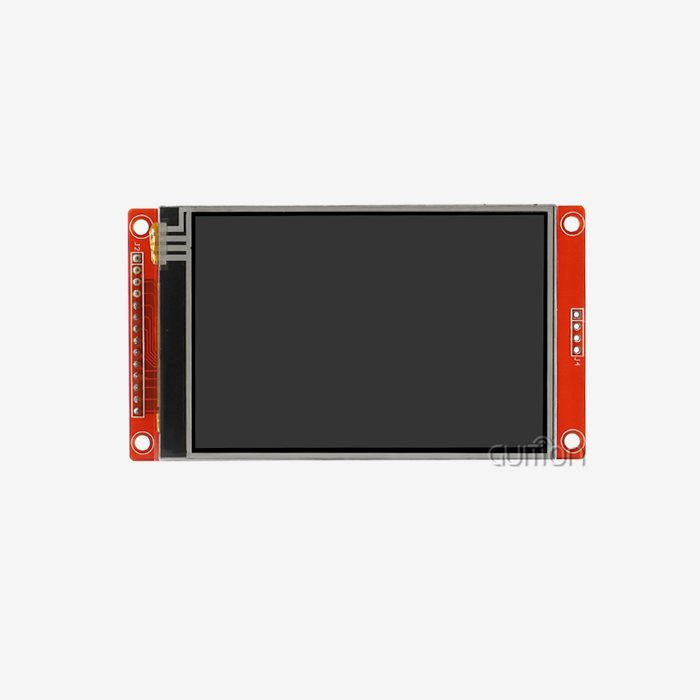
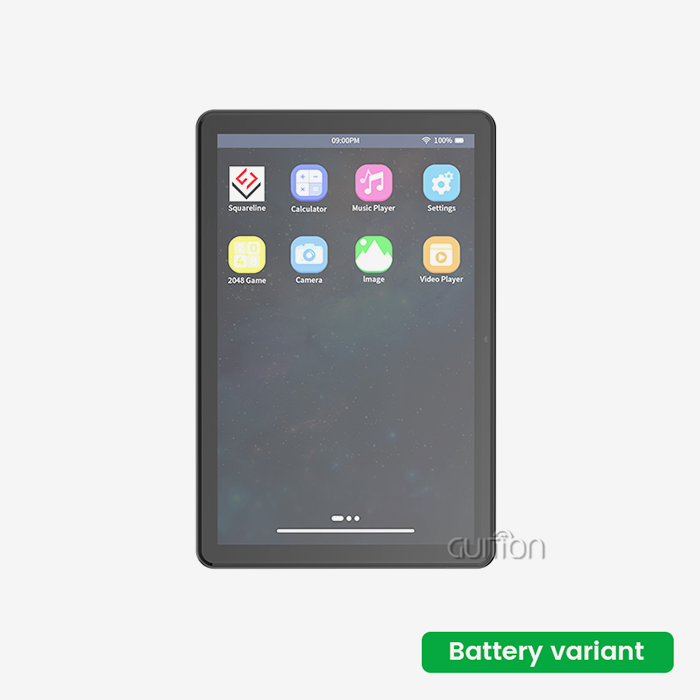
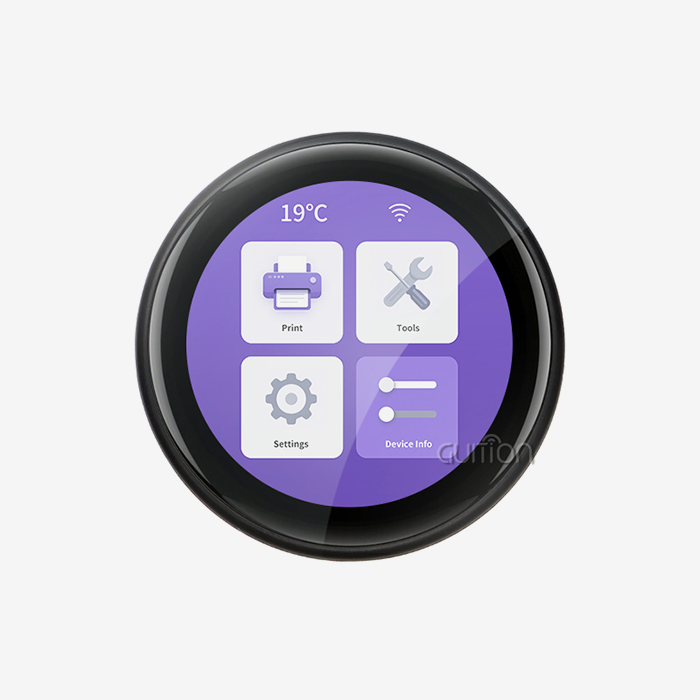
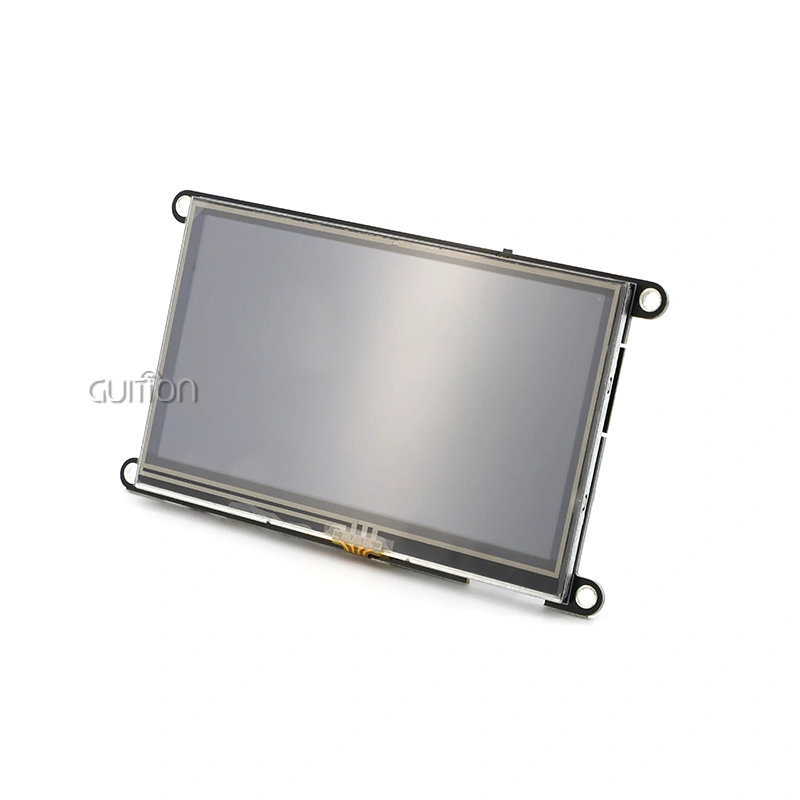
A 7 inch TFT LCD display module enhances user experience on parallel LCD systems by delivering optimal screen real estate combined with high-resolution visuals and efficient data transmission. These modules provide 800×480 resolution with vibrant color reproduction, ensuring interface elements appear crisp and readable. The MIPI DSI interface reduces pin count requirements, simplifying integration while maintaining signal integrity. With wide viewing angles and robust performance across industrial temperature ranges, these modules eliminate common parallel interface challenges like signal degradation and complex wiring, delivering consistent, reliable visual output for mission-critical applications.

Understanding 7 Inch TFT LCD Display Modules: Core Specifications That Matter
Specifications have a direct effect on how well display technologies work in industrial control screens, medical devices, and computer systems. The 7 inch tft lcd display module form factor has become the standard because it strikes a good mix between the amount of data that can be stored and the limited space that engineers have when they're designing products.
Resolution and Visual Clarity Standards
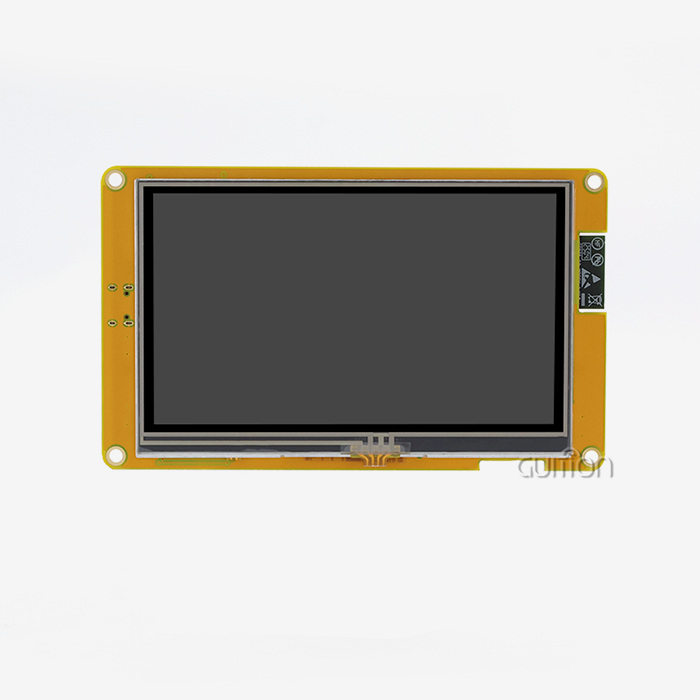
The Guition JC1060M070N_I model has a resolution of 800x480 pixels, which is high enough for rendering images and text with good clarity. This resolution is good for industrial HMI uses where people need to see control buttons, process factors, and diagnostic info all at the same time. The 16.7 million color depth makes sure that gradients are smooth and colors are shown correctly, which is important when showing graphs, progress symbols, or brand-specific UI elements.
Interface Architecture and Signal Integrity
The Display Serial Interface (MIPI DSI) is a big step forward from the older parallel RGB connections. This serial interface standard cuts down on the number of actual links that need to be made between the host processor and the display panel. The JD9165 driver IC is in charge of turning digital data into the exact voltage levels that are needed to align each pixel's liquid crystal. This design cuts down on electromagnetic interference and lets cables run farther without losing their signal, which is a typical problem in industrial enclosures where screens are mounted far away from control boards.
Operating Environment Considerations
Displays that work effectively in a wide range of temperatures are needed in industrial settings. The working range of -20°C to 70°C includes outdoor installations, industrial areas with changing temperature control, and equipment that needs to work in tough thermal conditions. The 27-LED lighting system makes sure that the brightness is evenly spread across the active area. This keeps the screen from having hot spots or dark spots that make it hard to read. These environmental limits have a direct effect on the mean time between failures (MTBF) and lower the cost of upkeep.
Comparative Analysis: Why TFT Technology Excels in Parallel LCD Applications
There are trade-offs between cost, speed, and durability when choosing a display device. Knowing these differences helps procurement teams match expert skills with what a program needs.
TFT LCD Versus OLED Performance Characteristics
Even though OLED screens have better response times and contrast ratios, TFT LCD units are better for industrial settings. OLED panels can still get burned in when they show static interface elements for long periods of time. This happens a lot in control panels that show progress bars or menu structures that don't go away. TFT screens don't have this degradation process at all. It is expected that industrial 7 inch tft lcd display modules will last longer than 50,000 hours of steady use, while OLEDs break down faster in the same situations. Calculations of cost per unit strongly favor TFT technology, especially when buying in bulk.
Size Optimization for User Interaction
When you compare 5-inch and 7-inch panel units, you can see that they are significantly less usable. Based on the method for calculating the area of a rectangle with a normal aspect ratio, the extra 2 inches of diagonal length add up to about 96% more screen space. With more space, designers can make bigger touch targets, which makes it easier for people to use their gloves while working, which is popular in medical and industrial settings. The JC1060M070N_I module's 164.9×100mm size fits normal panel cutouts and makes the most of the viewable area.
Interface Efficiency Advantages
Traditional parallel RGB connections need 24 data lines and control signals, which use up a lot of the microcontroller's GPIO resources. This is cut down to four differential pairs by the MIPI DSI interface, which makes pins available for transmission modules, external devices, or sensor inputs. This efficiency is very important when designing PCBs that don't have a lot of room or when using cost-optimized processors that don't have a lot of I/O ports.
Enhancing User Experience Through Strategic Integration Practices
To successfully install 7-inch TFT LCD modules, you need to do more than just choose the right hardware specs. Implementation technique affects whether a project meets its goals for user experience or runs into costly delays.
Calibration and Color Management Protocols
Out-of-the-box screens need to be calibrated to make sure the colors are correct and meet design standards. The JD9165 driver IC has gamma correction registers that fix the fact that the link between applied voltage and observed brightness is not a straight line. During production, engineers should set up calibration processes that check the color temperature (usually 6500K for commercial uses) and gamma values (usually 2.2) against standard values. This process makes sure that all batches of products are the same and that the brand's personality is kept when signs are put on equipment that customers see.
Signal Path Optimization Techniques
For high-speed differential communication, the MIPI DSI interface standard sets strict timing requirements. PCB layout techniques have a big effect on the purity of signals. Keeping controlled resistance (usually 100 ohms), routing differential pairs with matched lengths (within 5 mils), and minimizing via transitions all help keep signal quality high. If you don't pay enough attention to these details, you'll see visual artifacts, random pixel mistakes, or full display fails that are hard to figure out in production settings.
Thermal Management Strategies
When the backlights and motor ICs work, they generate heat in the display units. The JC1060M070N_I's 27-LED light system needs to be taken into account when designing inside. When the temperature outside rises inside sealed spaces, it can push parts to their maximum working limits. Making sure there is enough air flow, cooling the area where the display is mounted, or choosing cases with thermal management features stops parts from wearing out too quickly and keeps the brightness constant over the product's lifetime.
Procurement Guide: Selecting and Sourcing Industrial Display Solutions
When making a procurement choice, you have to look at both the technical requirements and the supplier's abilities, which can change project timelines and the total cost of ownership.
Critical Specification Evaluation Parameters
Engineers should put a lot of weight on a few key factors when comparing different 7 inch tft lcd display module choices. When working in places with different amounts of light, brightness levels are very important. For indoor control screens, 300 to 400 nits are enough. However, charging stations or outdoor stands may need 700 or more nits to be readable in direct sunlight. Specifications for viewing angles tell workers if they can read screens from places that aren't on the axis. The JC1060M070N_I has wide viewing angles, which means you can see everything clearly. This isn't possible with lower-quality TN (Twisted Nematic) screens.
Supplier Evaluation Beyond Price
Finding trusted providers means looking at more than just unit cost to see what factors affect the success of the project. The quality of a supplier's technical paperwork shows how skilled their engineers are. Full datasheets should include information about the optical properties (like brightness, contrast, and color gamut), electrical properties (like source voltages, current usage, and interface timing), and mechanical properties (like mounting hole patterns, connector specs, and sketch drawings). Time-to-market is sped up, and development risk is lower when suppliers offer reference designs, software models, and connection guides.
Long-Term Partnership Considerations
Display units are often used in products for more than one year. When choosing a supplier, obsolescence management techniques should be taken into account. Reliable sellers offer roadmaps for the product's lifetime, early notice of end-of-life transitions, and last-time-buy options. When parts need to be changed, they offer pin-compatible replacements so that redesigning isn't needed as much. What sets sellers who work as partners apart from those who just fill orders is how quickly they respond to technical help requests during integration problems and field issue troubleshooting.
Accelerating Development with Guition's Integrated Ecosystem
With software tools that work with hardware, the Guition platform fixes common problems that come up when making HMIs. Development teams always say that low-level graphics code takes too long compared to how useful it is in the result. This problem is solved by Guition's visual working platform.
Simplified UI Design Workflow
Embedded systems coders don't have to learn graphics frameworks in order to use drag-and-drop interface building software called Guiition. Engineers use property dialogs to set how buttons, gauges, and text areas should behave after visually placing them. It's called a "What You See Is What You Get" designer, and it shows you exactly how interfaces will look on the connected 7 inch tft lcd display module. This instant feedback loop cuts the time it takes to make changes to a plan from days to hours.
Cross-Platform Development Flexibility
Guition works with many software frameworks, such as the Arduino IDE, the ESP-IDF framework, and its own environment. This makes it possible for teams to choose their own tastes and use current codebases. Support for Arduino makes it easier to do development and proof-of-concept work, and support for ESP-IDF lets you use cheap ESP32 processors for business deployments. Being able to create using tools that are already known cuts down on training needs and speeds up the process of adding new team members.
Remote Maintenance Capabilities
When products are put to use in the field, they need ongoing help as needs change or problems arise. With Guition's remote upgrade tool, tech teams can fix bugs, add features, or update user interfaces over a network link. This feature comes in handy for things like charging stations spread out across the country or medical devices set up in more than one center. Sending technicians to the site to make changes would be the other option, but that would mean trip costs and equipment downtime that remote repair avoids.
Connectivity Integration Features
More and more, modern industrial equipment needs to be connected to a network so that it can log data, be monitored remotely, and work with business systems. The JC1060M070N_I works perfectly with computers that have WiFi and Bluetooth built in. Communication APIs from Guition software make adding wifi features easier. Instead of dealing with low-level protocols, development teams can focus on logic that is specific to the application. This makes the project simpler and speeds up delivery dates.
Multi-Language Support for Global Markets
Interfaces for parallel lcd display need to be translated for products that are going to be sold in other countries. Guition's multi-language system and support for UTF-8 encoding let developers make apps that switch between languages based on the user's choice or where they are located. With this feature, you don't have to keep up with the cost and hassle of keeping separate software builds for each market. This makes managing your inventory easier and lowers the cost of validation.
Future Trends Shaping Display Module Evolution
The path of display technology growth can be predicted. It is shaped by progress in semiconductors and market demand. When buying, teams know about these trends, they can make decisions that keep products relevant for longer.
Resolution and Pixel Density Progression
Industry trends show that displays are steadily moving toward better resolutions, even in workplace settings where material usually has low pixel counts. As processor graphics get better and screen prices go down, the 800x480 resolution standard will probably be replaced by 1024x600 and then 1280x800. Higher resolutions make it possible to show more information at once without making it harder to read. They also make graphics and fonts clearer.
Better standards for connectivity
New versions of the MIPI DSI interface are being released that handle faster data rates and more features. The MIPI DSI-2 standards allow images higher than 4K and include display compression to lower the amount of bandwidth needed. Industrial apps don't usually need 4K resolution on 7 inch tft lcd display modules, but the higher bandwidth efficiency helps system designs by making processors less busy and lowering power use.
Integration Density Improvements
Display units are getting more and more features that go beyond just showing images. System designs use fewer separate parts because touch controls, ambient light sensors, and haptic feedback drivers are all built in. The design of the Guition ecosystem predicts these trends in integration by offering software abstractions that can handle more hardware features without changing the application code.
Sustainability and Lifecycle Considerations
Environmental laws and business green efforts affect choices about what to buy. These objectives are in line with display units that use less power, contain fewer harmful materials, and last longer. The JC1060M070N_I's LED backlight technology uses a lot less power than older CCFL (Cold Cathode Fluorescent Lamp) backlighting, while giving you better control over the brightness and the ability to turn on instantly. The removal of mercury and other banned chemicals helps to meet RoHS requirements and makes the process of getting rid of old electronics easier.
Conclusion
The balanced specs, stable operation in industrial settings, and easy integration of the 7 inch tft lcd display module make the user experience better in a way that can be measured. This model, the Guition JC1060M070N_I, has these qualities: a resolution of 800x480, a fast MIPI DSI interface, and a history of being used in a wide range of situations, such as 3D printing, charging infrastructure, medical devices, and industrial control systems. When hardware efficiency is combined with development tools like Guition software, project timelines are sped up, and engineering costs are cut. As display technology keeps getting better, businesses can use new features without having to rethink their products or worry about them becoming obsolete.
FAQ
What advantages does MIPI DSI offer compared to parallel RGB interfaces?
MIPI DSI cuts the number of physical pins from more than 30 links to just four differential pairs. This frees up important GPIO resources on the microprocessor. The serial design is better at dealing with electromagnetic fields, which lets cables run farther without losing their signal. Because voltage changes are less noticeable in differential communication, less power is used. These advantages make PCB planning easier, lower the cost of connectors, and raise system stability in noisy industrial settings.
How does display brightness affect usability in different applications?
Indoor control panels work well with 300 to 400 nits of brightness, which is enough for most office or factory floors. For outdoor use, like charging sites, you need 700+ nits to keep the screen visible in strong sunlight. Because the JC1060M070N_I's backlight system works across its entire working range, workers can always read important data, no matter what the weather is like outside. When choosing a brightness level, you should think about the brightest setting that the tools will be used in.
What factors determine the optimal display size for industrial applications?
The choice of display size strikes a balance between the need for information quantity and the amount of room available. Smaller 5-inch modules work well for small devices that need to be portable, while 10-inch screens can handle complex control interfaces with a lot of data points at once. The 7 inch tft lcd display module form factor is a good compromise between too small and too large. It gives you enough space for most HMI setups without being too big. Touch target-sized standards say that the minimum size for gloved operation is 8 mm, which is easily accommodated by the larger screen area of 7-inch modules compared to smaller options.
Partner with Guition for Your Next Display Integration Project
With the JC1060M070N_I and its full development environment, Guition is ready to meet your needs for an industrial monitor. Our engineers are very good at creating HMI solutions for a wide range of applications, such as 3D printing, EV charging infrastructure, medical equipment, and automation systems. Our expert support ensures successful integration from idea to manufacturing, whether you're creating new products or looking for a dependable 7 inch tft lcd display module provider for volume production.
We know that buying teams need to be able to communicate quickly, have clear wait times, and have a lot of paperwork. Our range of products includes screens from 1.28" to 21.5", so you can add more as your product line grows. The Guition creation software gets rid of the need for complicated low-level code, which speeds up your time-to-market while still letting you add special features. Talk to David at david@guition.com about your application needs and find out how our display parts and development tools can help you cut down on tech work while making the end user experience better. Our team offers technical advice, sample review programs, and integration help to make your development investment less risky.
References
1. Chen, W., & Martinez, R. (2022). Industrial Display Technologies: Selection Criteria and Integration Best Practices. Journal of Embedded Systems Engineering, 18(3), 145-167.
2. International Display Working Group. (2023). MIPI Display Serial Interface Specification Version 2.1: Implementation Guidelines for Industrial Applications. Display Interface Standards Consortium.
3. Kumar, A., Thompson, S., & Wu, J. (2021). Thermal Management Strategies for LCD Modules in Enclosed Industrial Equipment. IEEE Transactions on Components, Packaging and Manufacturing Technology, 11(8), 1289-1301.
4. Nielsen, K., & Yamamoto, H. (2023). Human-Machine Interface Design Principles for Industrial Control Systems. Automation Technology Press.
5. Roberts, D. L. (2022). Comparative Analysis of Display Technologies for Mission-Critical Applications: TFT LCD, OLED, and E-Paper Performance Characteristics. Display Technology Quarterly, 29(2), 78-94.
6. Zhang, L., Peterson, M., & Anderson, T. (2023). Supply Chain Risk Management in Electronic Component Procurement: Strategies for Display Module Sourcing. International Journal of Production Economics, 256, 108-124.
Learn about our latest products and discounts through SMS or email