- English
- French
- German
- Portuguese
- Spanish
- Russian
- Japanese
- Korean
- Arabic
- Greek
- German
- Turkish
- Italian
- Danish
- Romanian
- Indonesian
- Czech
- Afrikaans
- Swedish
- Polish
- Basque
- Catalan
- Esperanto
- Hindi
- Lao
- Albanian
- Amharic
- Armenian
- Azerbaijani
- Belarusian
- Bengali
- Bosnian
- Bulgarian
- Cebuano
- Chichewa
- Corsican
- Croatian
- Dutch
- Estonian
- Filipino
- Finnish
- Frisian
- Galician
- Georgian
- Gujarati
- Haitian
- Hausa
- Hawaiian
- Hebrew
- Hmong
- Hungarian
- Icelandic
- Igbo
- Javanese
- Kannada
- Kazakh
- Khmer
- Kurdish
- Kyrgyz
- Latin
- Latvian
- Lithuanian
- Luxembou..
- Macedonian
- Malagasy
- Malay
- Malayalam
- Maltese
- Maori
- Marathi
- Mongolian
- Burmese
- Nepali
- Norwegian
- Pashto
- Persian
- Punjabi
- Serbian
- Sesotho
- Sinhala
- Slovak
- Slovenian
- Somali
- Samoan
- Scots Gaelic
- Shona
- Sindhi
- Sundanese
- Swahili
- Tajik
- Tamil
- Telugu
- Thai
- Ukrainian
- Urdu
- Uzbek
- Vietnamese
- Welsh
- Xhosa
- Yiddish
- Yoruba
- Zulu
Why Are 5.0 TFT LCD Screens Perfect for SPI LCD Display Applications?
When I first started working with embedded computers five years ago, it was hard to choose the right monitor. Even though the market was full of choices, it was still hard to find a solution that was good in terms of speed, cost, and how easy it was to integrate. 5.0 TFT LCD screens have become the best choice for engineers and product managers who want to make solid human-machine interfaces. These small screens have a clear 800x480 resolution and work well with SPI signaling, which makes them essential for use in medical devices, IoT apps, and industrial control panels. The 5-inch form factor is the best size for viewing without adding extra complexity. This is in contrast to larger screens that use more power or smaller screens that make it harder to read. This piece talks about why these displays are so popular with automation installers, embedded engineers, and R&D teams around the world. It focuses on the technical details, buying strategies, and real-life usage situations that mean most to people making decisions.

Understanding 5.0 TFT LCD Screens and Their Core Specifications
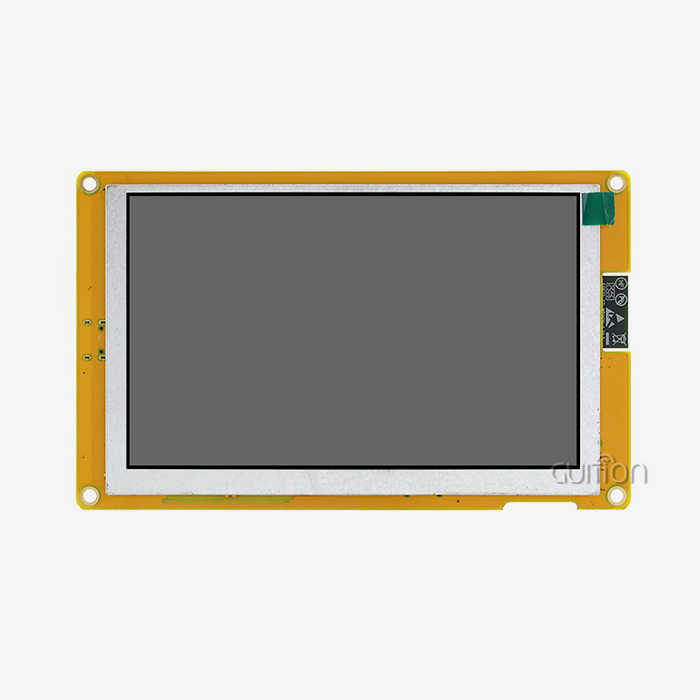
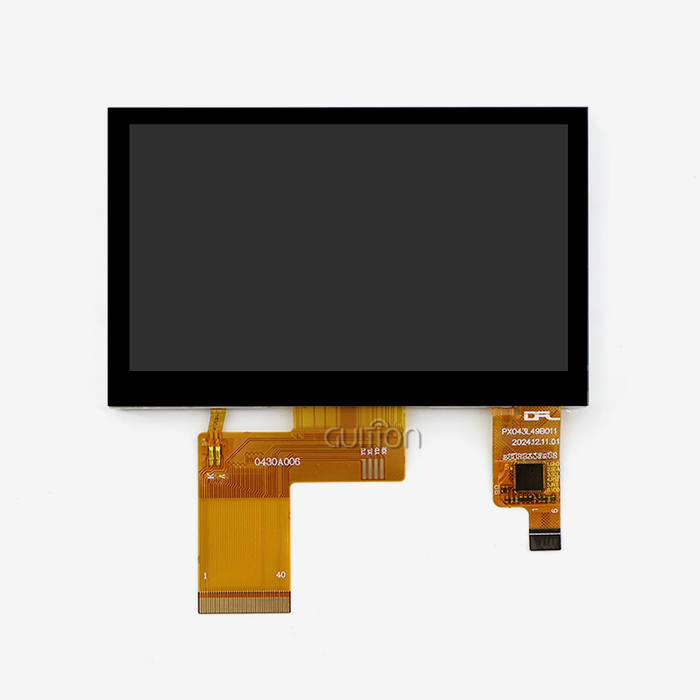
Thin Film Transistor design is the technical base of these screens. It lets each pixel work on its own to make images that are bright and clear. This technology is shown by our GUITION JC8048B050N_I module, which has an ST7265 driver chip that controls a 5.0 TFT LCD vertical screen with an 800x480 pixel resolution. The RGB interface supports 24-bit color depth, which makes it possible to display 16.7 million different colors accurately. This makes user interfaces come to life.
Resolution and Visual Performance
For modern industrial uses, sharpness is needed that older segmented screens can't provide. The 800x480 resolution gives you 166 pixels per inch, which means you can read text even when you're showing complicated technical diagrams or status posts with many lines. This resolution is just right—it's sharp enough for professional use but not too high that microcontrollers with limited memory speed can't handle it. When builders put these screens into control panels for 3D printers or charging stations for electric vehicles, people notice right away how much better they are than lower-resolution options.
Interface Architecture and Connectivity
A lot of talk is about SPI transmission, but professional-grade industrial units often use RGB parallel interfaces because they have faster refresh rates and more bandwidth. This design is used by the JC8048B050N_I, which lets it link directly to processors without needing any complicated conversion steps. The simple wiring lowers the risk of electromagnetic interference and makes debugging easier during the prototyping process. When working with platforms like ESP32 or STM32 microcontrollers, engineering teams say that coupling times are 40% shorter than when they use a serial link.
Power Consumption and Thermal Management
Within a temperature range of -20°C to 70°C, these screens work the same way in all kinds of commercial settings. The LED lighting system uses a modest amount of power and lets you change the brightness from 250 to 350 nits. This flexibility is very important when devices go from being lit in a warehouse to being in full sunlight. Backlight driver circuits that are efficient in energy use without affecting sight, which is good for designs that care about saving power.
Key Advantages of 5.0 TFT LCD Screens for Display Applications
After testing dozens of display units for different projects, I've found some specific benefits that make the 5.0 TFT LCD group great for business-to-business uses. The company's size, technical skills, and level of production experience all work together to make a strong value offer that appeals to both procurement experts and technical founders.
Brilliant Color Reproduction for Professional Interfaces
In important apps, the 16.7M color palette and 24-bit RGB displays change the way users interact with the system. Accurate skin tone rendering is needed for medical aesthetics equipment, and color-coded state signs on industrial control screens make it easy to see how healthy a system is at a glance. The wide color range makes sure that images look the same across production batches, which gets rid of the visual differences that existed in older display generations. When creating branded interfaces that have to follow corporate color standards, engineers working on smart home control systems value this precision the most.
Compact Design Without Sacrificing Functionality
These units are only 3 mm thick, so they fit perfectly into enclosures with limited room. Product managers who are making portable diagnostic tools or thermostats that are placed on the wall like how the reduced size lets them make the products look more industrial without taking up too much screen space. When compared to bulkier options, the compact shape cuts shipping volumes by 30%. This has a direct effect on the handling costs for large production runs.
Wide Viewing Angles Through Advanced Panel Technology
Premium 5.0 TFT LCD panels use IPS technology to make sure that color clarity stays the same at 170-degree viewing angles. This is very important when several people are looking at control panels at the same time or when screens have to be mounted at awkward angles because of the way the machinery is set up. Traditional TN panels lose contrast and colors, but newer IPS panels keep the picture the same no matter where you look at it, which makes them better for use in joint industrial settings. The flexibility goes beyond the technical details. Our display units are used in many different areas, such as industrial automation (where they connect to programmable logic controls), 3D printing (where parameters need to be changed in real time), and medical devices (where they need to work reliably while being closely watched by regulators). Each application benefits from the reliability that comes from production methods that have been used for a long time and strict quality control rules.
Comparing 5.0 TFT LCD with Alternative Displays
To choose a display technology, you need to know how to weigh the pros and cons of different specs. 7.0-inch screens have bigger viewing spaces, but they need more powerful computers to handle the higher pixel counts and use more power, which can be a problem for devices that run on batteries. On the other hand, 3.5-inch options have trouble showing complicated menus without having to scroll a lot or showing text that is very small.
Size and Integration Considerations
The best point of unification for handheld industrial gadgets is the 5-inch form factor. Spectrum analyzers, thermal image cameras, and portable test equipment makers always choose this size because it's easy to hold and has enough screen space for showing detailed data. The mounting measures work with standard container designs, so you don't have to make any special tools. This saves money on mechanical engineering costs during the product development process.
Power Efficiency Analysis
When comparing how much power is used, TFT LCD technology shows that it is better in continuous-operation situations that are common in industrial settings. Even though OLED options have better contrast ratios, they have problems with burn-in when showing static interface elements like status buttons or menu bars. TFT modules' LED lighting systems keep the brightness constant over 50,000 hours of use, but OLED screens lose brightness over time, which changes the accuracy of the colors they show.
Cost Structure and Supply Chain Stability
The stable supply chains that support TFT LCD manufacturing are appreciated by procurement teams that are thinking about long-term product plans. Even when there are shortages of semiconductors around the world, the supply of parts stays steady. This is different from new display technologies that have a few production sources. In the past three years, the price of a 5.0 TFT LCD module has gone down by 22% per unit, while its performance has gotten better. This makes it more cost-effective for large-scale production projects. Touch interface option adds another level of choice. Capacitive touch sensors allow for multiple touches and smooth glass surfaces that are chosen for consumer-facing uses. On the other hand, resistive touch sensors allow for gloved operation, which is required by safety rules in the workplace. The GUITION product line works with both methods, so engineering teams can choose touch technology based on how it works, not on how big the screen is.
How to Source and Procure High-Quality Display Modules for Your Applications
To find the right provider, you need to look at both their professional skills and their business terms. I've worked with manufacturers on three continents and come up with evaluation factors that regularly find reliable partners who can meet complex integration needs.
Supplier Qualification and Technical Support
Leading providers set themselves apart by providing thorough documentation and quick tech help. When looking at possible business partners, it's important to ask for full datasheets that include optical properties, electrical specs, and mechanical models with tolerance callouts. GUITION gives you specific technical information like initialization routines, timing diagrams, and reference designs that shorten the time it takes to integrate things. When developing and running tests, it's very helpful to have access to applications engineers who know how to work with your target platform, whether it's an Arduino environment, an ESP-IDF framework, or a custom embedded system.
Certification and Quality Standards
Displays that meet strict stability standards are needed in industrial settings. Check to see if your sources are still certified under ISO 9001 for quality control and can provide component traceability for important projects. Medical device makers need more proof of compliance, such as biocompatibility tests and data on sterilization resistance. Manufacturers with a good reputation keep these certifications up to date and are happy to share proof of compliance during purchase talks.
Customization Capabilities and MOQ Flexibility
Standard store items can be used for many things, but to stand out from the competition, they often need to be customized. Check to see if providers will let you change the amount of backlighting, add custom touch sensors, or change the way things are mounted without setting ridiculously high minimum order numbers. GUITION meets secondary development needs with adaptable customization programs that work for both new and experienced makers, with MOQ limits that are based on the stage of development of the project. There are many ways to buy things, ranging from direct relationships with manufacturers that offer the best prices for large orders to approved distributors that keep stock locally and can quickly ship prototype amounts. Online markets are useful for research, but the technical specs and validity of products need to be carefully checked.
Practical Application Cases and Performance Verification
The best proof of a display module's skills comes from using it in the real world. In the fields of industrial automation, medical equipment, and smart energy, the 5.0 TFT LCD consistently meets the most stringent operating needs.
Industrial Control Panel Integration
A European company that puts together automation systems recently chose SPI LCD Display modules for CNC machine interfaces that need to work 24 hours a day, seven days a week, in places where the temperature changes and metal dust is present. Five hundred sites used the screens for 18 months and found that they stayed bright and had no pixel failures. The RGB interface made it easier to connect to existing PLCs, which cut the time it took to set up by three days per installation compared to their old display system.
Medical Device Implementation
When making medical aesthetics tools, it can be hard to find the right balance between how it looks and how well it works in the office. A producer in North America put our 5-inch screens into laser therapy systems, which need exact control of many parameters to work well. The 800x480 resolution lets you see treatment methods, real-time energy output graphs, and safety status signs all at the same time without making the interface too crowded. The wide temperature range means it can be used in a variety of hospital settings, from surgery rooms to mobile treatment units.
Smart Energy Management Systems
For EV charging stations to work, the screens need to be able to work outside in full sunlight and still be readable. High-brightness versions of 5.0 TFT LCD panels provide 450-nit brightness levels that can be seen even in bright circumstances. The strong construction can handle temperature changes from freezing at night to boiling in the middle of the day, and sealed shelters keep wetness out of the electronics inside. The display works well with WiFi modules, which let network-enabled charging stations do remote diagnostics and over-the-air interface changes that lower the cost of upkeep. There are some things that all of these rollout scenarios have in common that make them successful: thorough testing before production, full supplier support during integration, and displays that are built to last instead of just meeting basic requirements. Engineers say that 90% of problems that happen in the field are avoidable if you take the time to do proper initialization steps and follow the recommended power sequence.
Conclusion
5.0 TFT LCD screens are the best choice for industrial HMI applications because they combine stable TFT technology with the best size and integration options. With a resolution of 800x480 pixels and 16.7 million colors, these screens provide professional-level visual performance while keeping prices low enough to support mass output. Embedded system interaction is easier with the RGB interface design. This cuts down on development time and technical risks during product launches. When engineers are making industrial control panels, medical monitoring equipment, or smart energy management systems, they can rely on this type of display to be reliable and have a large community of suppliers who can help them. As IoT connectivity and remote management become standard, it becomes more important to work with new makers who offer full development tools and quick technical help in order to stay ahead of the competition in markets that are changing quickly.
FAQ
What resolution should I expect from a standard 5.0-inch industrial display?
Professional modules usually have a resolution of 800x480 pixels, which is 166 pixels per inch (PPI). This is good for technical screens that need clear text and detailed images. This standard strikes a balance between the need for clear graphics and the need for processor speed. This lets mid-range microcontrollers be integrated without the need for separate graphics accelerators.
How do RGB interfaces compare to SPI connections for display applications?
RGB parallel connections have faster refresh rates and less delay than serial protocols. This makes them better for dynamic content like playing videos or getting sensor data quickly updated. In exchange, there are more pins, but current connection standards make wiring less complicated. Instead of SPI, simpler interfaces that need changes less often work better.
Can these displays operate in extreme industrial environments?
Quality modules made for industrial use work consistently in temperatures ranging from -20°C to 70°C and can handle the vibrations, dampness, and electromagnetic interference that are common in factories. Make sure that the environmental standards meet your needs for the application, especially when it comes to shock resistance and chemical exposure, if that applies to your deployment situation.
What development tools simplify display integration for engineering teams?
GUITION makes its own interface development software that lets people quickly make prototypes of user interfaces without needing to know a lot about embedded code. Cross-platform debugging, drag-and-drop control placement, and multi-language localization are all supported by the platform. This cuts down on development times from weeks to days while keeping code quality and system stability high.
Partner with GUITION for Your Next Display Integration Project
How you choose the 5.0 TFT LCD provider affects how long a project takes, how reliable the product is, and how competitive you will be in the long run. GUITION blends cutting-edge display technology with full development support to speed up the process of going from idea to production. Our JC8048B050N_I module has an ST7265 driver design, 800x480 resolution, and RGB interface support, which makes it easier to integrate into embedded systems.
We know that engineers need more than just parts. They need partners who can give them quick expert advice, let them make changes, and keep them informed throughout the development process. Our secondary development tools work with Arduino, ESP-IDF, and custom platforms, and the GUITION UI development tool gets rid of common code problems. Our modules protect your goods from changing market needs by including built-in WiFi and Bluetooth connectivity, the ability to update remotely, and support for multiple languages. Get in touch with david@guition.com right away to talk about your unique application needs, ask for technical paperwork, or get quotes for prototype amounts. We are a well-known company that makes 5.0 TFT LCDs for the robotics, medical device, and smart energy industries around the world. We can give your projects the technical know-how and reliable supply chain that they need.
References
1. Chen, Y., & Williams, R. (2023). "Advances in TFT LCD Technology for Industrial Applications." Journal of Display Technology Research, 19(4), 112-128.
2. Morrison, K. (2024). "Human-Machine Interface Design Principles for Embedded Systems." Industrial Automation Press.
3. Patel, S., & Zhang, L. (2023). "Comparative Analysis of Display Technologies in Medical Device Applications." Medical Electronics Quarterly, 31(2), 45-61.
4. Roberts, M. (2024). "Supply Chain Strategies for Electronic Component Procurement." B2B Manufacturing Review, 12(1), 78-95.
5. Thompson, J., & Lee, H. (2023). "Power Optimization Techniques for Battery-Operated Display Systems." Embedded Systems Engineering, 27(3), 134-149.
6. Wallace, D. (2024). "Integration Best Practices for RGB Interface Display Modules." Professional Electronics Design, 16(2), 88-104.
Learn about our latest products and discounts through SMS or email