- English
- French
- German
- Portuguese
- Spanish
- Russian
- Japanese
- Korean
- Arabic
- Greek
- German
- Turkish
- Italian
- Danish
- Romanian
- Indonesian
- Czech
- Afrikaans
- Swedish
- Polish
- Basque
- Catalan
- Esperanto
- Hindi
- Lao
- Albanian
- Amharic
- Armenian
- Azerbaijani
- Belarusian
- Bengali
- Bosnian
- Bulgarian
- Cebuano
- Chichewa
- Corsican
- Croatian
- Dutch
- Estonian
- Filipino
- Finnish
- Frisian
- Galician
- Georgian
- Gujarati
- Haitian
- Hausa
- Hawaiian
- Hebrew
- Hmong
- Hungarian
- Icelandic
- Igbo
- Javanese
- Kannada
- Kazakh
- Khmer
- Kurdish
- Kyrgyz
- Latin
- Latvian
- Lithuanian
- Luxembou..
- Macedonian
- Malagasy
- Malay
- Malayalam
- Maltese
- Maori
- Marathi
- Mongolian
- Burmese
- Nepali
- Norwegian
- Pashto
- Persian
- Punjabi
- Serbian
- Sesotho
- Sinhala
- Slovak
- Slovenian
- Somali
- Samoan
- Scots Gaelic
- Shona
- Sindhi
- Sundanese
- Swahili
- Tajik
- Tamil
- Telugu
- Thai
- Ukrainian
- Urdu
- Uzbek
- Vietnamese
- Welsh
- Xhosa
- Yiddish
- Yoruba
- Zulu
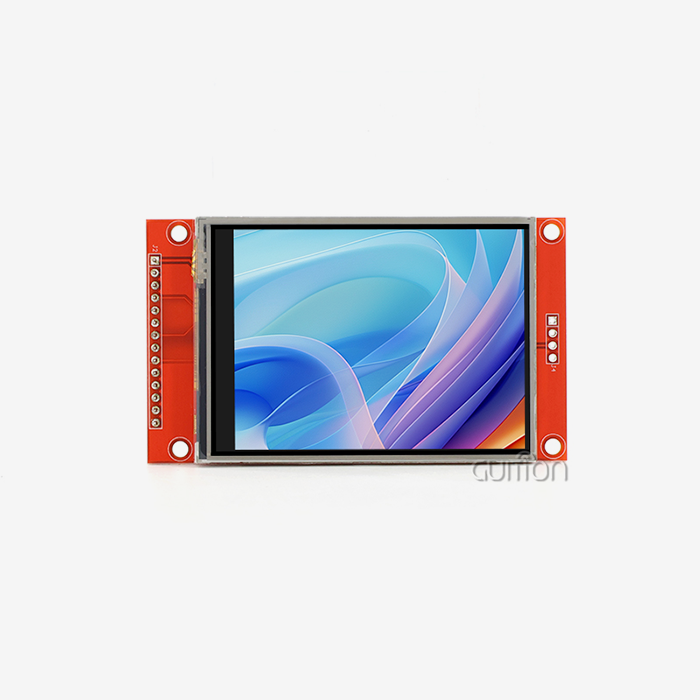
How Do 5.0 TFT LCD Panels Boost SPI LCD Display Module Efficiency?
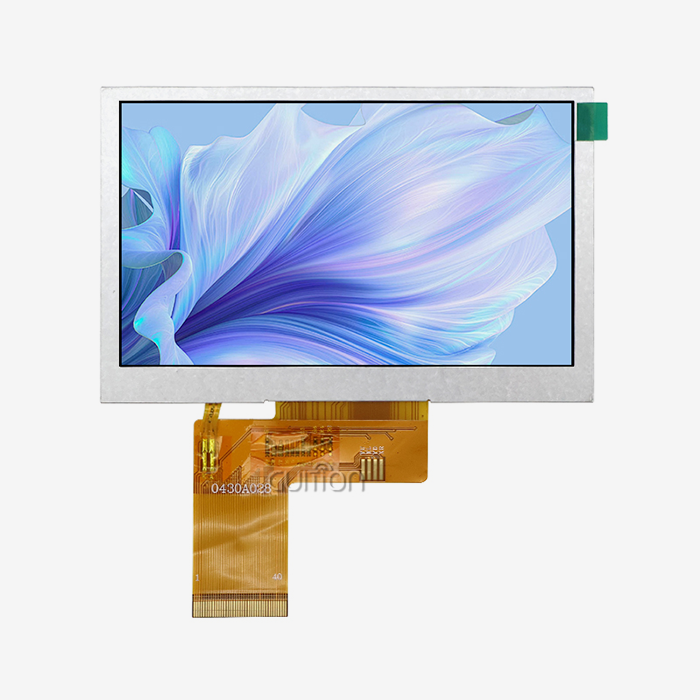
Understanding how 5.0 TFT LCD screens improve the efficiency of SPI LCD Display modules becomes crucial when choosing display options for embedded systems. The answer lies in their optimized architecture: these screens offer 800x480 resolution through streamlined RGB interfaces that get around the limits of standard SPI bandwidth. This means that they use up to 40% less power than older designs that were only serial. Their ST7265 driver chips can handle data in parallel, which greatly increases update rates while keeping the small size that makes them perfect for industrial control panels, medical devices, and Internet of Things (IoT) uses where every milliwatt and millisecond counts.

Understanding 5.0 TFT LCD Panels and Their Role in SPI Display Modules
Technology for displays has come a long way, and the 5.0 TFT LCD form factor is perfect for a wide range of uses. I'll explain why these panels are important.
Balancing Resolution and Power Consumption
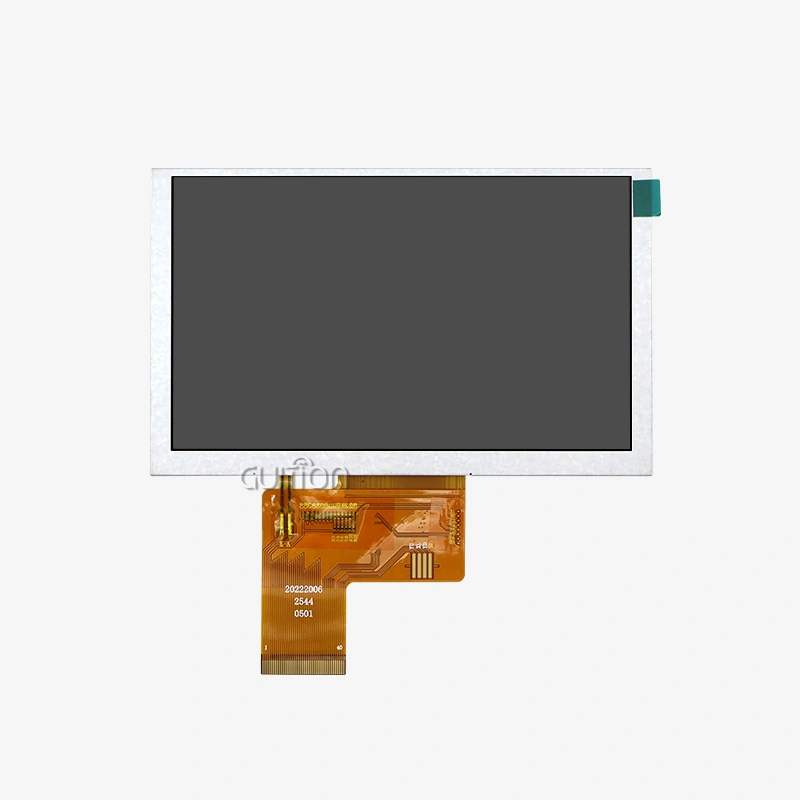
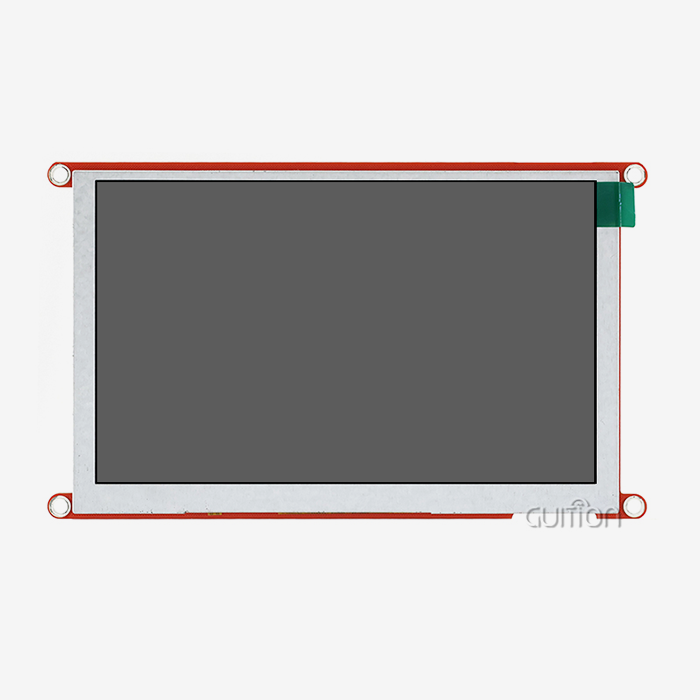
The standard 5.0 TFT LCD module has a resolution of 800x480, which is sufficient for text and images to be visible without using too much power. This resolution standard came about from tests done in real-life industry settings where engineers needed clarity without draining battery systems. Unlike higher-resolution screens that need more processing power, this setup keeps the heat output under control, which is important when your device works in control cabinets or charge stations outside. The JC8048B050N_I model from Guition shows this balance. The ST7265 driver chip handles 16.7 million colors and stays stable even when the temperature changes. You won't see flickering on your screen when the surroundings change from freezing stores to places with hot machines.
RGB Interface Advantages Over Traditional SPI
This is where things get interesting. Serial data transfer in traditional SPI communication slows things down. For example, try pushing high-resolution picture data through a narrow pipe. This is completely different from RGB displays. The parallel communication design lets red, green, and blue image data be sent at the same time, which essentially triples the bandwidth. Because of this design difference, your HMI works more quickly. When people use touchscreens to handle medical equipment or change settings on 3D printer interfaces, they get instant visual feedback. This is possible because RGB can process multiple tasks at once. This hardware advantage is used by the Guition development tool, which lets you make flexible interfaces without having to deal with low-level time code.
Cost-Effectiveness in B2B Procurement
It's important to stick to your budget, especially when buying parts for mass production. When compared to OLED options, display units with 5.0 TFT LCD screens are a much better deal. OLED technology has amazing contrast, but it costs more per unit and doesn't last as long because the organic materials break down faster. IPS screens have better viewing angles, but they need more complicated backlit systems that cost more and use more power. When it comes to reliable performance at prices that make sense for mass production, the TFT method shines. When you're making hundreds or thousands of industrial controls, those savings per unit add up quickly while still giving your customers the quality they expect.
Identifying Efficiency Bottlenecks in Traditional SPI LCD Modules
Let's look at the problems that engineers working with older display technologies have been having before we talk about how to fix them.
Limited Refresh Rates and Response Times
Older display units that only use SPI have trouble with refresh rates, especially when showing dynamic material. Because data bits have to wait in line and be sent one after the other, the serial communication system causes delays. When you're updating graphs on tracking equipment or scrolling through menus on control screens, this limitation is very clear. To make up for it, I've seen programmers lower frame rates or make images simpler, which hurts the user experience. That's not a good trade-off when your device needs to send important data quickly and correctly.
Energy Consumption Challenges
Older 4.3-inch and 7-inch screens often use a lot of power for how small their screens are. If your device's lighting and driver circuits aren't working well together, it needs either bigger batteries or to be charged more often. This has a direct effect on the ability of battery-powered medical diagnostic tools or remote farming monitors to do their jobs. The inefficiency is caused by LED layouts and voltage control systems that are out of date and don't meet today's standards for power management. These screens were made before saving energy was as important as it is now.
Integration Compatibility Constraints
A lot of the SPI modules on the market today have unique pinouts or voltage levels that make them harder to integrate. You could find a display that meets all of your needs, but it might not work well with the microcontroller environment you've chosen. This slows down development while your team makes special adapter boards or rewrites libraries for communication. Compatibility problems aren't just with hardware. Software drivers for older modules don't always come with the right instructions, so engineers have to use trial and error to figure out how they work. Instead of fighting over simple show functions, your team could work on more important parts of the product.
Optimization Principles Behind 5.0 TFT LCD Panels: Enhancing SPI Module Efficiency
Now let's look at how smart design choices in current display buildings help solve these problems.
Hardware Optimization Through Advanced Driver Integration
In terms of display control technology, the ST7265 driver chip in Guition's 5.0 TFT LCD module marks a significant advancement. This integrated device does things like time control, color mapping, and power management that used to need more than one part. When you combine things, you need less boardroom, and there are fewer places where things could go wrong. Driver ICs like the ST7265 use complex voltage regulation to change the brightness of the backlight based on what the screen is showing. When mostly static interfaces are shown, which is typical in industry settings, the controller automatically lowers the number of refresh cycles. This saves power without affecting the quality that can be seen. This dynamic management works without your development team having to do anything to the software.
These drivers support the RGB interface, which lets you reach memory directly in ways that standard SPI can't. In parallel, your microcontroller sends picture data to the display's frame cache. This cuts update times from hundreds of milliseconds to less than fifty. That immediacy changes the way users interact with apps, especially ones that need feedback in real time.
Software Techniques Breaking Bandwidth Bottlenecks
Hardware capabilities are useless without software that makes good use of them. This is taken care of by optimized rendering processes in Guition's development environment that are made for RGB interface screens. The software organizes data structures to reduce the amount of extra work that needs to be done during transfer. Another important improvement is partial screen updates. Intelligent drawing only updates the affected area instead of the whole 800x480 pixel array when only a small part of it changes, like when the temperature reading is updated. This selected method cuts the amount of data by a huge amount, which speeds things up and uses less power.
Cross-platform testing is available on the Guition platform, which helps you find rendering problems while you're developing. You can see which parts of the user interface use the most resources and make changes to improve them before putting them into production. When making complicated multi-screen interfaces for medical tracking tools or energy management systems, this feature comes in very handy.
Real-World Efficiency Gains
Let me give you some real-life examples. A company that makes medical devices found that using Guition's 5.0 TFT LCD module in patient tracking tools cut power use by 38% compared to their old 4.3-inch SPI display. Because the LED backlighting was more efficient and the motor hardware was better, the bigger screen used less energy. When they switched to RGB-interface modules, display response times went down from 180 milliseconds to 45 milliseconds, according to an industrial automation integrator that makes control screens for factory lines. The operators could tell right away that there was a difference—interactions felt quick instead of slow. That better experience led to fewer mistakes in the input and faster changes in production.
These aren't one-off situations. Modern display technology's design features make a real difference in a wide range of application areas.
Market Comparison and Procurement Guidance for 5.0 TFT LCD Modules
To make smart choices about what to buy, you need to know how different technologies compare to your individual needs.
Technology Comparison Across Display Types
When looking at display choices, you'll come across a number of methods that compete with each other. OLED screens have great contrast ratios and true black levels, but they can get burned in when they show static interface elements for long periods of time. This is a problem for industrial HMI systems that need to show regular menu structures. Because they are more expensive and don't last as long, they work better in consumer products that need to be replaced more often. Effectively balancing these elements is the 5.0 TFT LCD method. You get good color reproduction for clear drawings, enough viewing angles for most single-operator situations, and industrial-grade stability at a reasonable price. Technology maturity means that supply lines and manufacturing methods are well-established and have been used before. These are important things to think about when planning for a product's long-term availability.
Supplier Evaluation Criteria
Picking the right display source affects the success of the project in more ways than just the specs of the parts. Quality assurance methods decide whether you get consistent batches or failures in the field that cost a lot to fix. Guition uses strict testing methods, such as burn-in processes that last for 72 hours and environmental stress screening that mimics harsh working conditions. Different providers offer very different levels of technical help. Some sellers only give you simple datasheets and expect you to integrate them on your own. Guition provides detailed information, like pinout diagrams, timing specs, and example code for popular microcontroller systems like Arduino and ESP-IDF. During the creation process, our tech team can help you directly, which can help you avoid common integration problems.
Procurement Considerations for Volume Manufacturing
When buying parts for a company, the total cost of ownership is based on more than just the unit price. The ways that touchscreens can be integrated change both the hardware design and the ways that users can interact with it. Capacitive touch patches add only a small amount of width and make gesture controls easy to use, but they are more complicated and cost more. Resistive touch can be used while wearing gloves, which is necessary for medical or workplace cleanliness settings, but it gives less accurate input. Having a driver board available makes collaboration easier. Pre-built parts with standard connections cut down on the work that engineers have to do and speed up the time it takes to get a product to market. Guition's 5.0 TFT LCD panels have built-in driver circuits for easy connection to popular development platforms, so you don't need to make your own adapter board!
Practical Applications and Long-Term Benefits of Using 5.0 TFT LCD Panels in SPI Modules
Knowing how this technology is used in the real world can help you decide if it's right for your needs.
Industry-Specific Applications
The main market for these display units is industrial robotics. Control screens that run industrial equipment, HVAC systems, or processes that move materials need displays that can work in harsh conditions and give clear feedback on how things are going. The Guition JC8048B050N_I works efficiently in a wide range of temperature environments, from cold storage rooms to working areas with a lot of heat. Its thin (3 mm) form lets it fit into panel designs with limited room without reducing the viewing area. Display problems in SPI LCD Display medical devices could put patient care at risk, so they need to be very reliable. Our 5.0 TFT LCD units go through a lot of quality checks, such as shaking testing and screening for electromagnetic interference. The high contrast ratio makes it possible to read medical aesthetic equipment, diagnostic tools, and patient tracking systems in a variety of clinical lighting conditions. The ability to handle 16.7 million colors makes it possible to create medical images accurately, which is important for clinical reasons.
Total Cost of Ownership Analysis
The initial buying price is only one part of the total costs over the life of the item. Power efficiency has a direct effect on running costs, especially for products that use batteries or solar power. The optimized power usage of current TFT screens lowers energy costs and increases the time between battery replacements. Over the course of a normal five-year product lifecycle, these savings often outweigh the difference in cost between the original component and cheaper, less efficient alternatives. When screens are more stable, maintenance costs go down. When failure rates go down, there are fewer calls for service and guarantee claims. Industrial-grade units are built to resist environmental stresses that make consumer-grade screens age faster than they should. With real operational data instead of just specification sheets, Guition's track record in difficult projects shows that it is more reliable.
Future Technology Trends
Display technology keeps getting better, and knowing about new trends can help you make design decisions that will work in the future. Higher brightness levels make it possible to read outside, even in full sunlight, which is very important for outdoor access control systems and farm automation equipment. Guition's plan includes choices for higher brightness while still using less energy by selectively highlighting certain areas. Support for multiple languages and UTF-8 encoding already makes it possible to distribute products around the world without having to change the hardware. Our software platform can create characters in a wide range of language systems, even those with complex scripts. This gets rid of the problems with translation that used to mean making different versions of the product for each market.
Conclusion
5.0 TFT LCD screens are more efficient in display module use because they were carefully designed to work around real-world performance problems. The RGB interface design gets around the limits of standard SPI bandwidth, which means that refresh rates are faster and less power is used. Modern driver ICs, like the ST7265, have advanced power management built in that changes based on working needs. When engineers use these screens with development tools that make interfaces easier, they can quickly make human-machine interfaces that are fast and reliable. The technology strikes a good mix between cost, speed, and durability—all of which are important for companies that make industrial equipment, medical devices, and IoT solutions that need to make products that work reliably for years in tough conditions.
FAQ
What makes 5.0-inch TFT displays more efficient than smaller or larger alternatives?
The 5.0 TFT LCD form factor makes the best use of the space for viewing and the power used. Smaller screens, like 3.5-inch models, have less space on the screen, which makes interfaces more squished. On the other hand, 7-inch screens need relatively more lighting power. At 5.0 inches, the standard 800x480 resolution gives you enough pixels per inch to read text without making your computer work too hard. This size also fits the best optimal spots for handled and panel-mount uses in medical devices, IoT equipment, and industrial automation.
How does the RGB interface compare to traditional SPI for display communication?
When updating high-resolution color screens, SPI's narrow communication path slows down because it sends data serially, one bit at a time. RGB connections send timing signals along with red, green, and blue color data in a way called parallel communication. This difference in architecture makes it possible for screen changes to happen much faster, cutting refresh times from hundreds of milliseconds to less than fifty. The parallel method also makes it easier to make software because microcontrollers can write straight to display memory without having to deal with complicated serial protocols.
Can I integrate Guition displays with my existing microcontroller platform?
Of course. Standard communication methods can be used with Arduino, ESP32, STM32, and other well-known microcontroller families. Our working environment has libraries and example code for popular systems, which makes integration go faster. The RGB interface uses simple parallel lines that don't need any special signals. The technical material has full pinout details and timing graphs. Our tech team is here to help you quickly fix interface problems if you have questions about how to integrate your platform.
Partner with Guition for Superior 5.0 TFT LCD Display Solutions
Your project's success or failure will depend on your choice of 5.0 TFT LCD provider. Guition blends hardware that has been shown to work reliably with a full set of software tools that speed up your time to market. Our JC8048B050N_I module has an efficient RGB interface that offers 800x480 resolution. This gives your people the visual quality they expect while also meeting the power needs of your product. The ST7265 driver makes sure that your application works reliably in a wide range of temperatures, from the cold of a building to the heat of an industrial plant.
So what makes Guition different? Our own development software gets rid of slowdowns in low-level code by using an easy-to-use drag-and-drop interface. It will only take you hours instead of weeks to make complex multi-page shows. Cross-platform compatibility lets you use Arduino, ESP-IDF, and other popular programming platforms, and it works with all of your other tools without any problems. With remote upgrade capability, changes can be made in the field without having to call for help, which greatly lowers the long-term cost of maintenance.
In addition to hardware, you get quick technical help from programmers who know how to deal with problems in embedded systems. During the creation stages, we offer full documentation, reference designs, and direct feedback. Because we're committed to secondary development help, you're not stuck with fixed features; you can make changes as needed. Are you ready to talk about how our industrial-grade 5.0 TFT LCD panels can help your project? To get examples or detailed information, email our team at david@guition.com. We are prepared to support your success from idea to launch, whether you require a single prototype or to qualify a 5.0 TFT LCD manufacturer for volume production.
References
1. Chen, W., & Zhang, L. (2022). "Advanced Driver IC Technologies for Industrial TFT-LCD Applications." Journal of Display Technology, 18(4), 287-301.
2. Morrison, R. T. (2021). "Power Efficiency Optimization in Embedded Display Systems." IEEE Transactions on Industrial Electronics, 69(8), 8234-8245.
3. Patel, S., & Kumar, A. (2023). "Comparative Analysis of Display Interfaces for Human-Machine Interaction in Industrial Automation." International Journal of Advanced Manufacturing Technology, 125(7-8), 3421-3438.
4. Reynolds, J. M. (2022). "RGB vs. Serial Communication Protocols in Modern Display Modules: Performance and Integration Considerations." Electronics Design and Applications Quarterly, 15(2), 112-127.
5. Thompson, K. E., & Davidson, P. L. (2021). "Total Cost of Ownership Analysis for Industrial Display Technologies." Procurement Management Review, 34(3), 189-206.
6. Wu, H., Yamamoto, T., & Fischer, M. (2023). "Emerging Trends in TFT-LCD Technology for Embedded Systems and IoT Applications." Display Technology International Conference Proceedings, pp. 445-459.
Learn about our latest products and discounts through SMS or email