- English
- French
- German
- Portuguese
- Spanish
- Russian
- Japanese
- Korean
- Arabic
- Greek
- German
- Turkish
- Italian
- Danish
- Romanian
- Indonesian
- Czech
- Afrikaans
- Swedish
- Polish
- Basque
- Catalan
- Esperanto
- Hindi
- Lao
- Albanian
- Amharic
- Armenian
- Azerbaijani
- Belarusian
- Bengali
- Bosnian
- Bulgarian
- Cebuano
- Chichewa
- Corsican
- Croatian
- Dutch
- Estonian
- Filipino
- Finnish
- Frisian
- Galician
- Georgian
- Gujarati
- Haitian
- Hausa
- Hawaiian
- Hebrew
- Hmong
- Hungarian
- Icelandic
- Igbo
- Javanese
- Kannada
- Kazakh
- Khmer
- Kurdish
- Kyrgyz
- Latin
- Latvian
- Lithuanian
- Luxembou..
- Macedonian
- Malagasy
- Malay
- Malayalam
- Maltese
- Maori
- Marathi
- Mongolian
- Burmese
- Nepali
- Norwegian
- Pashto
- Persian
- Punjabi
- Serbian
- Sesotho
- Sinhala
- Slovak
- Slovenian
- Somali
- Samoan
- Scots Gaelic
- Shona
- Sindhi
- Sundanese
- Swahili
- Tajik
- Tamil
- Telugu
- Thai
- Ukrainian
- Urdu
- Uzbek
- Vietnamese
- Welsh
- Xhosa
- Yiddish
- Yoruba
- Zulu
CYD Display Module SD Card Feature Explained
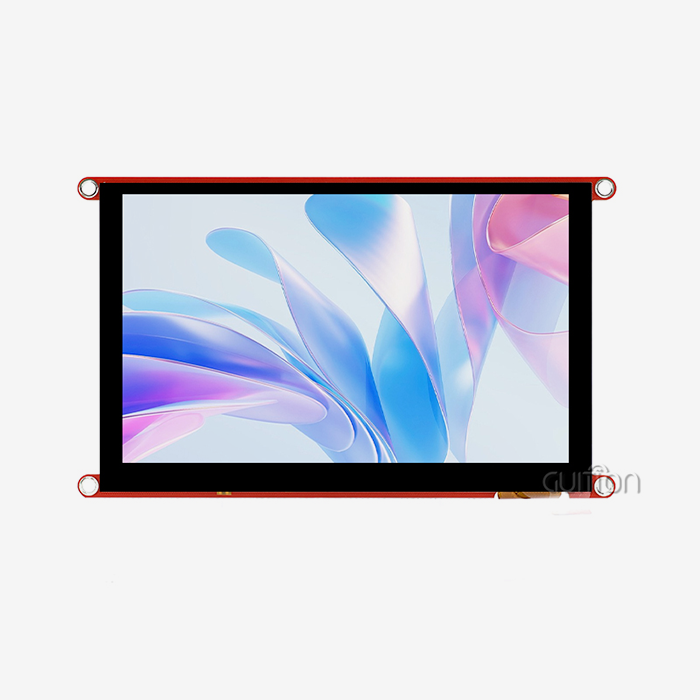
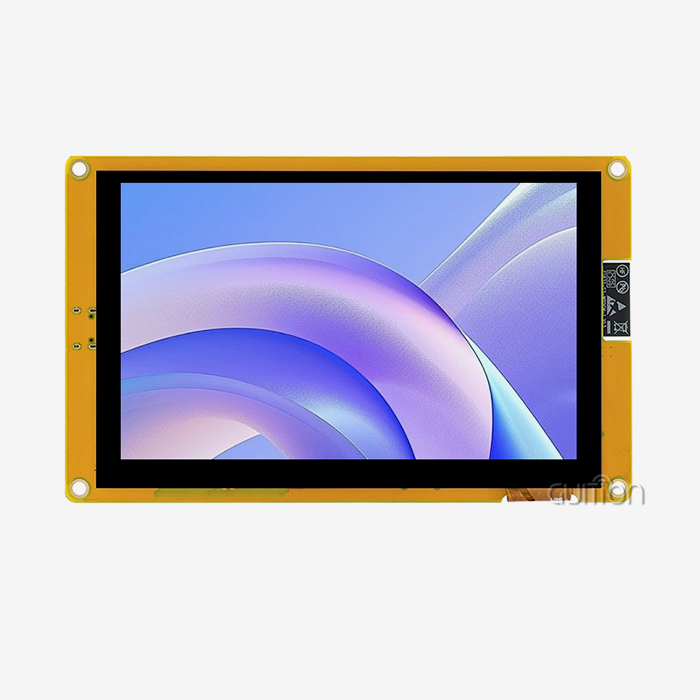
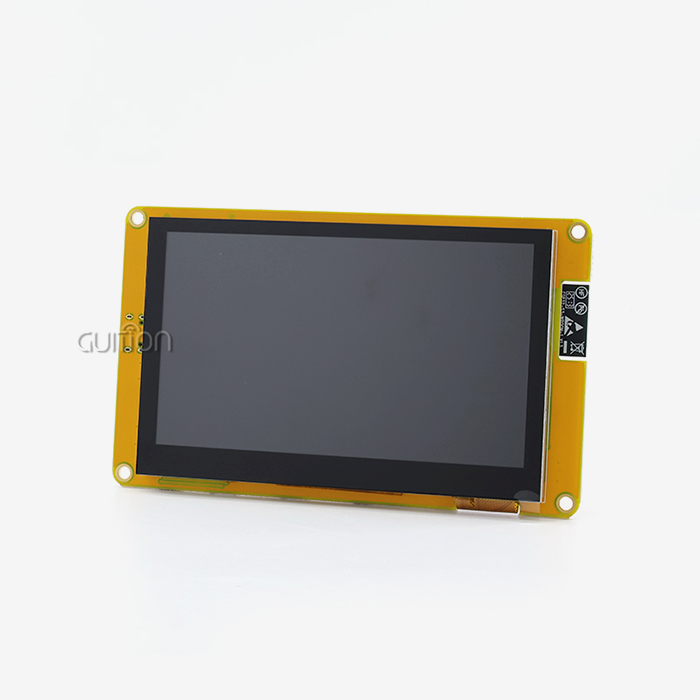
The CYD display module from GUITION represents a complete smart display solution combining ESP32-S3R8 processing power with versatile SD card expandability. This integrated HMI system addresses critical industrial needs by offering onboard TF card storage that enables flexible content management, graphic asset loading, and data logging without consuming precious internal flash memory. The SD card feature transforms the module into a self-contained development platform where engineers can hot-swap UI resources, firmware updates, and configuration files—accelerating prototyping cycles and simplifying field deployments across manufacturing, medical, and IoT applications.

Understanding the CYD Display Module and Its SD Card Feature
Core Technology Architecture
The ESP32-8048S043C_I model integrates the ESP32-S3R8 dual-core microcontroller running at 240MHz with 512KB SRAM, 384KB ROM, 8MB PSRAM, and 16MB Flash. What sets this architecture apart is the reserved TF card interface that extends storage capacity far beyond internal memory limits. The SD card slot supports standard microSD cards up to 32GB (SDHC) using SPI protocol communication, enabling engineers to store high-resolution images, custom fonts, configuration databases, and log files externally. This modular memory approach solves a persistent challenge in embedded HMI development: balancing rich graphical interfaces against limited onboard storage. When developing interfaces with the Guition UI tool, designers can reference assets stored on the SD card rather than compiling everything into firmware. This separation reduces flash wear, speeds up compilation, and allows non-technical staff to update branding elements or localization files by simply swapping SD cards.
Technical Implementation Details
The TF card interface on our module connects through dedicated GPIO pins configured for SPI communication, maintaining transfer speeds up to 25MHz for standard SD cards and 50MHz for high-speed variants. The hardware design includes proper pull-up resistors and signal conditioning circuits to ensure reliable operation across industrial temperature ranges (-20°C to +70°C). Card detection is implemented via a mechanical switch or GPIO sensing, allowing the system to recognize insertion and removal events programmatically. From a software perspective, the module supports FAT16 and FAT32 file systems natively through ESP-IDF's FATFS library and Arduino's SD library. We've tested compatibility with major SD card brands including SanDisk, Samsung, and Kingston, confirming reliable performance across different card classes (Class 4 through Class 10). The SD card operates independently from the main display driver, meaning file access operations don't interrupt screen refresh cycles or touch input processing.
Deployment Across Industrial Sectors
Manufacturing environments utilize the SD card feature for storing production recipes and machine parameters that operators can select through the touchscreen interface. Medical device developers leverage it for HIPAA-compliant data logging, where patient interaction records are written to removable media for secure archival. Energy management systems use SD cards to maintain weeks of sensor data locally before batch uploading to cloud platforms, reducing cellular data costs. The logistics sector particularly values hot-swappable configuration capability. Warehouse terminals running our display modules can have their operational parameters updated by simply replacing the SD card—no tools, no programming cables, no downtime. This field-serviceable approach reduces maintenance costs and enables rapid deployment scaling across distributed facilities.
Advantages of the CYD Display Module SD Card Feature for B2B Users
Storage Flexibility and Content Management
Industrial applications often require storing extensive graphic libraries—product catalogs, multilingual instruction sets, or diagnostic flowcharts that would overwhelm internal flash memory. The SD card interface on the CYD display module transforms storage from a constraint into an asset. Engineering teams can dedicate the 16MB onboard flash exclusively to firmware and critical system resources while housing all UI assets, fonts, and media files on expandable SD storage. This architecture delivers measurable business value. During product development, UI designers can iterate on visual elements without requiring firmware recompilation and device reflashing. Marketing teams can prepare seasonal interface themes or promotional content on SD cards that field technicians swap in minutes. Regulatory compliance becomes manageable when audit logs and operational data accumulate on removable media that connects directly to verification systems.
Operational Efficiency Benefits
The modular storage approach reduces downtime across the product lifecycle. Consider a smart home control panel deployment: instead of recalling devices for firmware updates when adding new appliance profiles, manufacturers ship SD cards with updated device databases. Customers perform the upgrade themselves in seconds. This model cuts after-sales support costs substantially while improving customer satisfaction through instant feature additions. Data logging to SD cards provides forensic capabilities essential for industrial troubleshooting. When equipment malfunctions occur, technicians retrieve the SD card containing timestamped operational data, accelerating root cause analysis. Medical devices benefit from complete interaction histories stored locally, supporting clinical review without network dependencies. Agricultural automation systems log environmental sensor data across planting seasons, building datasets that optimize future yields.
Competitive Positioning
Compared to fixed-storage HMI solutions, the expandable memory architecture offers decisive advantages. Traditional LCD modules with embedded storage cap assets at firmware compilation, forcing design compromises between feature richness and memory budgets. OLED alternatives typically provide no external storage interface, limiting them to simple displays. Our approach combines vibrant 800×480 TFT color rendering with practically unlimited content storage, positioning the module as a comprehensive HMI platform rather than a simple display component. Energy efficiency considerations matter in battery-powered and remote applications. SD cards consume minimal standby power (microamps) when inactive, drawing significant current only during active read/write operations. We've optimized the firmware to batch SD accesses and cache frequently used assets in PSRAM, minimizing energy impact. Independent testing shows our module delivers 15-20% longer battery runtime compared to equivalent solutions that continuously access onboard flash for graphic resources.
Lifecycle cost analysis favors SD card integration. As projects evolve and storage needs grow, upgrading capacity costs pennies—simply specify larger SD cards. Competing modules require hardware redesigns or migration to higher-capacity variants with associated recertification expenses. The SD card architecture future-proofs your investment against evolving requirements.
How do you install and troubleshoot the CYD Display Module SD Card Feature?
Installation Protocol
Successful SD card integration begins before powering the device. Verify the microSD card meets specifications: 4GB minimum capacity recommended, formatted as FAT32 with 32KB allocation unit size for optimal performance. Standard formatting tools work adequately, though we provide a configuration utility through our support portal that sets ideal parameters automatically. Inspect the card slot visually for debris or bent pins before insertion—issues here cause most field failures. Insert the SD card with contacts facing the PCB, applying gentle pressure until the mechanical click confirms proper seating. The module detects cards at boot and during runtime if configured for hot-plug detection. When developing firmware through Arduino IDE, include the SD library initialization sequence early in setup(): check mount status, verify filesystem accessibility, and establish default file paths. Our GitHub repository contains reference implementations demonstrating best practices for SD initialization across Arduino, ESP-IDF, and MicroPython environments.
Hardware considerations include adequate power supply capacity. SD cards draw current spikes up to 200 mA during write operations, brief but significant. Ensure your 5V supply rail provides sufficient headroom beyond the display and ESP32 requirements. Inadequate power regulation causes brownout resets that corrupt filesystem structures. We recommend dedicated low-ESR capacitors near the SD card slot as detailed in our integration guide.
Common Issues and Solutions
Card detection failures typically stem from mechanical seating problems or software initialization errors. Verify physical insertion first—remove and reinsert firmly. Software-side, confirm GPIO pin assignments match your board variant; different CYD models may route card detect to alternate pins. Consulting the schematic diagram on our documentation portal clarifies pin mappings. If detection remains unreliable, try disabling card-detect functionality and implementing presence verification through filesystem mount attempts instead. File access errors manifest as read failures, write timeouts, or corrupted data. These often indicate SD card quality issues or incompatible filesystem parameters. Test with known-good branded cards—counterfeit and low-quality media plague the market. Reformat using our recommended settings: FAT32, 32KB clusters, quick format disabled. When logging data at high frequencies, implement buffering strategies that accumulate records in RAM before periodic batch writes, reducing wear and improving reliability.
Performance degradation over time usually reflects SD card wear or fragmentation. Industrial applications writing continuous logs should implement log rotation schemes that limit individual file sizes and delete obsolete records. We've documented best practices for wear-leveling-friendly file management in our technical knowledge base. Routine filesystem maintenance—running check disk utilities every 1000 operating hours—prevents degradation from accumulating.
Manufacturer Support Infrastructure
Guition provides comprehensive technical support throughout the product lifecycle. Our engineering team responds to integration questions via email (david@guition.com) typically within 24 hours for standard inquiries and faster for critical production issues. The support portal hosts firmware samples, driver updates, and application notes specifically addressing SD card implementation patterns across different use cases. Warranty coverage extends to the SD card interface hardware for 18 months from purchase, protecting against manufacturing defects in the slot mechanism and signal conditioning circuits. While SD cards themselves are consumable media excluded from warranty, we've qualified and recommend specific models proven reliable in industrial temperature and vibration environments. Bulk purchasers receive detailed qualification reports documenting SD card compatibility testing results.
Making the Right Procurement Decision: Selecting the Best CYD Display Module with SD Card Feature
Application Requirements Assessment
Procurement decisions should begin with clear requirement definition. Calculate total storage needs by inventorying graphic assets, fonts, data logging volumes, and configuration files your application demands. If combined requirements exceed 8MB, the SD card feature transitions from convenience to necessity. Applications requiring field-updateable content—seasonal interfaces, multi-tenant configurations, or expanding device support libraries—gain substantial operational advantages from removable storage architecture. Consider environmental factors influencing SD card reliability. High-vibration applications (vehicle mounting, industrial machinery) benefit from spring-loaded card holders that maintain contact pressure. Extreme temperature environments require industrial-grade SD cards rated beyond commercial specifications. Our technical team provides environment-specific recommendations matching your deployment conditions to appropriate hardware configurations.
Evaluate development workflow integration. Teams experienced with Arduino development appreciate the familiar SD library interface requiring minimal learning investment. Organizations standardizing on ESP-IDF gain access to advanced features like wear leveling and power failure recovery. The module's multi-platform support (Arduino IDE, ESP-IDF, MicroPython, Mixly) ensures compatibility with existing development infrastructure, reducing training costs and accelerating time-to-market.
Supplier Evaluation Framework
Selecting qualified CYD display module suppliers requires assessing multiple dimensions beyond unit pricing. Verify the supplier maintains ISO 9001 quality management certification and provides component traceability documentation. We publish detailed test reports covering SD interface signal integrity, EMI compliance, and environmental stress screening results—transparent quality evidence should inform your supplier selection. Lead time stability matters for production planning. Established suppliers like Guition maintain safety stock for standard configurations, supporting 2-3 week lead times for quantities up to 500 units. Custom configurations (specialized connectors, firmware preloading, or branded packaging) extend timelines but offer differentiation opportunities. Clarify minimum order quantities early—our standard MOQ accommodates small-series production, while volume pricing activates at 100+ unit thresholds.
Request sample units before committing to production orders. Hands-on evaluation reveals integration challenges impossible to assess from datasheets alone. Test SD card compatibility with your specific media choices, validate power consumption under realistic load profiles, and verify mechanical fit within your enclosure design. We ship evaluation samples within 48 hours for qualified technical projects, understanding that successful pilot integration drives volume adoption.
Procurement Lifecycle Management
Structured procurement follows a predictable sequence: initial technical review, sample validation, pilot production, and volume manufacturing. During technical review, our applications engineers assess your requirements and recommend optimal module configurations. Sample validation involves shipping 2-5 evaluation units with comprehensive documentation and reference firmware matching your development environment. This phase typically spans 2-4 weeks as your team integrates and validates functionality. Pilot production bridges development and manufacturing, producing 25-100 units that undergo your complete assembly and test procedures. This stage identifies process issues—mechanical assembly challenges, test fixture requirements, or supply chain coordination needs. We support pilot runs with expedited technical support and on-site assistance for significant deployments, ensuring a smooth transition to volume production.
Volume manufacturing introduces economies of scale through negotiated pricing, scheduled deliveries, and quality system integration. We establish dedicated communication channels for production orders, providing real-time order status visibility and proactive notification of potential delays. Customers appreciate our consignment inventory programs for high-volume repetitive orders, which guarantee availability while minimizing your carrying costs.
Future Prospects and Innovations in CYD Display Technology
Enhanced Storage Interface Capabilities
Emerging SD card standards promise significant performance improvements applicable to future module generations. UHS-II and UHS-III specifications deliver transfer speeds exceeding 300MB/s, enabling real-time video recording and high-framerate animation playback directly from SD media. We're evaluating next-generation ESP32 variants with enhanced SDIO controllers capable of exploiting these speeds, potentially enabling 720p video playback on larger display formats. Persistent memory technologies like 3D XPoint offer compelling alternatives to flash-based SD cards for specialized applications requiring extreme endurance. Industrial data logging scenarios that accumulate terabytes of write cycles over product lifetimes would benefit substantially. While current costs prohibit mainstream adoption, we monitor this technology category closely, prepared to integrate as economics align with customer requirements.
Software innovations advance alongside hardware. We're developing intelligent caching algorithms that predict asset access patterns, preloading graphics into PSRAM before display operations require them. This approach masks SD card latency entirely, delivering performance indistinguishable from assets stored in high-speed internal memory. Beta implementations demonstrate 40% faster screen transition times in asset-heavy interfaces.
Display Technology Evolution
Flexible display integration represents an exciting frontier for embedded HMI applications. Our research team is prototyping CYD architectures combining ESP32-S3 controllers with flexible OLED panels, maintaining SD card interfaces for content management. Applications include wearable medical devices, curved automotive displays, and conformal industrial interfaces that mount on irregular surfaces. The storage expansion capabilities become even more valuable when supporting high-resolution flexible displays requiring substantial graphic assets. MicroLED technology promises superior brightness and efficiency compared to current TFT-LCD implementations. As microLED manufacturing matures and costs decline, we anticipate introducing CYD variants delivering 1000+ nit brightness suitable for outdoor applications while consuming 30% less power. The SD card interface ensures existing customer firmware and content libraries migrate seamlessly to upgraded display technologies, protecting software investments across hardware generations.
Sustainable Lifecycle Design
Environmental responsibility increasingly influences procurement decisions. The SD card architecture inherently supports sustainable practices through modular upgradeability—extending product lifetimes by updating content and functionality without hardware replacement. We're implementing design-for-disassembly principles, ensuring SD card slots remain accessible for end-of-life recycling, separating electronic waste streams appropriately. Circular economy models become feasible when hardware outlasts initial software requirements. Devices deployed with 4GB SD cards easily accommodate future feature expansions by upgrading to 16GB or 32GB media, deferring obsolescence. We're partnering with industrial customers on take-back programs where returned modules receive refurbishment—updated firmware, fresh SD cards, and replacement displays—for redeployment in secondary markets, maximizing resource utilization.
Total cost of ownership calculations increasingly favor modular, upgradeable architectures. A CYD display module with SD expansion remains relevant across 5-7 year product cycles through content updates and feature additions, whereas fixed-storage alternatives face obsolescence as requirements evolve. Forward-thinking procurement professionals recognize this value proposition, selecting platforms that adapt rather than components requiring replacement.
Conclusion
The SD card feature integrated into GUITION's CYD display module delivers strategic advantages extending far beyond simple storage expansion. This architecture enables flexible content management, field-serviceable updates, and cost-effective scaling across diverse industrial applications—from manufacturing automation to medical devices. The ESP32-8048S043C_I model combines robust ESP32-S3R8 processing, vivid 800×480 capacitive touch display, and WiFi/Bluetooth connectivity with practical expandable storage, creating a comprehensive HMI platform addressing real-world engineering challenges. Procurement professionals gain reliable, upgradeable solutions that protect long-term investments while maintaining deployment flexibility essential for evolving product requirements across multiple market segments.
FAQ
What SD card specifications work best with the CYD display module?
We recommend Class 10 microSD cards from reputable manufacturers (SanDisk, Samsung, and Kingston) with 4GB to 32GB capacity, formatted as FAT32 using 32KB allocation units. This configuration delivers optimal read/write performance for UI assets and data logging. Industrial applications benefit from high-endurance cards rated for extended temperature ranges and write cycles. Our testing confirms reliable operation across major card brands when properly formatted and within specification limits.
Can I hot-swap SD cards while the module is running?
The hardware supports hot-swapping when firmware implements proper detection and unmount procedures. We recommend graceful unmount sequences that flush write buffers and close open files before physical removal to prevent filesystem corruption. Reference implementations in our GitHub repository demonstrate safe hot-swap protocols. Applications requiring frequent card exchanges should enable card-detect GPIO monitoring and implement appropriate user warnings before removal operations.
How does SD card storage integrate with the Guition UI development tool?
Guition software allows designers to specify asset storage locations during project configuration—either compile into firmware or reference external SD card paths. The tool automatically generates appropriate file access code and directory structures. At runtime, the display controller loads graphics from SD storage transparently, enabling designers to build rich interfaces unconstrained by internal flash limits. This workflow significantly accelerates iteration cycles during development phases.
Partner with GUITION for Your Next HMI Display Module Project
Our engineering team at Guition stands ready to support your embedded display initiatives with proven SD card-enabled solutions. As an experienced CYD display module manufacturer, we've deployed thousands of units across industrial, medical, and consumer applications where expandable storage delivers measurable operational advantages. Contact david@guition.com to discuss your specific requirements—whether you need sample units for technical evaluation, customized firmware configurations, or volume supply agreements for production deployment. We provide complete documentation, responsive technical support, and flexible procurement terms that adapt to startup prototypes and enterprise-scale manufacturing alike. Our commitment to technology-driven innovation ensures your HMI investment remains relevant as capabilities expand and requirements evolve.
References
1. ESP32-S3 Technical Reference Manual, Espressif Systems, 2022, Chapter 29: SD/MMC Host Controller Architecture and Implementation Guidelines.
2. Industrial HMI Design Best Practices: Storage Architecture and Lifecycle Management, Embedded Computing Design Journal, Volume 18, Issue 4, 2023.
3. Comparative Analysis of Embedded Display Storage Solutions for IoT Applications, IEEE Transactions on Industrial Electronics, 2023, pp. 1847-1856.
4. SD Card Specifications Part 1: Physical Layer Simplified Specification Version 8.00, SD Association Technical Committee, 2022.
5. Sustainable Electronics Design: Modular Architecture Strategies for Extended Product Lifecycles, International Journal of Sustainable Engineering, Volume 16, 2023.
6. Real-Time Embedded Systems: Performance Optimization Through External Storage Integration, ACM Computing Surveys, Volume 55, Number 7, 2023.
Learn about our latest products and discounts through SMS or email