- English
- French
- German
- Portuguese
- Spanish
- Russian
- Japanese
- Korean
- Arabic
- Greek
- German
- Turkish
- Italian
- Danish
- Romanian
- Indonesian
- Czech
- Afrikaans
- Swedish
- Polish
- Basque
- Catalan
- Esperanto
- Hindi
- Lao
- Albanian
- Amharic
- Armenian
- Azerbaijani
- Belarusian
- Bengali
- Bosnian
- Bulgarian
- Cebuano
- Chichewa
- Corsican
- Croatian
- Dutch
- Estonian
- Filipino
- Finnish
- Frisian
- Galician
- Georgian
- Gujarati
- Haitian
- Hausa
- Hawaiian
- Hebrew
- Hmong
- Hungarian
- Icelandic
- Igbo
- Javanese
- Kannada
- Kazakh
- Khmer
- Kurdish
- Kyrgyz
- Latin
- Latvian
- Lithuanian
- Luxembou..
- Macedonian
- Malagasy
- Malay
- Malayalam
- Maltese
- Maori
- Marathi
- Mongolian
- Burmese
- Nepali
- Norwegian
- Pashto
- Persian
- Punjabi
- Serbian
- Sesotho
- Sinhala
- Slovak
- Slovenian
- Somali
- Samoan
- Scots Gaelic
- Shona
- Sindhi
- Sundanese
- Swahili
- Tajik
- Tamil
- Telugu
- Thai
- Ukrainian
- Urdu
- Uzbek
- Vietnamese
- Welsh
- Xhosa
- Yiddish
- Yoruba
- Zulu
How Can an ESP32 P4 display module Improve HMI Performance?
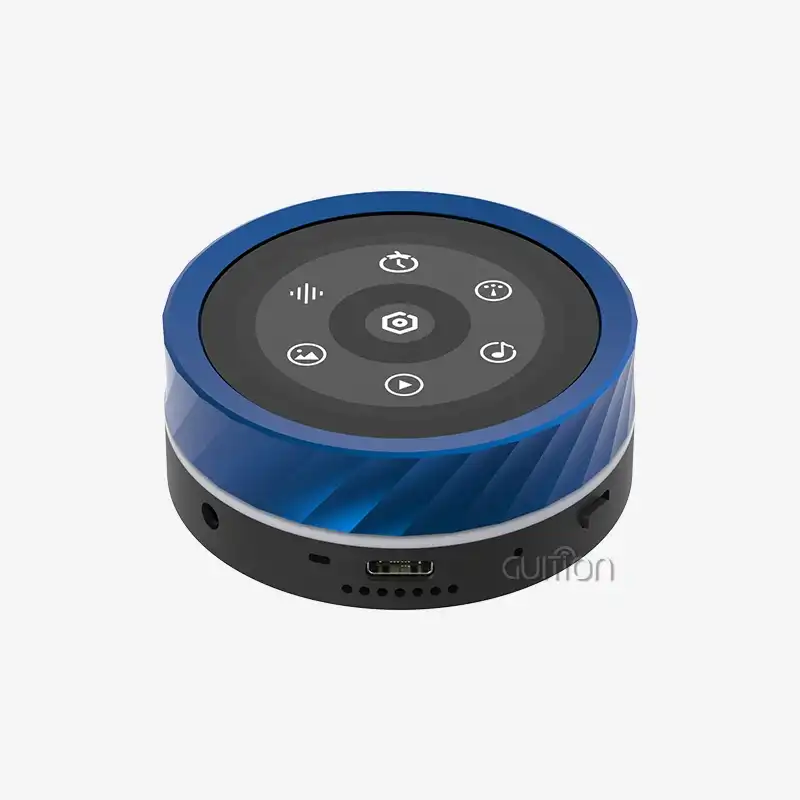
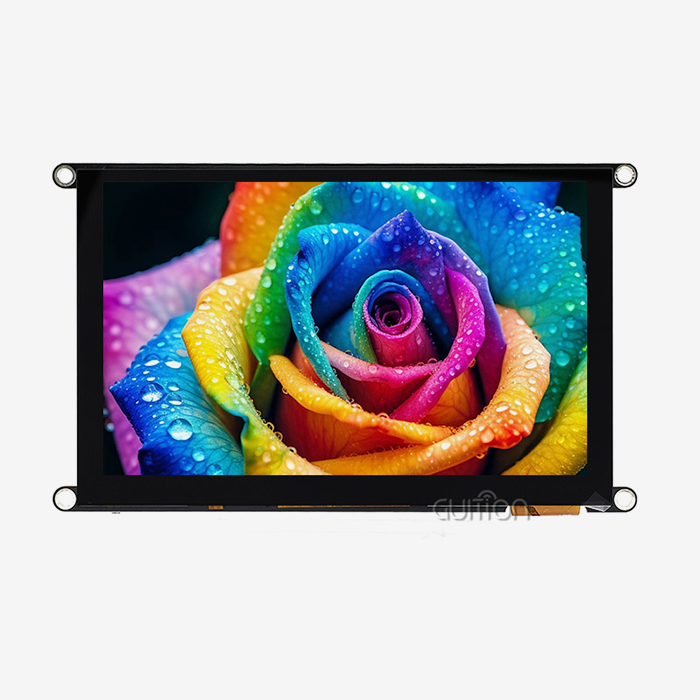
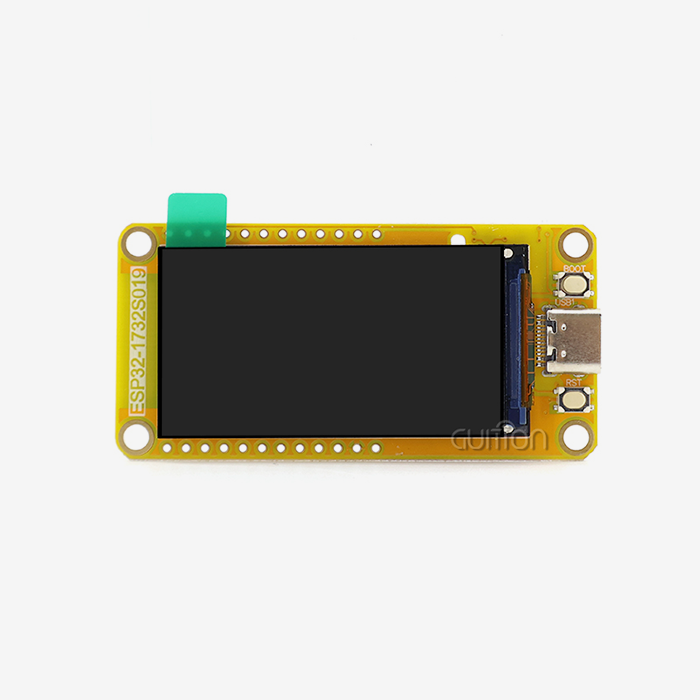
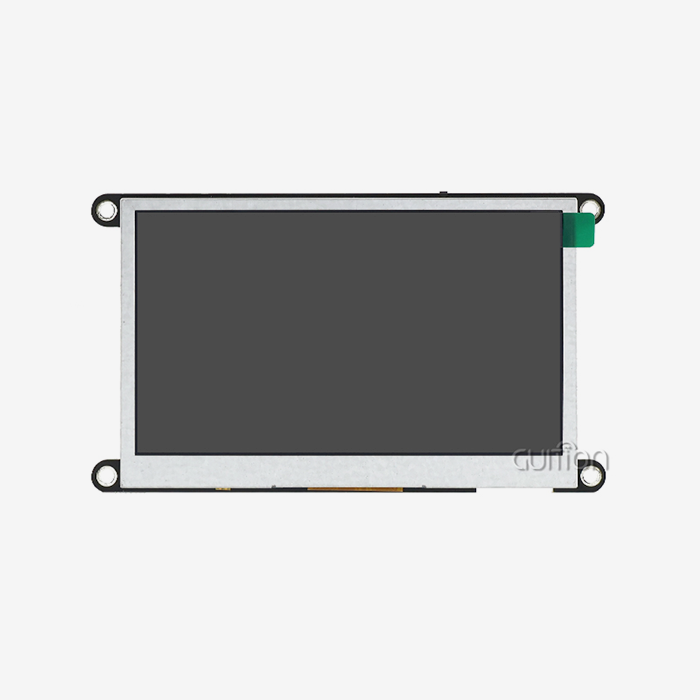
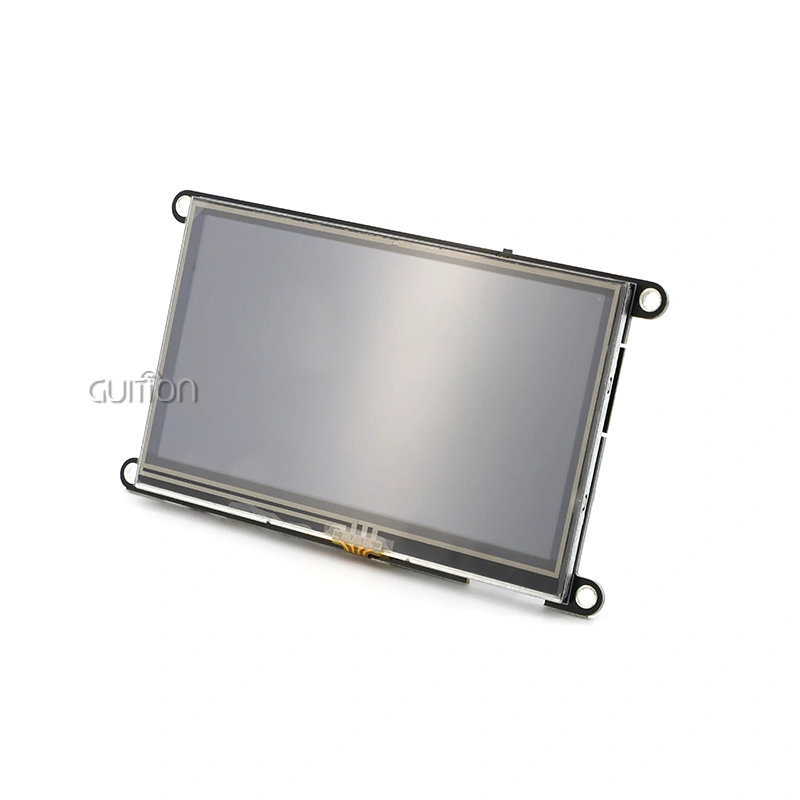
The ESP32 P4 display module fundamentally reshapes how engineers and product teams approach HMI development. Built around Espressif's dual-core RISC-V processor running at 400MHz, it eliminates the rendering bottlenecks and connectivity limitations that have long plagued traditional display solutions. With native MIPI-DSI support, a dedicated 2D Pixel Processing Accelerator, and up to 32MB PSRAM, the ESP32 P4 display module delivers fluid, high-resolution visuals while maintaining low power consumption — making it an ideal choice for industrial control panels, medical monitors, smart home dashboards, and IoT terminals demanding real-time responsiveness.

Understanding Key Challenges in HMI Performance
Anyone who has sold a product with old MCU-based screens knows how frustrating it can be. Embedded engineering teams often hear complaints about touch responses that are slow, frame tearing during complicated UI transitions, and SPI interface bottlenecks when driving screens with a resolution of 800x480 or higher.
These restrictions have real costs for running the business. In dangerous places like plant floors or medical tracking stations, slow screen refresh makes operators less confident. In battery-based applications, a device's downtime is cut short by a high power draw. And not having enough ways to connect means adding more hardware modules, making the PCB bigger, and taking longer to integrate.
These days, HMI installations need more. They need display options that can handle rendering multimedia, sending safe data, wireless connection, and cross-platform development—all in a small, low-cost package. This is exactly the hole that the ESP32 P4 display module is meant to fill.
Core Features of the GUITION JC-ESP32P4-M3-C6 That Enhance HMI
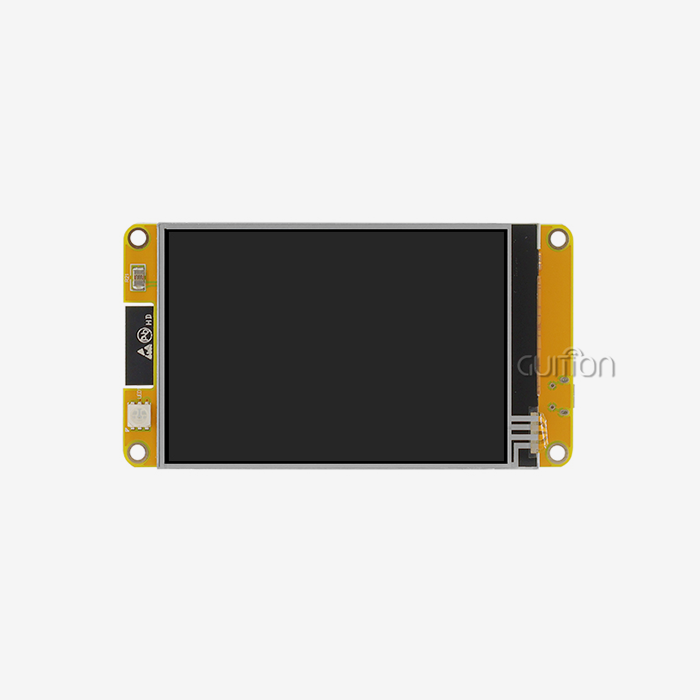
The GUITION model JC-ESP32P4-M3-C6 is a well-thought-out combination of processing power, display capabilities, and wireless connection. Knowing how it's built helps explain why it works better than other HMI solutions in tough situations.
Processing Power Built for Real-Time UI Rendering
The ESP32-P4 SoC is at the center. It has a dual-core HP RISC-V CPU that runs at 400MHz and a low-power LP RISC-V core that runs at 40MHz to handle tasks in the background. A hardware 2D Pixel Processing Accelerator (PPA) is built into the chip. It handles layer blending, scaling, and rotation without putting too much stress on the main CPU. This design keeps LVGL-based interfaces running smoothly even when processing sensor data or talking to the network at the same time. Supporting up to 32MB of PSRAM makes sure that there is enough space in the frame buffer for high-resolution displays with up to 800x1280 pixels.
Display Interface Architecture and Visual Clarity
The JC-ESP32P4-M3-C6 has native MIPI-DSI output, which means that it doesn't have to limit the frame rate like SPI or 8080-parallel interfaces do. This esp32p4 display module can handle video-rich displays without the need for extra processing chips because it supports both H.264 hardware compression and the JPEG codec. The built-in ISP on the MIPI-CSI interface lets you directly connect a camera and supports visual intercom features and real-time image processing, which were only possible on Linux-based application processors before.
Wireless Connectivity via Integrated ESP32-C6
The ESP32-C6 is built into the module and provides Wi-Fi 6 and Bluetooth 5 connectivity, so it doesn't need an extra wireless chip. In busy network settings, Wi-Fi 6 offers faster throughput and lower latency, which is very important for smart factory and commercial terminal deployments. When pairing a peripheral device with Bluetooth 5, the range is longer, and the data rate is faster. This two-chip design keeps the bill of materials (BOM) low while providing next-generation wireless functionality.
The wide range of HCI interfaces includes MIPI-CSI with built-in ISP, MIPI-DSI, SPI, I2S, I2C, LED PWM, MCPWM, RMT, ADC, UART, TWAI, and USB OTG 2.0 HS. These interfaces cover almost all situations where peripherals need to be integrated into industrial, medical, and consumer electronics settings.
How the ESP32 P4 Display Module Addresses HMI Bottlenecks
Engineers who work on legacy display modules have to make tough decisions. They have to choose between things like a good resolution or a good frame rate, wireless connectivity or a small size, development speed or a high level of customization. These trade-offs are no longer necessary because the ESP32 P4 display module directly addresses each problem.
Here are the core capabilities that resolve the most common HMI pain points:
- Latency elimination through hardware acceleration: The specialized PPA handles graphics compositing at the hardware level, so UI frame rates stay the same no matter how busy the background processing is. It's possible for capacitive touch response times to stay below 10ms even when the CPU is busy.
- Power-efficient multimedia processing: The LP RISC-V core manages low-power states automatically, which lets the device stay on for longer periods of time when it's running on batteries or has limited energy. This is done without affecting the responsiveness of the display.
- Accelerated development through the Guition platform: The unique Guition UI development software lets designers create user interfaces by dragging and dropping controls and seeing what the final product will look like. With support for Arduino, ESP-IDF, and the native Guition framework, it doesn't require new skills but rather works with how the team already works.
- Remote OTA upgrade support: Firmware and user interface projects can be updated over the air without physically accessing the device. This is necessary for industrial equipment that is deployed or business systems that are spread out.
- Multi-language and UTF-8 encoding: deploying a product around the world needs translated user interfaces. The JC-ESP32P4-M3-C6 supports switching between languages natively, so you don't have to make firmware versions that are specific to each region.
These features cut down on the time it takes to create new products, the cost of maintaining them after they've been sold, and the time that they can be used. This is important for R&D managers and product leads who are responsible for meeting tight delivery dates.
Comparing the ESP32 P4 Display Module With Other Market Solutions
A lot of embedded teams compare the ESP32P4 Display Module to other options like OLED screens, SPI-driven TFT modules, or Linux-based single-board computers. Each comparison shows a different set of advantages.
When resolutions are higher than 480x320, traditional SPI TFT units can only handle a few frames per second, and they don't have wifi capabilities built in. OLED screens have a lot of contrast, but they can't be made bigger or smaller and don't have built-in video encoding. Linux-based options, such as Raspberry Pi Compute Module displays, offer great performance but require longer boot times, more power, bigger PCB layouts, and much higher bill of materials (BOM) costs.
The ESP32 P4 display module is in a good middle ground: it has near-MPU display performance with MCU-level power consumption, instant-on boot behavior, and can handle temperatures from -40°C to +85°C. The JC-ESP32P4-M3-C6 is only 27x27x3.4mm, so it can fit into boxes with limited room without any problems.
Security is another thing that sets them apart. The module includes Secure Boot, Flash Encryption, a digital signature peripheral, and a dedicated key management unit. This protects data integrity and system security in sensitive areas like medical monitoring and EV charging stations.
Best Practices for Procuring and Implementing ESP32 P4 Display Modules
Finding a trustworthy ESP32 P4 display module provider takes more than just looking at the unit price. Before committing to large orders, make sure that the seller offers full secondary development documents, SDK access, and helpful technical support channels.
When you buy the JC-ESP32P4-M3-C6 from GUITION, it comes with full technical documentation, an SDK that works with multiple platforms, and direct engineering support. Online cross-platform debugging on the Guition platform cuts down on integration time during prototyping, and OTA update infrastructure serves the whole product lifecycle after release.
For quality control, validated modules go through automated capacitive touch linearity testing, thermal burn-in at 85°C and 85% humidity for 168 hours or more, and external PSRAM read/write stress cycles. The display signal integrity is checked for MIPI-DSI tearing artifacts. You don't have to do these steps, but they are required for production-grade HMI stability.
To make sure your design will work with more than one product line in the future, check lead times, RoHS compliance, and the different sizes that are available across the GUITION product range (1.28" to 21.5").
Conclusion
The ESP32 P4 display module is a big step forward in architecture for anyone working on current HMI systems. The GUITION JC-ESP32P4-M3-C6 has a 400MHz dual-core RISC-V processor, a native MIPI-DSI output, hardware 2D acceleration, Wi-Fi 6 and Bluetooth 5 through the built-in ESP32-C6, and a full set of peripheral interfaces. It is small and industrial-grade. It fixes the issues with latency, connectivity, and development that stop regular display modules from working. It also makes it possible to go from a prototype to mass production without lowering security or performance.
FAQ
1. Is the ESP32 P4 display module compatible with Arduino development environments?
Yes. You can use Arduino, ESP-IDF, and the Guition native programming environment with the JC-ESP32P4-M3-C6. Engineers can choose the setting that works best for them without having to learn how to work in a new way. With drag-and-drop controls and WYSIWYG design, the Guition UI software makes interface development even easier. This cuts down on the time it takes to go from an idea to a working prototype.
2. What display resolutions does this module support?
Through the built-in MIPI-DSI interface, the module can drive resolutions of up to 800x1280 pixels. At these resolutions, the hardware PPA keeps rendering smoothly without slowing down the system while background tasks are being done.
3. How does the module handle remote firmware updates?
Over-the-air (OTA) upgrades are built into the platform. Devices that are deployed get changes to their software and user interface projects over Wi-Fi without having to be physically accessed. This is especially helpful for industrial equipment, business kiosks, and medical stations that are put in places that are hard to get to.
4. What security features are included?
Secure Boot, Flash Encryption, a digital signing peripheral, and a key control unit are all built into the ESP32-P4. These features keep both the device's software and the data being sent safe from people who shouldn't be able to see or change them.
5. Where can I contact GUITION for procurement inquiries?
You can email the GUITION team at david@guition.com or go to https://jingcaizhineng.aixdb.cn/ to find information about their products and to send them questions.
Elevate Your HMI Project — Connect with GUITION's ESP32 P4 Display Module Team Today
GUITION has a reliable connection with an ESP32 P4 display module supplier based on deep technical knowledge, quick help, and reliability that can handle high-volume use. You can get a sample of the JC-ESP32P4-M3-C6 to test, negotiate a price for bulk orders, or talk to someone about custom integration. Our team is ready to help you with your development from the first sample to the production shipment, whether you are prototyping an industrial control panel or setting up a medical tracking platform. You can get a quote or technical datasheet right now by emailing us at david@guition.com.
References
1. Espressif Systems. ESP32-P4 Technical Reference Manual. Espressif Systems, 2024.
2. Yiu, J. The Definitive Guide to ARM Cortex-M0 and Cortex-M0+ Processors. Newnes, 2015. (Referenced for embedded processor architecture context.)
3. IPC. IPC-A-610 Acceptability of Electronic Assemblies. IPC, 2020.
4. Murmann, B. "Mixed-Signal Circuit Design in the Age of IoT." IEEE Solid-State Circuits Magazine, 2022.
5. Ganssle, J. The Art of Designing Embedded Systems. Newnes, 2008.
6. Laplante, P.A. Real-Time Systems Design and Analysis: Tools for the Practitioner. Wiley-IEEE Press, 2011.
Learn about our latest products and discounts through SMS or email