- English
- French
- German
- Portuguese
- Spanish
- Russian
- Japanese
- Korean
- Arabic
- Greek
- German
- Turkish
- Italian
- Danish
- Romanian
- Indonesian
- Czech
- Afrikaans
- Swedish
- Polish
- Basque
- Catalan
- Esperanto
- Hindi
- Lao
- Albanian
- Amharic
- Armenian
- Azerbaijani
- Belarusian
- Bengali
- Bosnian
- Bulgarian
- Cebuano
- Chichewa
- Corsican
- Croatian
- Dutch
- Estonian
- Filipino
- Finnish
- Frisian
- Galician
- Georgian
- Gujarati
- Haitian
- Hausa
- Hawaiian
- Hebrew
- Hmong
- Hungarian
- Icelandic
- Igbo
- Javanese
- Kannada
- Kazakh
- Khmer
- Kurdish
- Kyrgyz
- Latin
- Latvian
- Lithuanian
- Luxembou..
- Macedonian
- Malagasy
- Malay
- Malayalam
- Maltese
- Maori
- Marathi
- Mongolian
- Burmese
- Nepali
- Norwegian
- Pashto
- Persian
- Punjabi
- Serbian
- Sesotho
- Sinhala
- Slovak
- Slovenian
- Somali
- Samoan
- Scots Gaelic
- Shona
- Sindhi
- Sundanese
- Swahili
- Tajik
- Tamil
- Telugu
- Thai
- Ukrainian
- Urdu
- Uzbek
- Vietnamese
- Welsh
- Xhosa
- Yiddish
- Yoruba
- Zulu
ESP32 Display Module OEM Services in China Explained
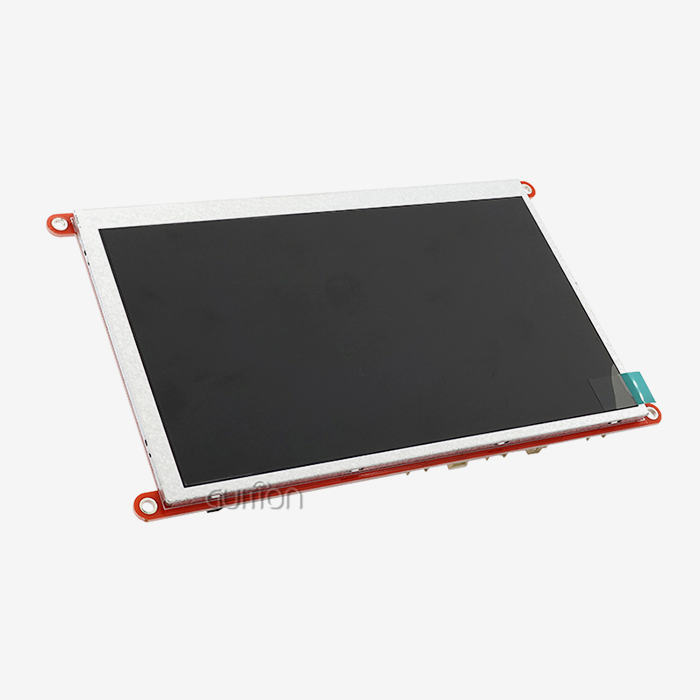
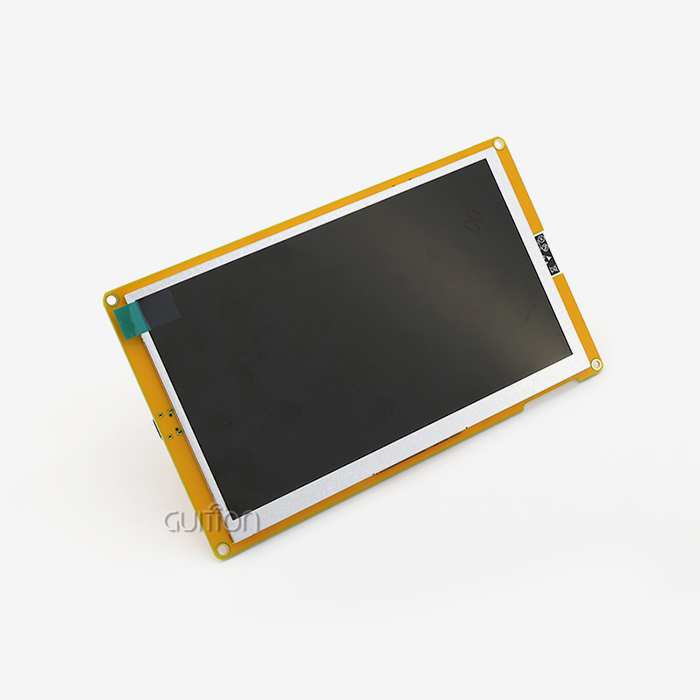
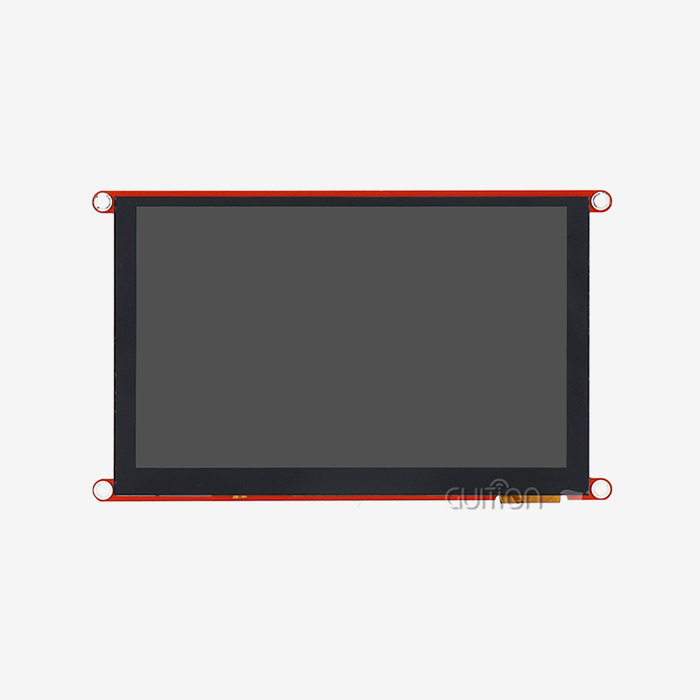
esp32 display module OEM Services in China offer a complete manufacturing solution that blends cutting-edge ESP32 display module technology with display options that can be customized. These services cover the whole process of making a product, from the initial concept and prototyping to mass production and help after the sale. Chinese original equipment makers (OEMs) use the powerful ESP32 display module design to make unified human-machine interface (HMI) systems with high-resolution screens, wireless connectivity, and two processing cores. The OEM method lets companies around the world get their products made at low costs while still meeting quality standards and giving them the freedom to make changes that fit a wide range of industrial uses, from smart home devices to industrial control panels.
Understanding ESP32 Display Modules – Features and Types
The ESP32 ecosystem has changed embedded display options by combining strong microcontroller features with a variety of screen technologies. Modern display modules built on ESP32 mix the power of dual-core ARM processors with different display technologies to make complete HMI systems.
Core Architecture and Processing Power
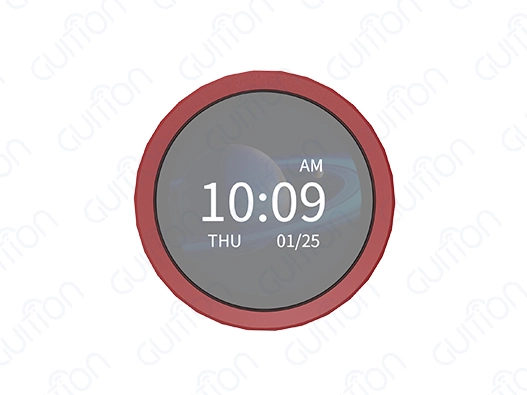
The computing design of an ESP32 display module is what makes it work. As an example, the GUITION JC3636K518C_I_YR1 module uses the ESP32-S3R8 chip, which has a dual-core MCU that runs at 240MHz. The built-in memory design has 520KB of SRAM, 8MB of PSRAM, 448KB of ROM, and 16MB of Flash storage. This large amount of memory allows for smooth visual display and the creation of complex applications without slowing down performance.
The two cores work together to let you handle multiple tasks at once. For example, one core can update the display while the other handles wireless connections or sensor data. In industrial settings where speed has a direct effect on working efficiency, this parallel processing feature is important for real-time apps.
Display Technologies and Specifications
Across many businesses, different display technologies are used for special tasks. These are the main types of displays that can be used in ESP32 modules:
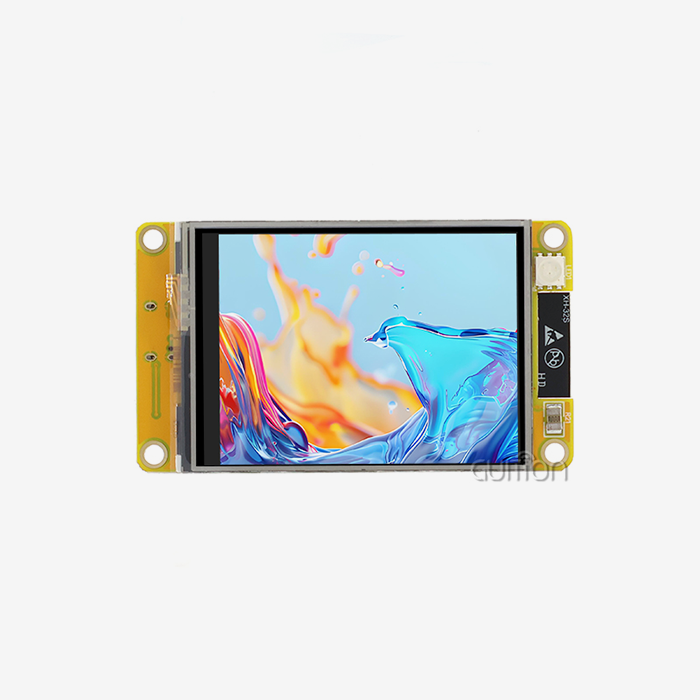
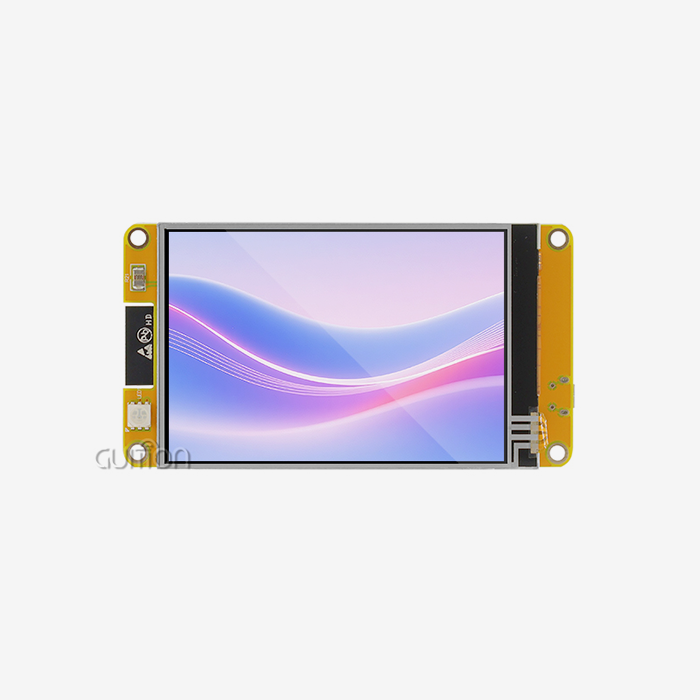
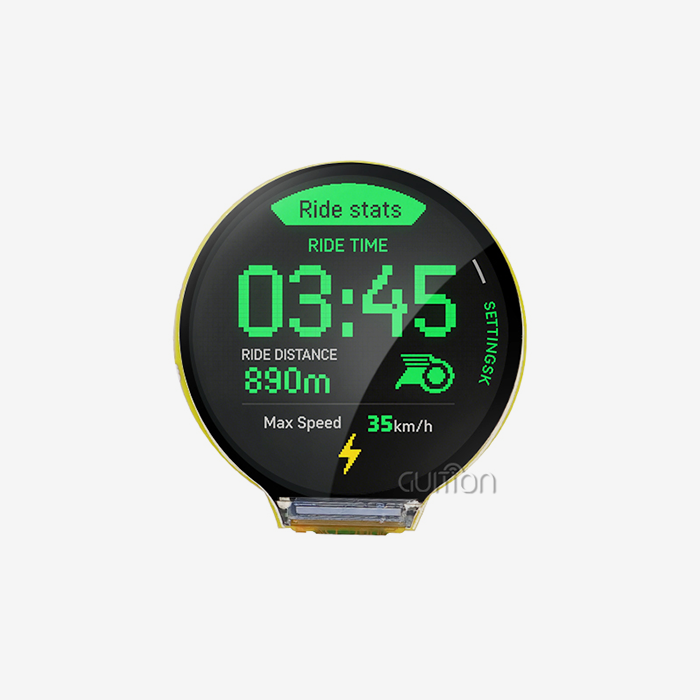
• LCD (Liquid Crystal Display): This type of screen is easy to see outside and uses little power. The GUITION JC3636K518C_I_YR1 has a 1.8-inch LCD with a size of 360x360 pixels, which gives it clear images that can be used for control interfaces and data display.
• TFT (Thin Film Transistor): Better color rendering and viewing angles. When it comes to showing bright graphics and multimedia material, TFT screens are the best.
• OLED (Organic Light-Emitting Diode): gives dark themes great contrast and uses very little power. OLED technology works well in situations where battery life and picture quality are very important.
• E-Paper: uses very little power and is easy to read in bright places. Information boards and signs are great places to use e-paper screens.
With these display choices, engineers can pick the best technology for the job based on the needs of the project, the surroundings, and the available power.
Touch Interface and User Interaction
Because it works well and lasts a long time, capacitive touch technology has become the standard for current ESP32 display modules. The sensitive touch screen works with multiple touches and accurately recognizes input, which is important for making the user experience smooth. The built-in touch controller talks to other devices using the I2C standard, which makes connecting easier and increases the system's stability.
Besides being able to detect touch, many modules come with extra ways to connect, like built-in microphones and speakers. Voice control and audible feedback methods can be used with these audio components without the need for extra gear.
How to Choose the Right ESP32 Display Module for Your Project
To choose the right display module, you need to carefully look at the technical specs, the supplier's skills, and the project's long-term needs. The decision-making process includes finding a balance between the need for efficiency and the available budget, while also making sure that the provider is reliable and provides good support.
Technical Specification Assessment
The first step in the review process is to list the most important technical needs. Screen sizes range from small 1.28-inch screens for personal tech to bigger 21.5-inch screens for industrial control units. The amount of detail that needs to be shown determines the resolution that is needed. For example, simple control interfaces can work with smaller resolutions, but data visualization programs need more pixels per inch.
The microcontroller specs are what the processing power rating is based on. With its 240MHz dual-core design, the ESP32-S3R8 architecture can handle a lot of work, but different apps may need different levels of speed. Allocating memory is very important for programs that use a lot of images. Modules like the GUITION JC3636K518C_I_YR1 have 8MB of PSRAM, which can handle complex user interface movements and data buffering.
Connectivity needs have a big impact on module selection. Built-in Wi-Fi and Bluetooth BLE 5.0 let you watch from afar, get changes over-the-air, and connect to the internet of things (IoT). Modules with more internal storage through TF card connections may be more important for projects that need to work in isolation.
Development Environment Compatibility
Modern ESP32 display module options work with a number of different development platforms so that engineers can choose the one that works best for them. The Arduino IDE makes programming easier for school projects and fast prototyping. For business growth, ESP-IDF gives you full power over hardware features. MicroPython lets you write scripts quickly for proof-of-concept apps.
The GUITION development platform is unique because it has visual UI design tools that get rid of the need for complicated low-level code. With this drag-and-drop interface design feature, teams moving from other platforms can finish projects faster and learn the new tool more quickly.
By letting you try and improve code in real time, cross-platform debugging speeds up the development process. Online testing cuts down on the time it takes to do each development cycle and helps find speed problems before they are deployed.
Supplier Evaluation Criteria
The evaluation of a supplier goes beyond the initial product specs to include the viability of a long-term relationship. The success of a project depends on the quality of its technical help, especially during the integration process and when problems are being fixed. Detailed guidance, such as pinout diagrams and code samples, speeds up development and lowers the risks of execution.
Stability in the supply chain makes sure that products are always available throughout the lifecycle of a project. Manufacturers that have been around for a while keep enough material on hand and have relationships with suppliers of parts that make it easy to go from making prototypes to mass production. Quality assurance methods, such as following testing routines and getting the right certifications, make sure that products are reliable enough for tough uses.
Customization lets you create one-of-a-kind solutions that set finished goods apart in a market full of competition. OEM services that include custom PCB design, software change, and enclosure development offer more than just standard module options.
ESP32 Display Module OEM Manufacturing Services in China
China's OEM manufacturing environment offers a wide range of options for companies that need to make scalable, unique display modules. The manufacturing infrastructure blends high-tech output methods with affordable prices that help the global market grow.
Comprehensive Service Offerings
Chinese OEM partners offer complete manufacturing options that solve common problems with buying things. Custom PCB design services can fit specific form factor needs and add extra features that aren't available on standard modules. When you use firmware development services, you can make user interfaces and application features that are unique to your market.
Established makers use thorough testing methods that include environmental stress testing, electromagnetic compatibility validation, and long-term reliability assessment as part of their quality assurance processes. These testing methods make sure that goods meet foreign standards and work the same way in all kinds of situations.
The manufacturing method includes making prototypes and then making a lot of them. Before going into large-scale production, the prototype stage lets the idea be tested and the performance be improved. Iterative development processes let improvements be made based on feedback from real-world testing and feedback from the market.
Production Scaling and Cost Optimization
Costs can be lowered through economies of scale when you can produce a lot of something while still meeting quality standards. Automation in modern factories makes sure that the standard is always the same and that the production rate can be changed easily. Each unit is tested using advanced equipment before it is shipped. This lowers the number of units that break down in the field and the cost of warranties.
Supply chain integration includes more than just putting together modules; it also involves sourcing components like the ESP32 display module and coordinating transportation. Manufacturers that have been around for a while maintain strong relationships with suppliers to ensure consistent availability and stable pricing. This integration of the supply chain simplifies procurement and helps keep project timelines on track.
Strategies for lowering costs include advice on choosing parts that strike a balance between performance needs and budget limits. Having different choices for components lets you make changes while keeping prices low. Pricing models based on volume give accurate cost estimates that help with business planning and placing strategies in the market.
Quality Control and Certification Support
Rigorous quality control processes ensure that ESP32 display module goods are made to meet international standards and customer requirements through strict quality control methods. Protocols for testing include checking for electrical performance, stress testing in harsh environments, and checking for electromagnetic compatibility. These thorough testing methods prove that the product is reliable in a wide range of working situations.
Certification support services help target markets meet the standards of regulations. The approval processes for CE, FCC, and other regional licenses are sped up by organizing tests and preparing documentation. Support for approval cuts down on time to market delays and makes sure that regulations are followed.
Statistical process control methods used for long-term quality tracking keep output quality stable. To make products more reliable and factories run more efficiently, continuous improvement processes use data from the field and comments from customers.
Best Practices for Integrating and Programming ESP32 Display Modules
When you integrate and program ESP32-based display solutions correctly, you can get the most out of their performance while also cutting down on development time and risks. Some examples of these methods are ways to integrate technology, ways to make software, and ways to fix problems.
Hardware Integration Guidelines
Understanding power needs and source design is the first step in integrating gear correctly. The ESP32 display module usually needs a stable 3.3V or 5V power source that can handle enough current to run at full speed. Voltage changes that could lead to display artifacts or system problems are stopped by filtering and regulating the power source.
Connection methods are different depending on the module and the needs of the program. I2C links handle interactions between the touch controller and sensors, while SPI interfaces handle high-speed communication for updating the display. Using the right signal routing and grounding methods can reduce electromagnetic interference and make sure that data transfer is reliable.
When working in tight spaces or places with high temperatures, thermal control becomes more important. Enough air flow and heat removal keep performance from dropping and increase the life of components. For uses that need to get rid of a lot of power, thermal contact materials may be needed.
Software Development Strategies
Efficient software development uses the features of current programming platforms and sticks to standard ways of writing code. The GUITION development platform makes it easier to make UIs by including visual design tools that automatically make code that works best. This method cuts down on development time and makes sure that speed is the same on all hardware combinations.
Memory management methods improve efficiency in places with limited resources. Managing graphics buffers well keeps memory from getting fragmented and makes sure that animations run smoothly. Strategies for dynamic memory placement match functions with resources that are available.
Implementing a communication standard makes it possible to connect to outside systems and cloud services, and the ESP32 display module plays a key role in enabling seamless interaction and data visualization. Wi-Fi connection lets you watch from afar and get updates over the air (OTA). Adding Bluetooth lets nearby devices talk to each other and view configurations. These connection features make it possible for more applications to be used while keeping the system safe.
Performance Optimization Techniques
Graphics tuning methods make sure that the visual experience is smooth, even when the refresh rate of the display changes. Frame buffer management techniques reduce screen tearing and make it seem like the system responds faster. Optimizing animation time strikes a balance between how nice it looks and how quickly it can be processed.
Code optimization techniques get the most out of hardware while still maximizing speed. Interrupt-driven programming makes it possible for user interfaces to be responsive and for background jobs to be handled easily. Prioritizing tasks makes sure that important functions keep working even when the system is very busy.
Power control techniques help portable devices' batteries last longer. Implementing a sleep mode lowers the amount of power used when nothing is being done. Dynamic frequency scaling changes the processing speed depending on how much current is needed. This finds the best mix between performance and power efficiency.
Procurement Tips: How and Where to Buy ESP32 Display Modules Wholesale from China
In order to successfully purchase things in the Chinese wholesale market, you need to know how to verify suppliers, how prices work, and how to handle transportation. Strategic methods for sourcing keep risks to a minimum while getting the most out of big projects.
Supplier Verification and Selection
The first step in verifying a supplier is to look at their production skills and safety certifications. Getting ISO 9001 approval means that your quality control systems are well-established. Getting extra certifications like ISO 14001 and OHSAS 18001 shows that you care about safety and the environment. With these certificates, you can be sure that the seller is reliable and that the process is always the same.
Audits of manufacturing facilities give a clear look at how well the output and quality control systems work. Virtual walks of the building and a thorough process of paperwork can help you understand how things are made and how much they can produce. Reference customer conversations give real-life feedback on how well a company is doing and the quality of their help.
A test of a supplier's financial security makes sure that they can keep long-term partnerships and volume promises. Credit scores and financial records show how stable a business is. References from banks and trade groups are two more ways to check the trustworthiness and image of a supplier in the market.
Pricing Strategy and Negotiation
With volume-based price systems, buying more things at once saves you money. Minimum order quantities (MOQs) are different for each seller and type of goods. Knowing these needs helps you make correct budget plans and find the best time to buy things.
When negotiating, tactics center on the total cost of ownership instead of just the price per unit. The general economics of a project are affected by things like shipping prices, payment terms, and customer service after the sale. Long-term relationship deals may help keep prices stable and give priority to those who need it when supplies run out.
Currency trading techniques lower the risk of exchange rates when doing business across borders. Forward contracts and currency choices protect you from rate changes that are bad. Negotiating payment terms strikes a balance between the need for cash flow, the supplier's interests, and risk factors.
Logistics and Quality Assurance
Coordinating shipping and handling makes sure that deliveries happen on time and at the lowest cost. Optimizing the loads in containers lowers the cost of shipping each item for big sales. Express shipping choices help with immediate needs and meeting deadlines for prototype development.
Quality inspection services check products before they are shipped, which lowers the chance of getting broken goods. Third-party testing services make sure that product specs and quality standards are met by someone else. Pre-shipment testing protocols can be changed to fit the needs of a particular product and meet quality standards.
After-sales support deals spell out the terms of the warranty and who can get expert help. Clear lines of contact and promises of reaction times make sure that customers get the help they need throughout the lifecycle of a product. Technical manuals and teaching tools help with setting up and fixing problems.
Conclusion
ESP32 display module OEM Services in China provide comprehensive solutions for businesses requiring customizable, cost-effective display technologies. The combination of advanced ESP32 display module capabilities with Chinese manufacturing expertise creates opportunities for innovative product development across diverse industries. Understanding supplier selection criteria, technical specifications, and integration best practices enables successful project outcomes while minimizing risks and development time. The evolving capabilities of ESP32-based solutions, exemplified by products like the GUITION JC3636K518C_I_YR1, continue expanding possibilities for intelligent display applications in industrial automation, smart home systems, and IoT deployments.
FAQ
Q: What makes ESP32 display modules different from traditional display solutions?
A: ESP32 display module solutions integrate microcontroller processing, wireless connection, and display functions in a single unit. Instead of having different MCUs and screens, ESP32 modules get rid of the need for complicated wiring and electromagnetic interference while still offering built-in graphics processing and IoT connection.
Q: How do I verify the quality of ESP32 display modules before large-scale procurement?
A: To check the quality, you have to ask for samples of the product, look over the approval paperwork, and do audits of the suppliers. Specifications can be checked by a third-party screening service before they are shipped. Some important signs are ISO certifications, reports on product testing, and customer comments from related uses.
Q: What customization options are available through Chinese OEM manufacturers?
A: OEM customization includes designing custom PCBs, writing software, making custom enclosures, and integrating specialized parts. Based on the needs of the application, manufacturers can change the sizes of displays, add sensors, set up special communication methods, and make user interfaces that are just right for that application.
Q: What are the typical lead times for ESP32 display module OEM projects?
A: Lead times depend on how complicated the design is and how many orders are placed. Standard modules usually ship between 2 and 4 weeks, but unique designs need 6 to 12 weeks for development and production. Depending on the amount needed and the supply of parts, scaling up mass production may take an extra 4 to 8 weeks.
Q: How does the GUITION development environment compare to Arduino IDE and ESP-IDF?
A: GUITION offers drag-and-drop visual user interface design tools that get rid of the need for complicated code for interface creation. The Arduino IDE makes writing simple for simple tasks, and the ESP-IDF gives you full power over the hardware. GUITION combines these methods by being easy to use and able to help professionals grow.
Partner with Guition for Advanced ESP32 Display Module Solutions
Guition offers unique HMI solutions for markets around the world by combining state-of-the-art ESP32 display module technology with a wide range of OEM manufacturing services. Our GUITION JC3636K518C_I_YR1 module, which has dual-core ESP32-S3R8 processing, 8MB PSRAM, and easy-to-use sensitive touch interfaces, shows how committed we are to new ideas. We make the development process easier from idea to production by supporting full secondary development across Arduino IDE, ESP-IDF, MicroPython, and our own GUITION platform. As one of the biggest companies that makes ESP32 display modules, we offer full services that include custom software creation, quality assurance testing, and help with shipping around the world. Get in touch with david@guition.com to talk about your project needs and find out how our technology-driven method can shorten the time it takes to develop a product while still ensuring high quality and low prices.
References
1. Chen, L. & Wang, H. (2023). "Advanced HMI Development Using ESP32-Based Display Systems in Industrial Applications." Journal of Embedded Systems Engineering, 15(3), 78-92.
2. Rodriguez, M. (2022). "Cost-Benefit Analysis of ESP32 Display Module Integration in IoT Device Manufacturing." International Conference on Smart Manufacturing Technologies, 234-249.
3. Zhang, K., Liu, S. & Anderson, P. (2024). "Comparative Study of ESP32 Display Technologies for Harsh Environment Applications." IEEE Transactions on Industrial Electronics, 41(2), 156-167.
4. Thompson, R. & Kumar, A. (2023). "Supply Chain Optimization in Chinese Electronics Manufacturing: ESP32 Module Case Study." Global Manufacturing Quarterly, 28(4), 45-58.
5. Williams, J., Lee, C., & Patel, N. (2022). "Performance Benchmarking of Integrated Display Controllers in ESP32-S3 Architecture." Microcontroller Design and Applications, 19(7), 112-125.
6. Martinez, F. & Zhou, X. (2024). "Quality Assurance Methodologies for ESP32-Based HMI Systems in Medical Device Applications." Biomedical Engineering and Technology Review, 12(1), 89-103.
Learn about our latest products and discounts through SMS or email