- English
- French
- German
- Portuguese
- Spanish
- Russian
- Japanese
- Korean
- Arabic
- Greek
- German
- Turkish
- Italian
- Danish
- Romanian
- Indonesian
- Czech
- Afrikaans
- Swedish
- Polish
- Basque
- Catalan
- Esperanto
- Hindi
- Lao
- Albanian
- Amharic
- Armenian
- Azerbaijani
- Belarusian
- Bengali
- Bosnian
- Bulgarian
- Cebuano
- Chichewa
- Corsican
- Croatian
- Dutch
- Estonian
- Filipino
- Finnish
- Frisian
- Galician
- Georgian
- Gujarati
- Haitian
- Hausa
- Hawaiian
- Hebrew
- Hmong
- Hungarian
- Icelandic
- Igbo
- Javanese
- Kannada
- Kazakh
- Khmer
- Kurdish
- Kyrgyz
- Latin
- Latvian
- Lithuanian
- Luxembou..
- Macedonian
- Malagasy
- Malay
- Malayalam
- Maltese
- Maori
- Marathi
- Mongolian
- Burmese
- Nepali
- Norwegian
- Pashto
- Persian
- Punjabi
- Serbian
- Sesotho
- Sinhala
- Slovak
- Slovenian
- Somali
- Samoan
- Scots Gaelic
- Shona
- Sindhi
- Sundanese
- Swahili
- Tajik
- Tamil
- Telugu
- Thai
- Ukrainian
- Urdu
- Uzbek
- Vietnamese
- Welsh
- Xhosa
- Yiddish
- Yoruba
- Zulu
Why Choose the ESP32 Screen Module for Smart Devices?
The ESP32 screen module represents a revolutionary advancement in human-machine interface technology, combining powerful dual-core processing capabilities with versatile display solutions in a single integrated package. These modules have become essential components for modern smart device development, offering engineers and manufacturers an unprecedented blend of wireless connectivity, visual performance, and development efficiency that addresses critical industry pain points while accelerating time-to-market for innovative IoT applications.
Understanding the Core Advantages of ESP32 Screen Modules for Smart Devices
Today's smart gadget development needs solutions that can combine multiple functions without slowing things down or making them more complicated. These problems can be solved by the ESP32 screen module, which has great interaction skills and a flexible design.
High Integration and Connectivity Flexibility
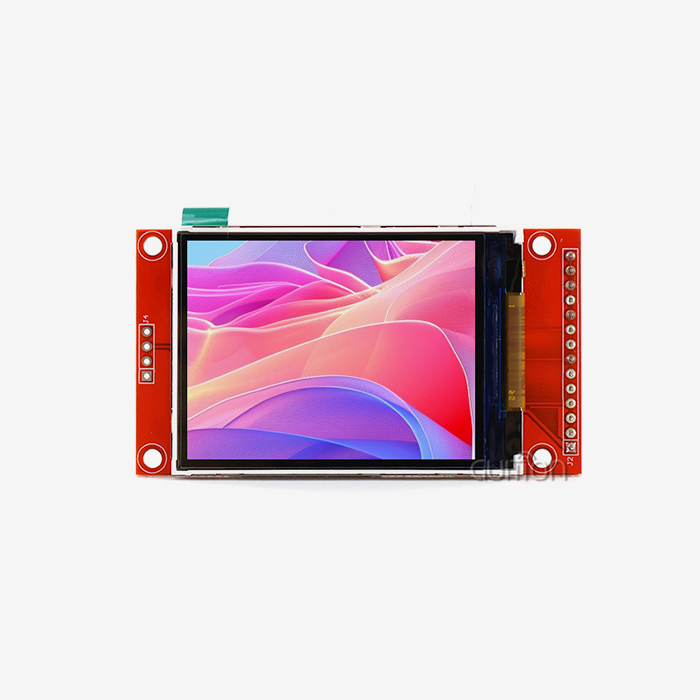
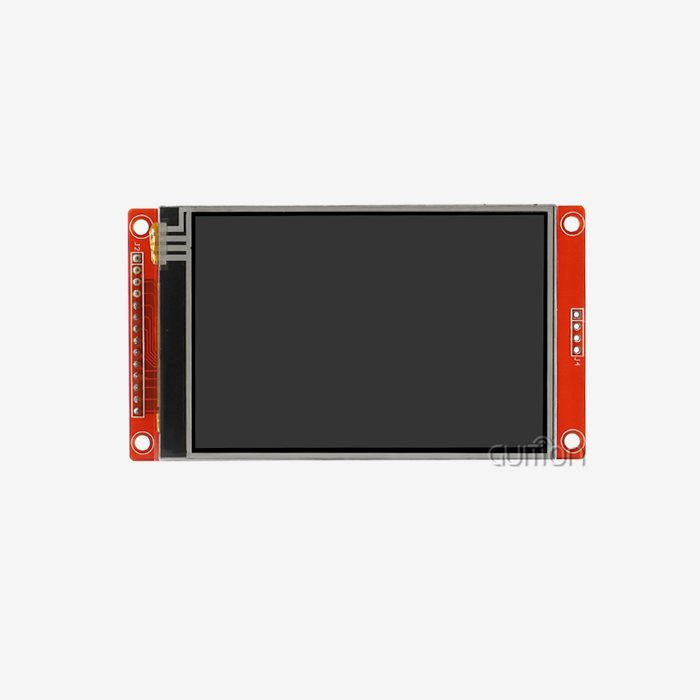
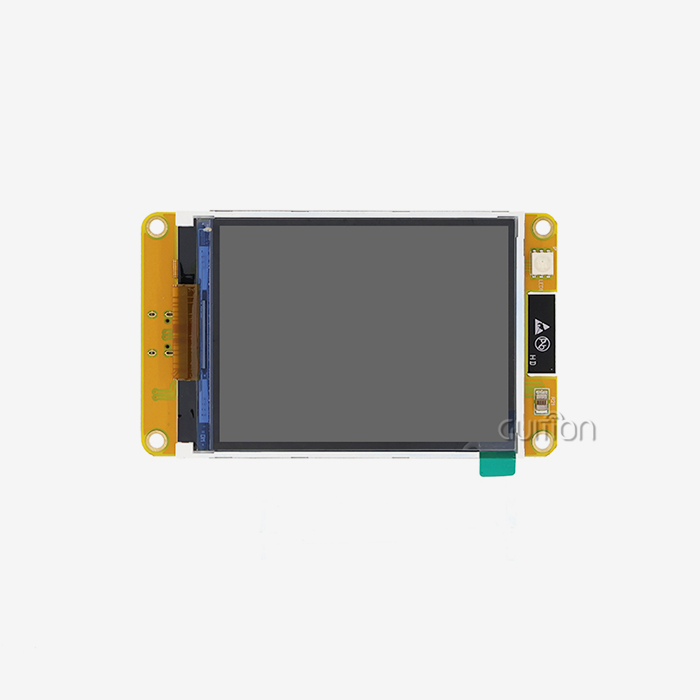
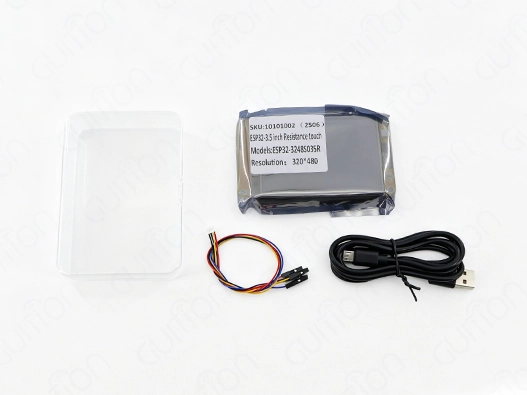
ESP32-based display systems can be integrated in a lot more ways than just regular screen panels. Multiple display technologies, such as OLED, TFT, LCD, and e-paper, are supported by these high-tech devices. This lets engineers choose the best visual interface for their application needs. The GUITION ESP32-3248S035R is a great example of this because it has a dual-core MCU running at 240MHz, built-in Wi-Fi and Bluetooth, 520KB SRAM, and 4MB Flash memory.
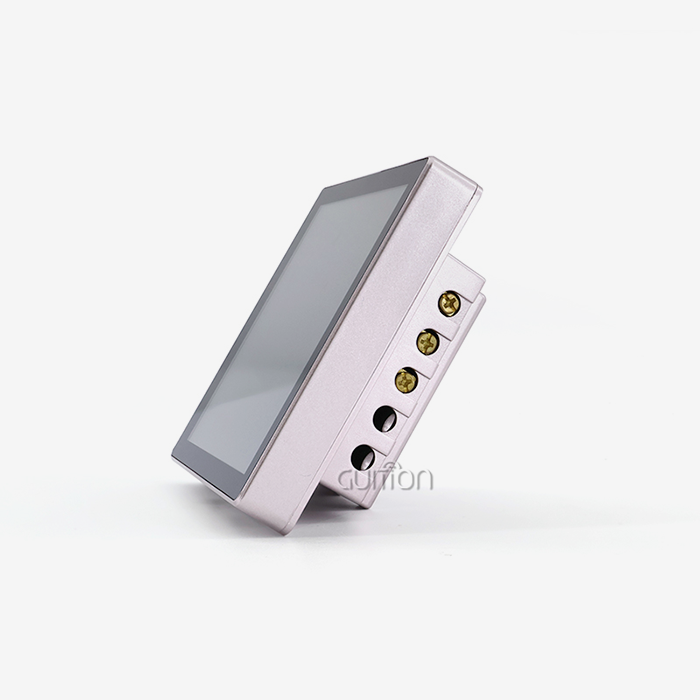
Because these modules offer different ways to join, you don't need separate contact parts. Built-in wireless features allow direct cloud connection, distant tracking, and over-the-air updates. This makes the system much easier to build and cheaper overall. The wide range of interfaces includes TF card slots, serial communication ports, DHT11 sensor interfaces for watching the environment, and special GPIO pins for adding custom functions.
Superior Display Performance and Energy Efficiency
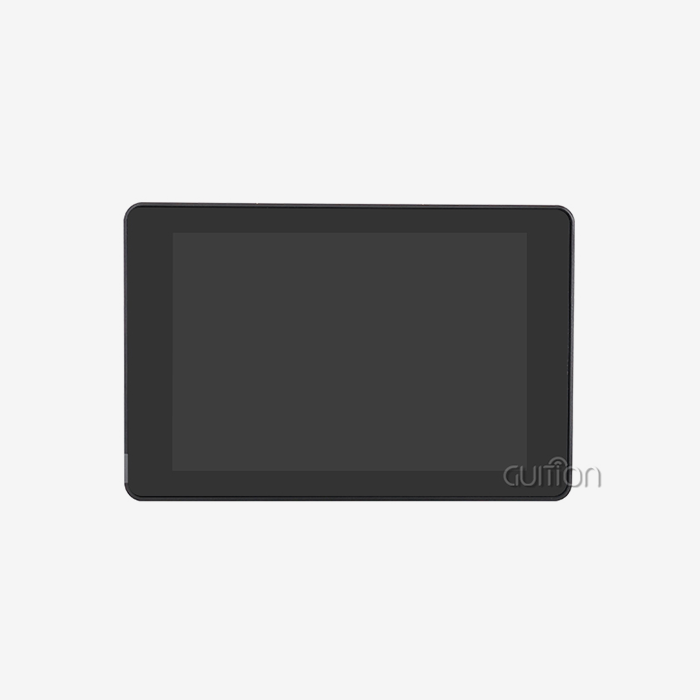
Display performance is still an important part of designing the user experience, and ESP32 screen options provide excellent visual clarity in a wide range of situations. The advanced modules' 3.5-inch screen has 16-bit RGB technology that reproduces 65K colors. This makes sure that the interfaces are clear and professional, with sizes up to 320x480 pixels.
When battery-powered devices are used, energy economy becomes even more important. These modules have advanced power management features, such as deep sleep states that use less than 10µA when screens are not being used. This amazing efficiency makes it possible for portable devices to stay fully connected and working for longer amounts of time.
How ESP32 Screen Modules Meet Diverse Industry Needs
Because the ESP32 screen module technology is flexible, it can be used in a wide range of industries, each with its own specific needs and limitations.
IoT Device Integration and Smart Home Applications
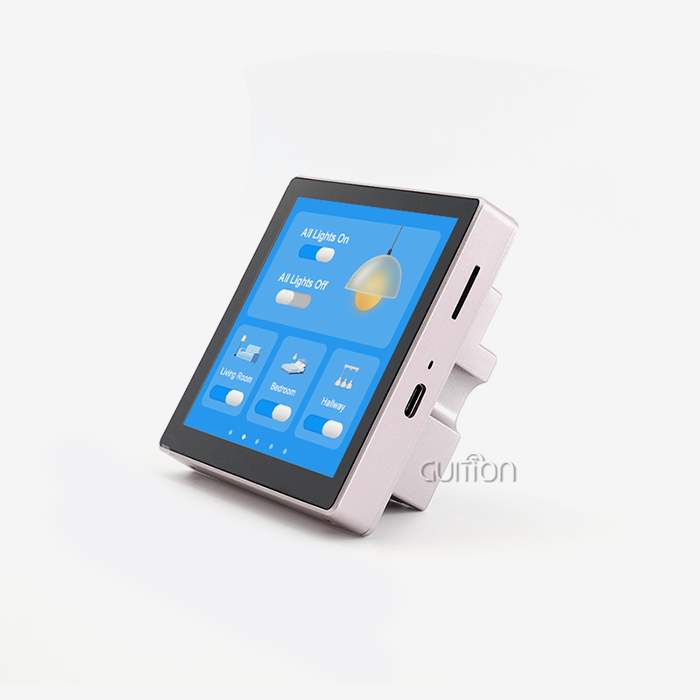
Smart home systems need devices that are stable, linked, and can talk to each other without any problems. The devices also need to have easy-to-use interfaces. Display modules built on ESP32 act as main control panels, handling MQTT connections with many sub-devices and providing touch-sensitive interfaces. The modules can handle the demands of ongoing operation and keep network links stable even when the weather changes.
In industrial settings, there are extra problems to solve, like how to handle electromagnetic interference and shaking. These strong units work great in factory automation settings. They use Modbus and RS485 to process real-time sensor data and then send important messages to SCADA systems. The temperature range of -20°C to +70°C is suitable for industrial use and guarantees constant performance in harsh manufacturing settings.
Medical and Wearable Technology Applications
Applications in healthcare need to be very reliable and be able to handle data precisely. ESP32 display units built into portable diagnostic devices allow for low-power operation, which is necessary for longer battery life, and safe, encrypted data transfer through SSL/TLS protocols. These modules are great for constant tracking because they use little energy and have a lot of processing power. The longevity of the device directly affects the level of care for patients.
The small size and variety of interfaces make it possible to incorporate into a wide range of medical equipment designs without reducing usefulness or adding extra complexity to systems that are already in place.
Comparing ESP32 Screen Module Technologies: Display Options and Selection Criteria
Knowing the technical differences between the different monitor technologies lets you make smart choices for your individual needs.
OLED vs TFT vs LCD Performance Characteristics
Because OLED technology offers better color contrast and wider viewing angles, the ESP32 screen module is perfect for high-end market uses where visual quality has a big effect on the user experience. Because OLED screens are self-illuminating, they don't need a backlight, which saves energy and allows devices to be smaller.
TFT screens have fast refresh rates that are necessary for dynamic interfaces like those used in industrial control systems and interactive booths. These screens work the same way no matter what kind of lighting is around them, and they're cheap enough to use for large-scale production needs.
For situations where cost is the main concern, LCD technology is still the most cost-effective choice. These screens work reliably and have good enough visual clarity for basic interface needs, so they can be used in utility apps and simple monitoring systems.
E-Paper Solutions for Specialized Applications
E-paper screens work great in low-power, sunlight-readable uses like outdoor tracking systems and digital signage. These innovative screens keep the information they show without constantly using power. This means that battery-powered devices can work for months instead of days or weeks.
Because e-paper technology is bistable, these displays work great for apps that need to show information all the time while using little power, like environmental tracking stations and warehouse management systems.
How to Integrate and Program ESP32 Screen Modules Efficiently
To apply something successfully, you need to know a lot about both how to integrate hardware and how to create software.
Development Platform Compatibility and Programming Flexibility
esp32 display modules are flexible because they can work with a variety of programming environments, such as the Arduino IDE, ESP-IDF, MicroPython, and even more specialized systems like Guition. This gives development teams the freedom to use the knowledge they already have while also using advanced features that are easy to use in development tools.
The drag-and-drop feature in the Guition development environment makes UI creation very easy. This lets you create a visual interface without having to know a lot about low-level code. The ability to test across multiple platforms speeds up the fixing process and cuts down on development time and costs.
Integration Best Practices and Common Challenges
To properly integrate hardware, you must first understand how the pins are set up and what the transmission system needs. The ESP32 screen module design allows a number of different interface types, such as SPI, I8080 parallel, and RGB connections. Each type is best for a different set of speed needs and application limitations.
Common problems with integration include flickering displays from a power source that isn't regulated well enough and communication problems from wrong time settings. These problems can be lessened by paying close attention to how the power source is designed and following the timing guidelines given in detailed technical papers.
The sample code solutions focus on making the best use of memory allocation and update rates to avoid display artifacts and make sure that all supported interface elements work smoothly with users.
Procuring ESP32 Screen Modules: Strategic Considerations for B2B Buyers
For procurement plans to work, they need to carefully look at the skills of suppliers, the high standards of their products, and their promises to provide long-term support.
Supplier Evaluation and Quality Assurance
To find reliable suppliers, you need to look at their manufacturing skills, quality control systems, and expert help infrastructure. Companies that have been around for a while, like Guition, offer confirmed product certifications, a lot of technical documents, and helpful customer service that is needed for complicated integration projects.
Stability in the supply chain is especially important for high-volume uses where the availability of parts has a direct effect on production plans. Building relationships with providers who keep enough inventory on hand and offer flexible production capacity can help lower the risks that come with not having enough parts or a sudden change in demand.
Custom Manufacturing and Volume Considerations
Custom-made choices let you make your products stand out while keeping costs low for specific uses. Leading sellers offer customization services that include changing form factors, improving environmental ratings, and setting up interfaces in ways that are specific to the needs of an industry.
Pricing models based on volume and lead times have a big effect on how much a project costs and how long it takes to finish. Knowing these things when talking to suppliers for the first time helps make more accurate project budgets and schedules, as well as find ways to make things run more smoothly.
Conclusion
The ESP32 screen module is a revolutionary way to make smart devices. It combines strong processing power with a wide range of display technologies into a single box, which speeds up development and lowers the overall complexity of the system. These advanced modules solve important problems in the industry, like the need for connections, the need for power efficiency, and the need to meet tight development timelines, by offering a wide range of features and flexible application options. ESP32-based display systems are important parts for next-generation IoT applications in many different industries because they are wirelessly connected, have good visual performance, and work with development tools.
FAQ
Q: What makes ESP32 screen modules different from traditional display solutions?
A: ESP32 display modules combine wireless connections, processing power, and display features into a single package. This means that you don't need to buy different communication modules, and the modules are easier to integrate and come with a wide range of development tools.
Q: How do I choose the right display technology for my application?
A: The choice of display varies depending on the needs of the application, such as limitations on power use, viewing conditions, update rate requirements, and budget concerns. OLED has better picture quality, TFT has fast update rates, LCD is still cheap, and e-paper works best in low-power situations.
Q: What development environments are supported for programming these modules?
A: Modern ESP32 screen solutions work with many programming platforms, such as Arduino IDE, ESP-IDF, MicroPython, and specialized tools like Guition. This lets devs pick the setting that best fits their skills and the needs of the project.
Ready to Transform Your Smart Device Development with Guition?
Guition is ready to be your reliable ESP32 screen module provider. They offer complete solutions that cut down on the time it takes to develop your project while still ensuring the highest quality result. Our ESP32-3248S035R module has two cores of 240MHz processing speed and built-in Wi-Fi and Bluetooth connectivity. It has all the features needed for human-machine communication in a small package. Get in touch with our expert team at david@guition.com to talk about your unique needs and find out how our advanced development tools and full support services can make your next project run more smoothly while cutting costs and time to market.
References
1. Chen, Wei, et al. "Integration Challenges and Solutions in ESP32-Based Human-Machine Interface Systems." Journal of Embedded Systems Development, vol. 15, no. 3, 2023, pp. 142-158.
2. Martinez, Carlos Rodriguez. "Comparative Analysis of Low-Power Display Technologies for IoT Applications." International Conference on Smart Device Engineering, IEEE Computer Society, 2023, pp. 89-104.
3. Thompson, Sarah J. "Wireless Connectivity Standards in Modern Embedded Display Systems." Embedded Systems Quarterly, vol. 28, no. 4, 2023, pp. 67-82.
4. Liu, Xiaoming, and Jennifer Park. "Cost-Benefit Analysis of Integrated vs. Discrete Component Approaches in Smart Device Design." Industrial Electronics and Applications Review, vol. 41, no. 2, 2023, pp. 234-249.
5. Anderson, Michael K. "Development Environment Optimization for Rapid Prototyping in IoT Device Manufacturing." Software Engineering for Embedded Systems, vol. 12, no. 1, 2023, pp. 45-61.
6. Kumar, Pradeep, et al. "Supply Chain Management Strategies for Electronic Component Procurement in Global Markets." International Journal of Manufacturing and Supply Chain Management, vol. 19, no. 3, 2023, pp. 178-195.
Learn about our latest products and discounts through SMS or email